Top speed is not the only consideration
A car used mainly in town does not need tyres selected around a track-test performance profile. Predictable handling and braking still matter. Wet surfaces, changing asphalt and unexpected traffic situations also occur at lower speeds. Correct size and load capacity therefore come first, just as they do for a car used on long journeys.
Describe everyday conditions precisely: multi-storey parking, cobbles, school runs or regular use of poorly surfaced side streets. These details produce useful comparison questions. For a small urban car, a balanced tyre in the existing approved size may be more suitable than a larger wheel set chosen chiefly for appearance.
Separate comfort from noise figures
An EU noise figure describes external rolling noise under defined test conditions. It does not directly measure how pleasant the cabin sounds. If a particular drone bothers you, look for credible comfort assessments relating to your vehicle or a comparable combination as well. An unusual noise may also arise from wear or a fault rather than the basic tyre design.
Changing wheel size involves more than changing tyre model. Always establish approval for the complete combination. A taller sidewall is not freely interchangeable merely because you want more cushioning. Deliberately lowering pressure to soften the ride is not a suitable solution either; the prescribed pressure for the application remains the reference.
Kerb protection has limits
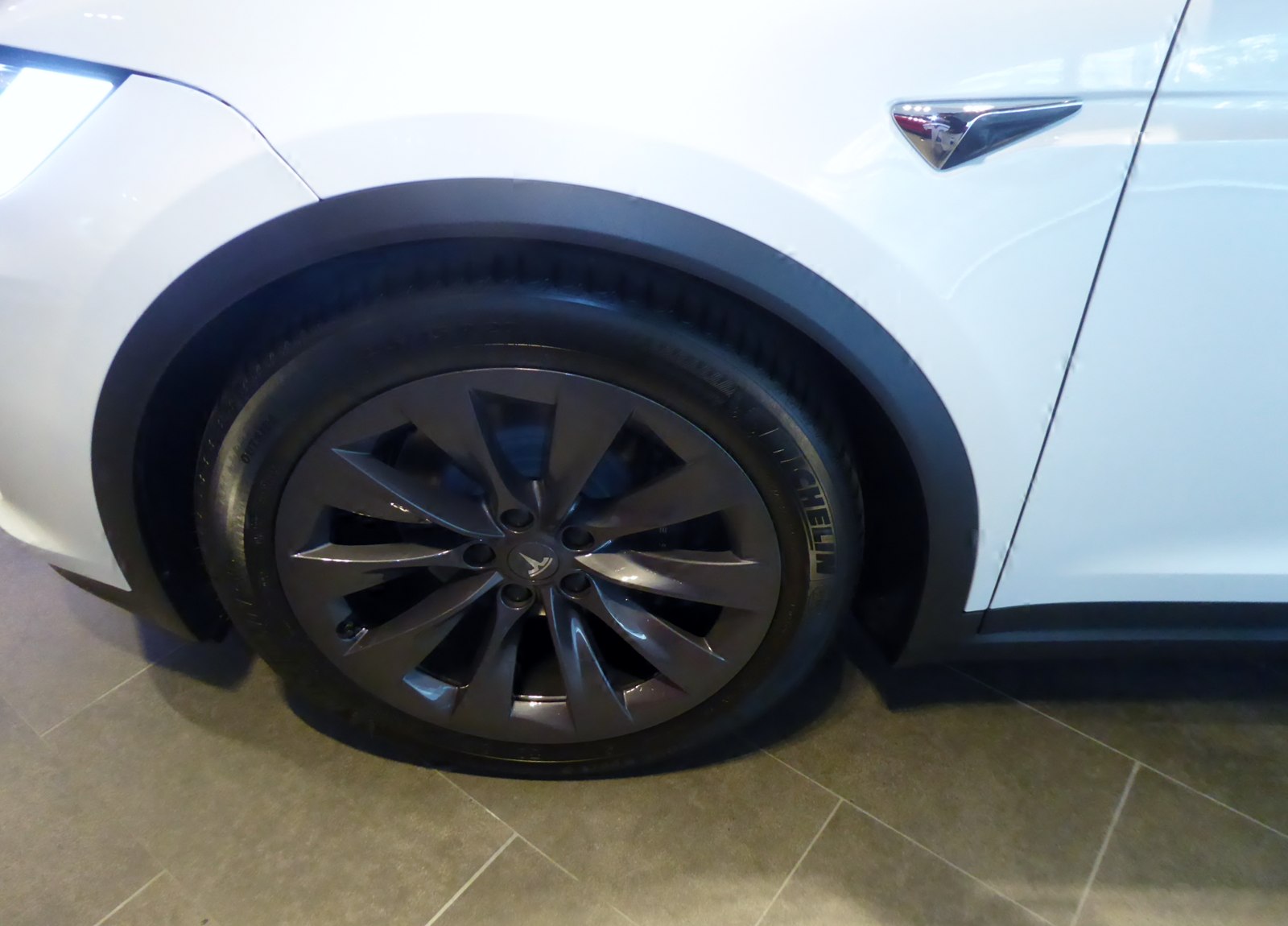
Rim-protection features may reduce minor contact, but they do not make a tyre immune to kerb damage. Inspect the sidewall and wheel after a hard impact. A bulge or cut cannot be dismissed because the tread looks robust. When parking, allow space for the tyre rather than considering only the bodywork.
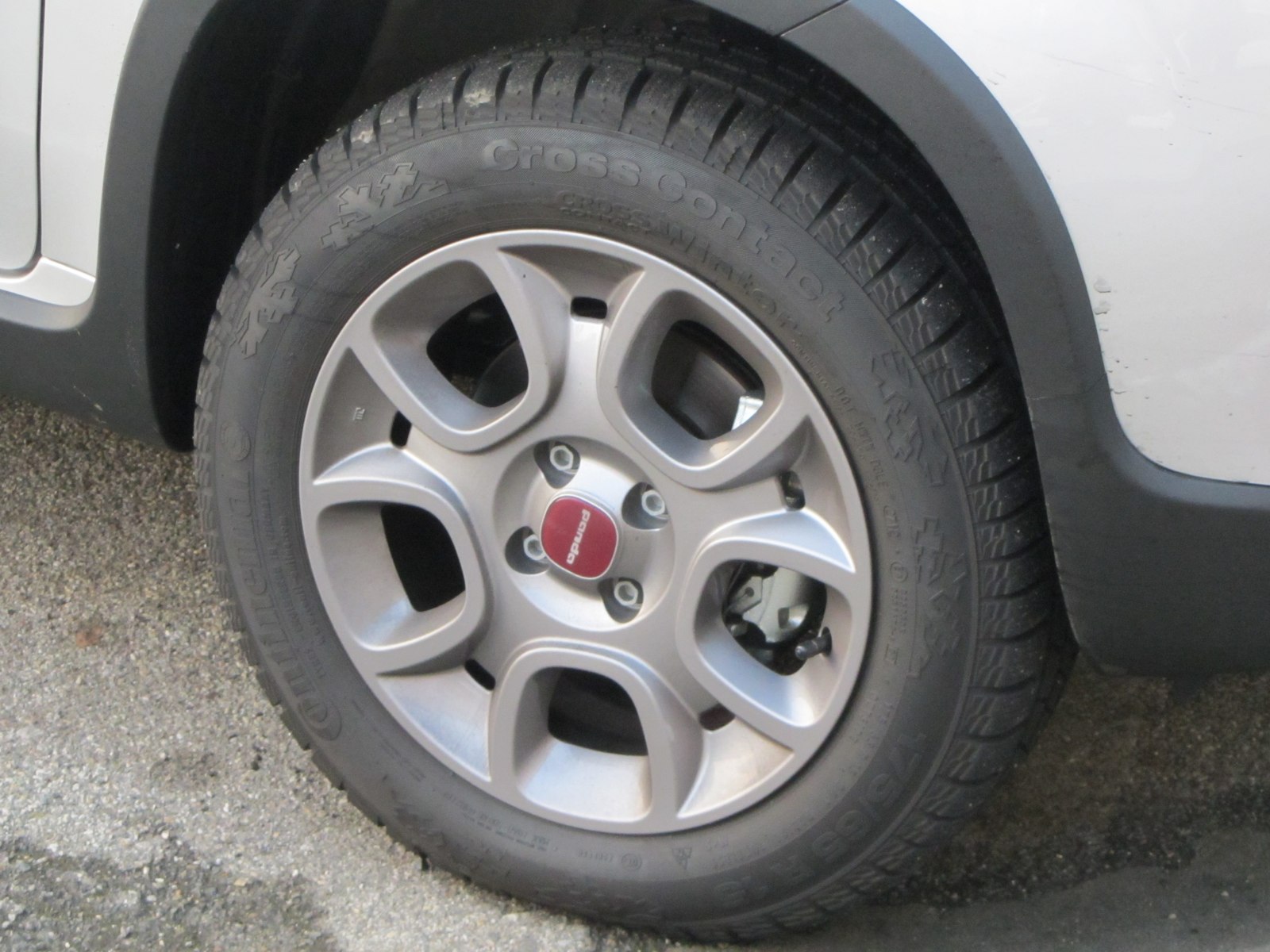
For seasonal choice, ask whether those city journeys remain necessary in winter road conditions. A short distance does not create an exemption from the required equipment. If you want to use one set throughout the year, compare suitable all-season models, including winter markings and wet-road results. Avoid judging the category through one enthusiastic owner review: different models can behave differently. Saving the seasonal change is a convenience benefit, not a promise of suitability in every kind of weather.