Care & checks
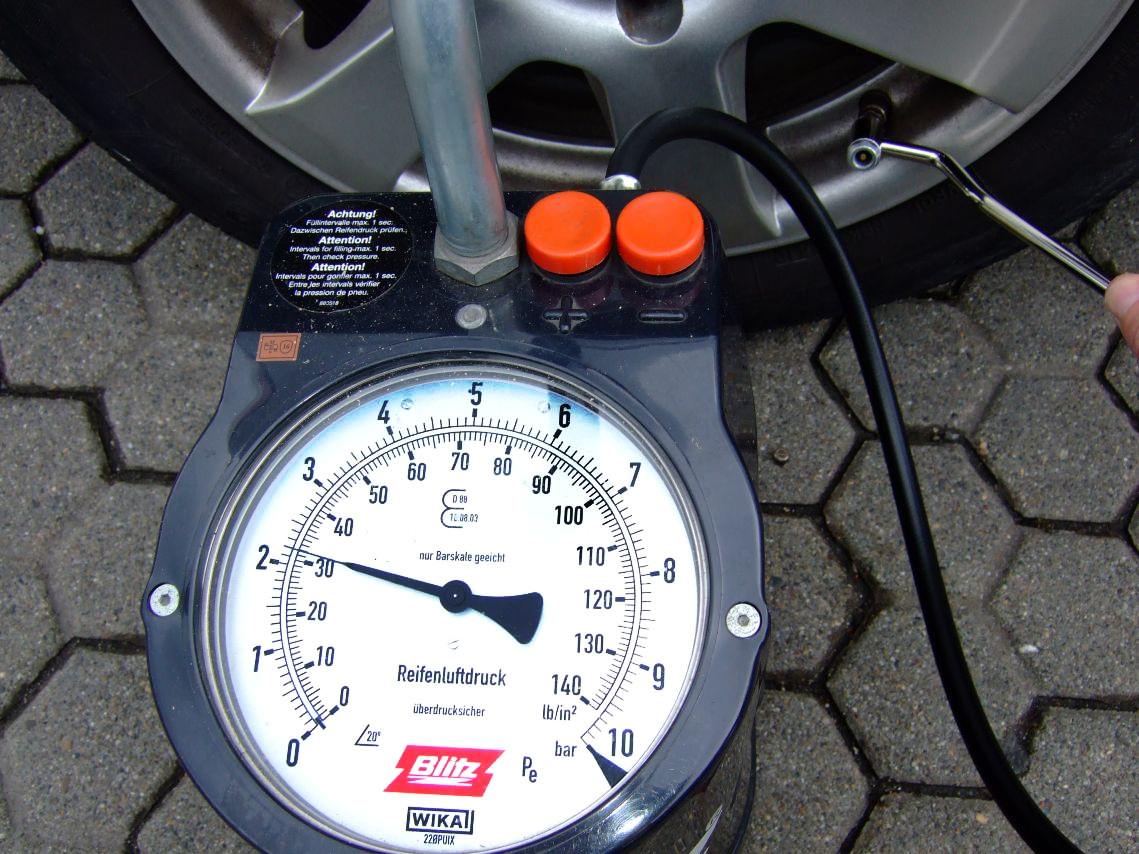
Checking tyre pressure when cold
Measure before driving so that heat does not distort the comparison. The target still comes from the instructions for your own vehicle.
Pressure, tread, wear and storage: checks during use and between seasons.
Measure before driving so that heat does not distort the comparison. The target still comes from the instructions for your own vehicle.
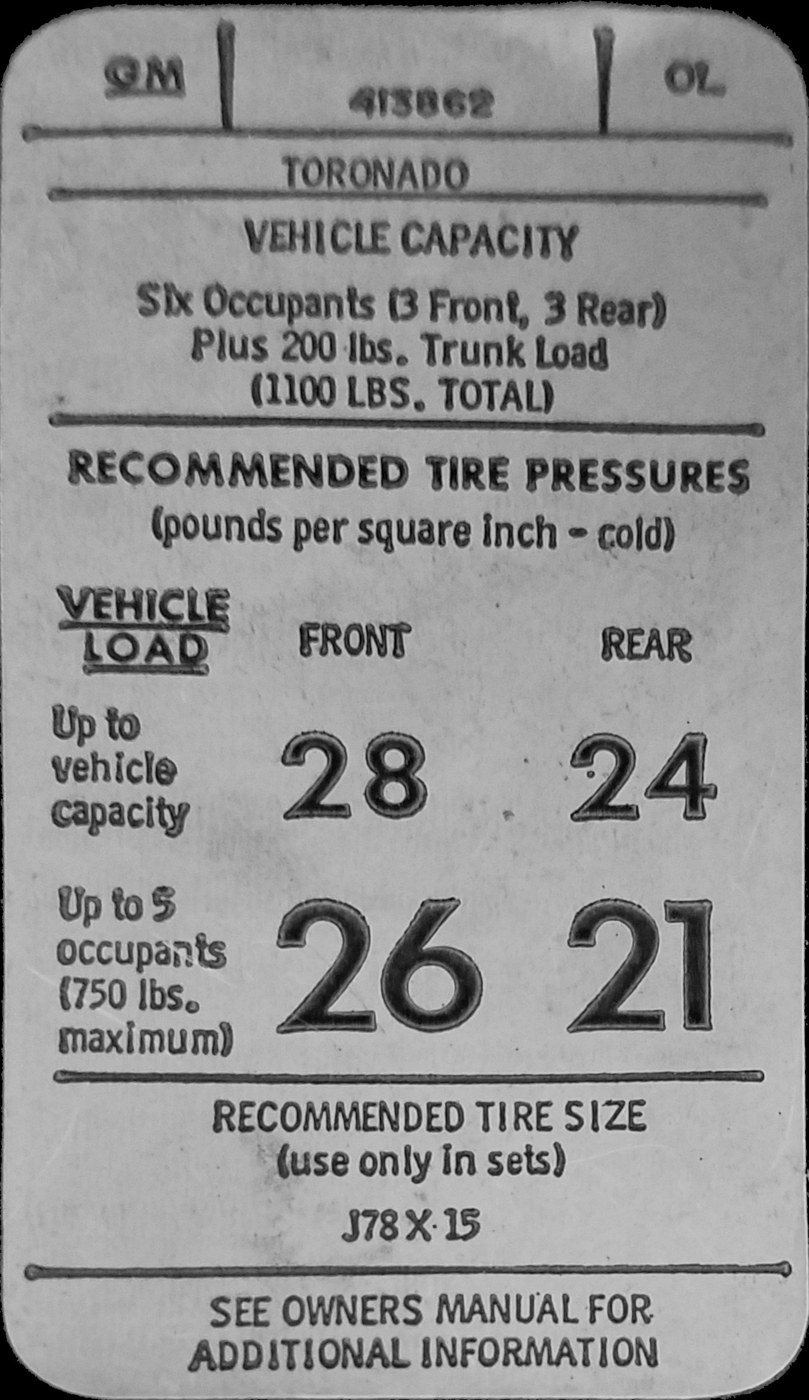
Several numbers on one sticker are not contradictory. They may belong to different axles, sizes or loading conditions.
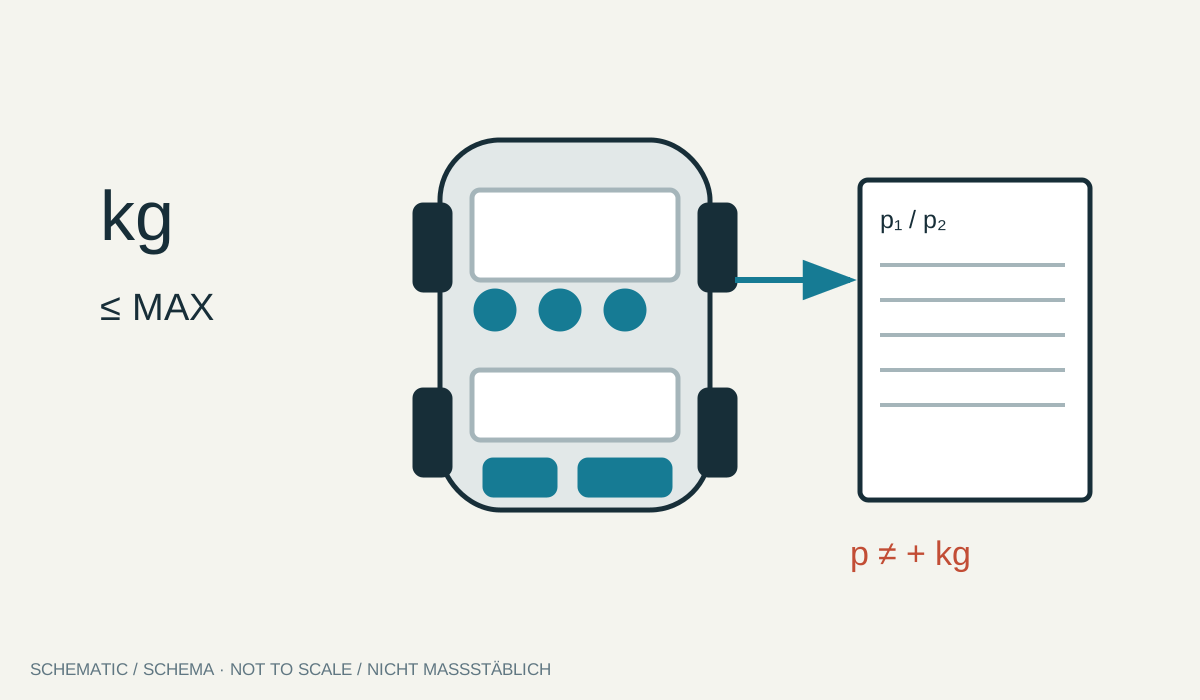
Passengers and luggage change the operating conditions. Use the vehicle manufacturer’s load-related pressure information.
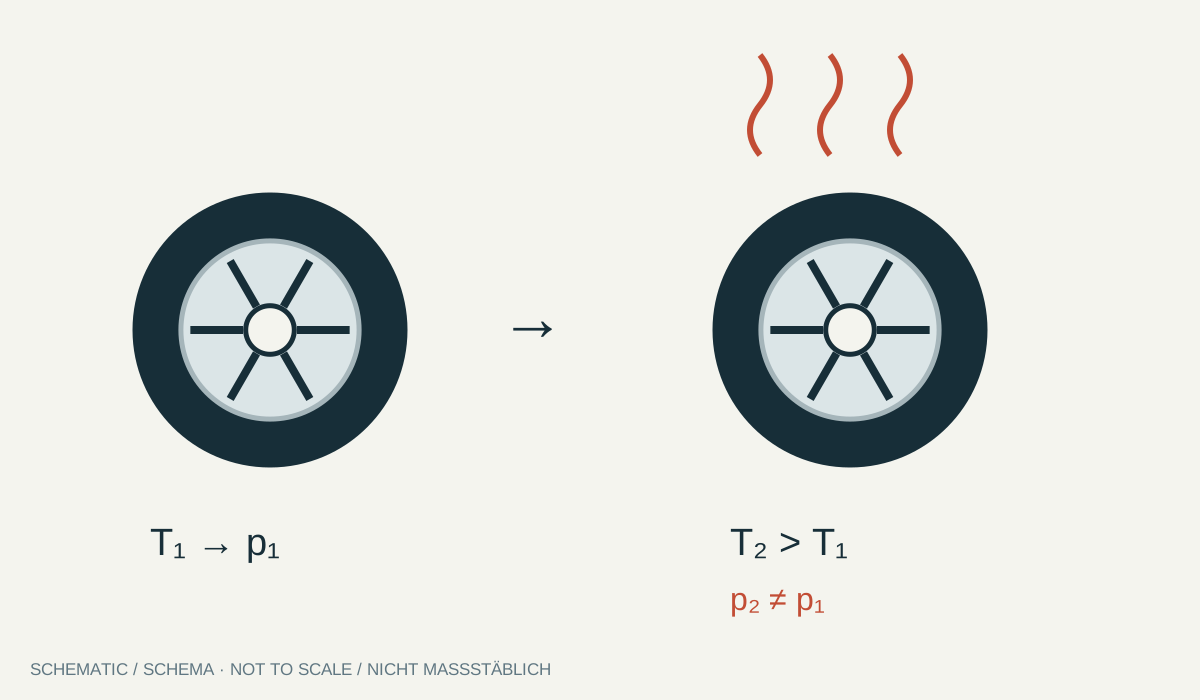
A higher reading after driving can result from heat. Do not simply use a cold-pressure figure as a target for releasing air.
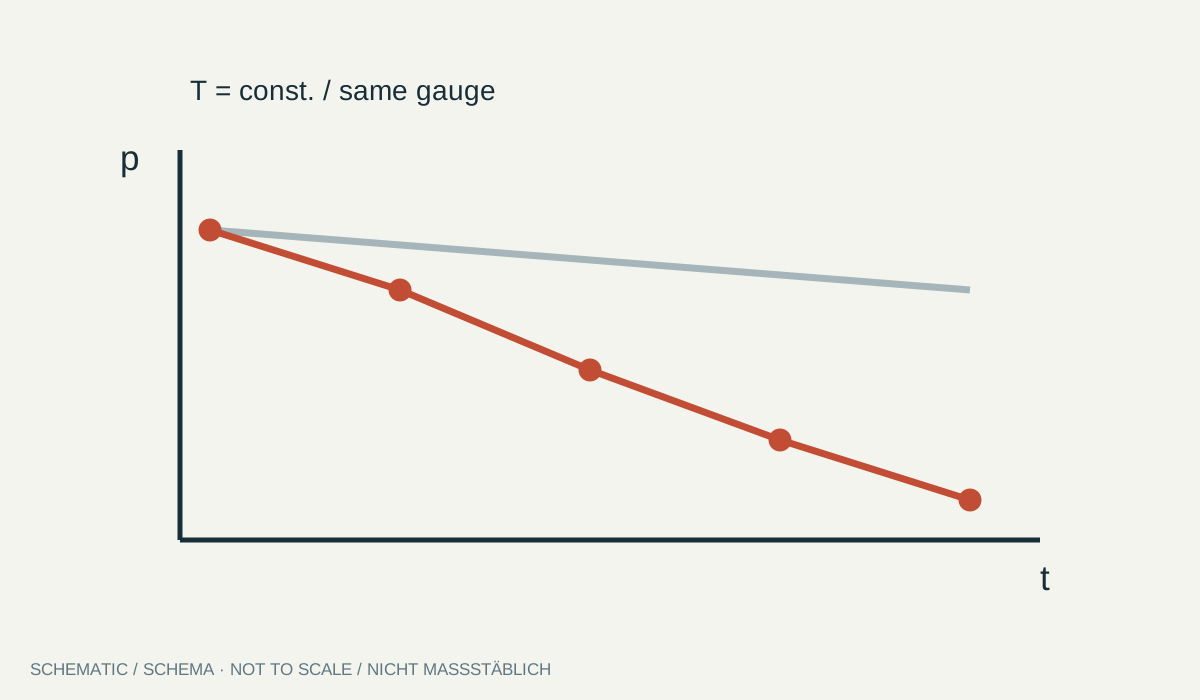
Repeated topping-up is a clue, not a repair. Comparable readings help a specialist investigate the cause of a leak.
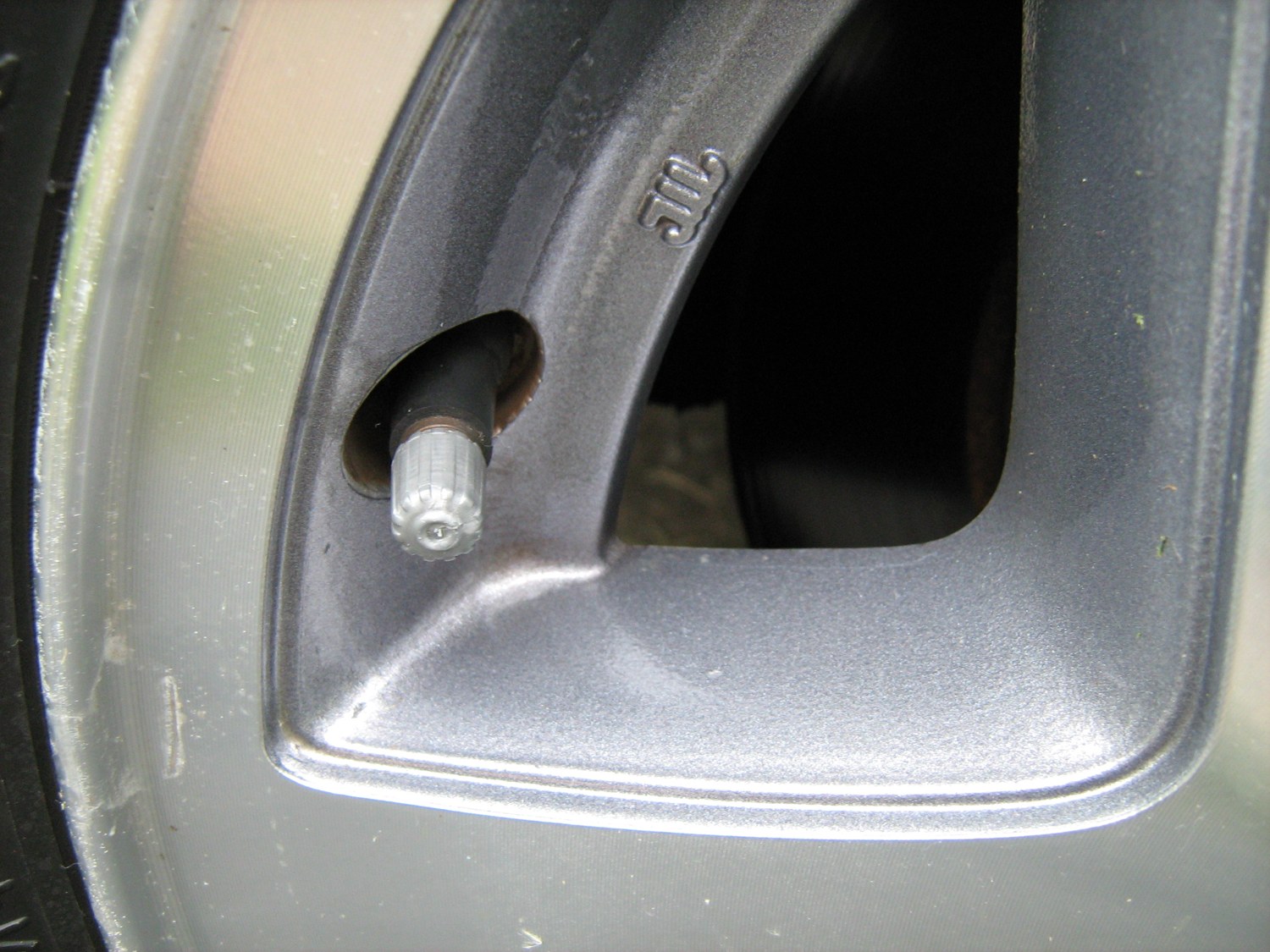
The small cap protects an important opening. If air escapes, the complete valve needs attention.
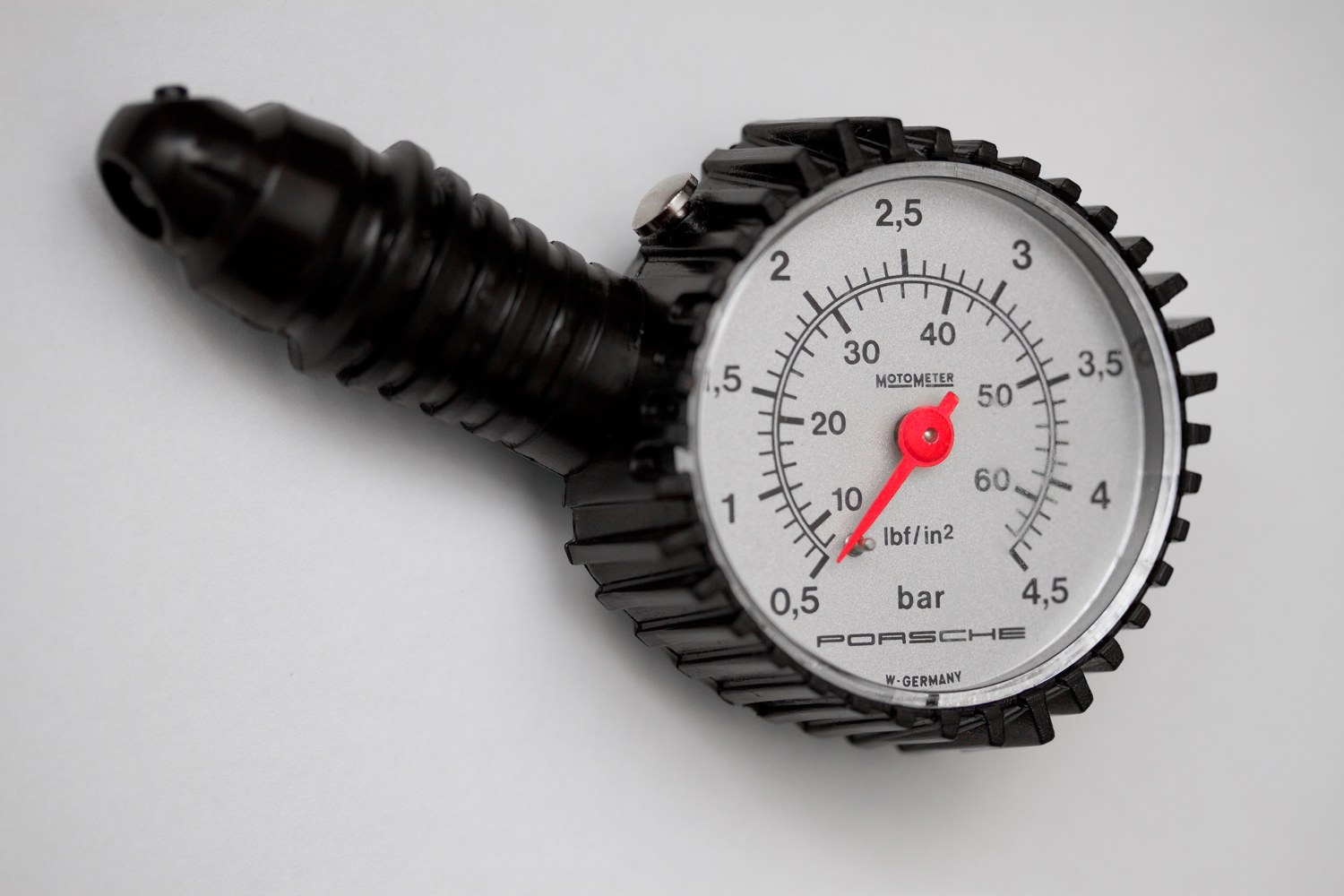
Readable units, a usable connector and verifiable accuracy matter more than extra decimal places.
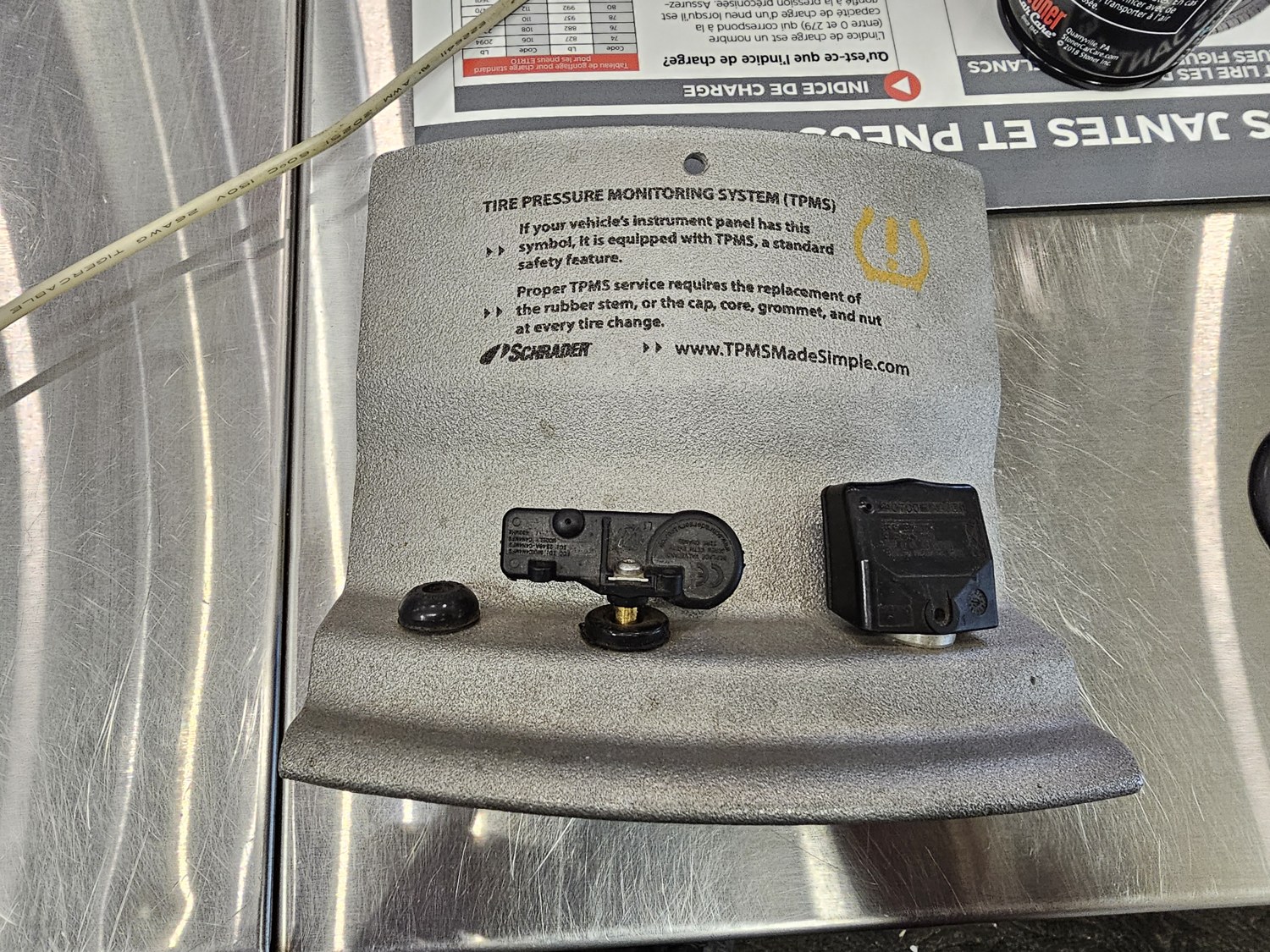
Wheel-mounted sensors provide pressure information. A second wheel set needs compatible hardware and the correct setup procedure.
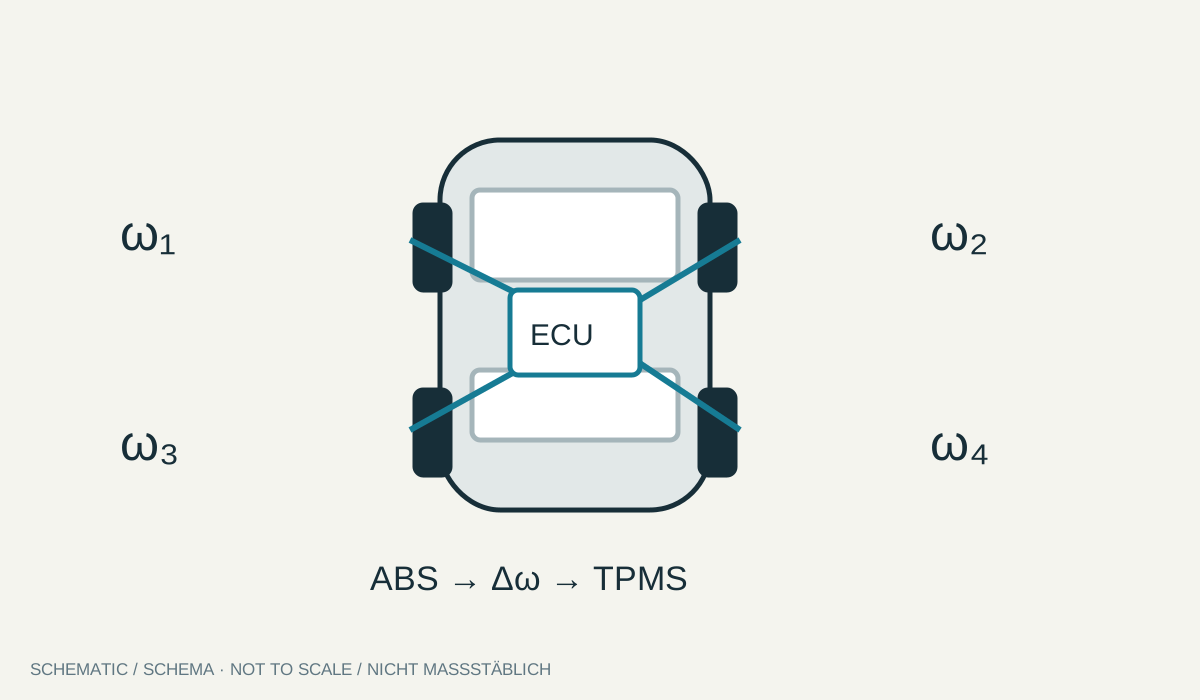
An indirect system analyses existing vehicle signals. It needs correctly inflated tyres before a reference is stored.
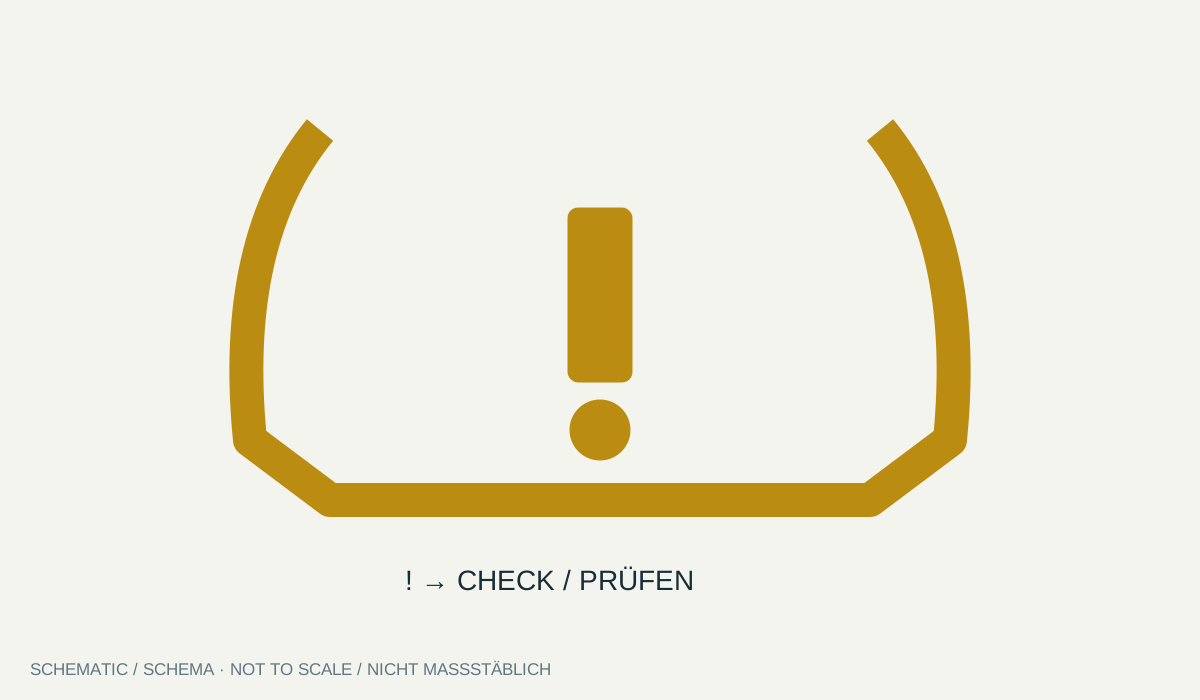
A warning calls for attention to the tyres first. Resetting the display is not the starting point.
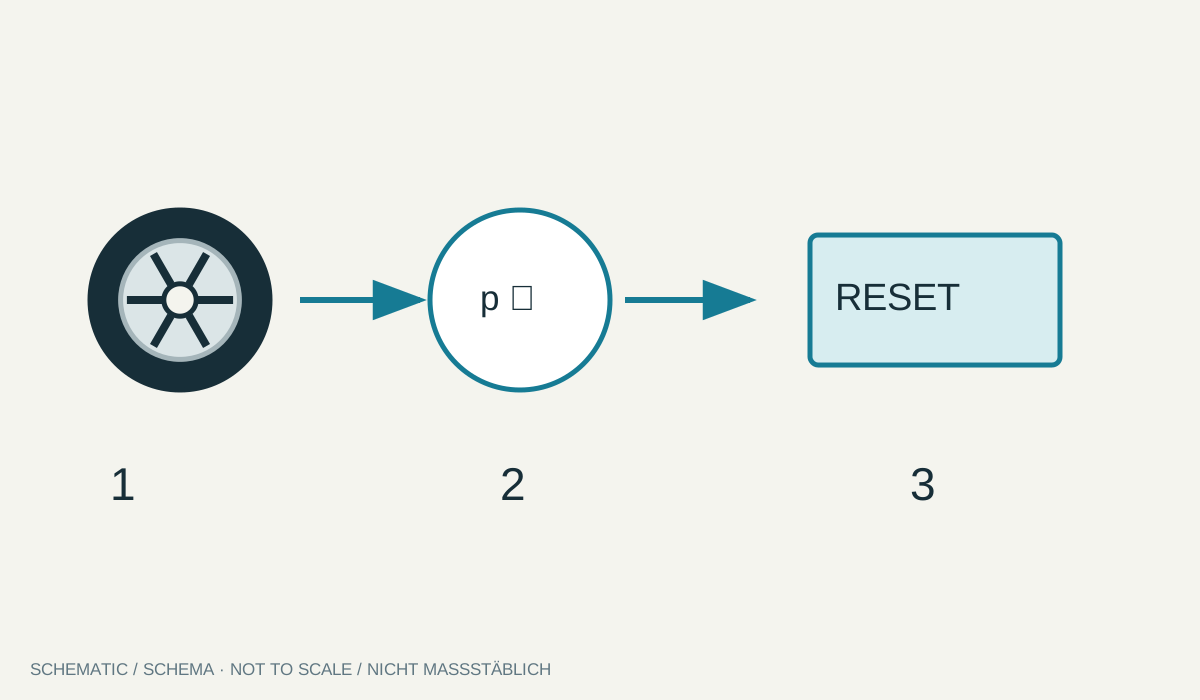
Store a new reference only after checking the tyres and setting their specified pressures.
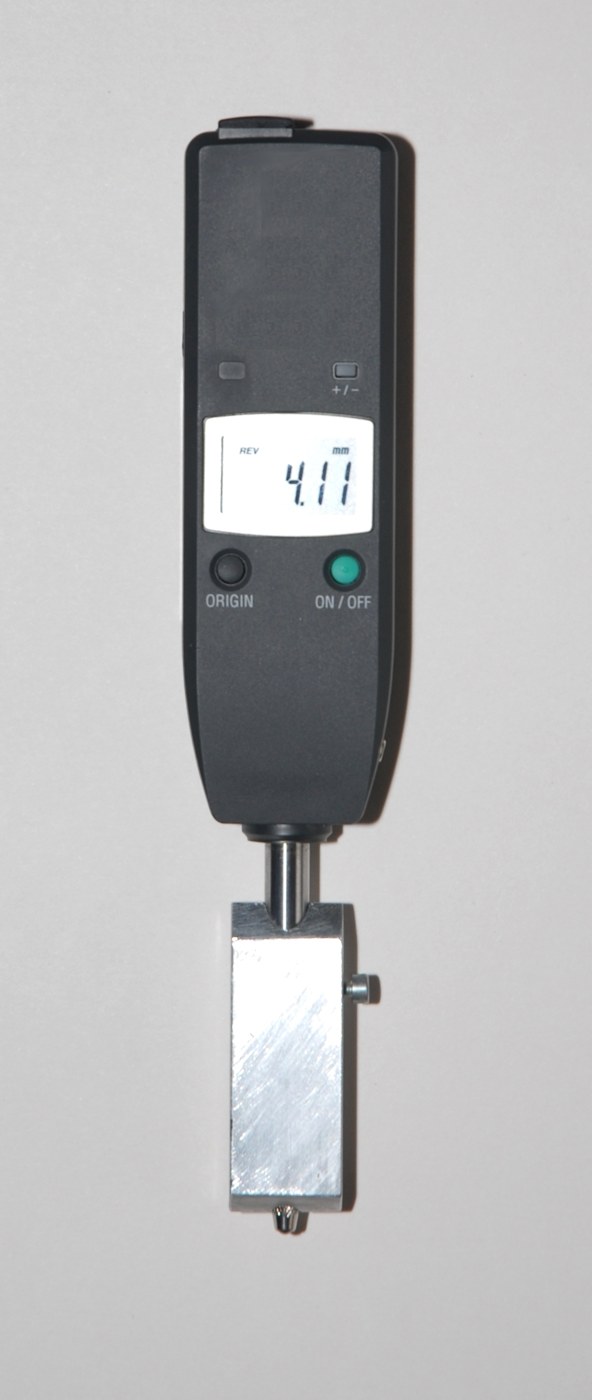
One reading can miss local wear. Measure several positions around the circumference and across the tread.
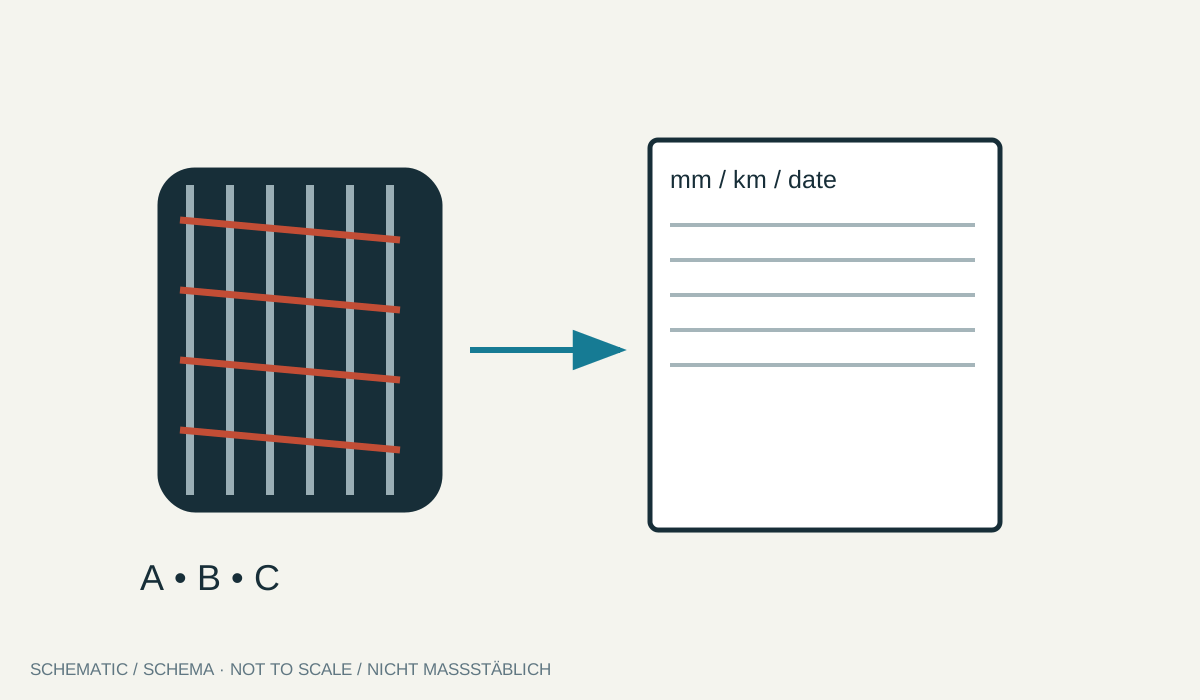
A wear pattern is a clue, not a certain remote diagnosis. Clear records make professional investigation easier.
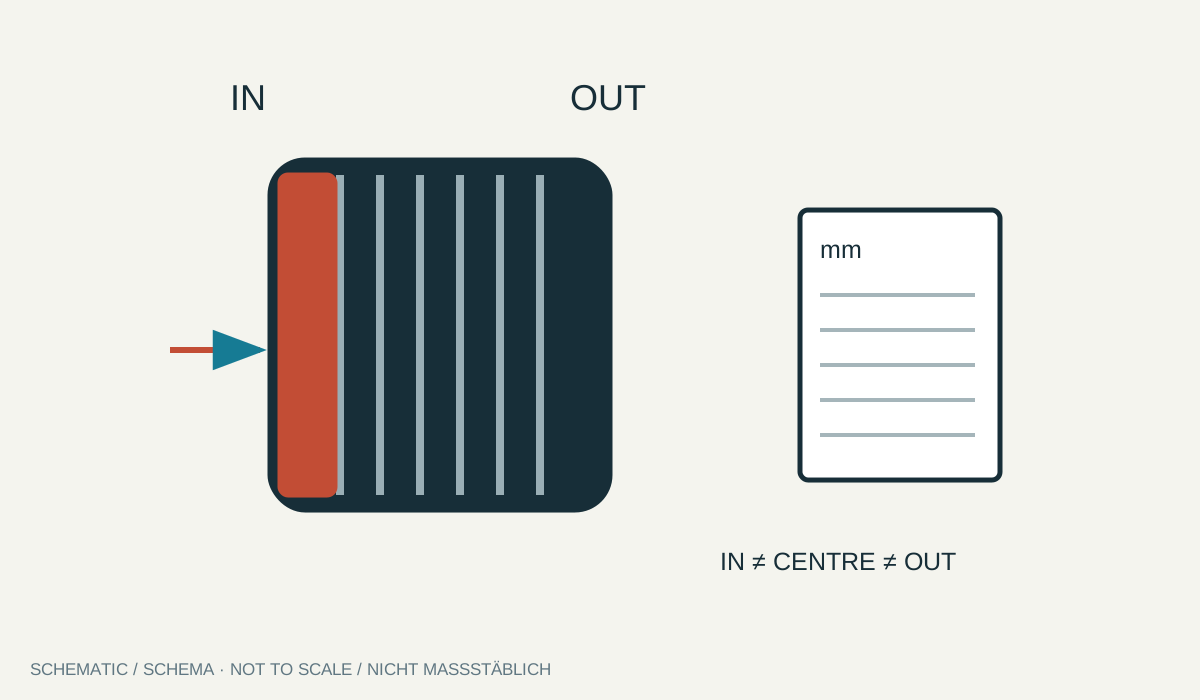
The shoulder facing the car is easy to miss during a quick walk-around. Wear there calls for a complete inspection.
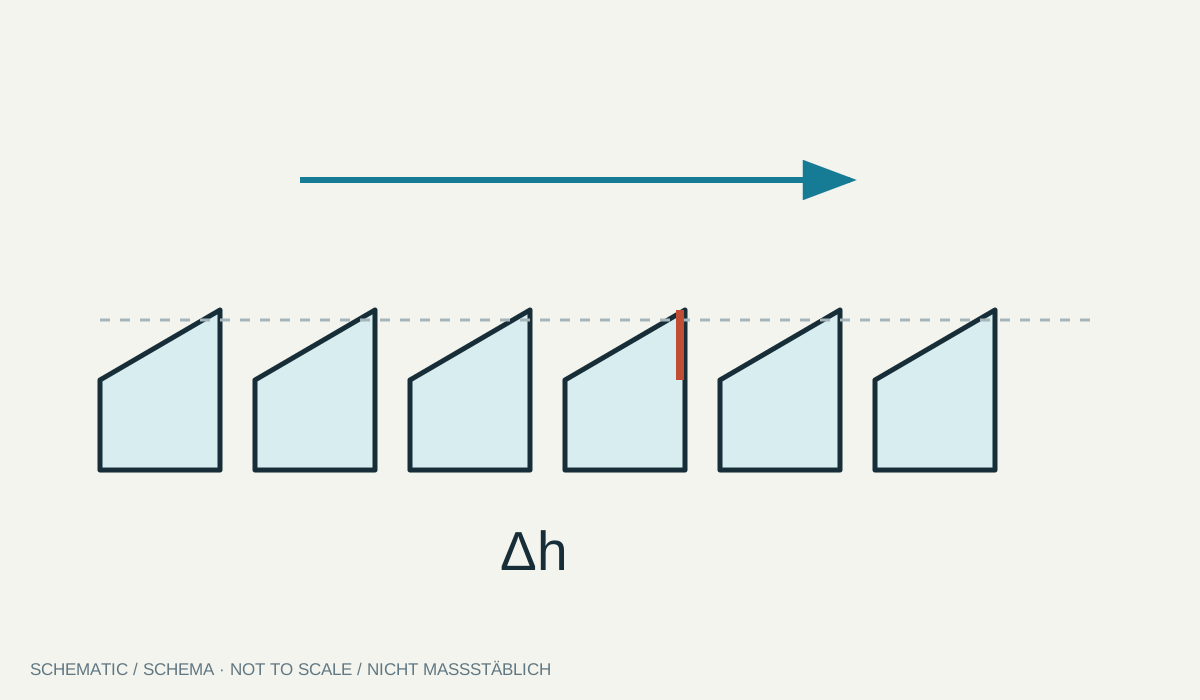
Different heights at the edges of tread blocks can create rolling noise. Inspection must distinguish the pattern from its possible causes.
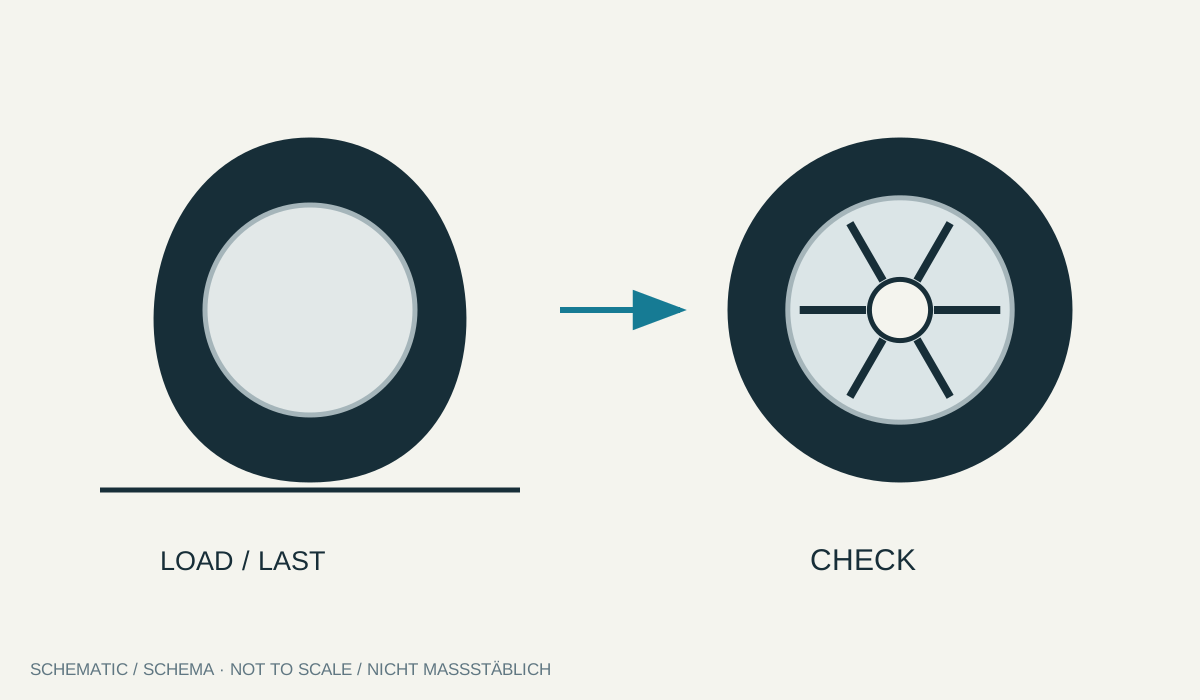
Tyres may initially feel uneven after extended parking. Strong or persistent vibration must not be assumed harmless.
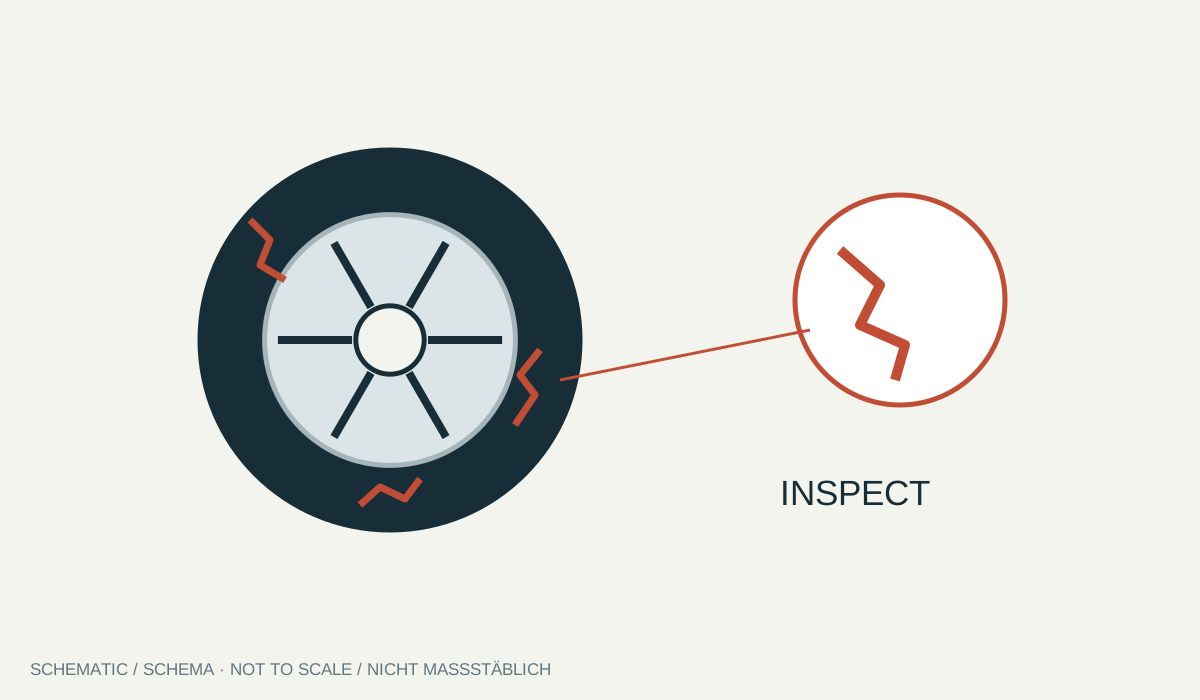
Age and tread depth alone cannot assess cracks. The affected area and the complete tyre need examination.
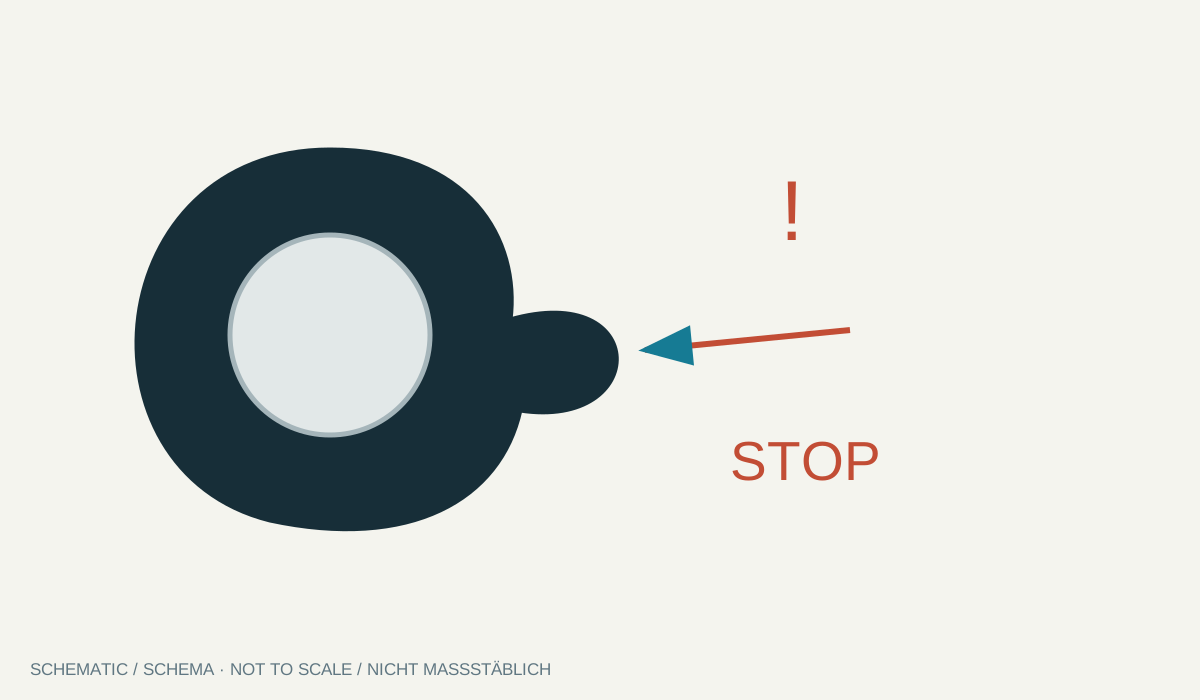
An outward bulge can indicate damage to the load-carrying structure. Stop using the tyre and do not attempt a home repair.
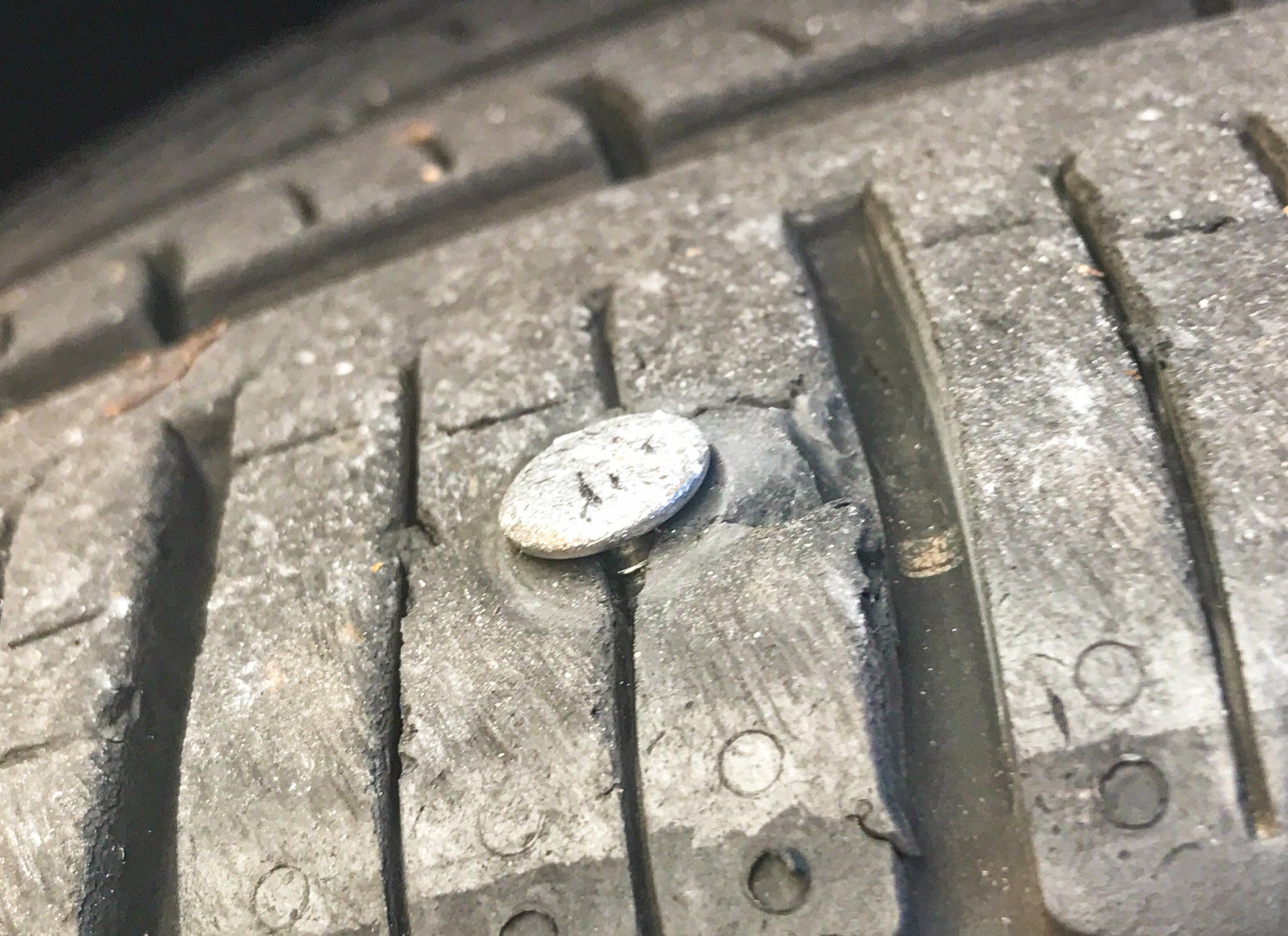
Do not pull an embedded object out as a test. Repair suitability can only be decided after a complete examination.
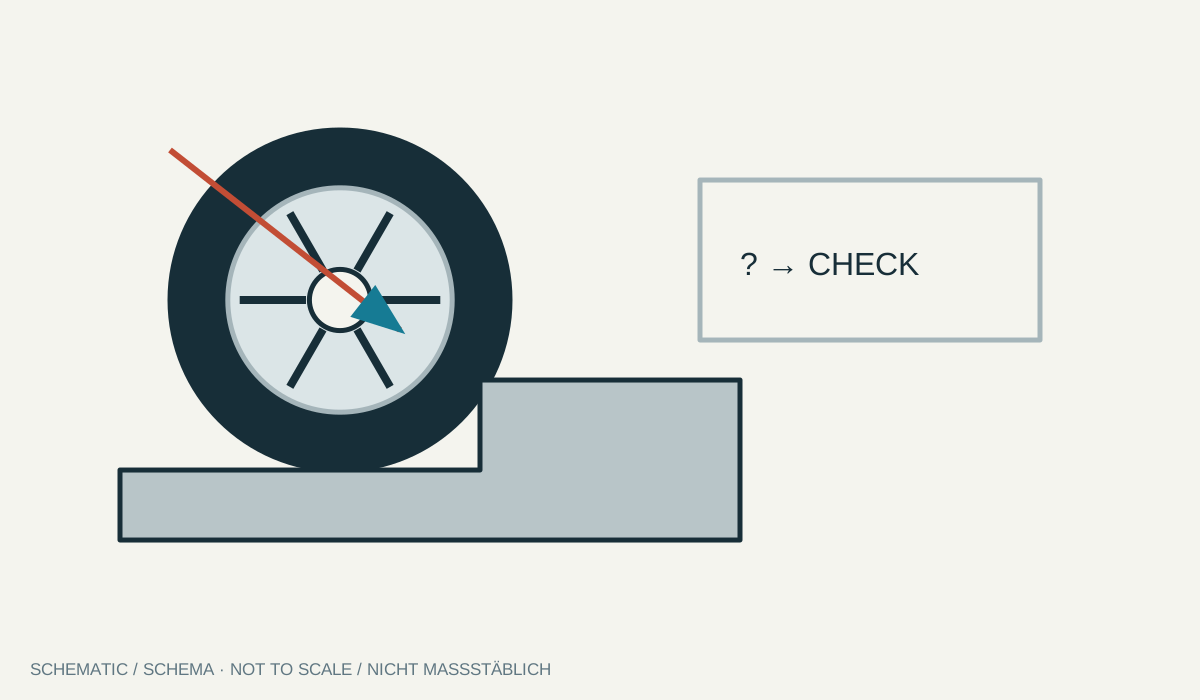
A visible scrape does not tell the whole story of an impact. Tyre, wheel and suspension can be affected differently.
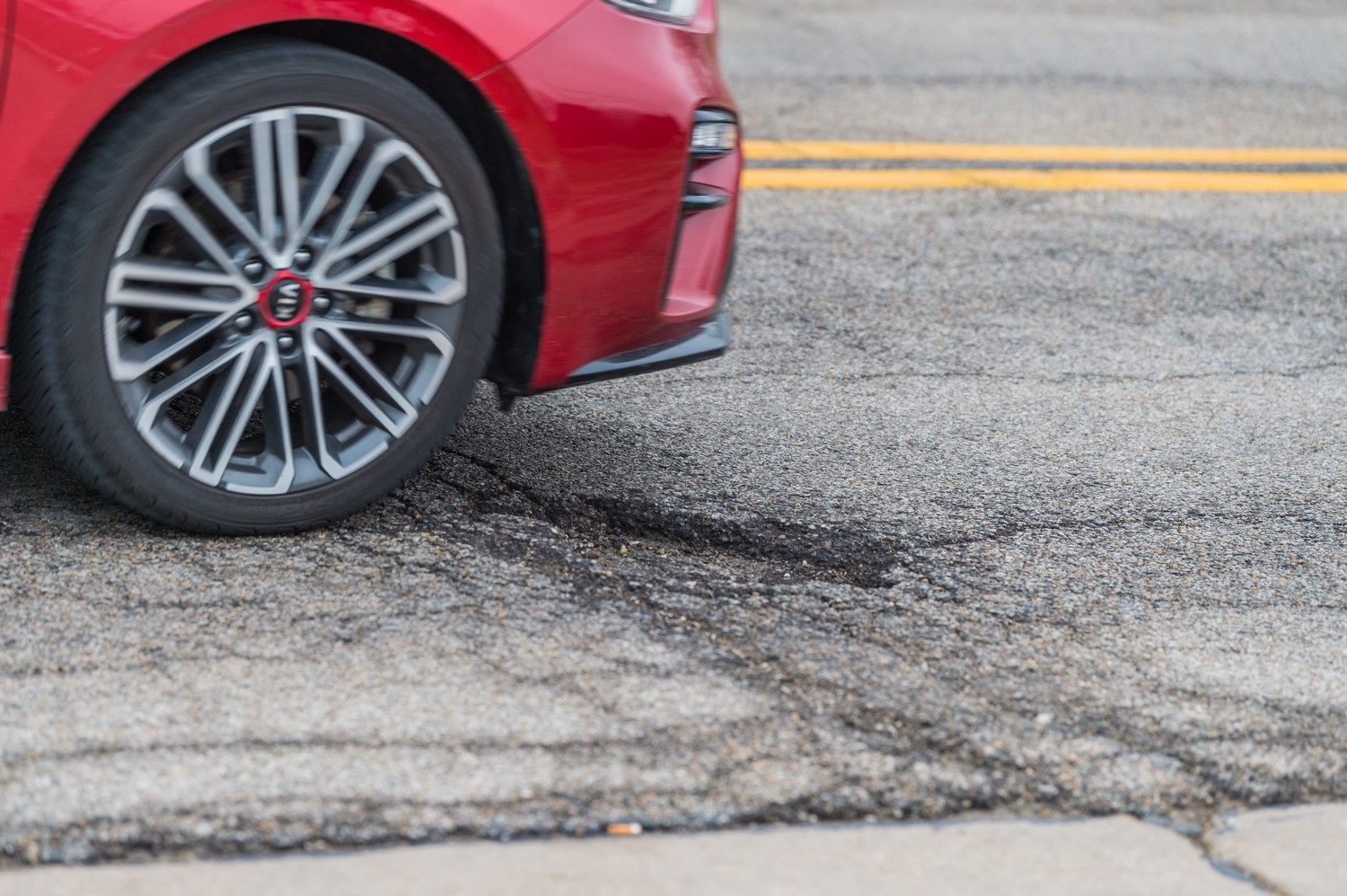
Damage after a hard impact can be hidden inside. Looking only at the outer rim edge cannot establish condition.
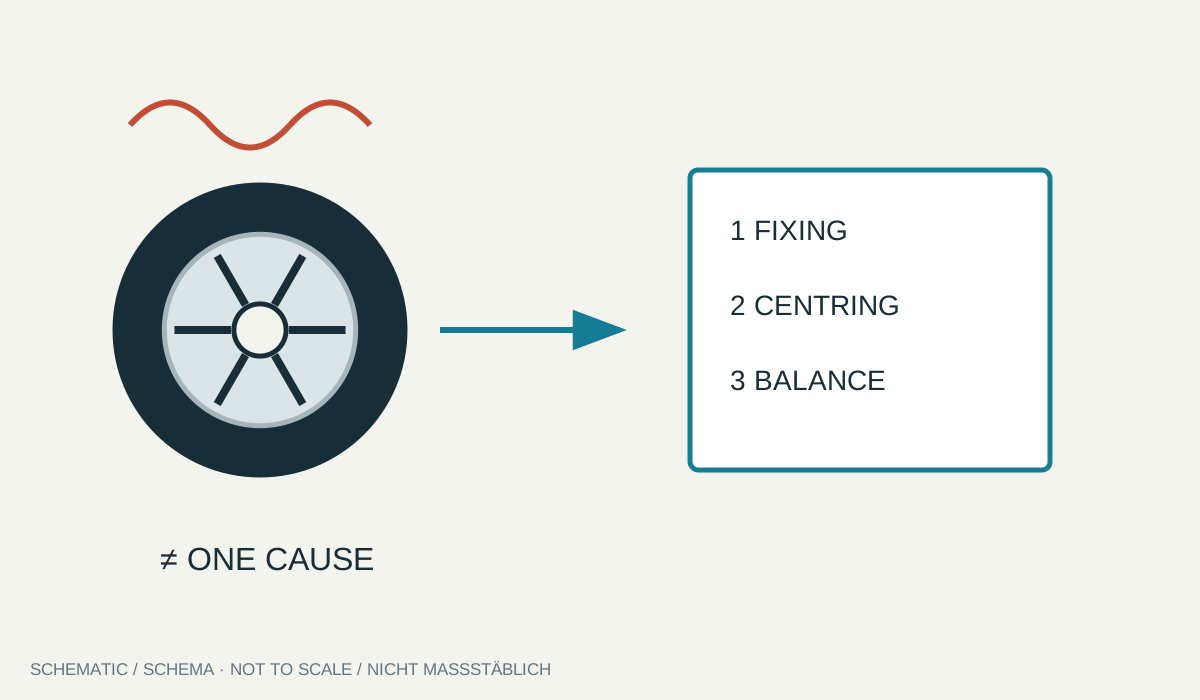
New vibration after fitting needs prompt investigation. Balancing is one possible remedy, not a diagnosis for every case.
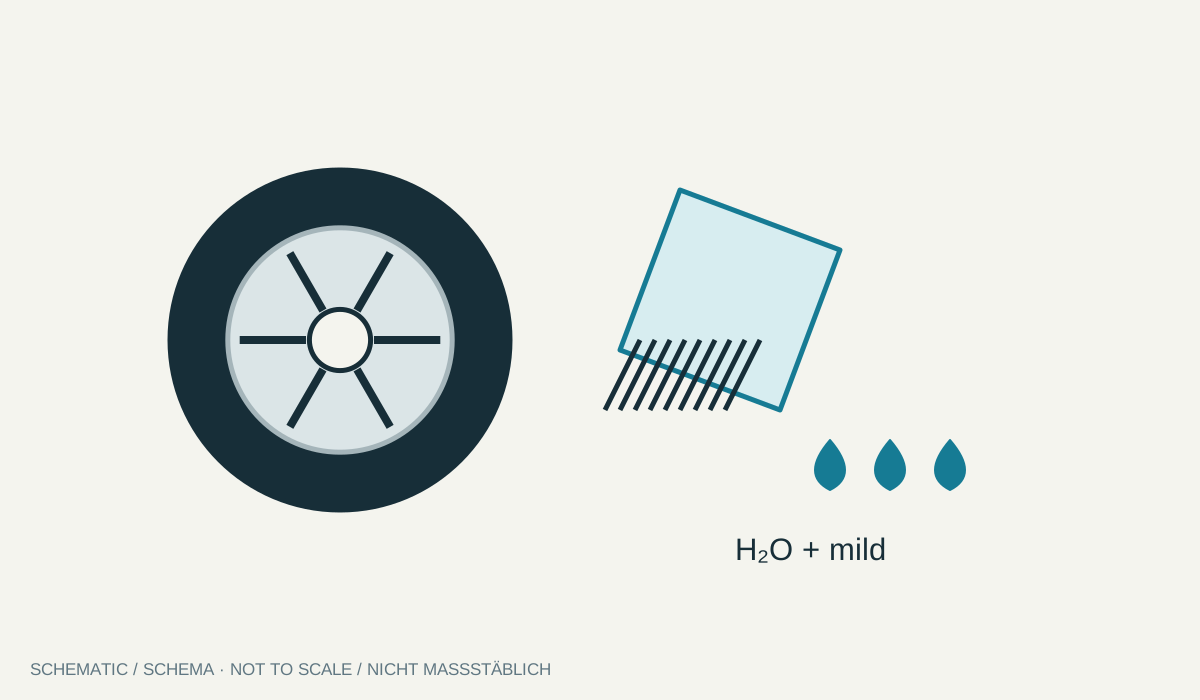
Water, a suitable mild cleaner and careful handling are usually enough. Shine is not a measure of tyre condition.
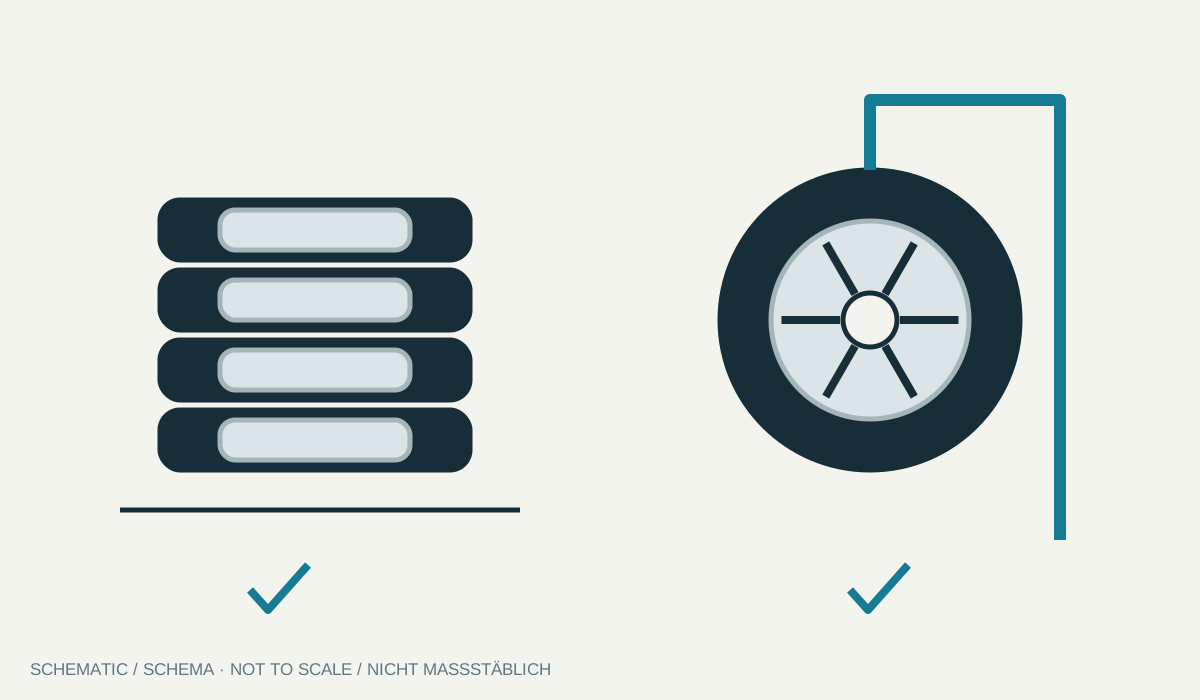
A mounted tyre is supported by its wheel. Storage hardware, room conditions and preparation must suit the complete set.
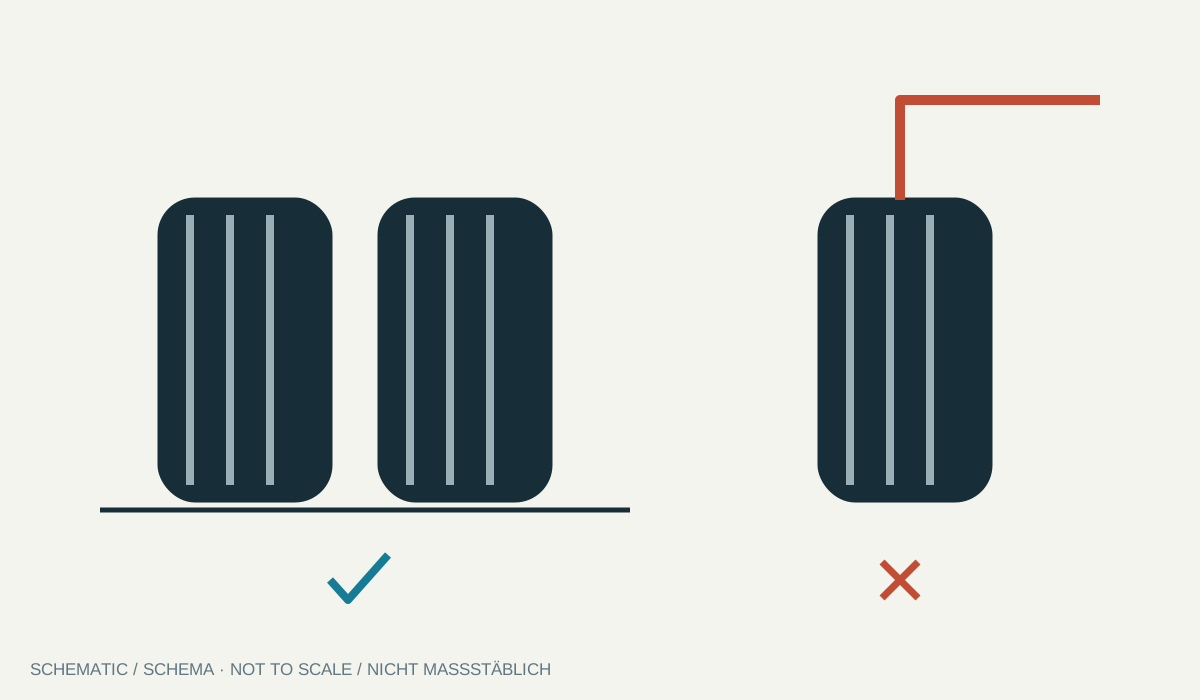
An unmounted tyre has no rigid wheel supporting it. Protect its shape and bead area during storage.
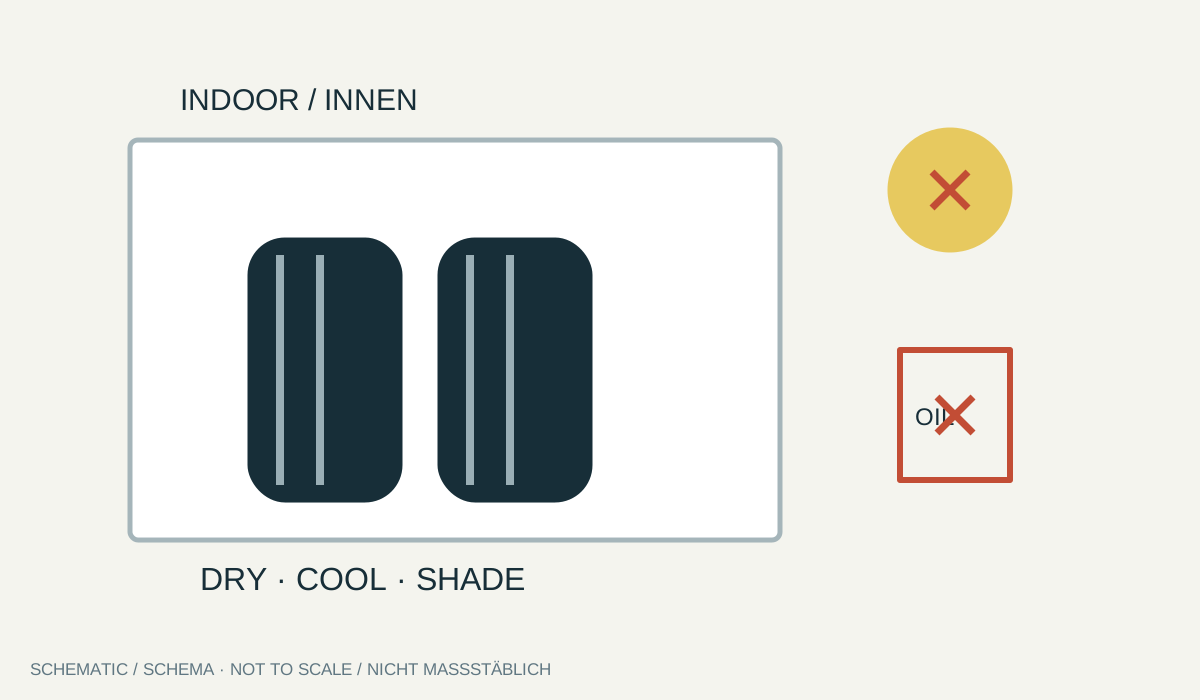
Not every empty garage or basement corner is suitable. Consider conditions throughout the entire storage period.
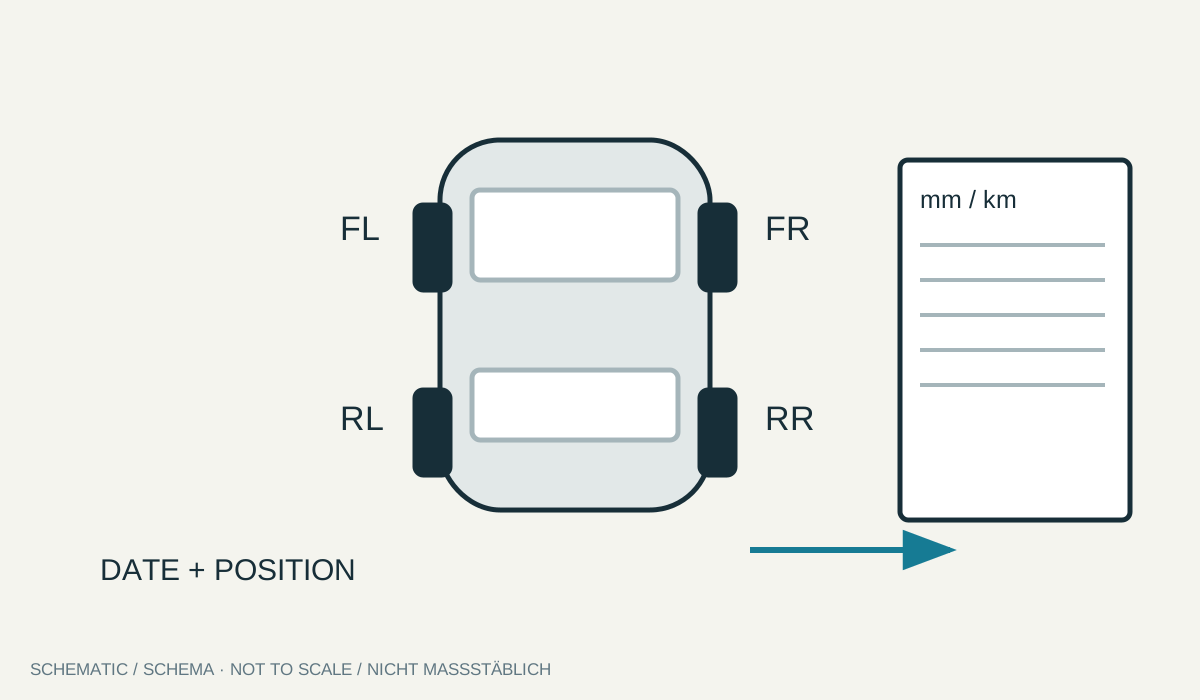
A short record for each wheel prevents mix-ups and identifies issues that need resolving before the next fitting.
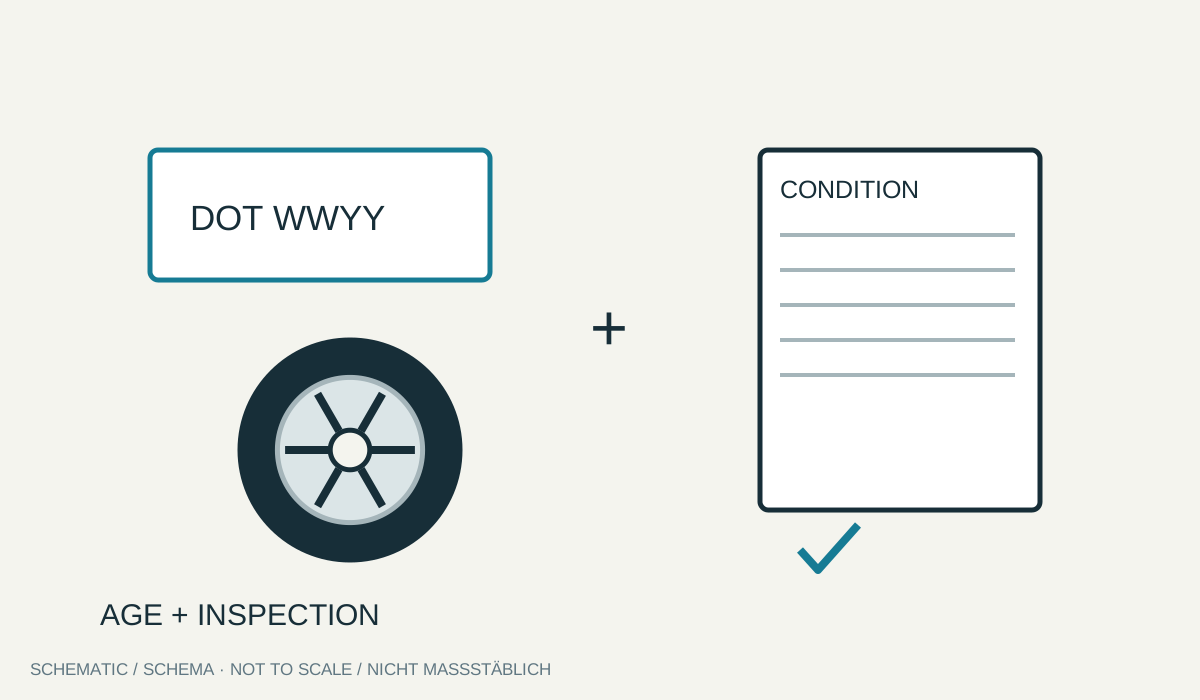
The production date matters, but it cannot certify condition by itself. Low mileage does not prevent ageing.
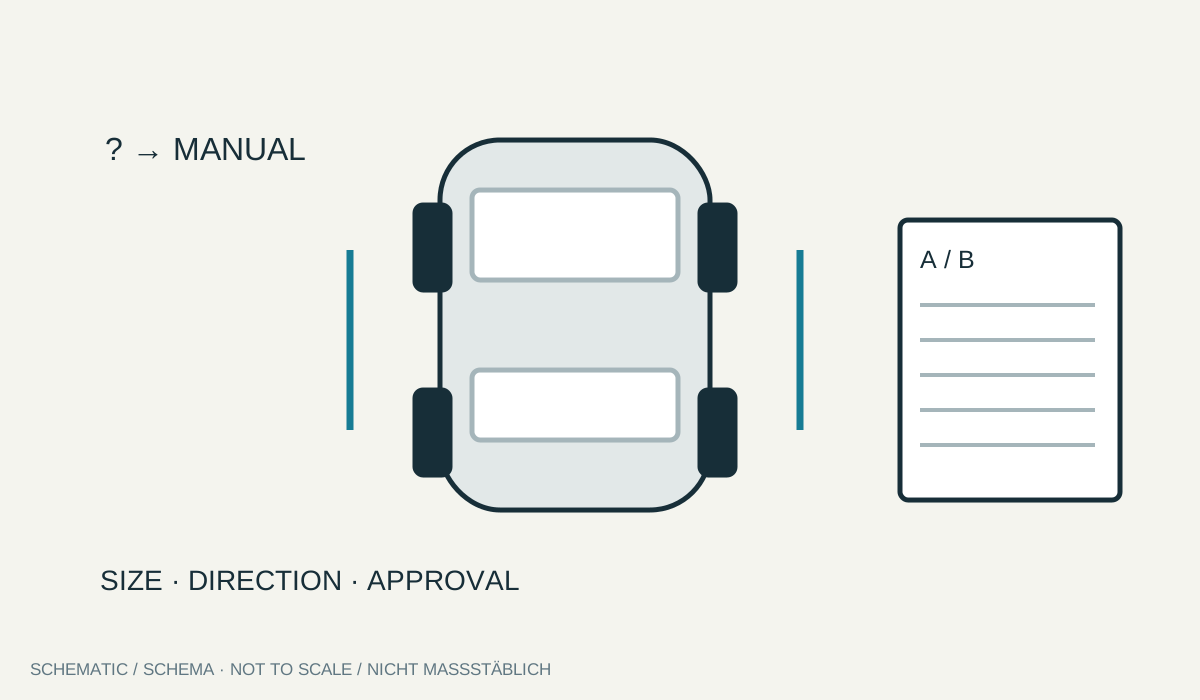
Changing positions can distribute wear. The permitted pattern depends on the vehicle, wheel combination and tyre construction.
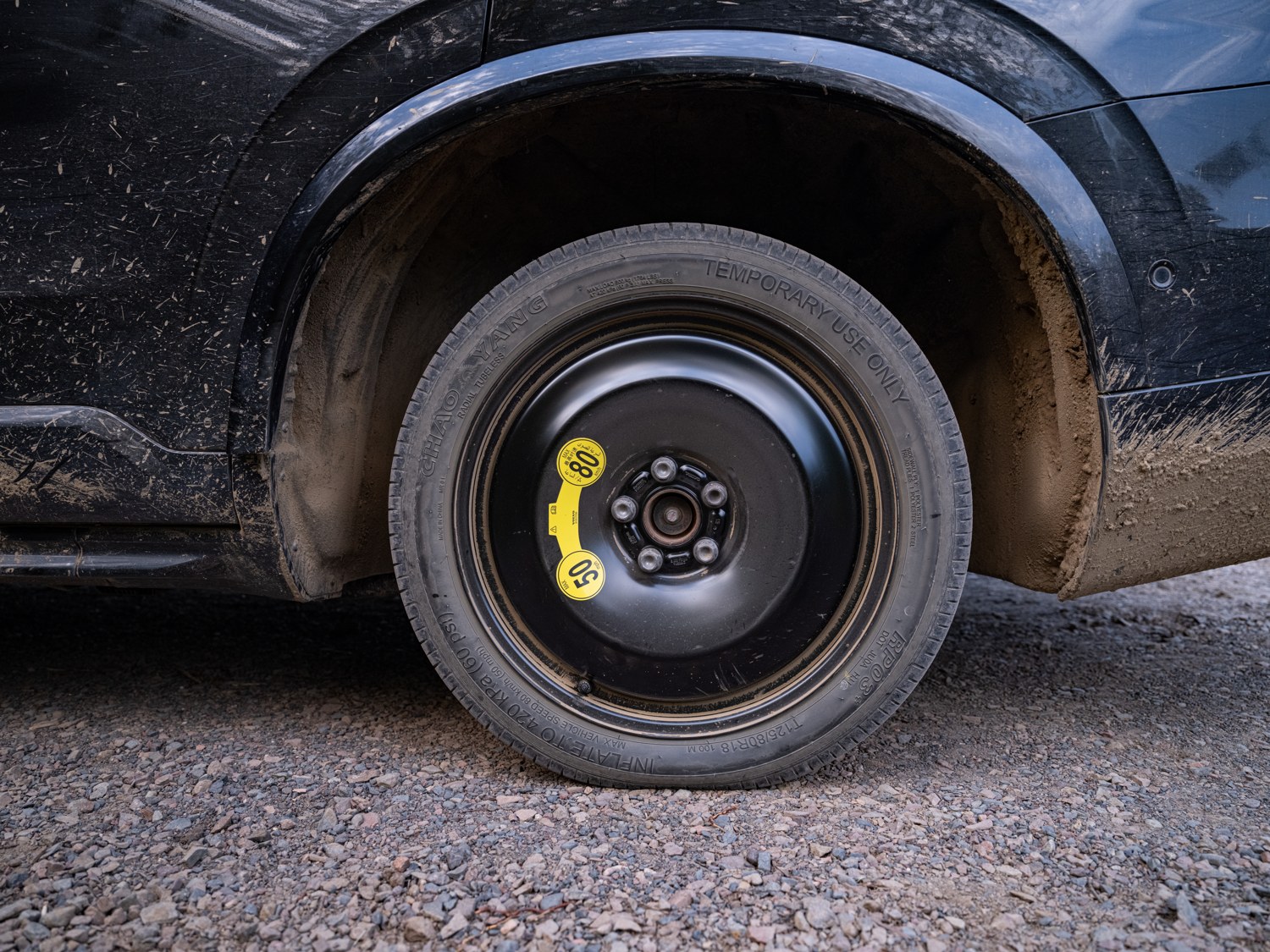
An unused spare can still lose pressure and age. Include it in maintenance before it is needed.
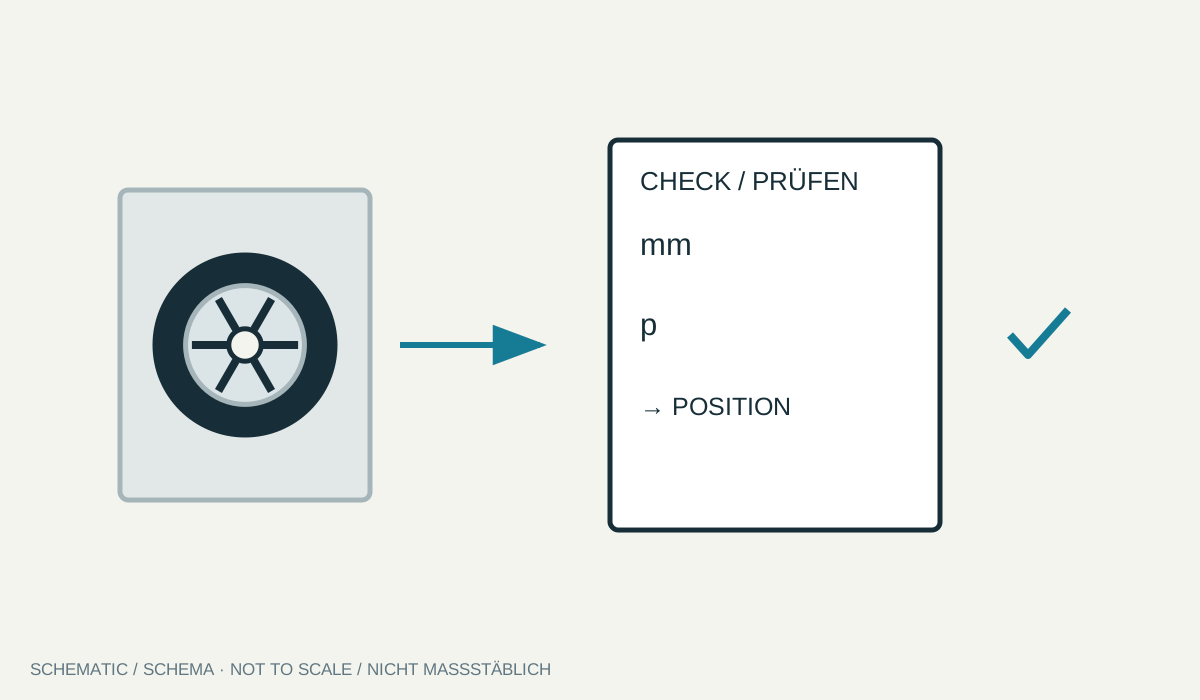
A stored set needs a fresh assessment before fitting. Old readings and a clean cover are not sufficient.