Recognise the shape of the pattern
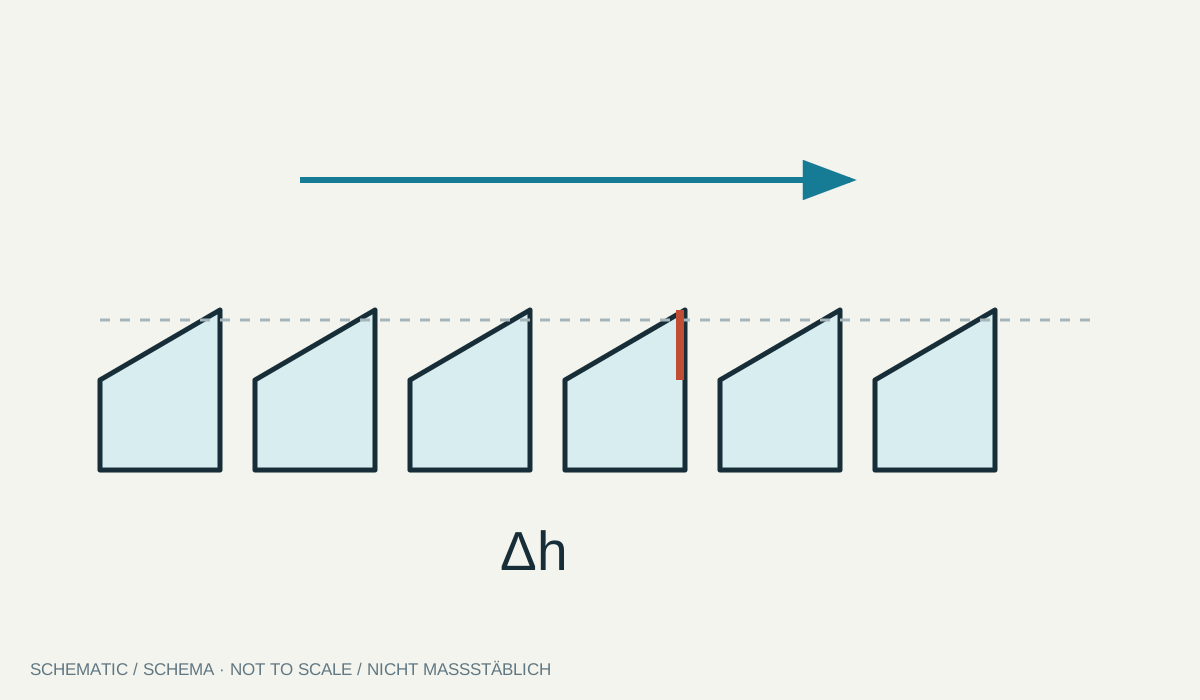
Heel-and-toe or sawtooth wear describes a height difference between the edges of individual tread blocks along the rolling direction. The blocks are not worn equally across their length. This can become audible and produce a rough-looking contour. Not every hum comes from this pattern, however, and small irregularities do not all mean the same thing.
Inspect the tread rows in good light. A side-on photograph may show the height difference better than a picture taken straight down. Record the wheel position and affected area. Do not run an unprotected hand over a damaged tyre; sharp objects or exposed wires can cause injury.
Several influences can combine
Tread blocks are loaded and distorted as a tyre rolls. Pattern design, alignment, operating conditions and pressure affect how their edges wear. Continental describes minor examples as a possible consequence of normal use, while stronger wear calls for closer investigation. That does not establish a universal acceptable limit from a photograph.
Have depth, condition and correct pressures checked together. An extensive or newly developed pattern may justify suspension investigation. Declaring the tyre inherently poor does not explain the particular cause, any more than saying every noise is normal does.
Do not provoke symptoms with risky test drives
Explain when the noise occurs: since a seasonal swap, only after extended use, on many roads or solely on coarse surfaces. Mention accompanying vibration. Do not repeat risky speed or steering experiments to prove a diagnosis yourself. A wheel bearing, imbalance and a wear pattern can sound similar to a driver while requiring different remedies.
If wheels were moved, provide their old and new positions. An existing pattern may become more noticeable after relocation. That information helps interpretation and prevents timing alone from being treated as proof of a fitting error.
Rotation only helps when the fitment permits it
Regular position changes can promote more even wear on suitable vehicles. This does not permit arbitrary cross-swapping. Directional tyres, different axle sizes and manufacturer instructions restrict the possibilities. Moving a damaged or excessively worn tyre cannot make it usable again.
After diagnosis, discuss whether continued use, permitted rotation or replacement is appropriate and which underlying cause needs attention. Keep the decision with the measurements. Later checks can then establish whether the pattern has stabilised or continued developing.