Sizes & markings
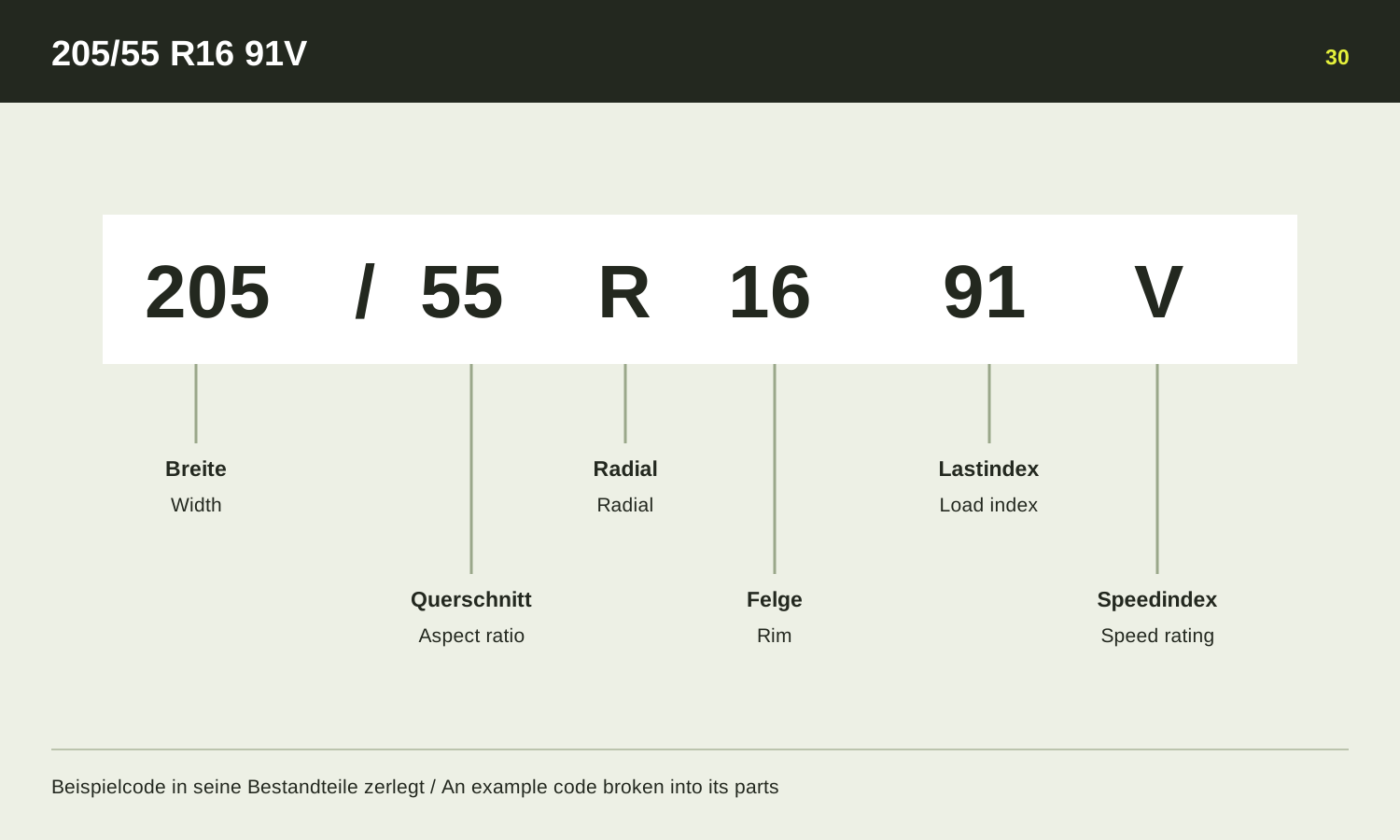
Reading 205/55 R16 91V
The sequence combines dimensions, construction and service ratings. Keep it complete when buying.
Sidewall markings, the EU label and the details in vehicle documents.
The sequence combines dimensions, construction and service ratings. Keep it complete when buying.
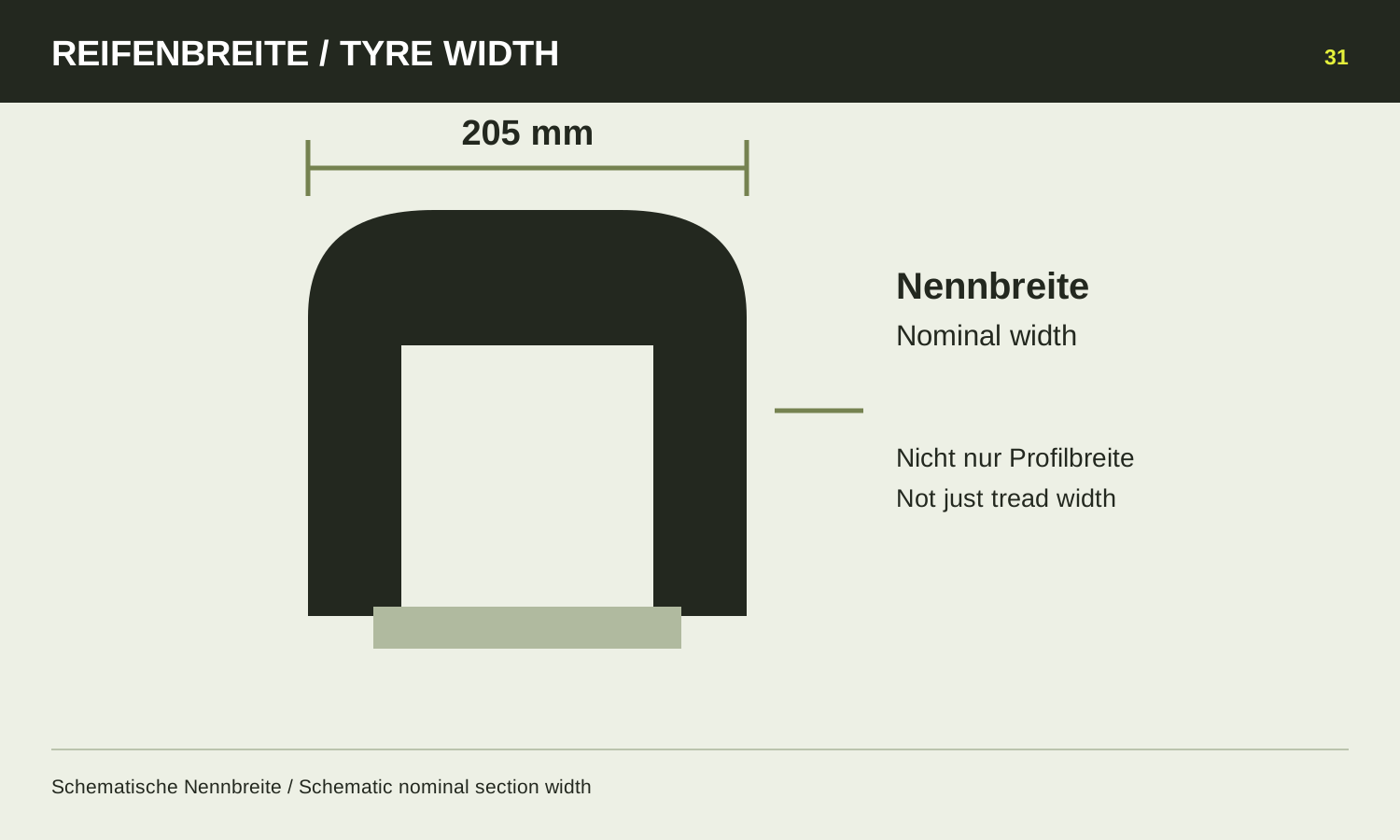
The first number describes nominal section width, not simply the visible tread.
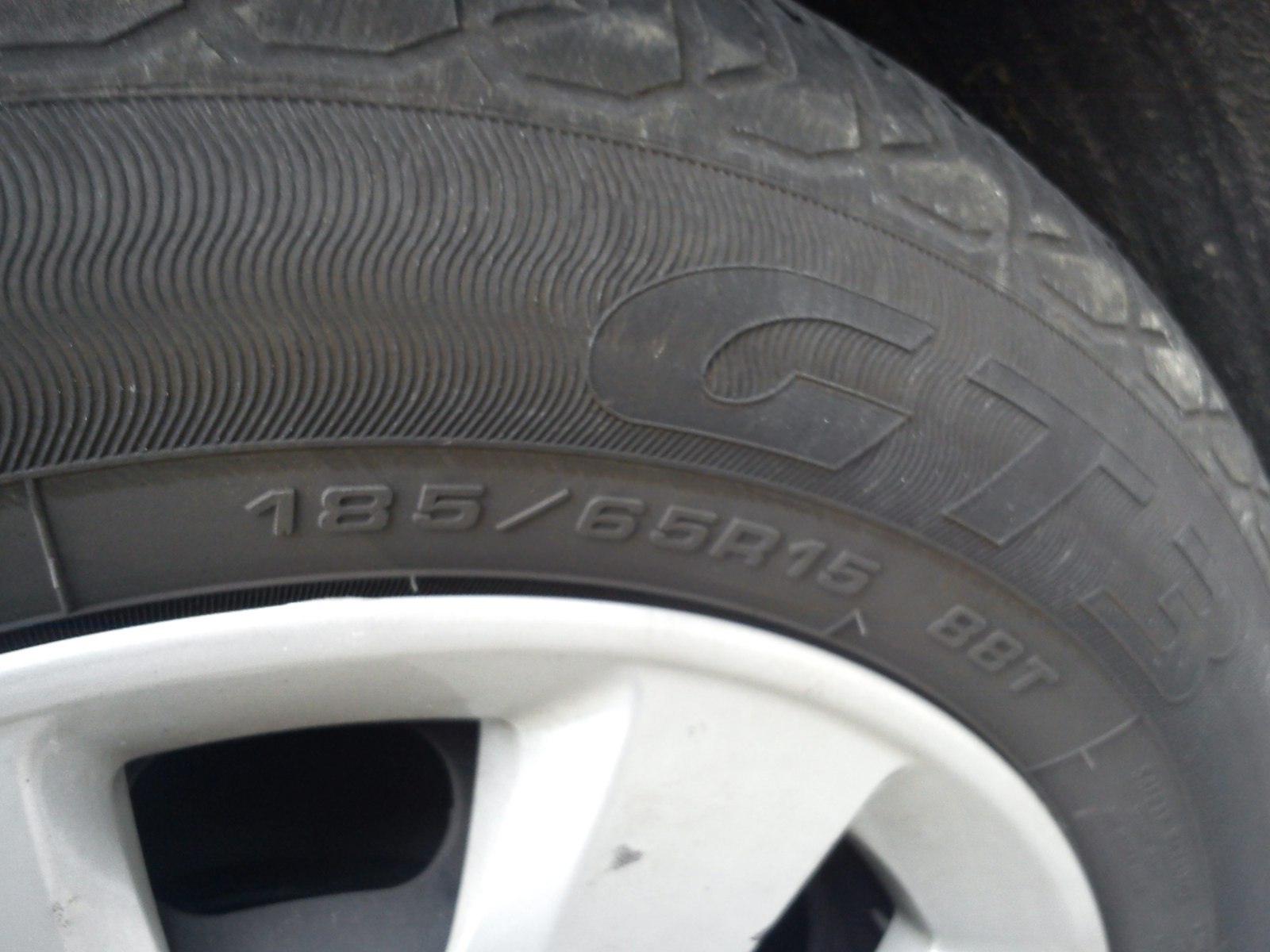
An aspect ratio becomes a calculated height only when combined with width.
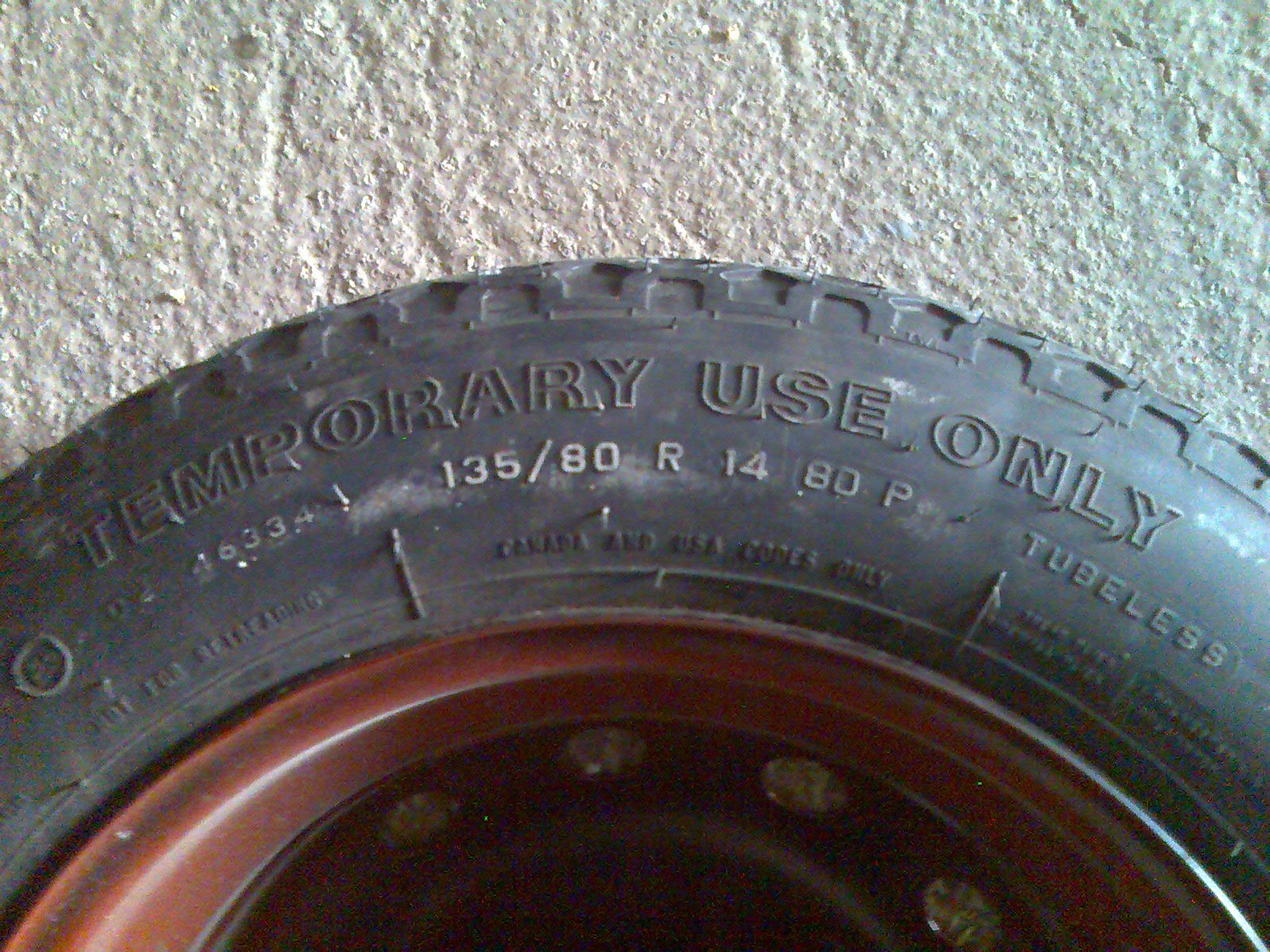
Tyre diameter must match the wheel exactly; similar numbers do not provide fitting flexibility.
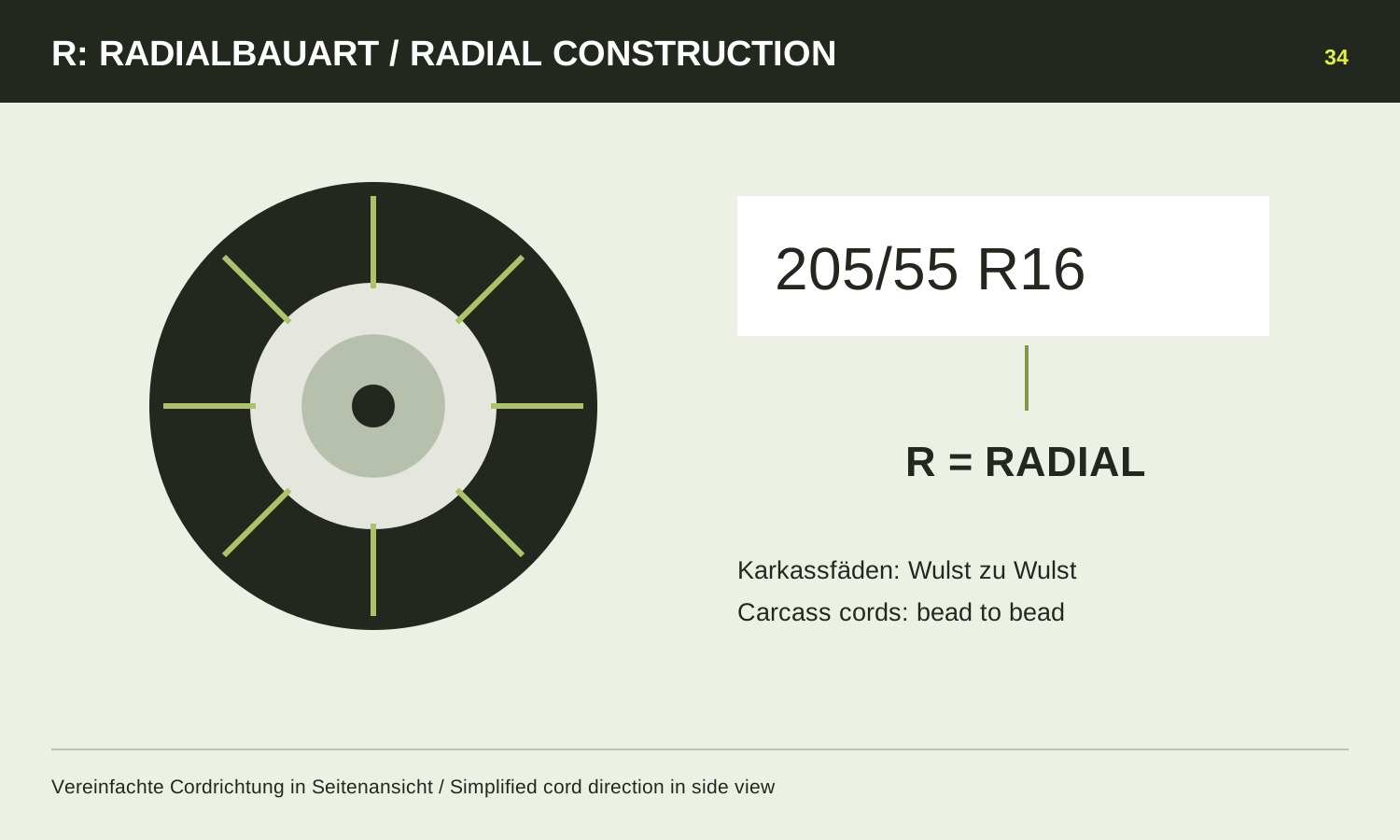
Within the size marking, R means radial construction rather than radius or width.
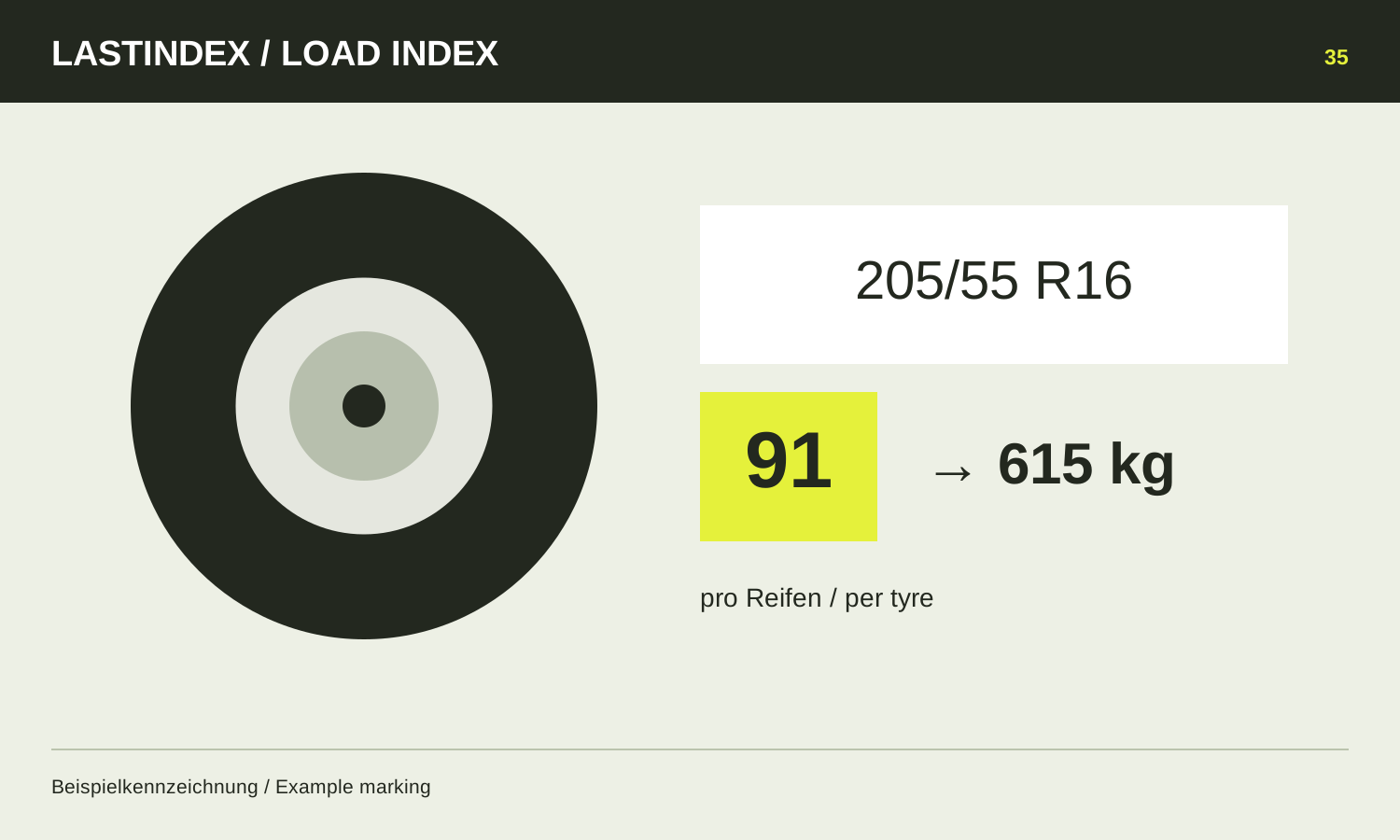
The number after the size is a table code, not a weight written directly in kilograms.
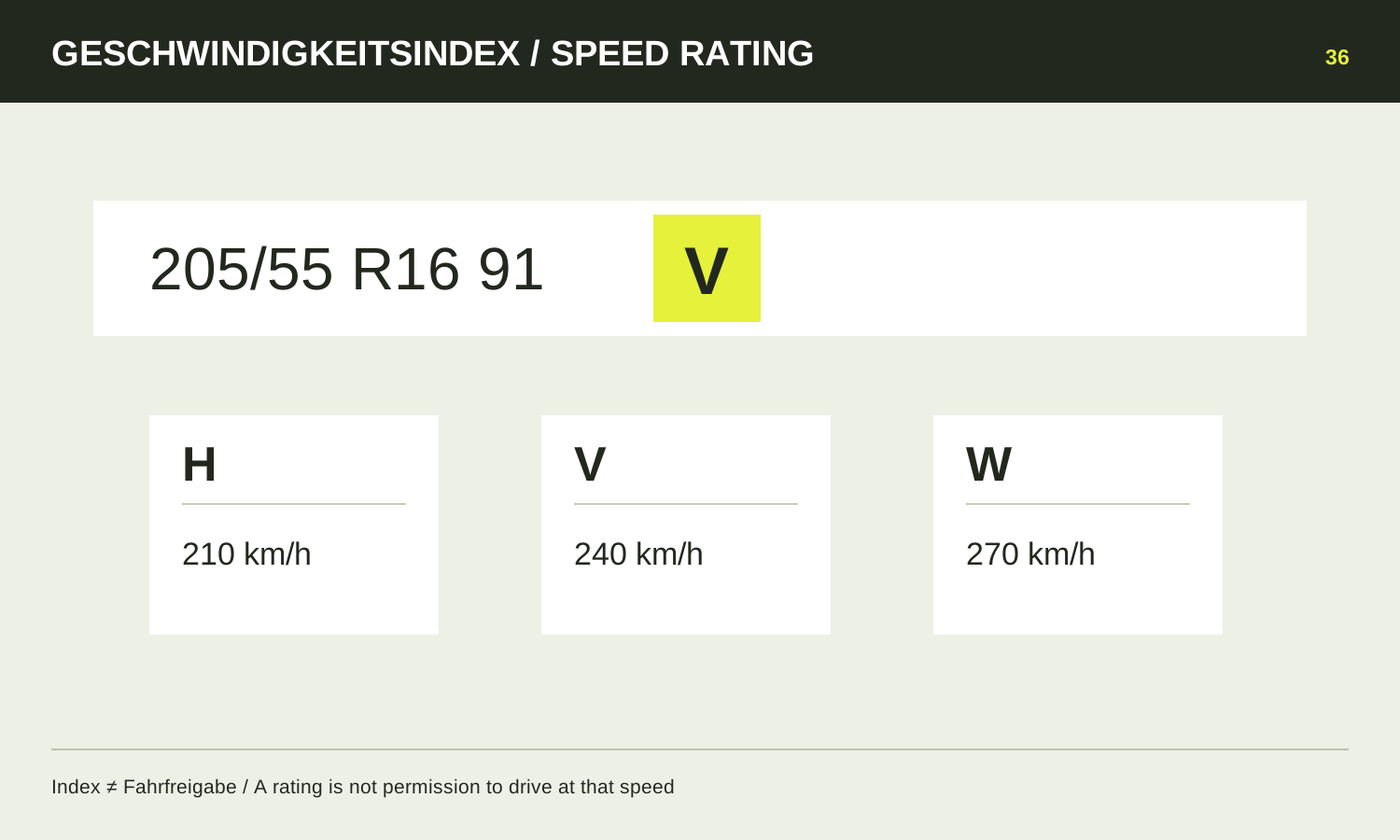
A speed rating describes technical capability, not the permitted speed on a road.
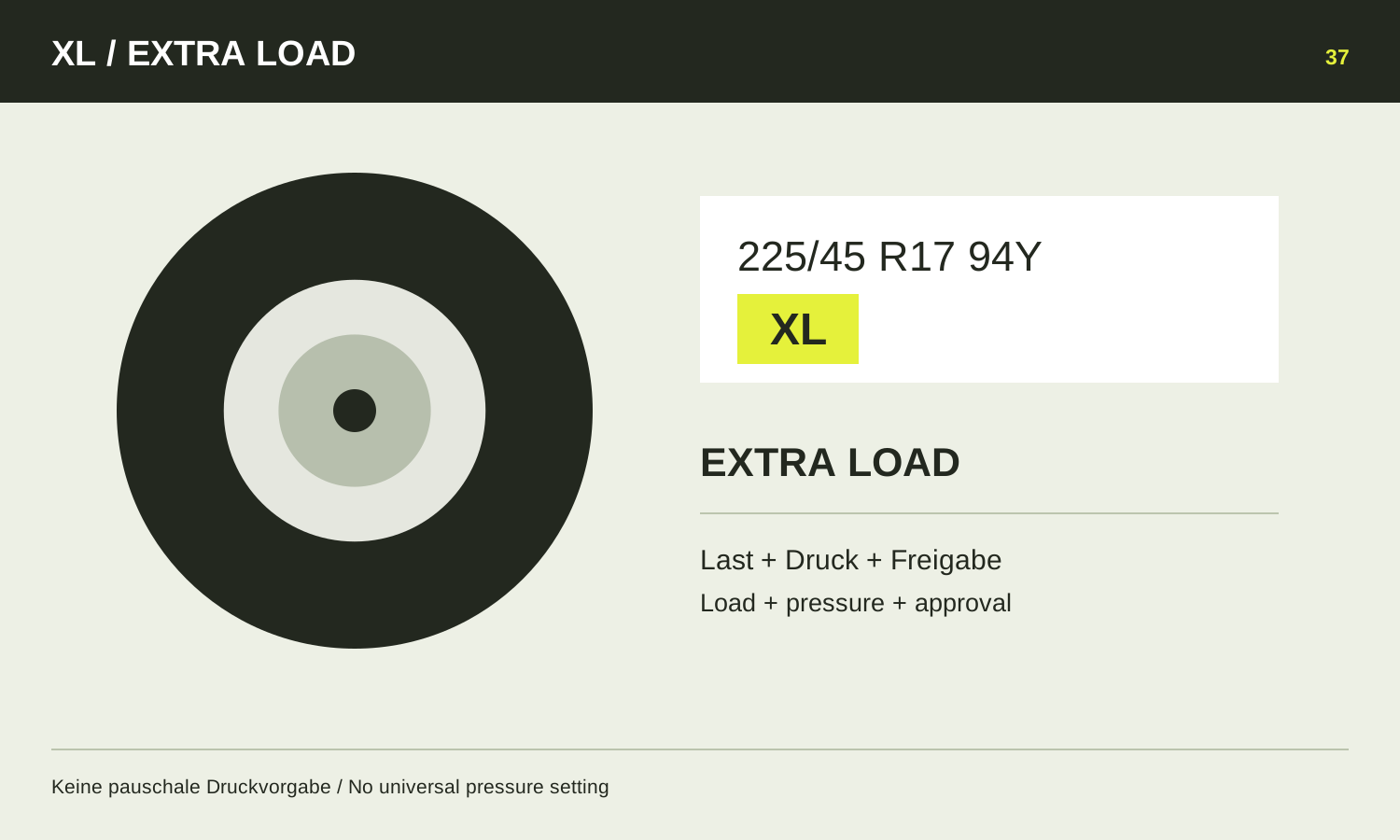
XL identifies an increased load version within a size, not extra permitted vehicle payload.
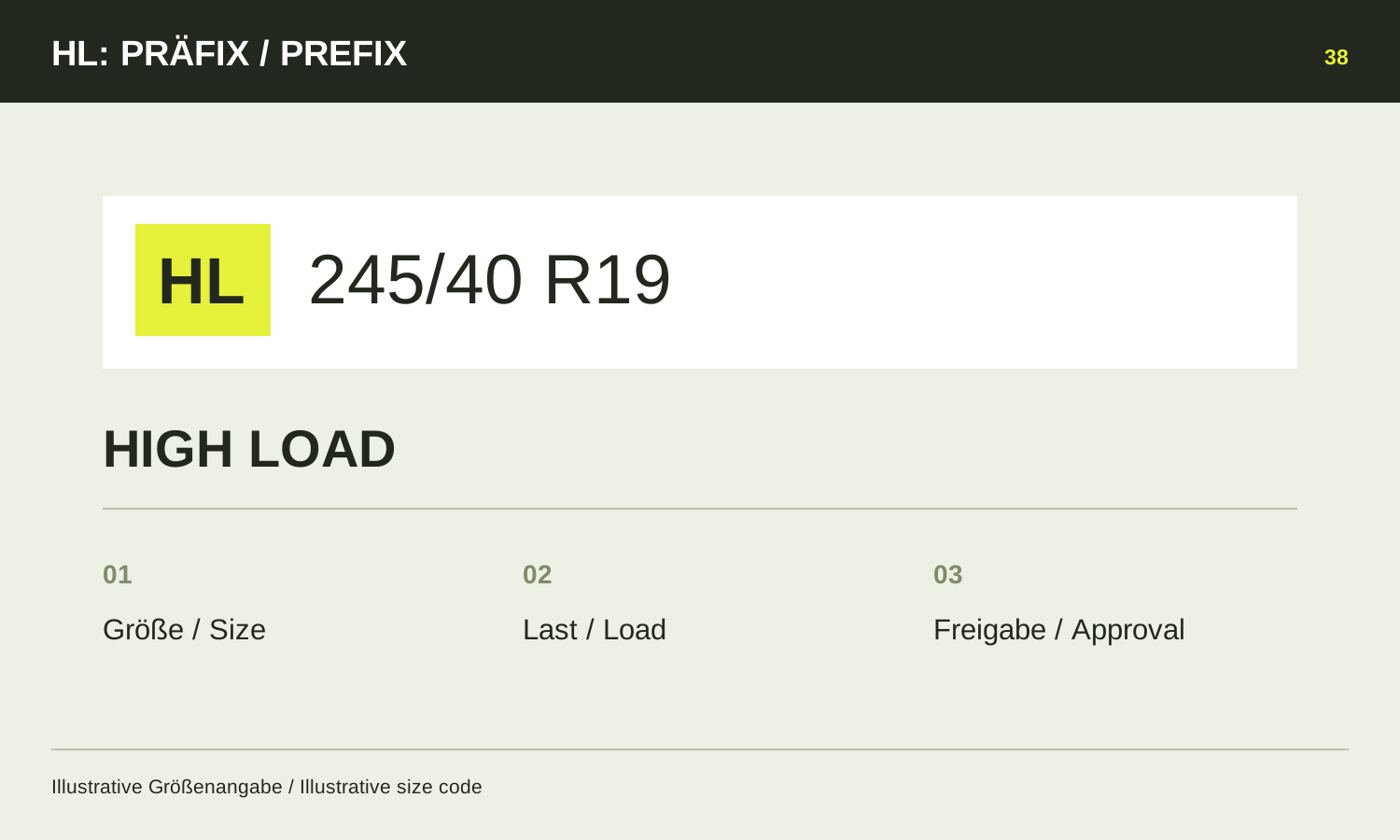
HL identifies a particular higher-load requirement and is not freely interchangeable with XL.
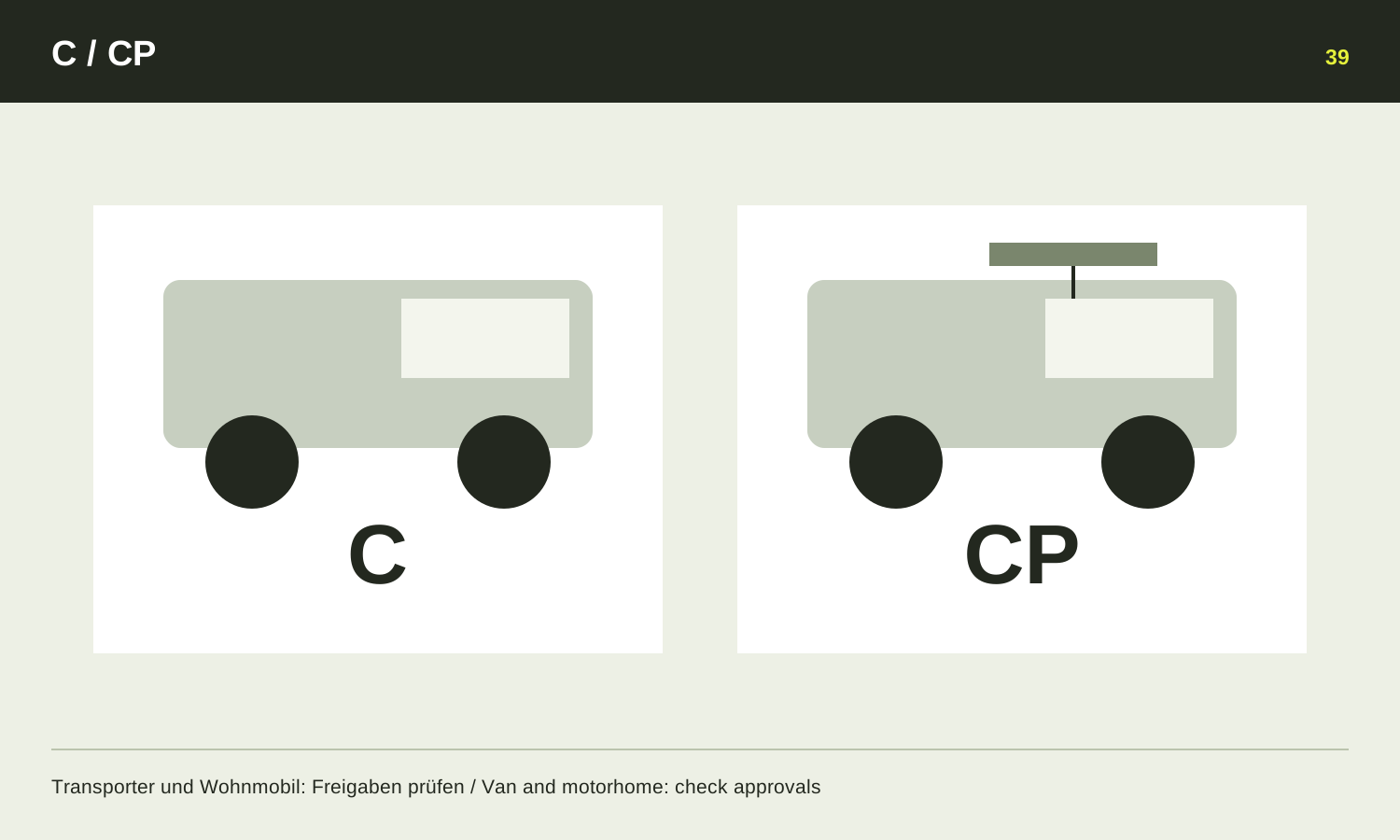
C and CP identify different applications; vehicle documents determine the appropriate replacement.
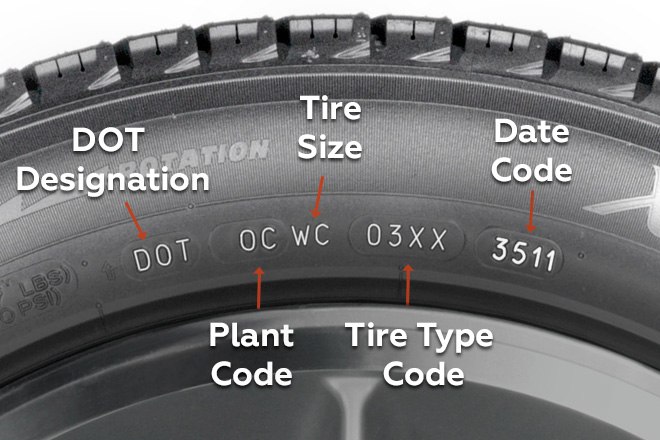
Four digits identify production week and year, but not the complete service history.
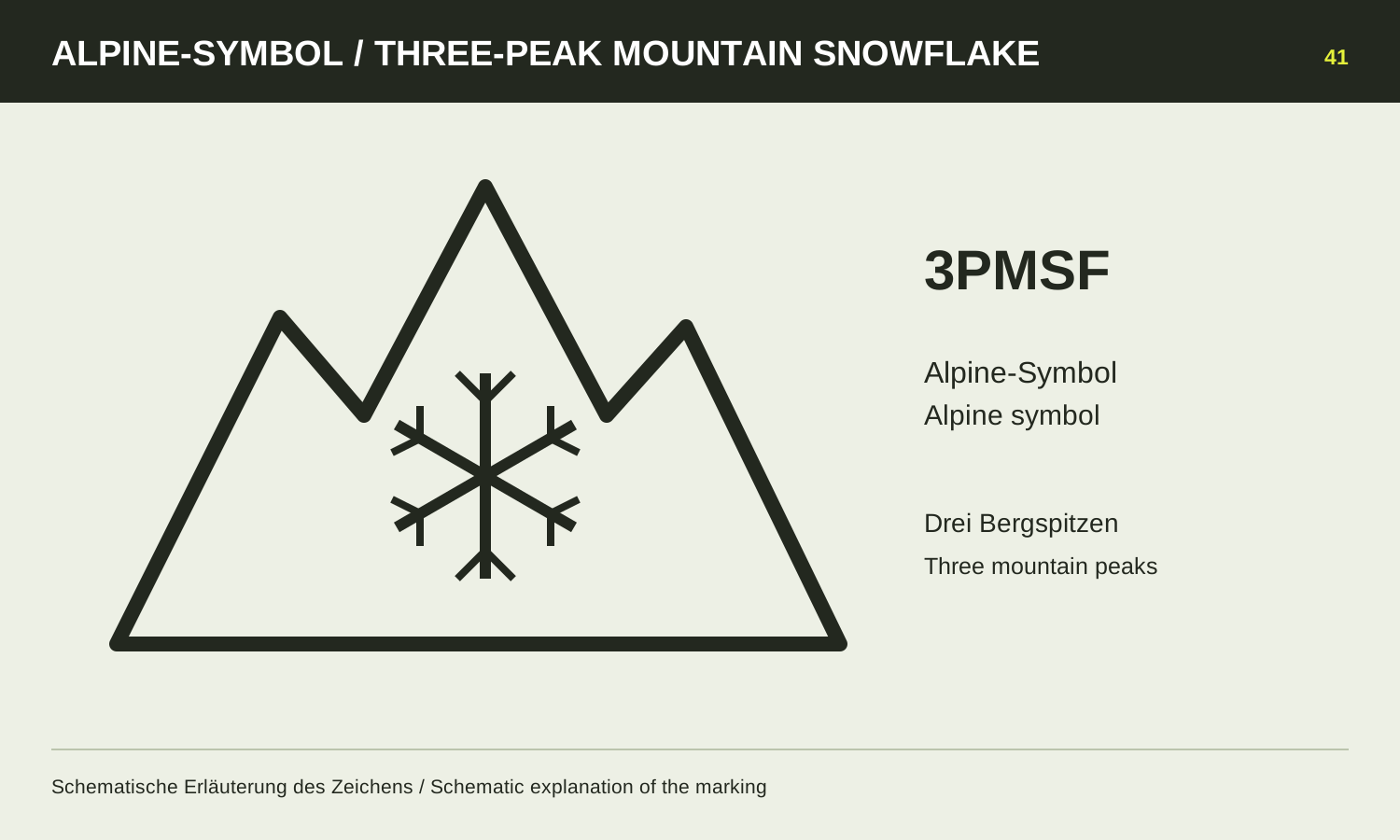
The mountain-and-snowflake symbol is a defined marking, not generic winter artwork.
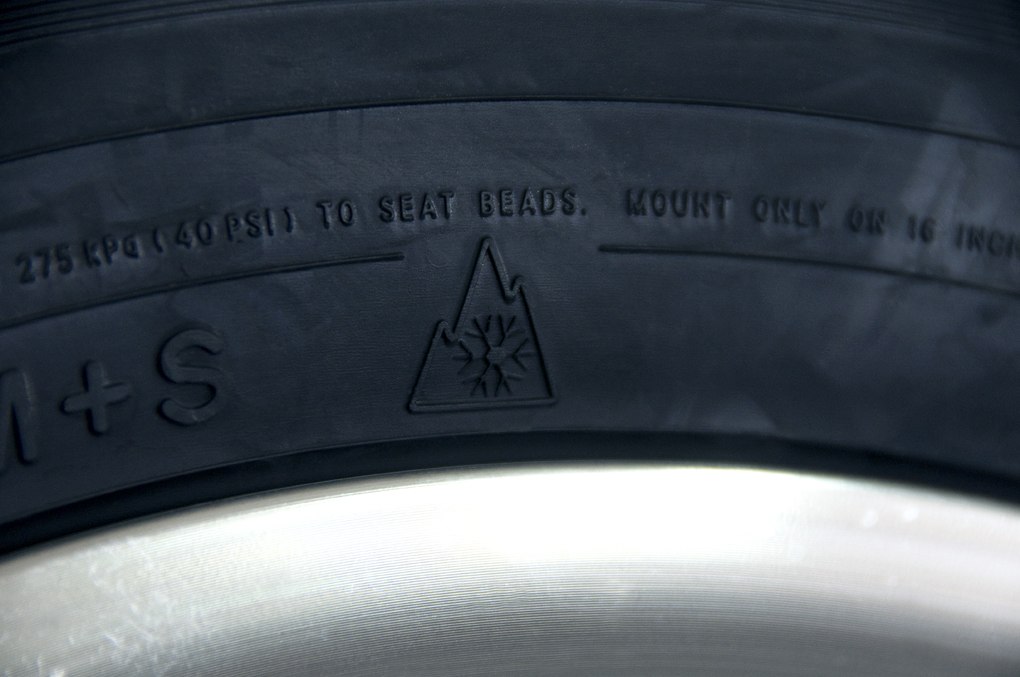
M+S lettering and the Alpine symbol do not carry identical meaning.
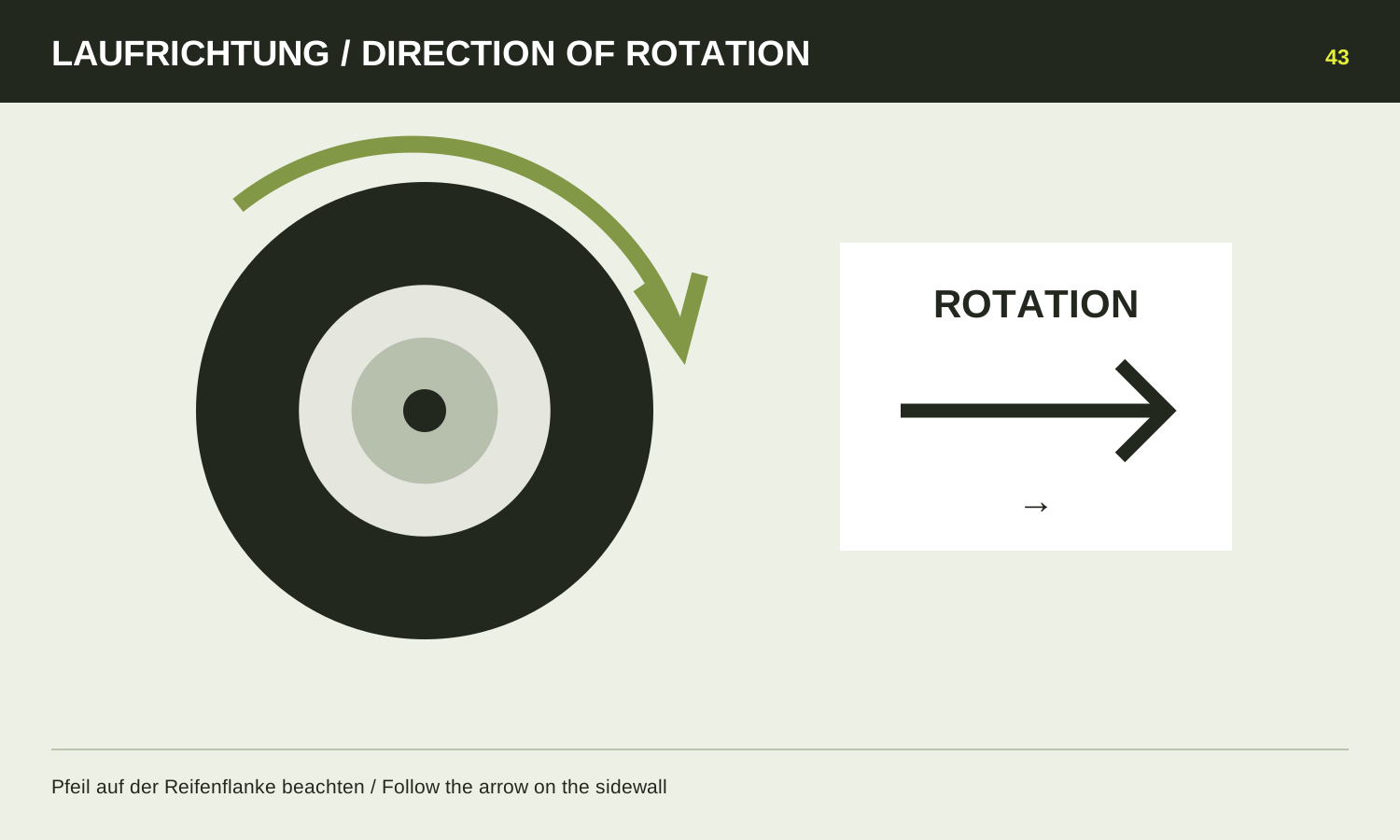
The sidewall arrow identifies the intended rotation when travelling forwards.
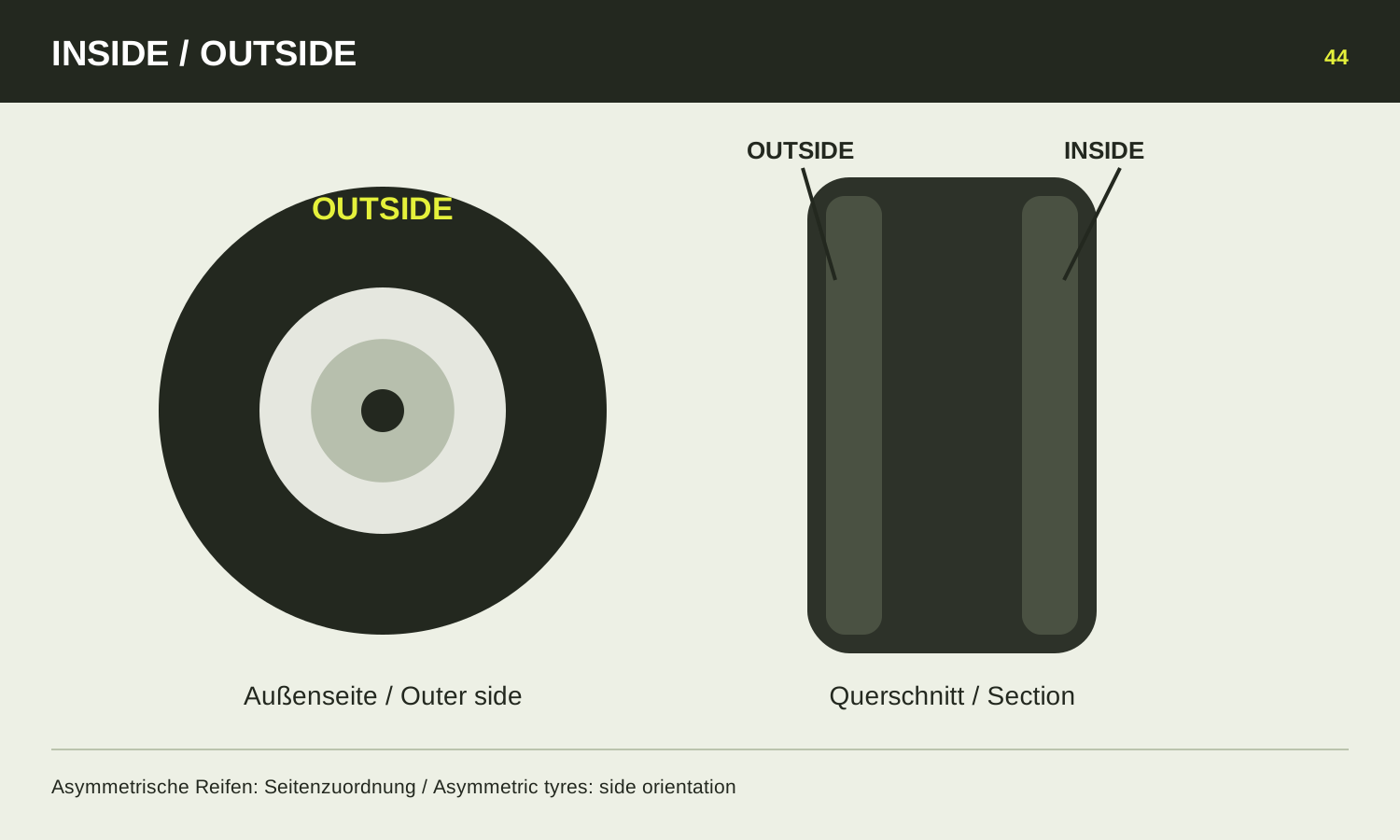
On asymmetric tyres, the marking identifies the sidewall intended to face outwards.
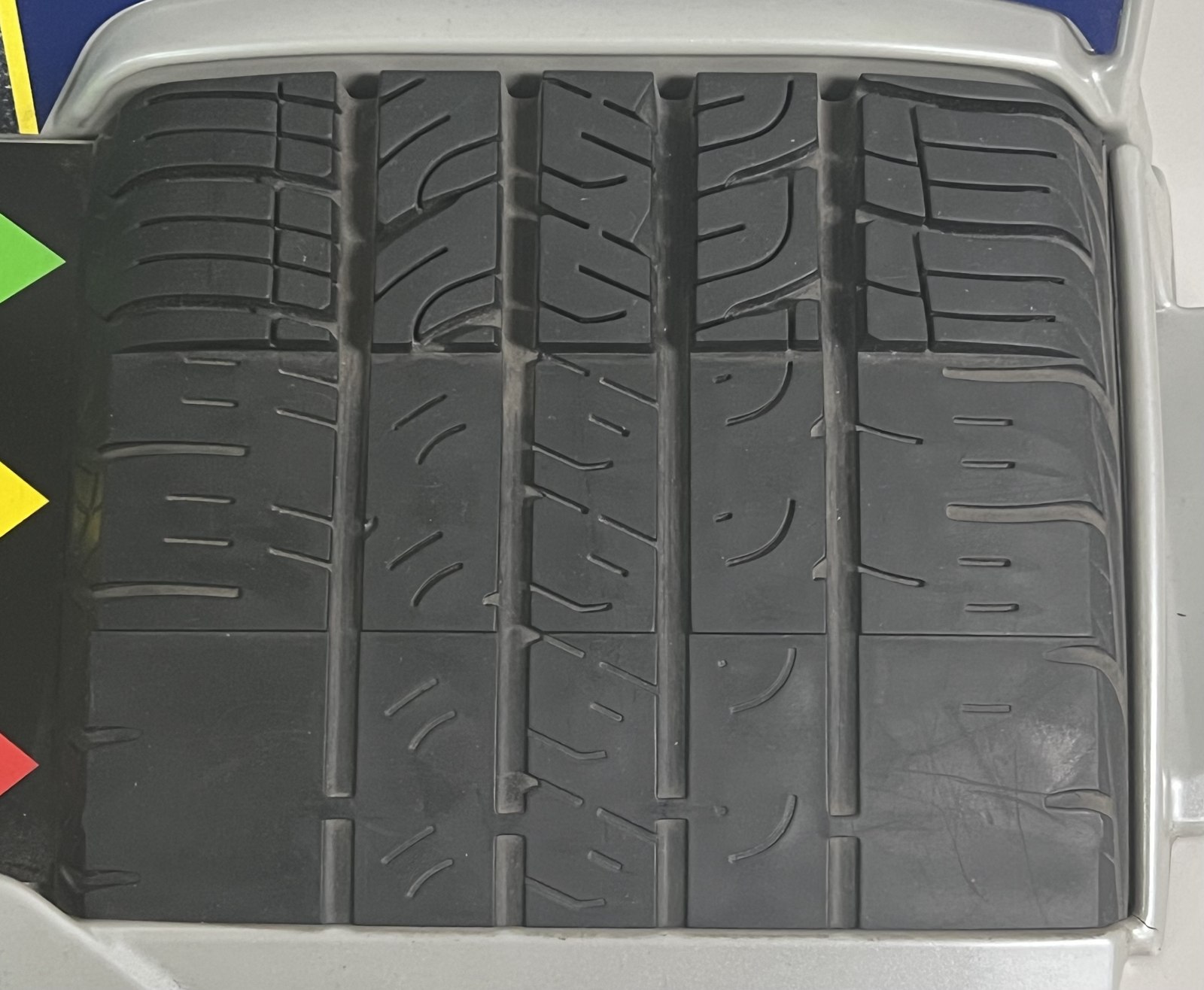
TWI marks help locate tread-wear indicators, but do not replace a complete condition check.
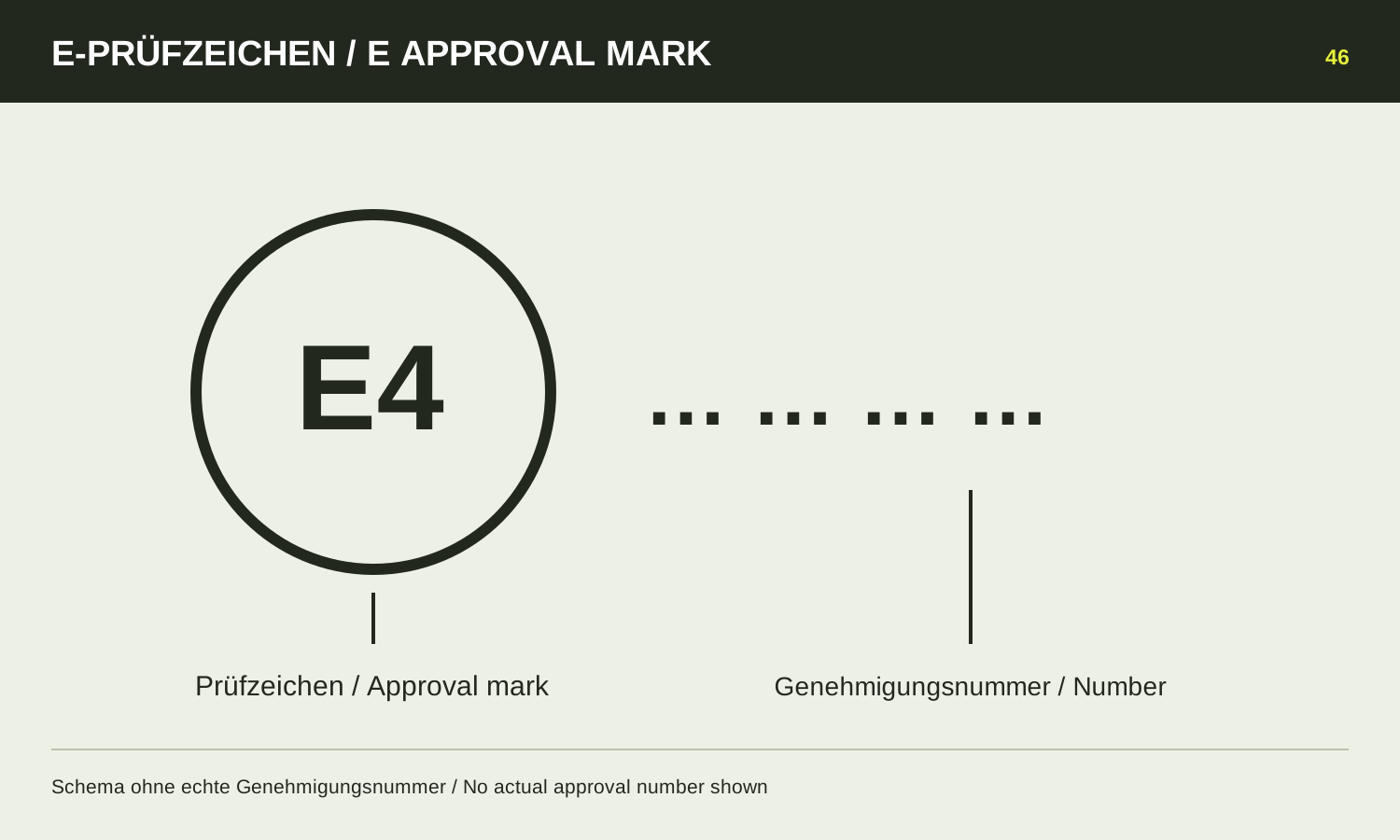
An approval marking is neither a manufacturing-origin statement nor a tyre-quality ranking.
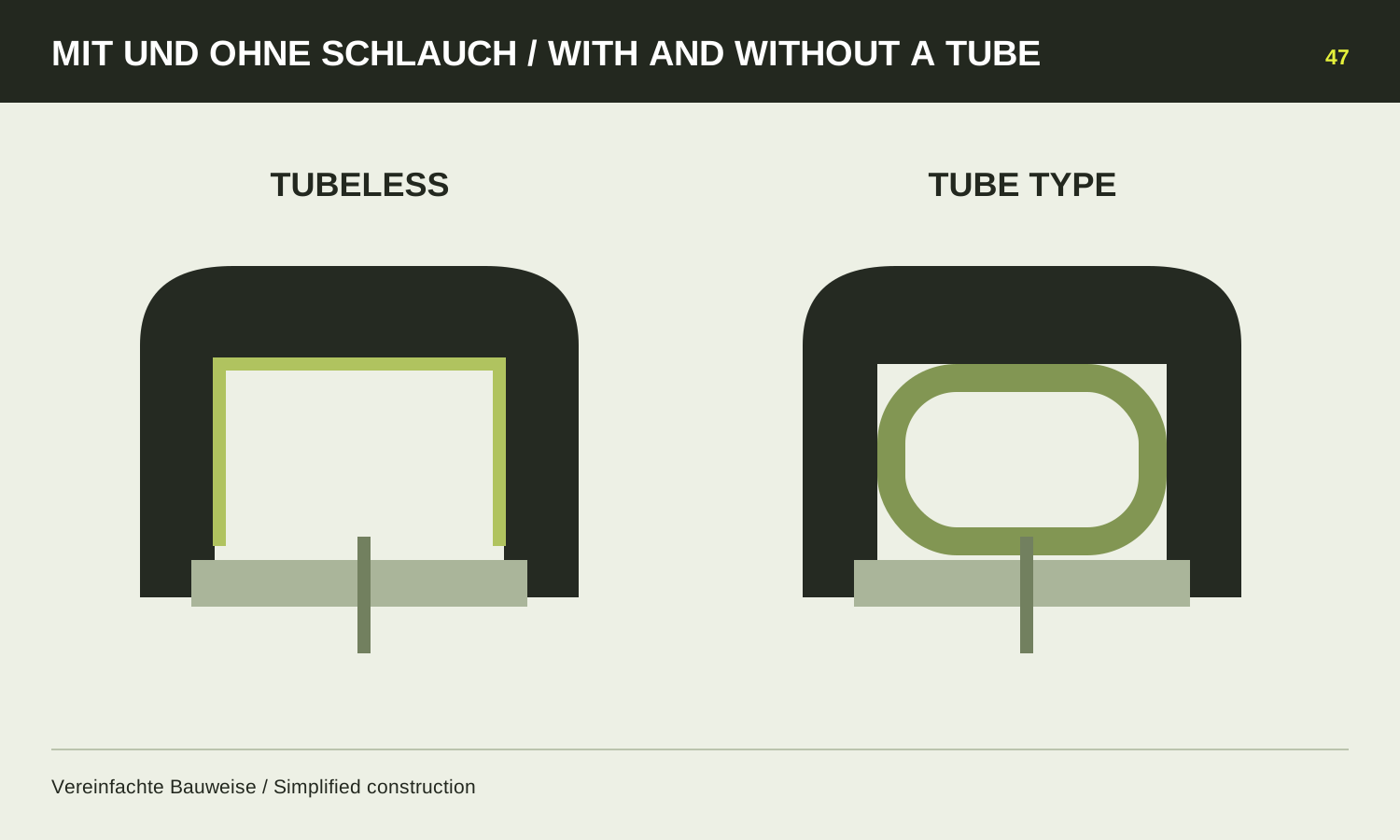
Tubeless means operation without a separate inner tube, not immunity to pressure loss.
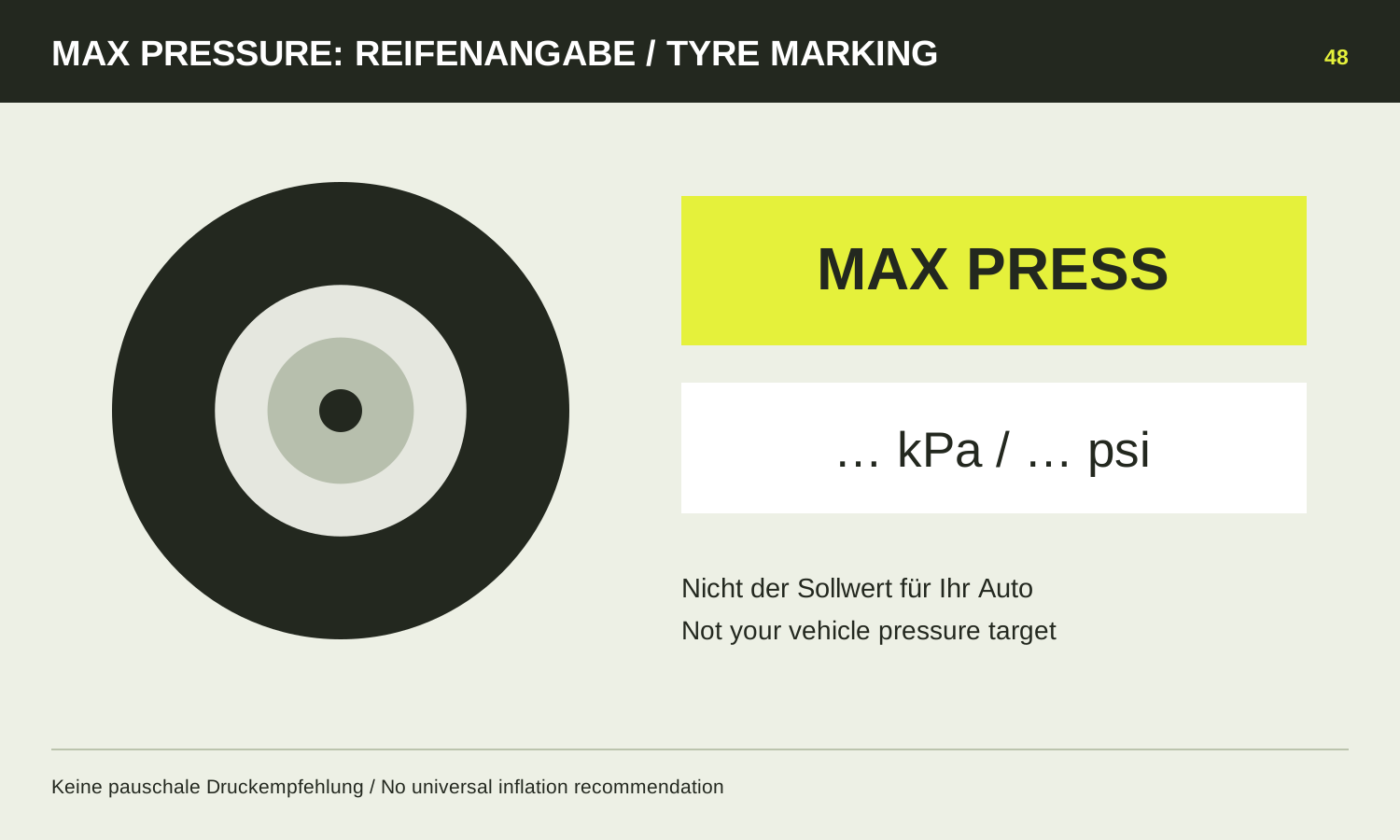
The sidewall maximum is not your vehicle’s routine inflation target.
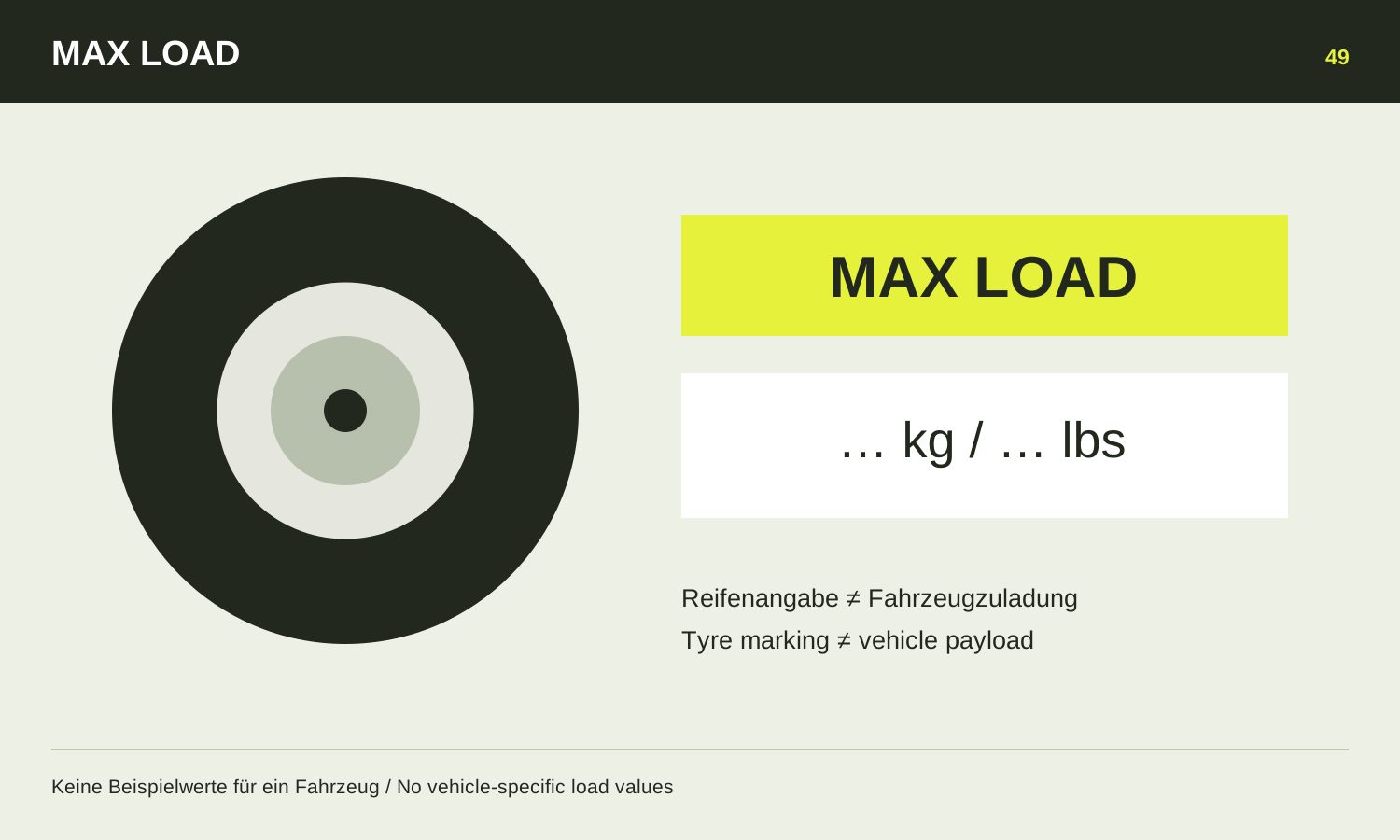
Max Load describes a tyre capacity under conditions, not the car’s payload allowance.
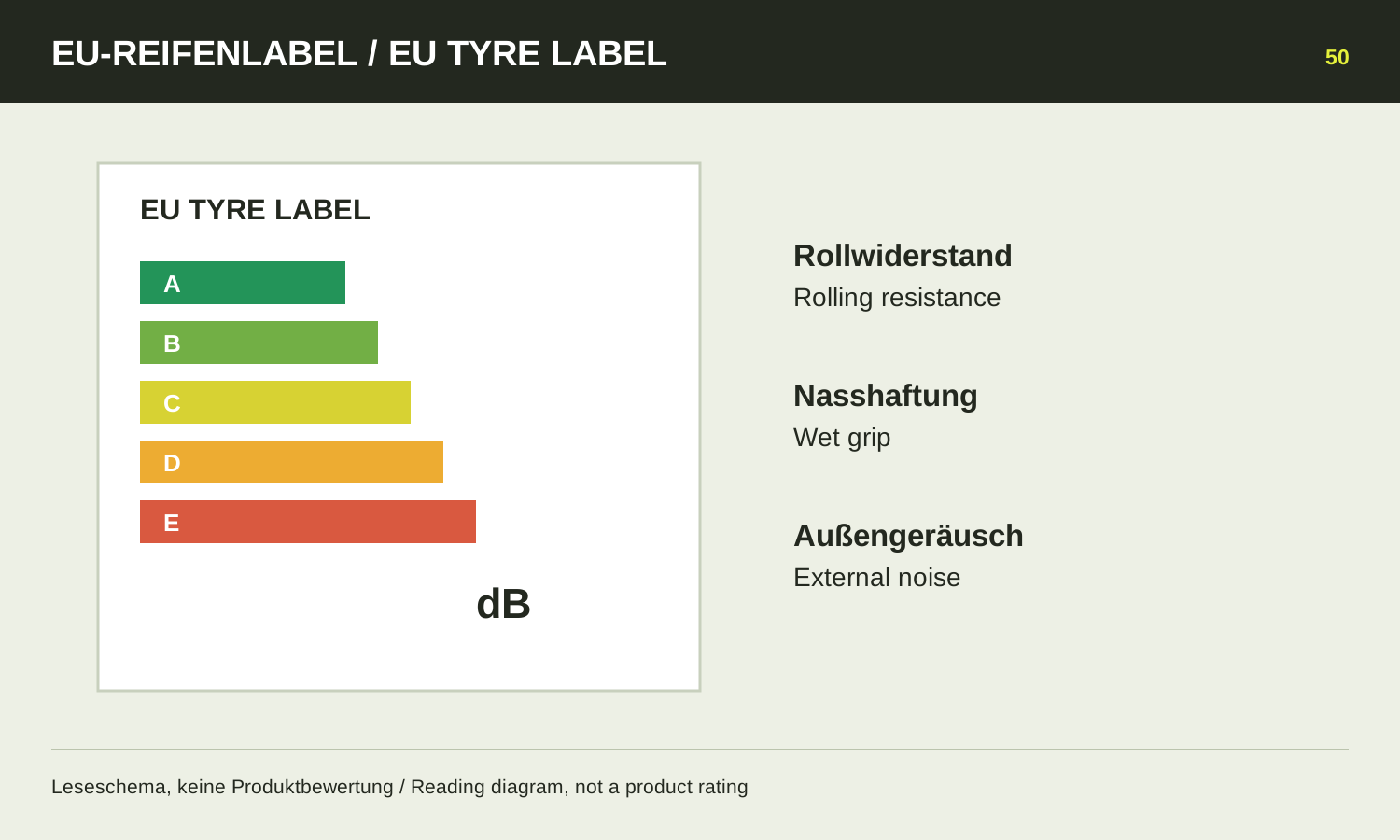
The label brings together several comparable properties, but is not a complete tyre assessment.
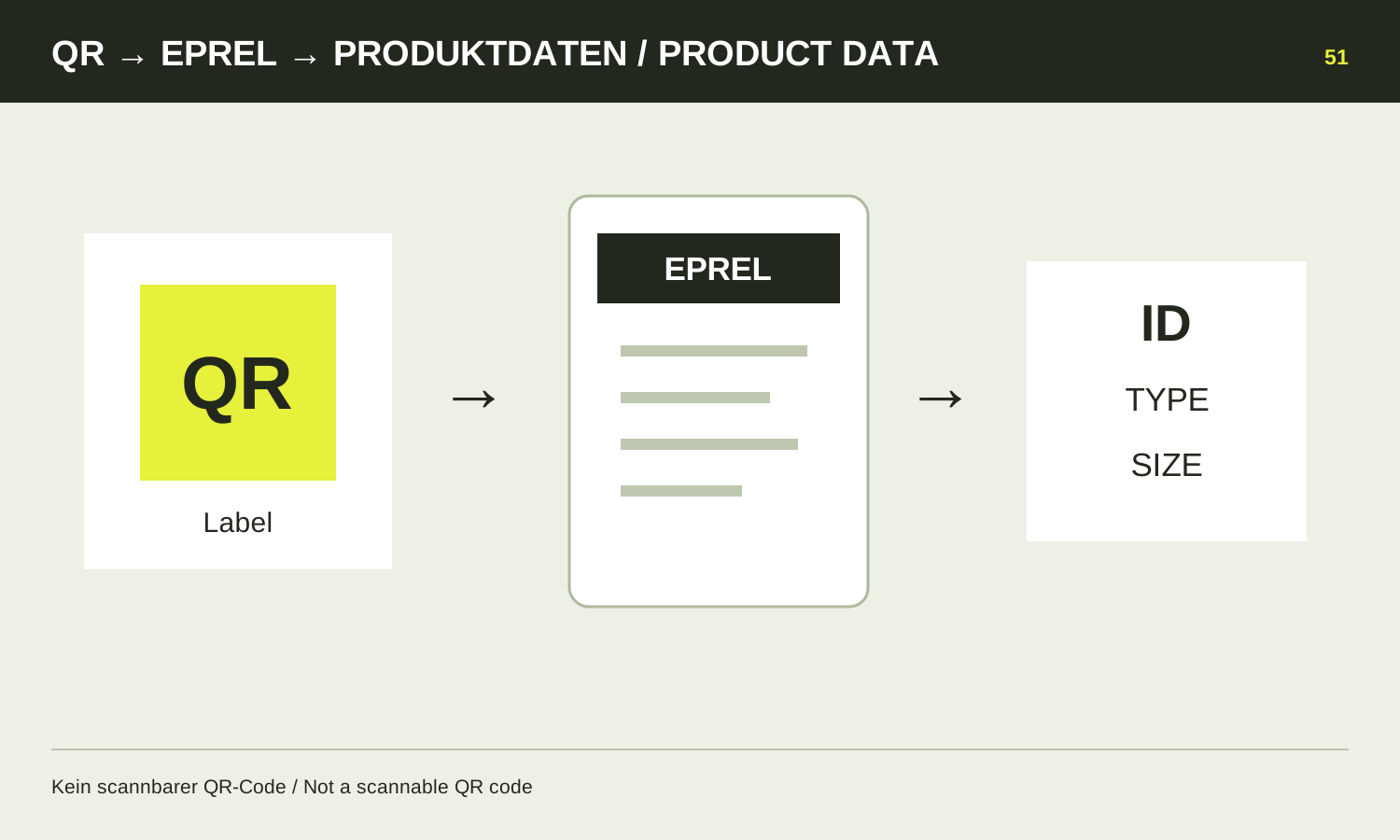
The QR code leads to a product record; the key question is whether it matches the offered version.
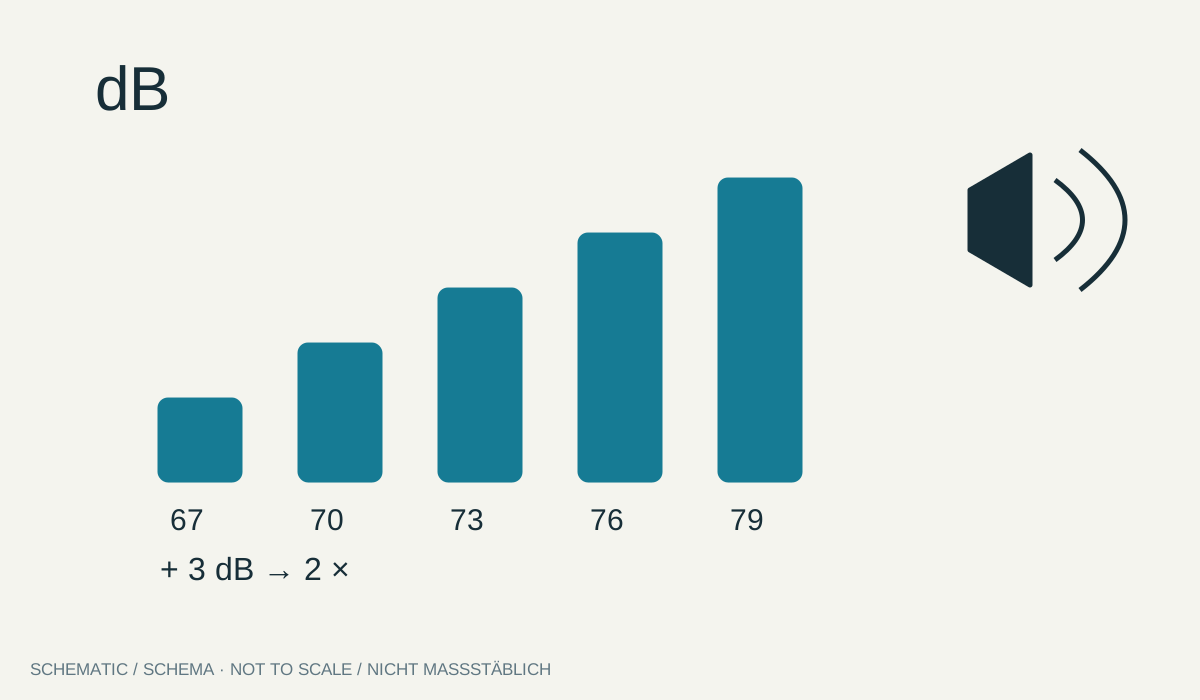
The noise figure describes rolling sound outside the car. It is only part of the picture when you want a quiet cabin.
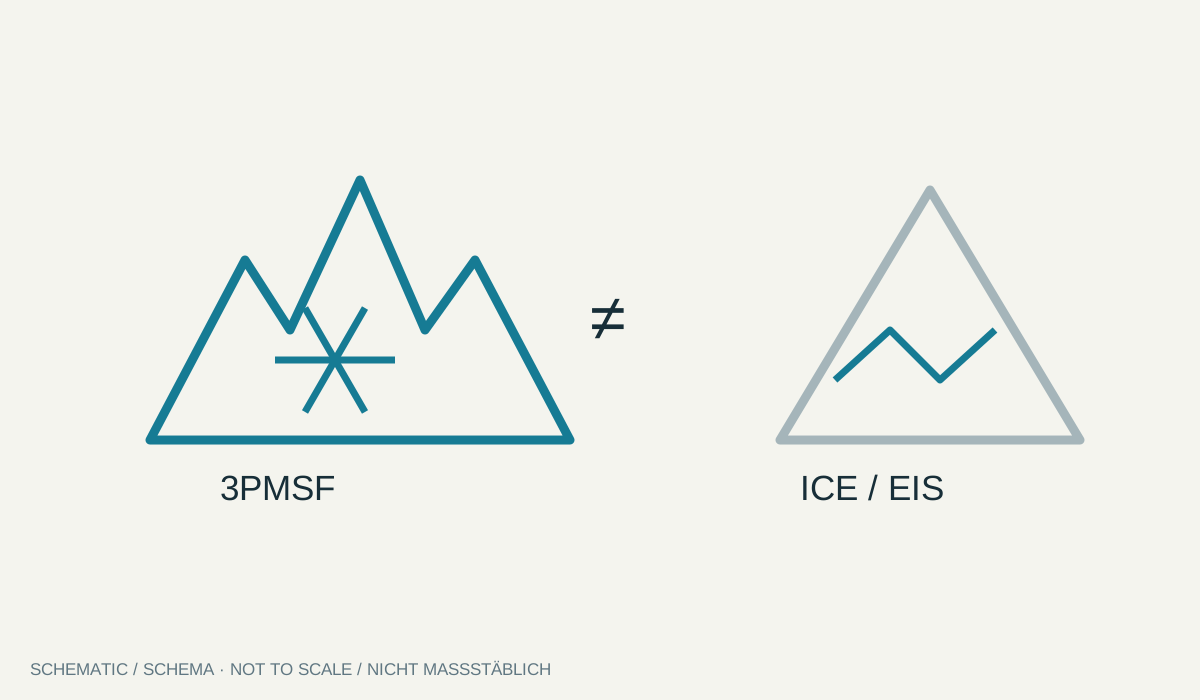
The two winter pictograms refer to different tests. An ice symbol is not a universal upgrade for every winter tyre.
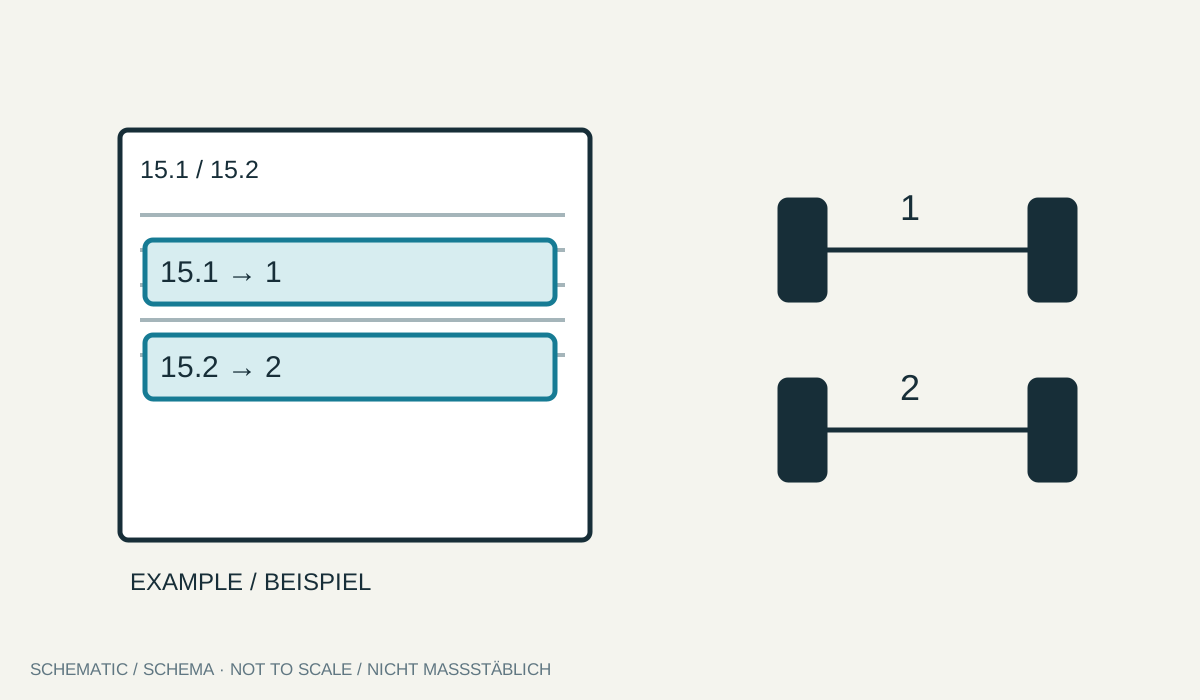
The registration document is the starting point. Additional approved combinations may appear in other vehicle-specific paperwork.
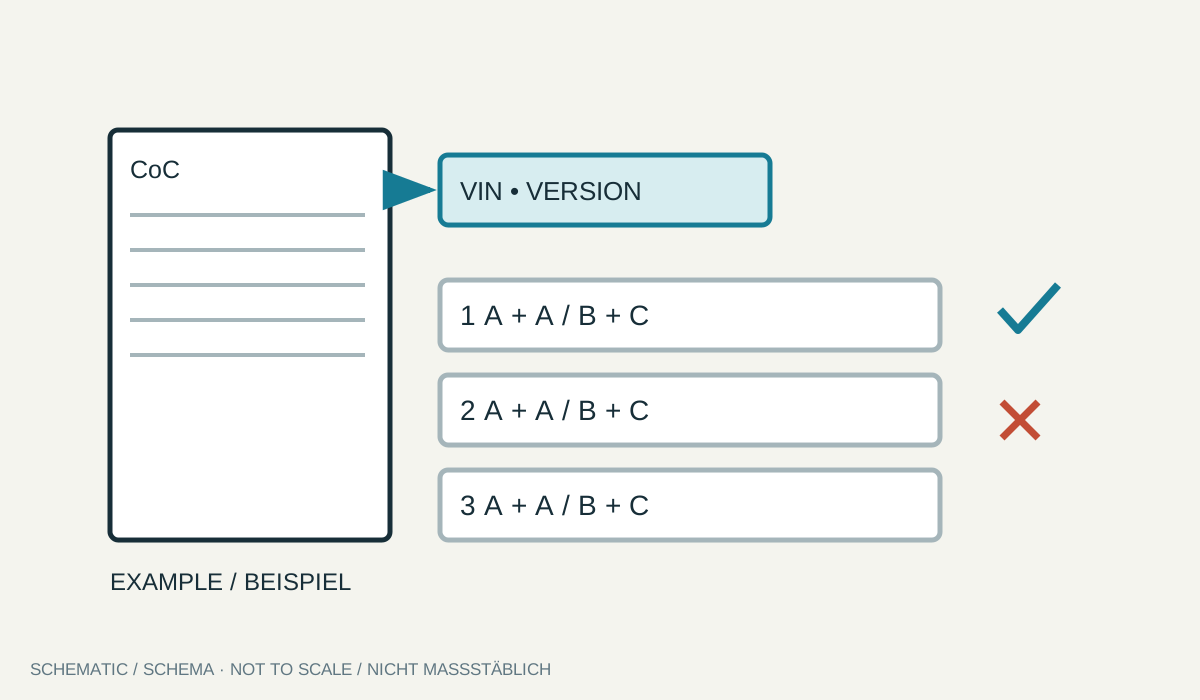
The CoC may contain additional wheel-and-tyre combinations. It must match the vehicle variant and be read as a complete document.
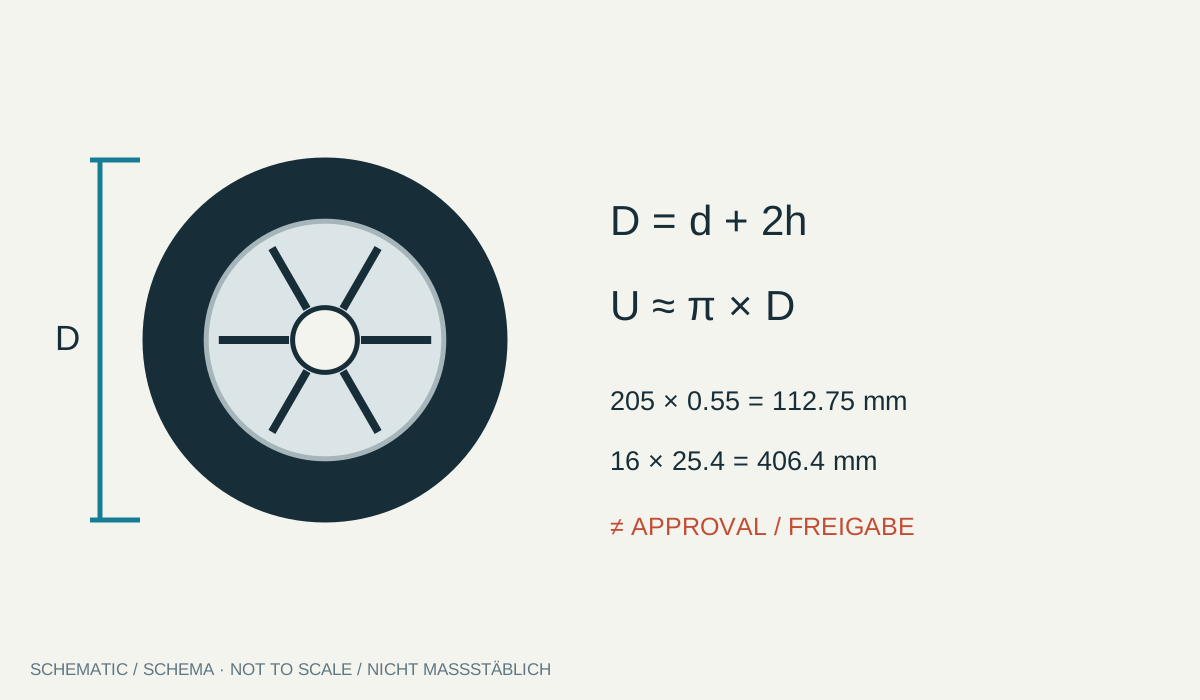
Geometry can explain differences between sizes. It cannot replace approval or checks on the vehicle.