Two signs with different purposes
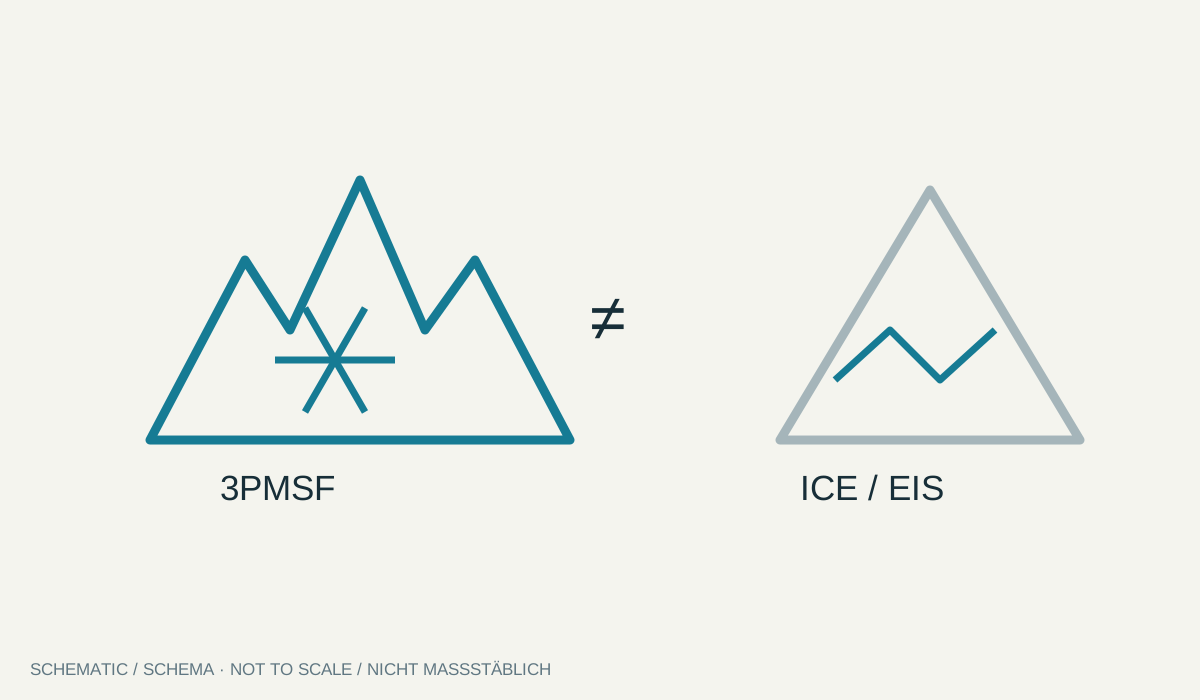
An EU tyre label may include snow and ice pictograms alongside rolling resistance, wet grip and external noise. The snow symbol is the mountain outline containing a snowflake, often called 3PMSF or the Alpine symbol. It indicates compliance with defined severe-snow performance requirements. The ice pictogram refers to a separate assessment aimed specifically at ice.
Do not read these signs as extra stars in an overall rating. A tyre carrying an ice symbol is developed for particular very cold operating conditions. That specialisation calls for a different judgement on a car mainly used on mild, wet German roads than on a vehicle travelling in Nordic conditions. Start with the intended winter use rather than simply counting symbols.
Match the label to the tyre
You need information for the exact tyre specification. Check its product sheet and identifier, not just an illustration in a retailer’s winter category. A product family, an older advertising image and the tyre currently available do not necessarily carry identical information. If a listing is ambiguous, obtain written confirmation concerning the actual item supplied.
Germany’s legal definition of tyres for winter weather refers to the Alpine symbol. An additional ice symbol is not a blanket requirement for that purpose. Equally, an M+S inscription alone does not replace the relevant Alpine marking. Check the rules of other countries separately before travelling: an EU label does not summarise every national equipment requirement.
Consider the remaining characteristics
Meeting a snow-test criterion does not describe every braking, steering or wear characteristic. Consider wet grip as well as relevant testing in the appropriate size. A claim such as suitable for every winter is too vague without operating conditions. Altitude, road clearance, the need to drive daily and the option to postpone a journey in extreme weather all affect the decision.
Before buying, note the conditions normally encountered on your regular route and the additional conditions expected on planned trips. These two descriptions give a tyre specialist something concrete to work with. Explaining the use is more helpful than asking for as many pictograms as possible on the label.