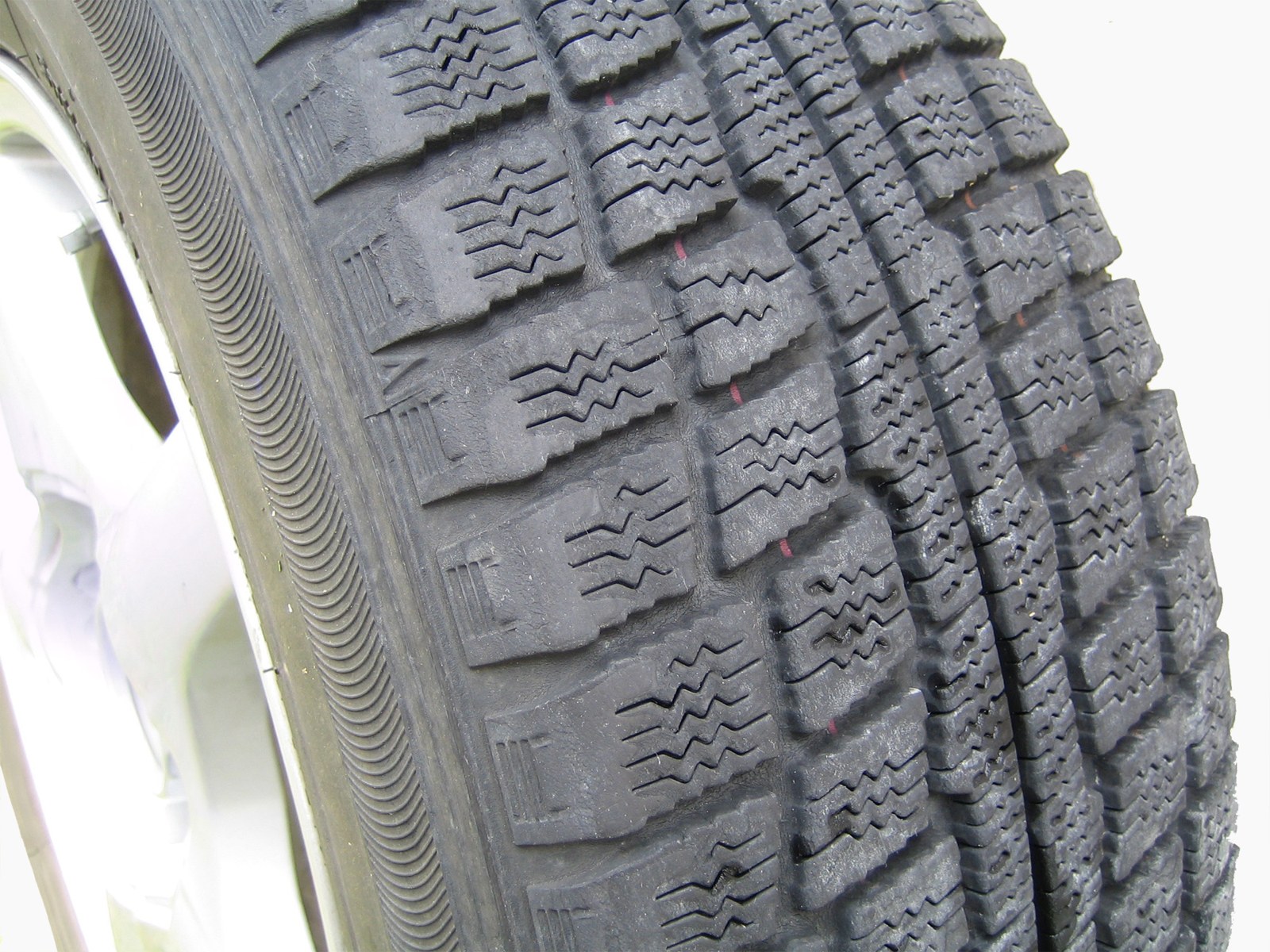
Choosing tyres
Summer, winter or all-season tyres?
Start with the journeys you cannot postpone, rather than the first discounted set you find.
Find articles by keyword and topic.
153 articles
No matching articles. Try another search term or topic.
Start with the journeys you cannot postpone, rather than the first discounted set you find.
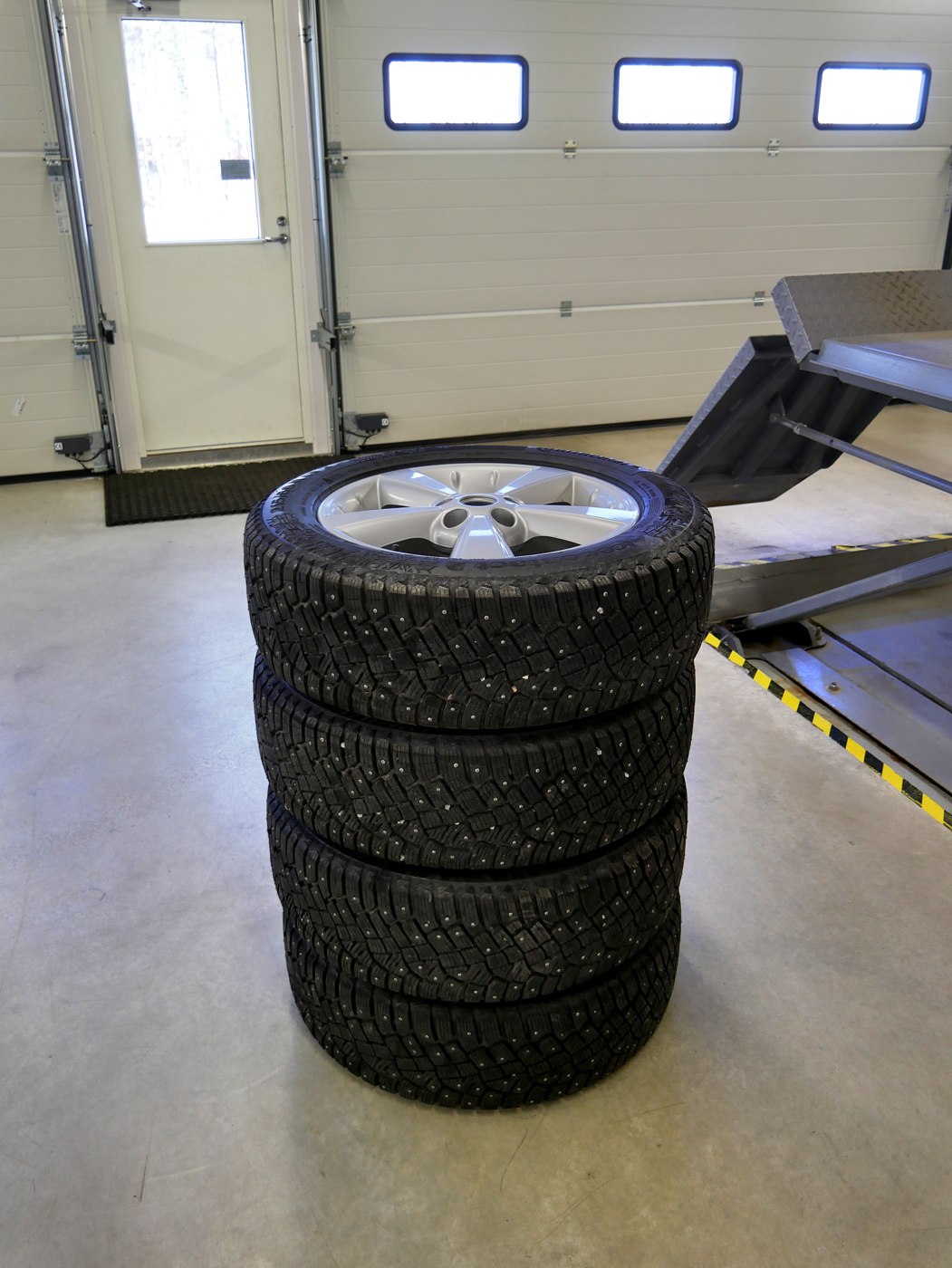
Low mileage can preserve tread, but it does not settle every tyre choice.

Long journeys call for attention to wet performance, loading and the approved specification.
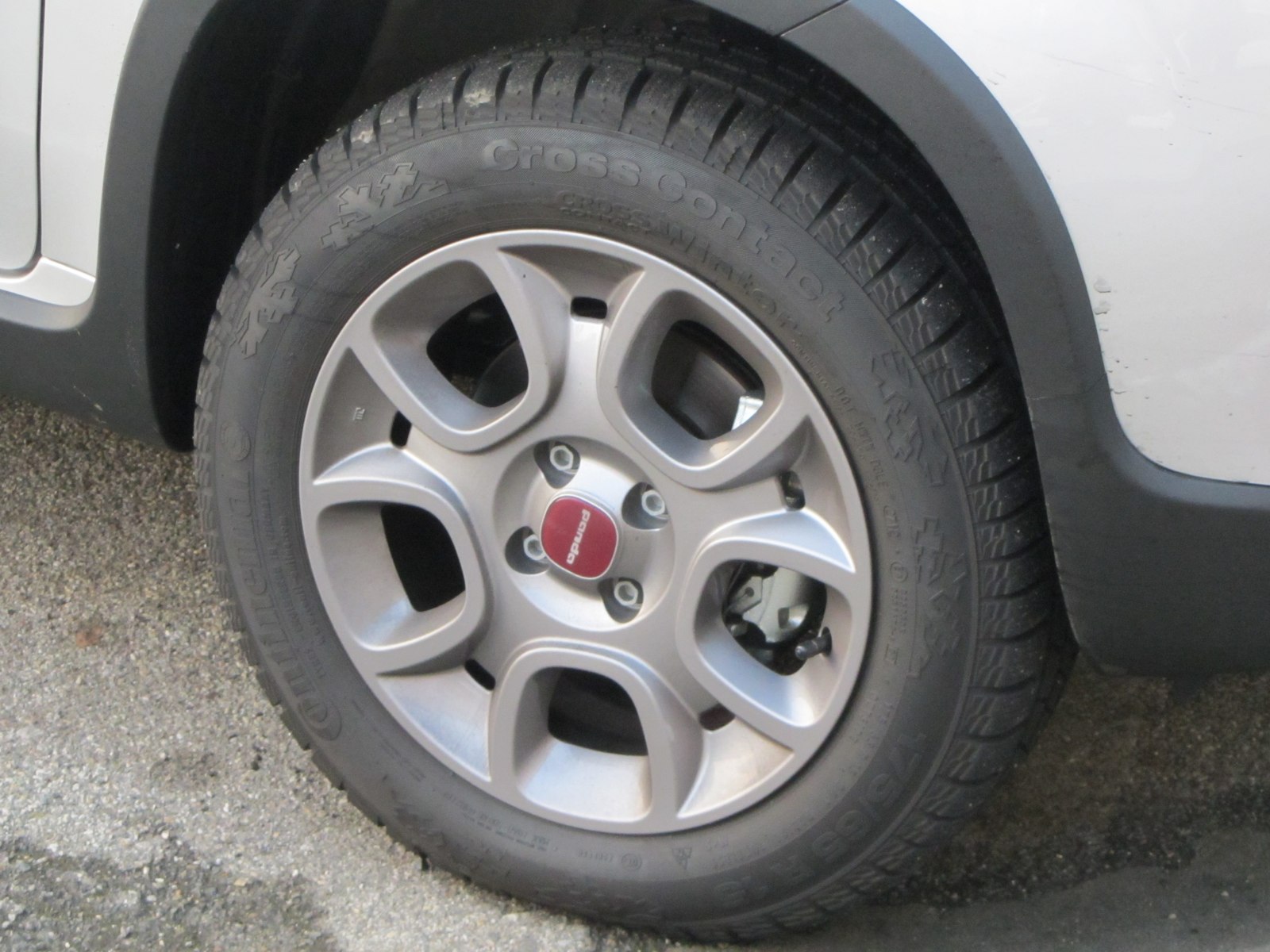
Short trips involve repeated starts, tight turns and frequent proximity to kerbs.
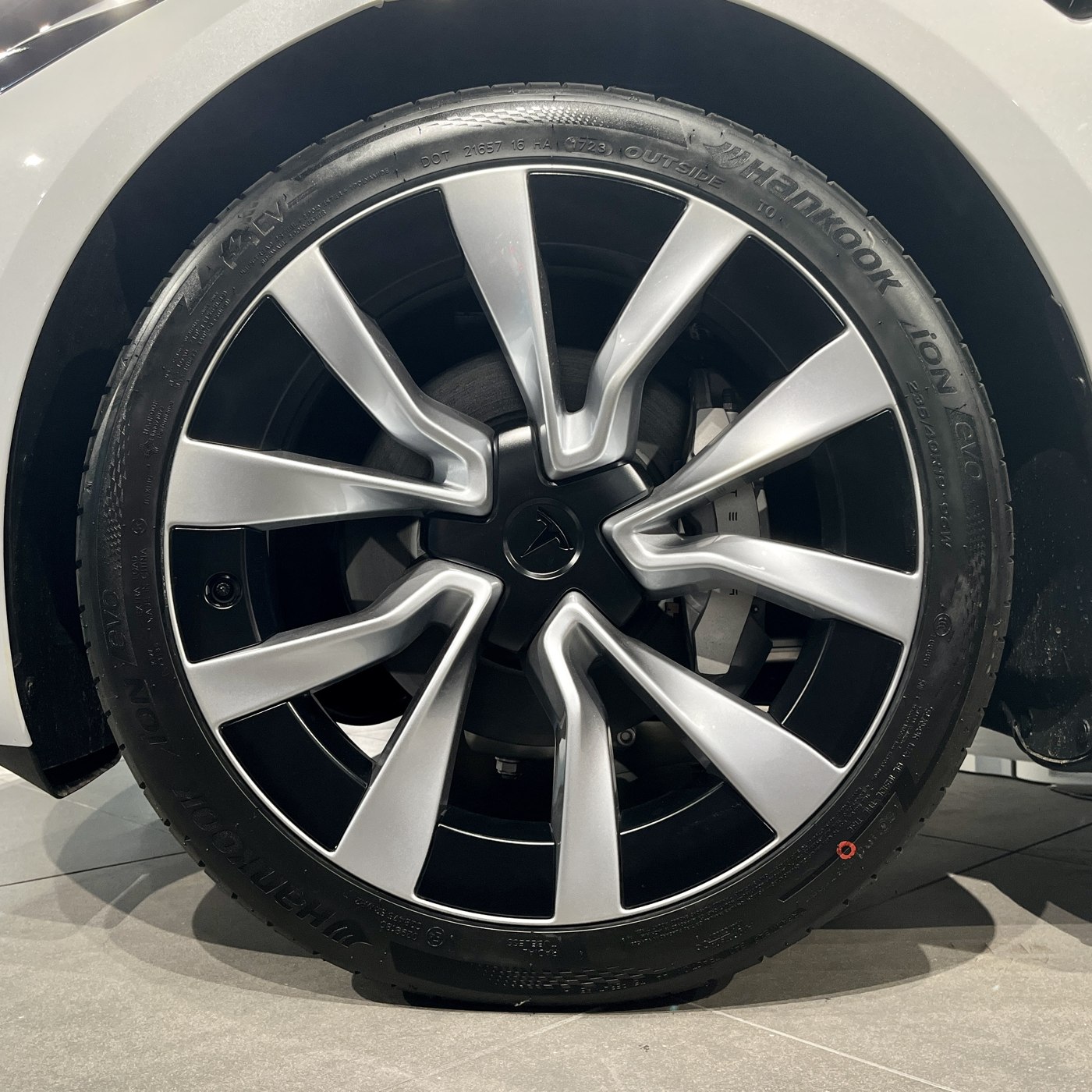
For an electric car, establish the vehicle requirements before comparing range and noise.
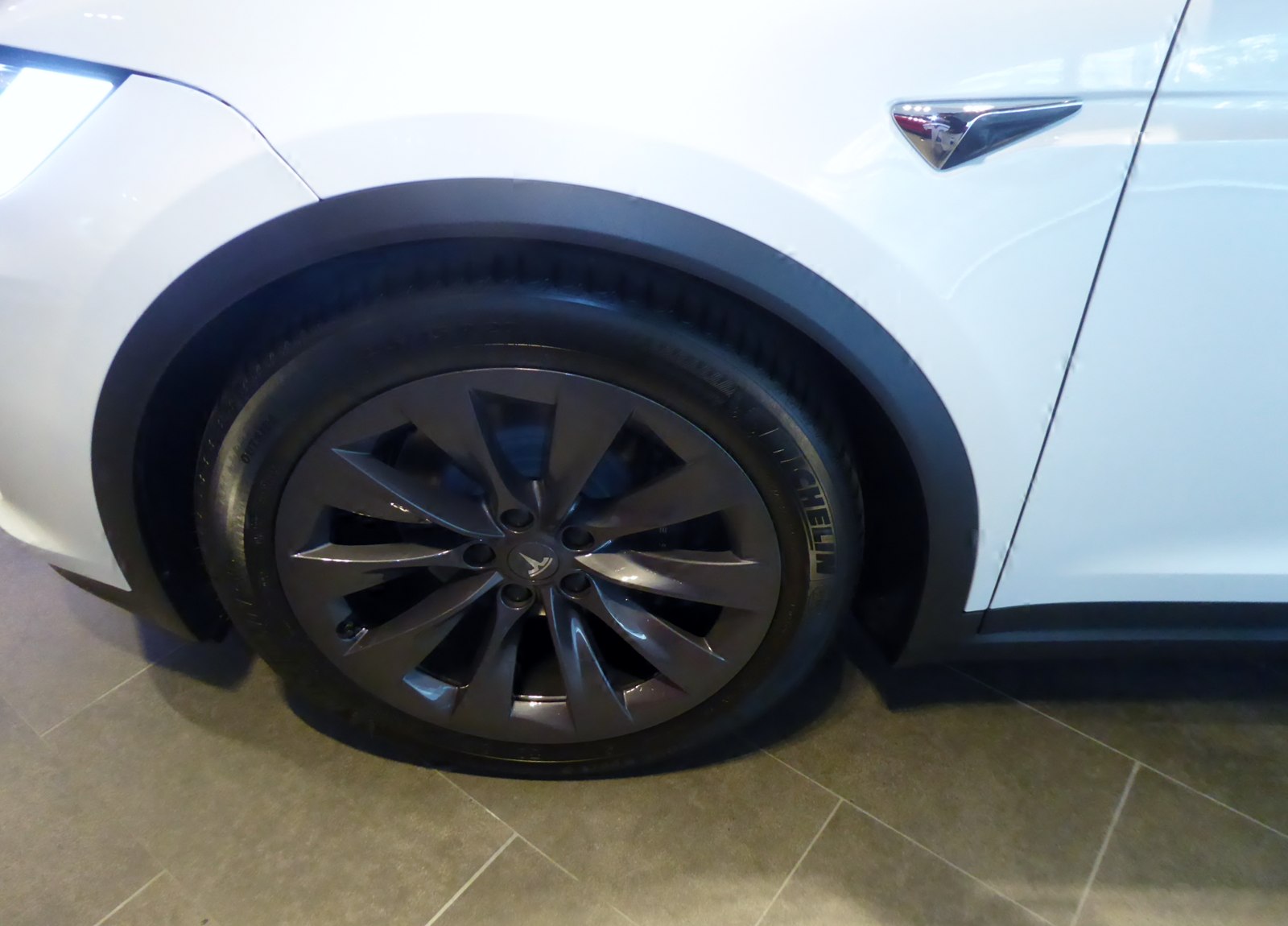
Axle loads and the approved tyre specification matter more than an SUV badge.
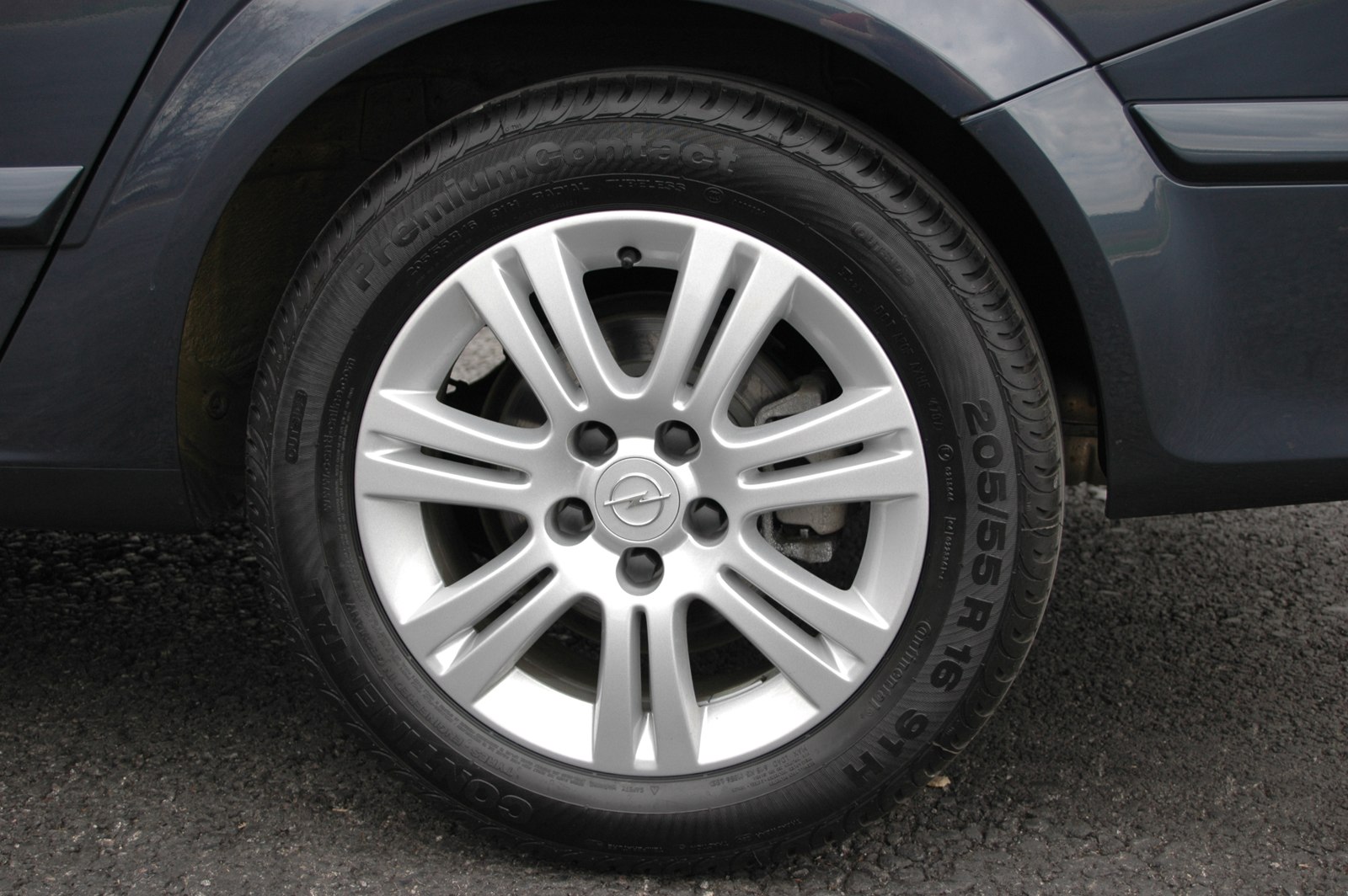
For an estate car, everyday journeys and a fully loaded holiday both belong in the decision.
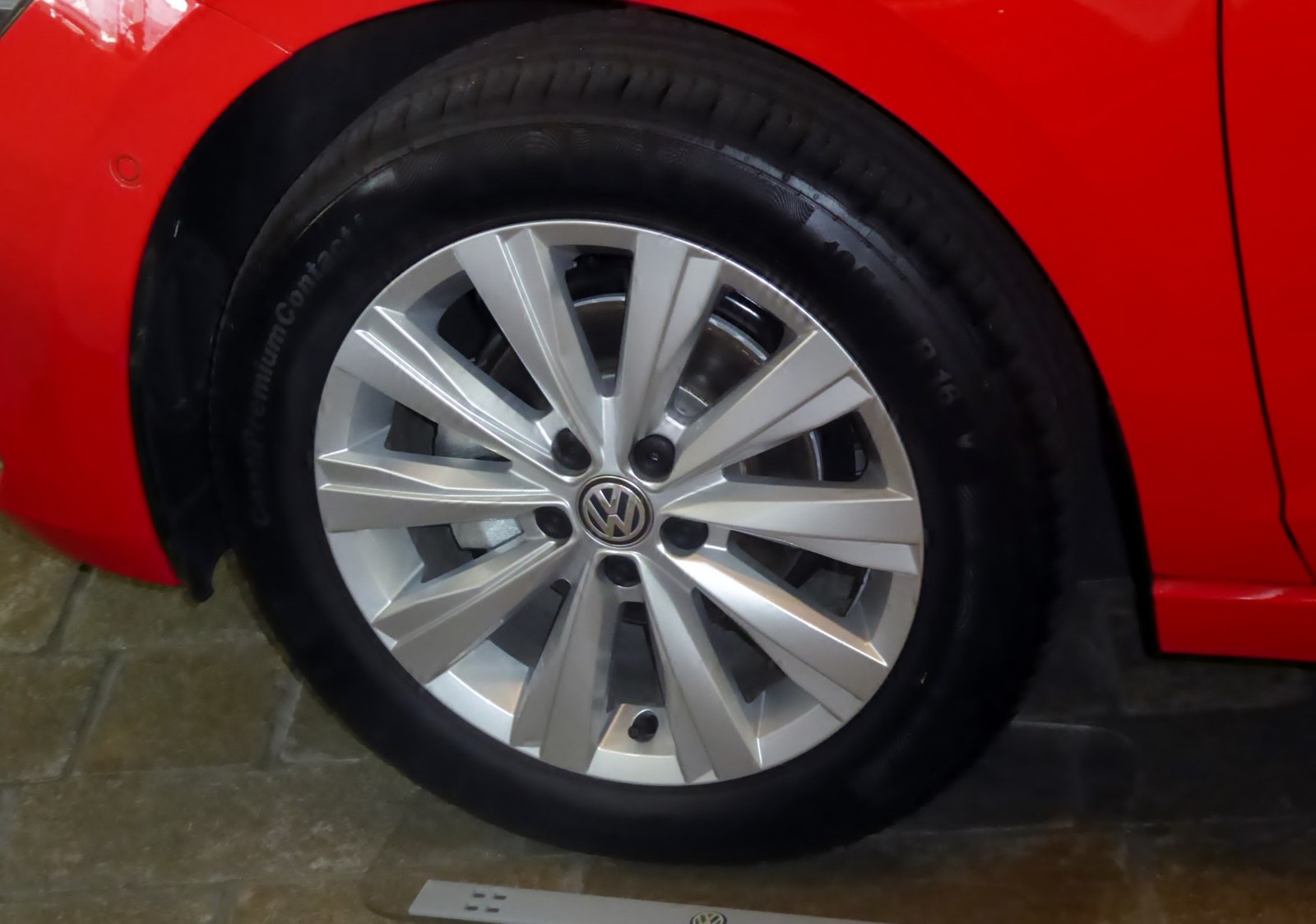
A smaller size does not make technical specifications or wet-road results less important.
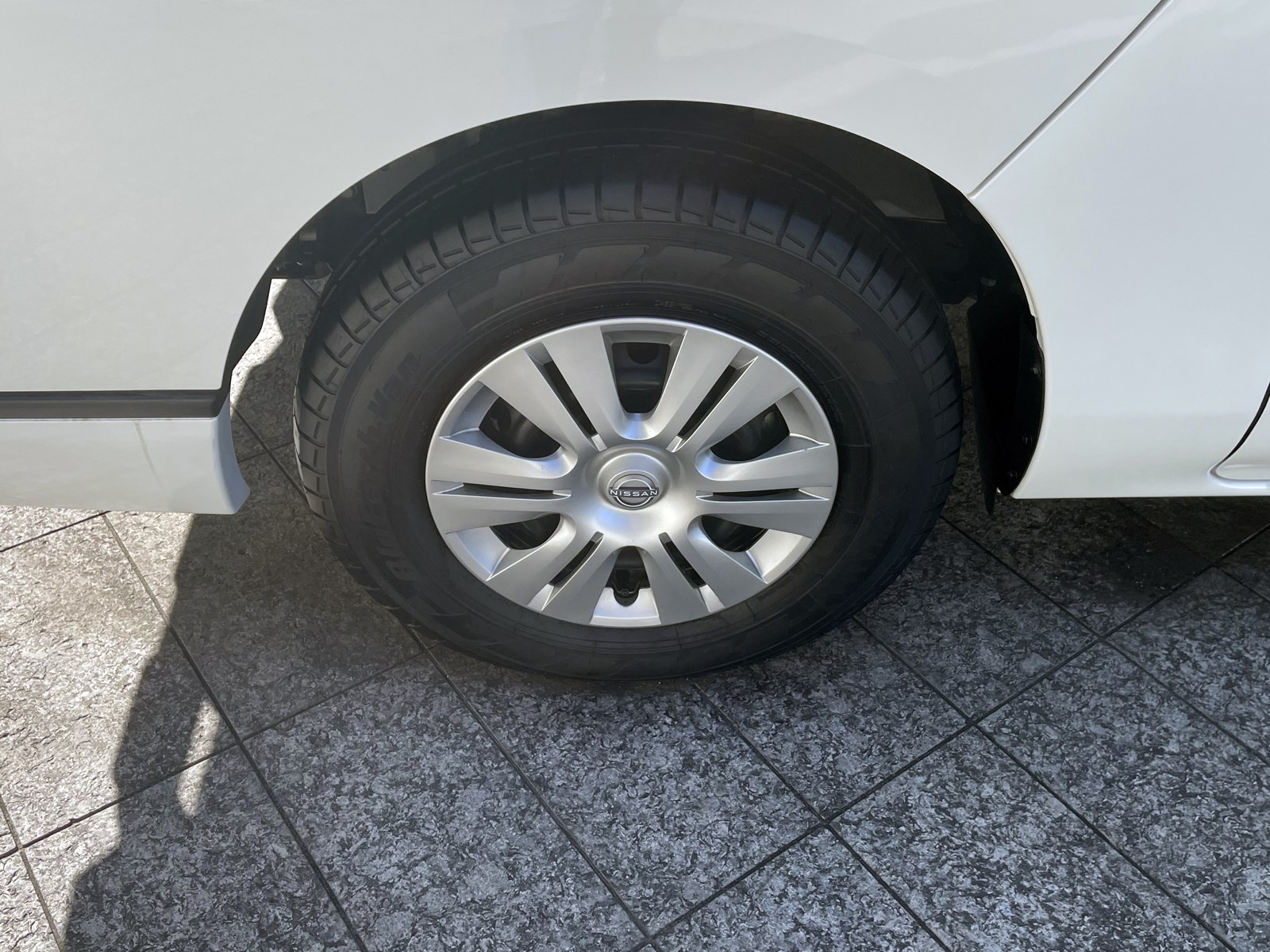
Specify van tyres from the vehicle approval and loading requirements, rather than tread appearance.

Body type, axle loads and long periods parked make motorhome tyre selection a separate task.
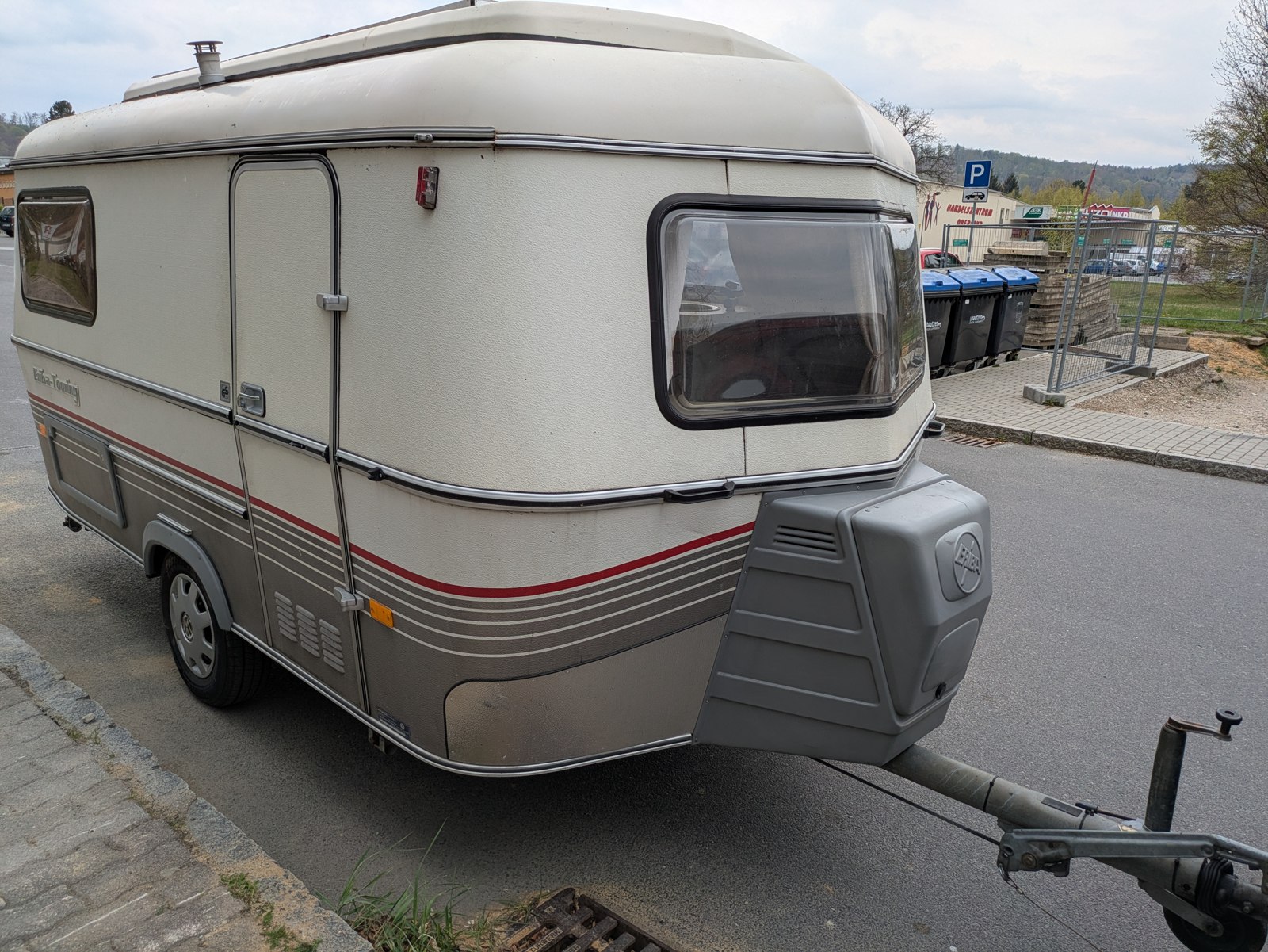
On a caravan, age and loading may deserve more attention than the amount of tread still visible.
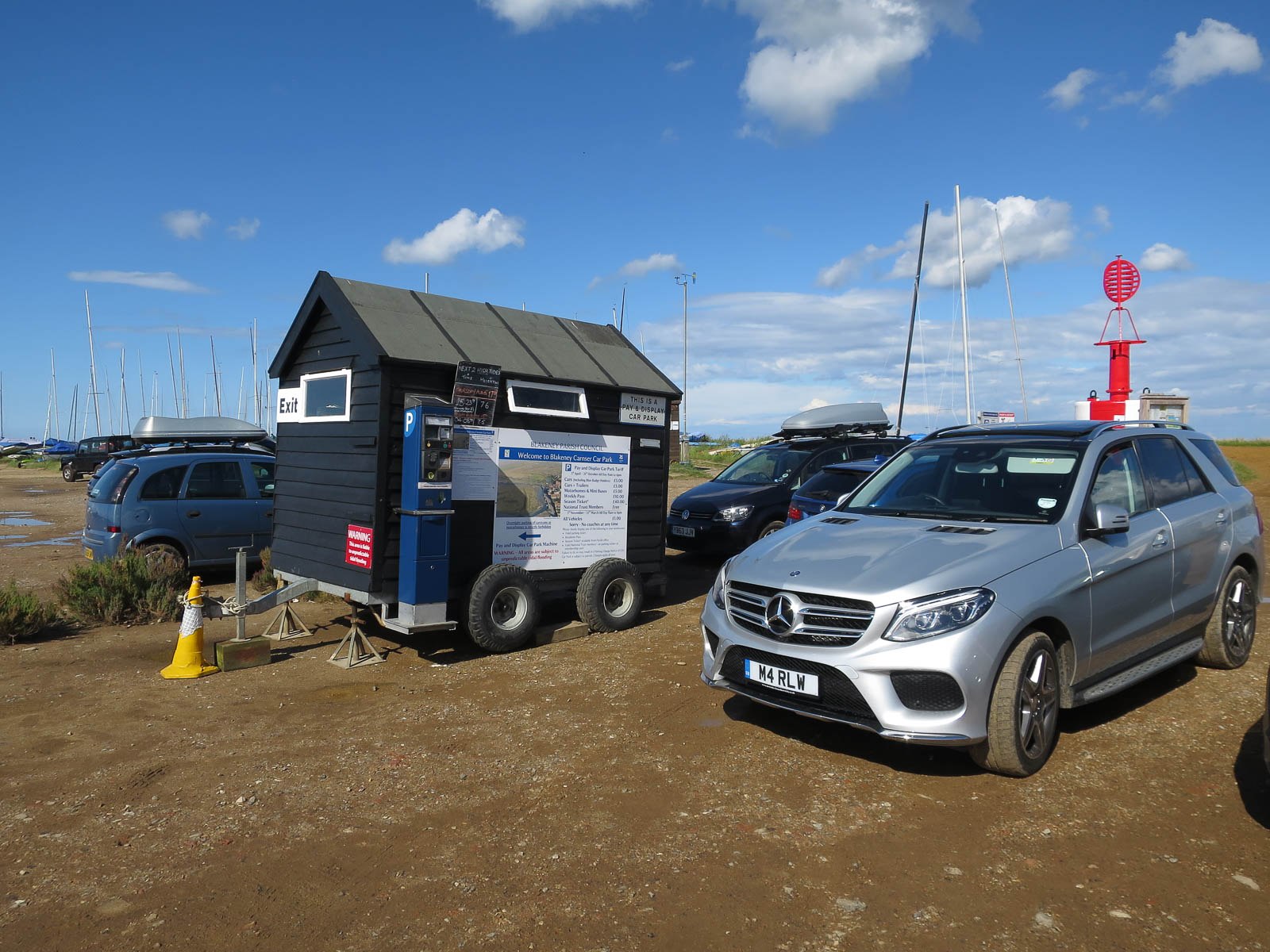
A trailer needs a compatible combination of load capacity, speed specification and wheel.
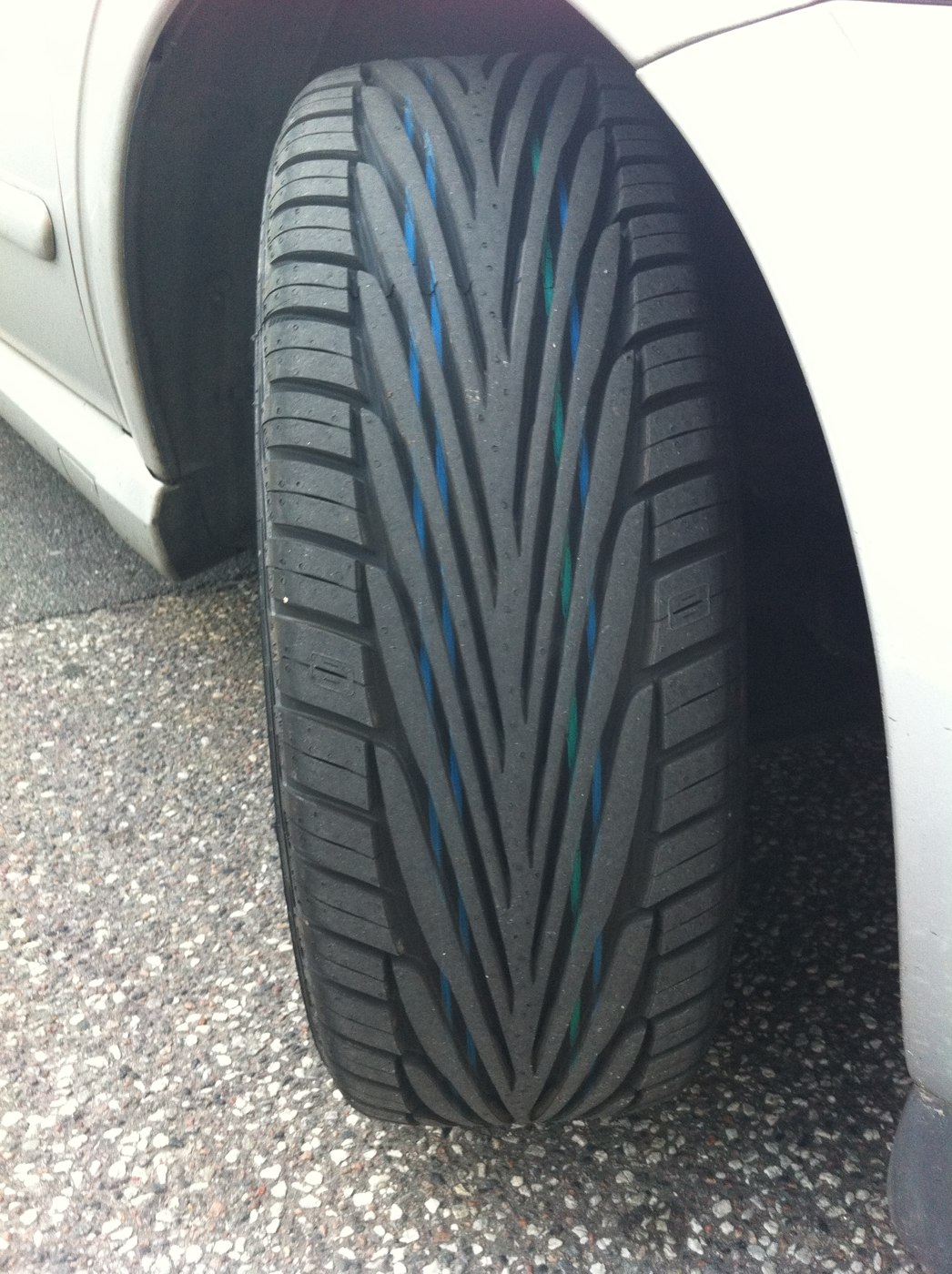
Wet grip can be compared, but no single figure describes every rain-soaked road.
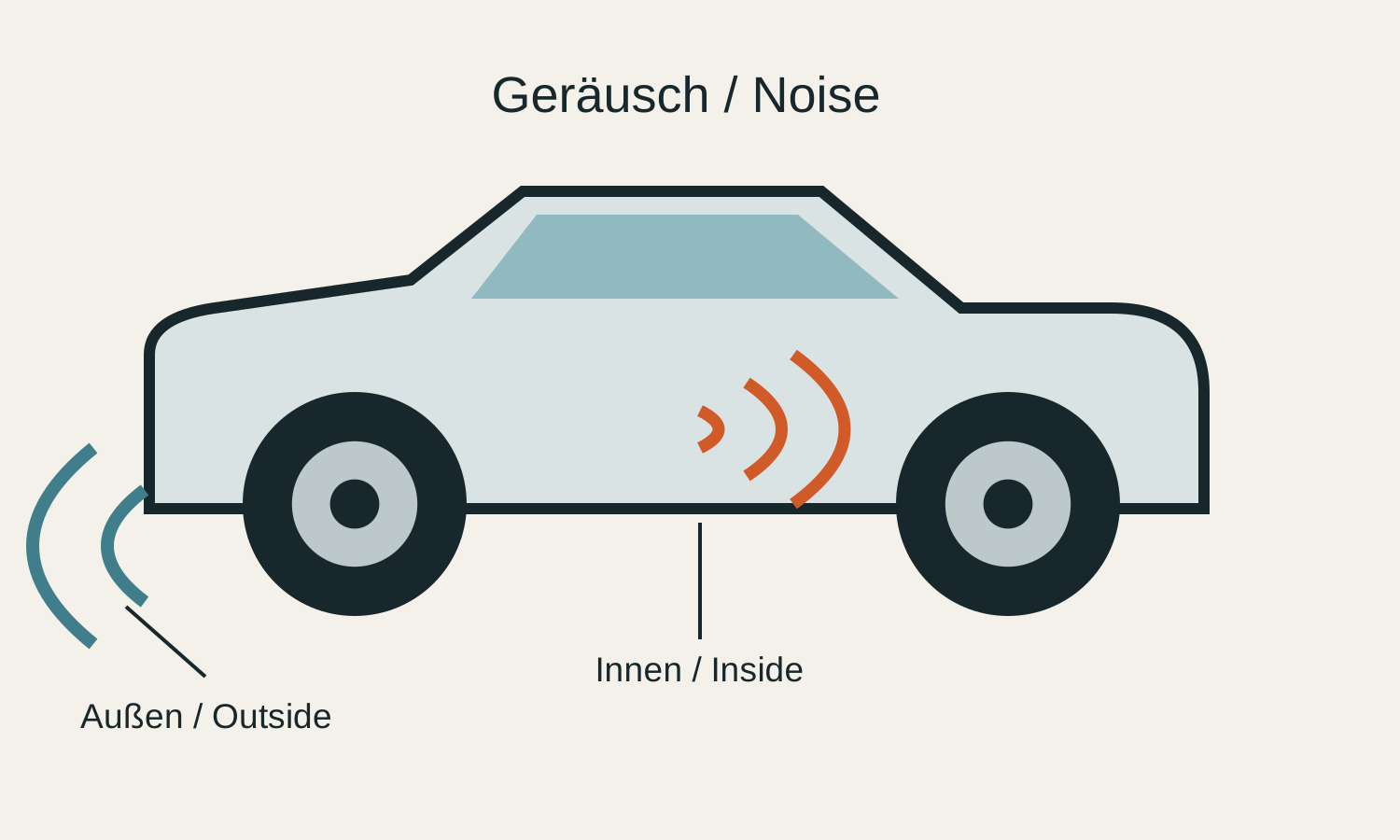
External rolling noise and the sound inside the cabin are different measurements.
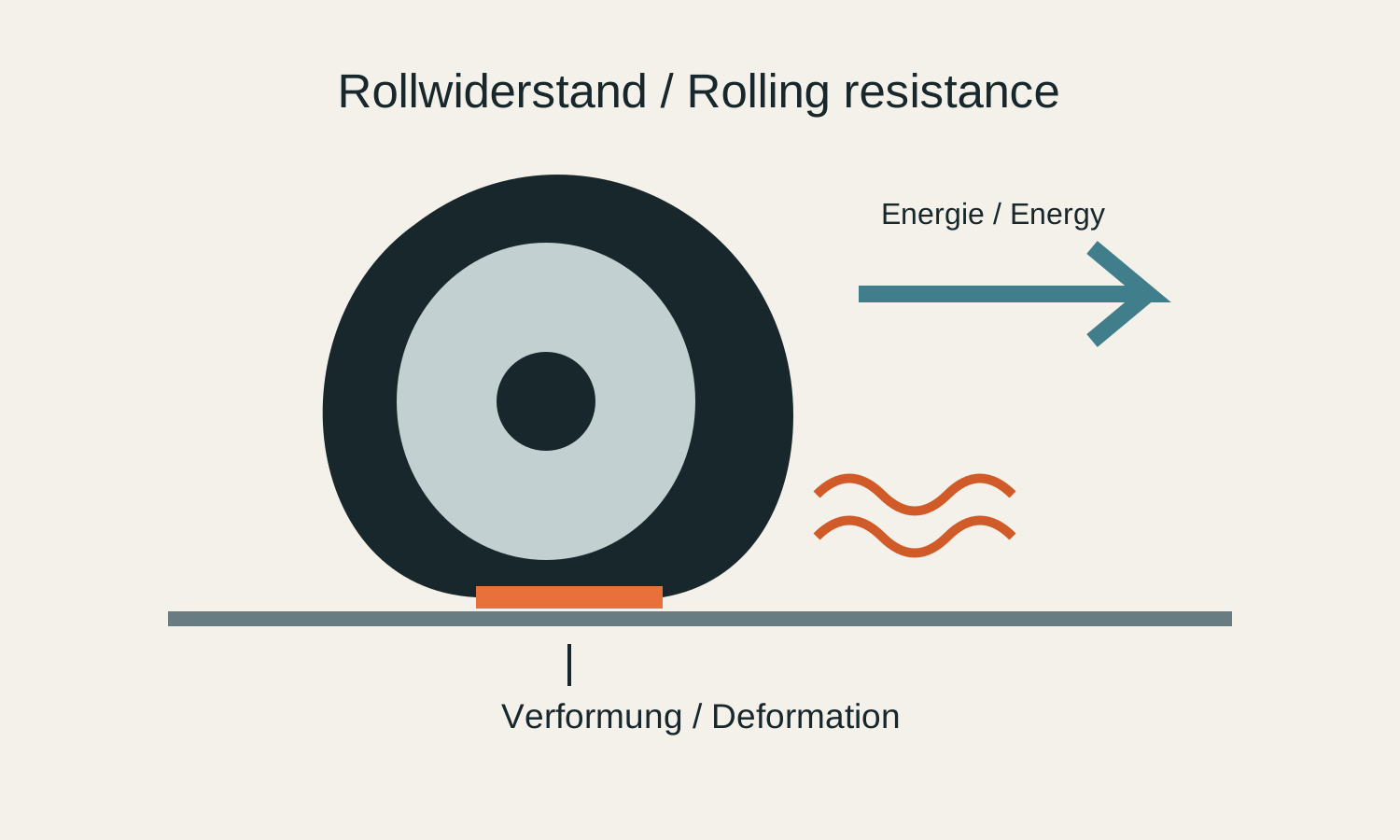
Lower rolling resistance can help consumption, but actual savings depend on more than a label.
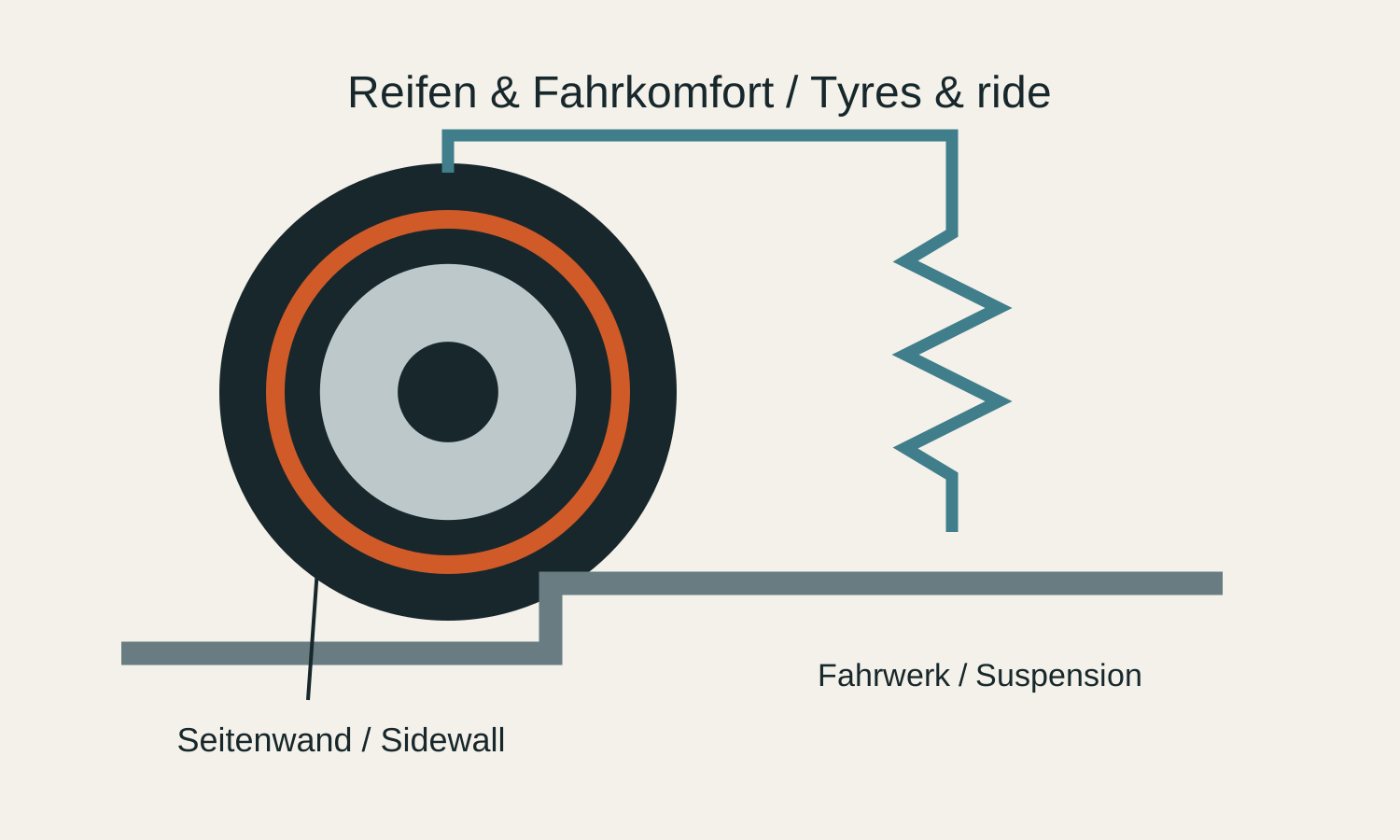
Ride quality comes from the tyre, wheel, pressure and vehicle together, not one advertising phrase.
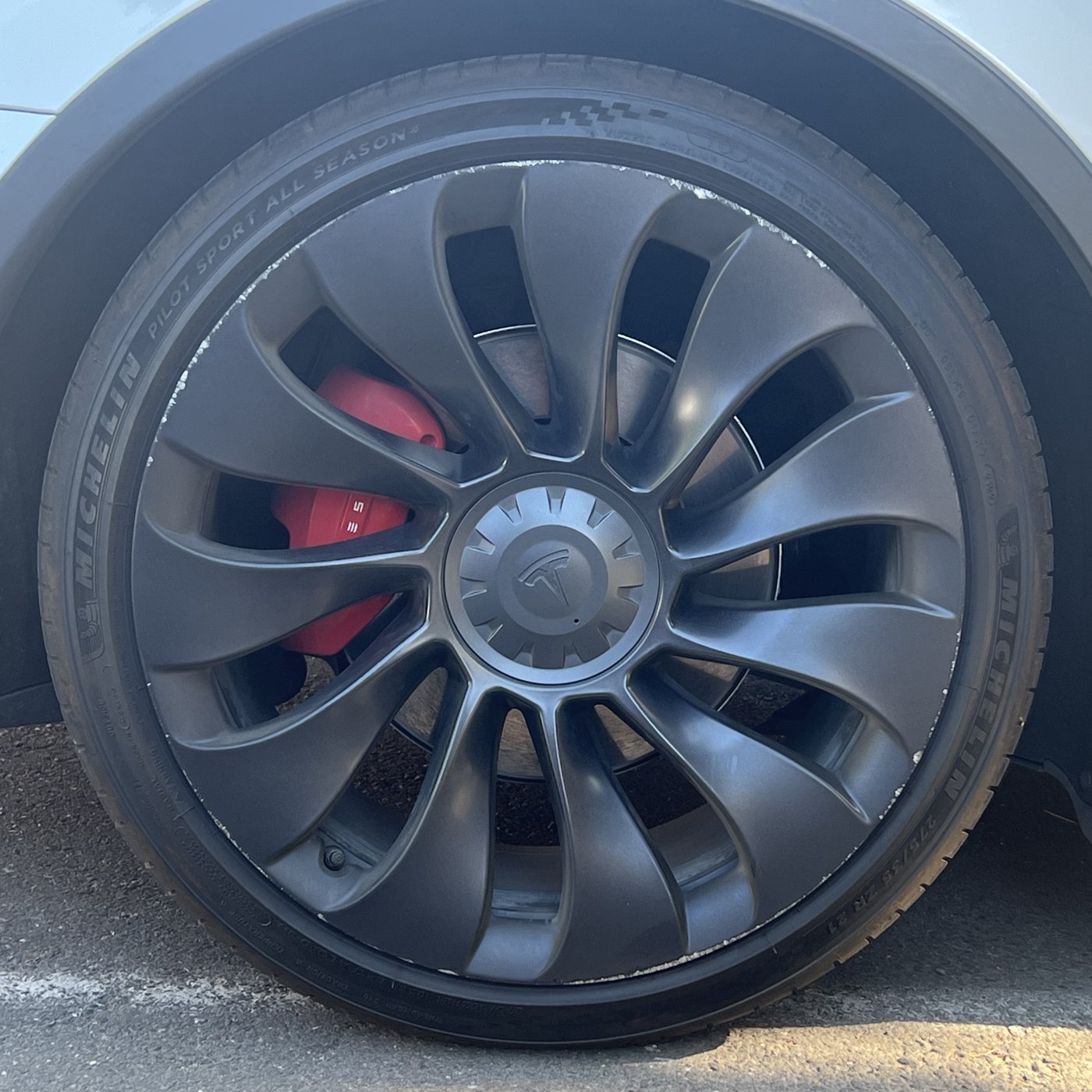
A performance tyre should suit daily conditions as well as the car’s power.
Compare specific models and total costs rather than two broad price categories.
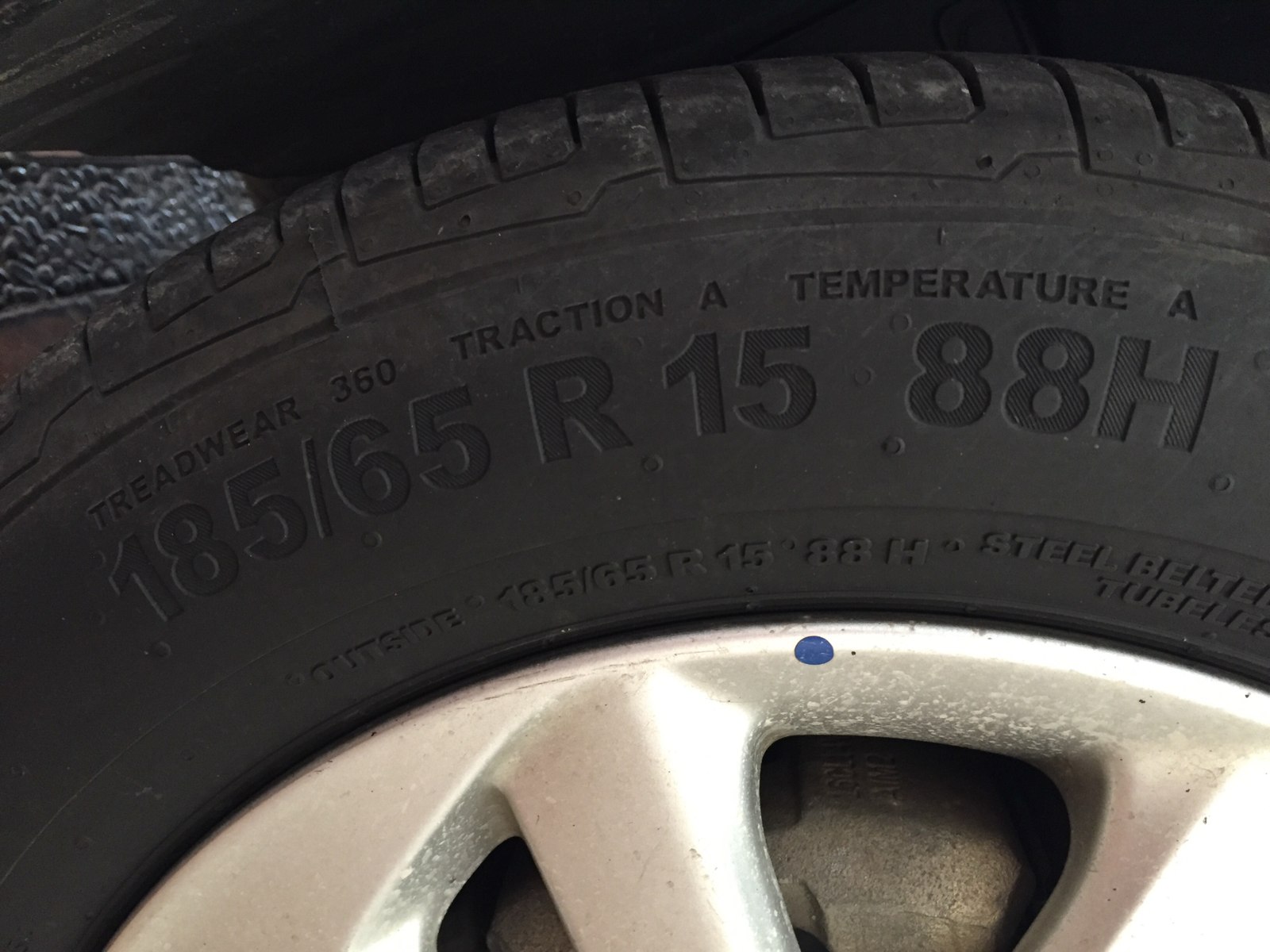
A test result belongs to a specific size and version, not automatically every variant.
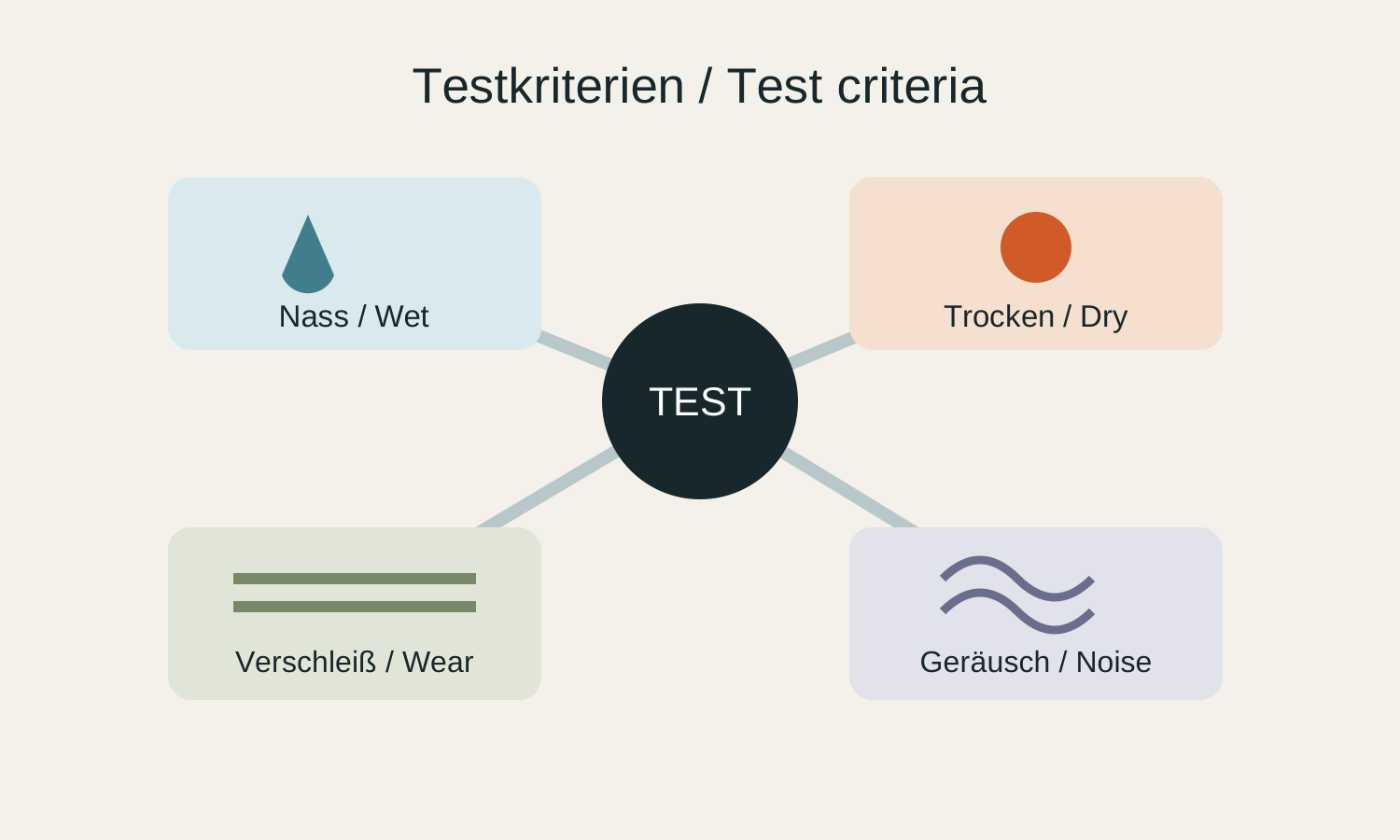
Overall grades make more sense when read alongside the conditions and individual criteria.
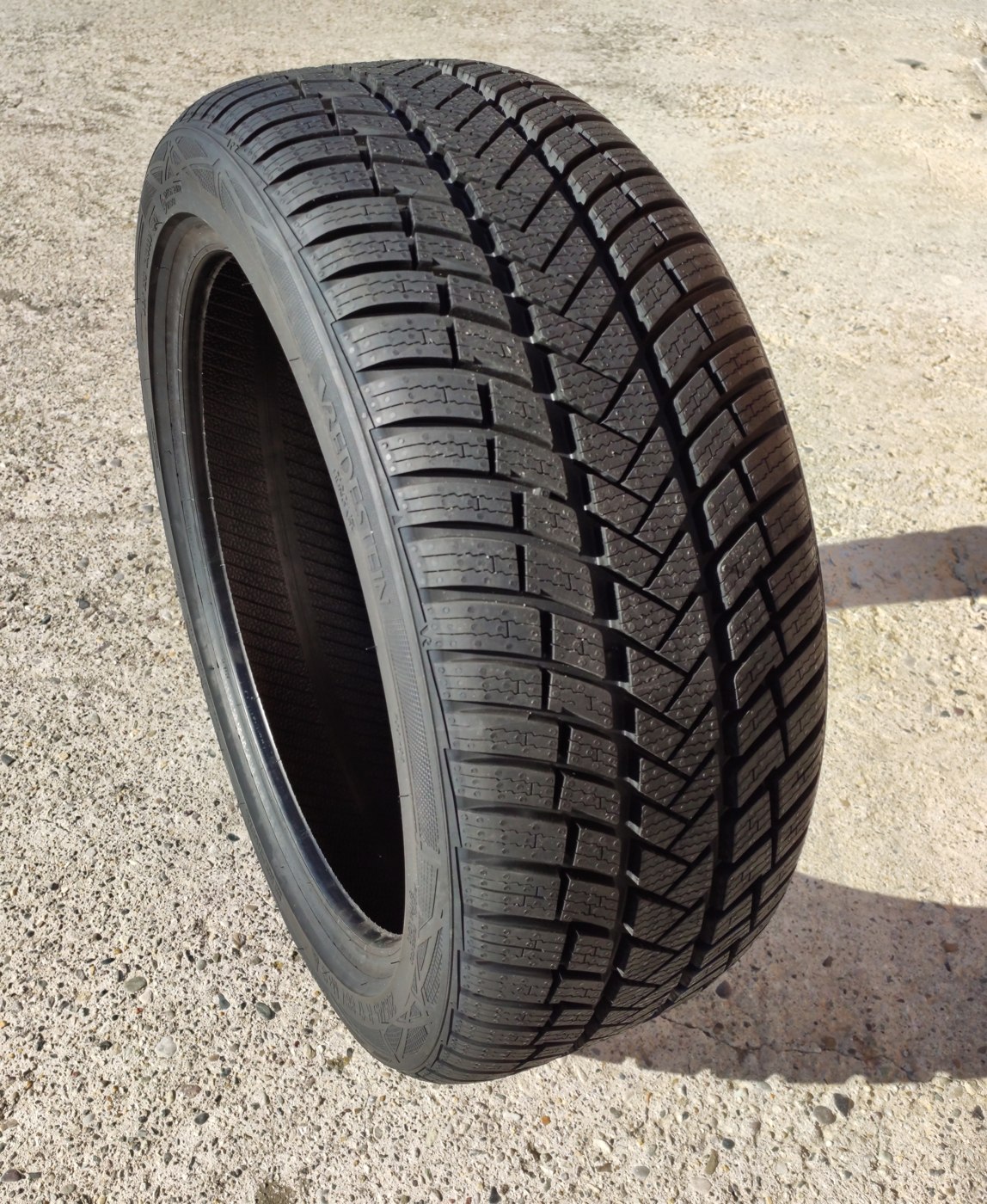
A new model name brings a change, but not automatically comparison data in your size.
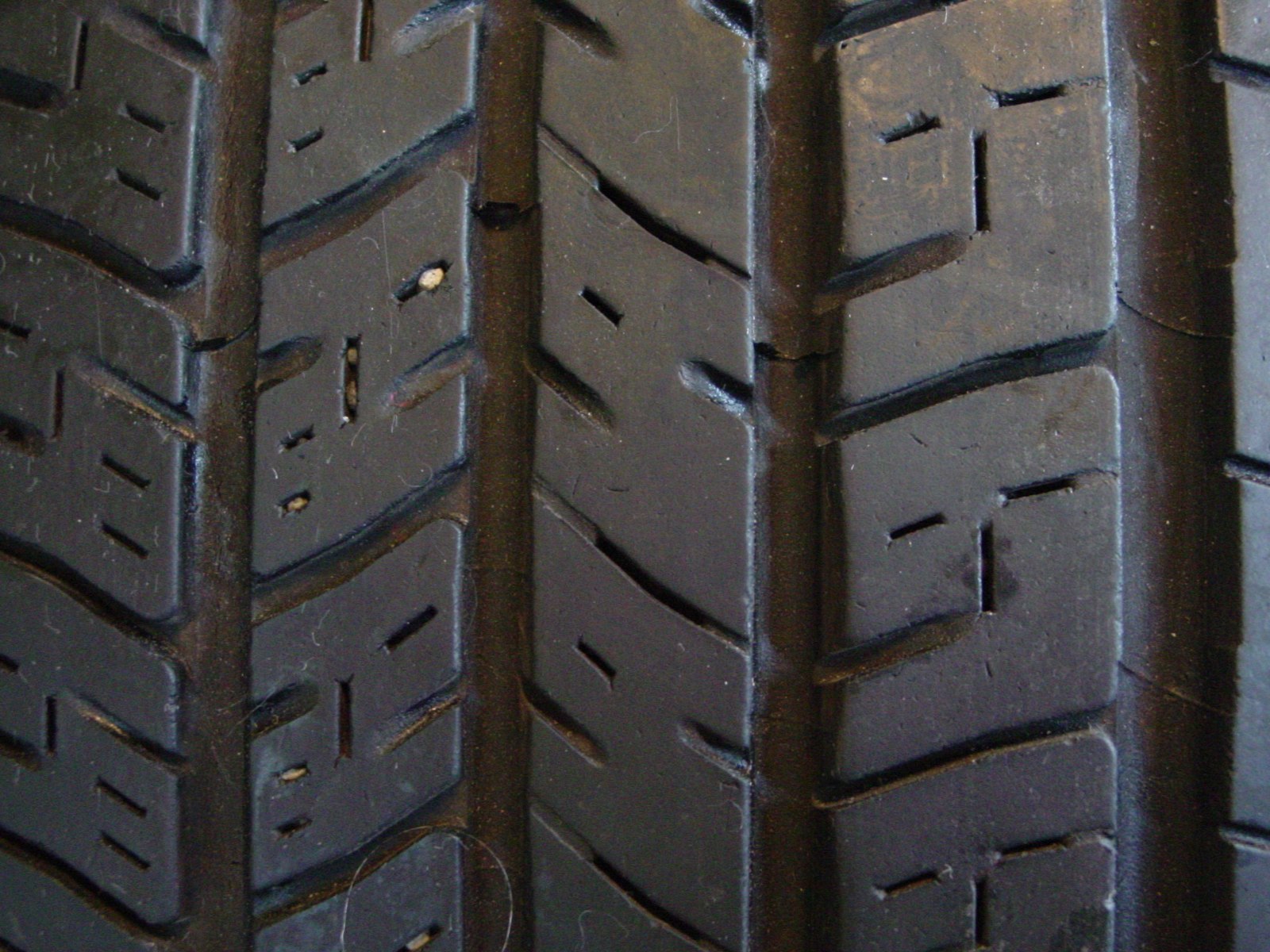
With used tyres, their history remains an essential part of the assessment.
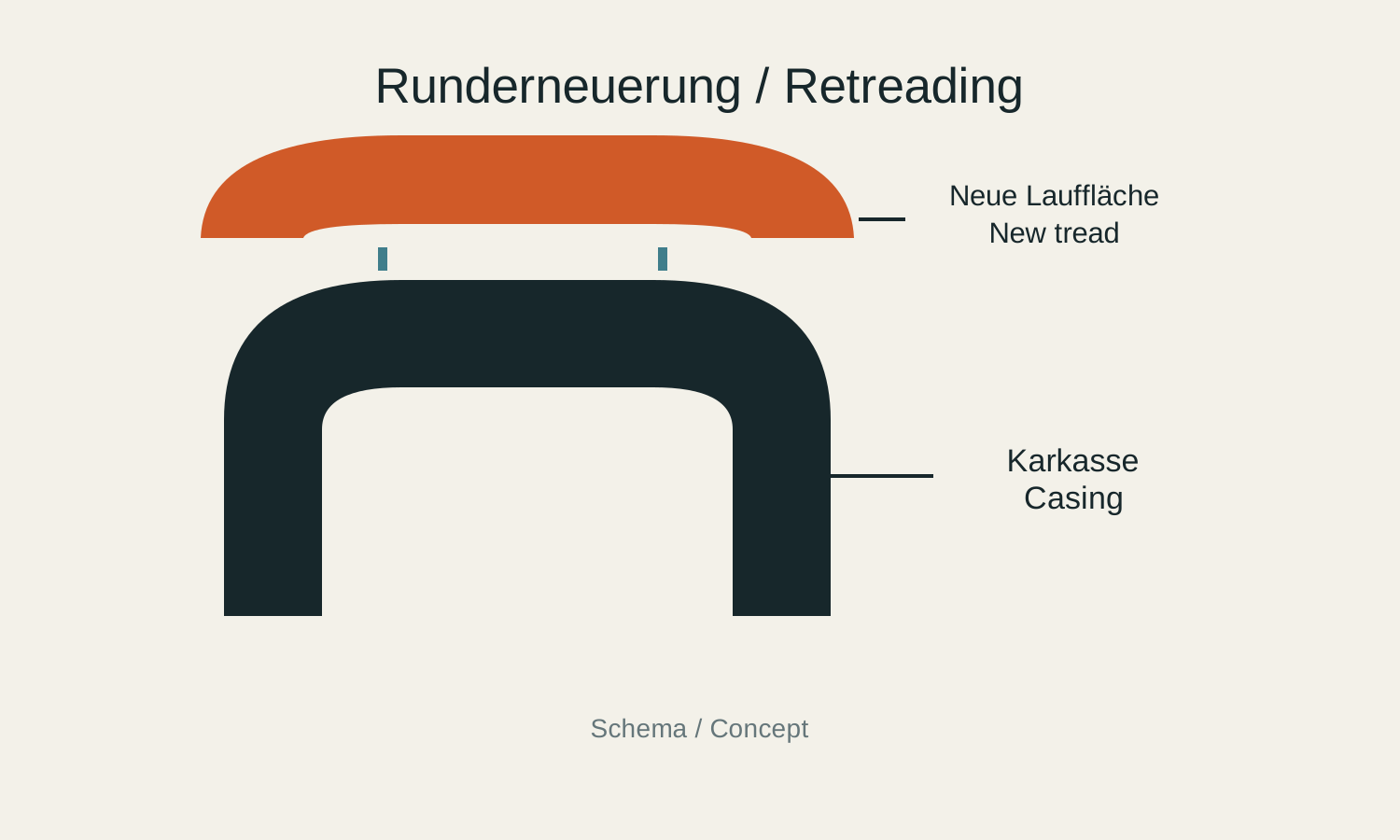
Retreading reuses an existing casing through a production process; it is not simply resale of an old tyre.
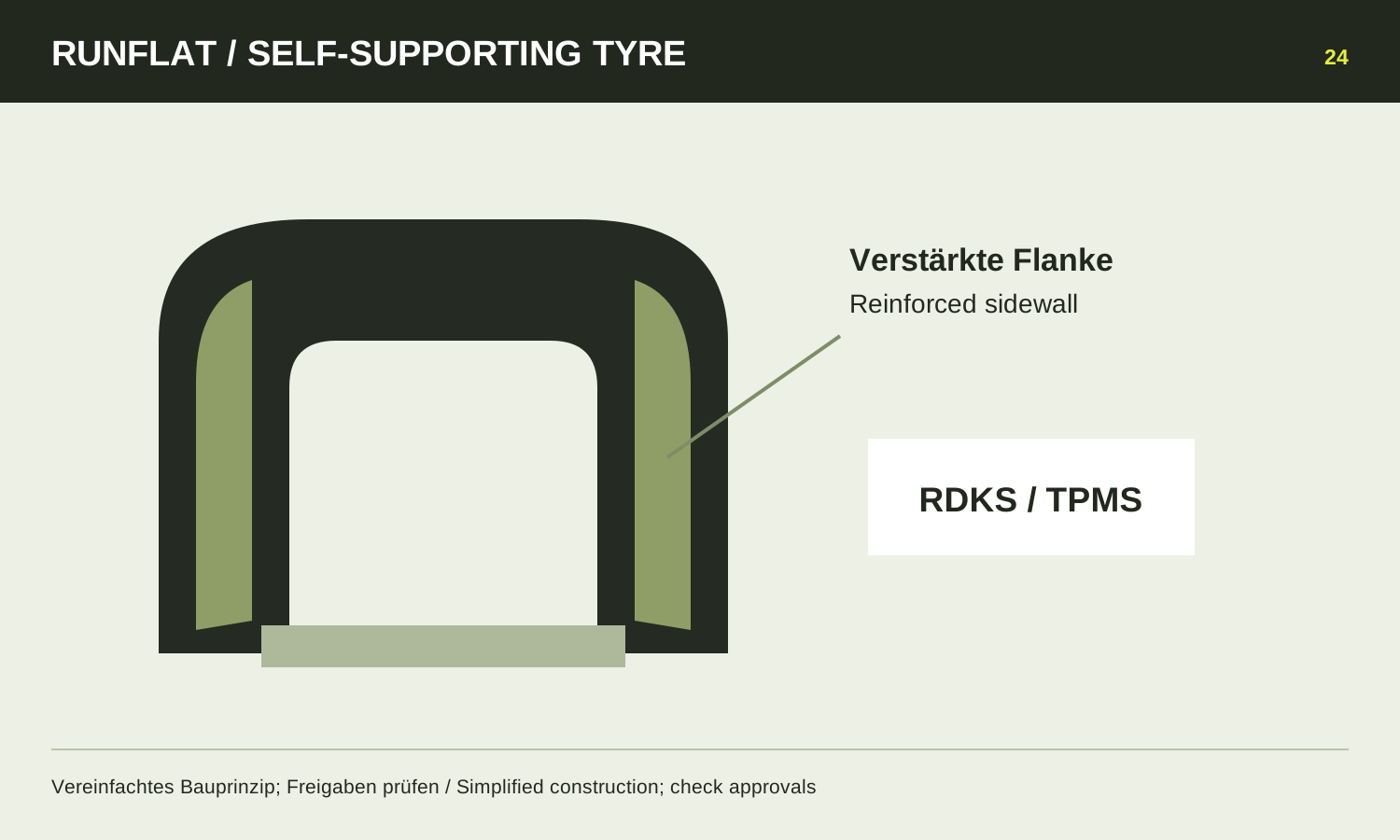
Run-flat capability belongs to a compatible vehicle system, rather than being a universal puncture solution.
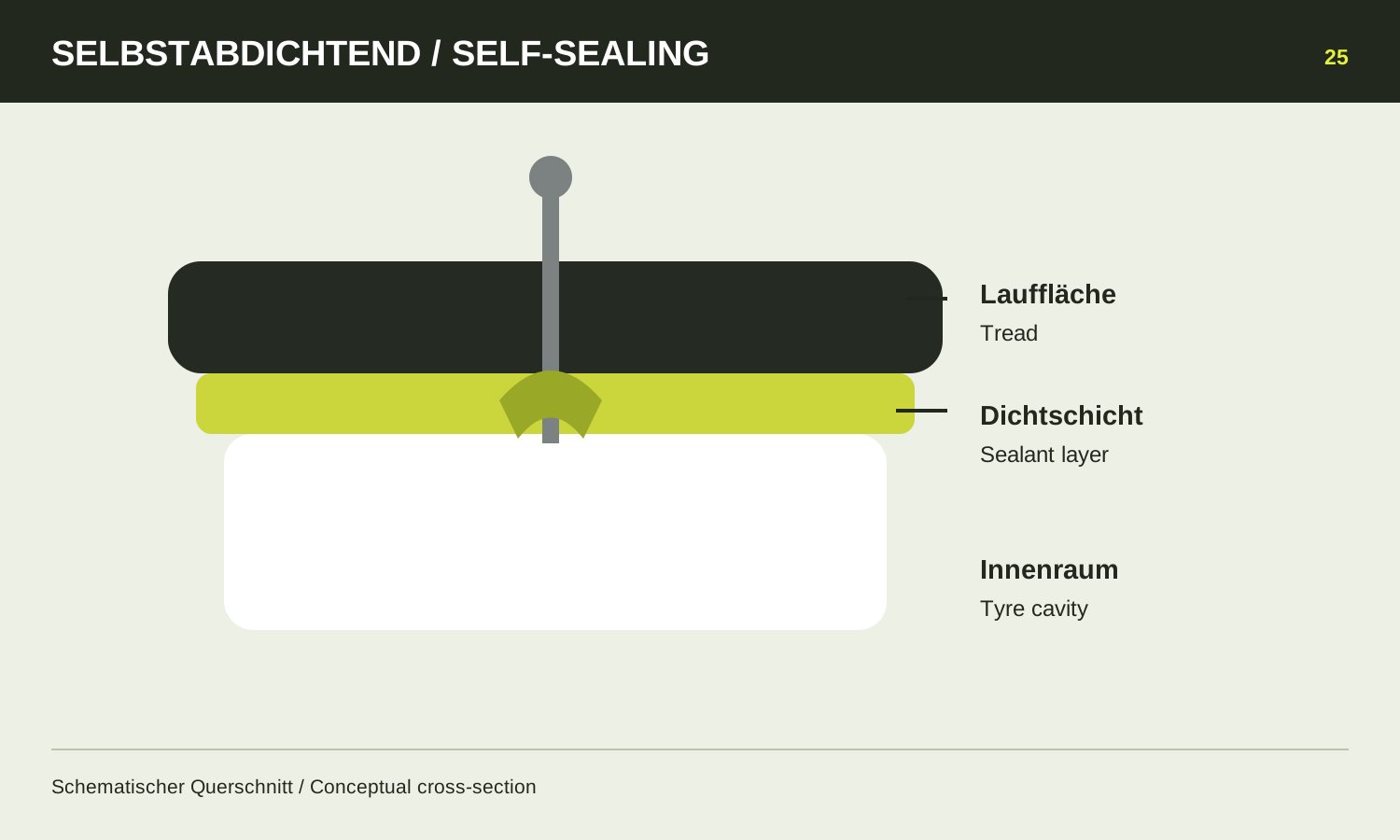
A sealing layer can address certain penetrations, but does not replace damage assessment.
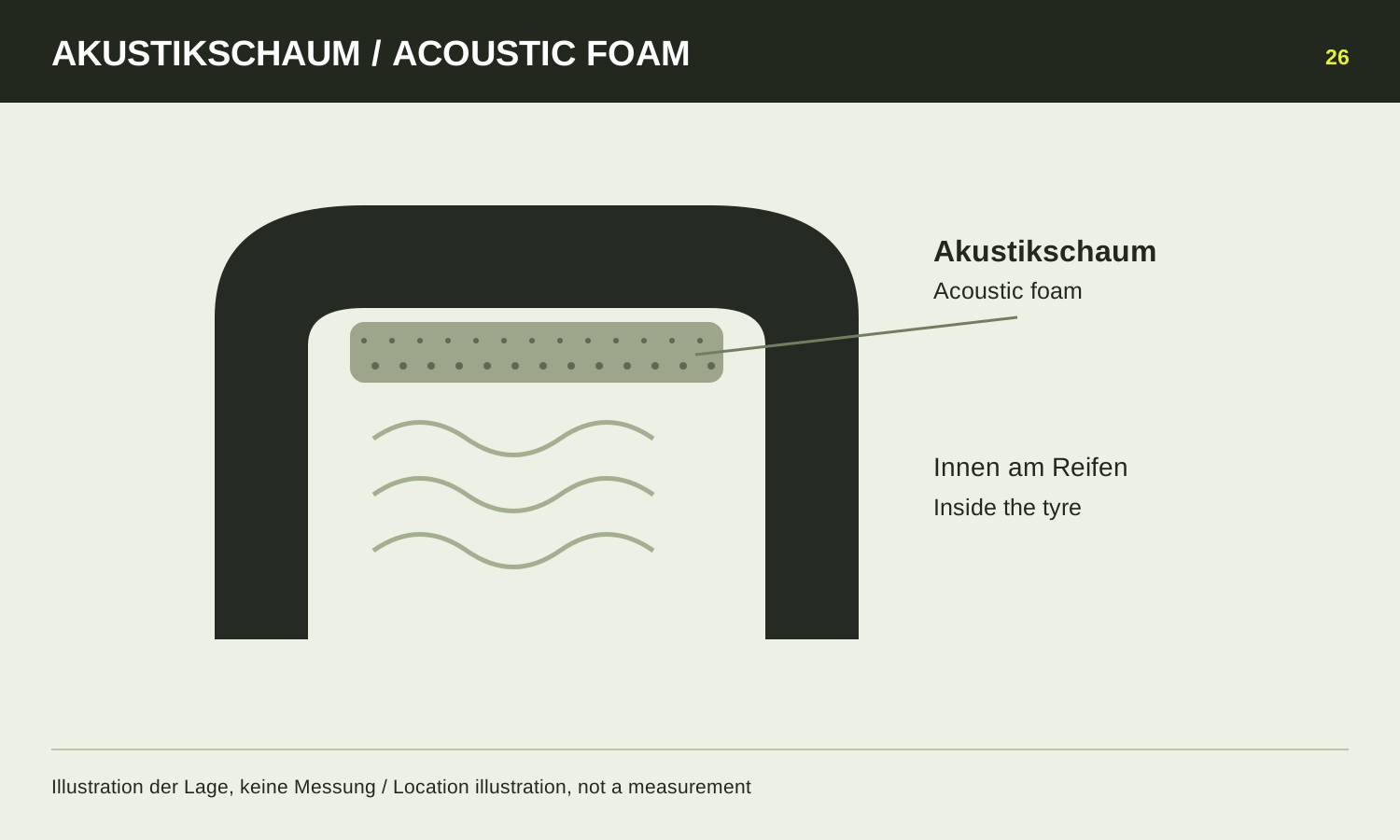
Acoustic foam addresses sound inside a tyre; it is not a puncture-sealing layer.
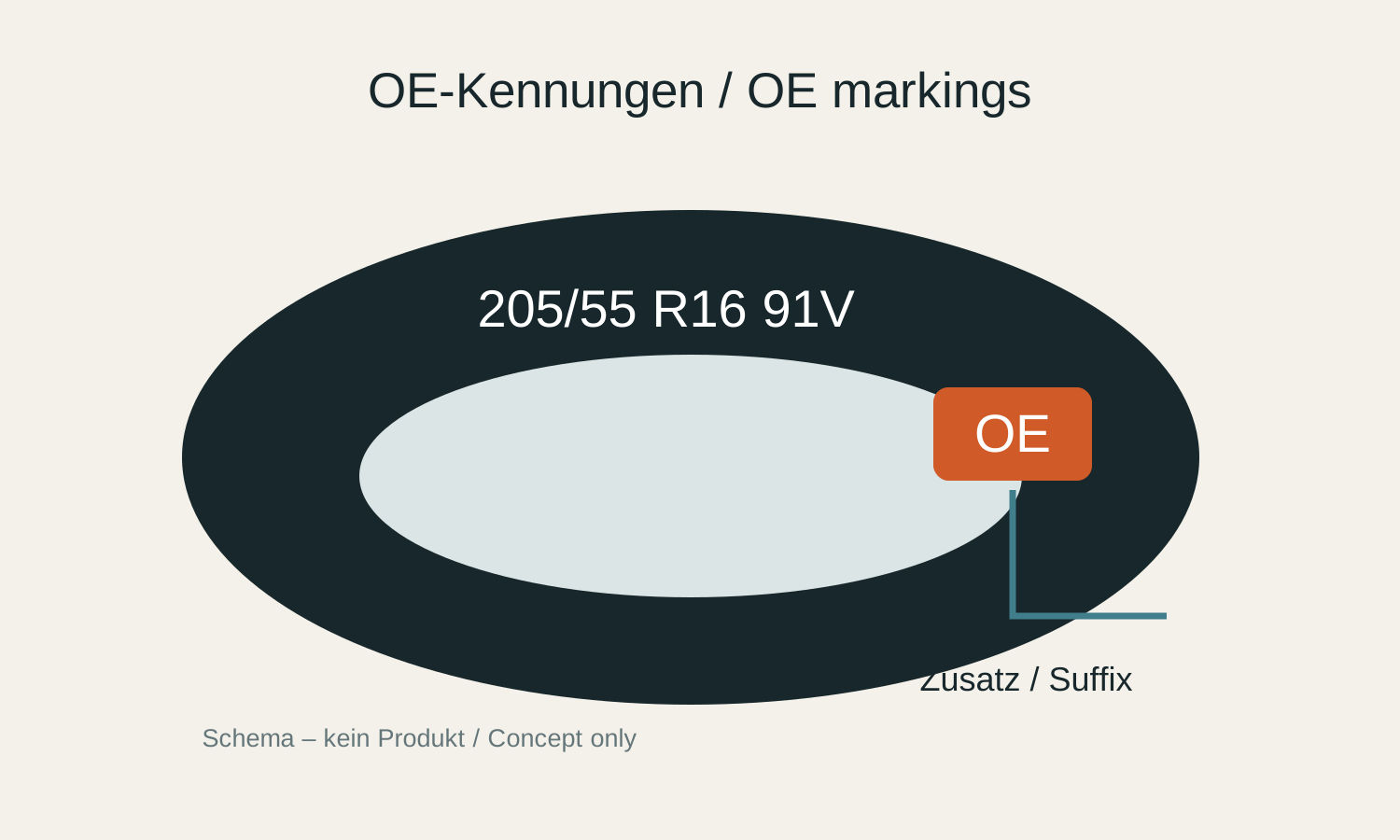
OE markings identify particular original-equipment versions; their meaning depends on manufacturer and vehicle.
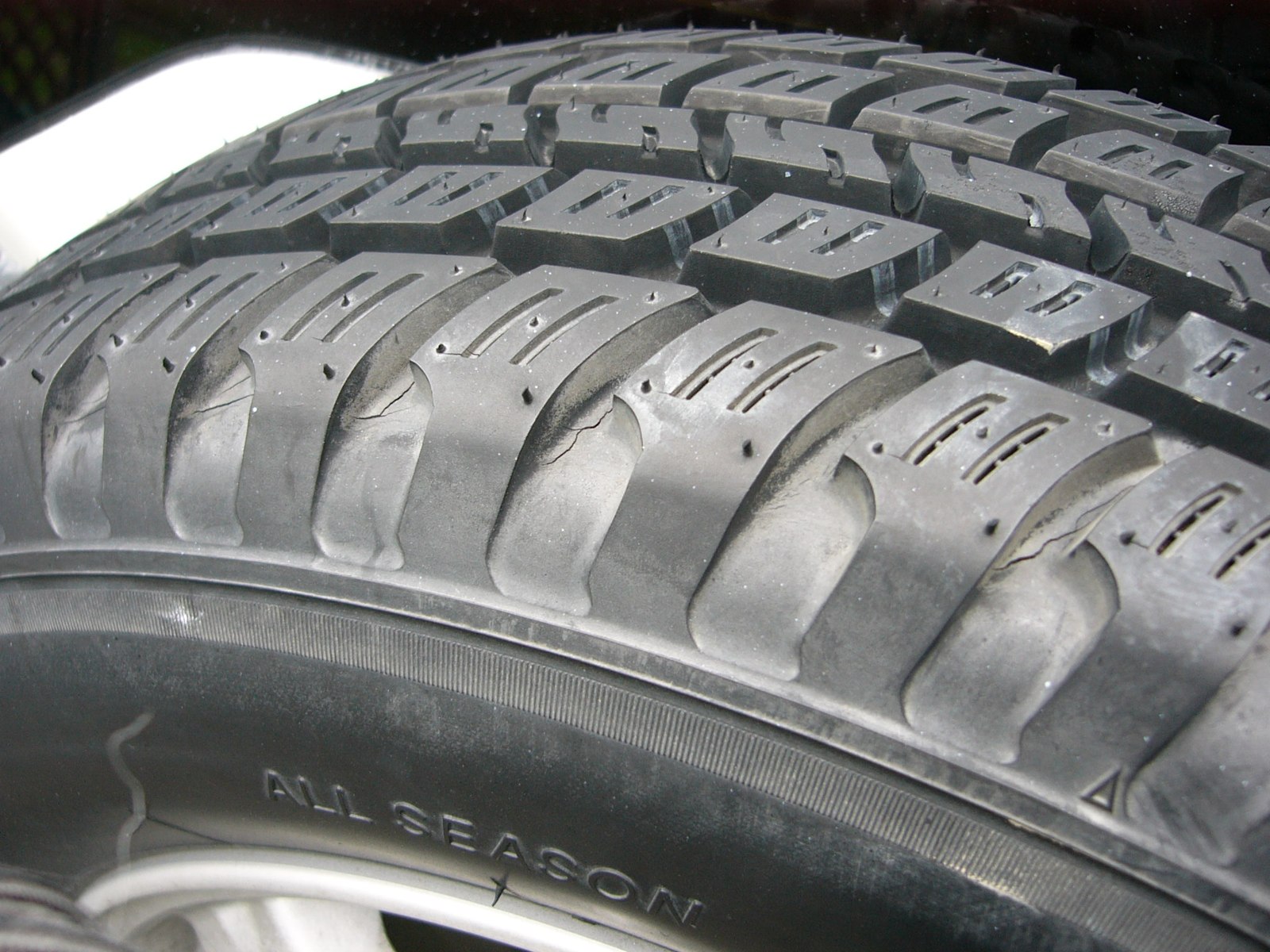
Different tyres need assessment as a combination, not merely as four individually matching sizes.
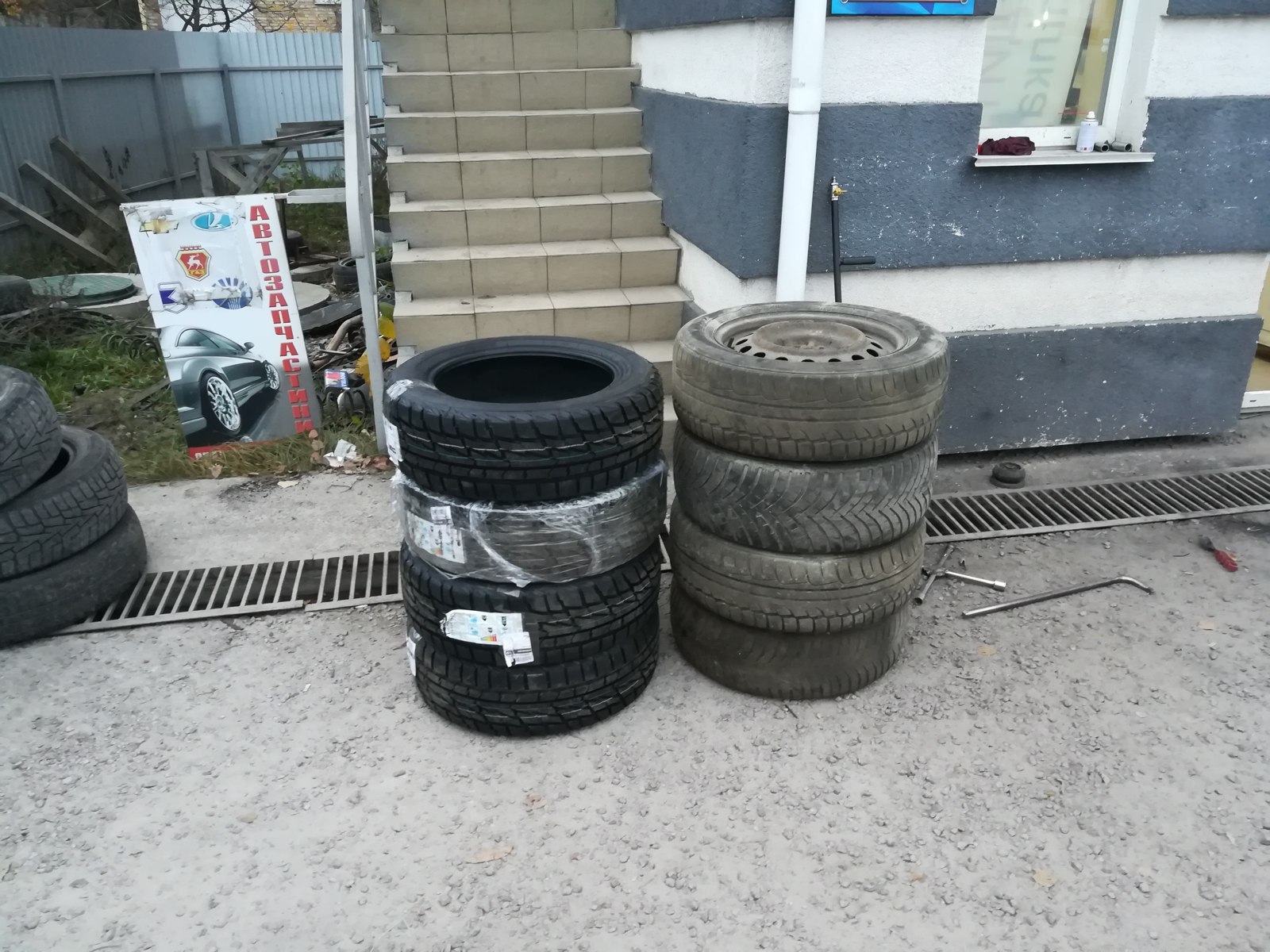
Remaining condition and vehicle requirements matter when replacing less than a full set.
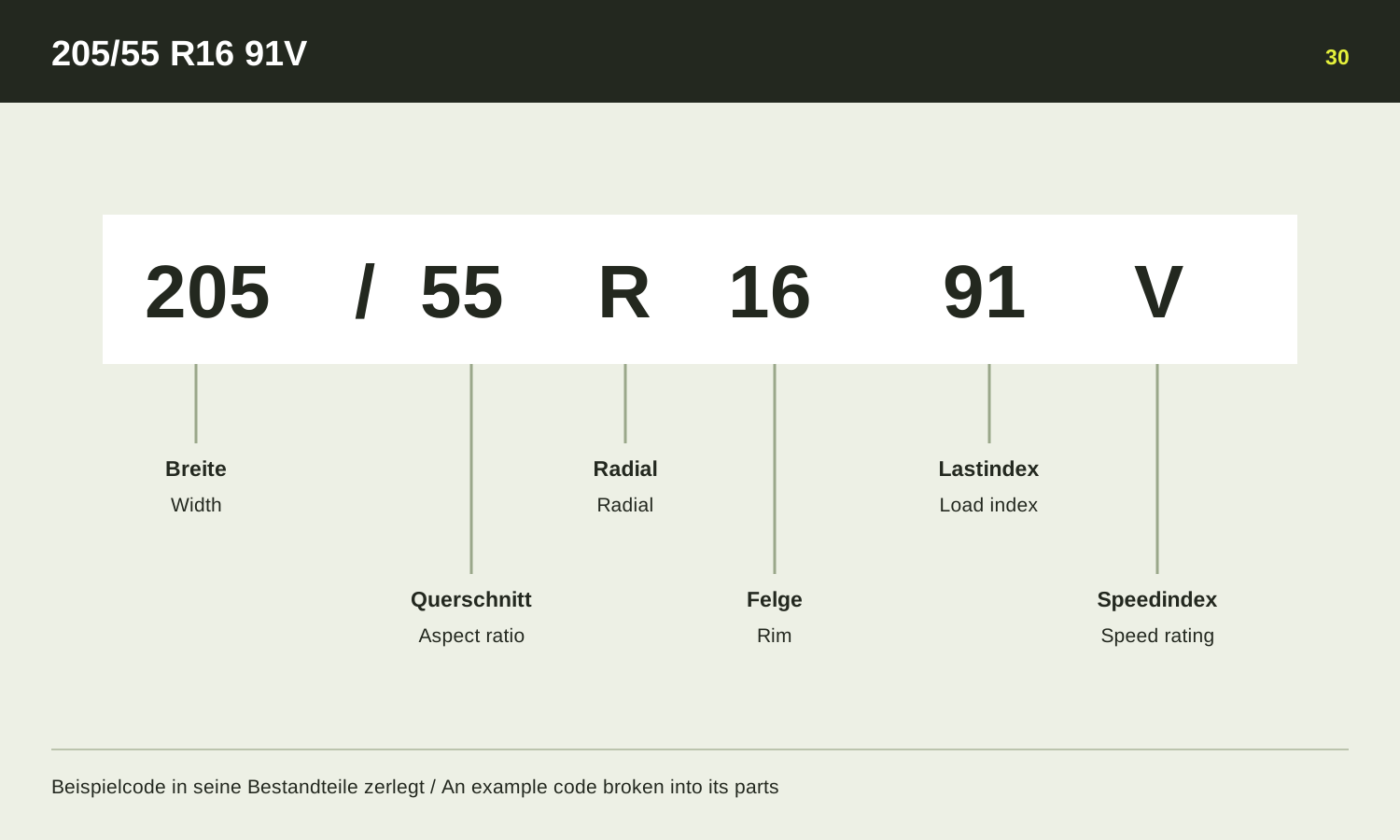
The sequence combines dimensions, construction and service ratings. Keep it complete when buying.
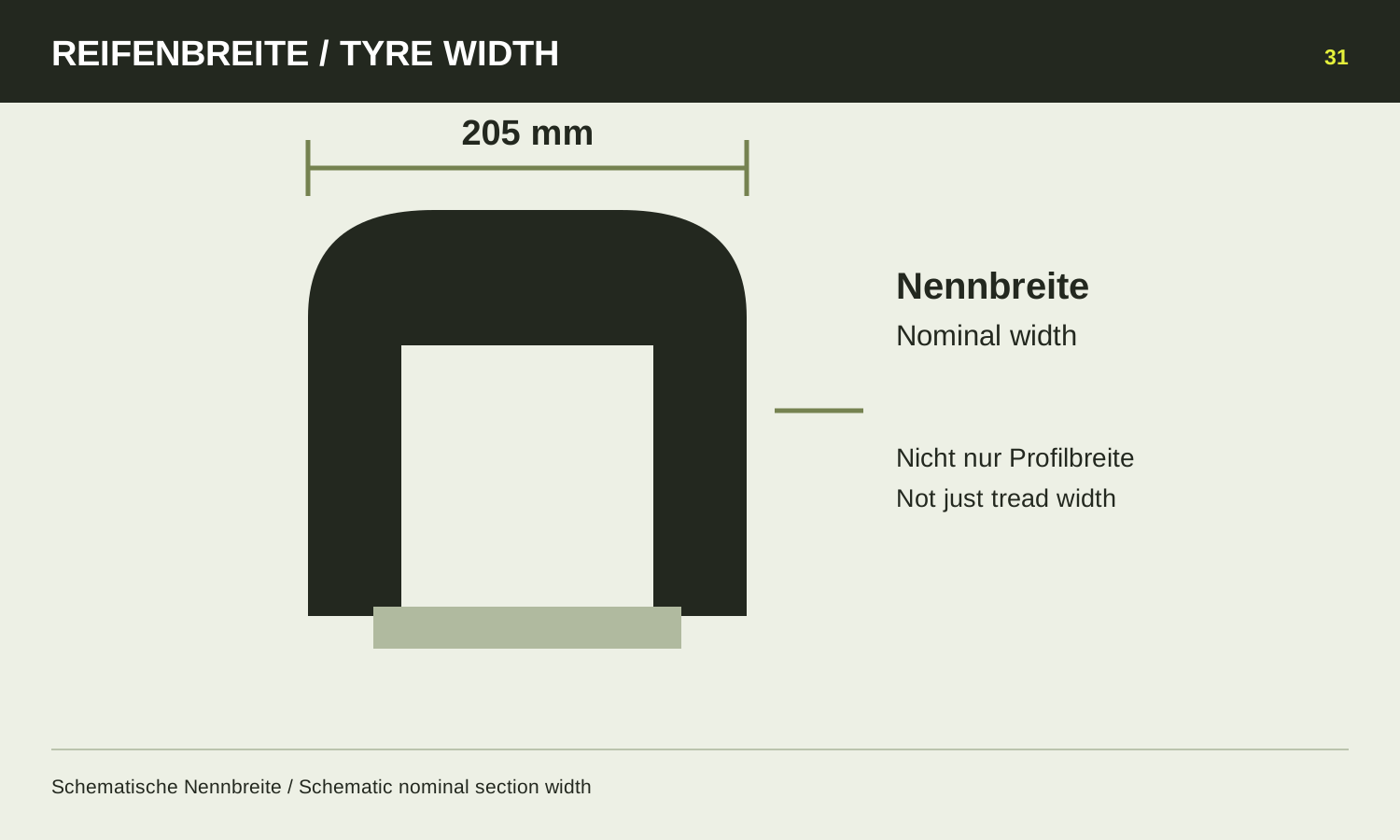
The first number describes nominal section width, not simply the visible tread.
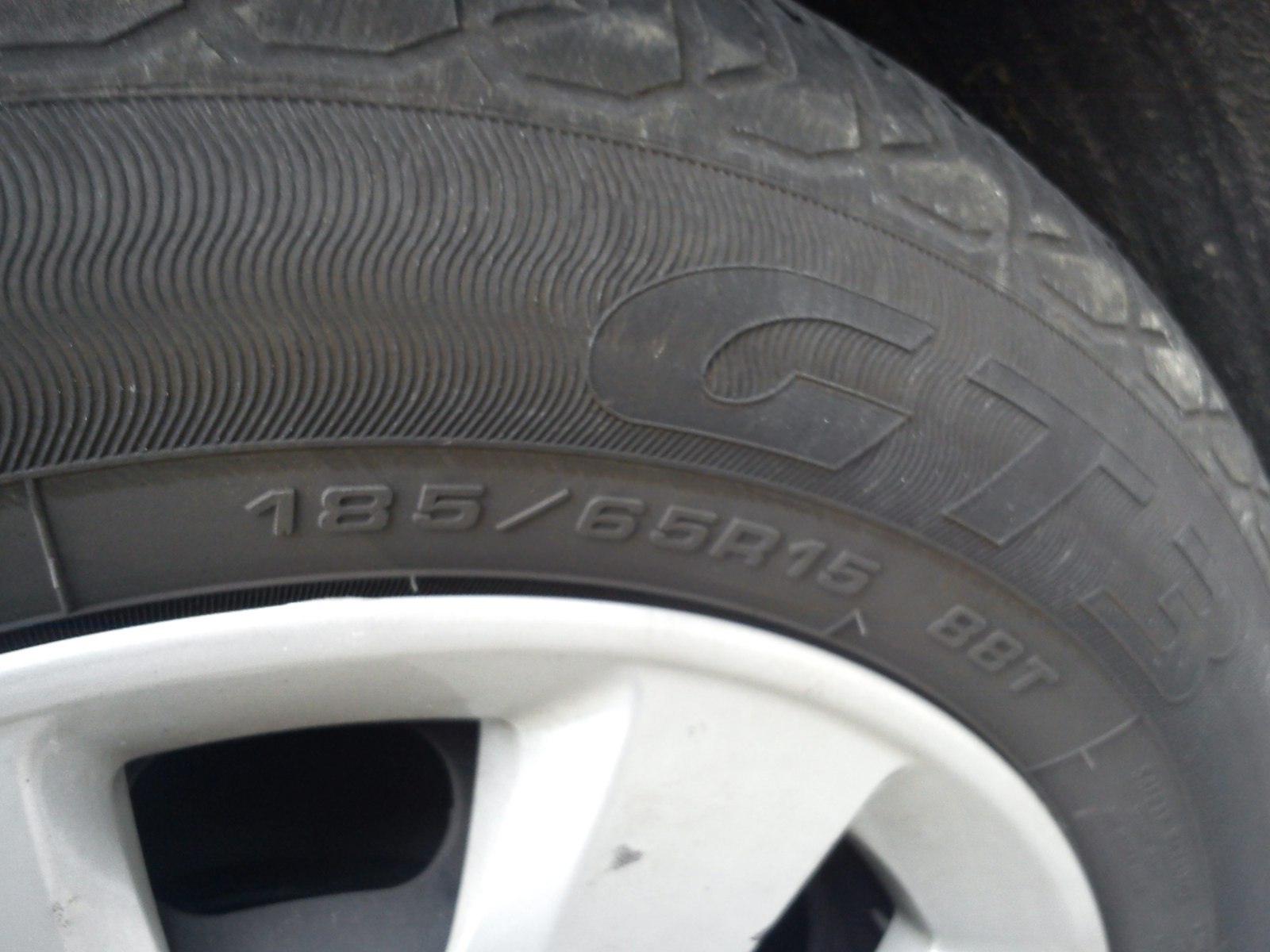
An aspect ratio becomes a calculated height only when combined with width.
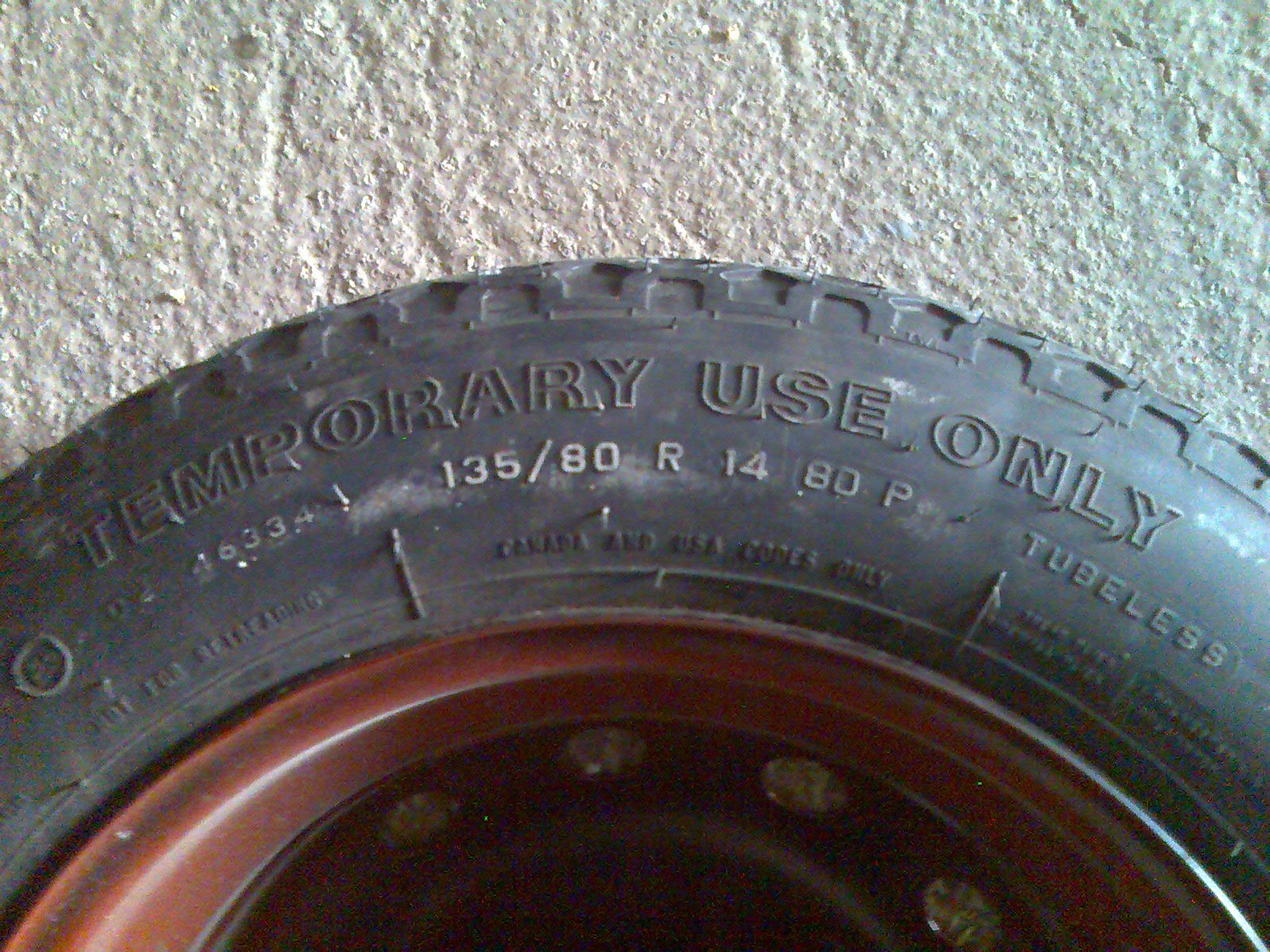
Tyre diameter must match the wheel exactly; similar numbers do not provide fitting flexibility.
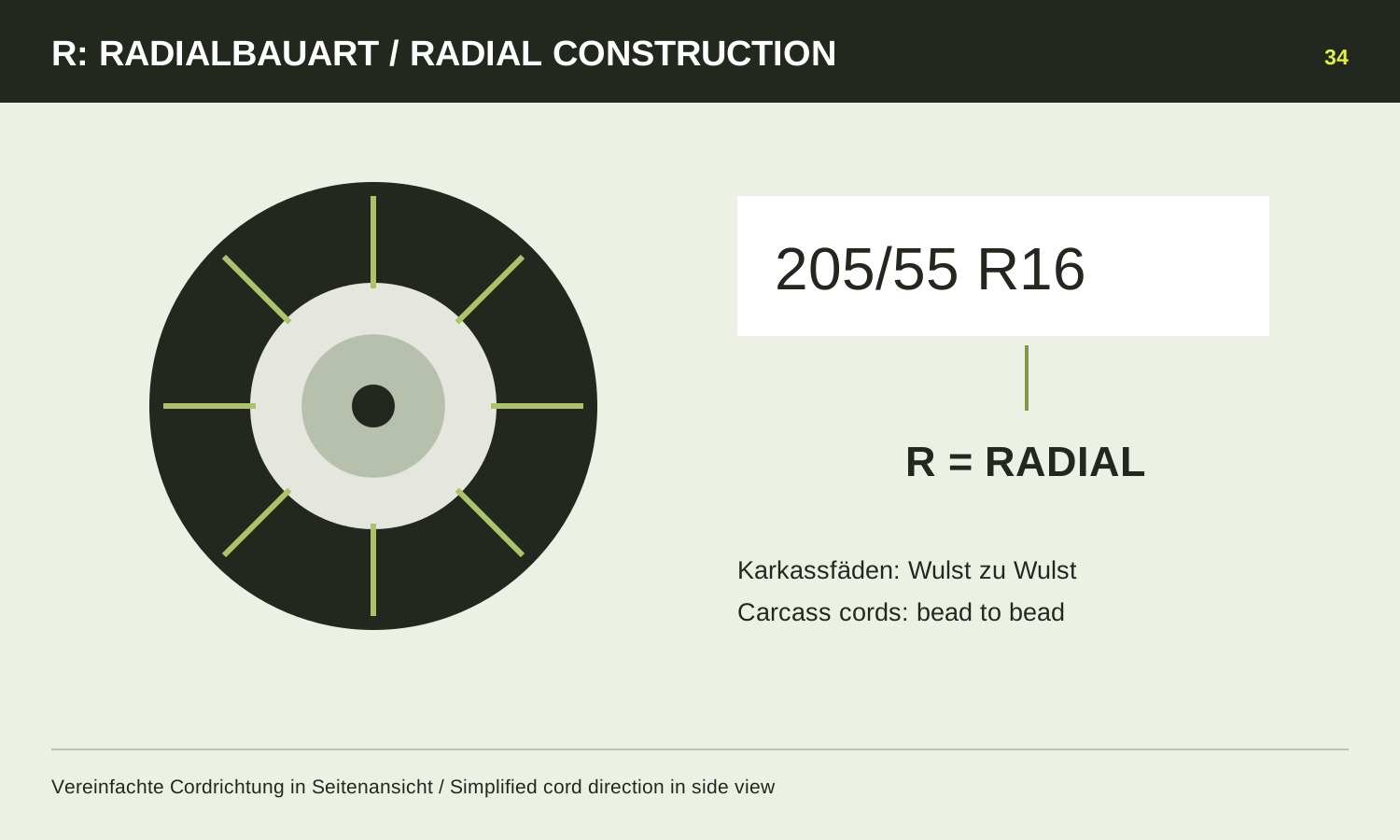
Within the size marking, R means radial construction rather than radius or width.
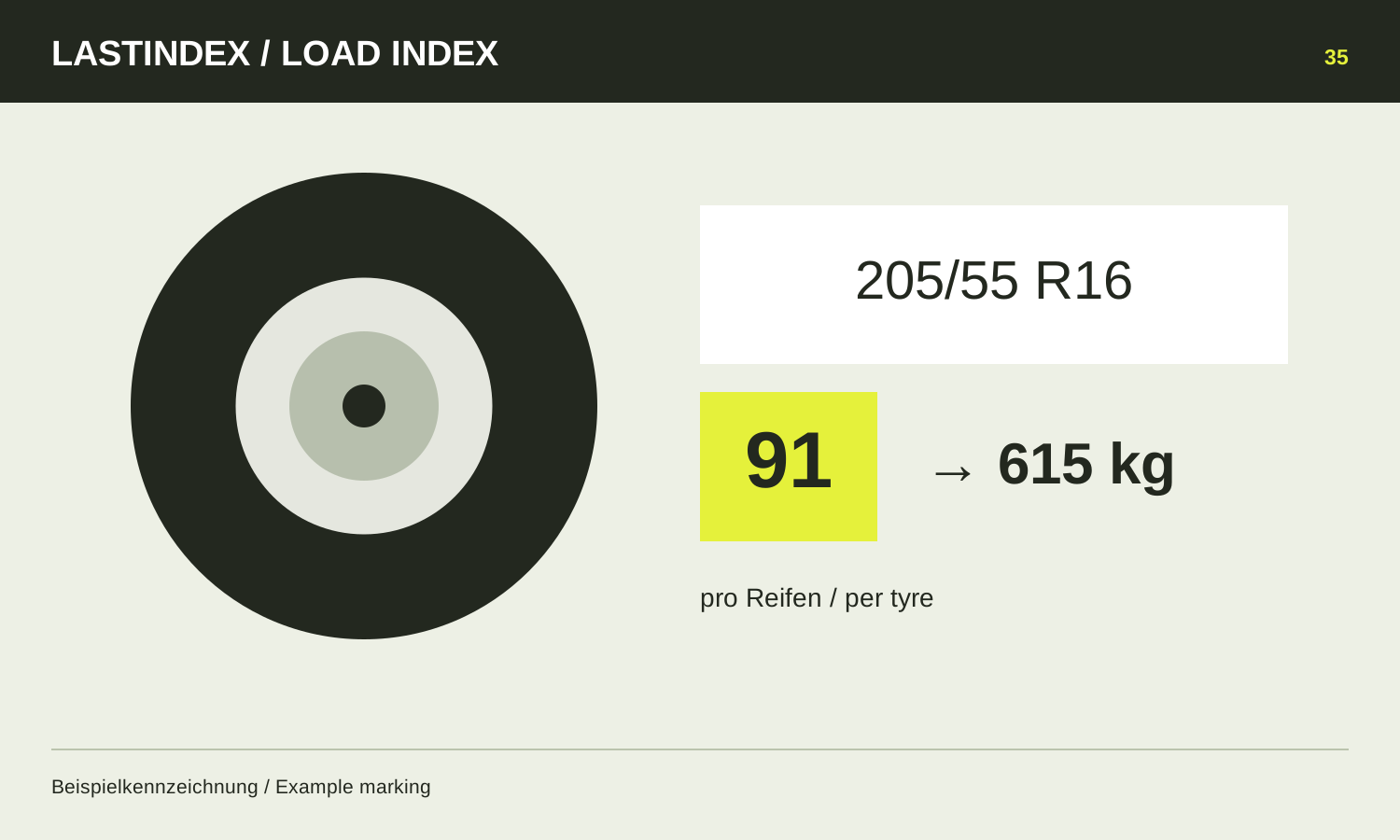
The number after the size is a table code, not a weight written directly in kilograms.
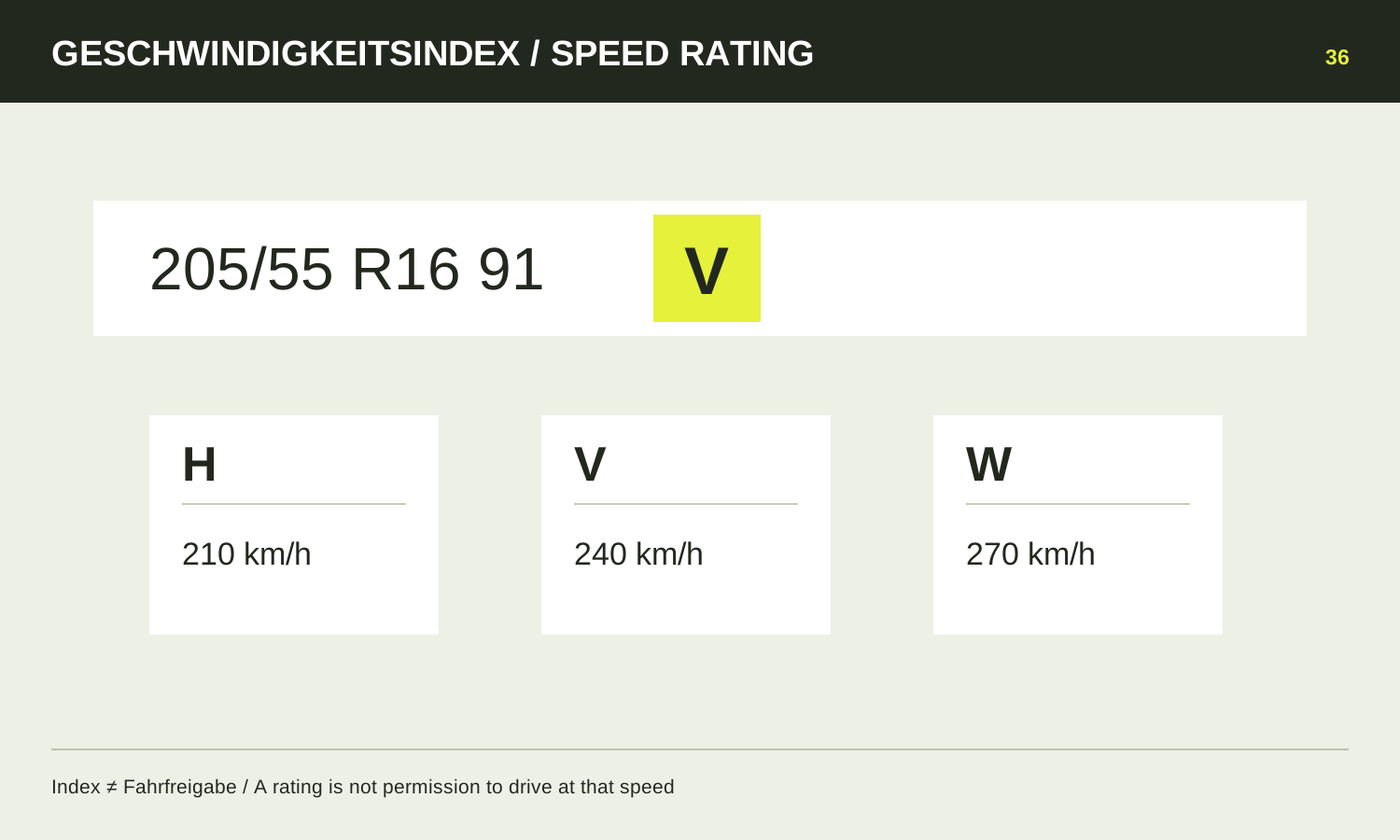
A speed rating describes technical capability, not the permitted speed on a road.
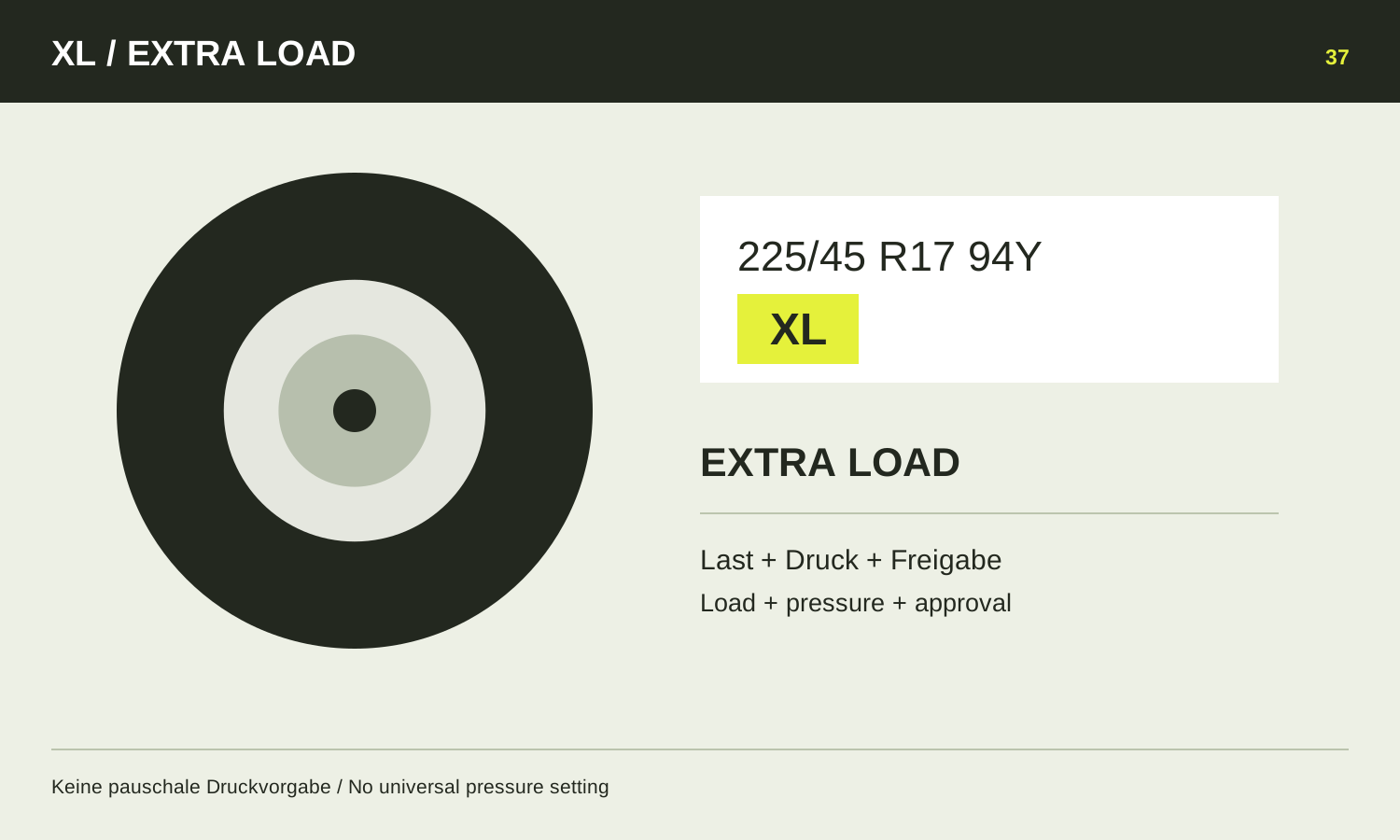
XL identifies an increased load version within a size, not extra permitted vehicle payload.
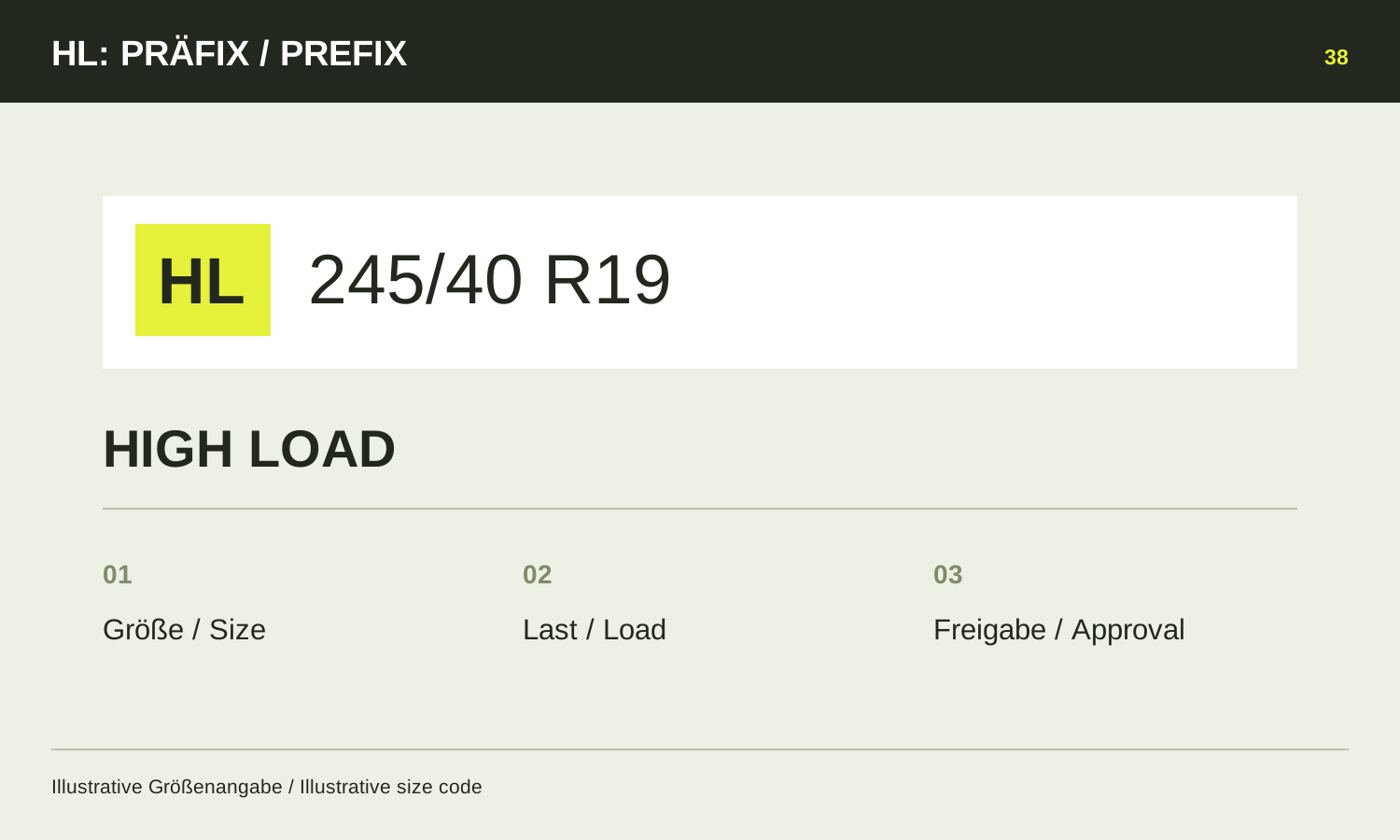
HL identifies a particular higher-load requirement and is not freely interchangeable with XL.
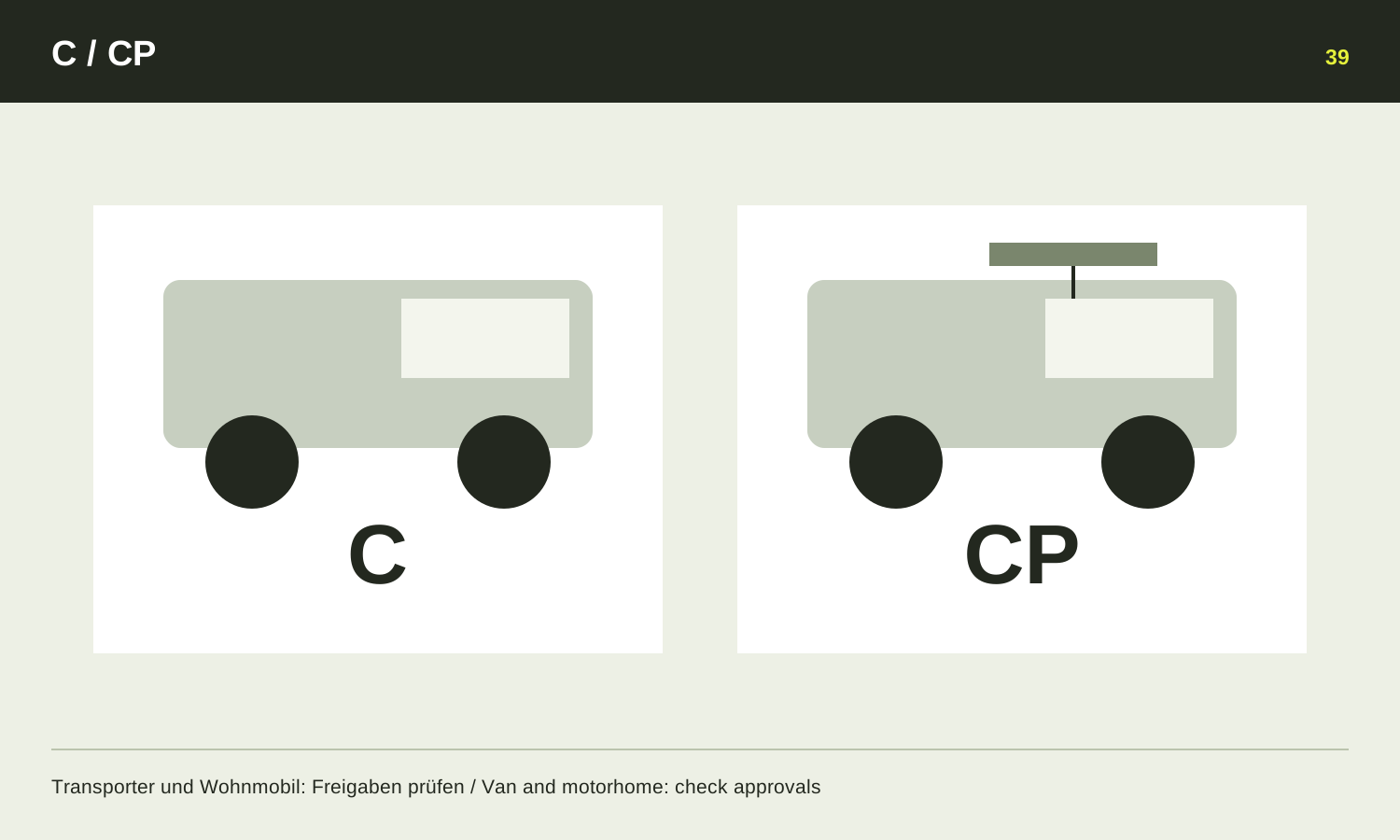
C and CP identify different applications; vehicle documents determine the appropriate replacement.
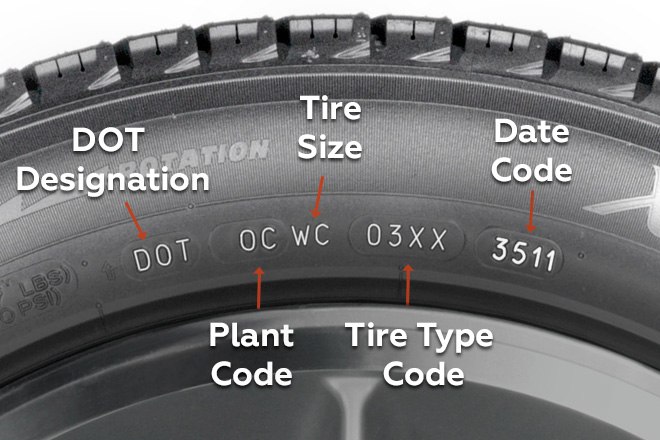
Four digits identify production week and year, but not the complete service history.

The mountain-and-snowflake symbol is a defined marking, not generic winter artwork.
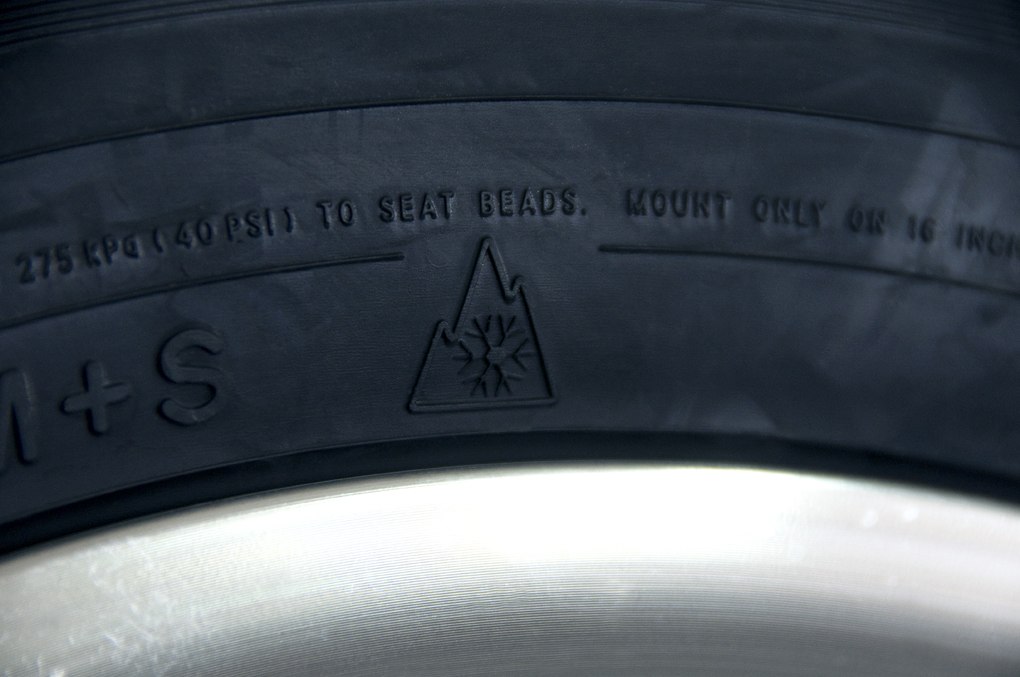
M+S lettering and the Alpine symbol do not carry identical meaning.
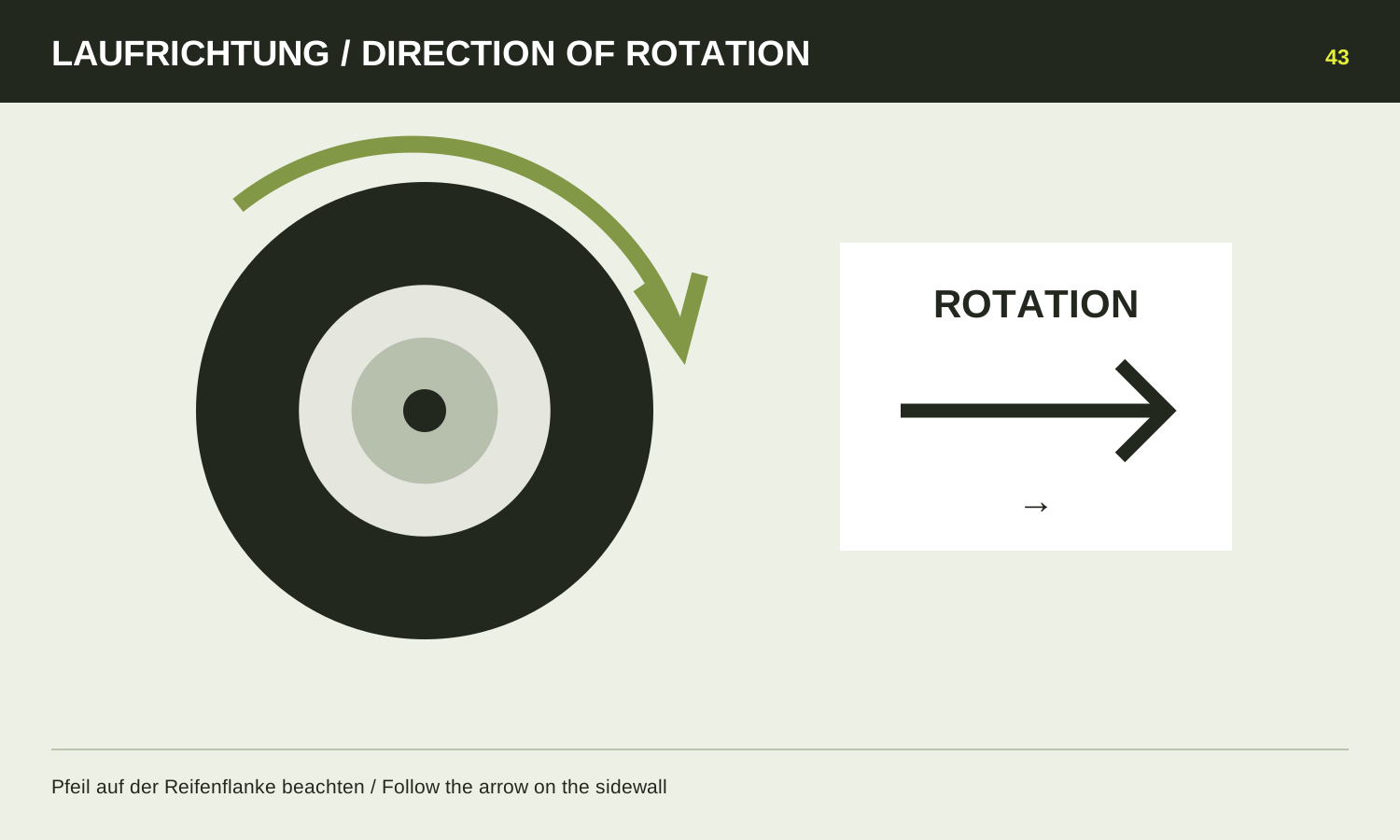
The sidewall arrow identifies the intended rotation when travelling forwards.
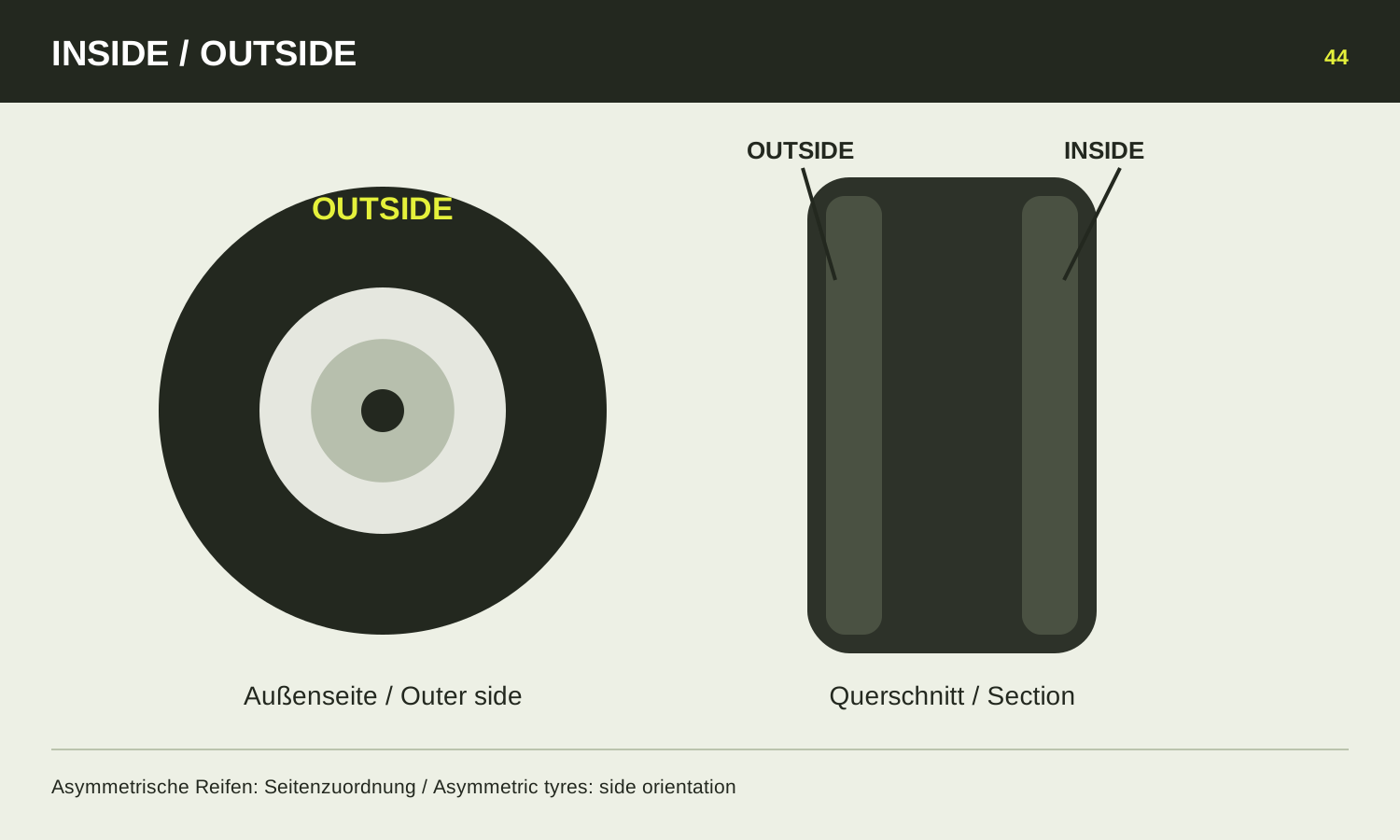
On asymmetric tyres, the marking identifies the sidewall intended to face outwards.
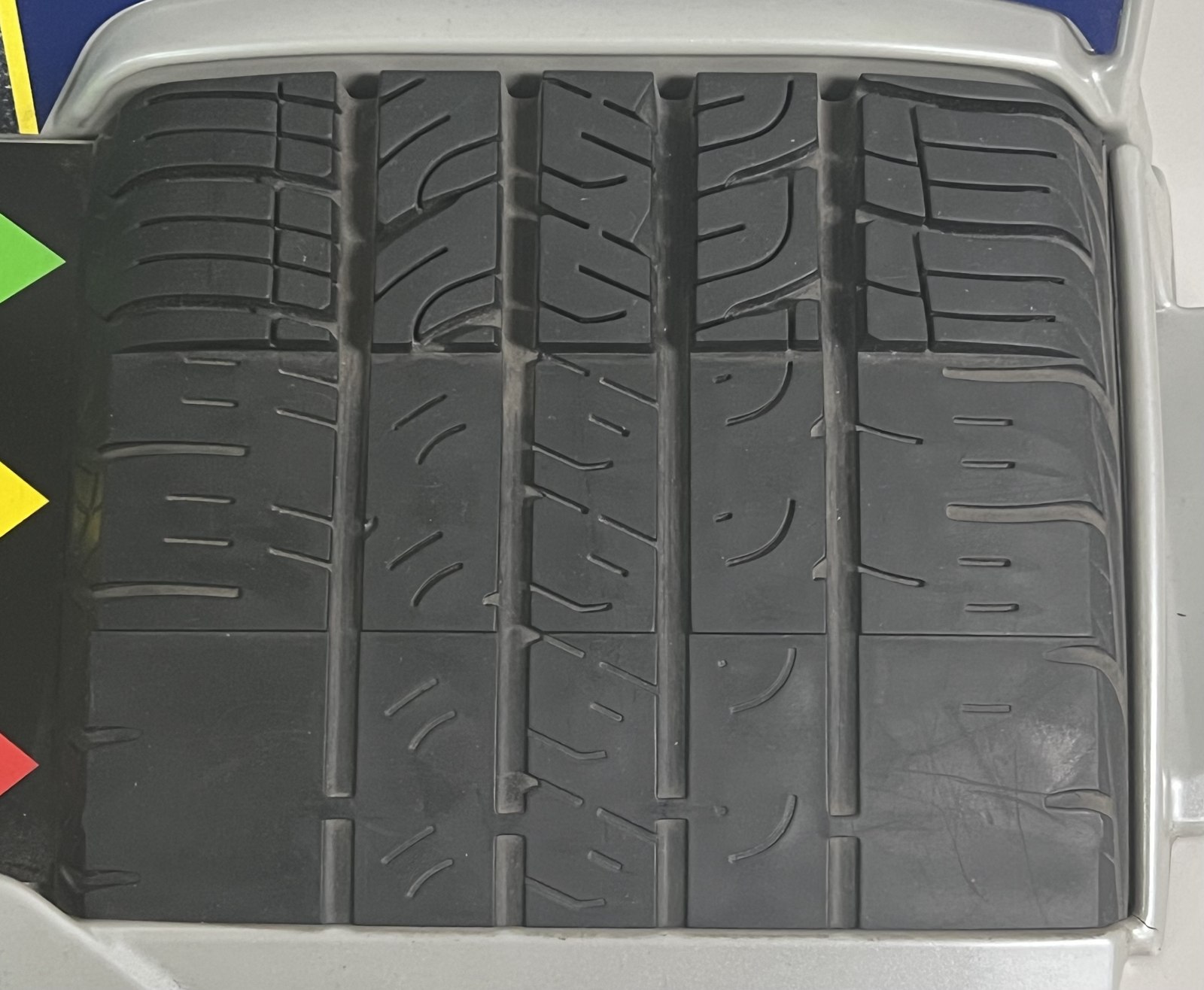
TWI marks help locate tread-wear indicators, but do not replace a complete condition check.
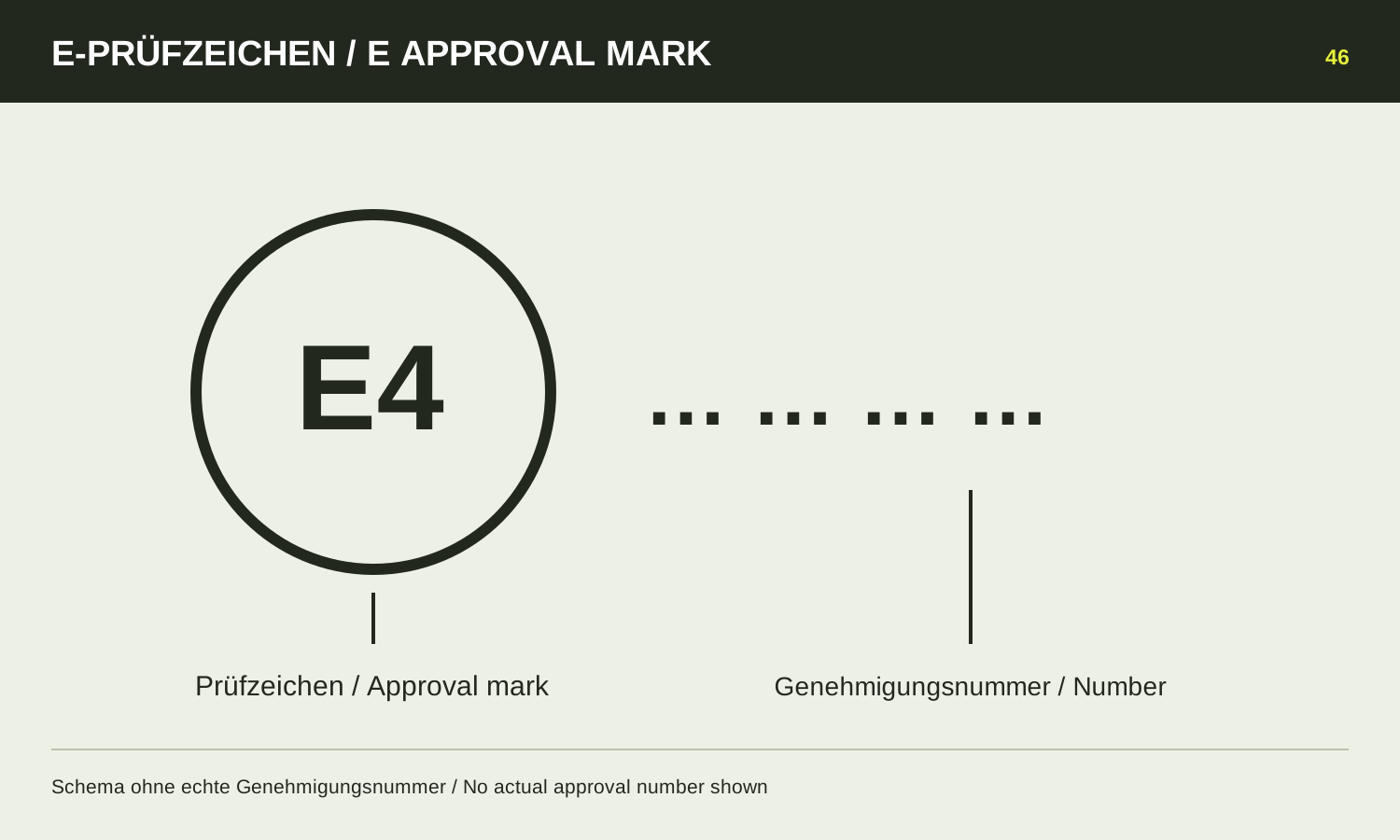
An approval marking is neither a manufacturing-origin statement nor a tyre-quality ranking.
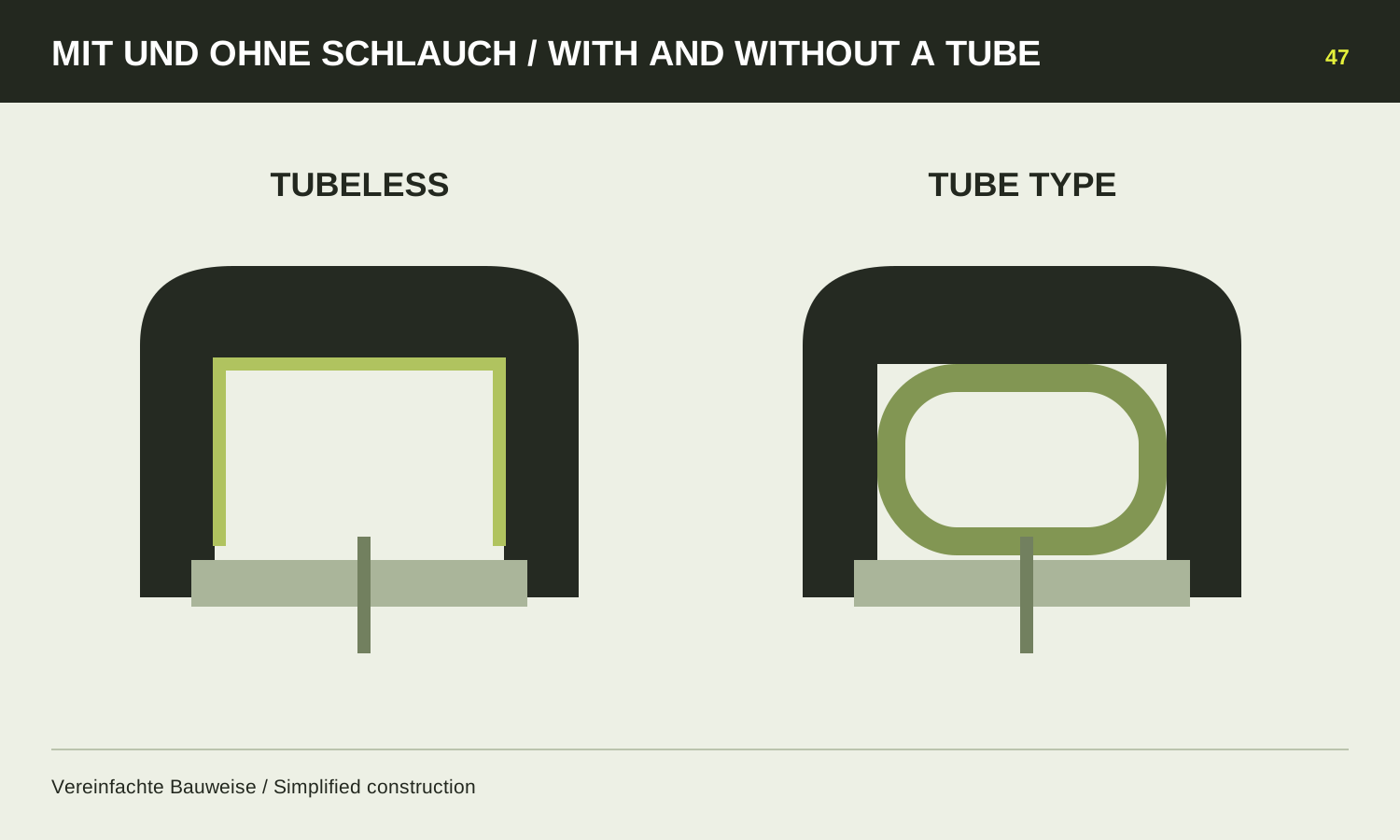
Tubeless means operation without a separate inner tube, not immunity to pressure loss.
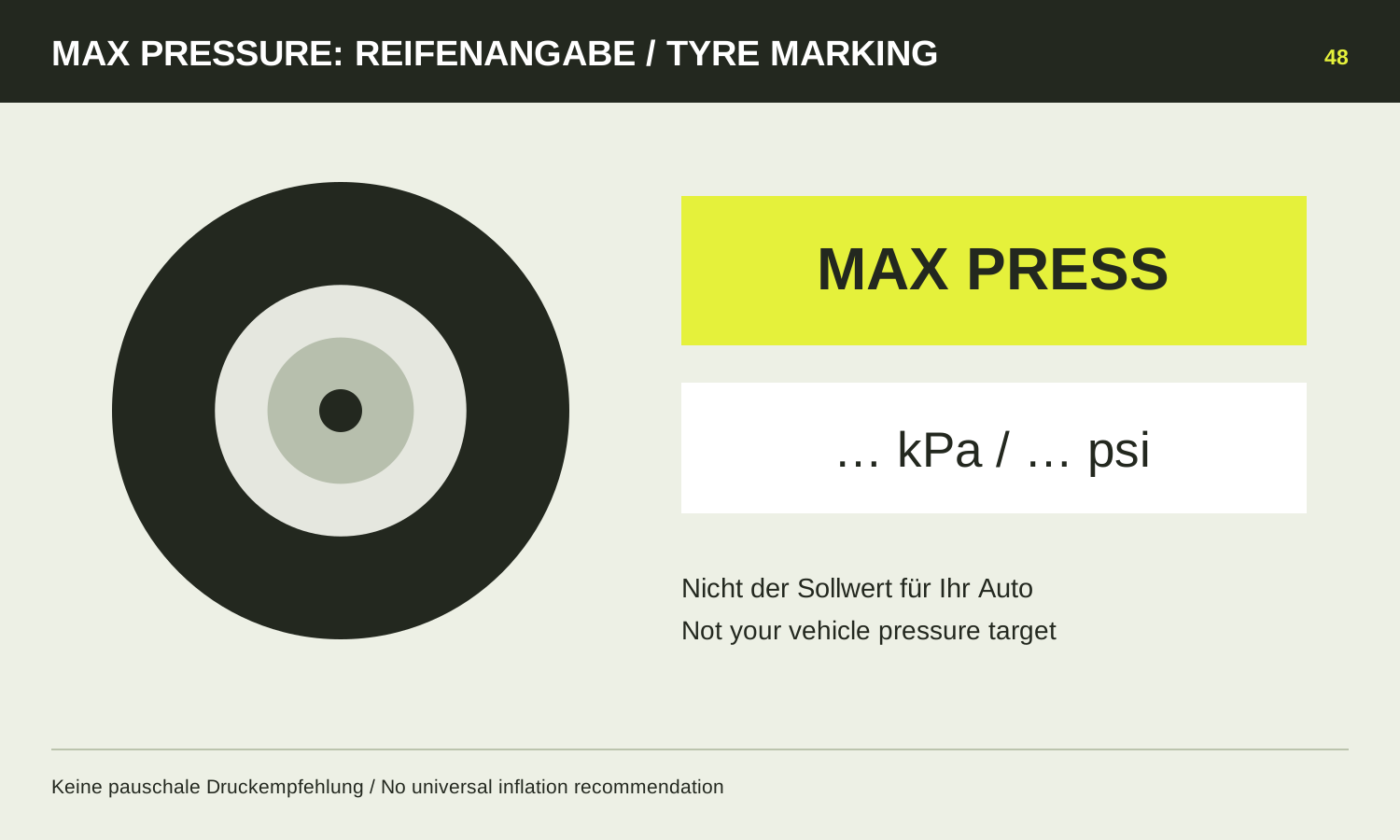
The sidewall maximum is not your vehicle’s routine inflation target.
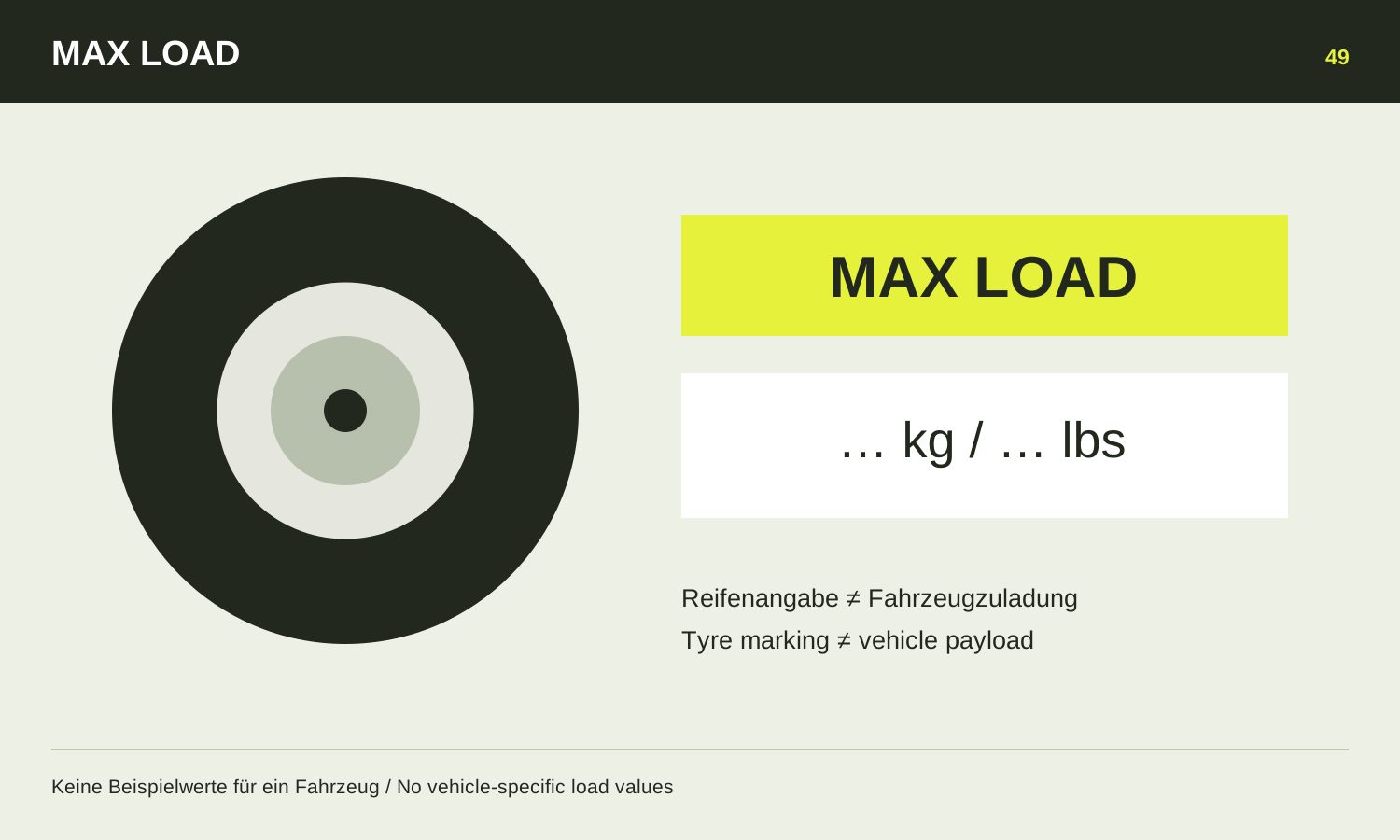
Max Load describes a tyre capacity under conditions, not the car’s payload allowance.
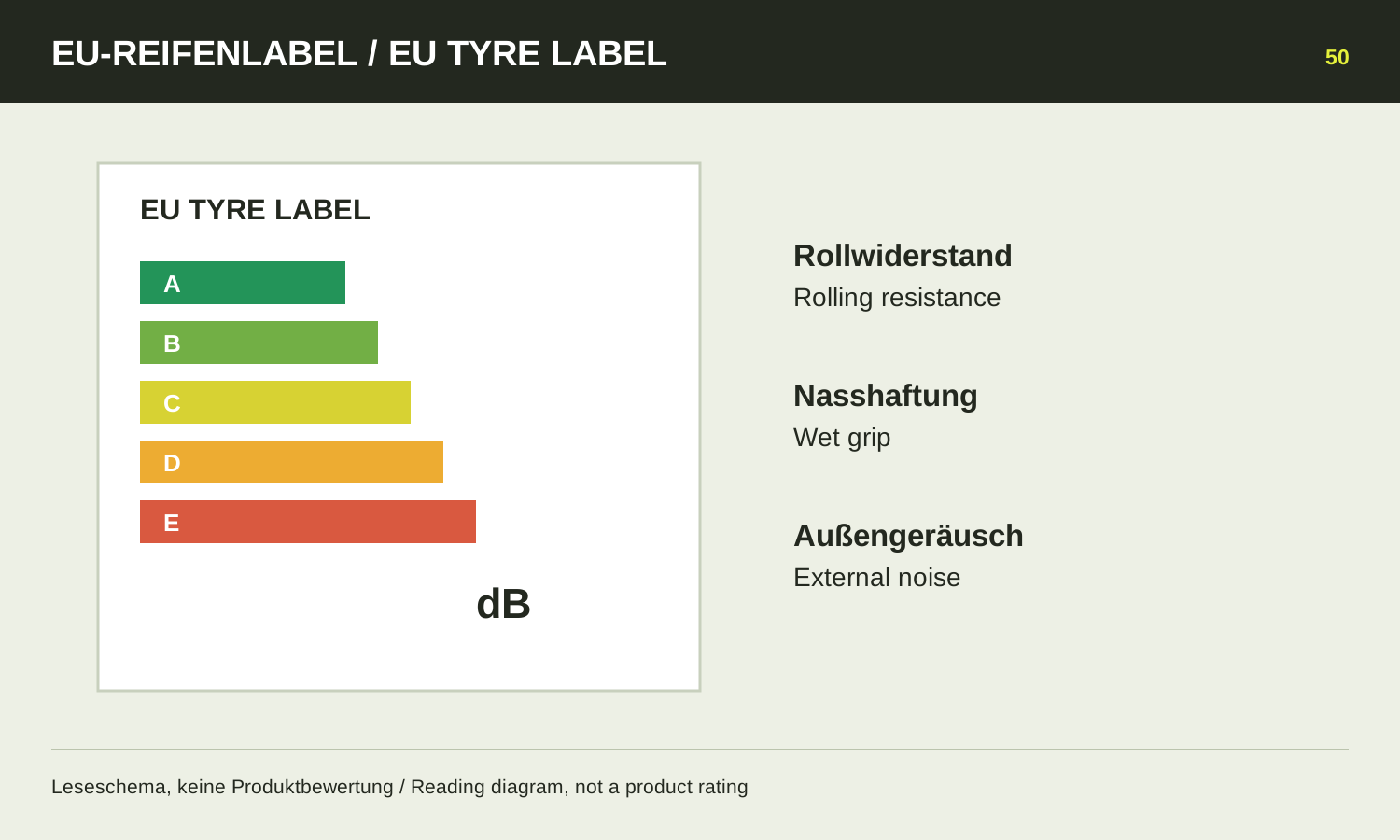
The label brings together several comparable properties, but is not a complete tyre assessment.
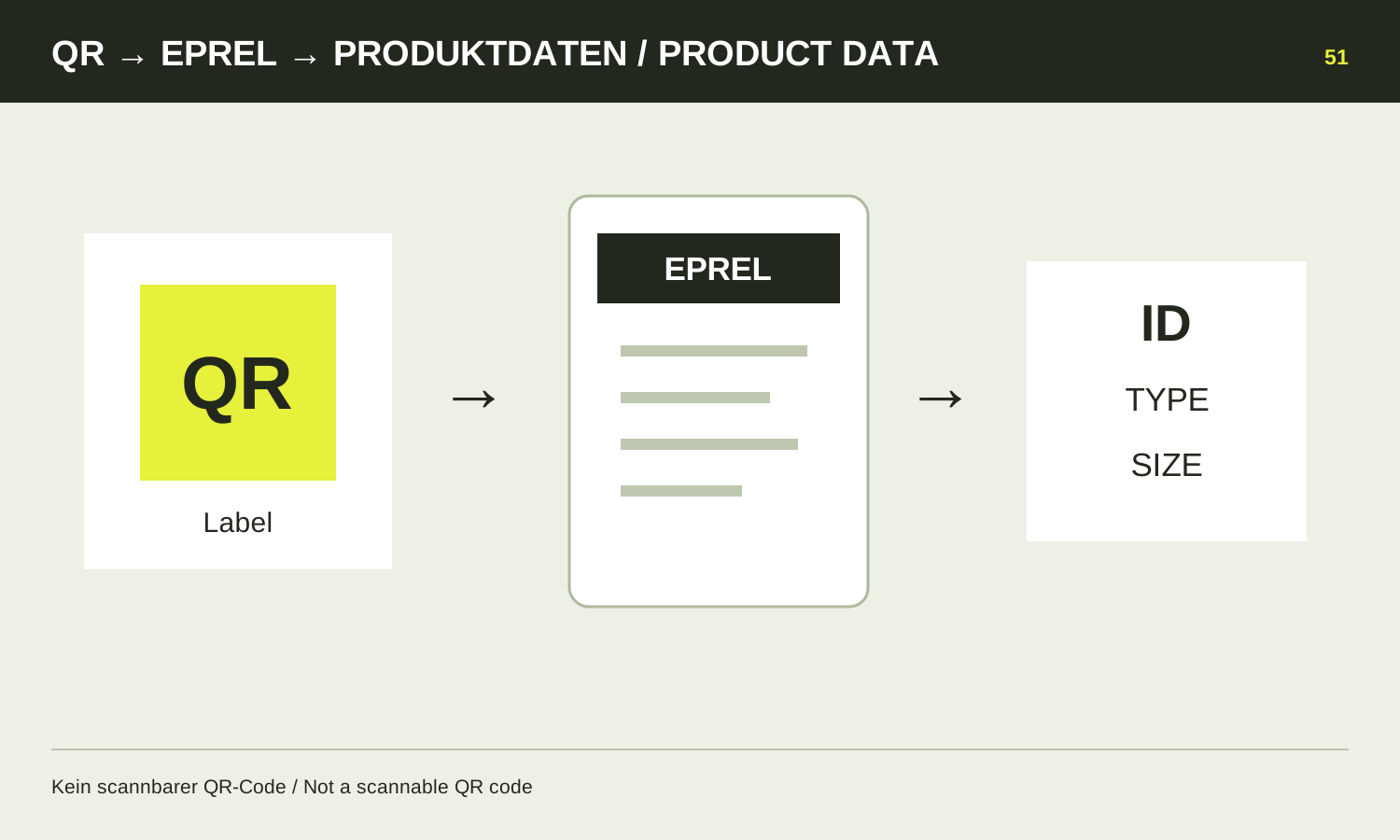
The QR code leads to a product record; the key question is whether it matches the offered version.
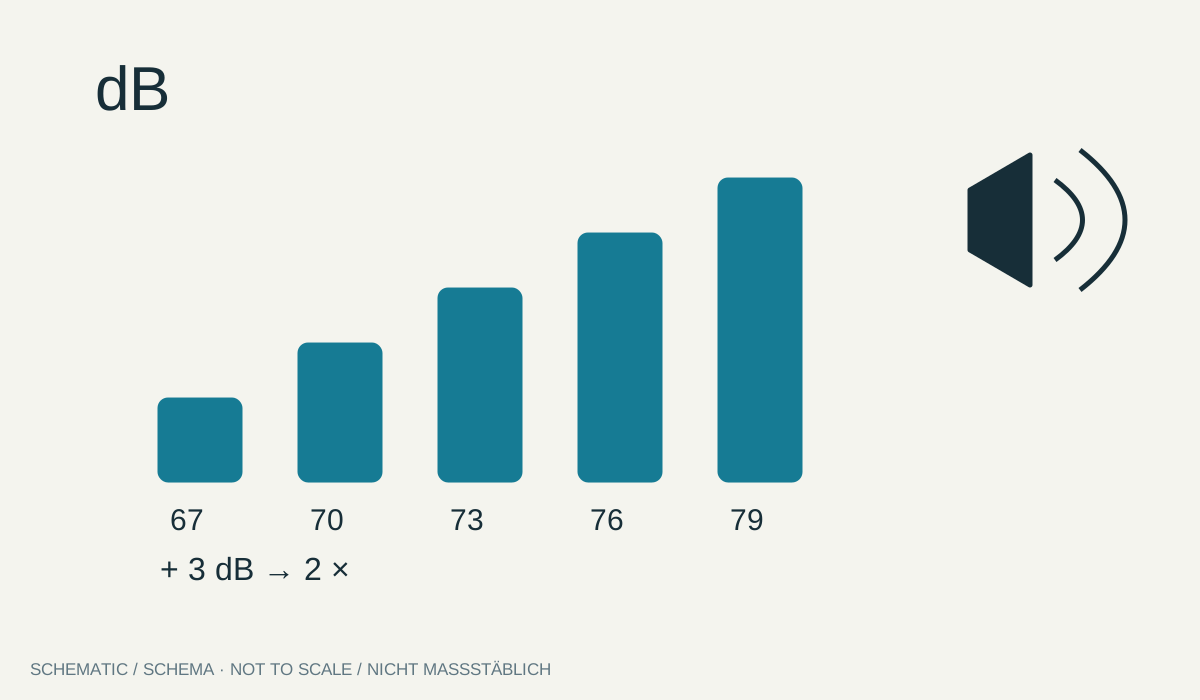
The noise figure describes rolling sound outside the car. It is only part of the picture when you want a quiet cabin.
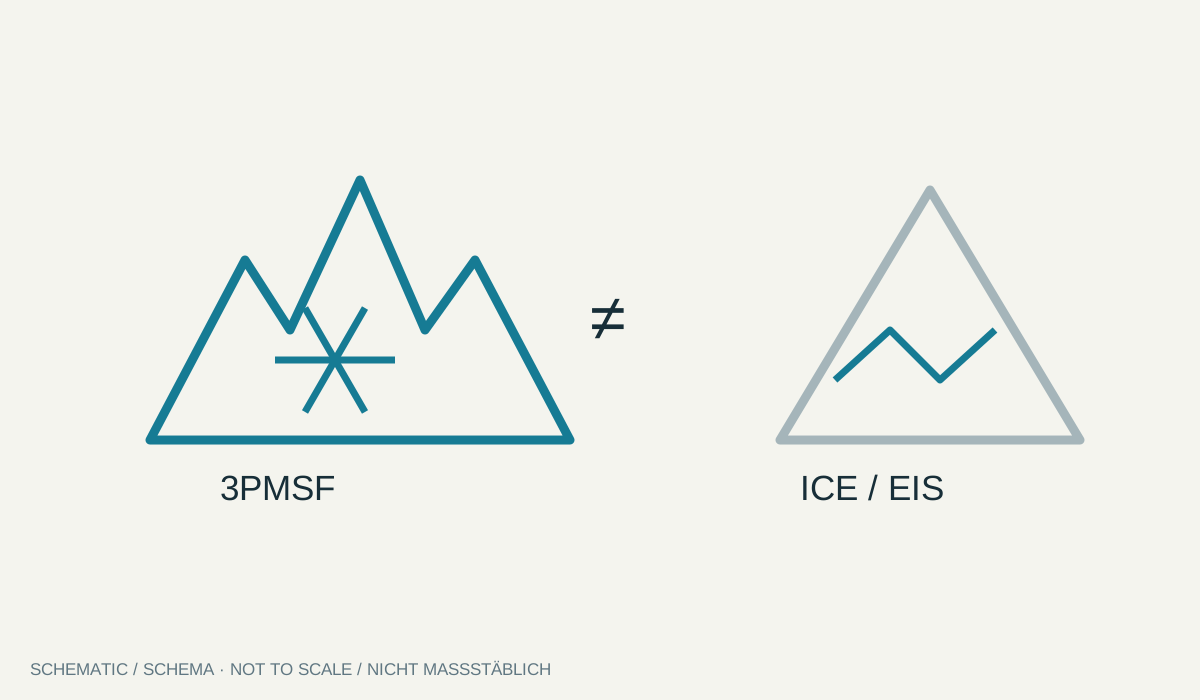
The two winter pictograms refer to different tests. An ice symbol is not a universal upgrade for every winter tyre.
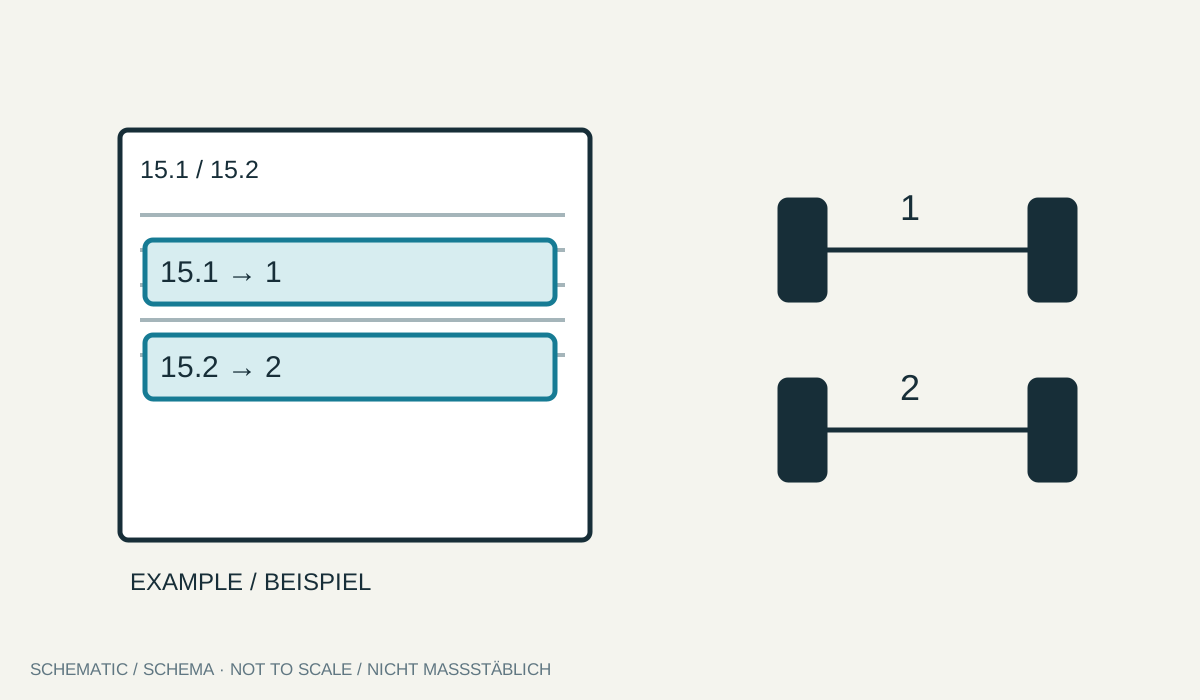
The registration document is the starting point. Additional approved combinations may appear in other vehicle-specific paperwork.
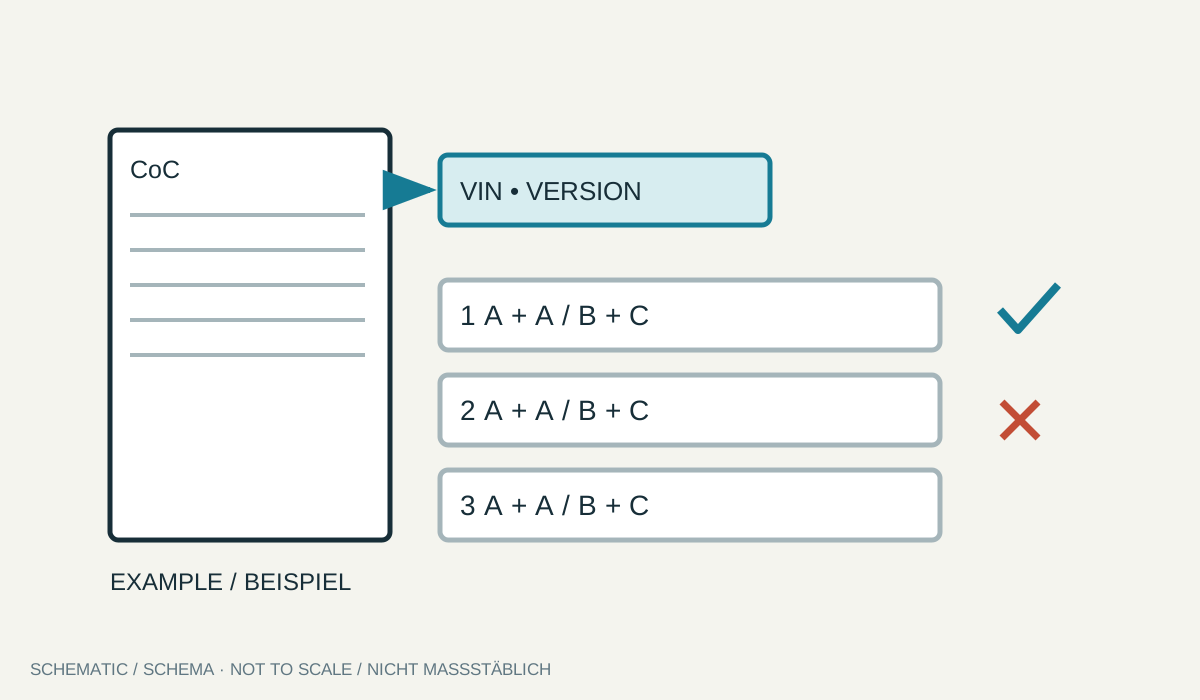
The CoC may contain additional wheel-and-tyre combinations. It must match the vehicle variant and be read as a complete document.
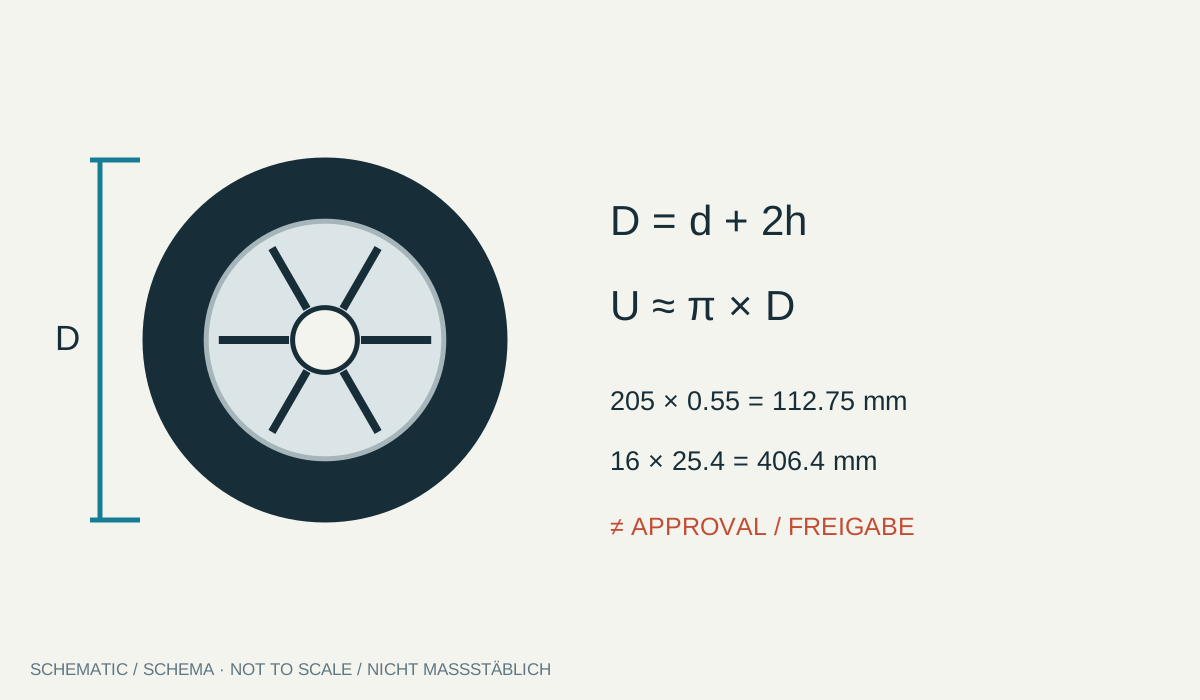
Geometry can explain differences between sizes. It cannot replace approval or checks on the vehicle.
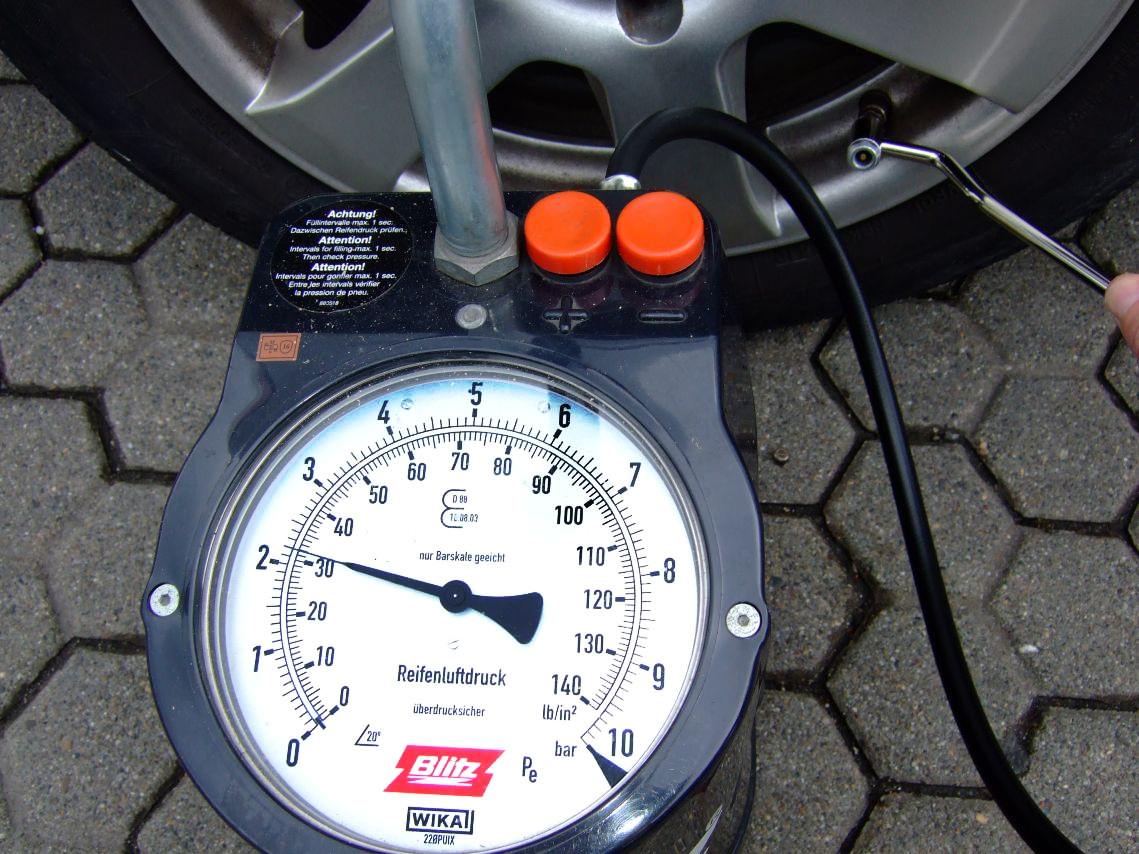
Measure before driving so that heat does not distort the comparison. The target still comes from the instructions for your own vehicle.
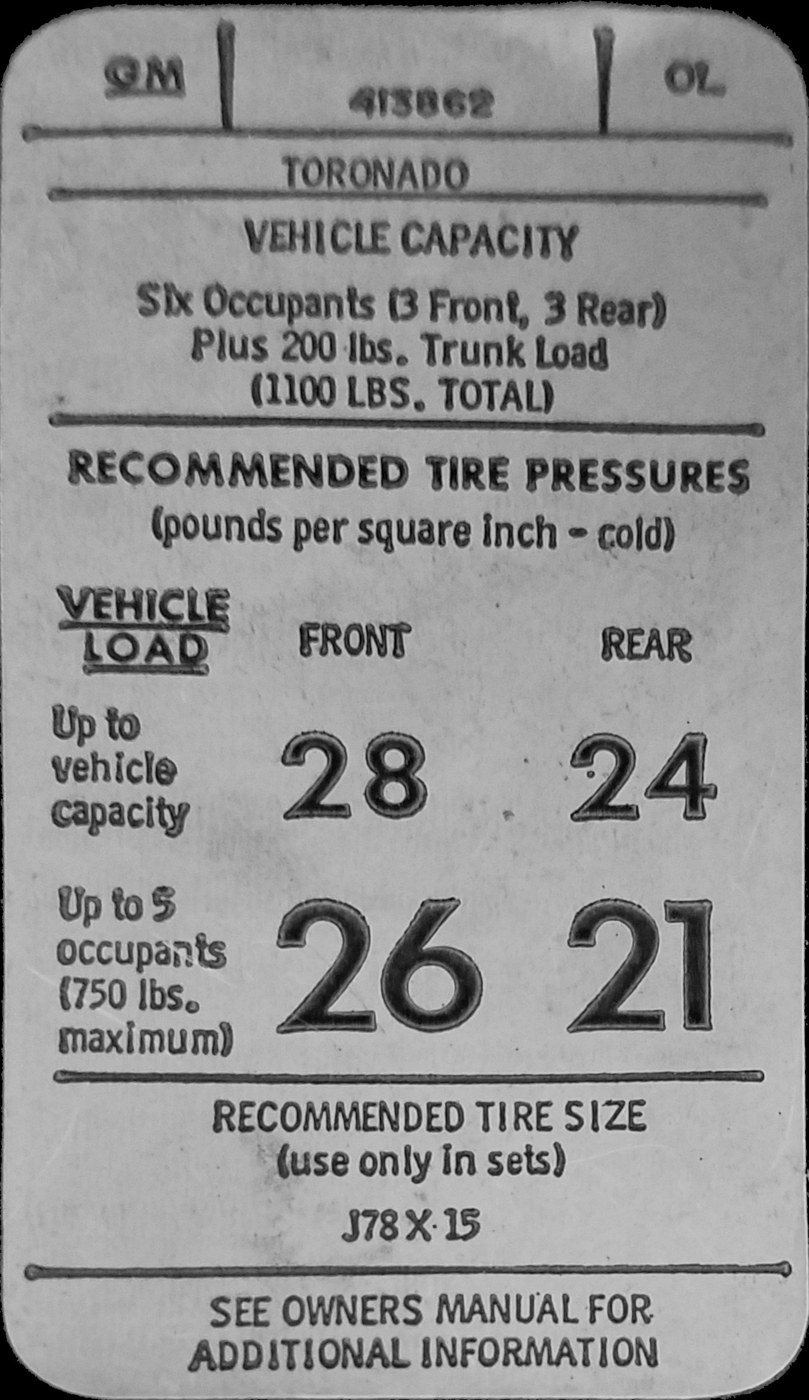
Several numbers on one sticker are not contradictory. They may belong to different axles, sizes or loading conditions.
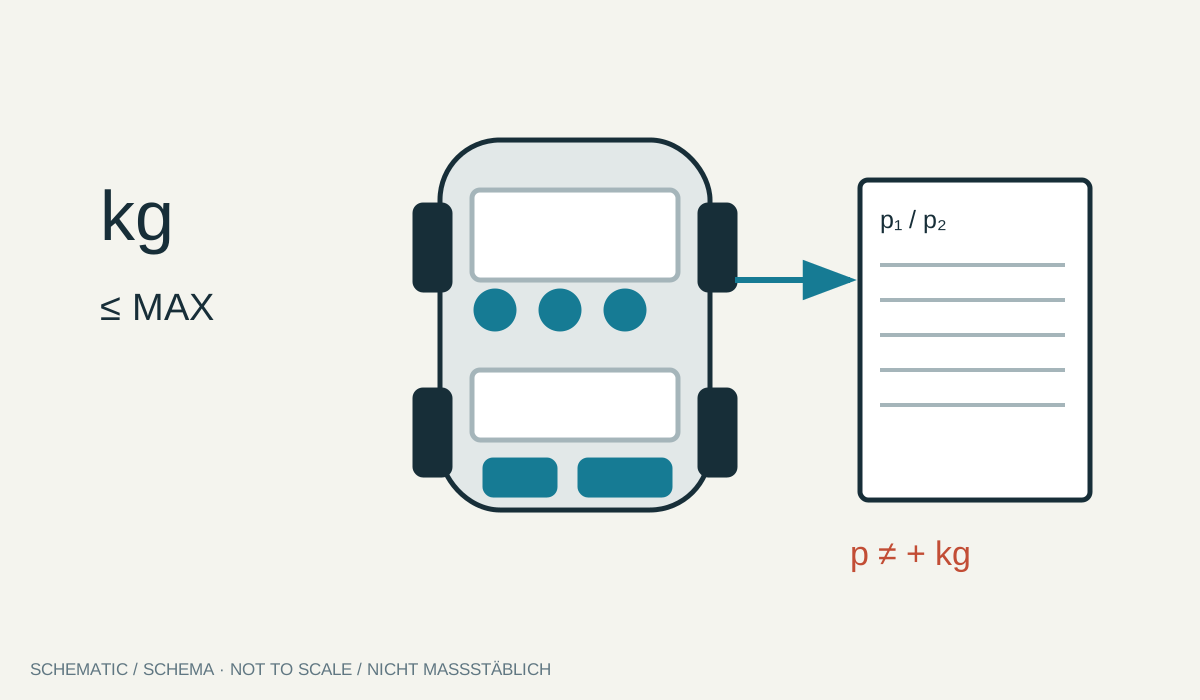
Passengers and luggage change the operating conditions. Use the vehicle manufacturer’s load-related pressure information.
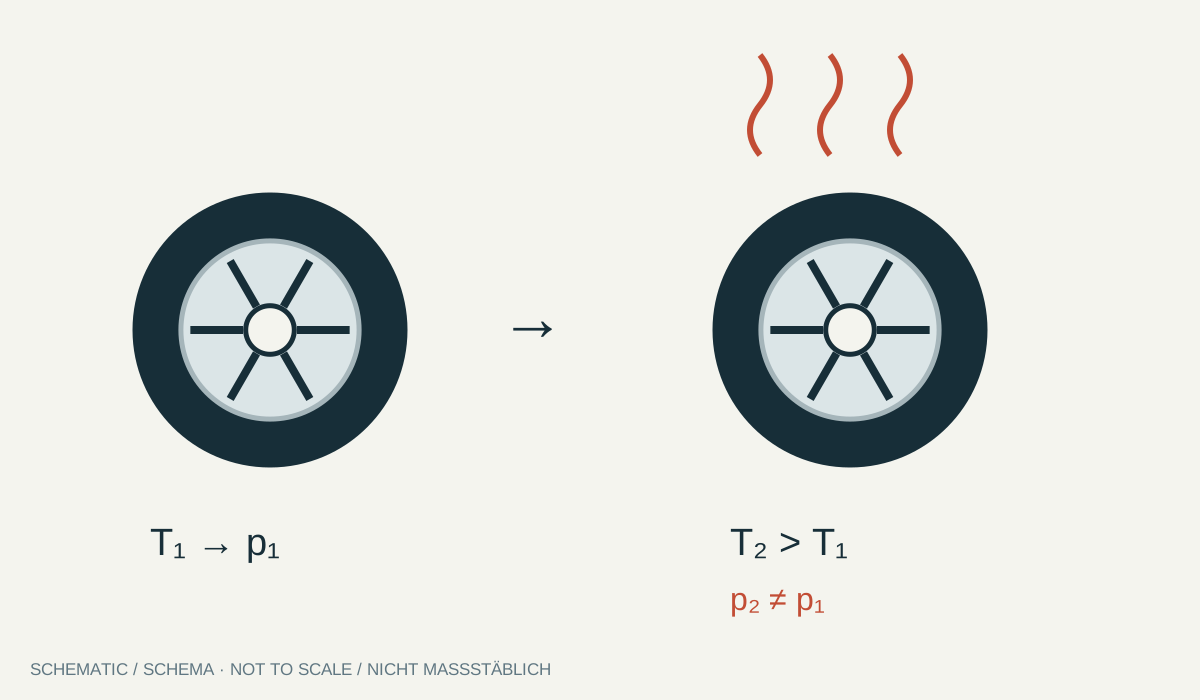
A higher reading after driving can result from heat. Do not simply use a cold-pressure figure as a target for releasing air.
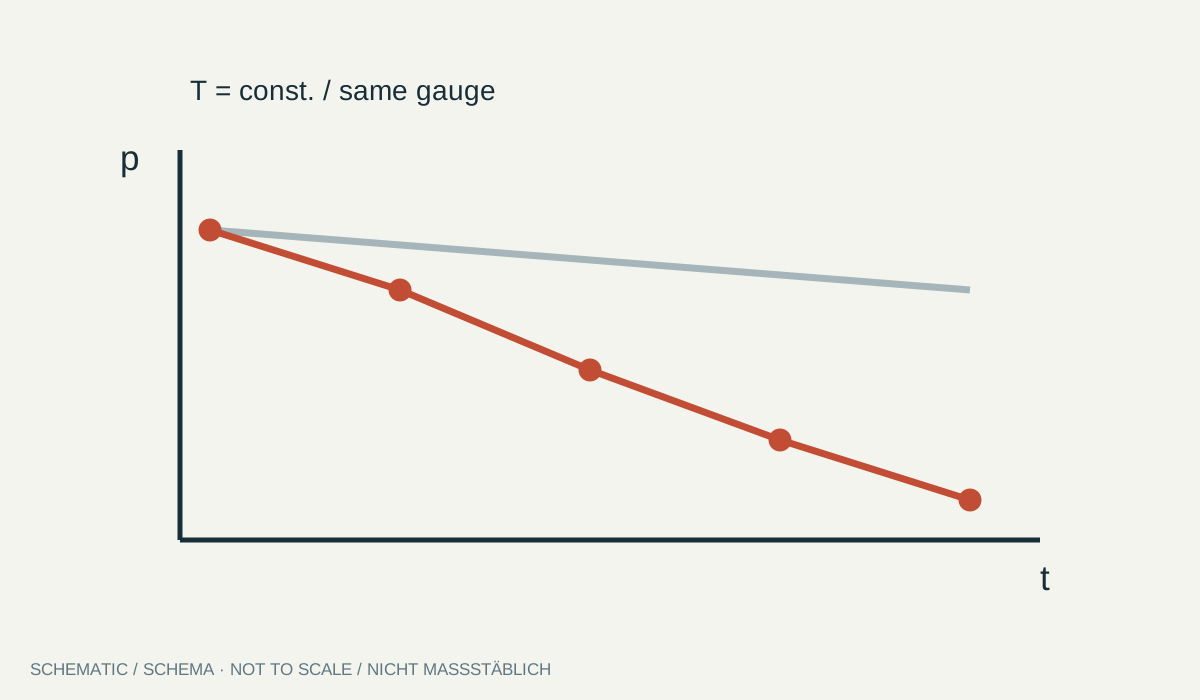
Repeated topping-up is a clue, not a repair. Comparable readings help a specialist investigate the cause of a leak.
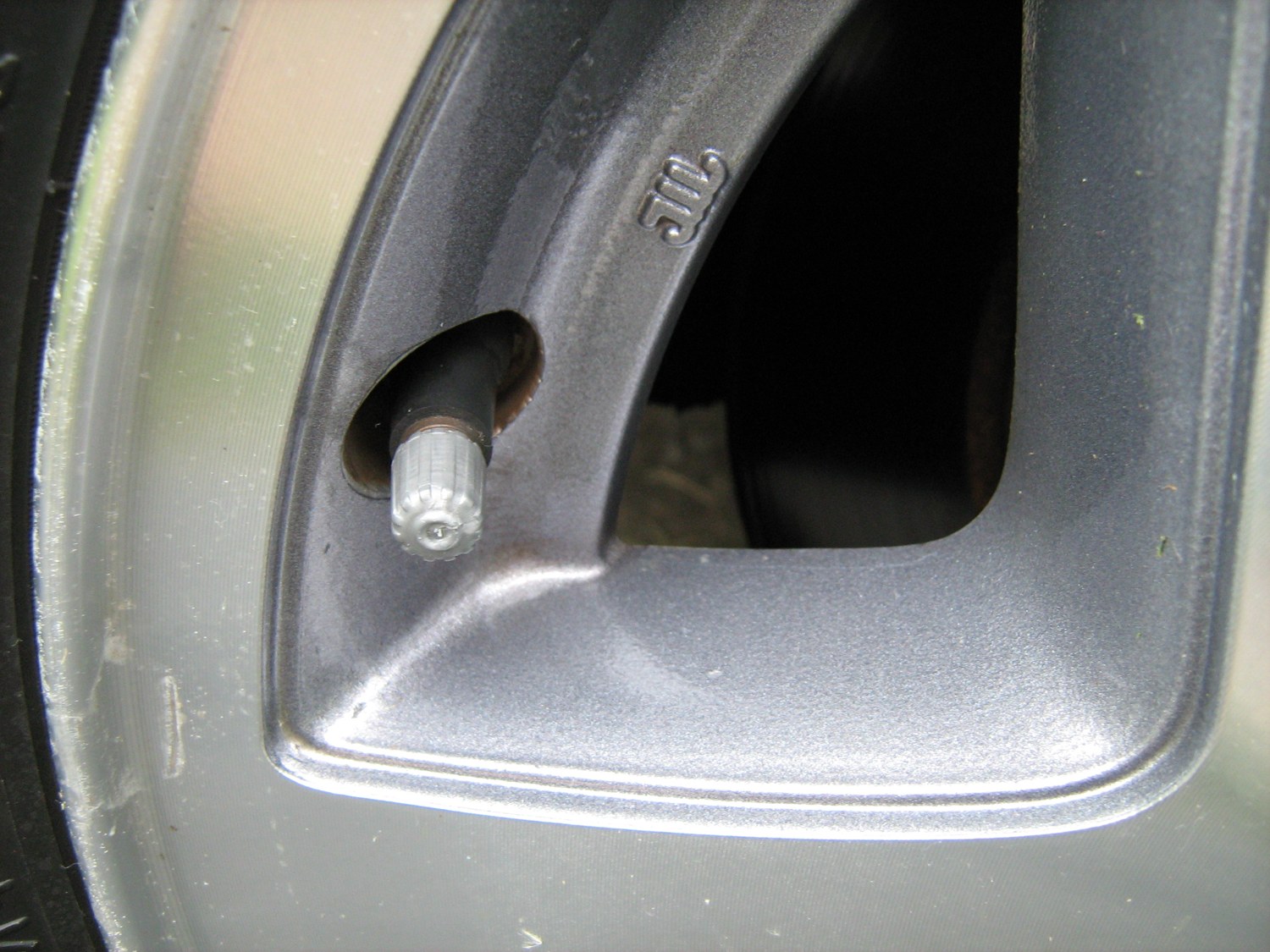
The small cap protects an important opening. If air escapes, the complete valve needs attention.
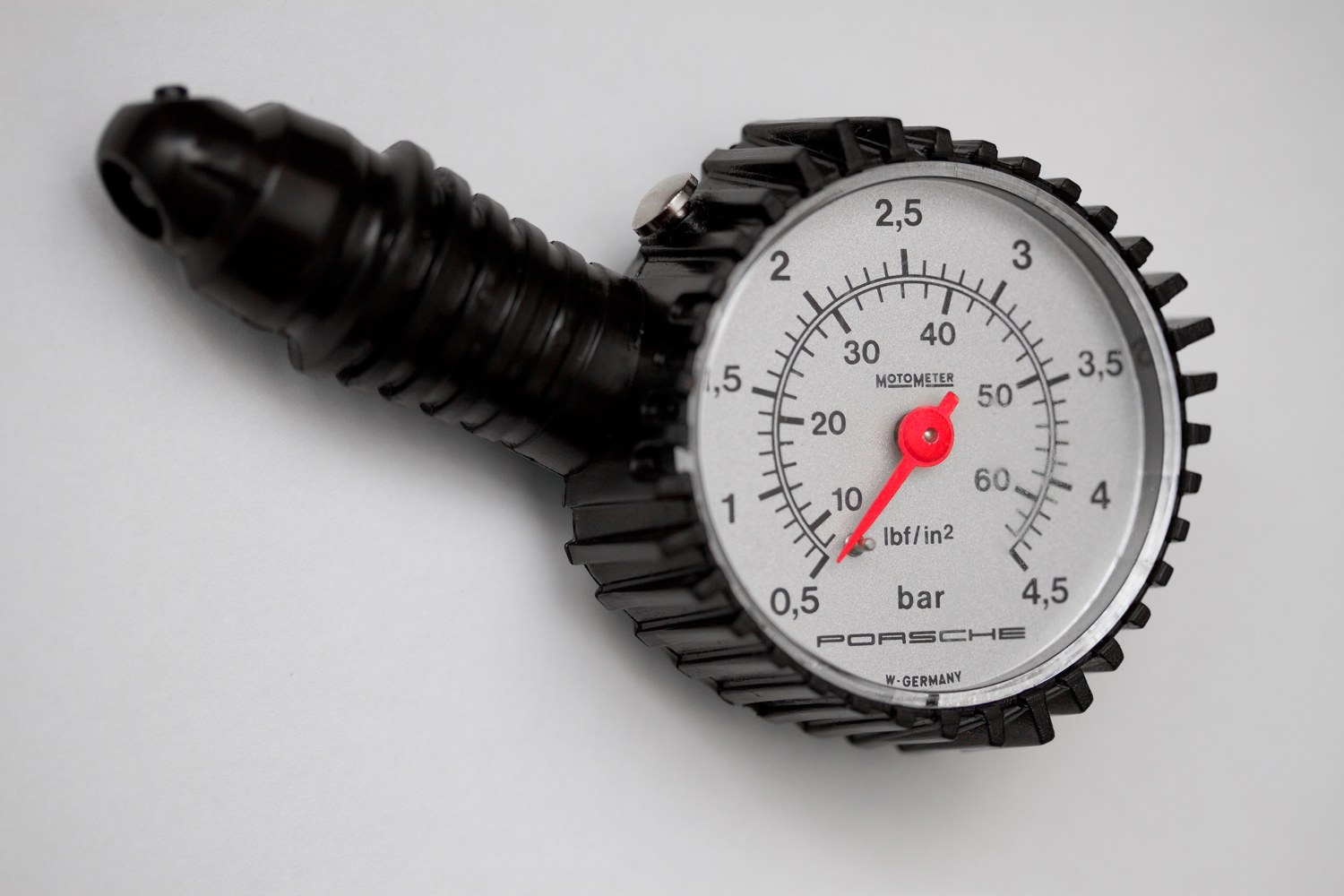
Readable units, a usable connector and verifiable accuracy matter more than extra decimal places.
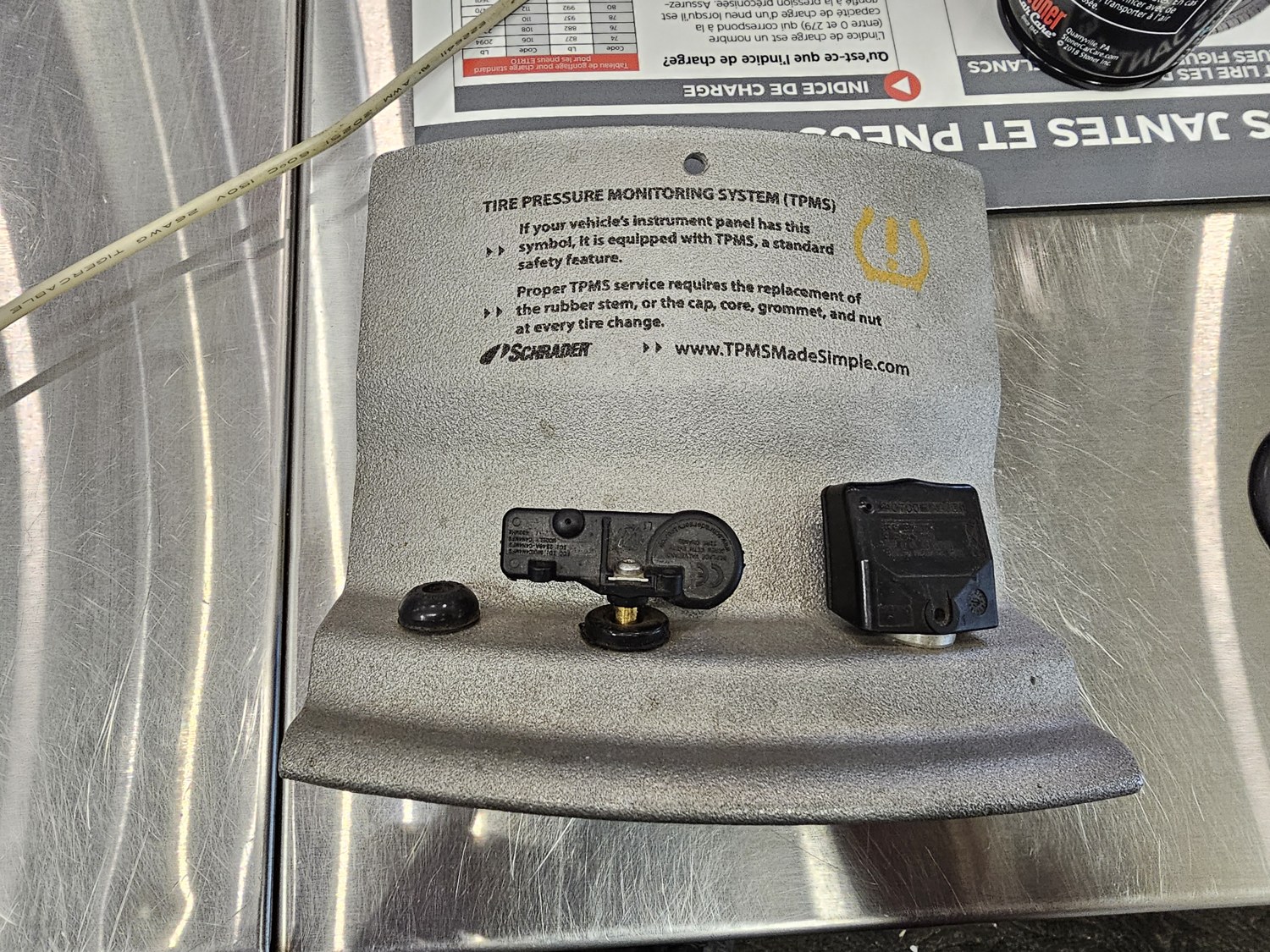
Wheel-mounted sensors provide pressure information. A second wheel set needs compatible hardware and the correct setup procedure.
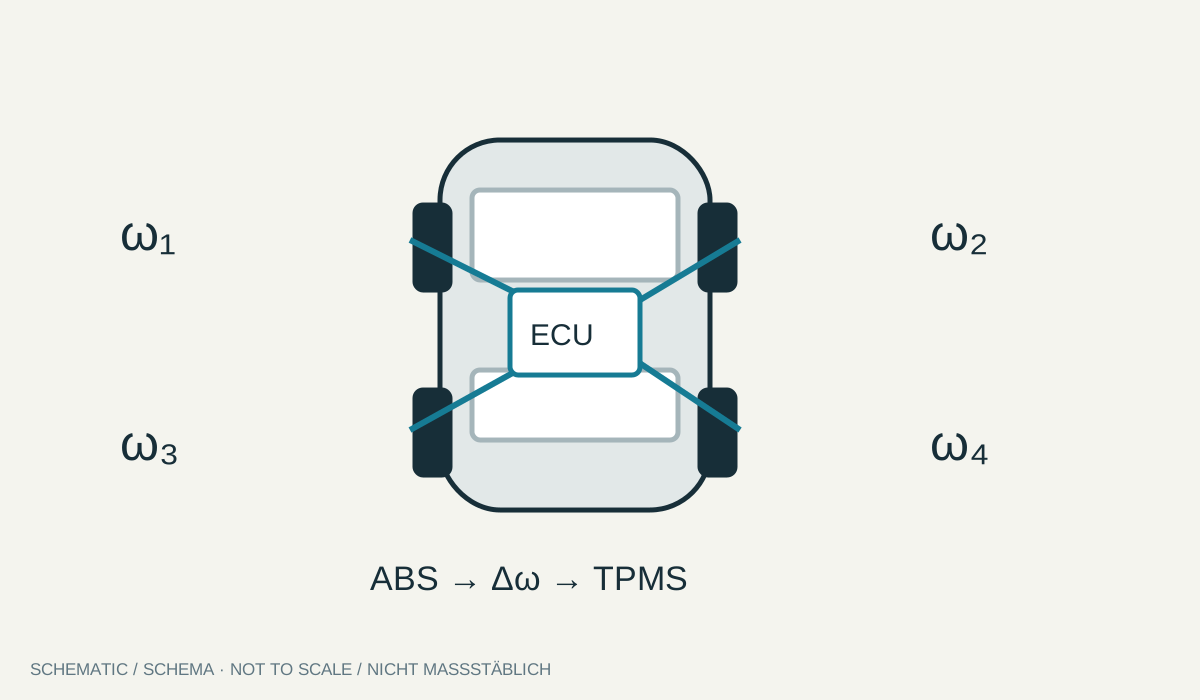
An indirect system analyses existing vehicle signals. It needs correctly inflated tyres before a reference is stored.

A warning calls for attention to the tyres first. Resetting the display is not the starting point.
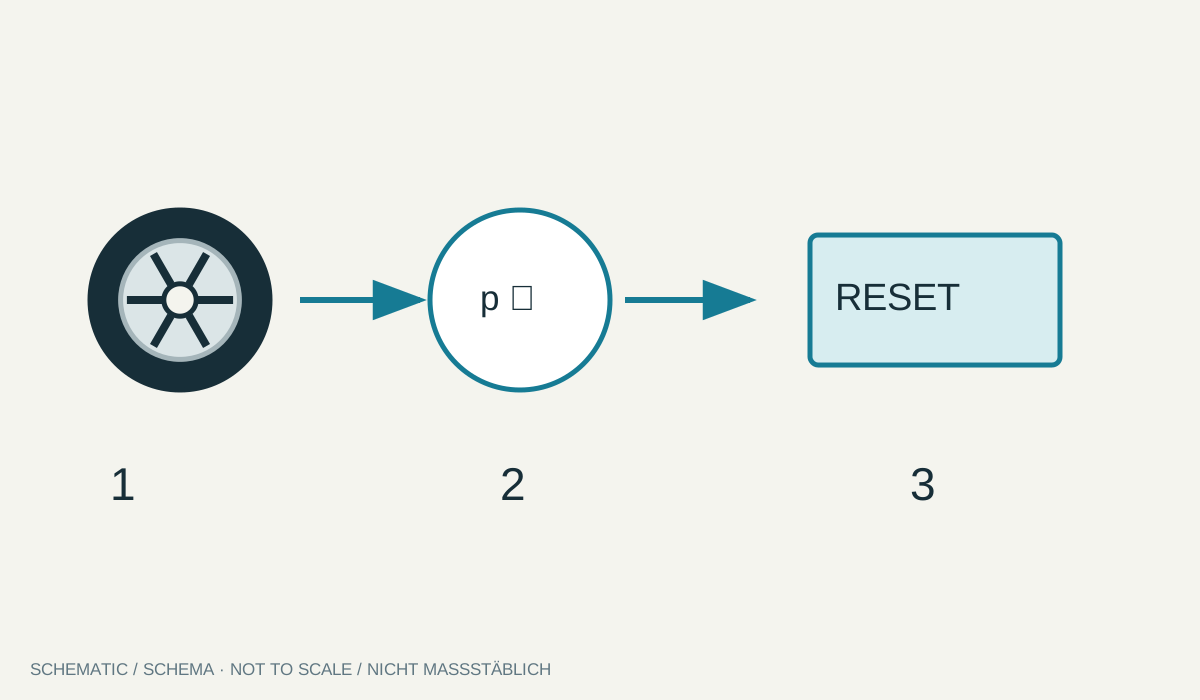
Store a new reference only after checking the tyres and setting their specified pressures.
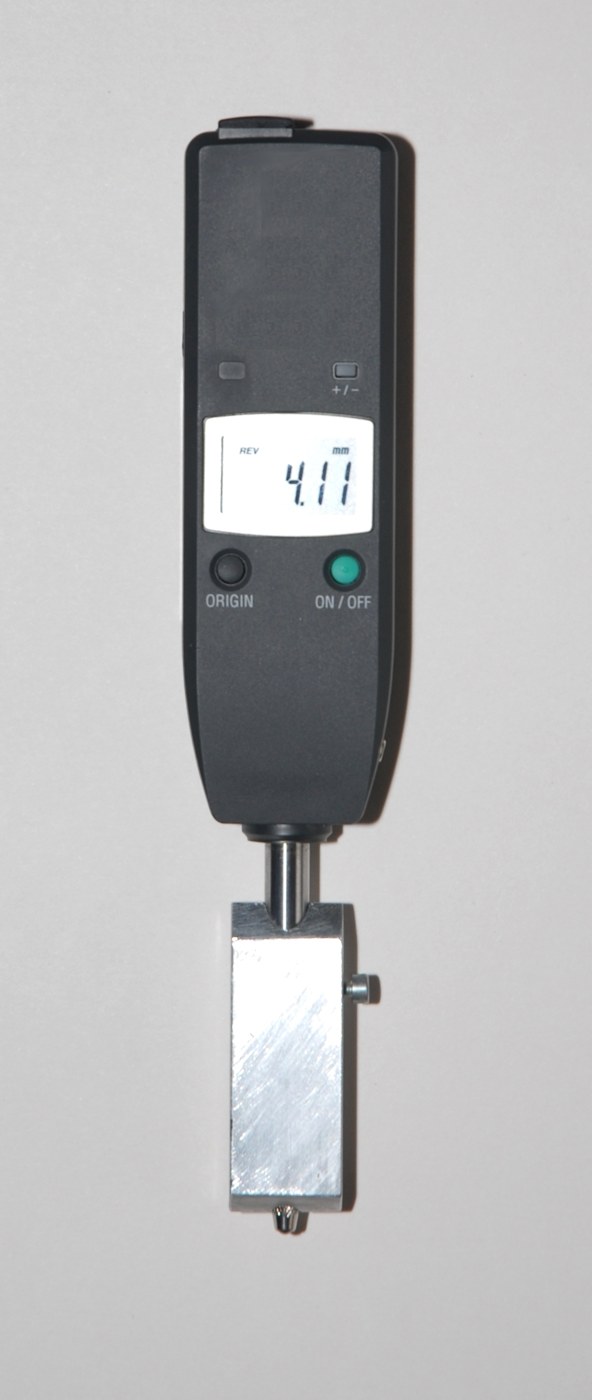
One reading can miss local wear. Measure several positions around the circumference and across the tread.
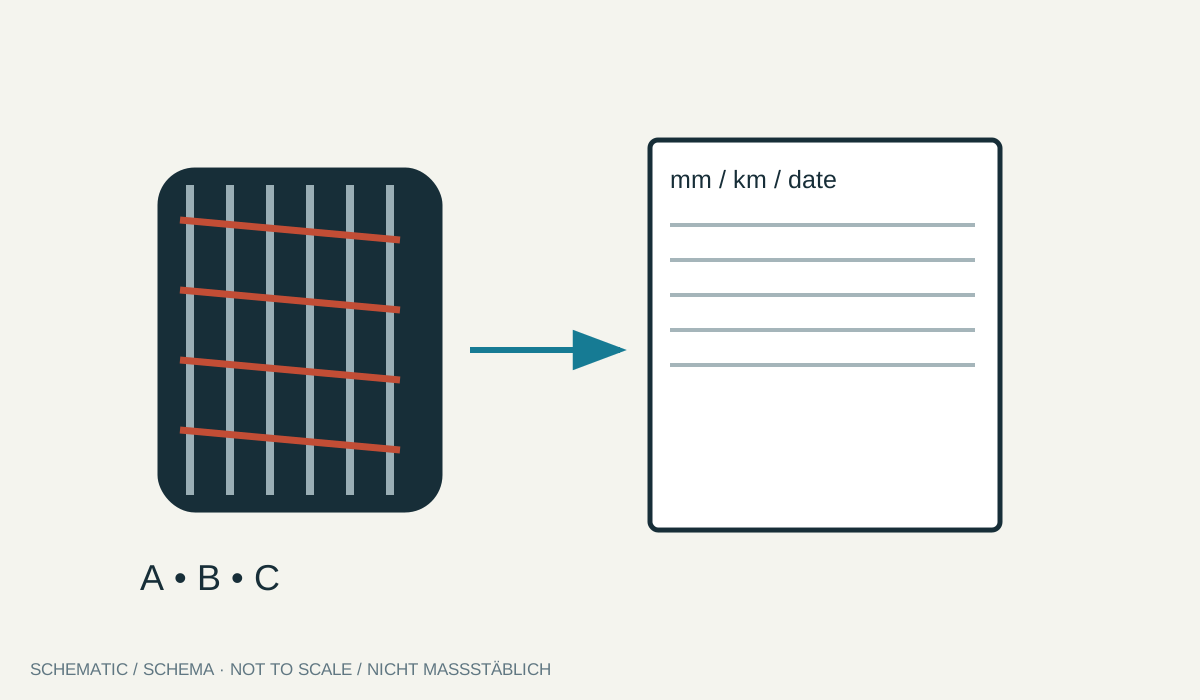
A wear pattern is a clue, not a certain remote diagnosis. Clear records make professional investigation easier.
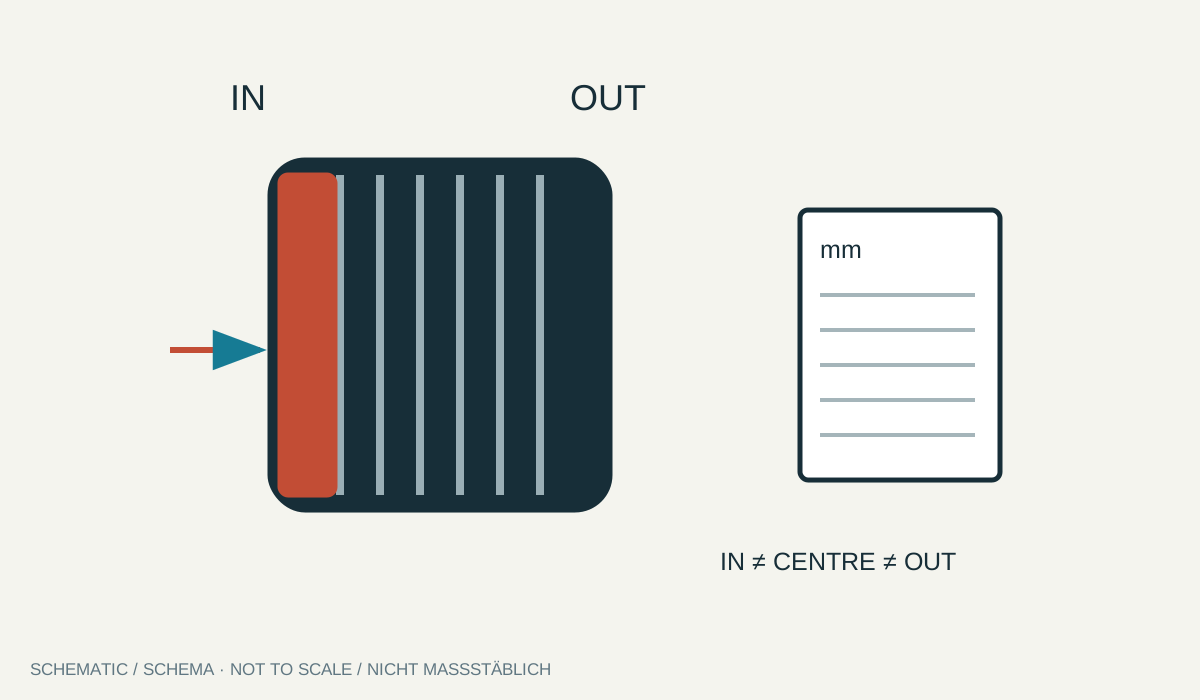
The shoulder facing the car is easy to miss during a quick walk-around. Wear there calls for a complete inspection.
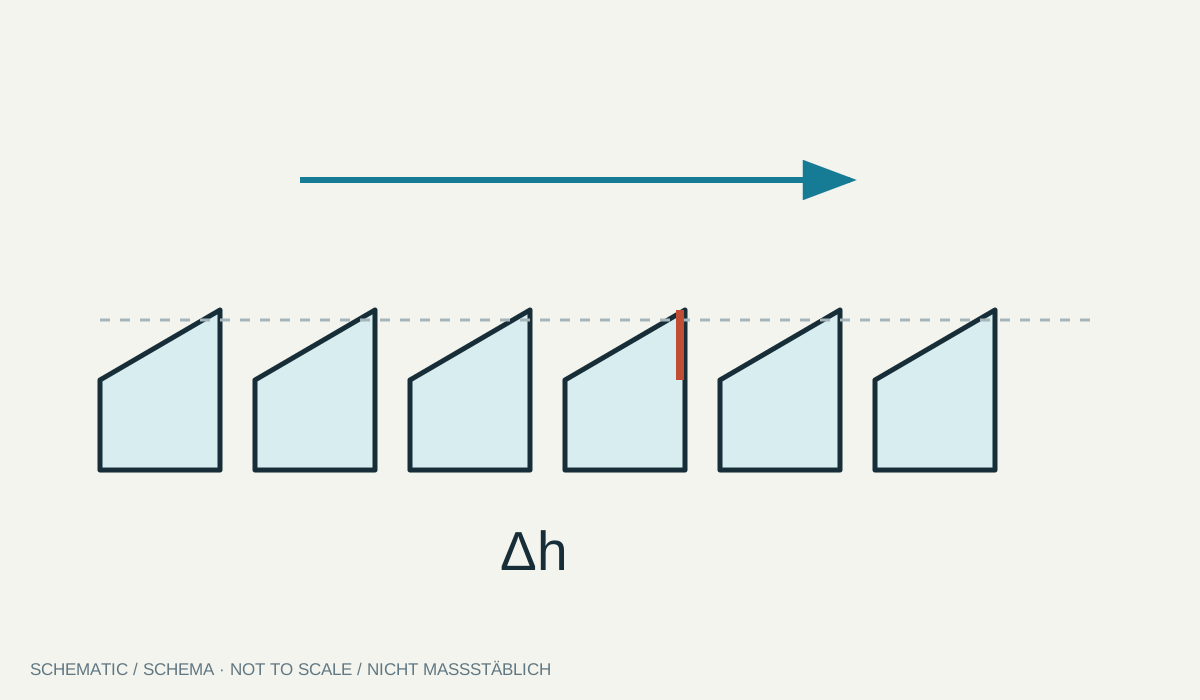
Different heights at the edges of tread blocks can create rolling noise. Inspection must distinguish the pattern from its possible causes.
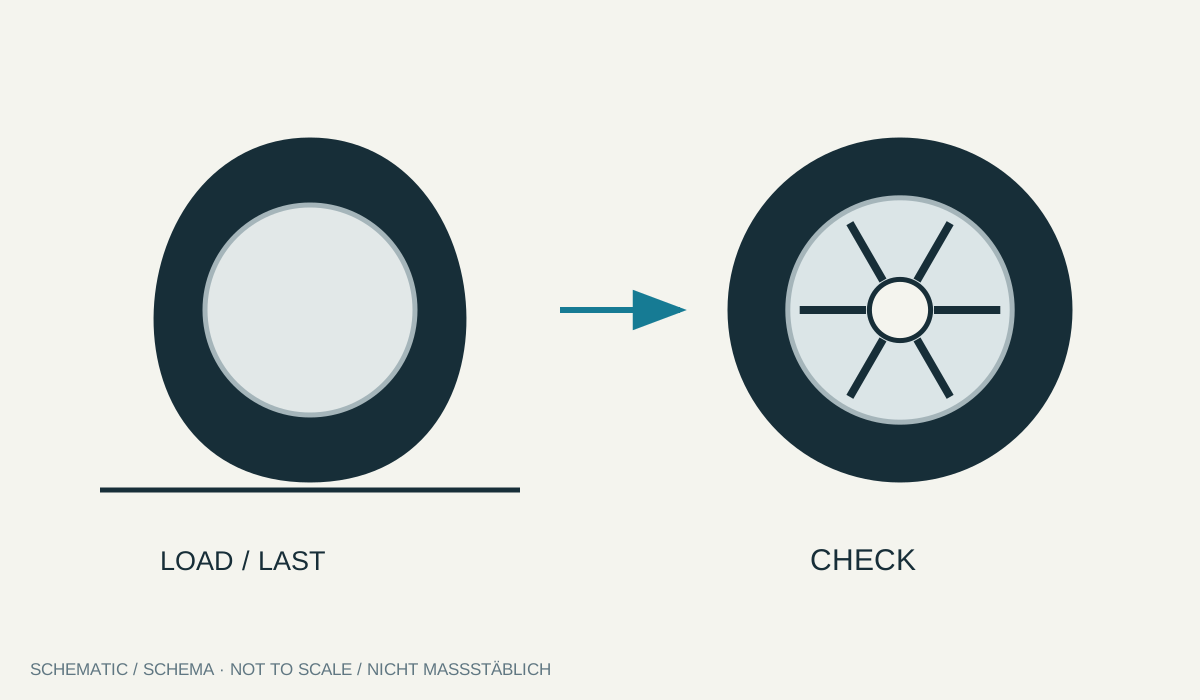
Tyres may initially feel uneven after extended parking. Strong or persistent vibration must not be assumed harmless.
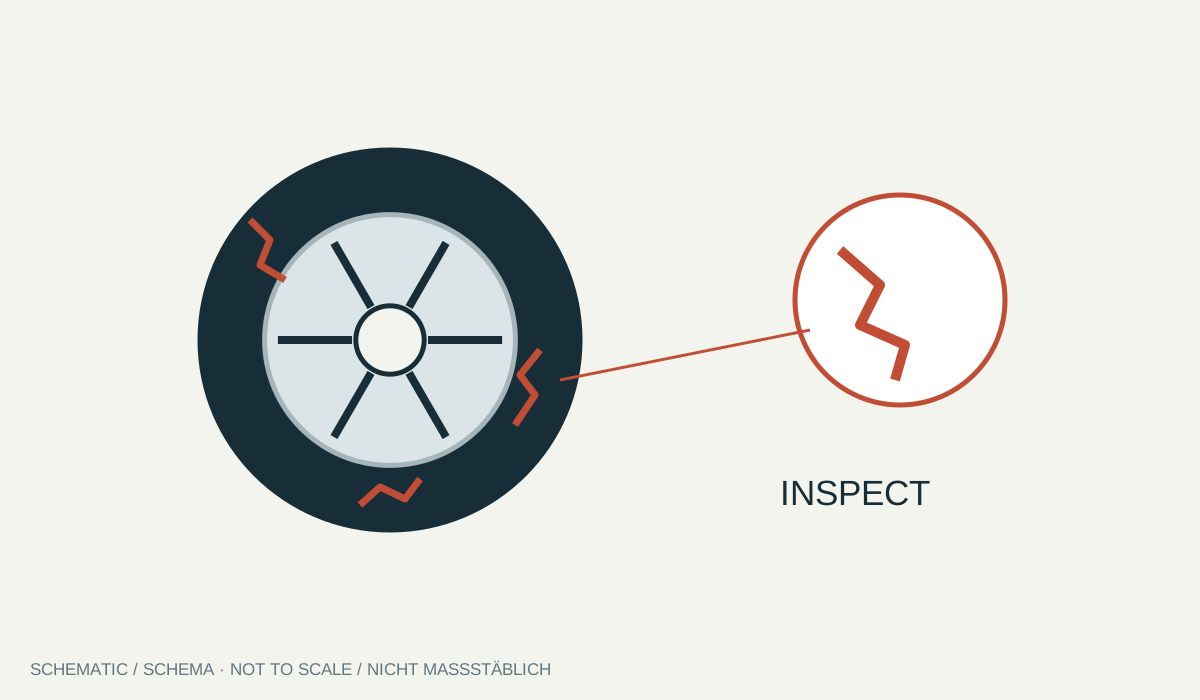
Age and tread depth alone cannot assess cracks. The affected area and the complete tyre need examination.

An outward bulge can indicate damage to the load-carrying structure. Stop using the tyre and do not attempt a home repair.
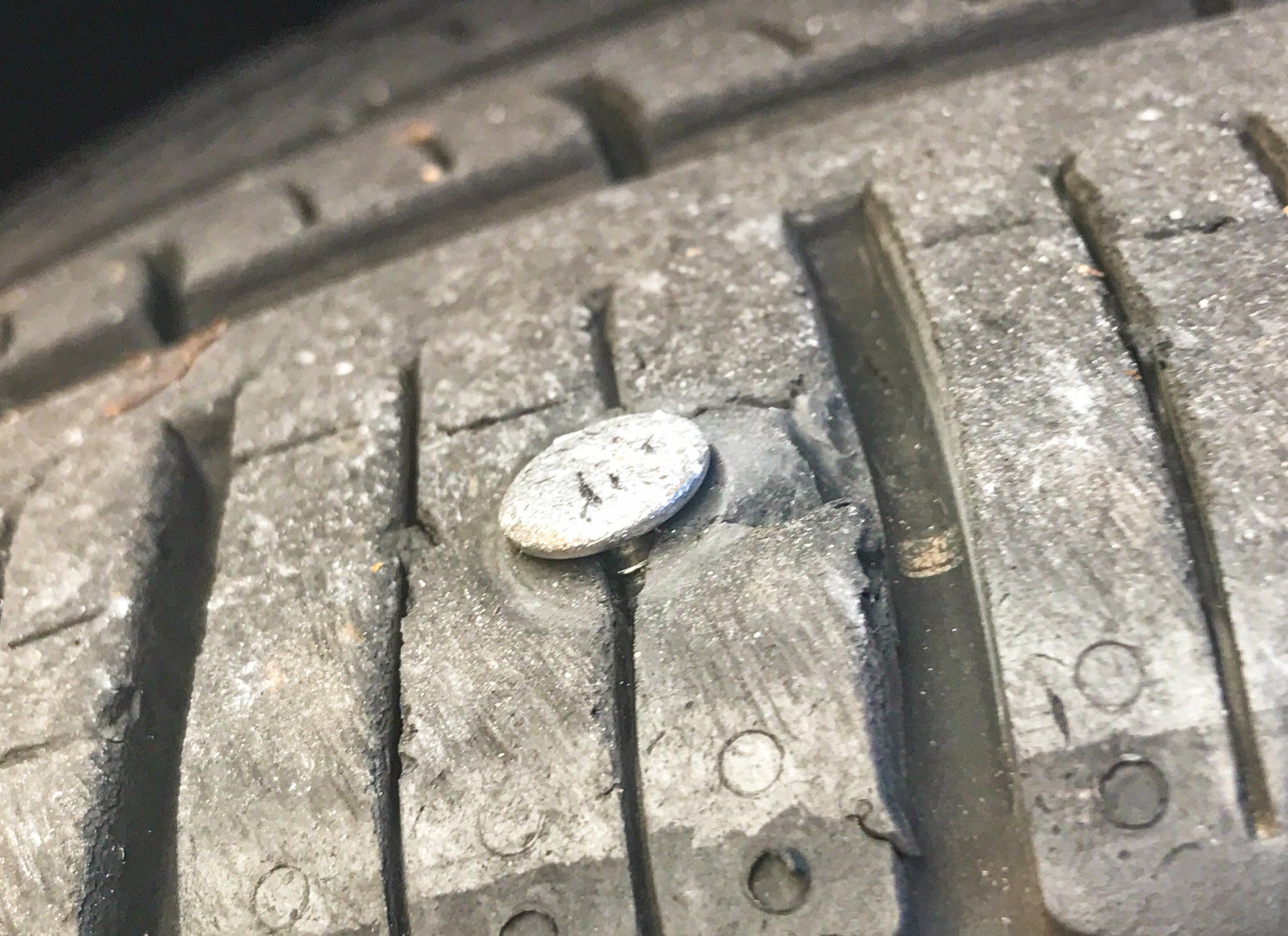
Do not pull an embedded object out as a test. Repair suitability can only be decided after a complete examination.
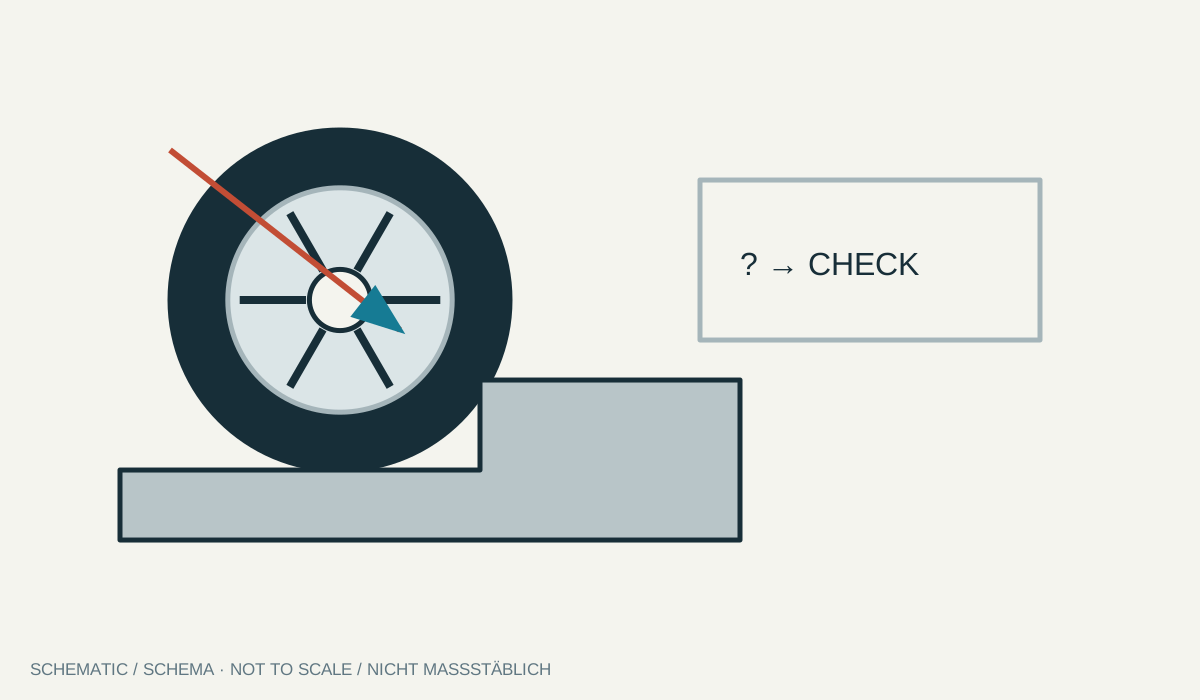
A visible scrape does not tell the whole story of an impact. Tyre, wheel and suspension can be affected differently.
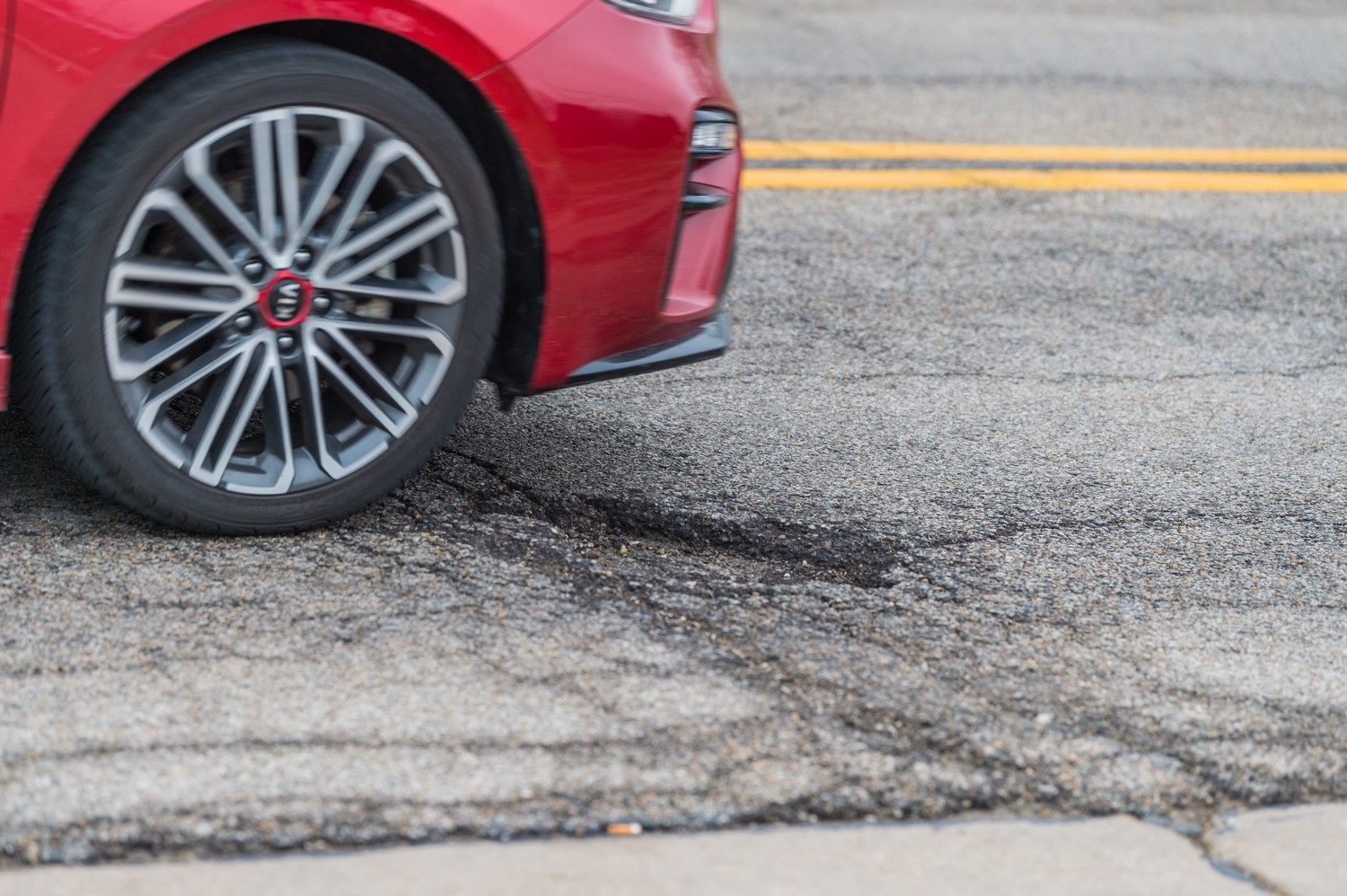
Damage after a hard impact can be hidden inside. Looking only at the outer rim edge cannot establish condition.
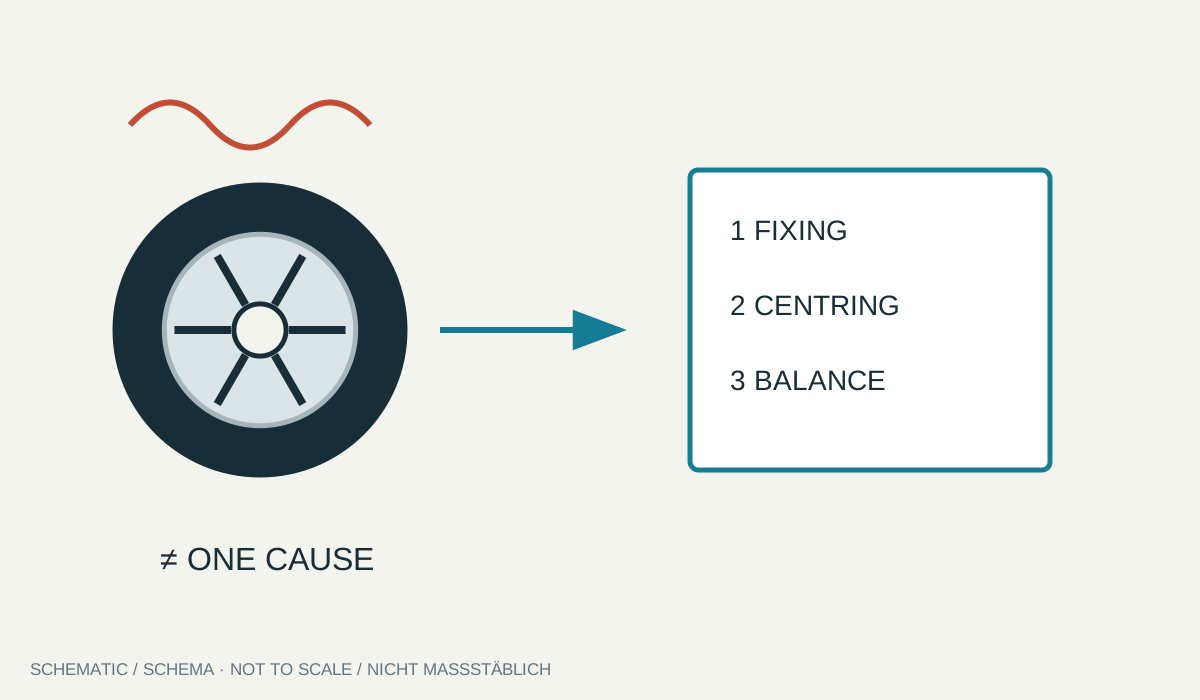
New vibration after fitting needs prompt investigation. Balancing is one possible remedy, not a diagnosis for every case.
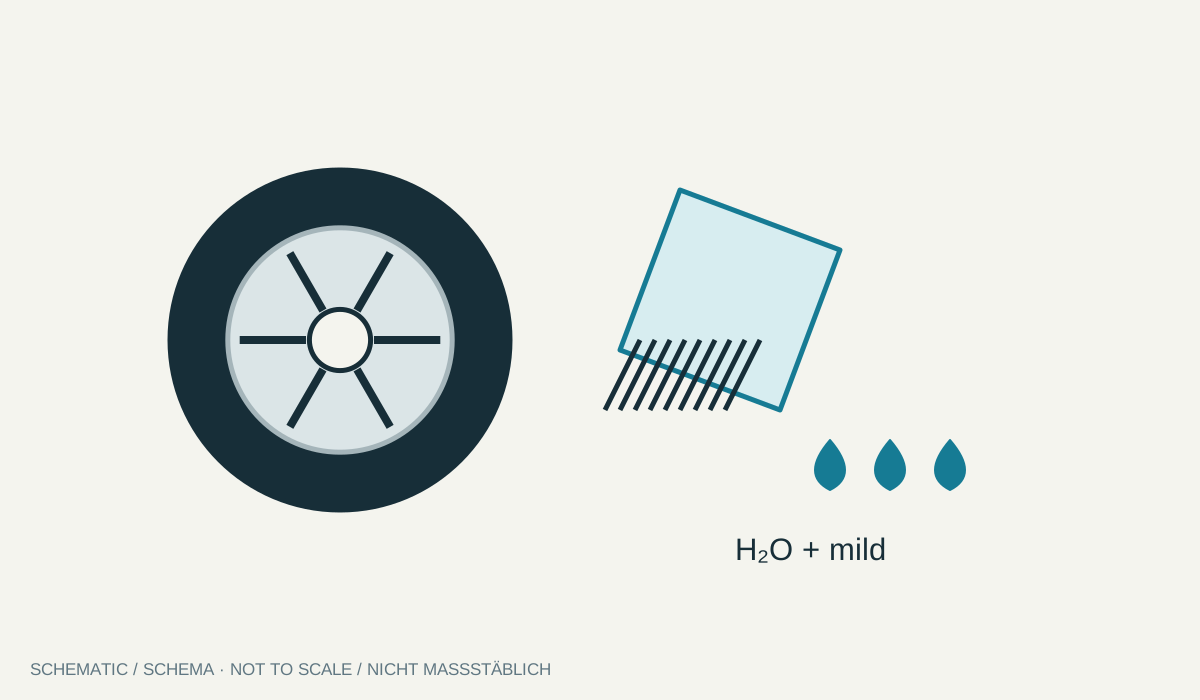
Water, a suitable mild cleaner and careful handling are usually enough. Shine is not a measure of tyre condition.
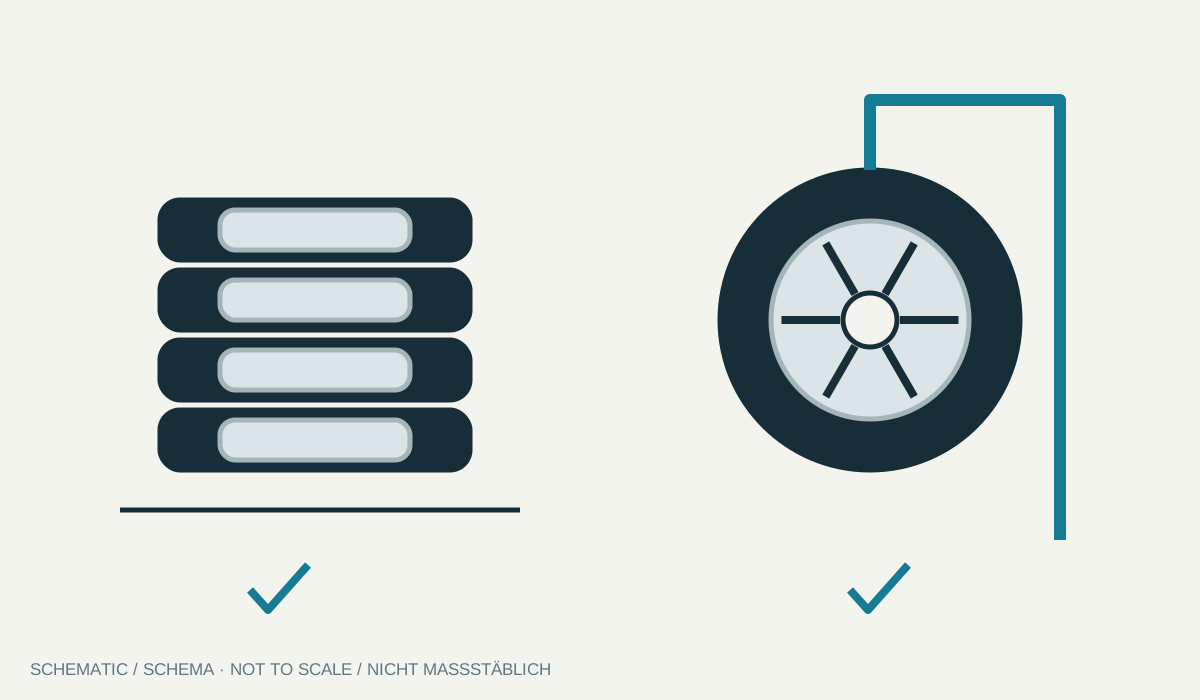
A mounted tyre is supported by its wheel. Storage hardware, room conditions and preparation must suit the complete set.
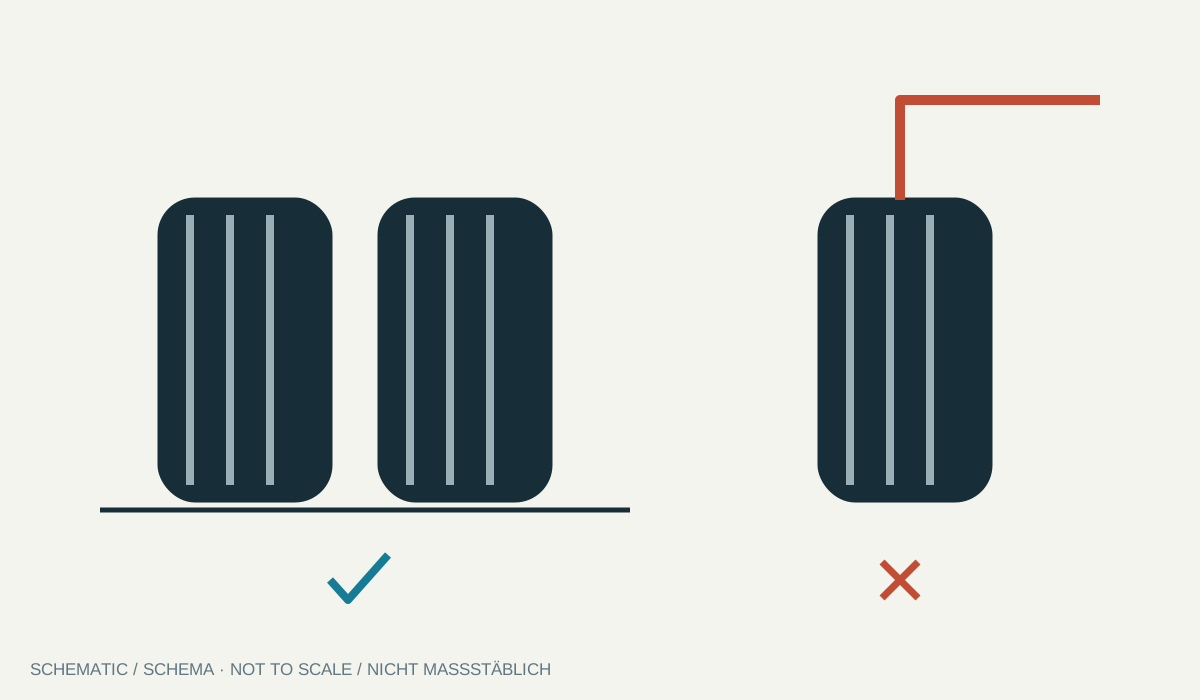
An unmounted tyre has no rigid wheel supporting it. Protect its shape and bead area during storage.
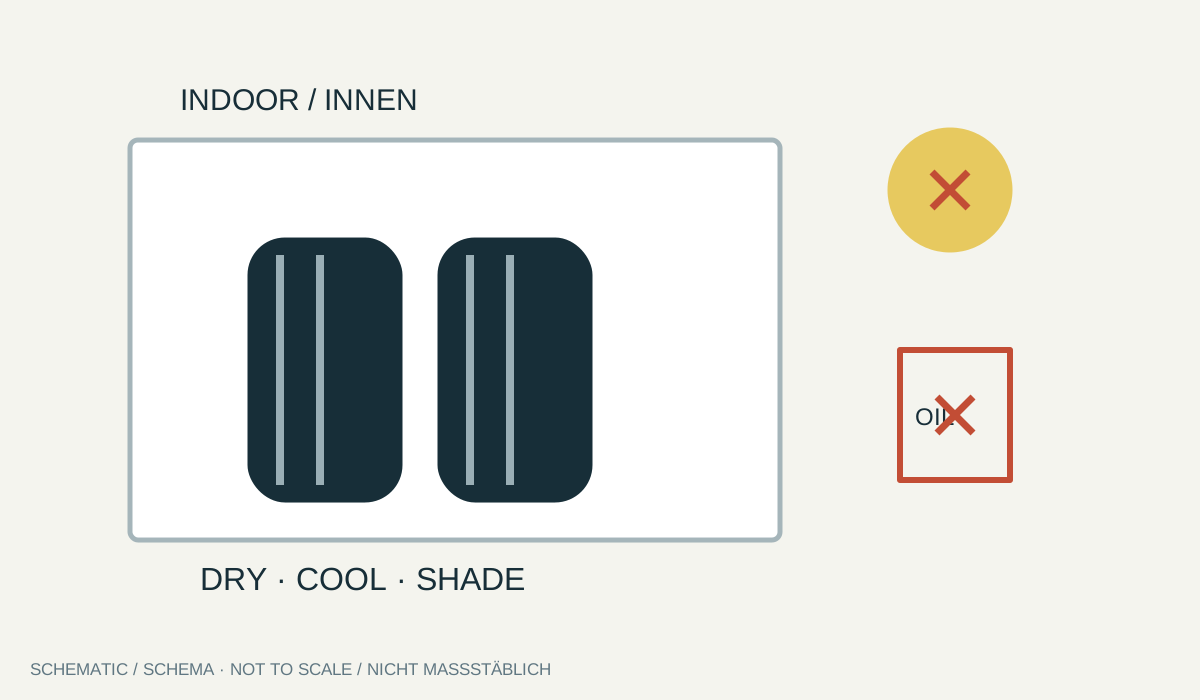
Not every empty garage or basement corner is suitable. Consider conditions throughout the entire storage period.
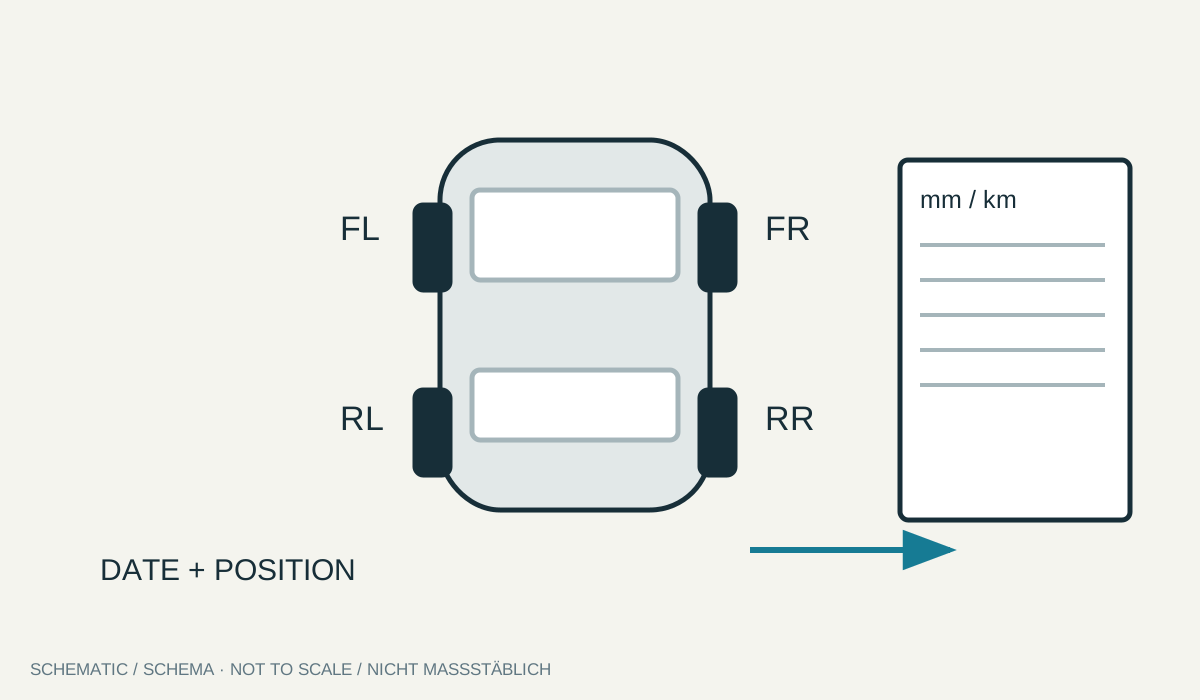
A short record for each wheel prevents mix-ups and identifies issues that need resolving before the next fitting.
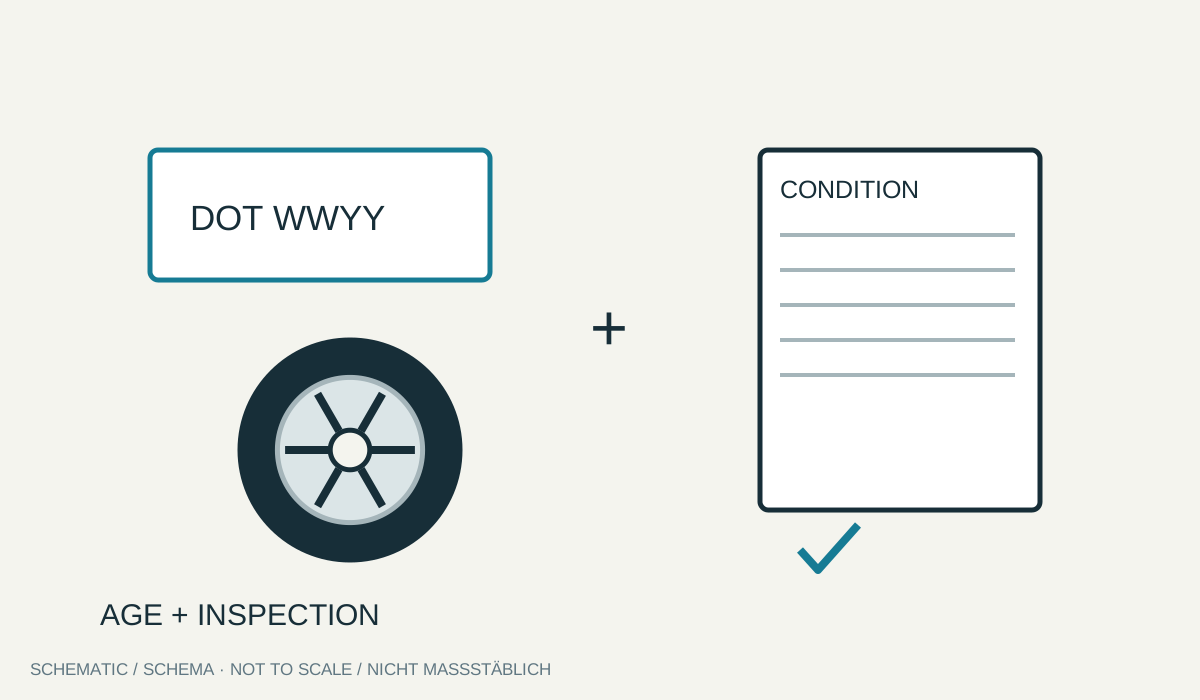
The production date matters, but it cannot certify condition by itself. Low mileage does not prevent ageing.
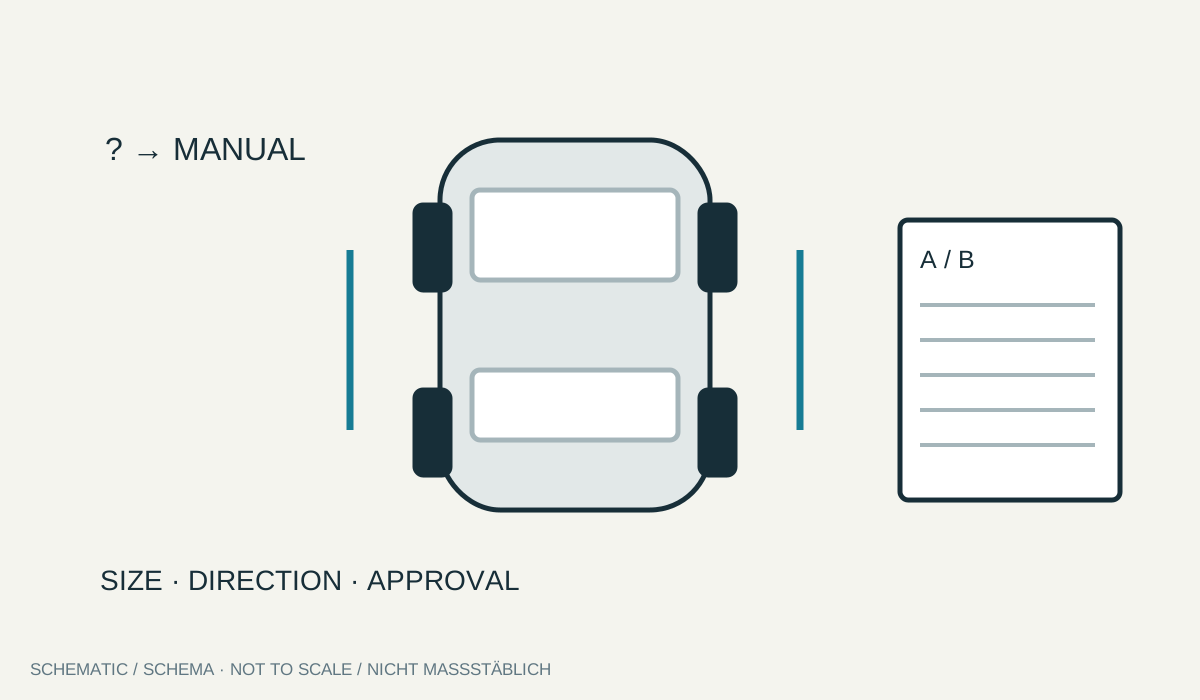
Changing positions can distribute wear. The permitted pattern depends on the vehicle, wheel combination and tyre construction.
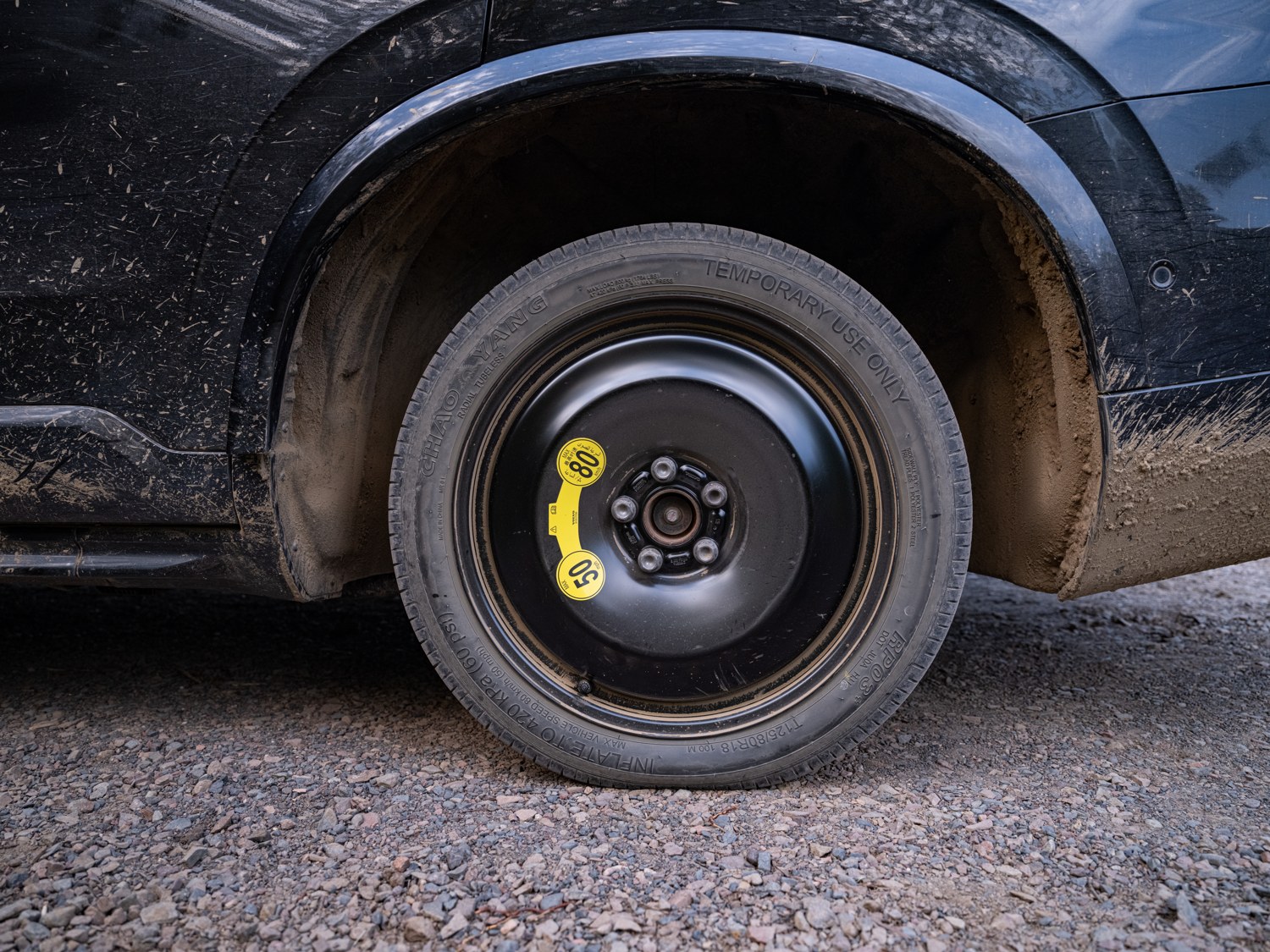
An unused spare can still lose pressure and age. Include it in maintenance before it is needed.
A stored set needs a fresh assessment before fitting. Old readings and a clean cover are not sufficient.
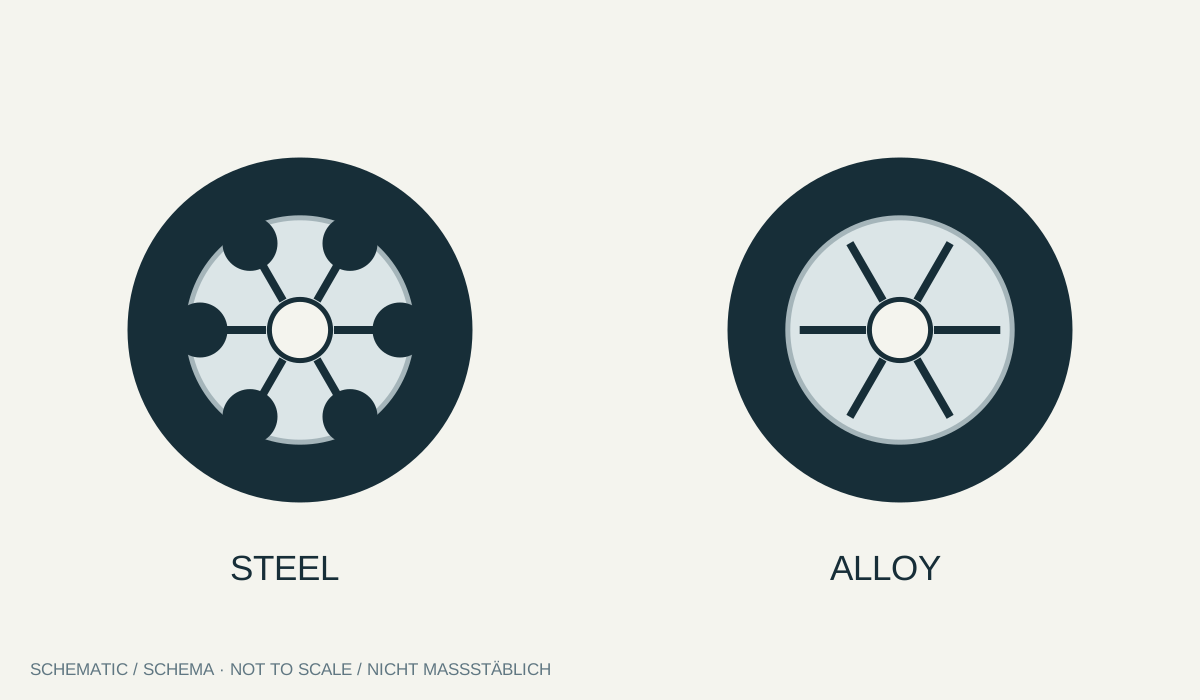
Material, finish and the particular wheel version are separate decisions. Compare complete options approved for your car.
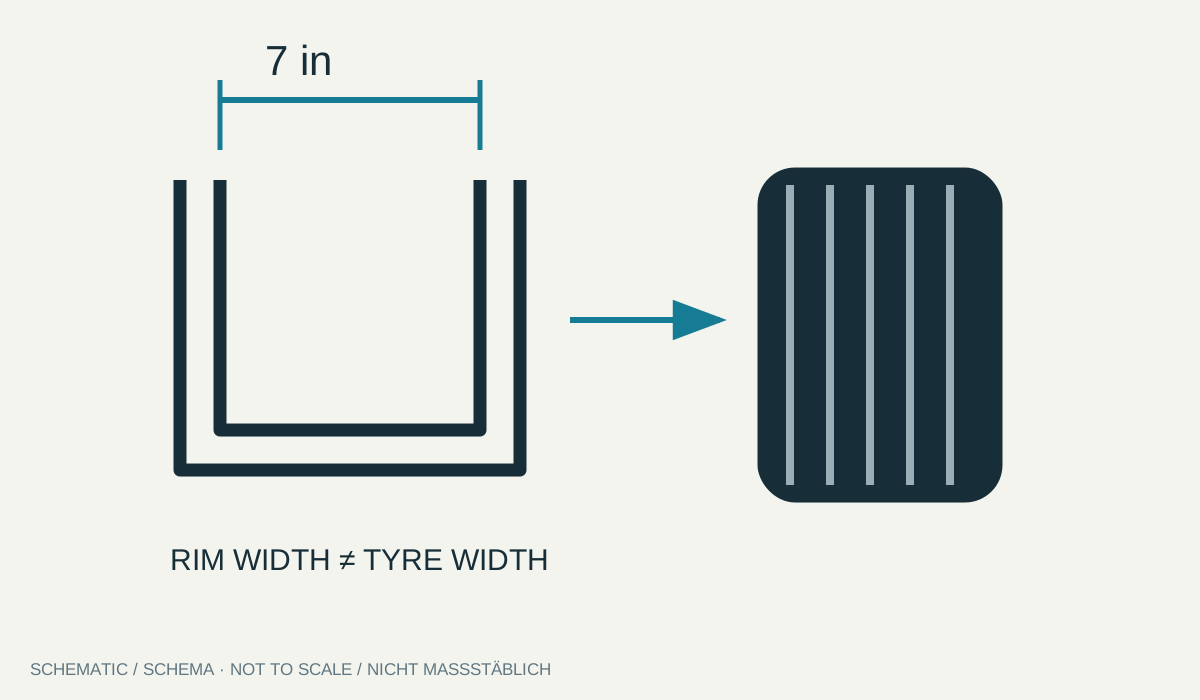
The first number in a wheel size and the first number in a tyre size describe different widths. They need to work together.
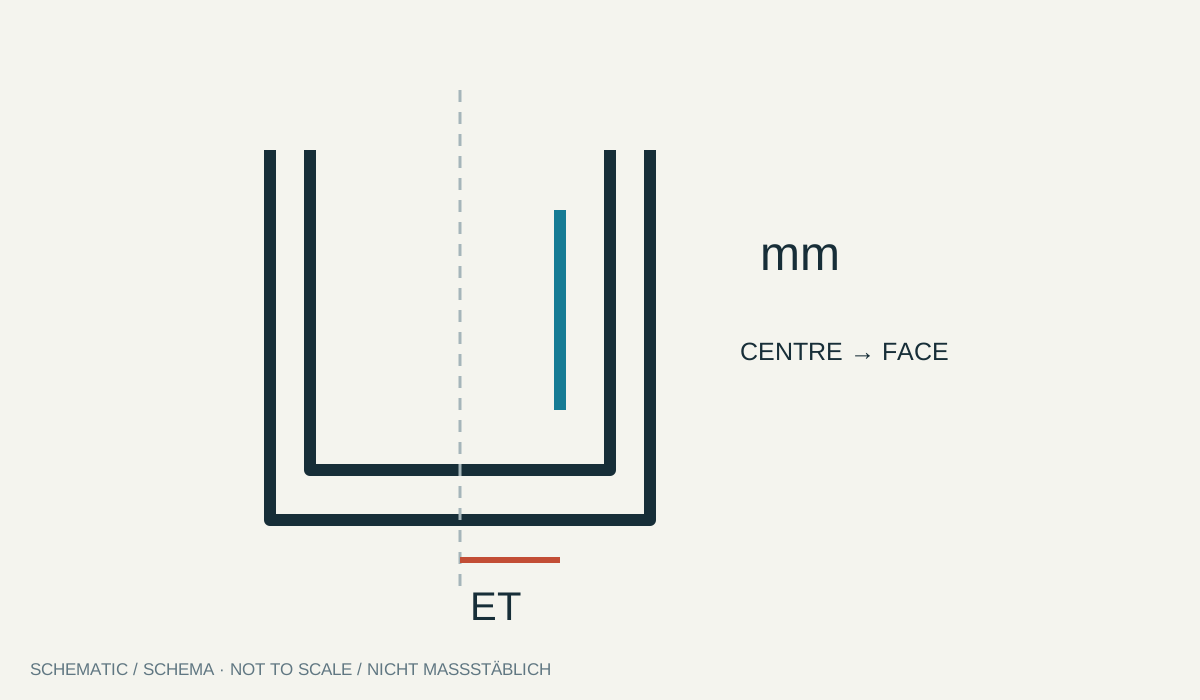
Offset describes the mounting face relative to the wheel centreline. A different number can move the wheel without changing its width.
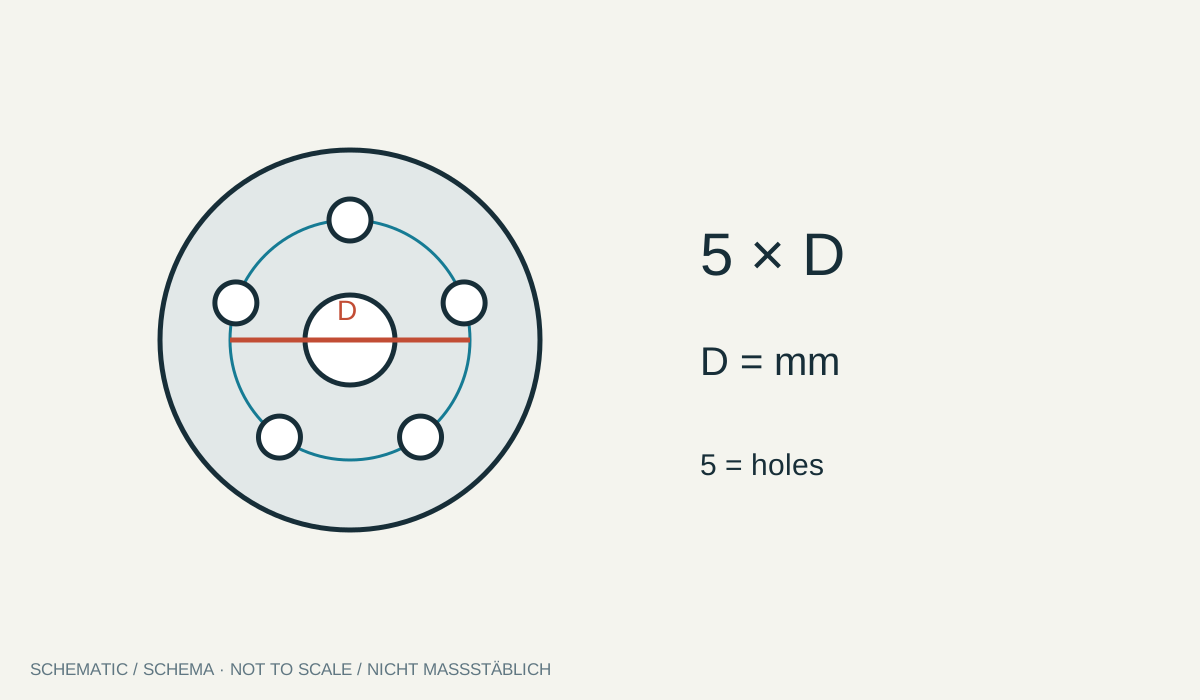
Five fixing holes do not make two wheels interchangeable. The diameter of their bolt circle is part of the specification.
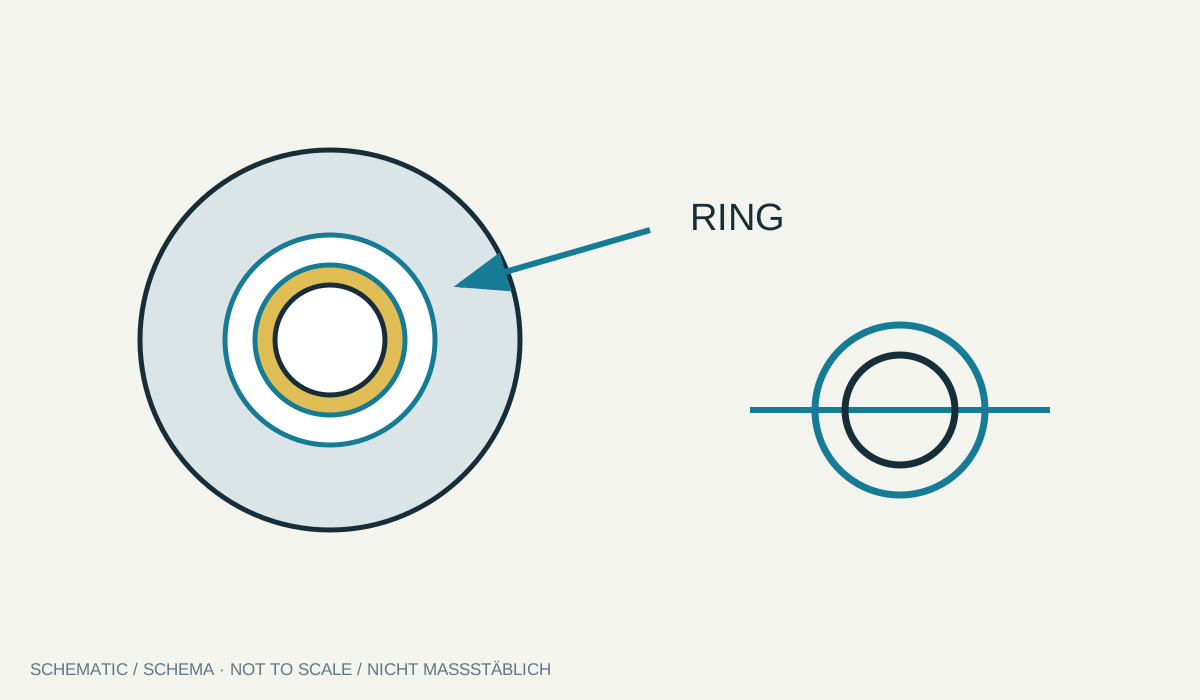
A centring ring is a specified component, not a universal remedy for an unsuitable wheel.
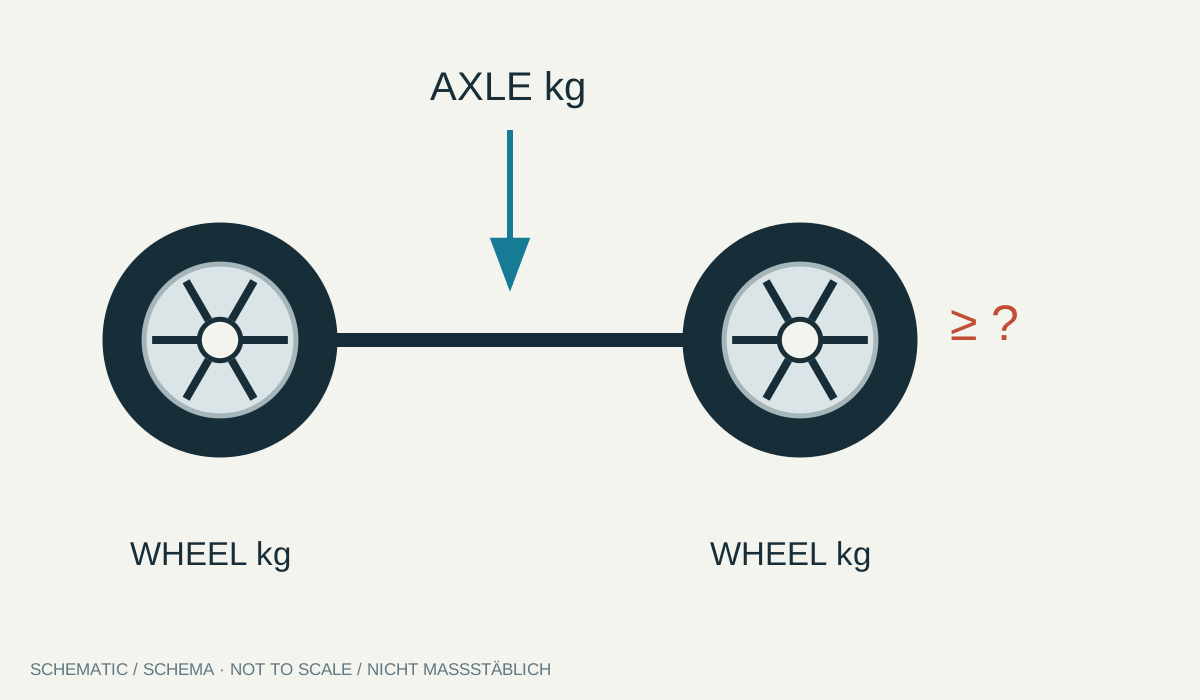
Wheel load capacity applies to the wheel; load index applies to the tyre. A suitable combination must satisfy both.
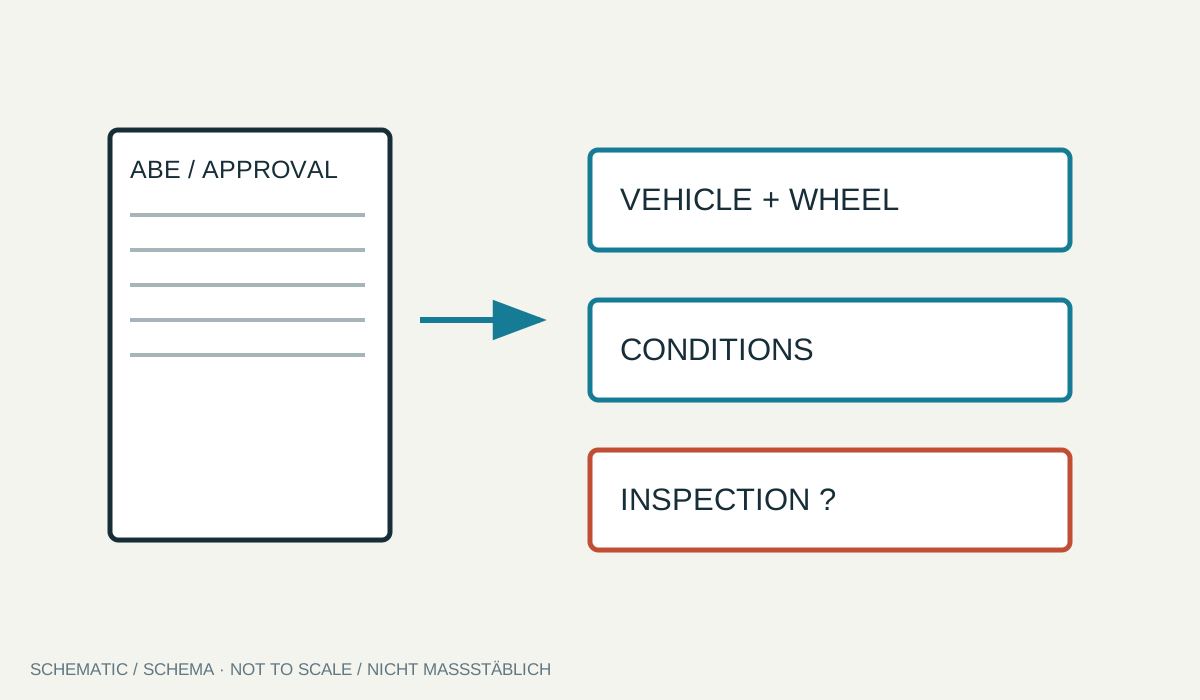
Finding the model name is only the beginning. Wheel version, tyre combination and conditions determine what the document means for your car.
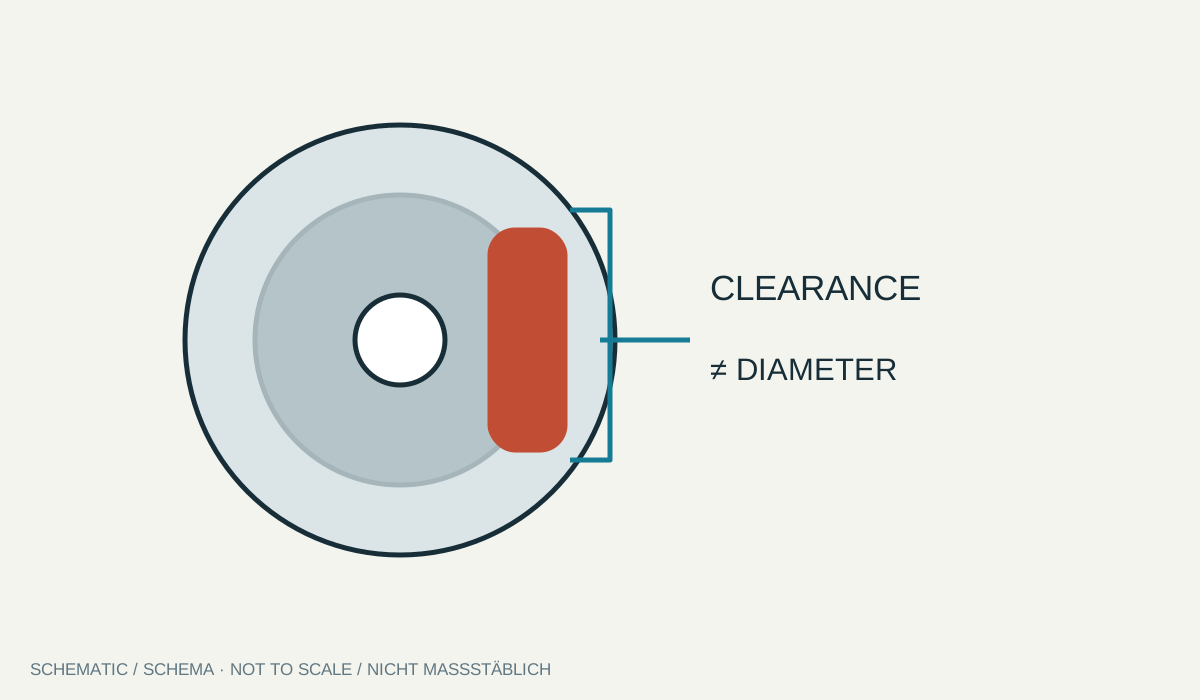
A matching nominal diameter does not guarantee caliper clearance. Check the exact wheel shape against the actual brake package.
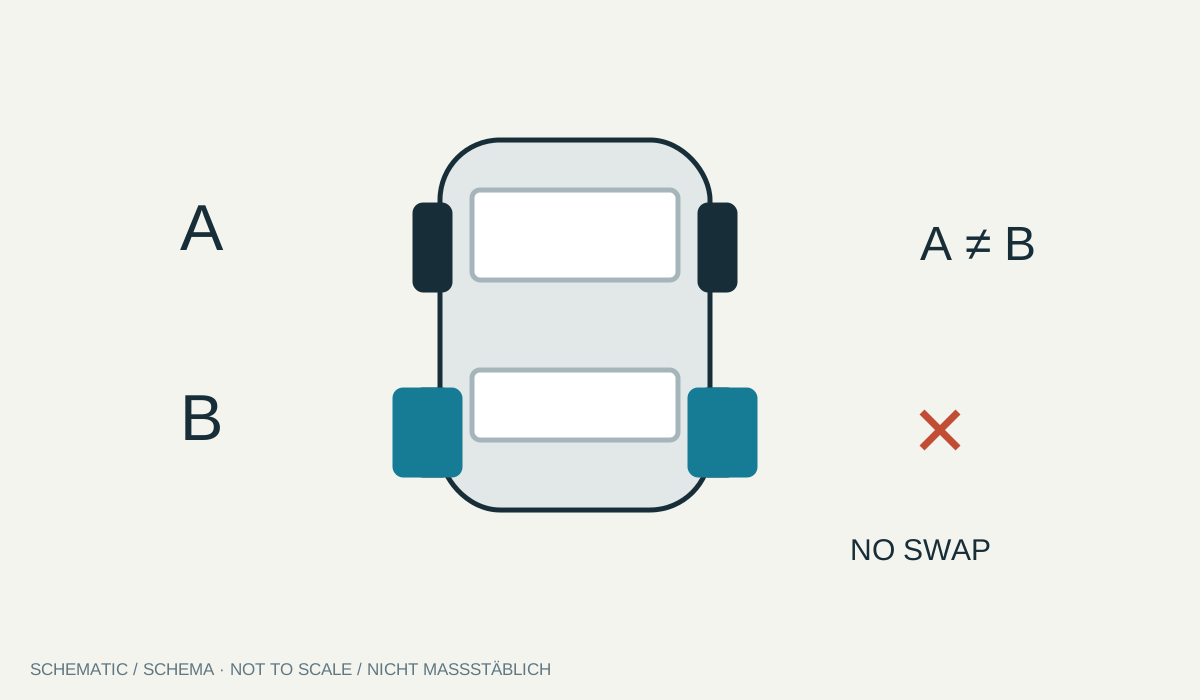
With staggered fitment, front and rear are selected as one matched combination rather than independently.
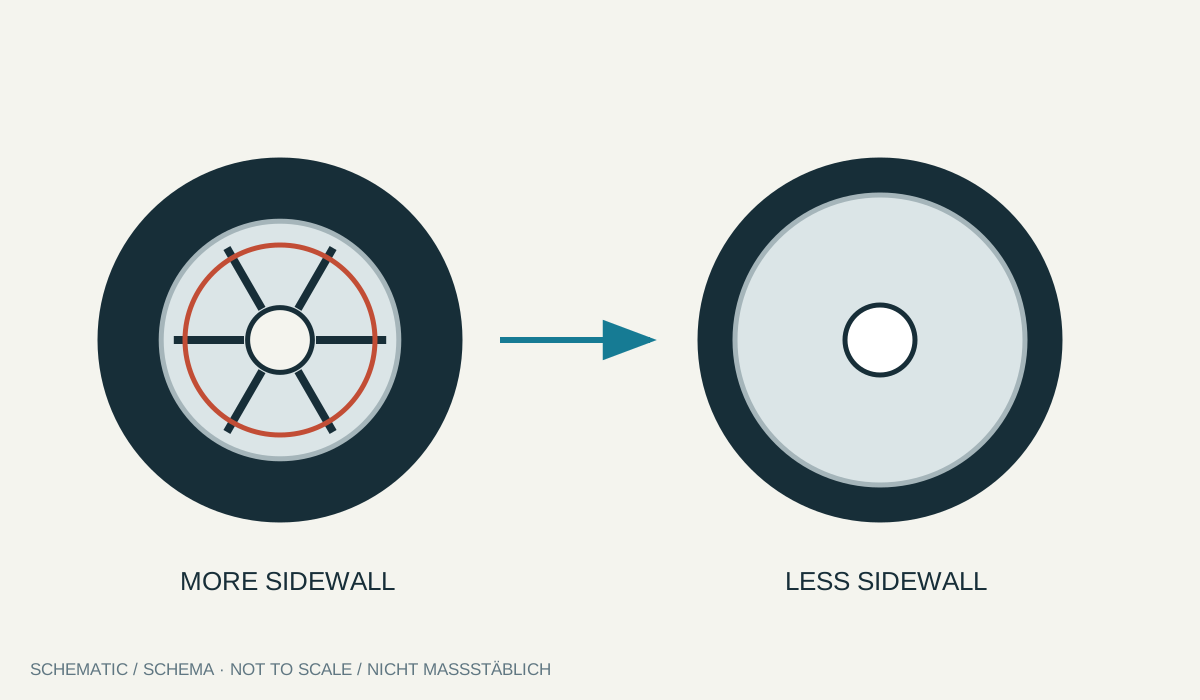
A larger wheel changes more than appearance. Assess and approve the complete wheel-and-tyre combination.
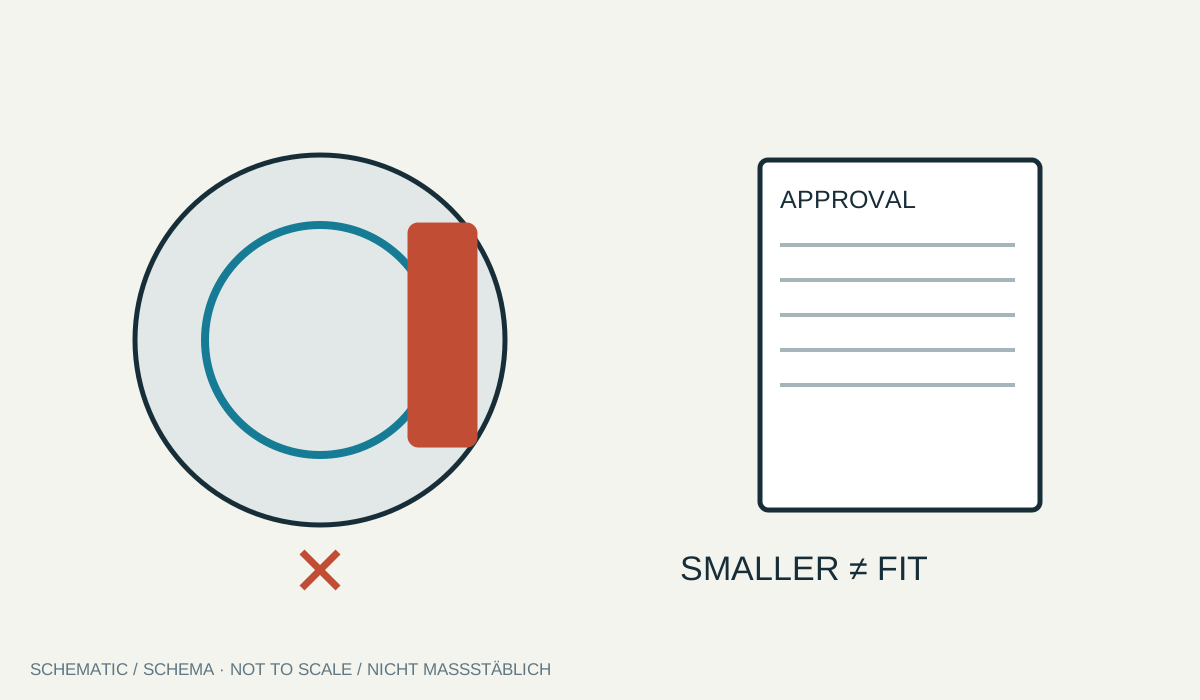
A smaller winter wheel set may be an approved option. Brake equipment and application conditions determine whether it suits the car.
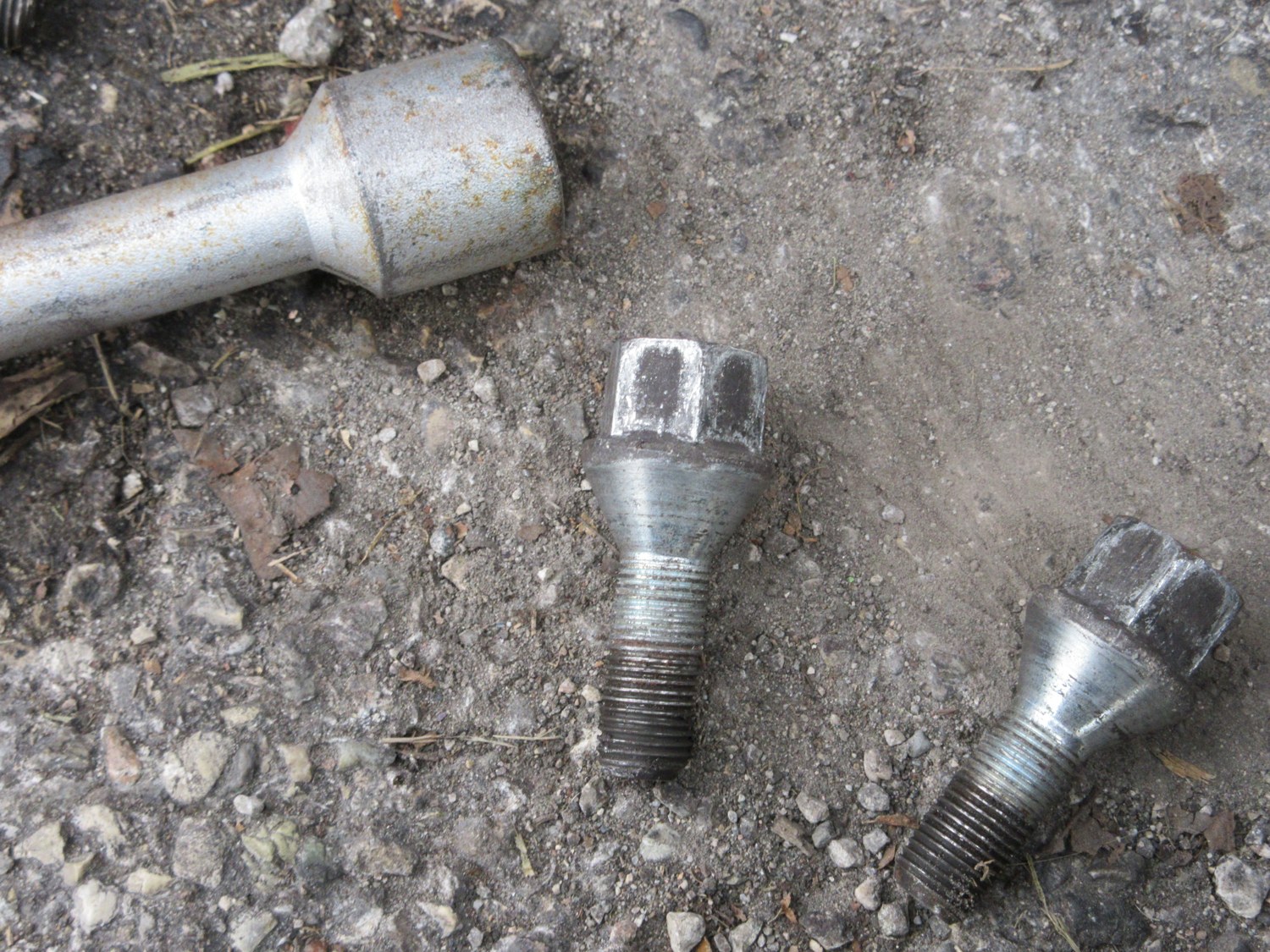
Thread, seat and length form one specification. A bolt head that accepts the socket is not enough.
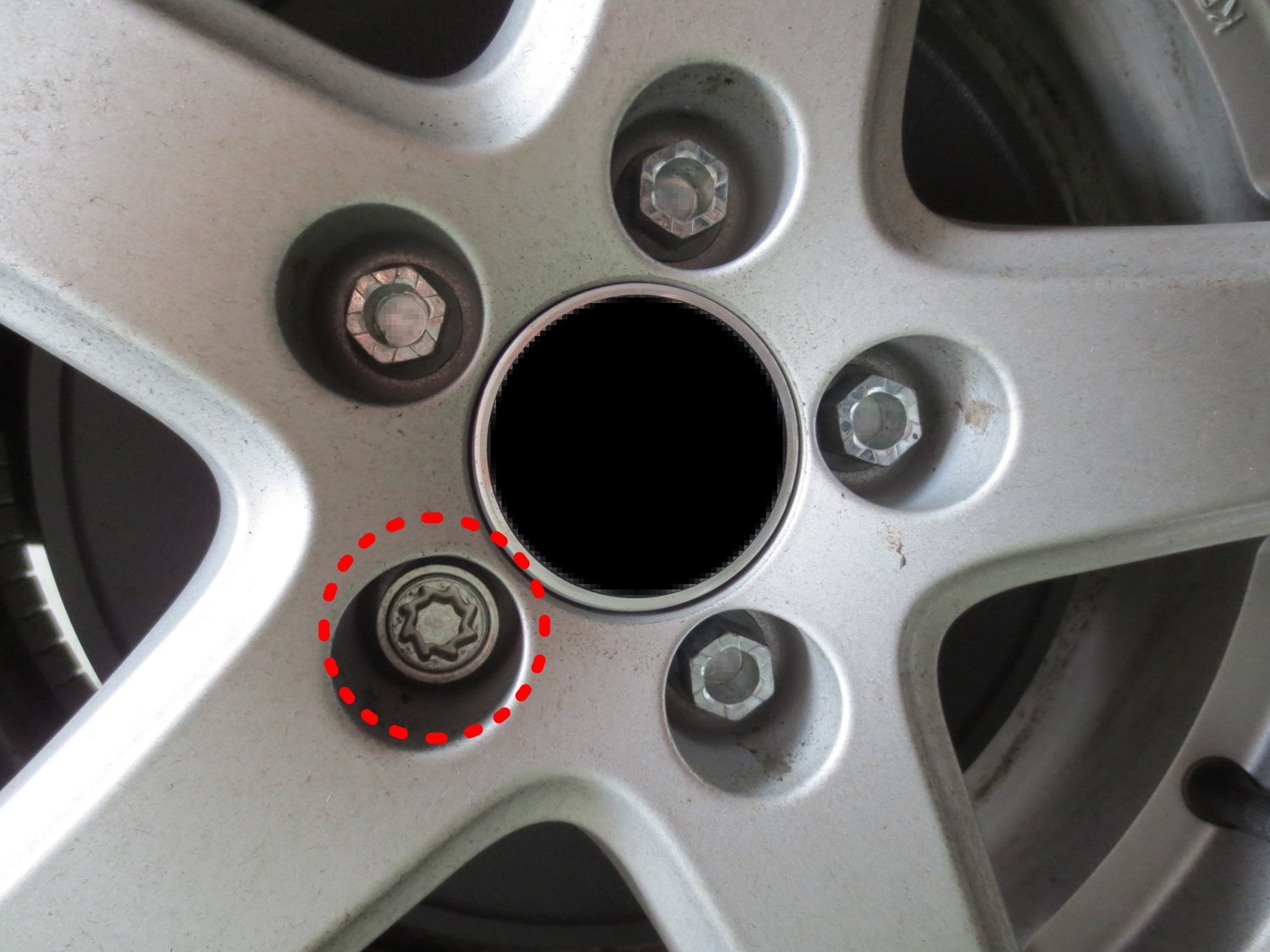
The matching adapter needs to be available when required. Its reference and allocation help if it is lost or damaged.
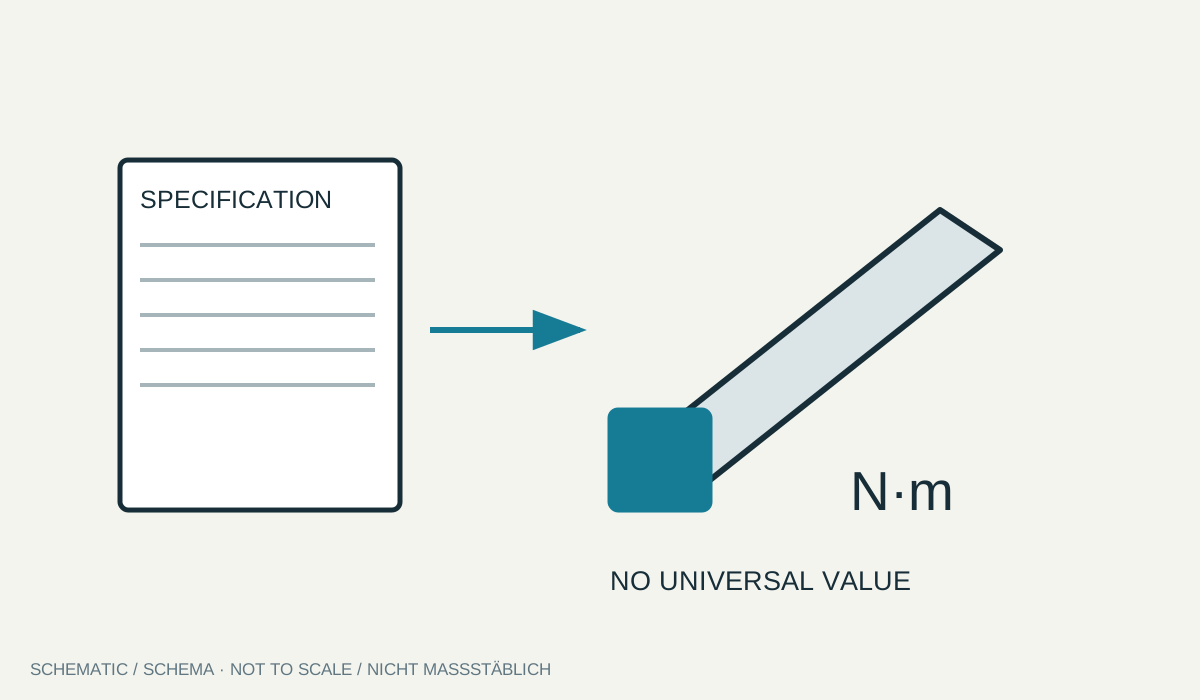
The correct torque belongs to a particular connection and its fitting conditions. A commonly quoted internet value is not universal.
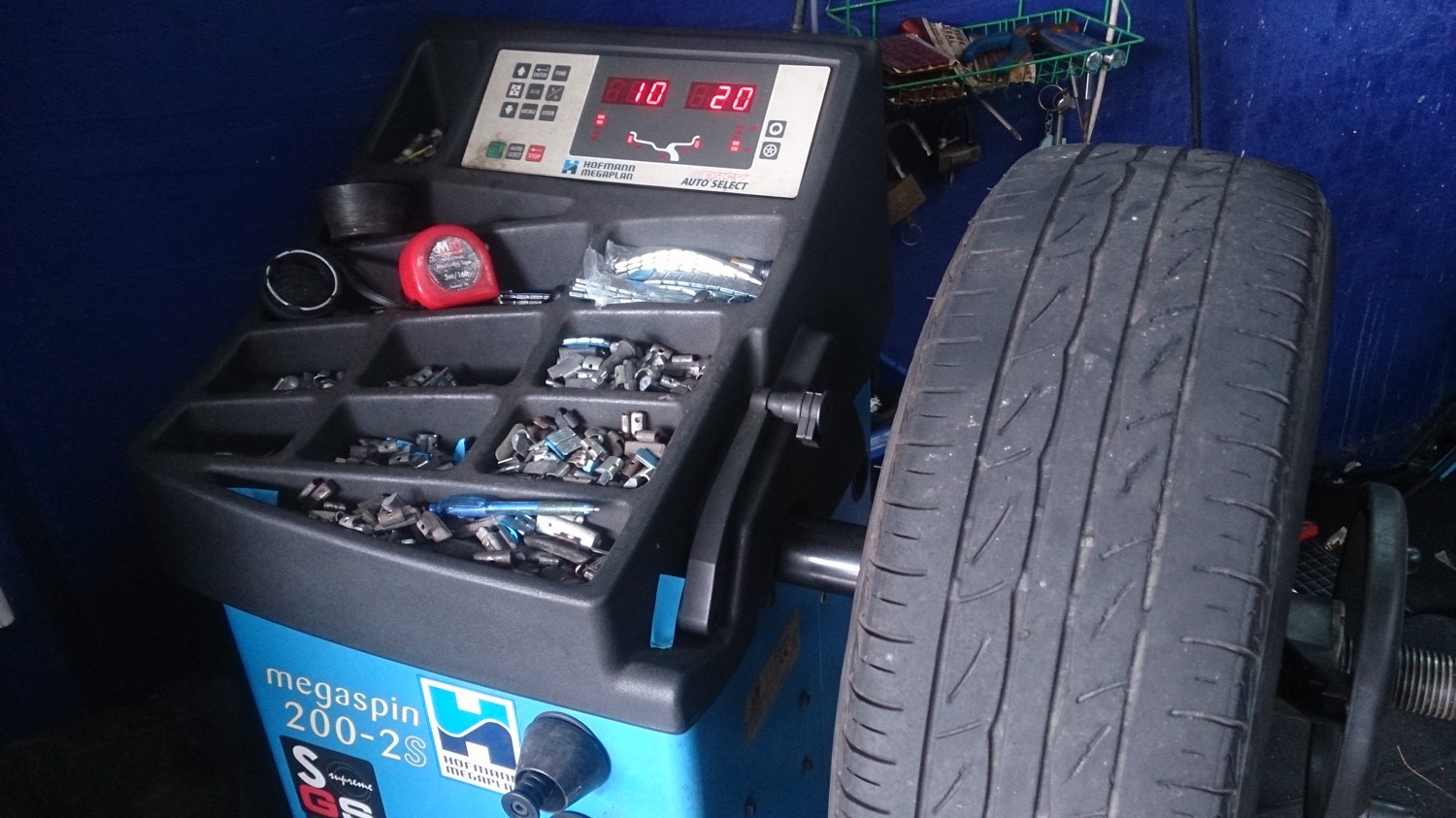
Balancing corrects mass distribution around a wheel. It does not replace damage inspection or wheel alignment.
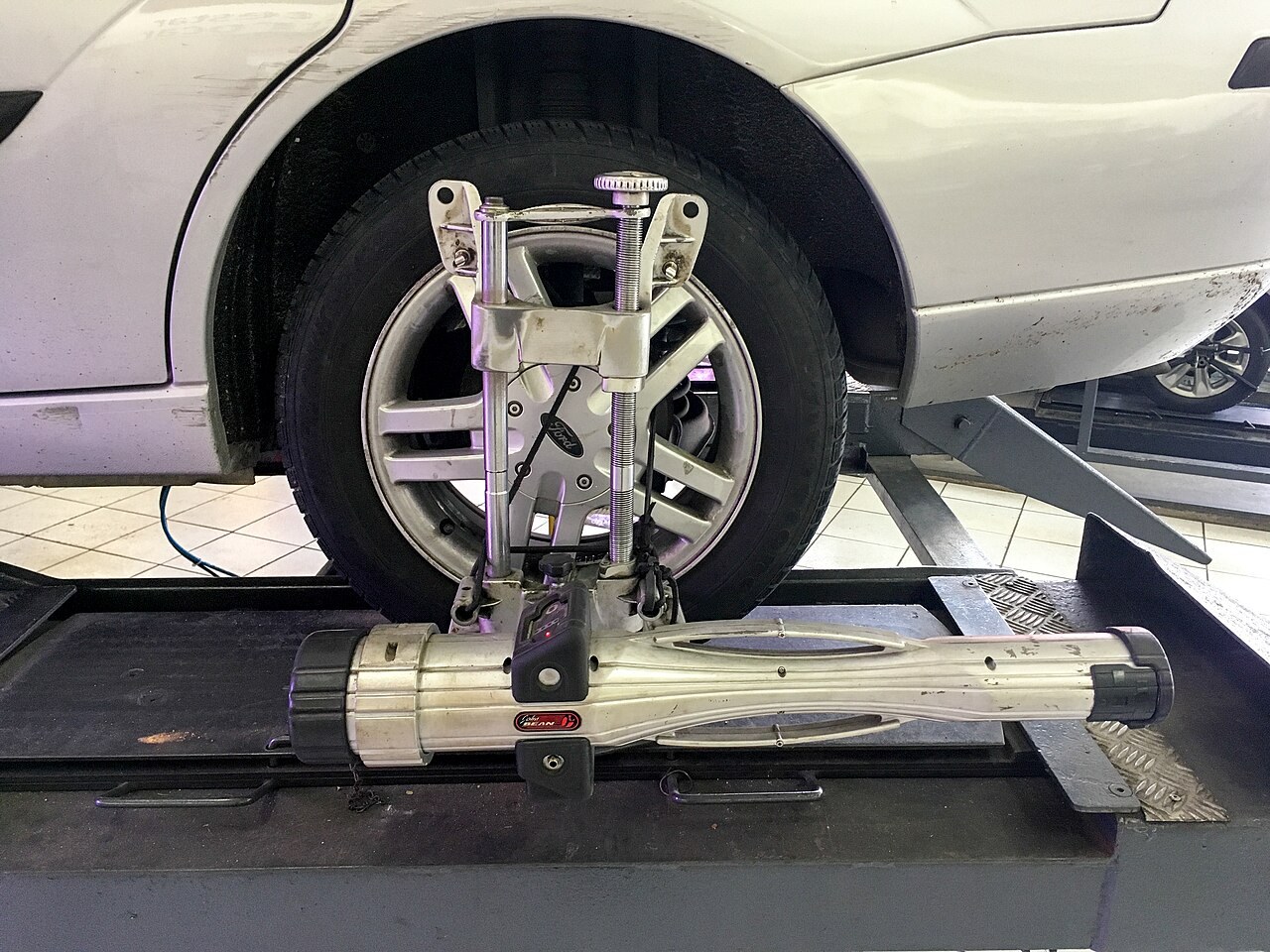
An uneven wear pattern deserves investigation. Alignment provides measurements, but it does not automatically explain every symptom.
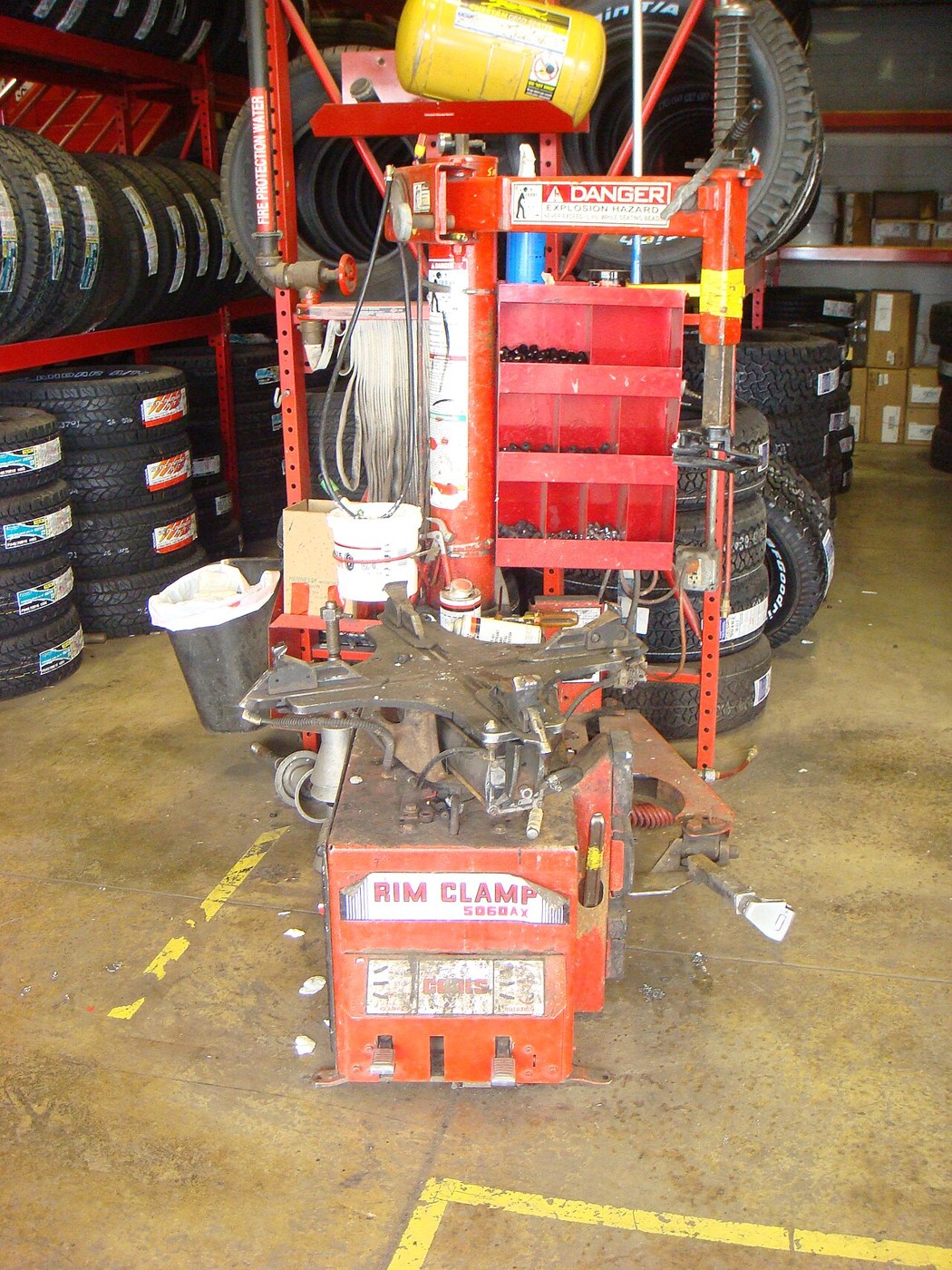
Changing a complete set of wheels differs from fitting tyres onto existing rims. The distinction determines what you need to book.
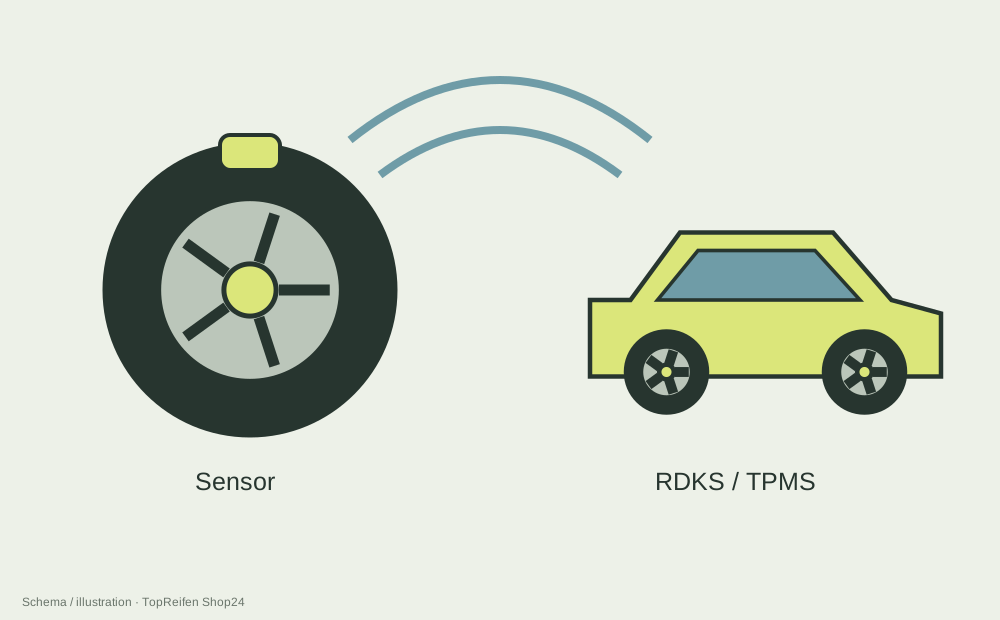
An additional wheel set must work with the car's tyre-pressure monitoring system. Establishing that before ordering avoids an incomplete purchase.
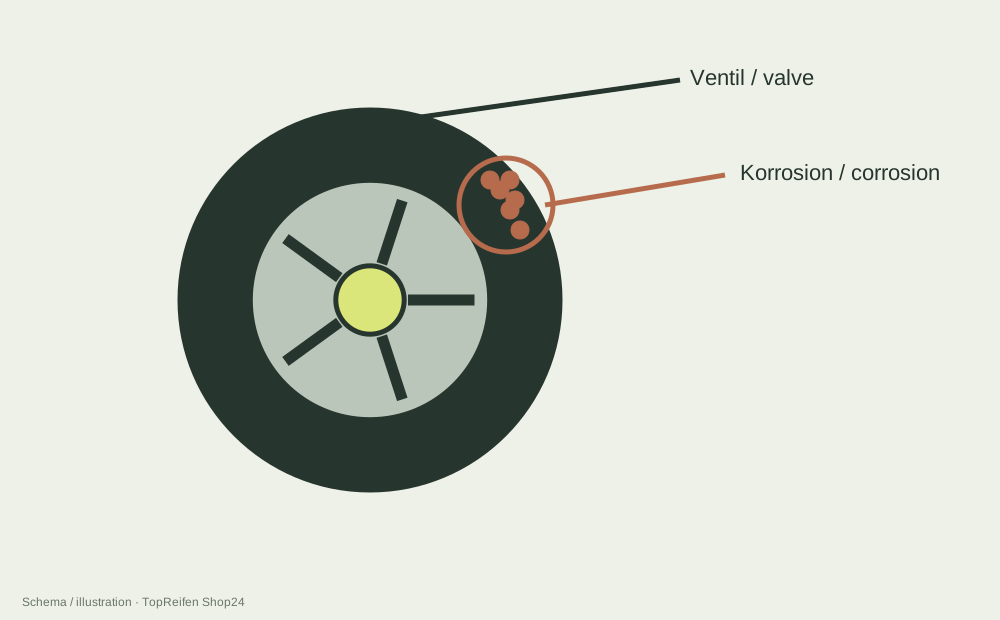
Brown marks, flaking paint and pressure loss are different observations. Establish whether the issue affects appearance alone or an important wheel function.
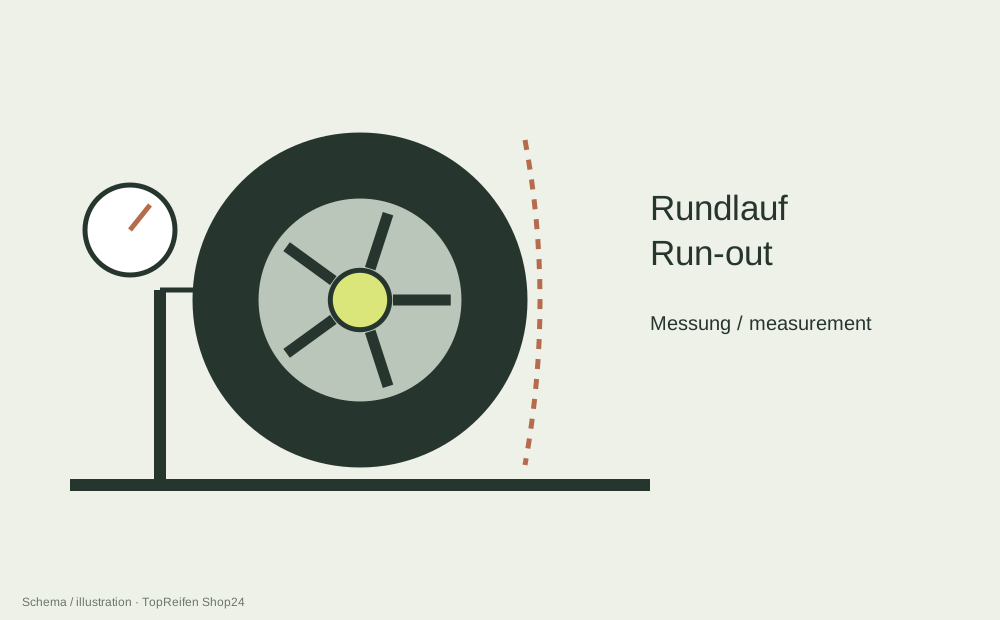
A pothole impact can damage a wheel without leaving an obvious large crack. Changed behaviour afterwards deserves investigation.

Wheel cleaning should remove dirt without unnecessarily stressing the finish or neighbouring components. Start by identifying the wheel surface.
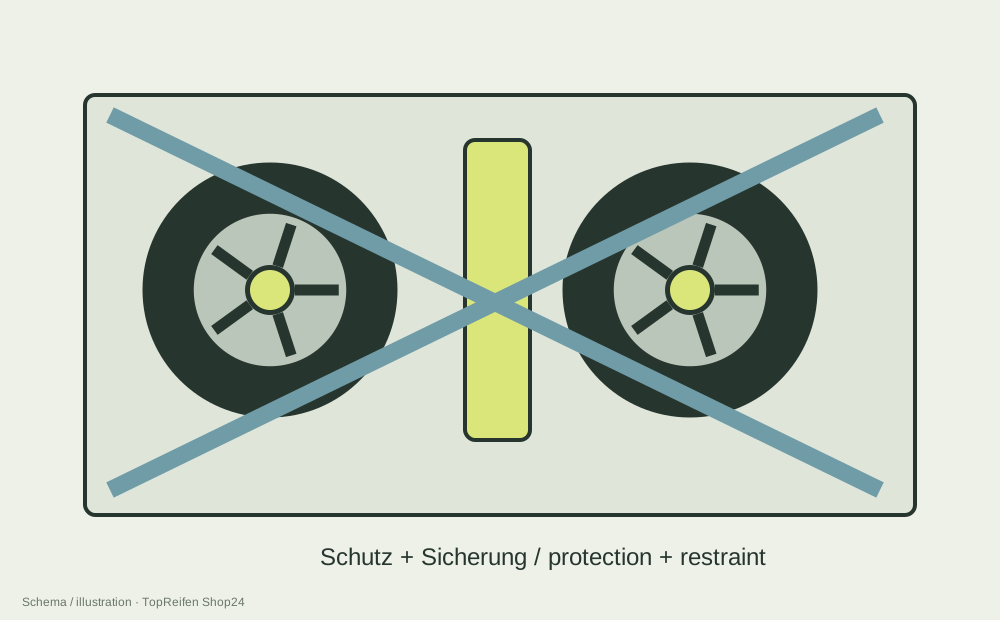
A wheel set should survive its time off the car without acquiring fresh damage. Transport, condition and storage arrangements all play a part.
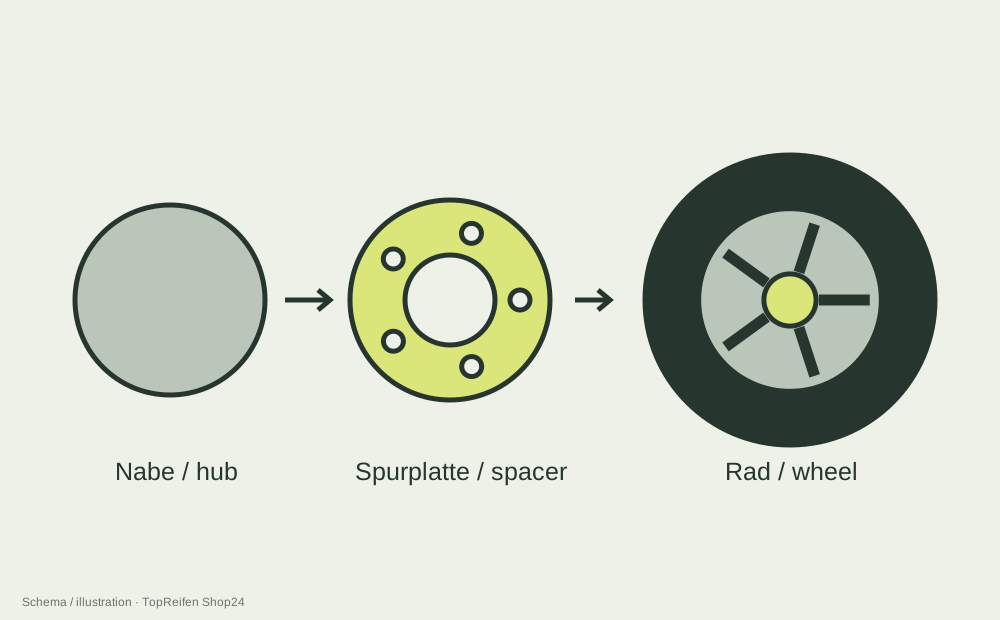
Wheel spacers change where a wheel sits on the vehicle. Matching the number of bolt holes is therefore only a small part of choosing them.
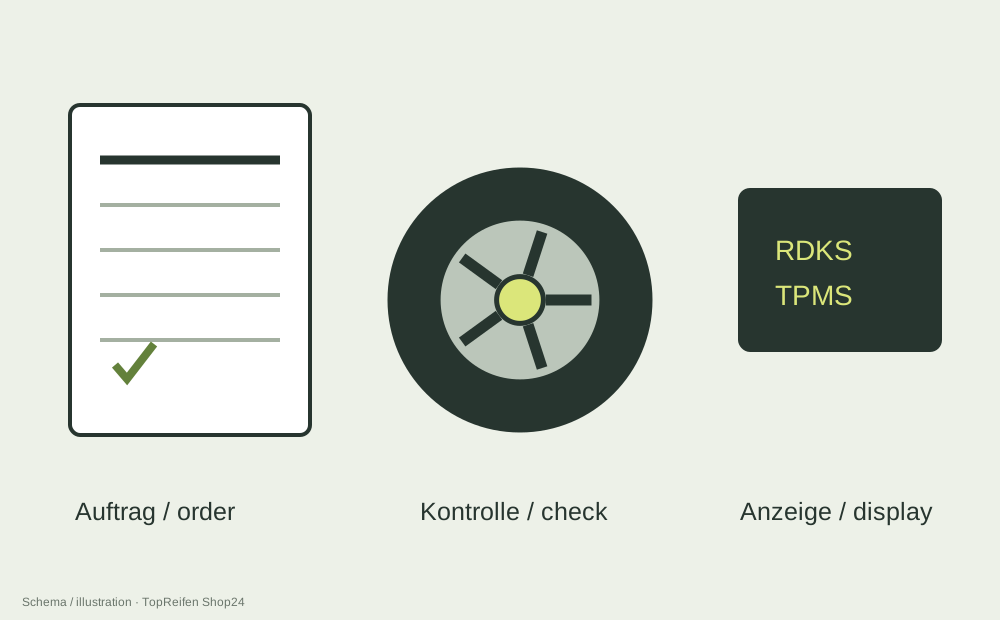
Collection is a good moment to compare the order, the fitted wheels and the invoice. Questions are easiest to resolve while the car is still at the workshop.
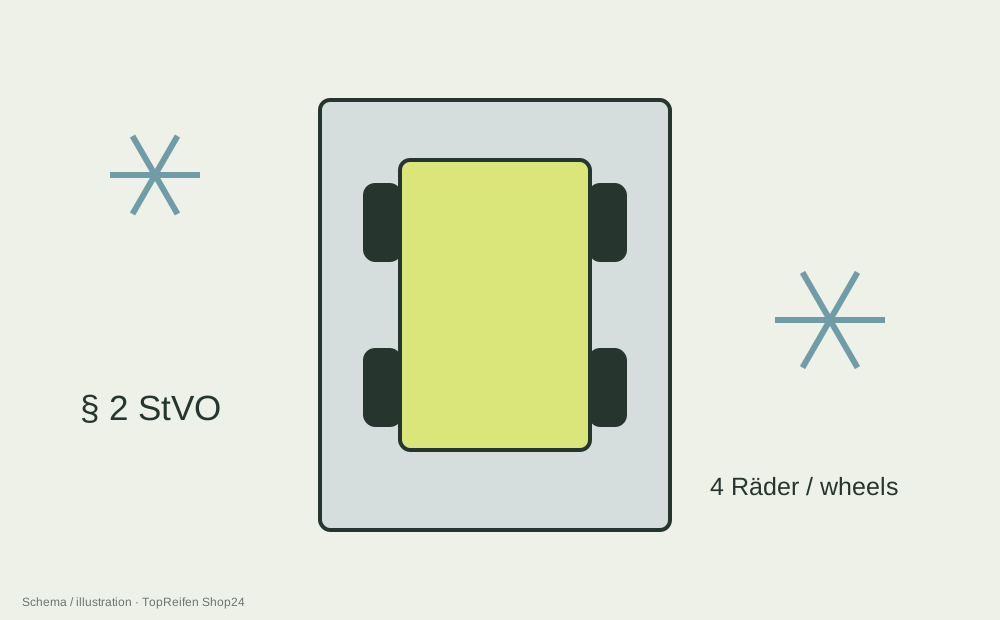
Germany's winter-tyre requirement follows road conditions. A fixed changeover date or an M+S marking alone does not settle the question.

A calendar helps reserve an appointment. Weather, driving patterns and the condition of your tyre sets determine whether the timing suits you.
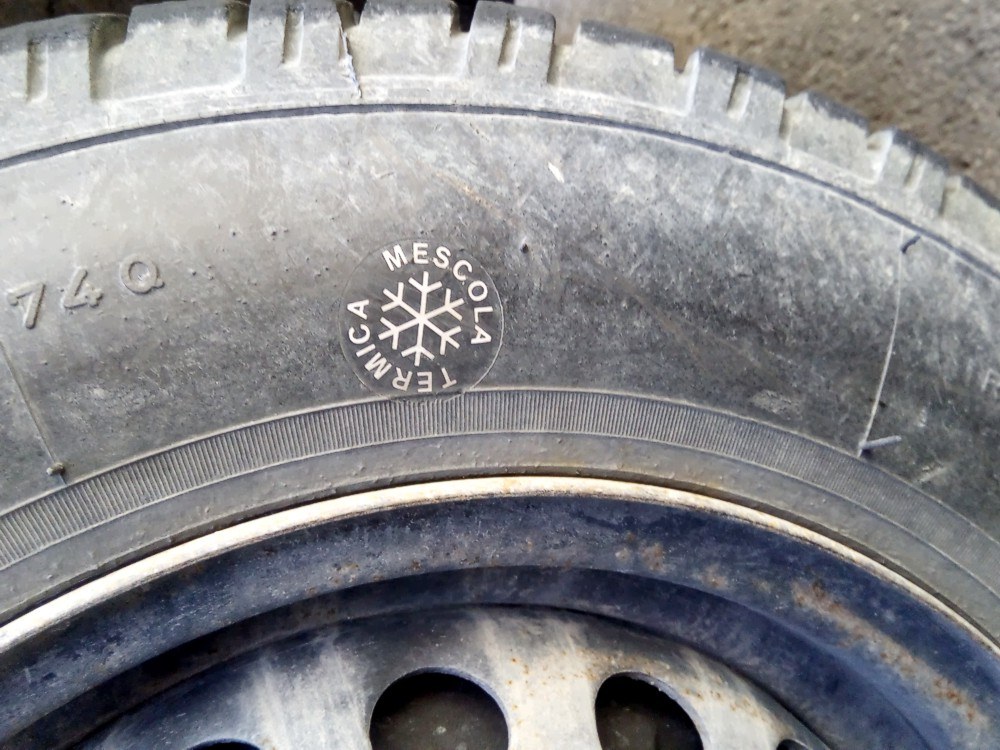
Seven degrees is a familiar reminder for seasonal tyre changes. It is neither a legal trigger nor a universal performance boundary.
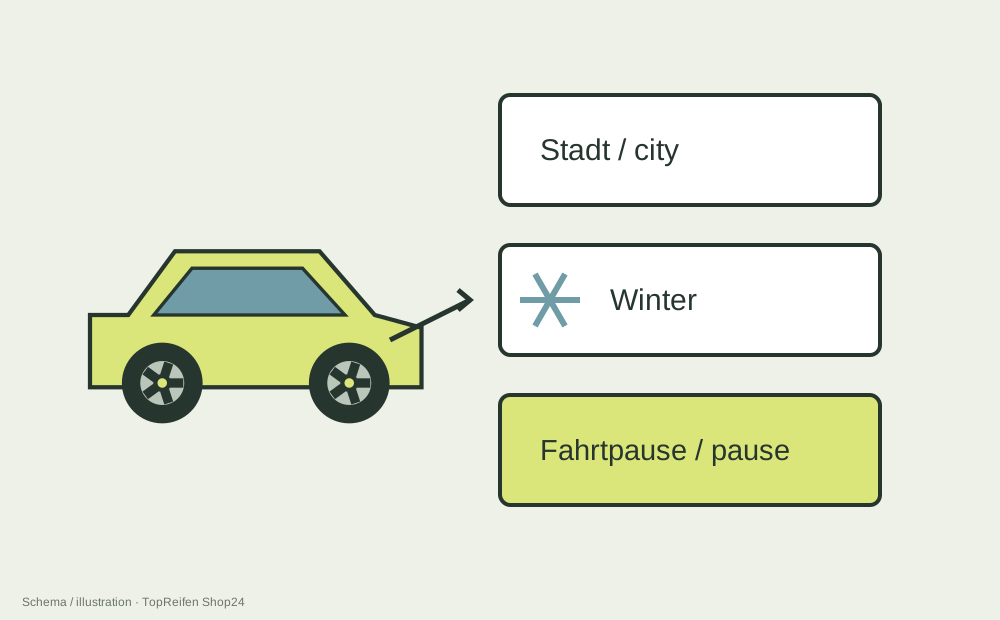
Whether all-season tyres suit your winter depends on more than your home address. Consider the routes you genuinely need to drive.
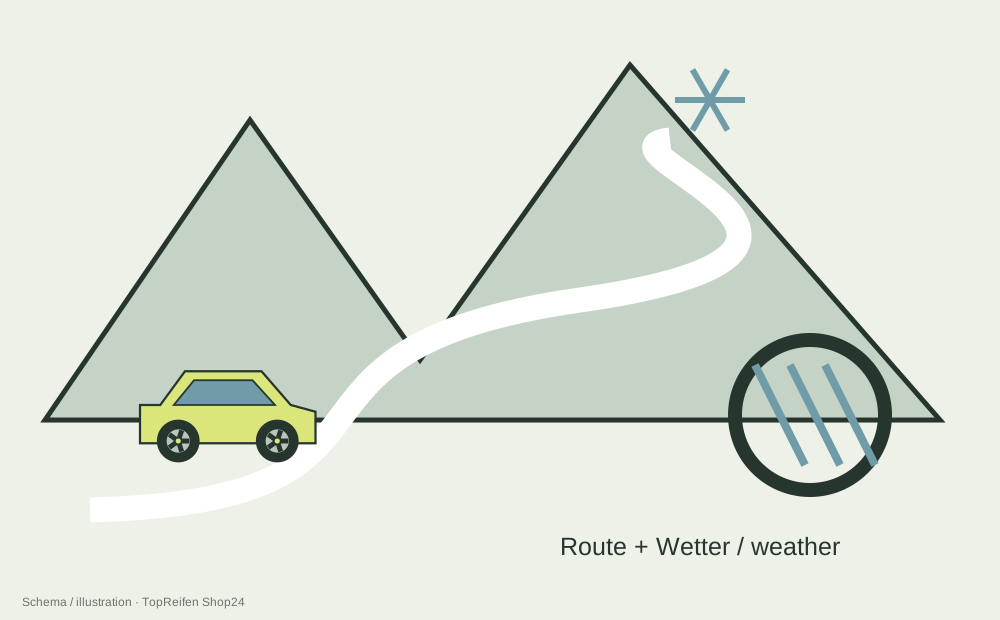
An Alpine journey often crosses countries, altitude bands and changing weather. Check tyres and additional equipment against the whole route.
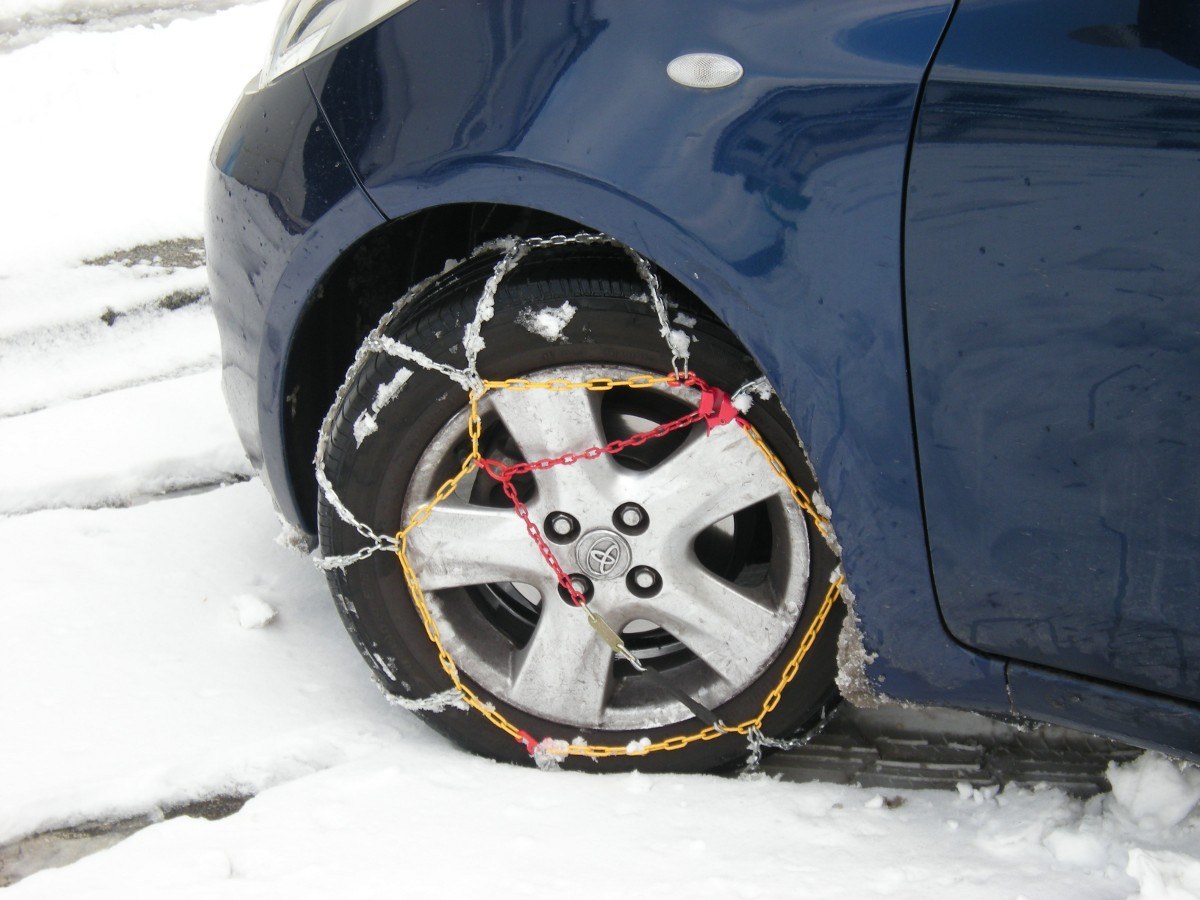
Tyre size is essential when choosing snow chains, but it is not the only information. Vehicle approval, chain design and fitting instructions must agree.
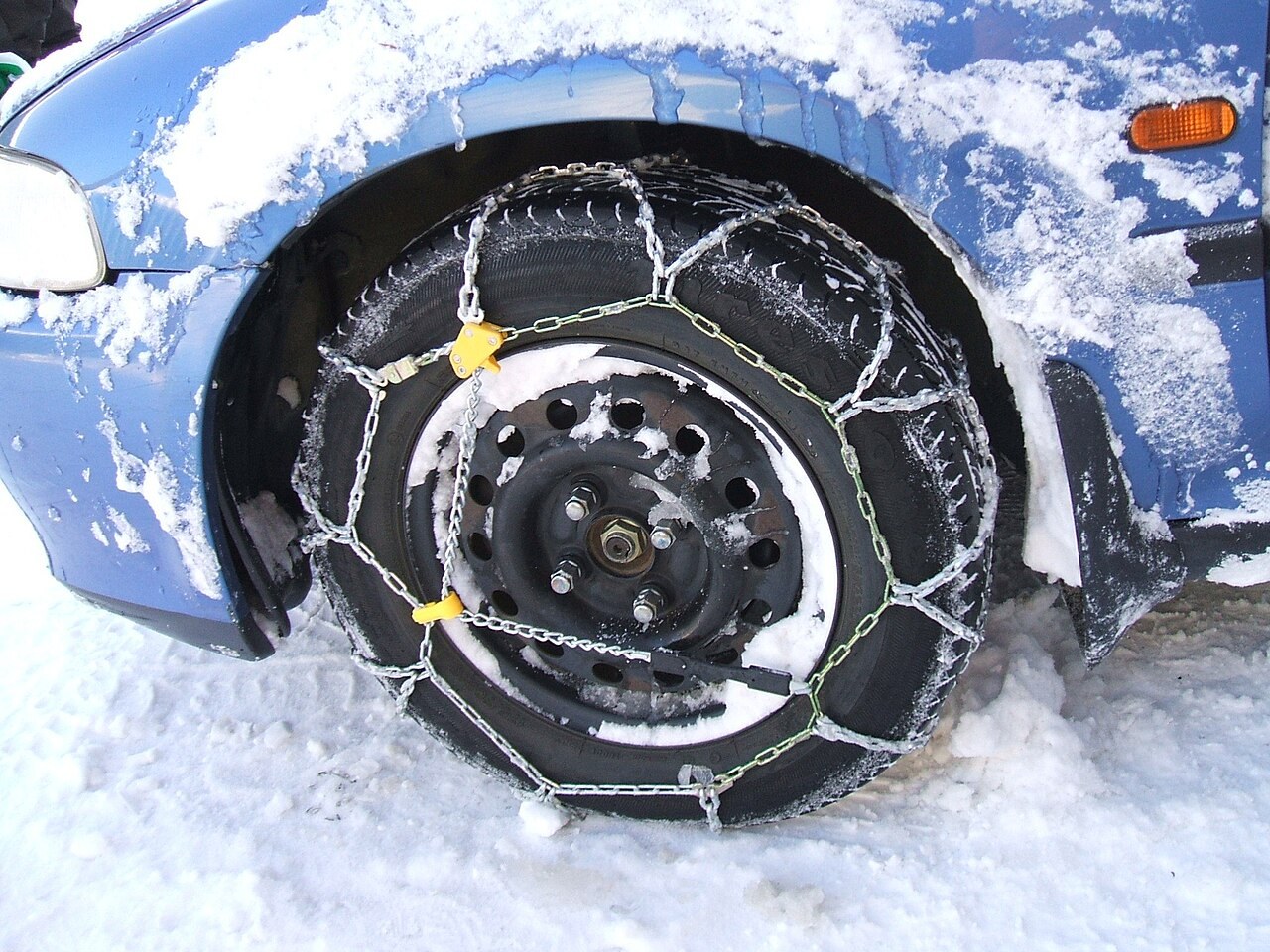
Chains need adequate space between the tyre and surrounding vehicle parts. Looking at a stationary car does not establish that clearance.
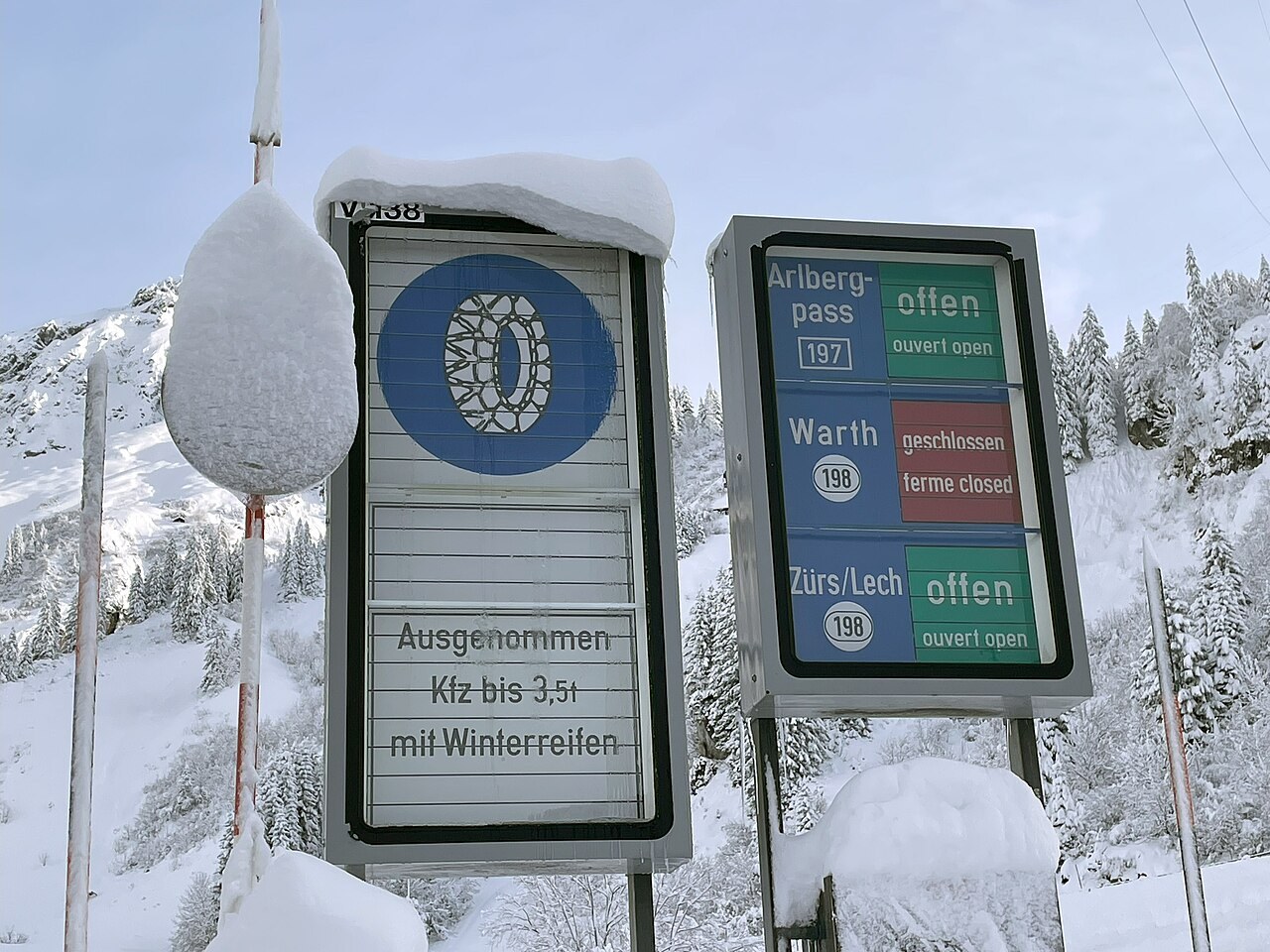
An international trip involves more than the destination. Transit countries and last-minute route changes may bring different winter-equipment requirements.
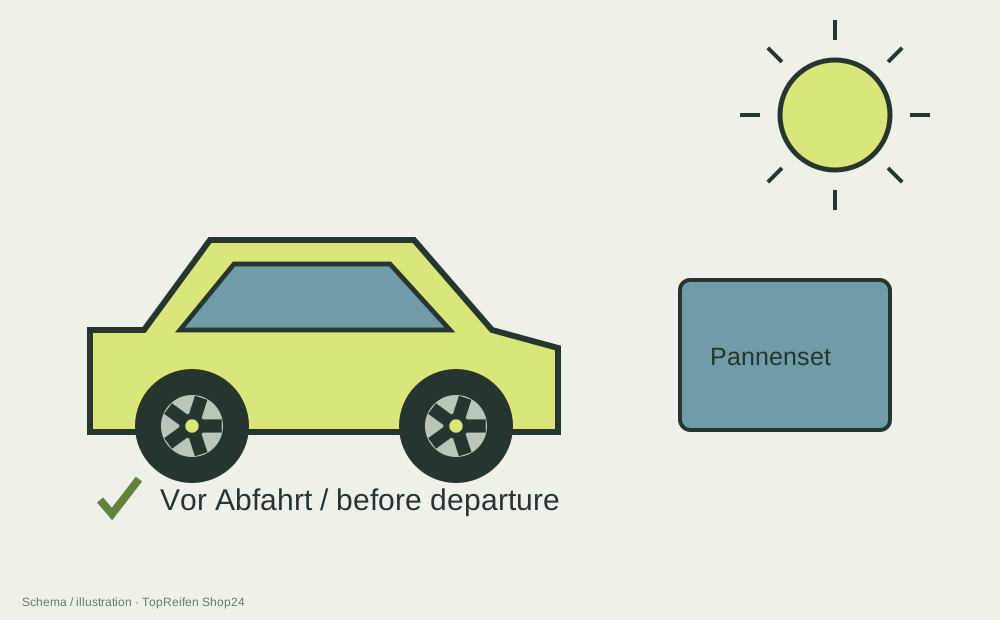
A long summer journey often changes more than the route: the car carries more weight, runs for longer periods and may use unfamiliar roads.
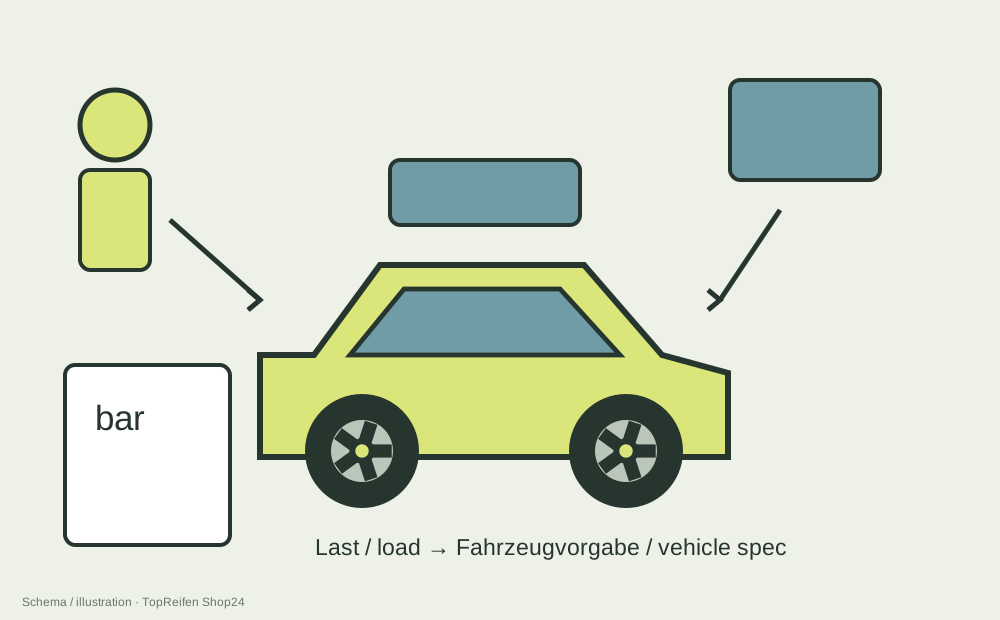
Additional luggage changes vehicle loading. Tyre pressure and load capacity therefore belong in packing plans, not only in the final fuel stop.
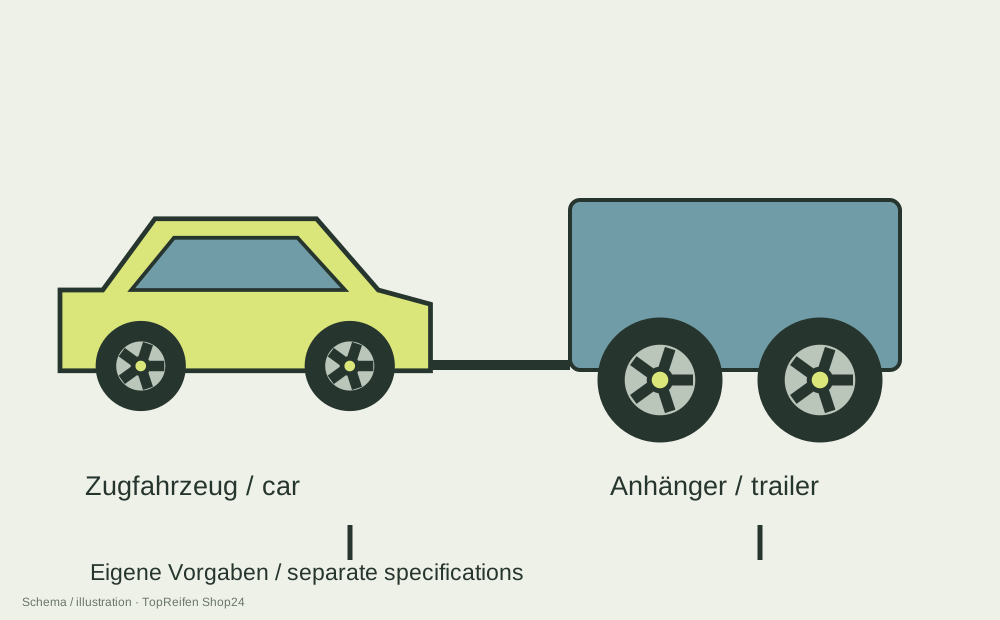
A towing journey needs a tyre check covering both car and trailer. Wheels on a rarely used trailer deserve particular attention.
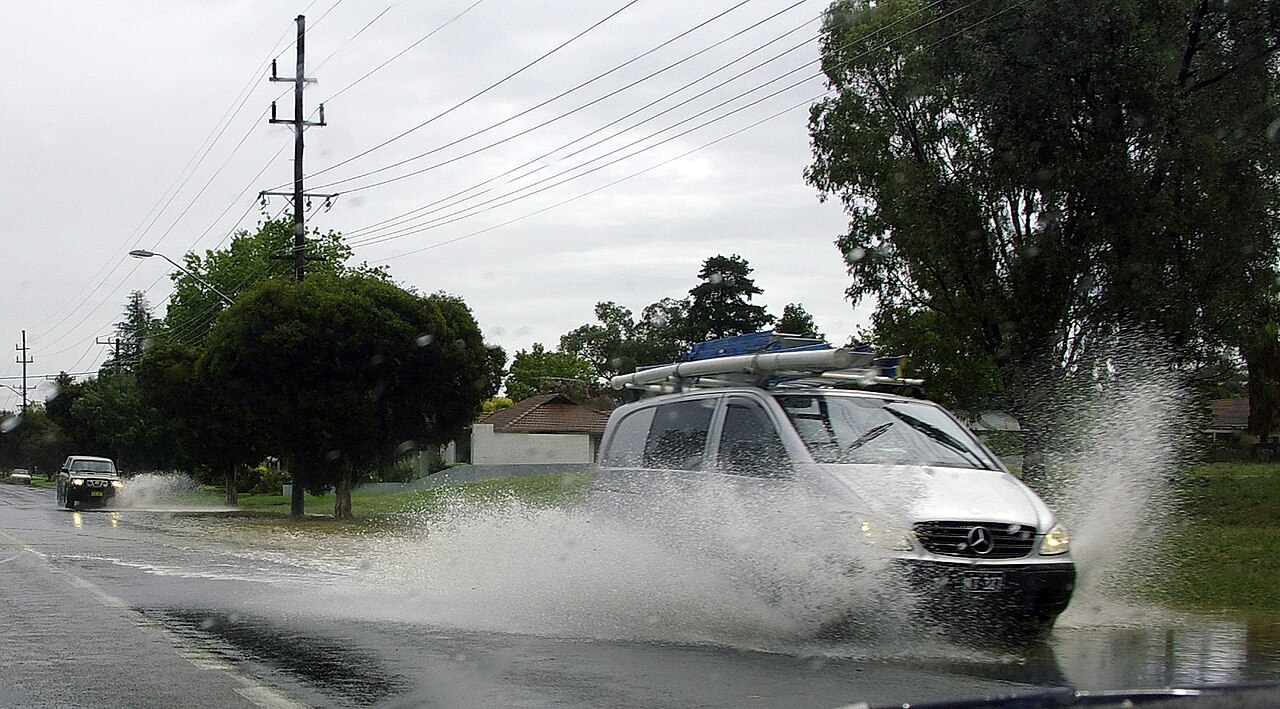
In heavy rain, tyres must displace water while transmitting forces. Their condition matters, but it does not replace adapting the journey to the weather.
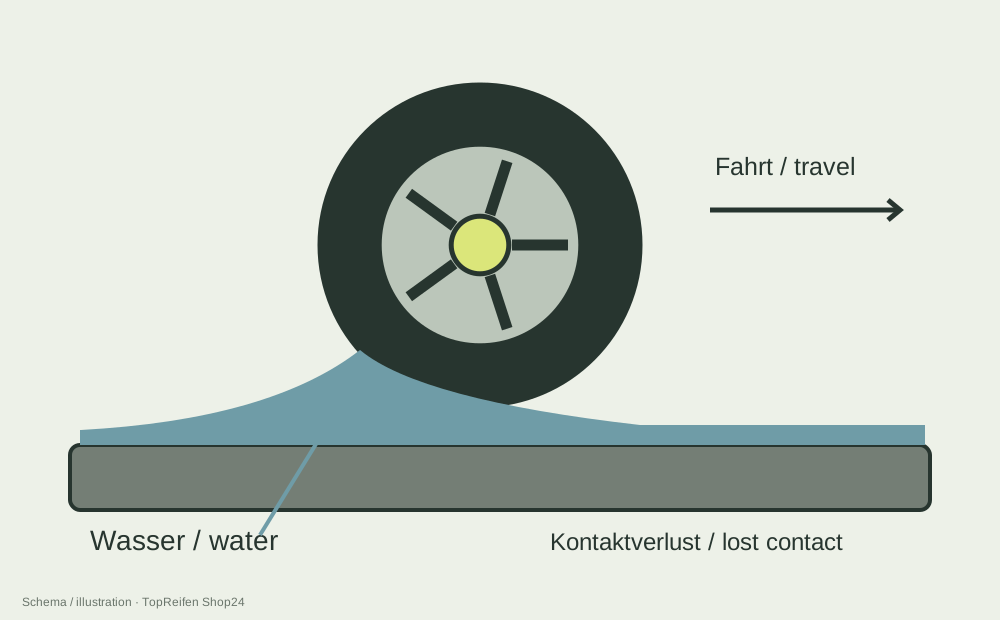
Aquaplaning is more than a slippery surface. Water can reduce contact between tyre and road so substantially that steering and braking forces are no longer transmitted as expected.
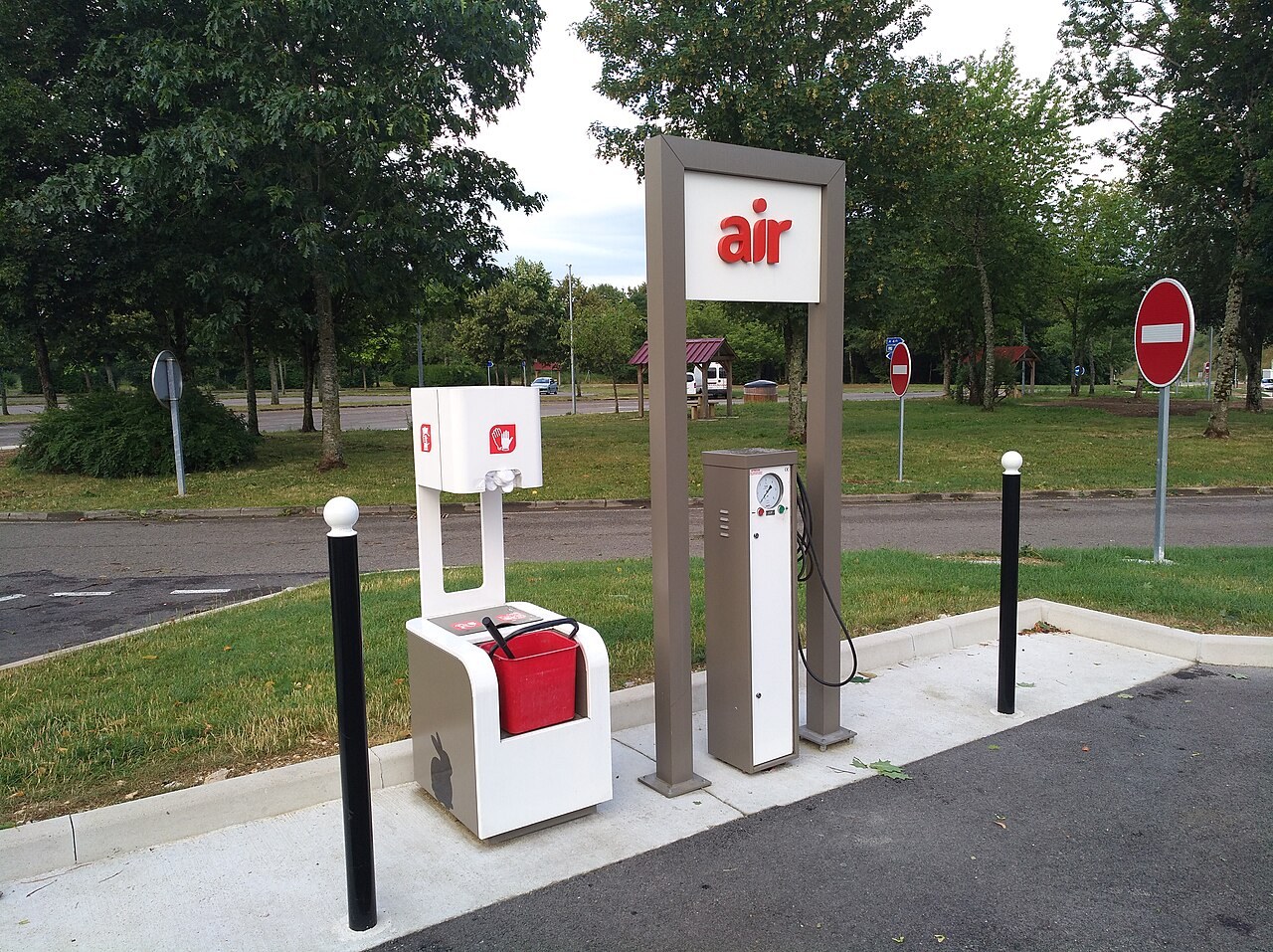
Hot weather changes pressure readings and can add demands to a journey. The correct vehicle specification under appropriate measuring conditions remains the reference.
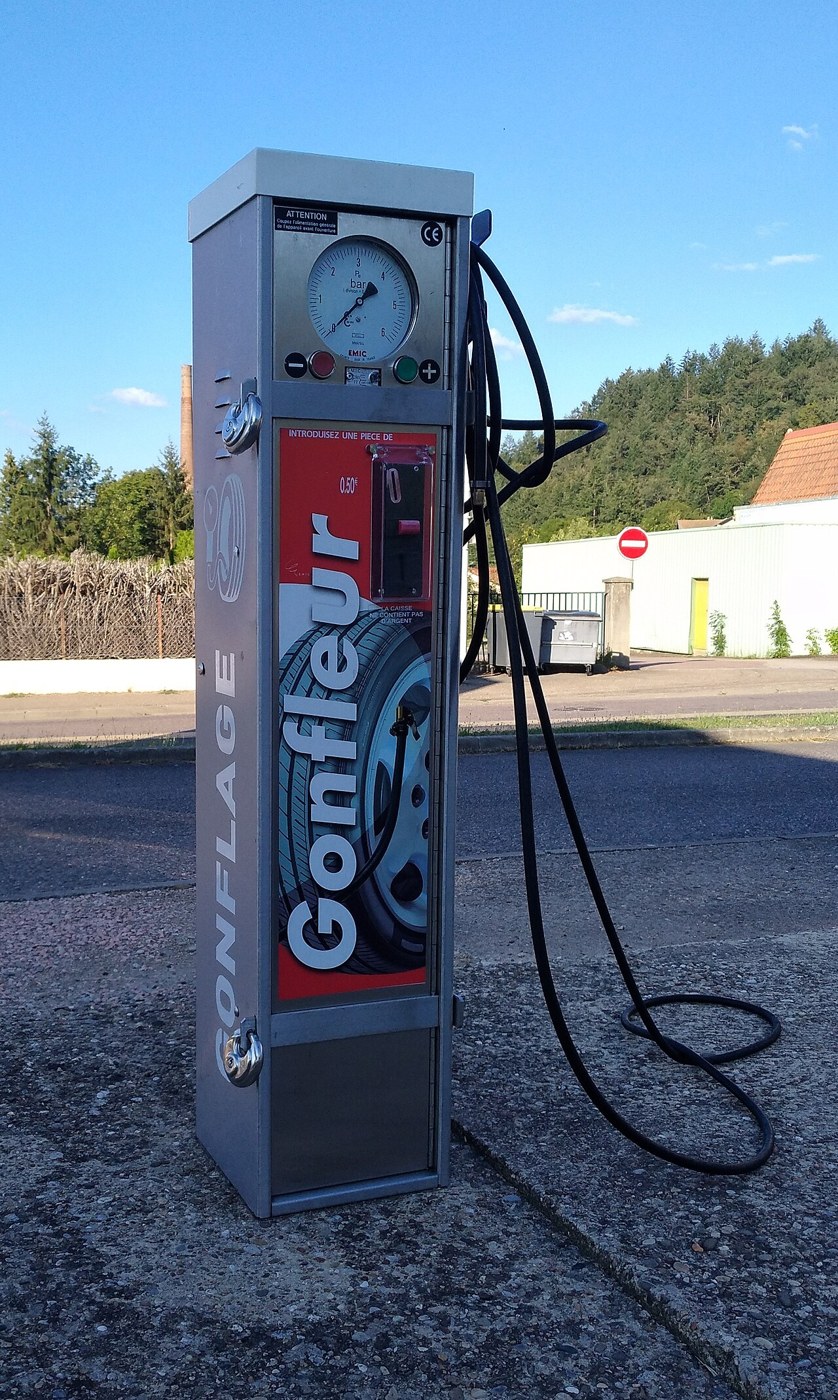
A substantial fall in ambient temperature can lower tyre pressure. That seasonal effect does not automatically explain every loss of air.
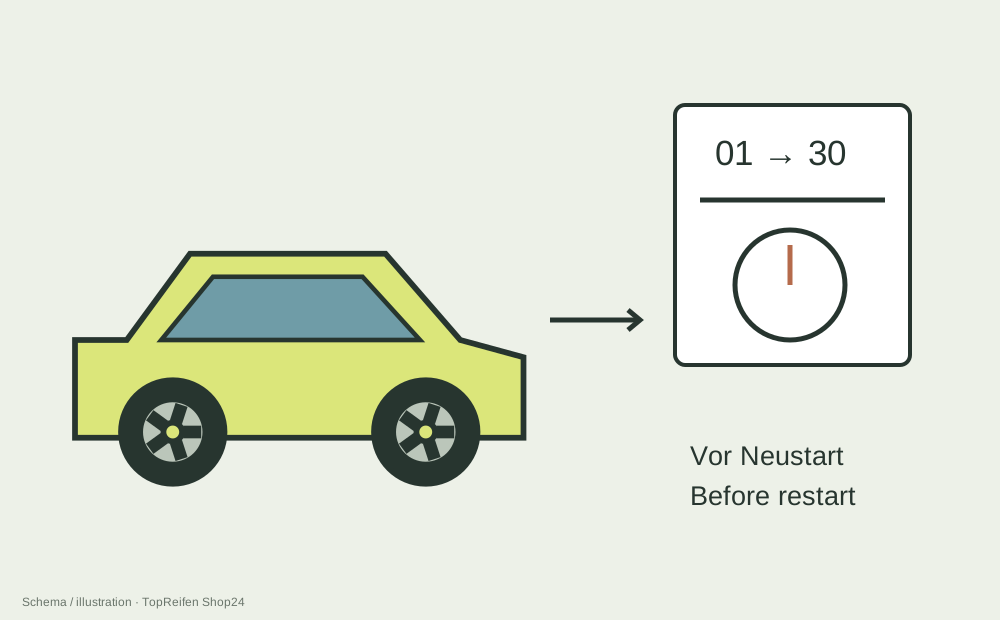
A car returning from a long period off the road needs a fresh condition check. Low mileage does not mean the tyres have remained unchanged.
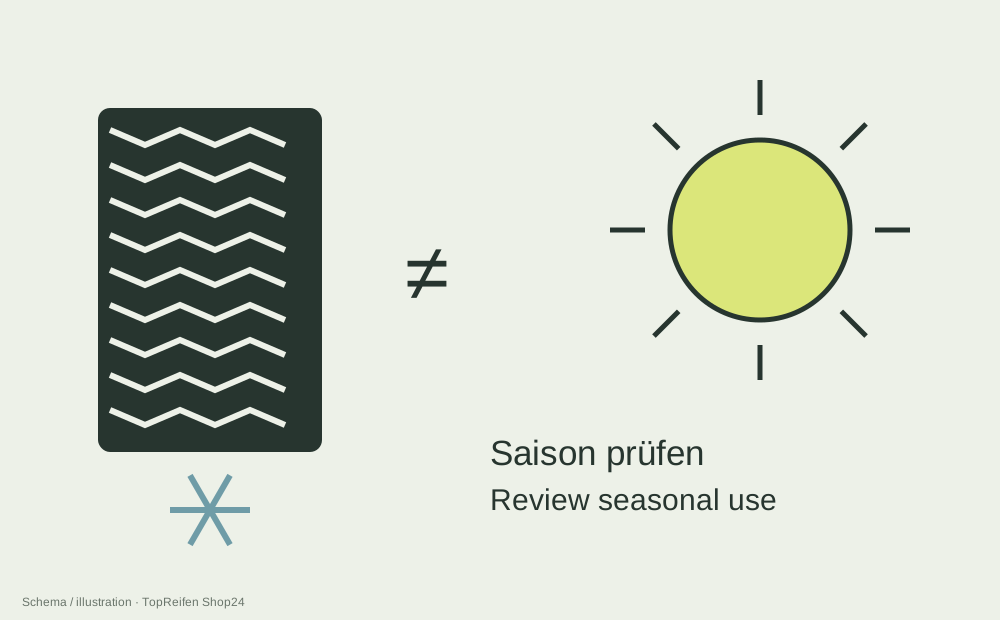
Using up an existing winter set through summer can look tempting. The decision should involve more than the cost of the next changeover appointment.
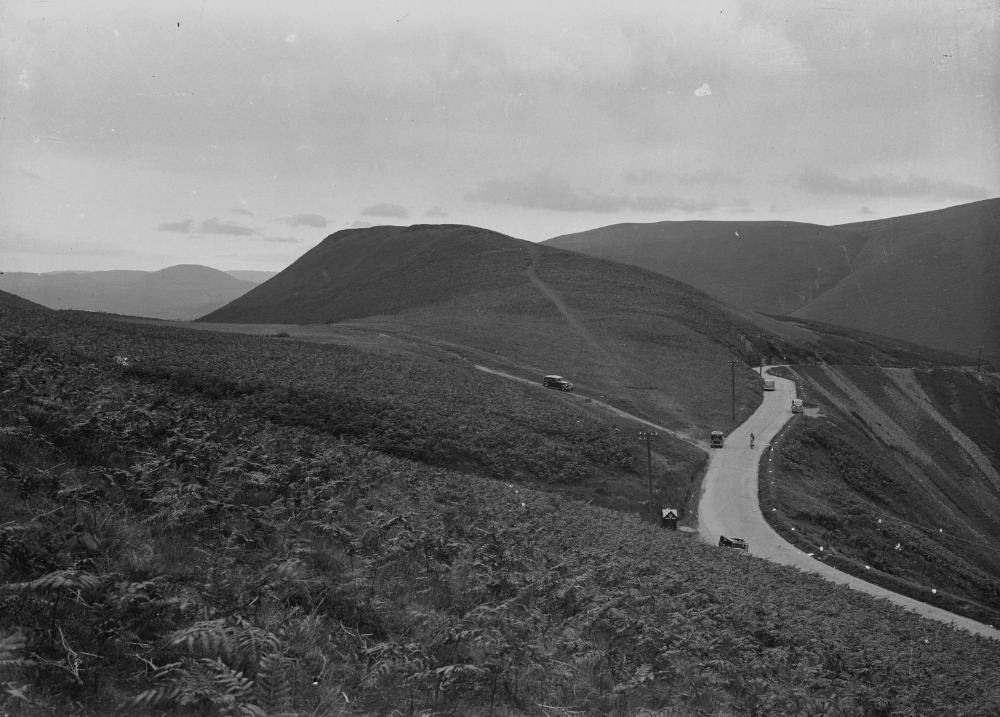
Before mountain roads, consider tyres, vehicle load and the route together. There is no universal mountain-pressure adjustment that replaces those checks.
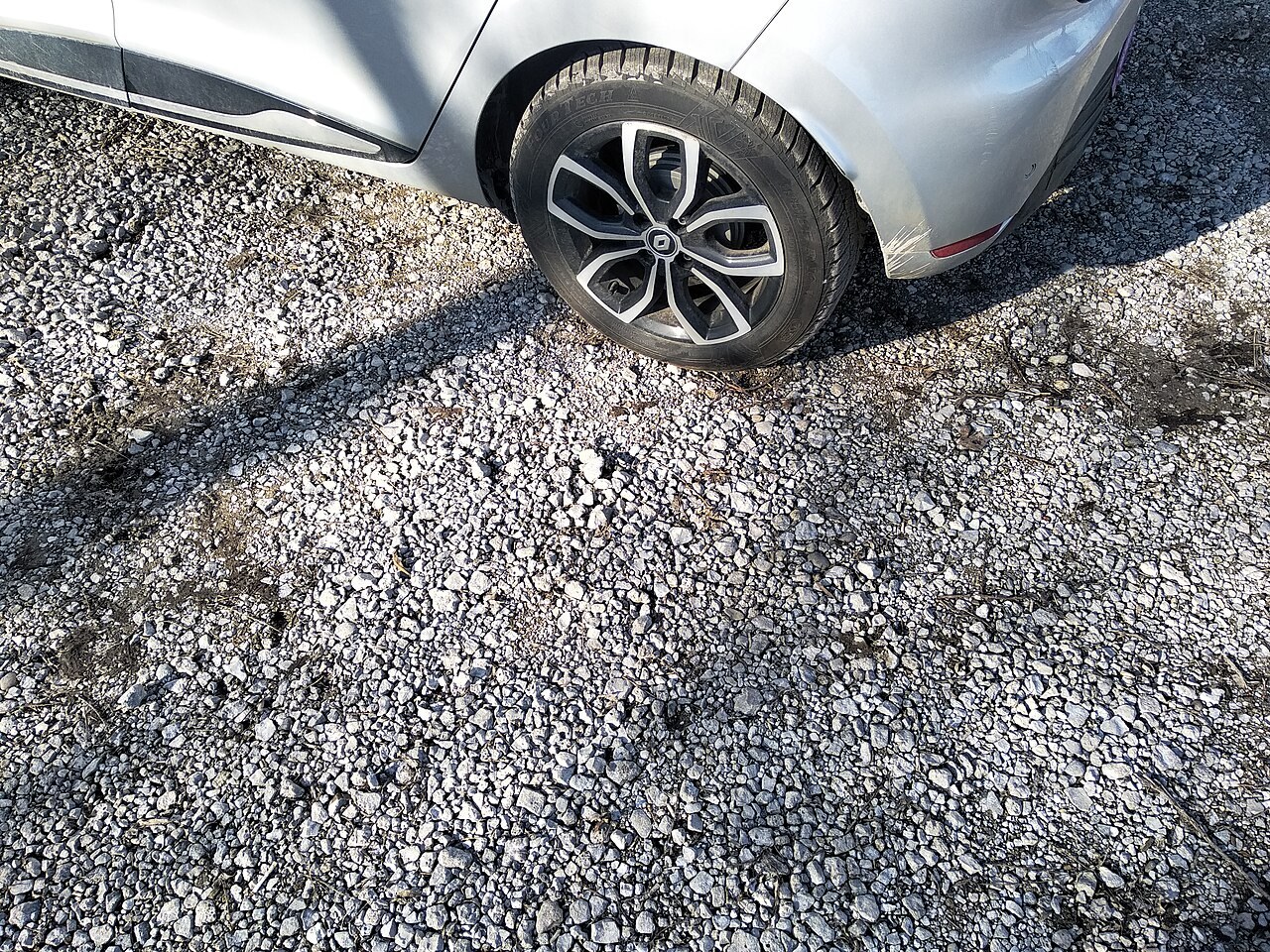
Gravel can bring small stones and concealed edges. After such a road, a calm check in a safe location can help identify changes.

A rental car arrives with tyres already fitted. Looking before departure helps raise obvious defects and equipment questions while they can still be resolved.
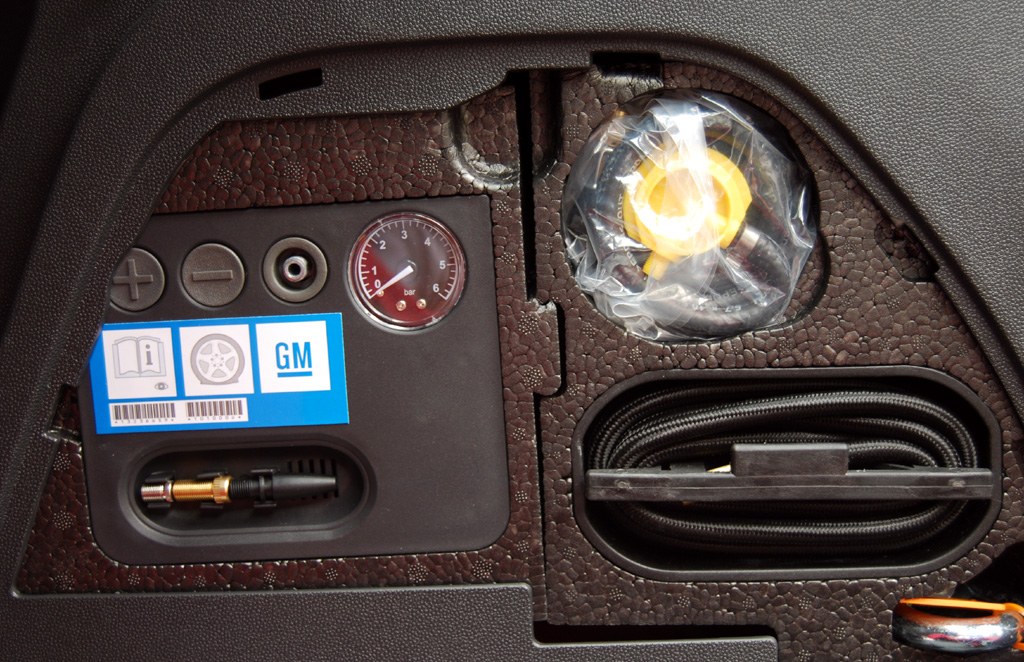
A puncture kit is available only if it is complete, usable and accessible. Check it before travelling rather than beside a damaged tyre.
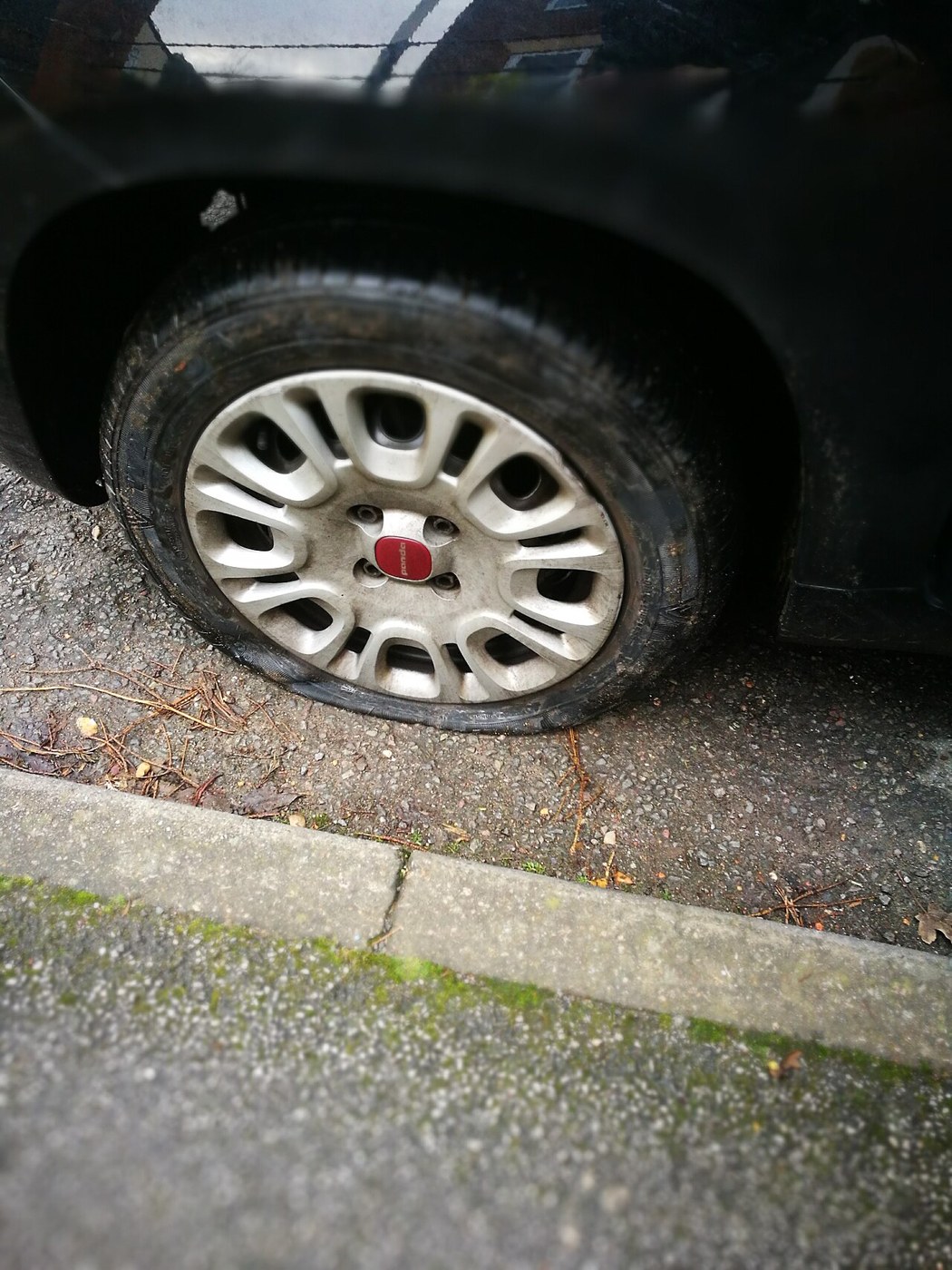
With suspected tyre damage, reaching a safe stop comes before diagnosis. The next step depends on traffic, location and vehicle condition.
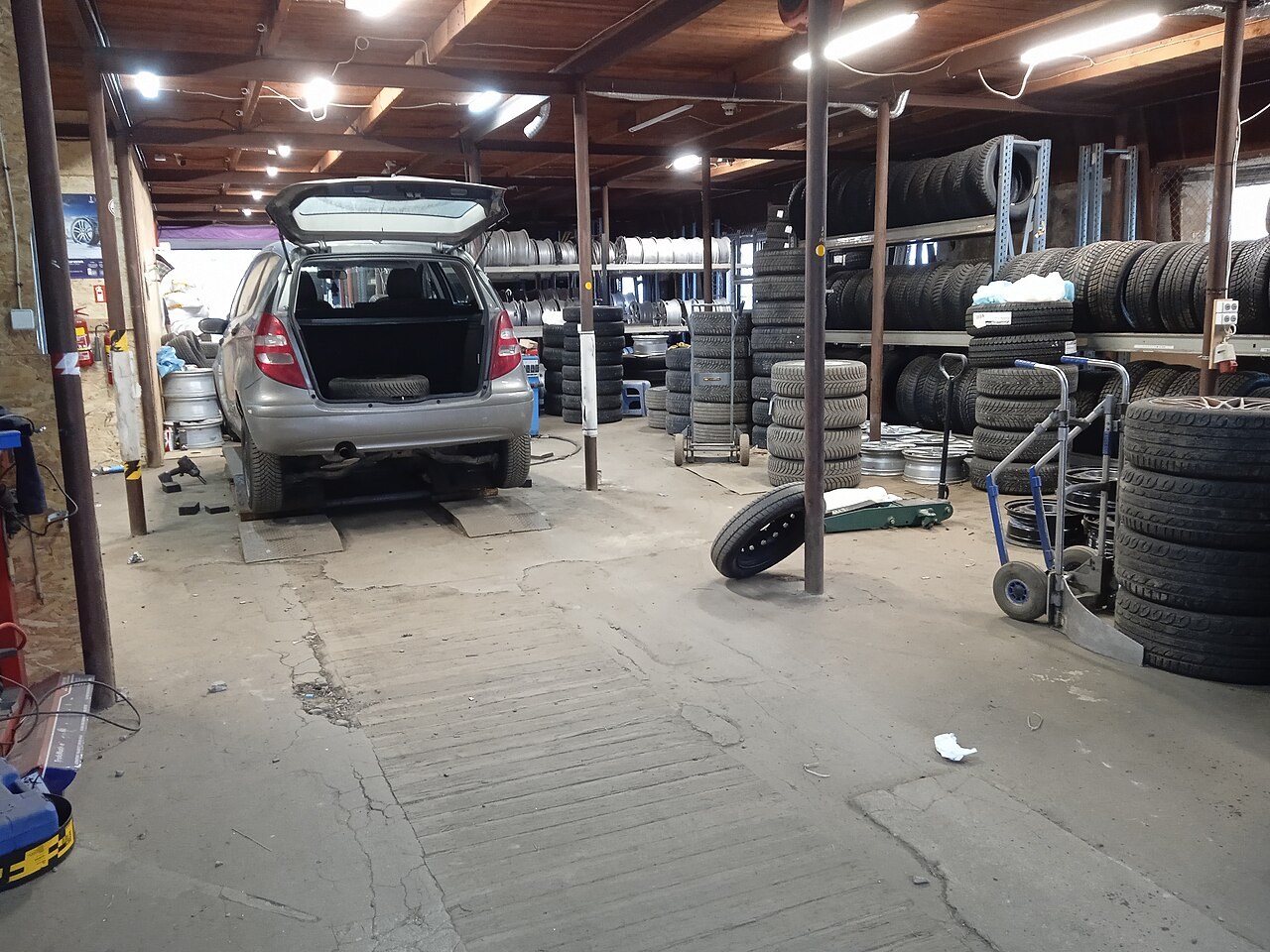
A low unit price does not tell you what four fitted tyres will cost. Put each quotation on the same basis.

An online tyre order needs agreement between vehicle approval, product specification and the service offered. The cheapest result becomes comparable only after those checks.
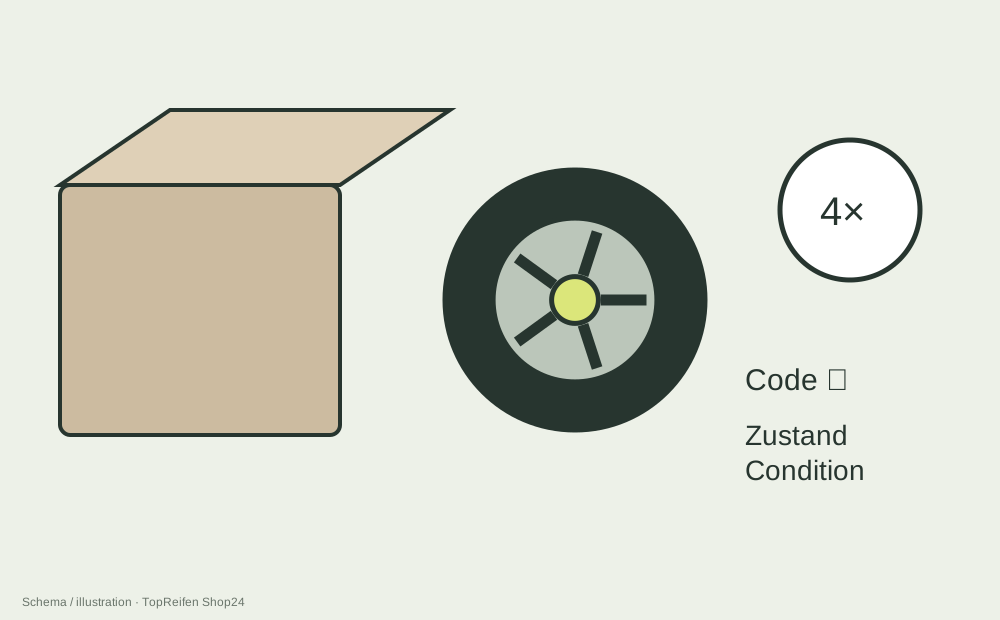
Inspect new tyres before fitting. A clearly documented discrepancy is easier to resolve while the goods have not yet been used on the vehicle.
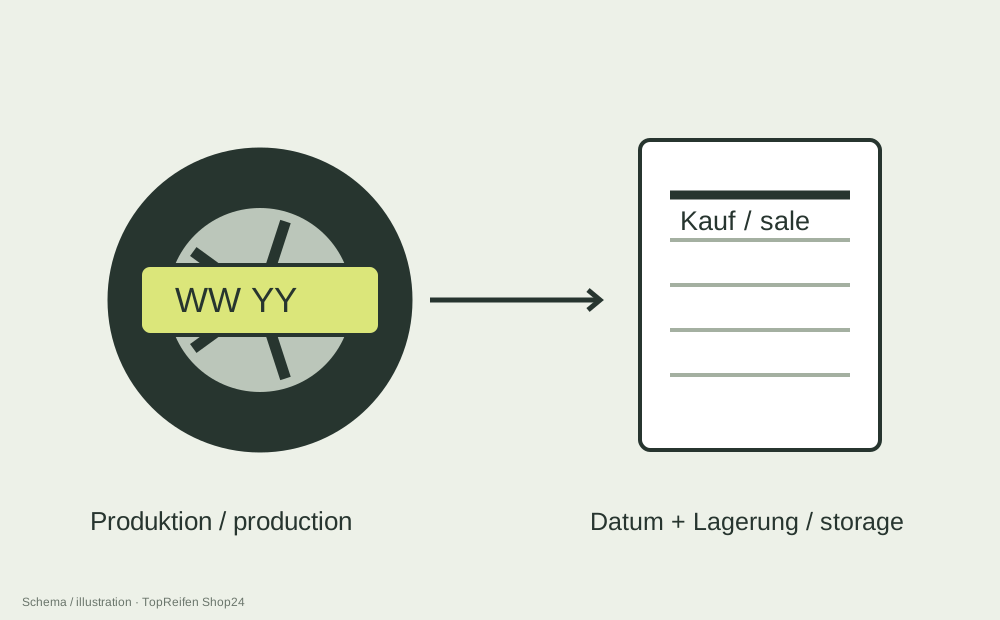
Manufacture date is one piece of information when buying tyres. Discuss expectations before ordering and consider date, storage and condition separately.
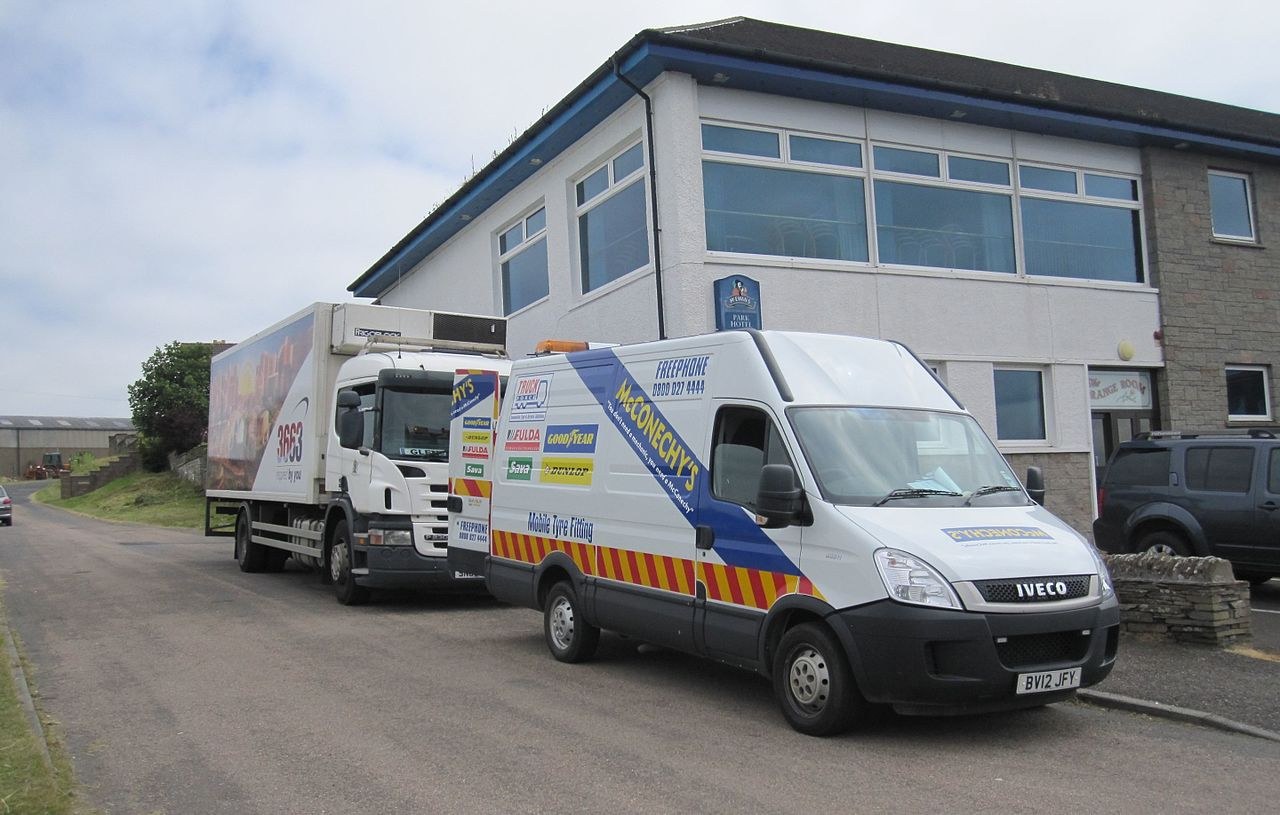
A fitting price is comparable only when the included work is clear. Ask about the completed job on the car, rather than one isolated line item.

A tyre-storage service takes care of a set between uses. Establish which additional tasks are included before handing it over.
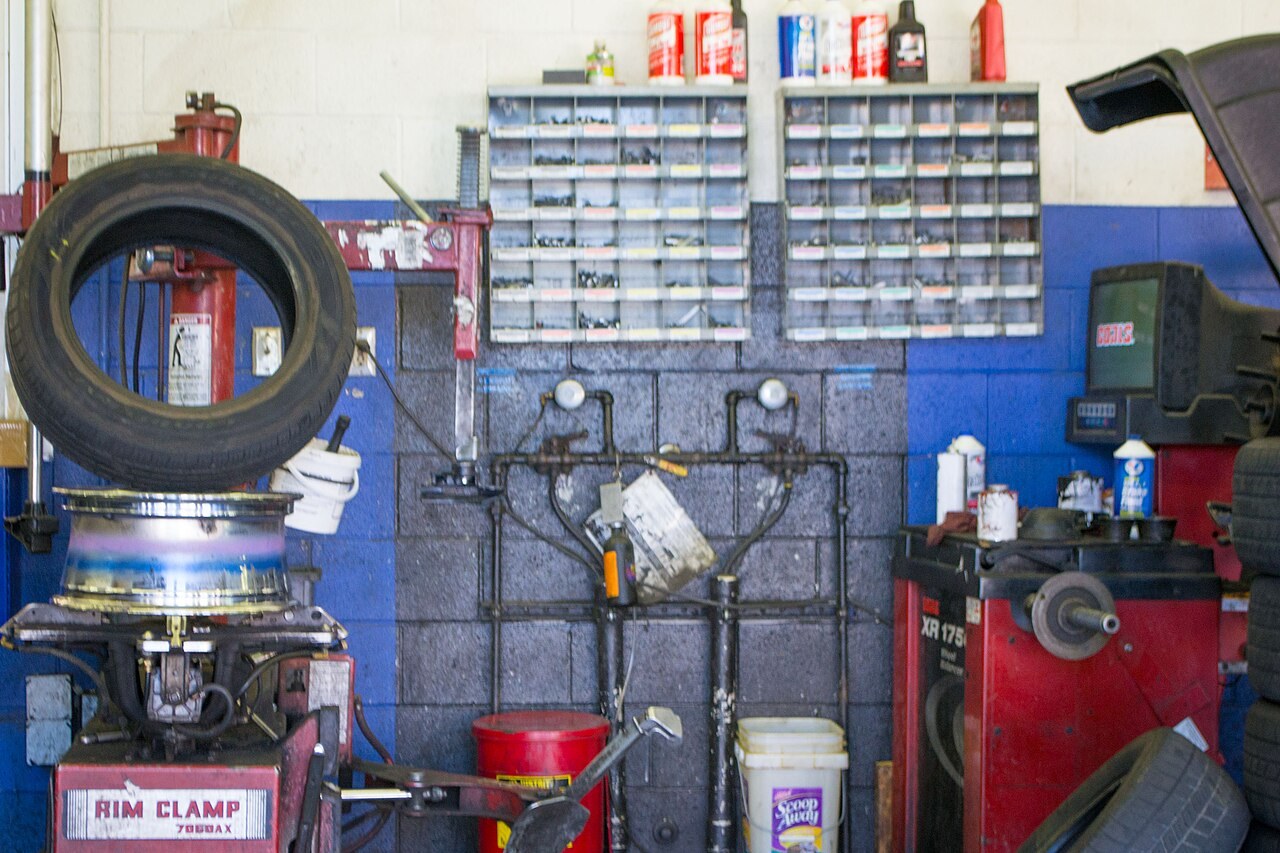
Preparing a workshop appointment reduces questions at the car. A precise job description, suitable documents and a way to authorise decisions matter most.
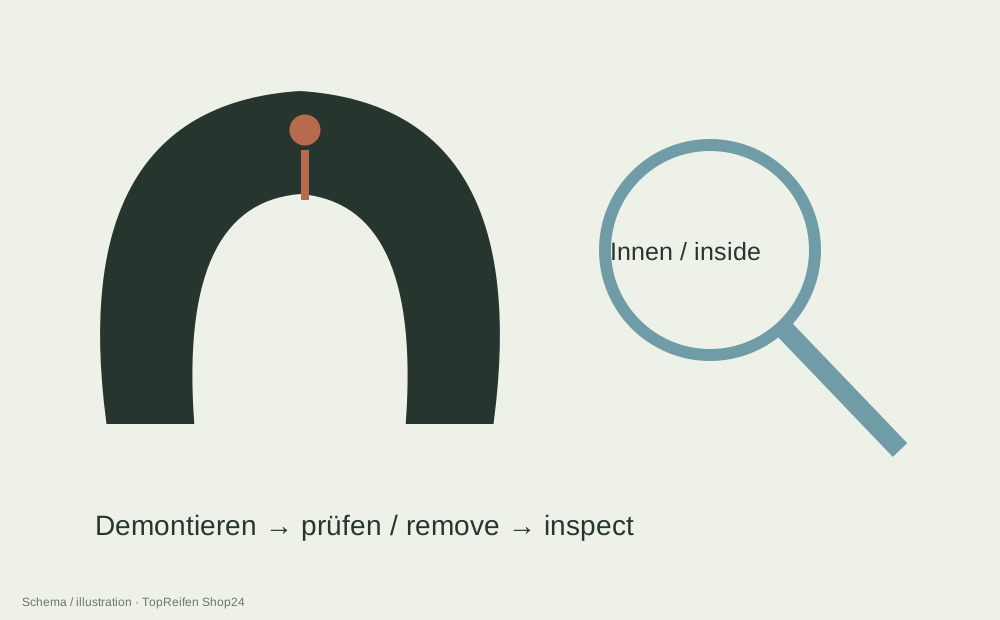
A photograph cannot reliably establish whether a damaged tyre can be repaired. Assessment must consider the injury, its history and the applicable manufacturer requirements.
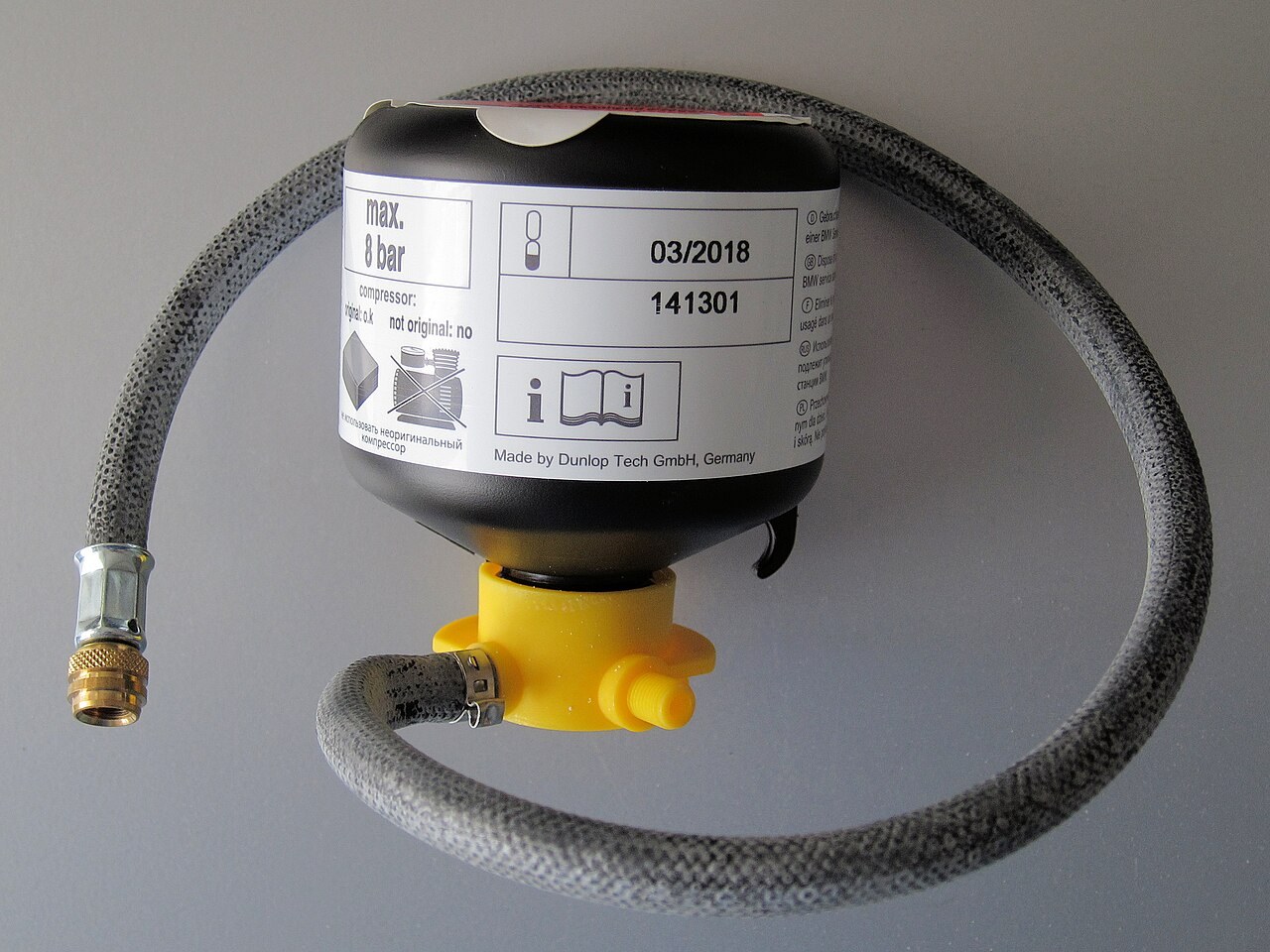
After using puncture sealant, arrange workshop assessment. Explain which product was applied and what happened after the puncture.
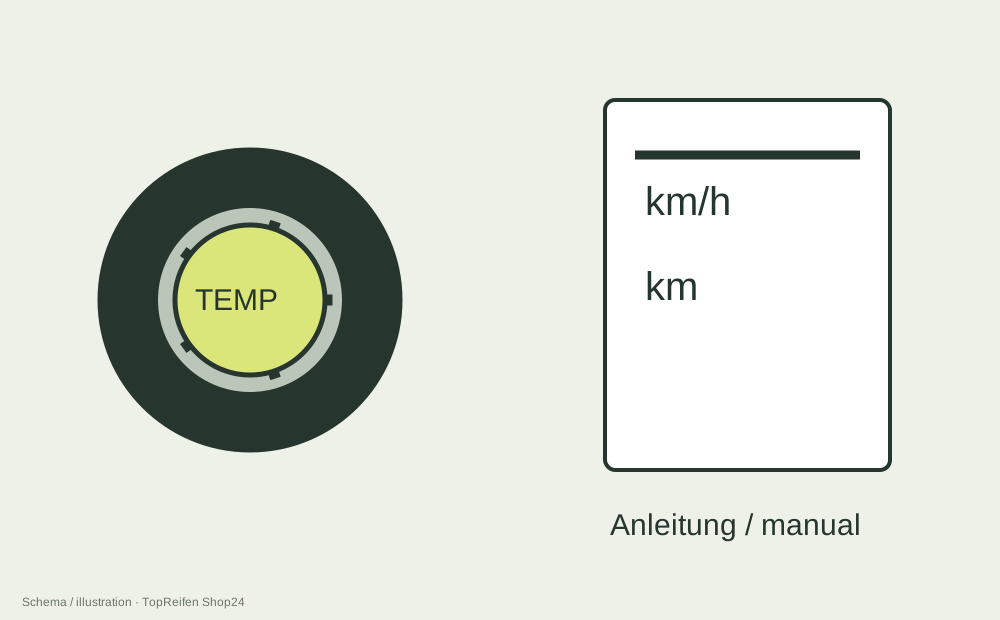
A temporary spare has its own operating restrictions. It is an interim solution, not another ordinary tyre in the fitted set.
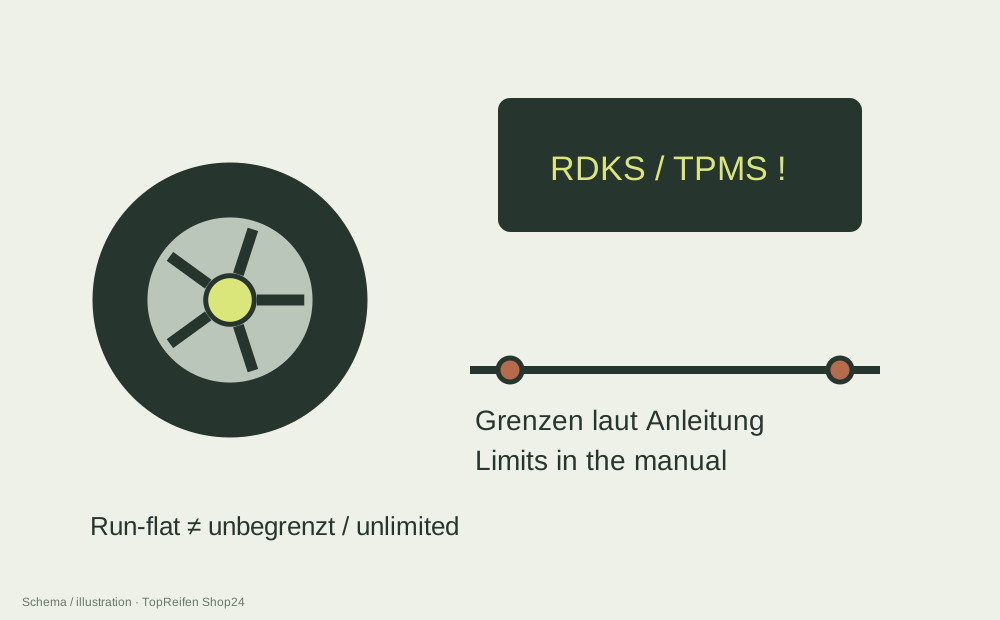
Run-flat technology may provide limited mobility after pressure loss. The permitted use depends on the particular tyre and vehicle.
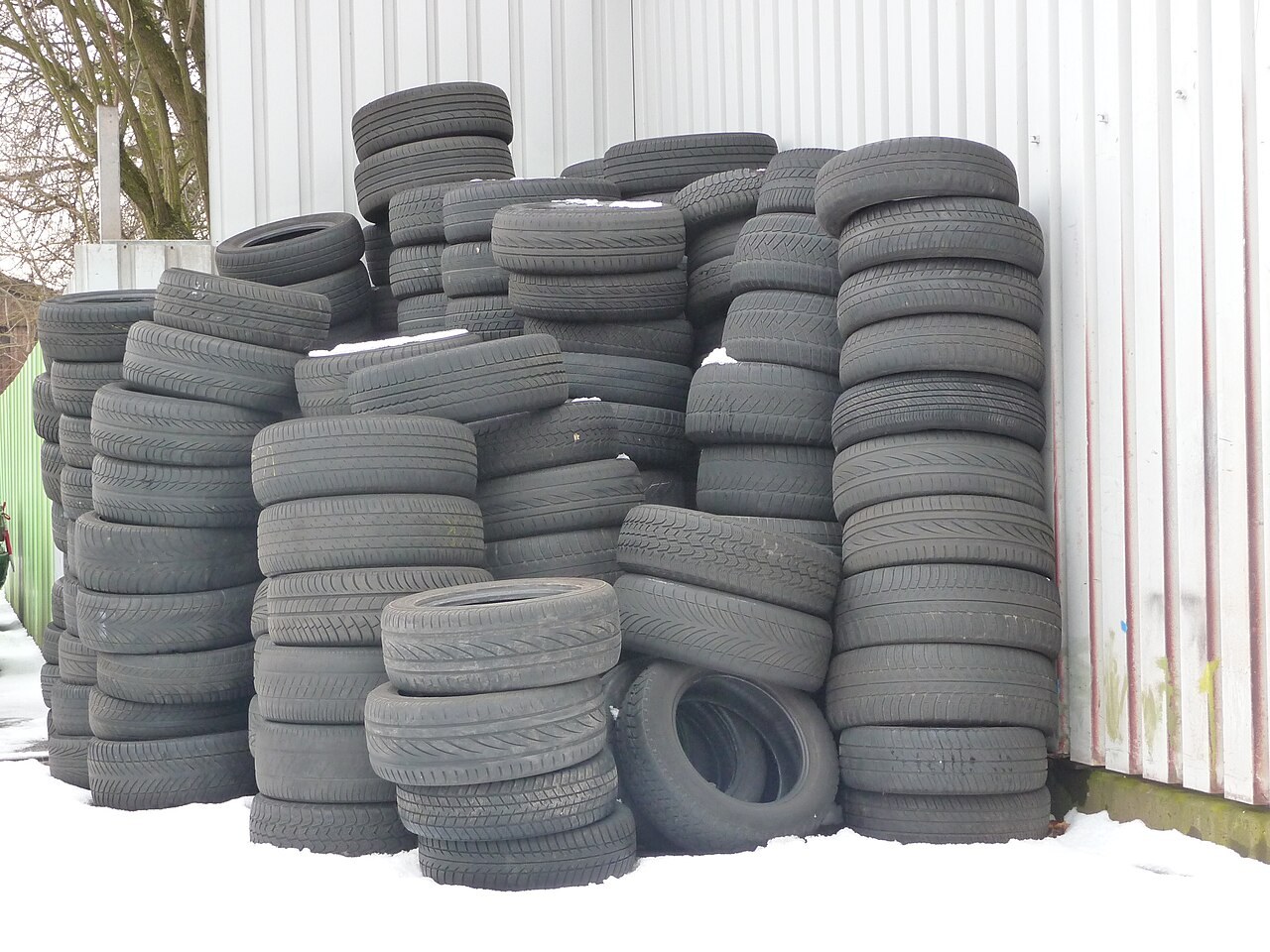
Old tyres belong in an organised disposal route. Establish acceptance conditions and charges before loading them or leaving them outside a business.
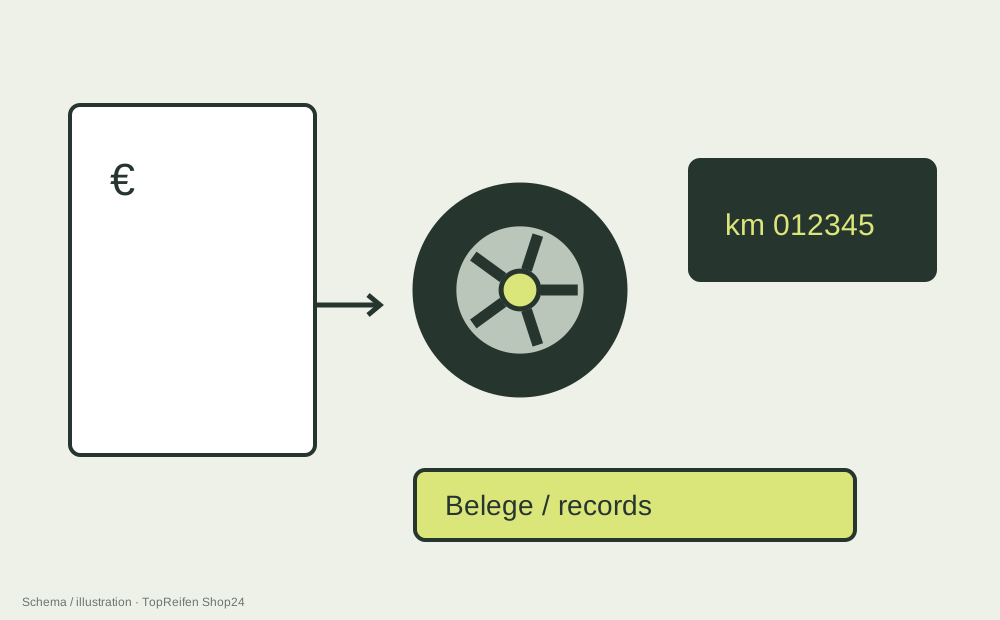
A tyre invoice is more useful later when it identifies the exact specification and vehicle. Organise the records after purchase and fitting.
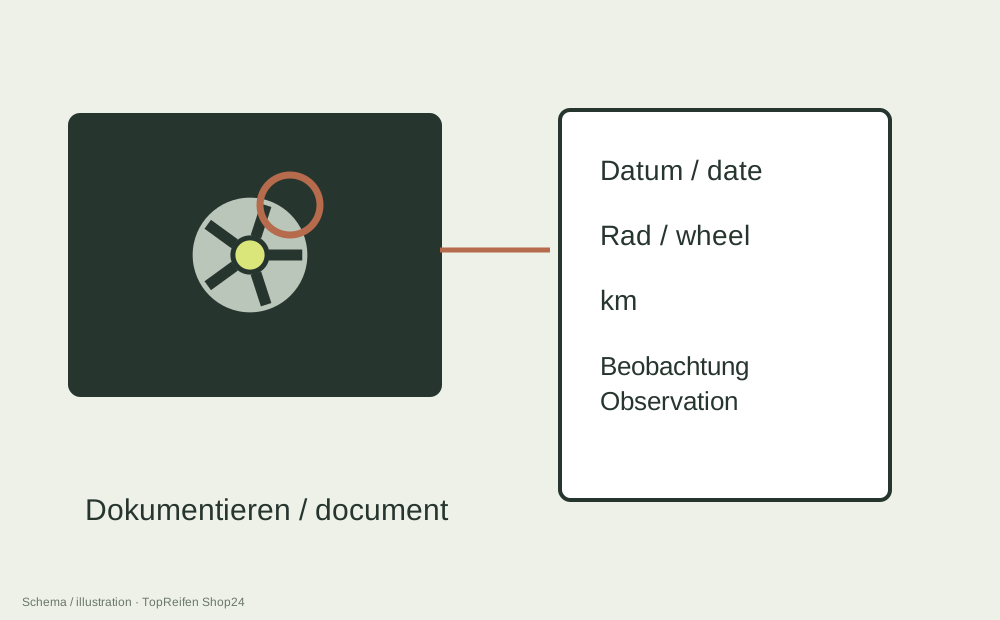
A complaint is easier to assess when the observation, product and timeline are clear. Document facts and resolve safety-related questions first.
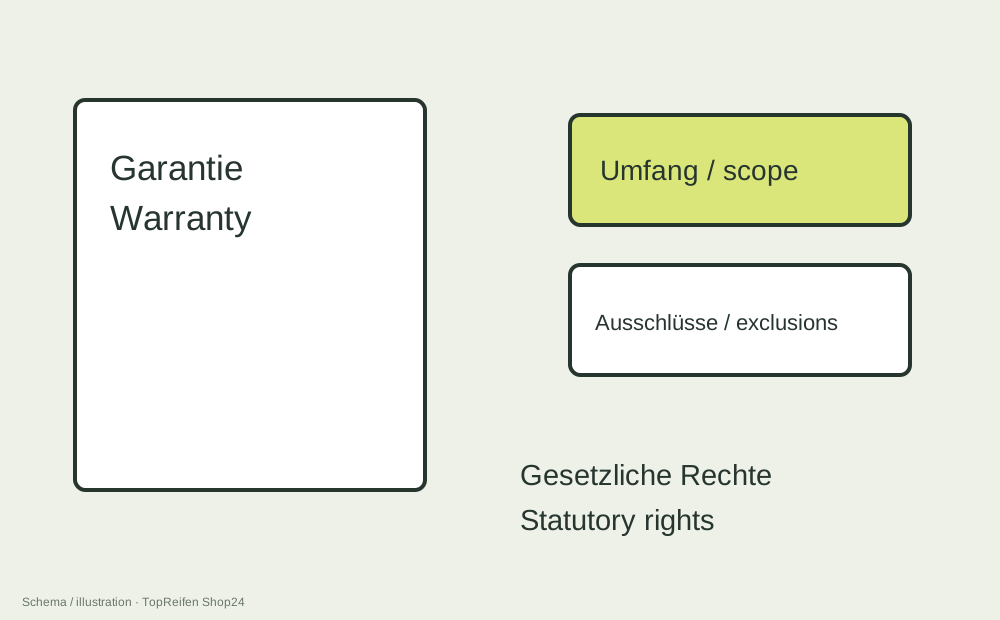
A warranty promise may add benefits. Read who provides it, what it covers and the conditions attached.
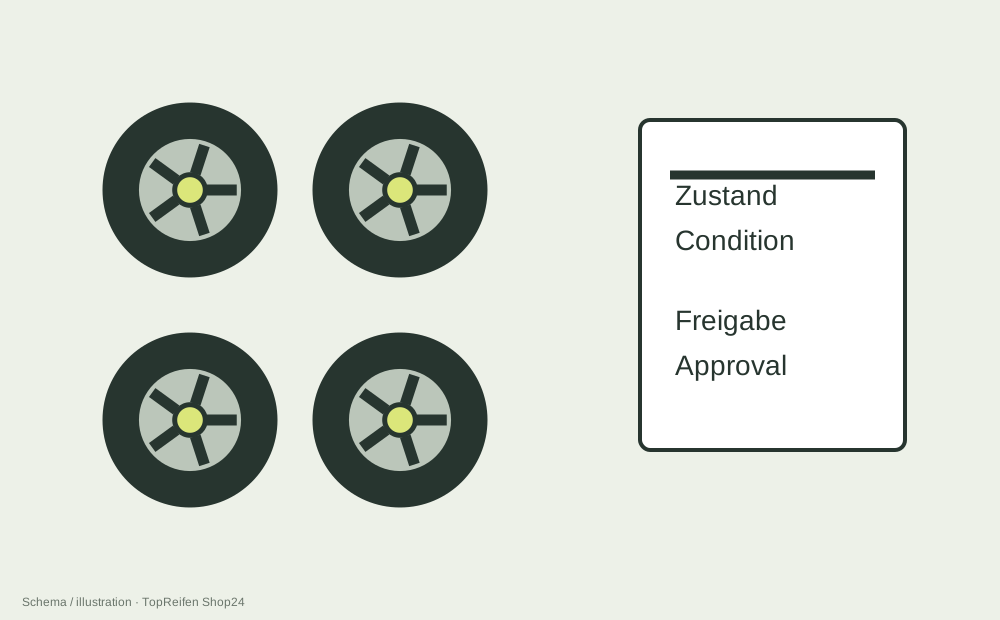
Four used wheels are four separate items to assess. Matching dimensions and a tidy appearance are not enough.
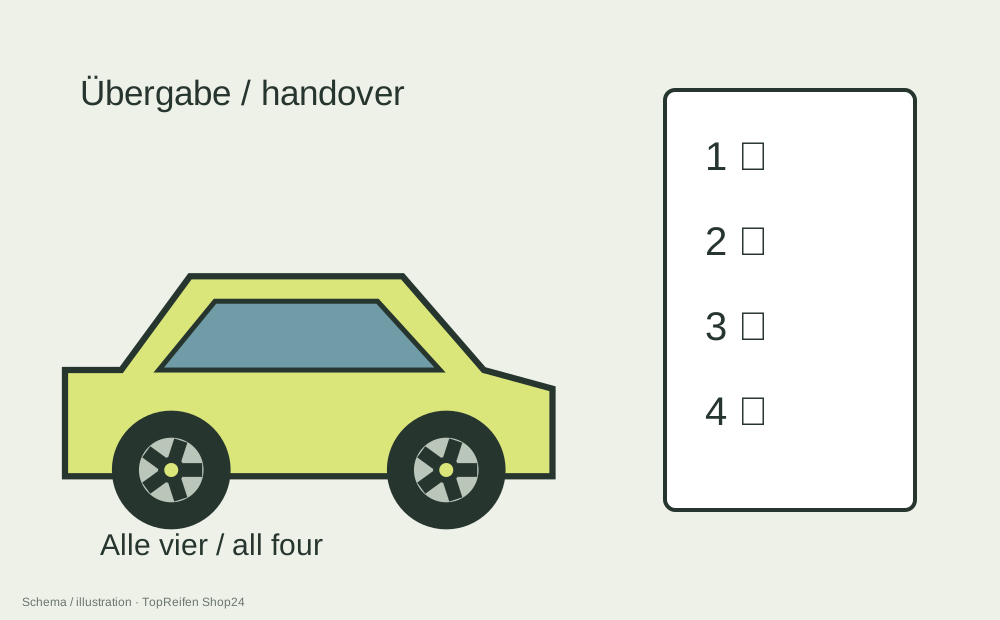
At vehicle collection, the tyres actually supplied should match the agreement. Include any additional wheel sets that form part of the purchase.
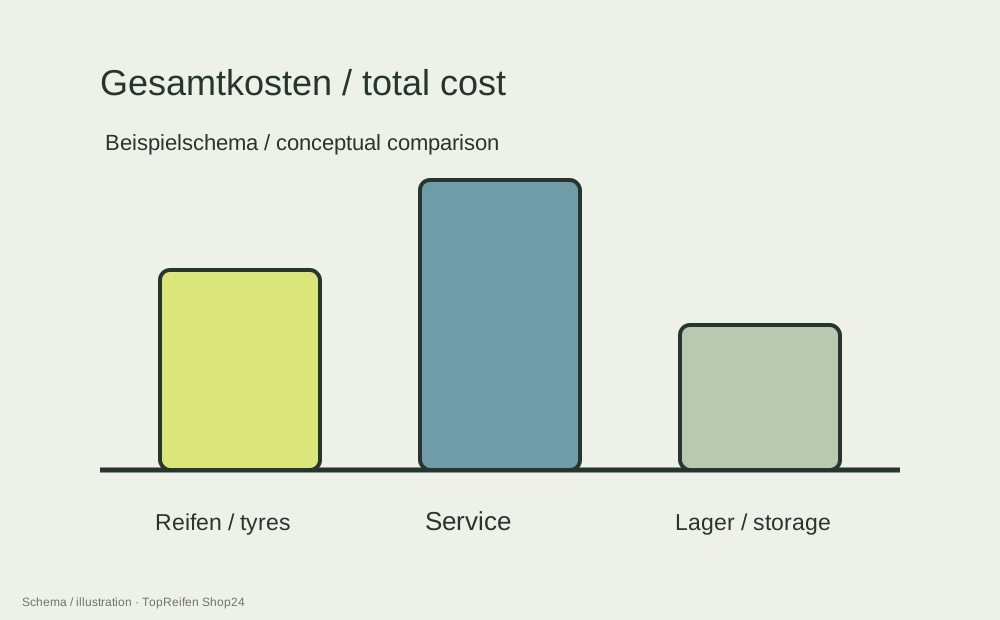
One year-round set removes some changeover costs. Its overall cost also depends on use, replacement timing and the wheels you already own.
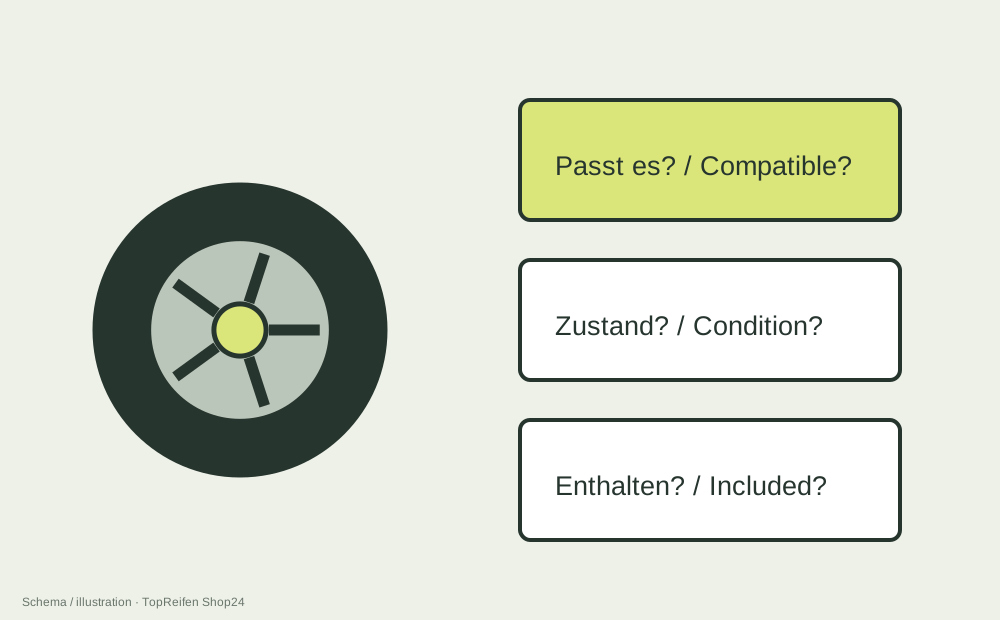
Vehicle details and a few focused questions help establish what the workshop needs to assess and quote for.
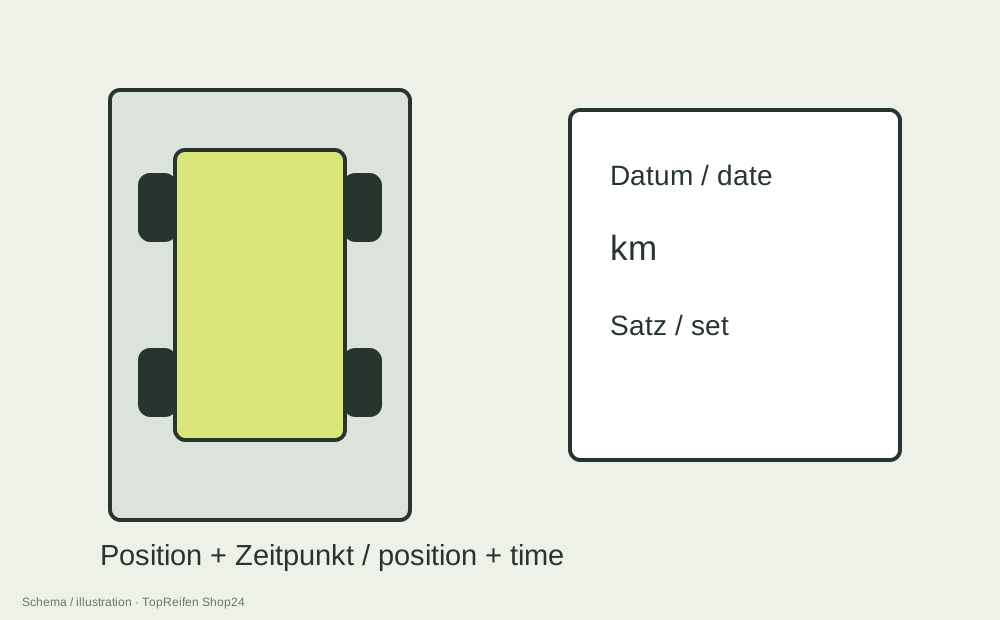
A short record connects the invoice, tyre set and vehicle. It is easier to use later than a folder full of unidentified photographs.