Explain the journey beforehand
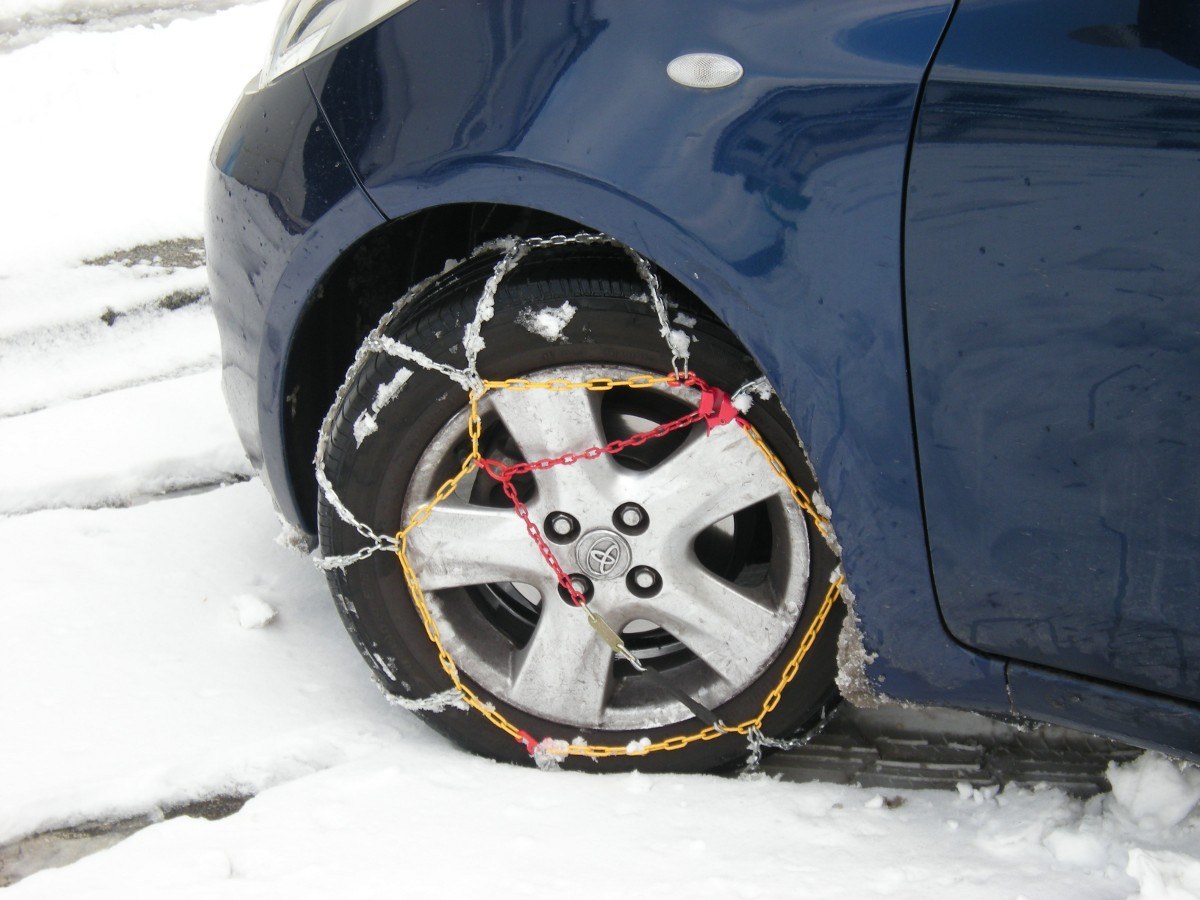
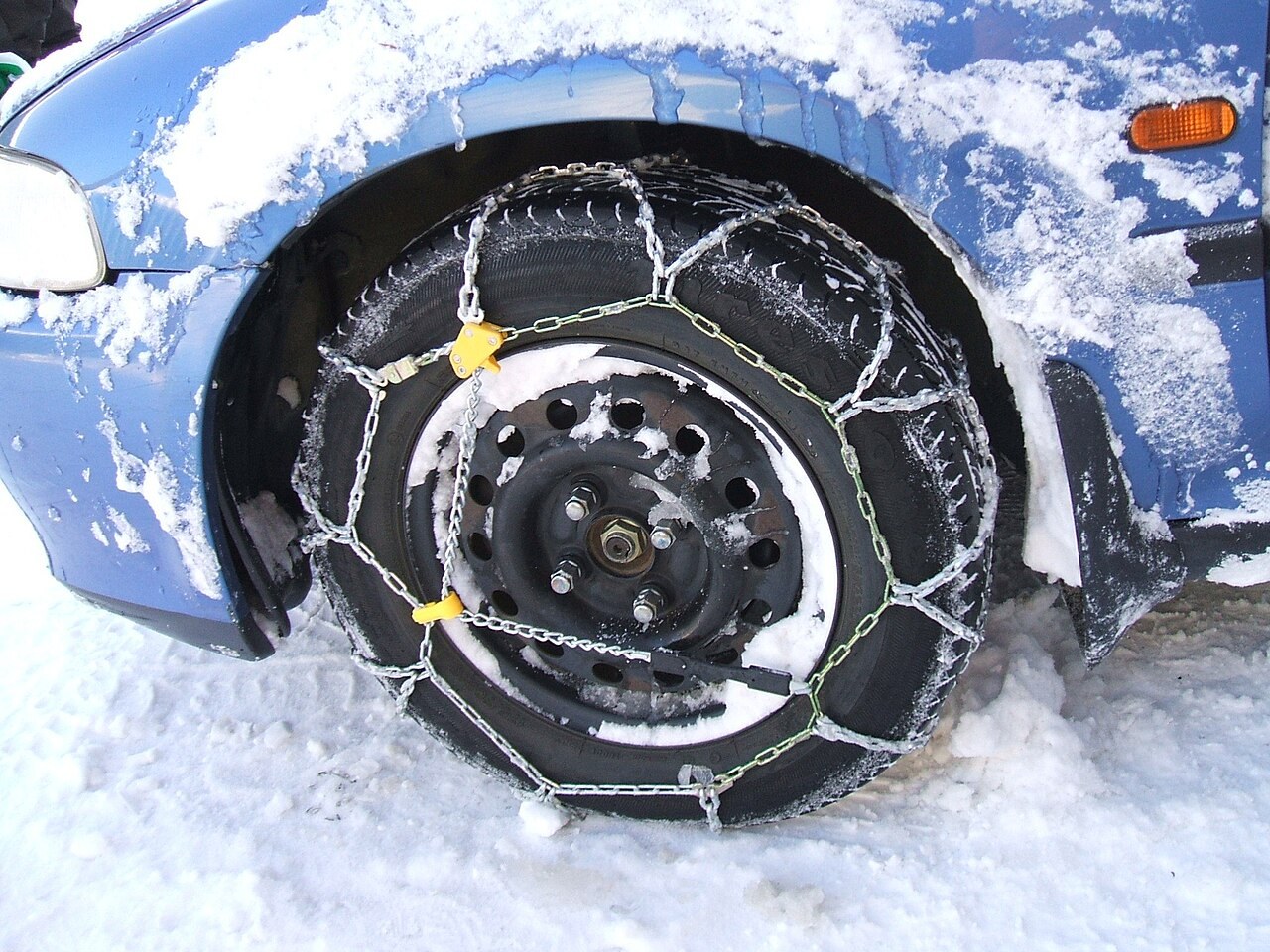
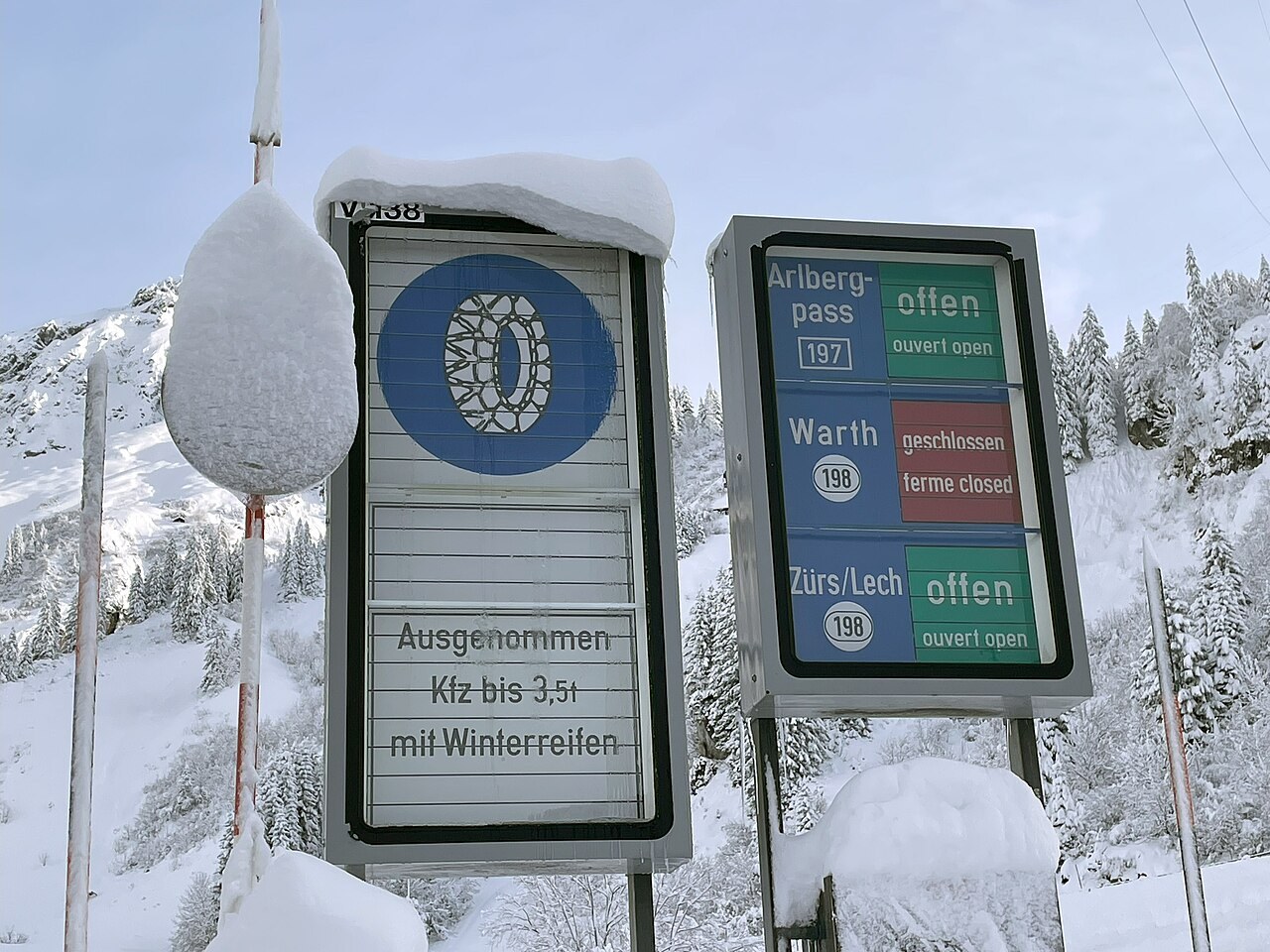
If planning winter roads, international travel or other specific conditions, establish the equipment needed before booking. A general vehicle category does not describe the exact tyres. Ask about the characteristics required for the route and any necessary accessories, keeping the response with the booking information.
The car actually supplied should match that agreement. A free upgrade may bring different wheels or chain compatibility. Do not assume it improves every aspect of the trip. Resolve uncertainties before departure, particularly where the route offers few alternatives.
Look at all four wheels
Walk around the car and inspect accessible tyre and wheel areas. Look for obvious deflation, bulges, cuts, unusual wear and visible rim damage. Record concerns with the rental company on the handover document. Photographs help but should not substitute for explicitly reporting a problem.
This is not a complete technical inspection. Hidden damage and remaining service life cannot reliably be assessed in a car park. If something appears doubtful, request professional clarification or another suitable vehicle. Signing a general form does not make an unresolved safety issue unimportant.
Warnings and puncture equipment
Check for dashboard warnings at start-up and ask what they mean. An active pressure warning should not be dismissed without a clear assessment. Establish where the pressure information and handbook are, particularly if the car will then be more heavily loaded.
Identify the supplied puncture arrangement: full spare, temporary spare, sealant or other equipment. Know which assistance procedure the rental company expects and which contact number is available. Do not undertake improvised repairs that are unsafe or inconsistent with the agreed process.
During the rental
Report new warnings, pressure loss or damage promptly through the designated contact. Describe the location, vehicle and observation clearly. Take photographs only from a safe position. Documentation is secondary when people first need to be moved away from a dangerous traffic area.
Keep reports and receipts until return. Separate observed facts from guesses about the cause; that helps both technical assistance and later identification. Careful collection does not settle every possible future issue. It establishes a clear starting condition and reduces the chance of driving away with an obvious unresolved problem. If another person will share driving, make sure they know the warning and assistance arrangements too, rather than leaving those details only in the booking holder's memory.