Read the full size
Record the dimension from the tyre actually fitted and compare it with the vehicle documents. Saying only that a wheel is 17 inches leaves width and aspect ratio unresolved and is insufficient for chain selection. If the front and rear tyre sizes differ, establish which axle is intended to carry chains. Do not rely on the size of a previous wheel set.
Then consult the vehicle handbook and any relevant wheel documents. Some wheel-and-tyre combinations are specified for use without chains. A chain manufacturer may list a size even though the vehicle lacks sufficient space with that combination. Both checks are necessary; neither substitutes for the other.
Check the exact chain model
Manufacturers offer different systems and clearance requirements. Verify the precise product number against its current size list rather than relying on a similar-looking box. Used chains should have their instructions, identification and all components. An attractive price is of little help if the product cannot be identified reliably.
When uncertain, ask with complete vehicle and wheel details. Asking whether chains fit an SUV is too vague. A useful answer relates to the exact car, fitted set and chain model. Keep that record so that a later tyre change does not lead to an unsupported assumption that compatibility remains unchanged.
Understand the procedure before the journey
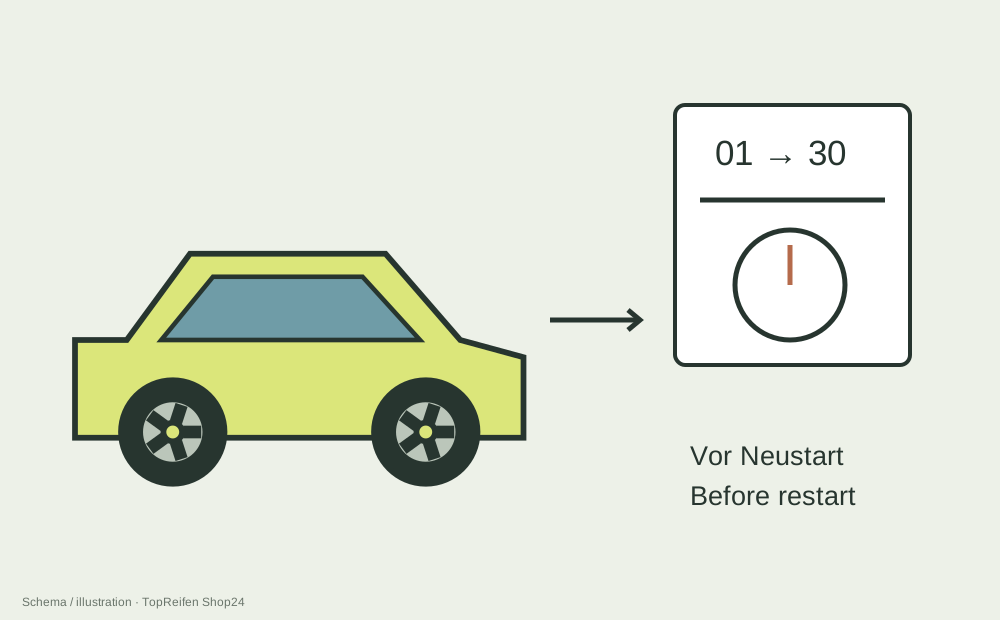
Read the fitting procedure in a safe place. Establish whether the instructions require retensioning, checking after a short distance or particular vehicle settings. These steps depend on the product. Experience with a different chain system may help, but it does not replace the new instructions.
Speed and other operating limits come from the applicable rules and the chain and vehicle instructions. Do not invent a limit. Remove chains in accordance with the instructions when conditions no longer permit or require them. Continuing on an unsuitable surface can cause damage.
Do not confuse chains with winter tyres
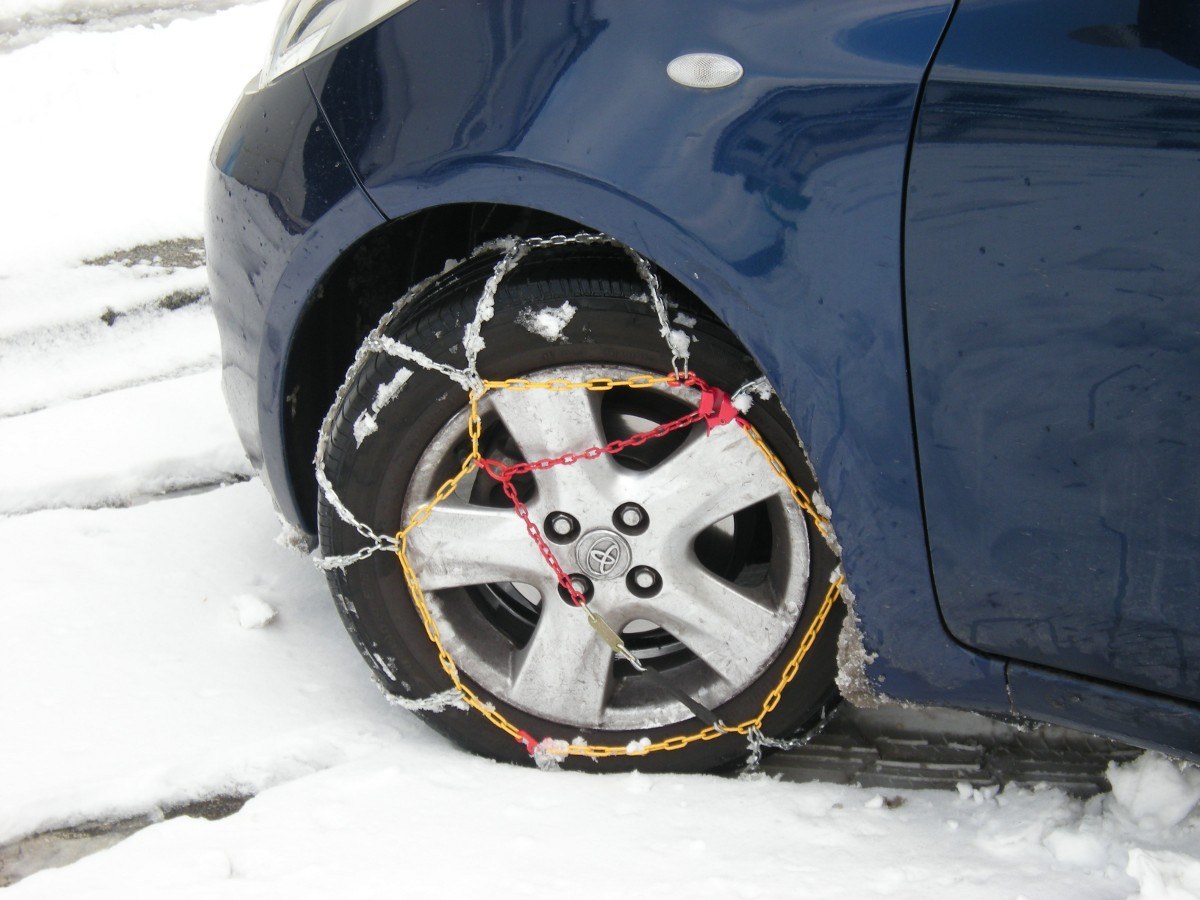
Chains are additional equipment for particular conditions. They are not a general substitute for suitable winter tyres and do not make every snowy or icy journey possible. Road signs and local requirements still apply. All-wheel drive does not automatically cancel every chain requirement either.
After use, care for and store the chains as instructed, then inspect them before the next journey. Resolve damaged parts or unreadable size markings in advance. The next snowfall is a poor moment to discover that the old equipment is incomplete. A brief check while packing can prevent a much more difficult assessment on the roadside.