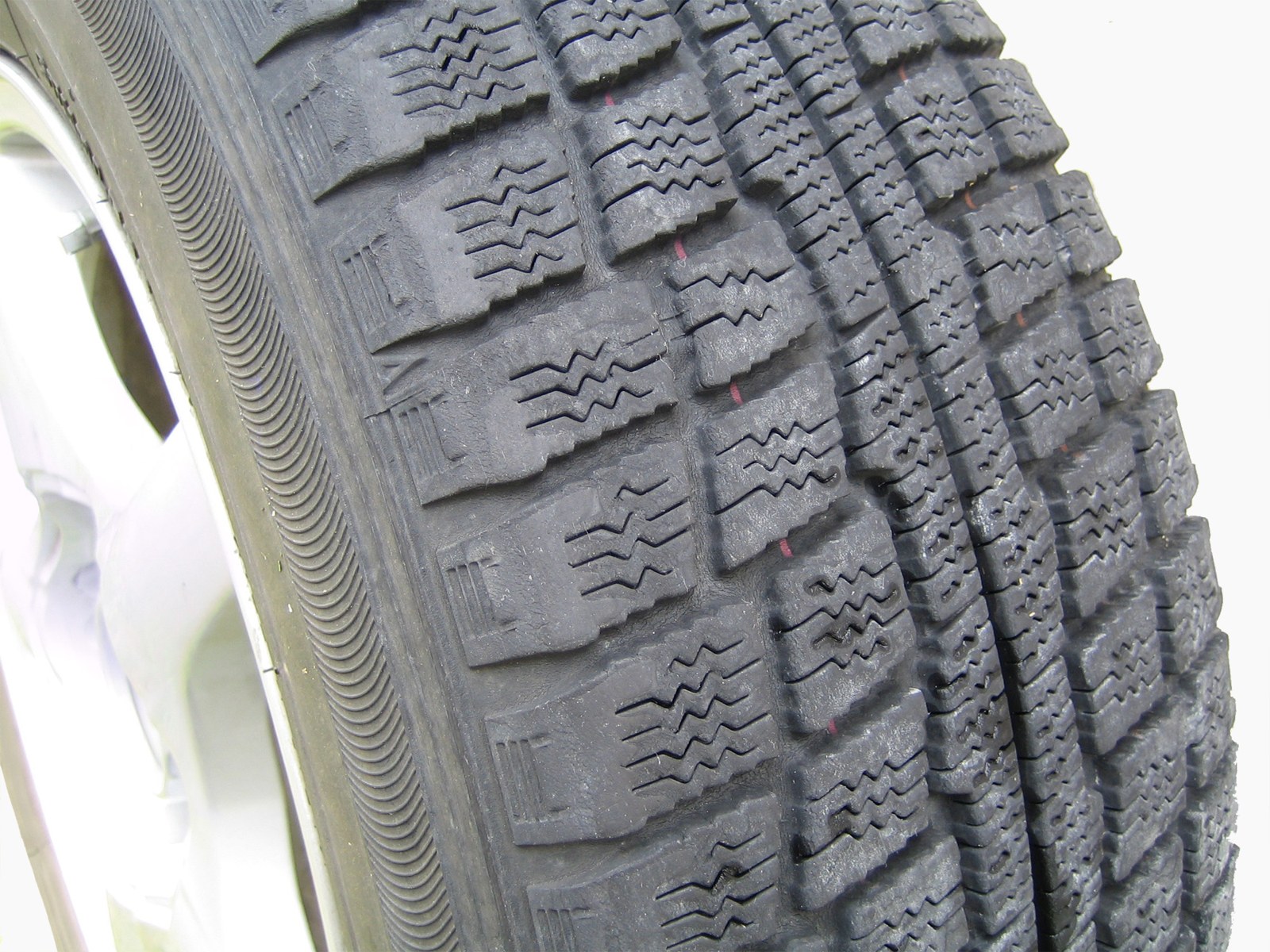
Choosing tyres
Summer, winter or all-season tyres?
Start with the journeys you cannot postpone, rather than the first discounted set you find.
Tyre types and selection criteria for different vehicles and driving needs.
Start with the journeys you cannot postpone, rather than the first discounted set you find.
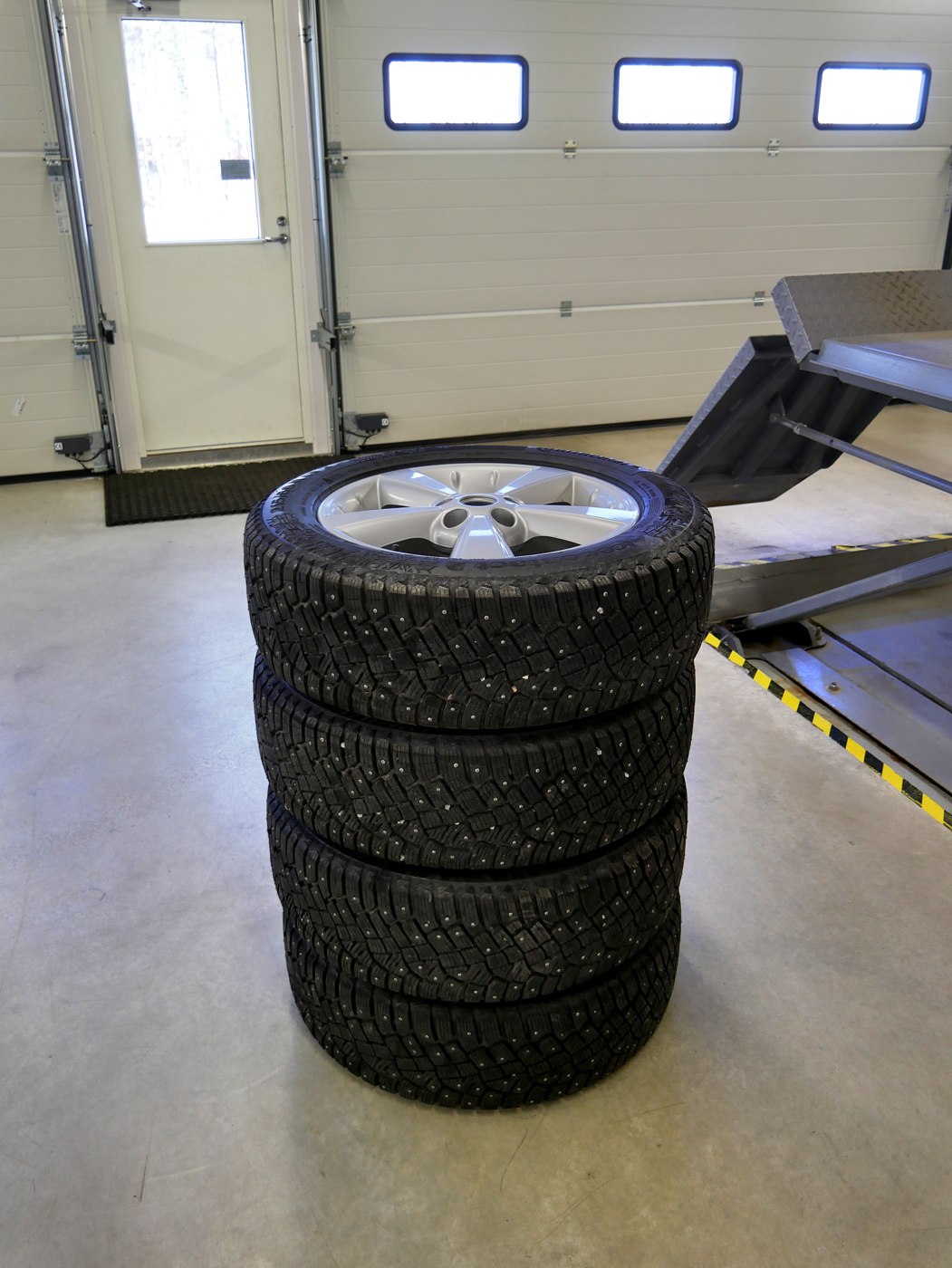
Low mileage can preserve tread, but it does not settle every tyre choice.
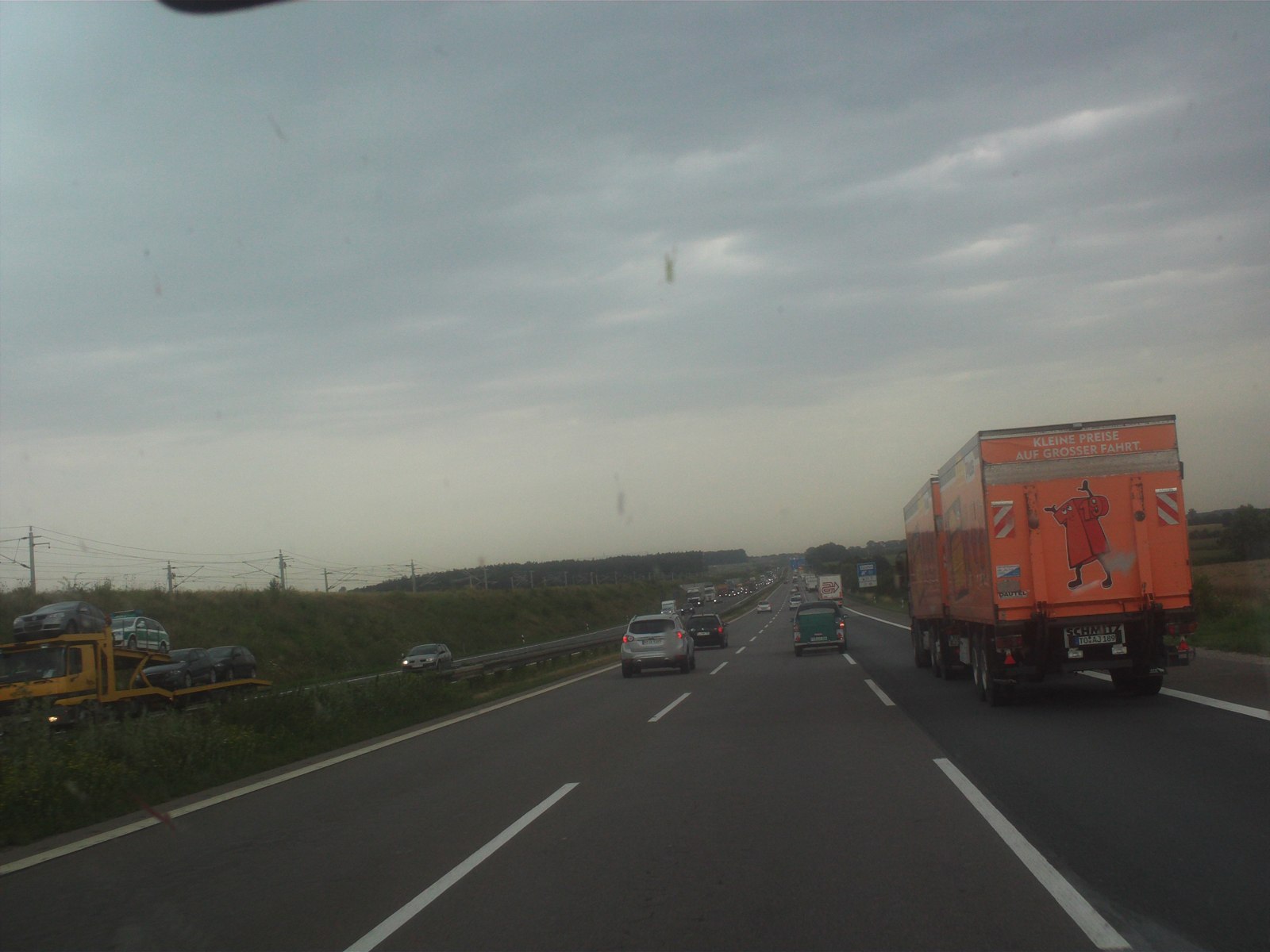
Long journeys call for attention to wet performance, loading and the approved specification.
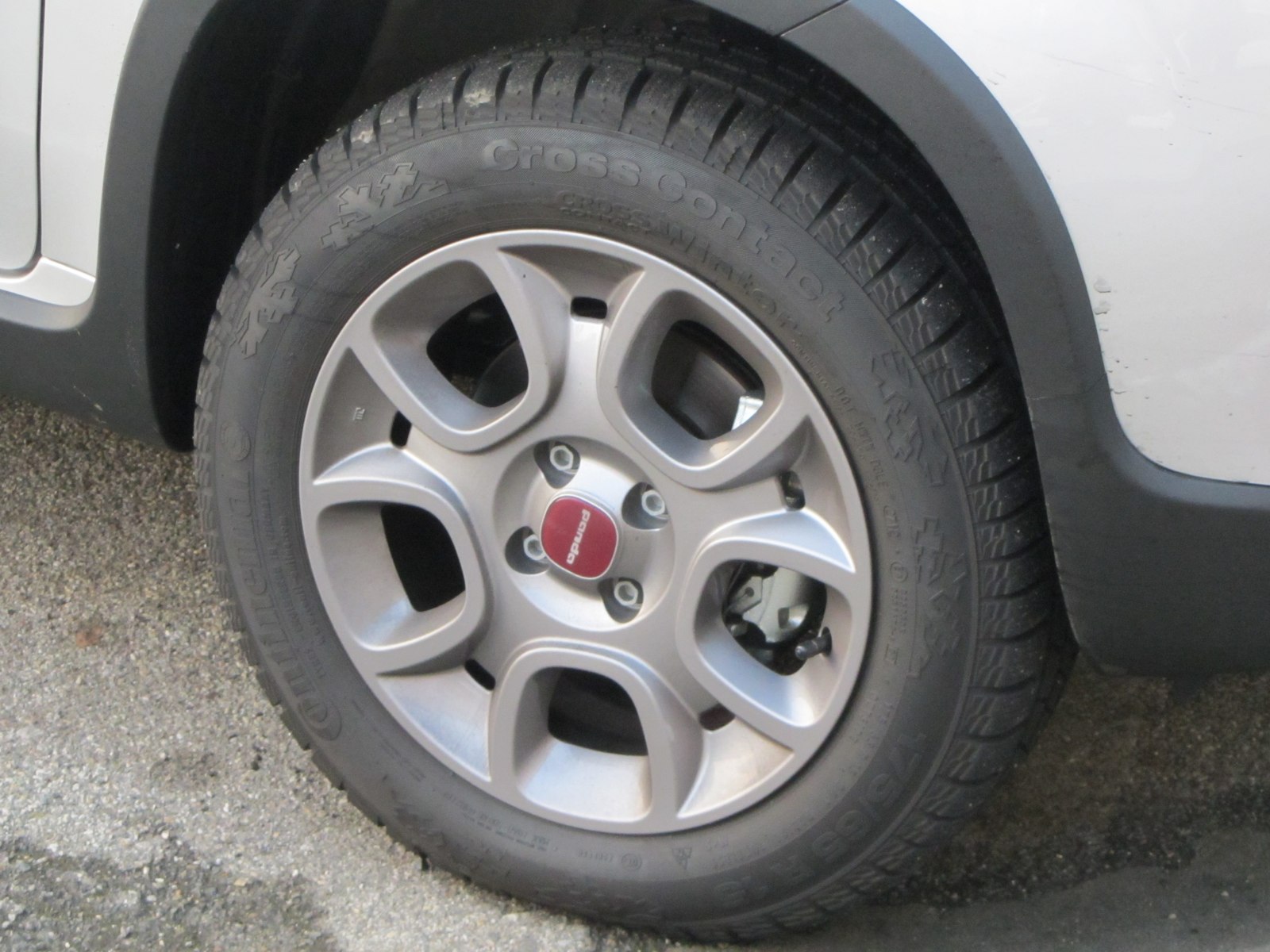
Short trips involve repeated starts, tight turns and frequent proximity to kerbs.
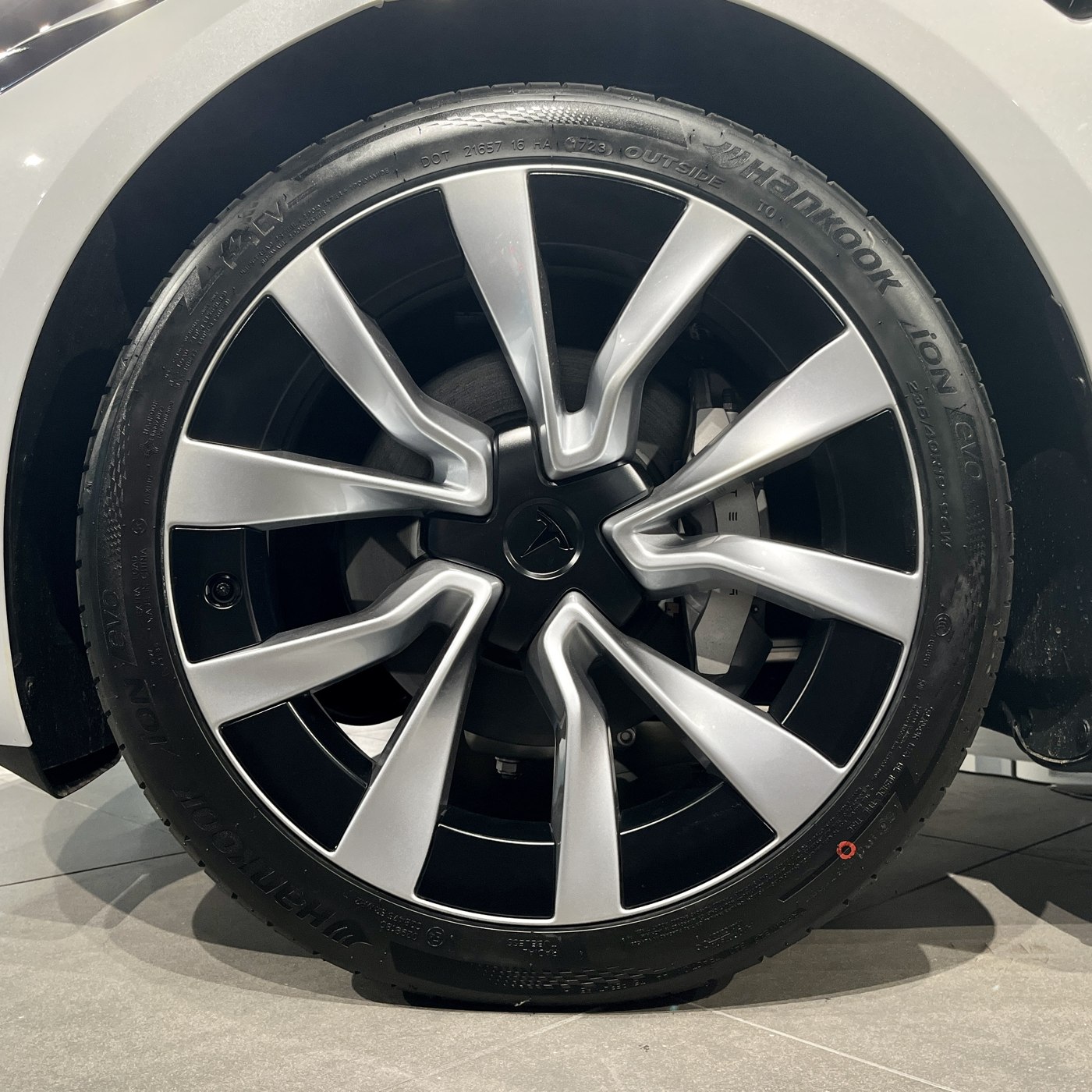
For an electric car, establish the vehicle requirements before comparing range and noise.
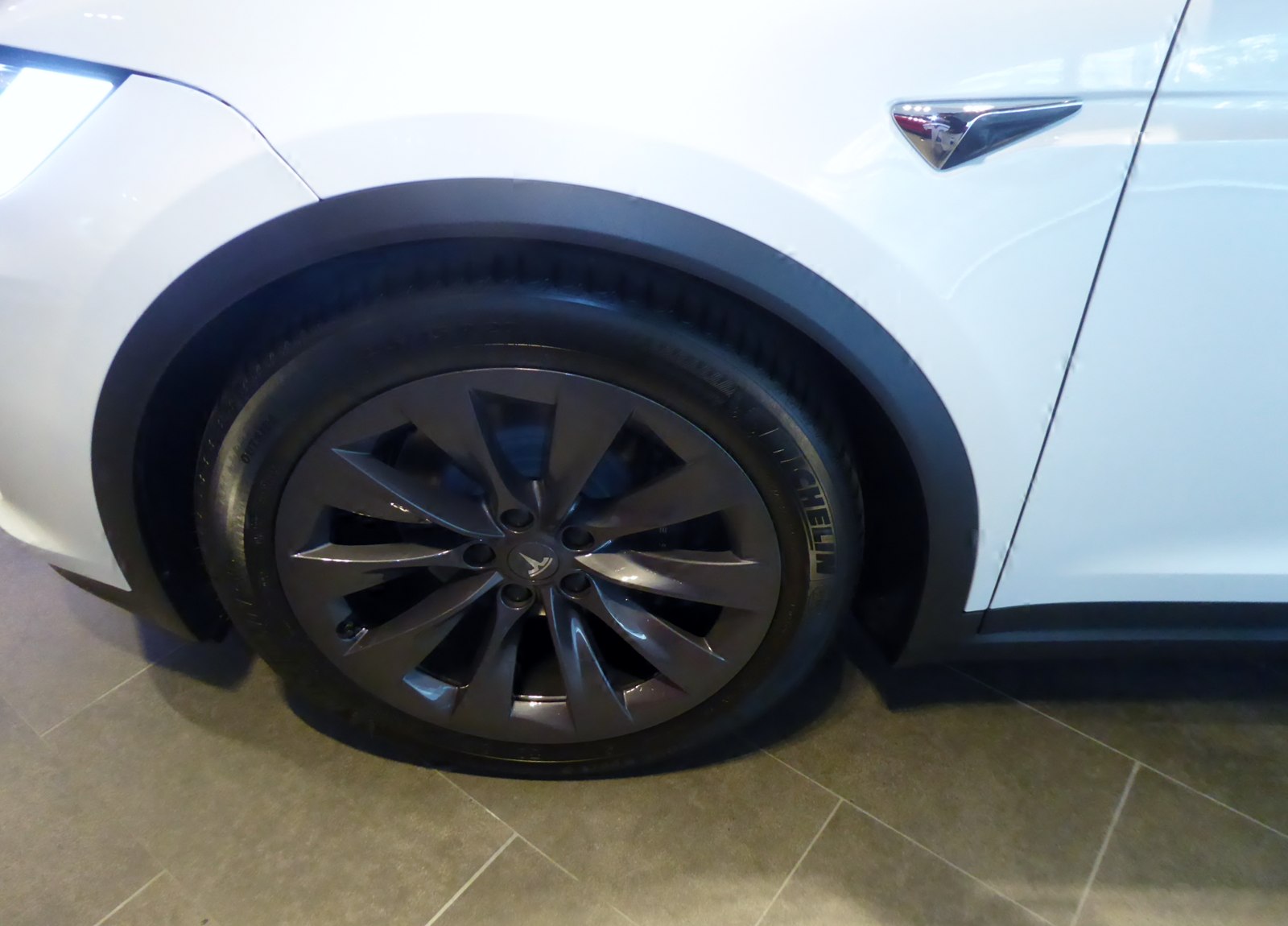
Axle loads and the approved tyre specification matter more than an SUV badge.
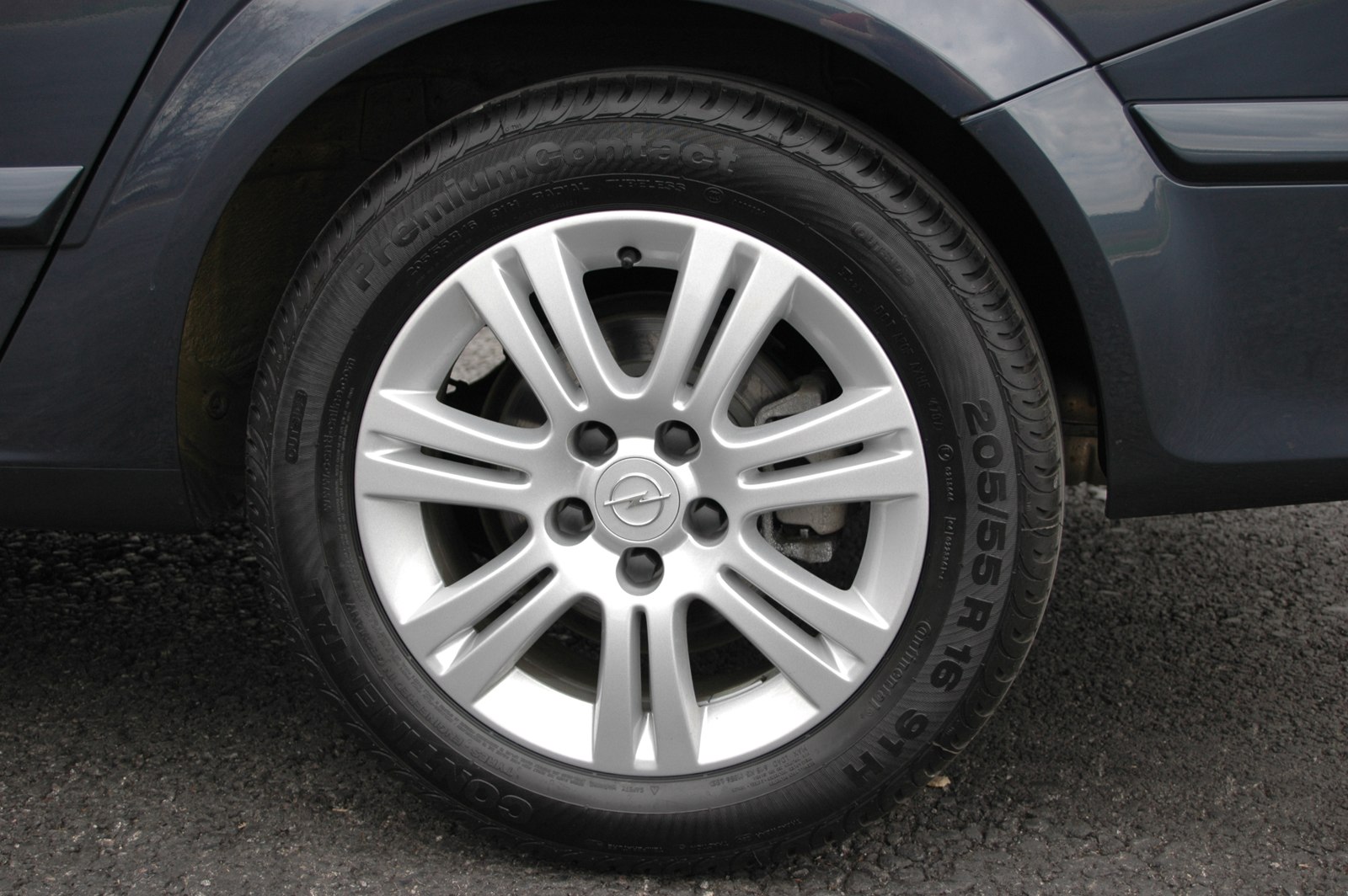
For an estate car, everyday journeys and a fully loaded holiday both belong in the decision.
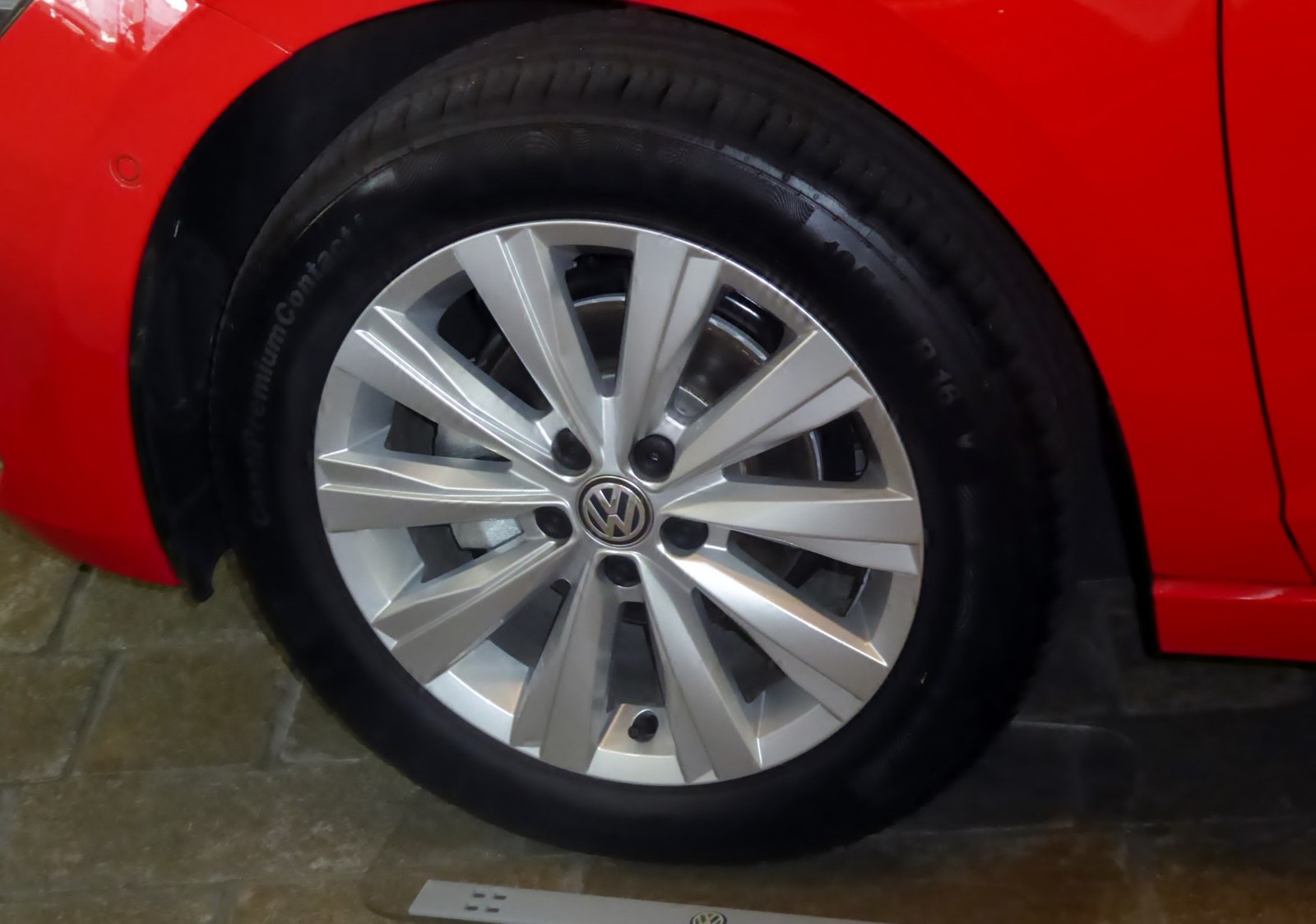
A smaller size does not make technical specifications or wet-road results less important.
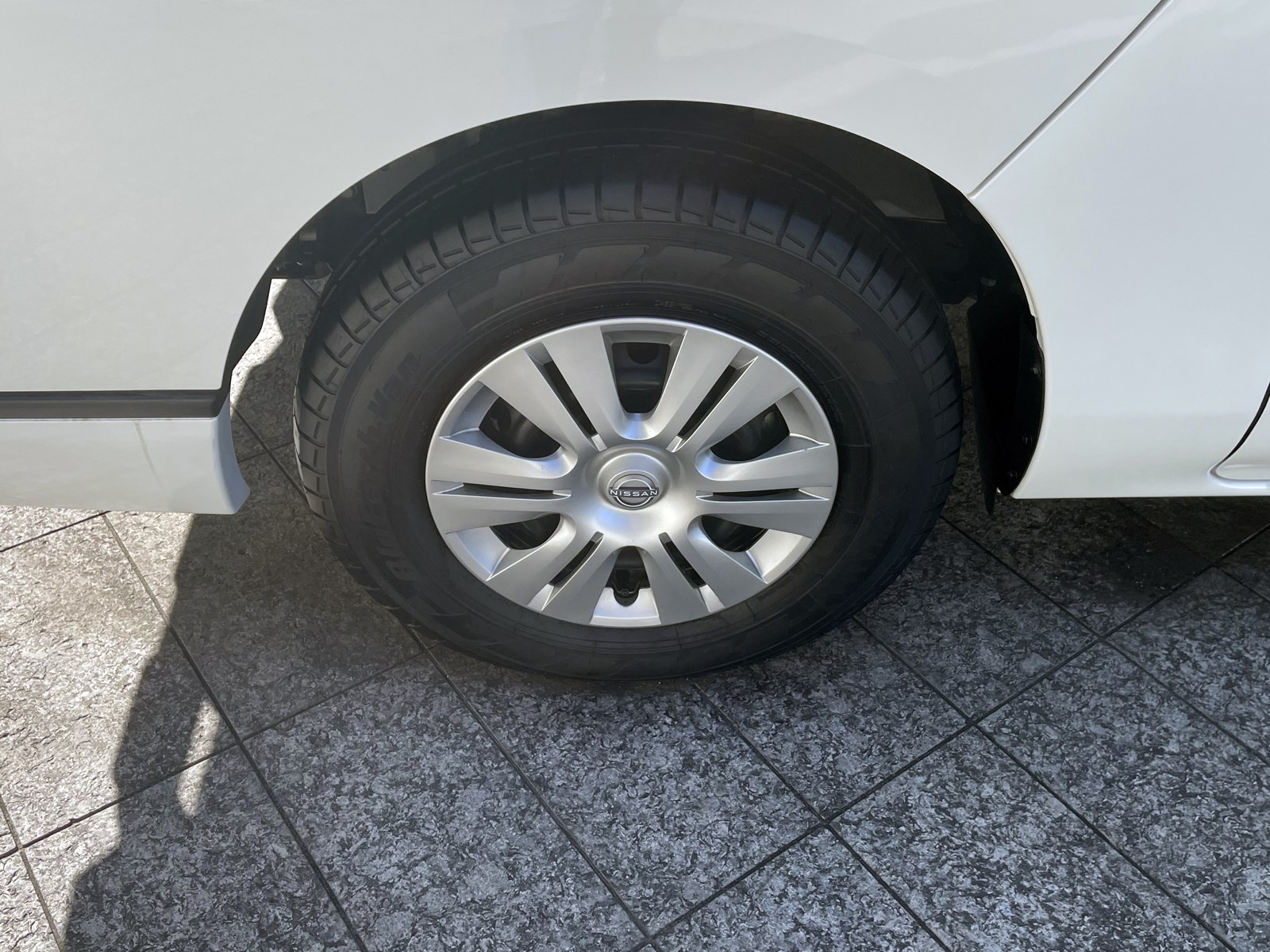
Specify van tyres from the vehicle approval and loading requirements, rather than tread appearance.
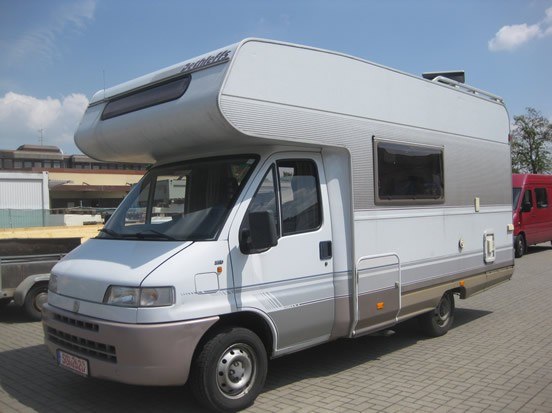
Body type, axle loads and long periods parked make motorhome tyre selection a separate task.
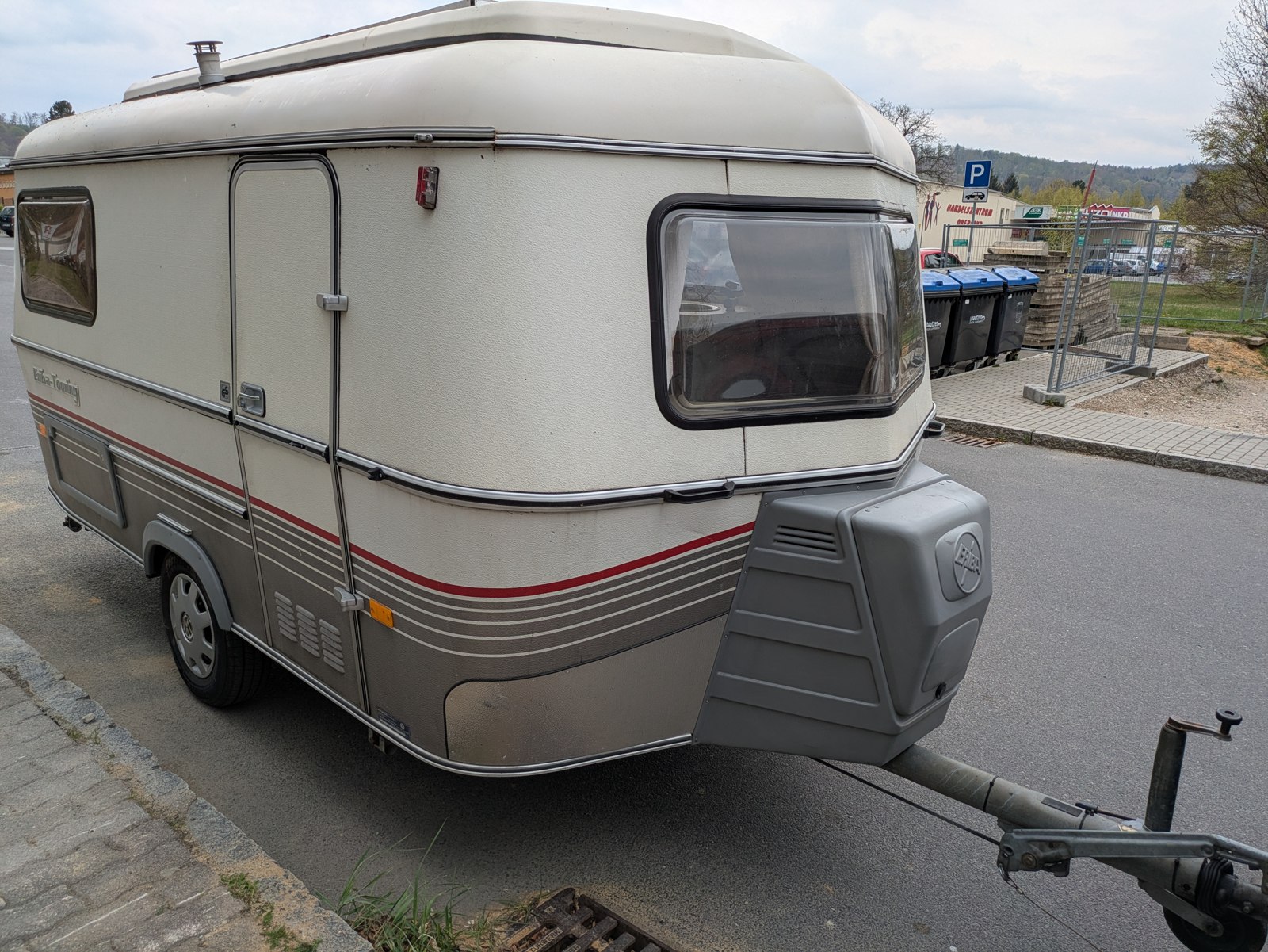
On a caravan, age and loading may deserve more attention than the amount of tread still visible.
A trailer needs a compatible combination of load capacity, speed specification and wheel.
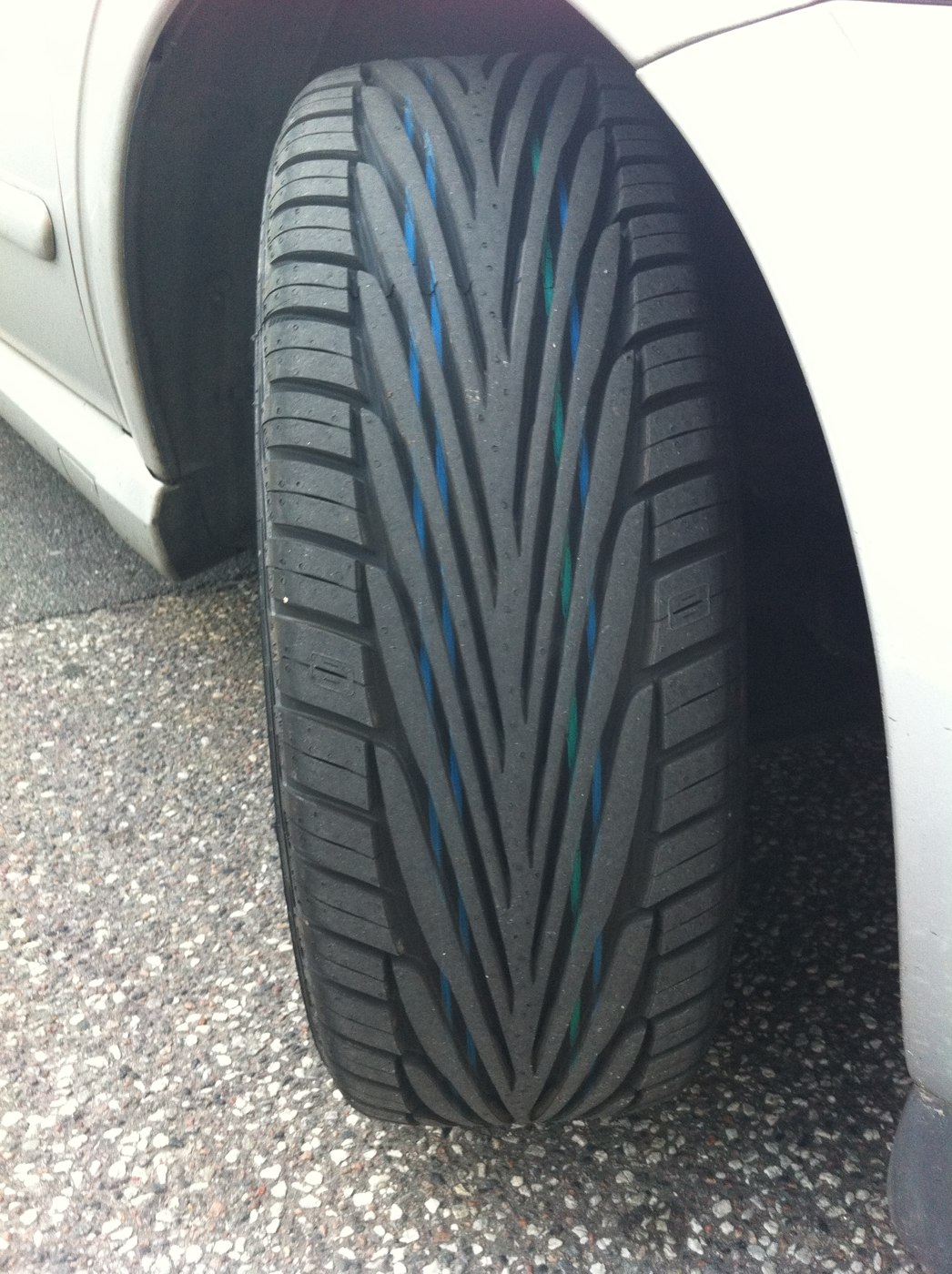
Wet grip can be compared, but no single figure describes every rain-soaked road.
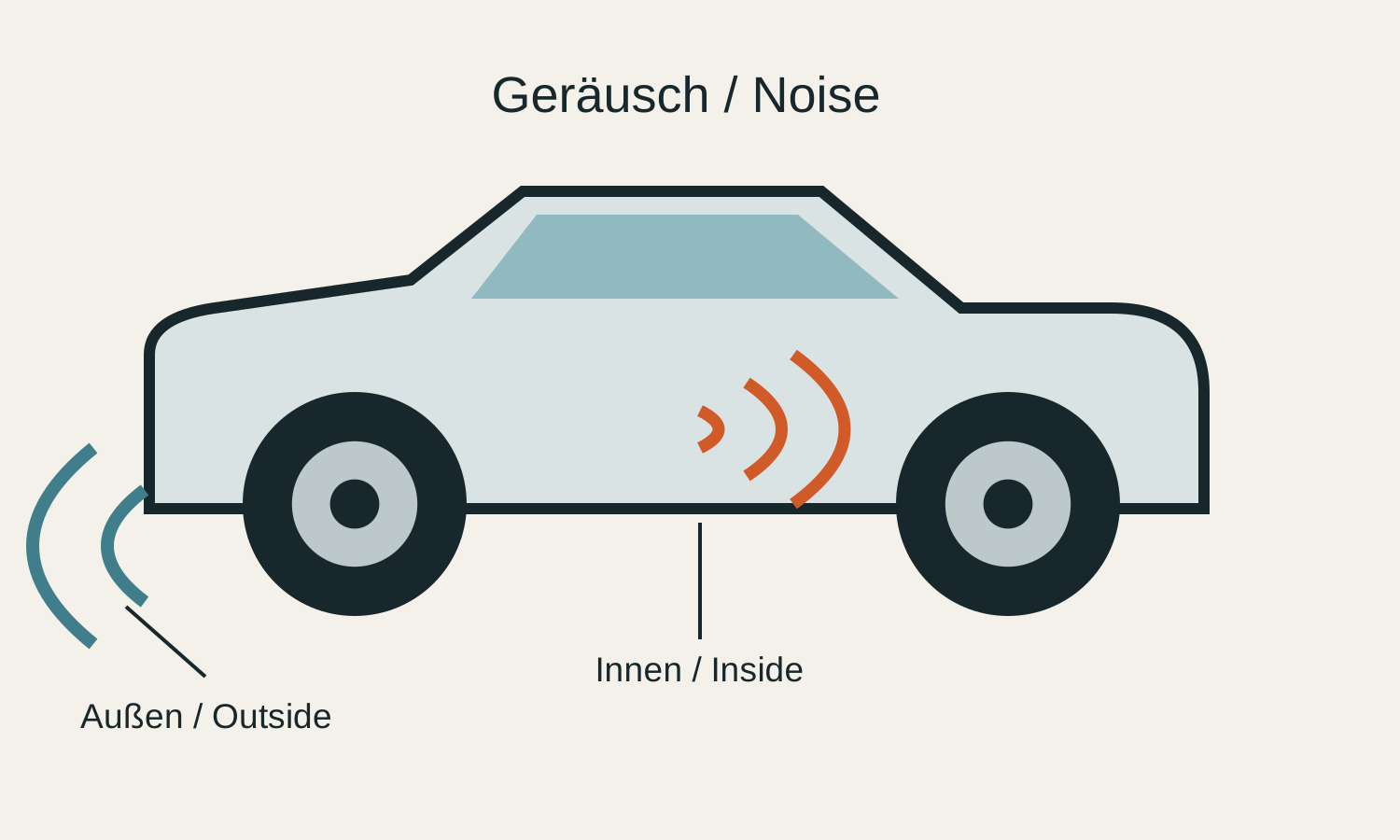
External rolling noise and the sound inside the cabin are different measurements.
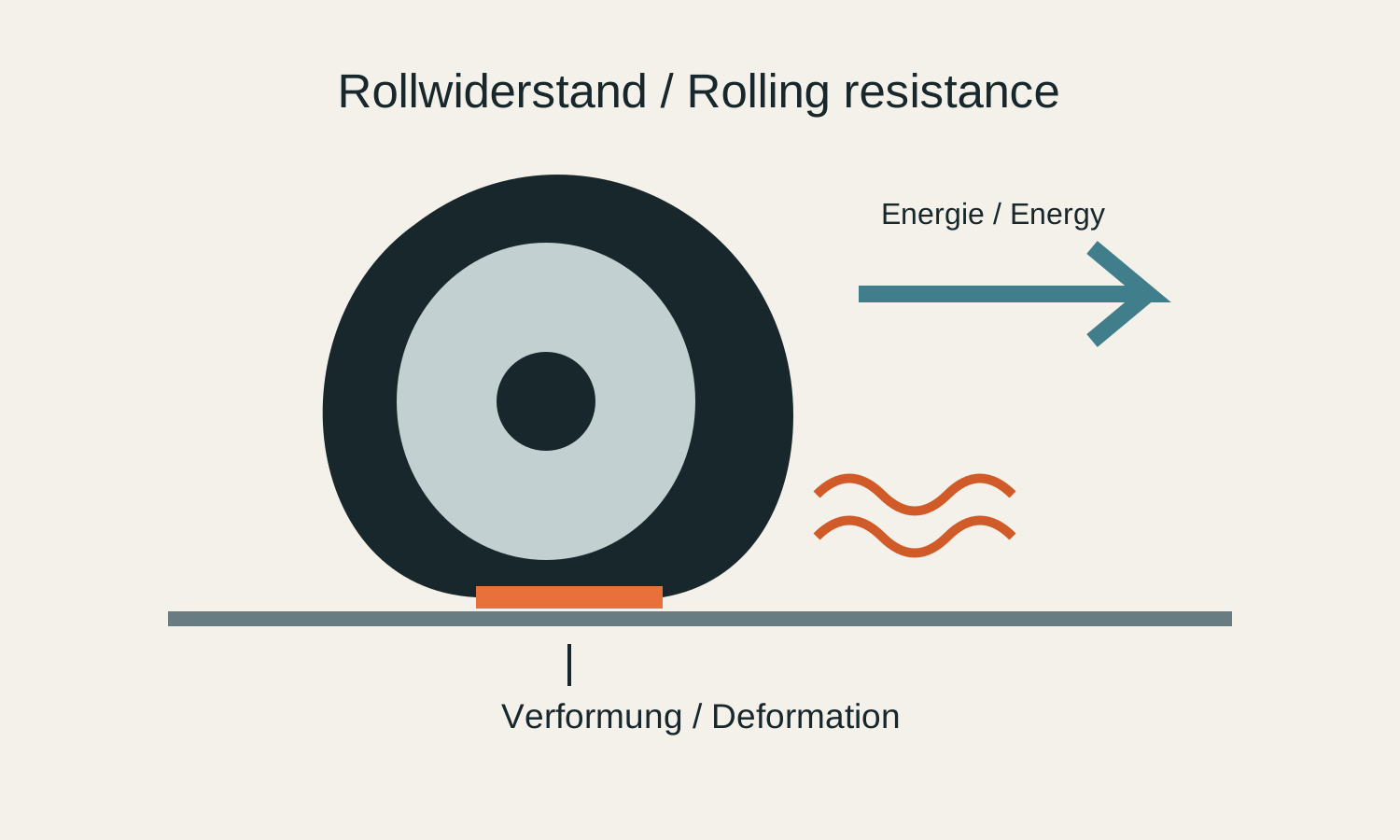
Lower rolling resistance can help consumption, but actual savings depend on more than a label.
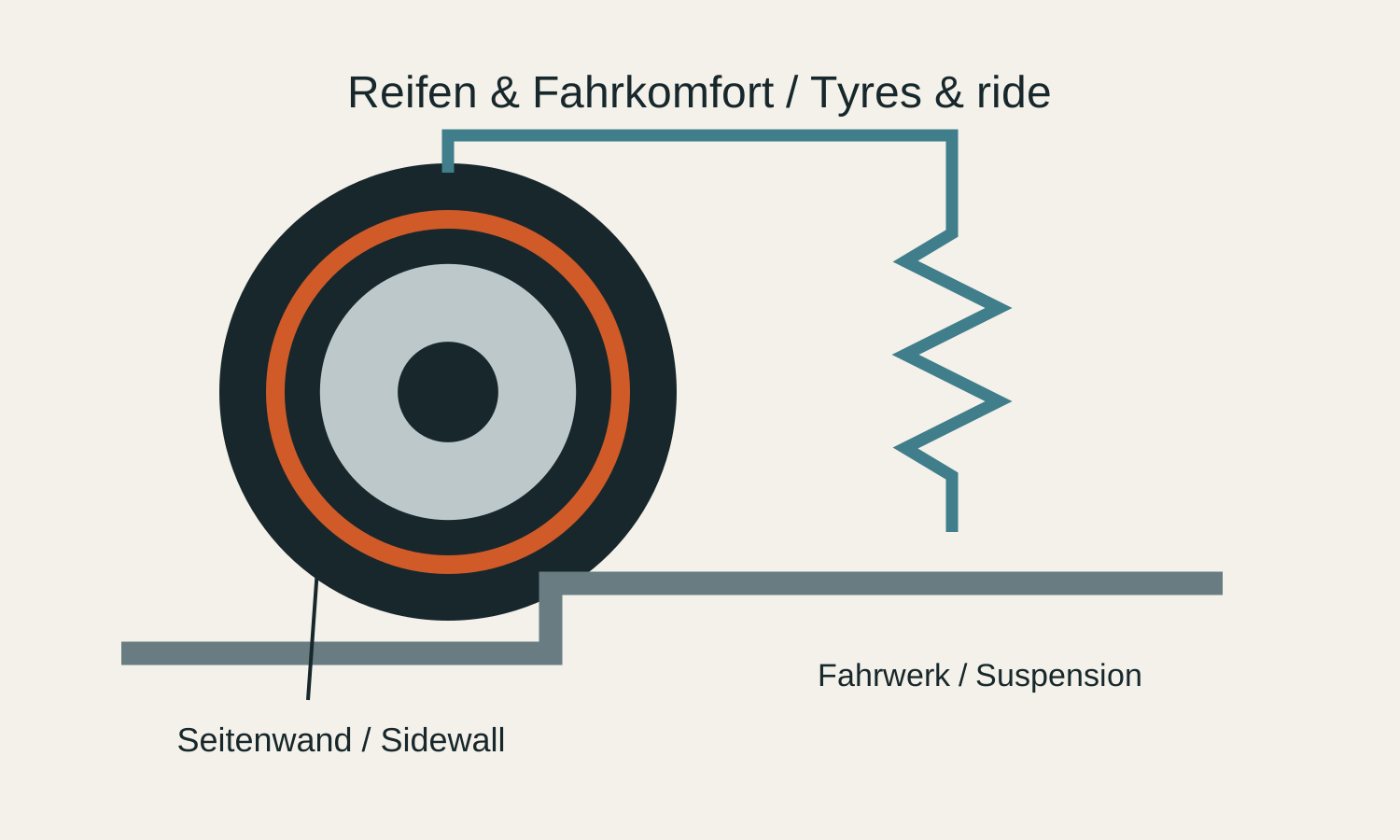
Ride quality comes from the tyre, wheel, pressure and vehicle together, not one advertising phrase.
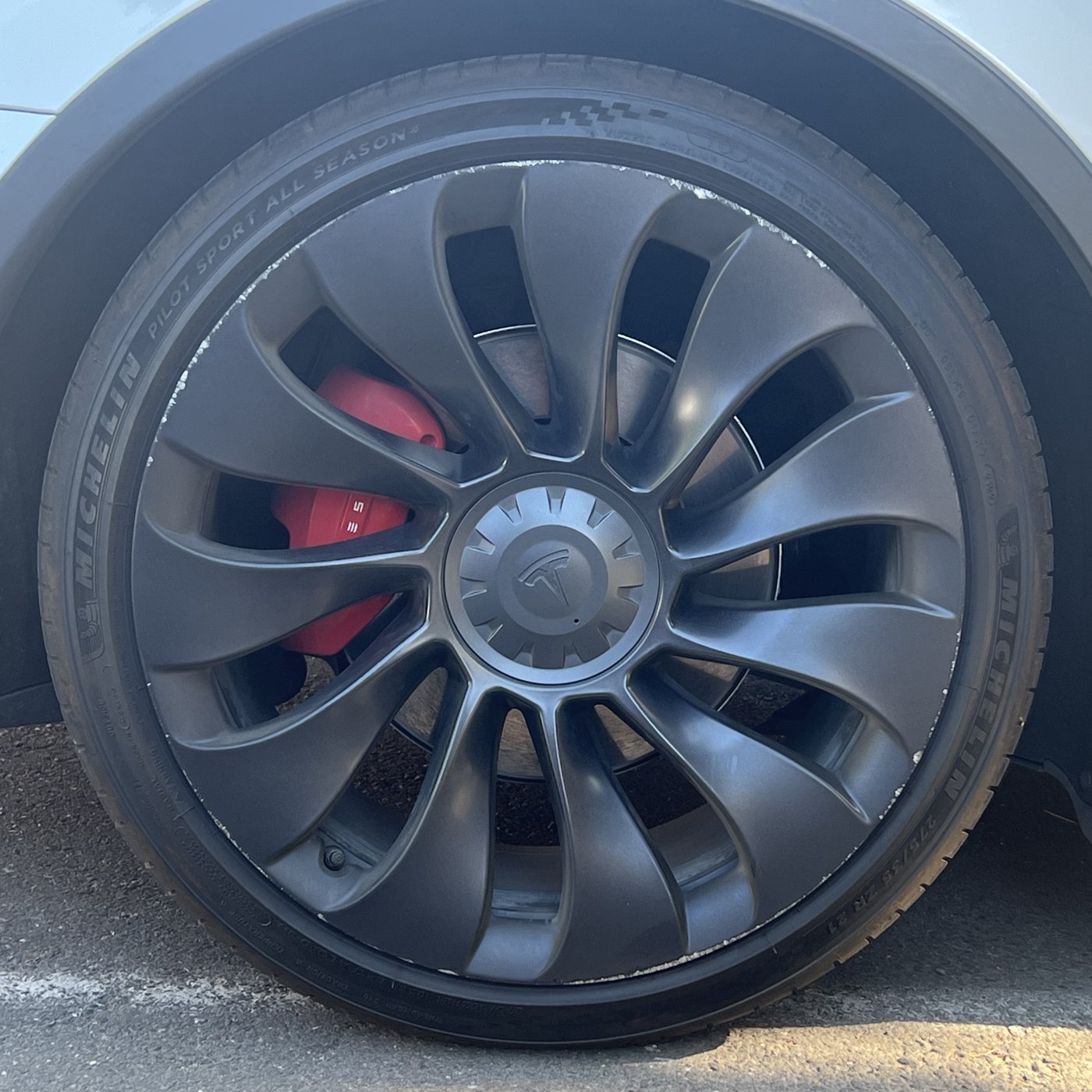
A performance tyre should suit daily conditions as well as the car’s power.
Compare specific models and total costs rather than two broad price categories.
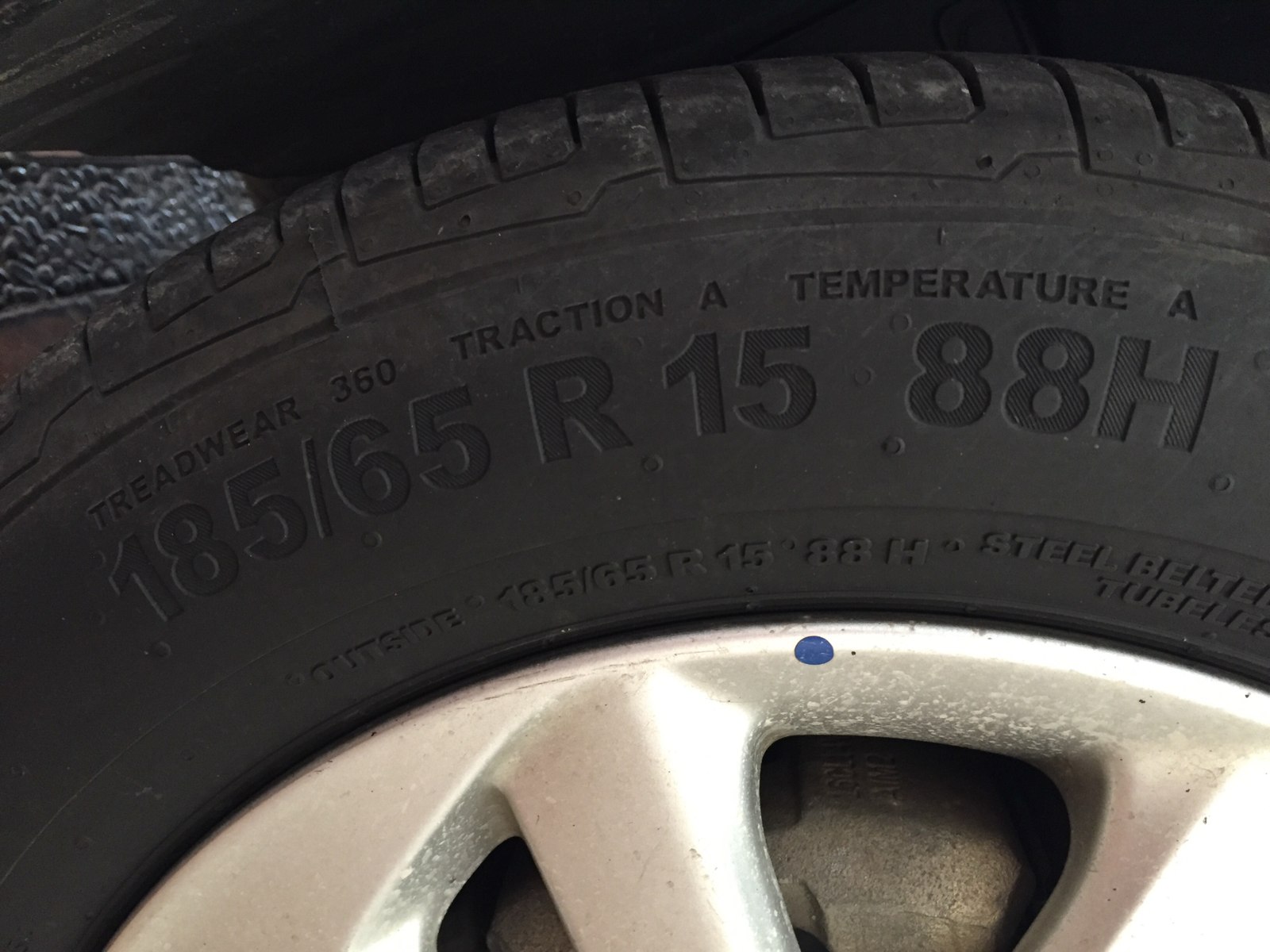
A test result belongs to a specific size and version, not automatically every variant.
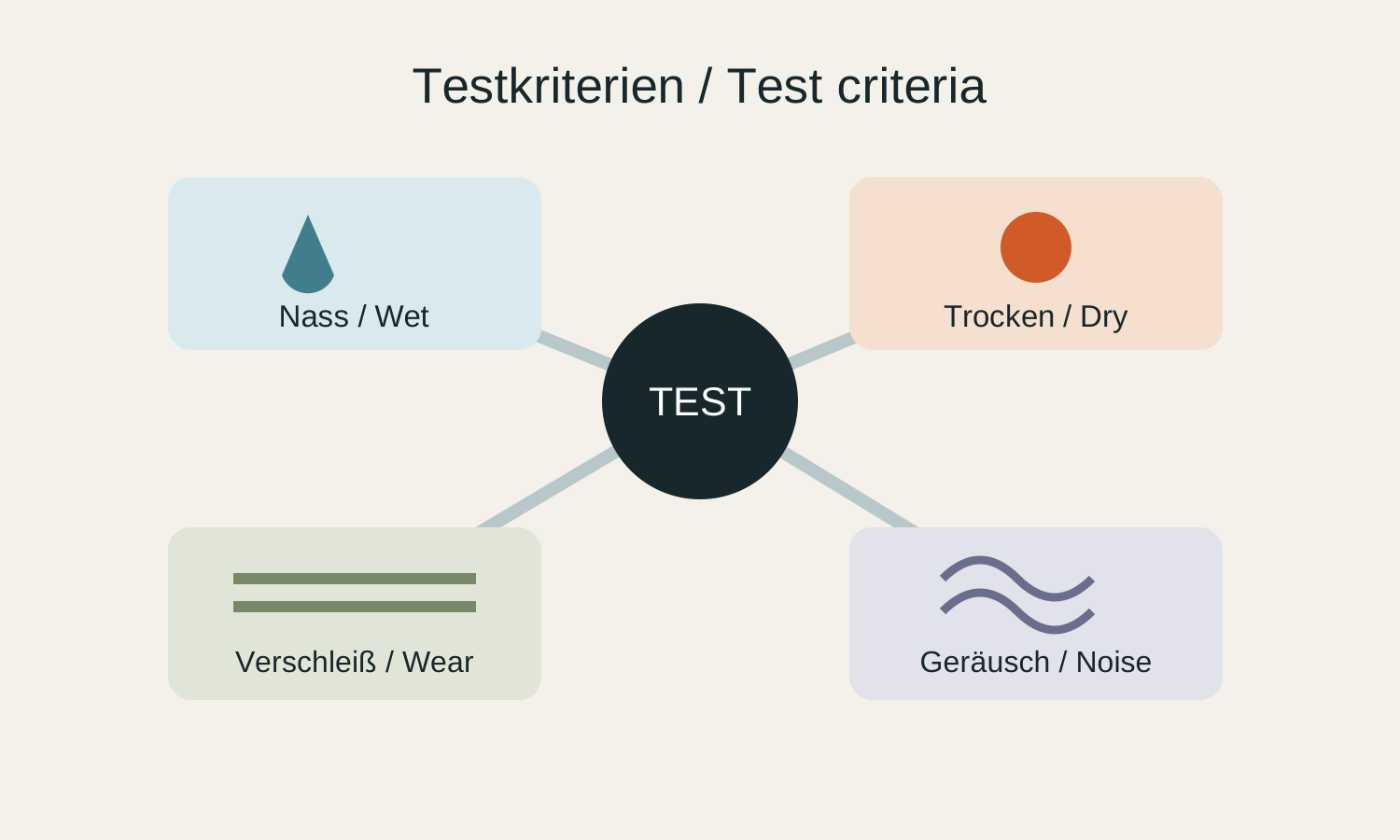
Overall grades make more sense when read alongside the conditions and individual criteria.
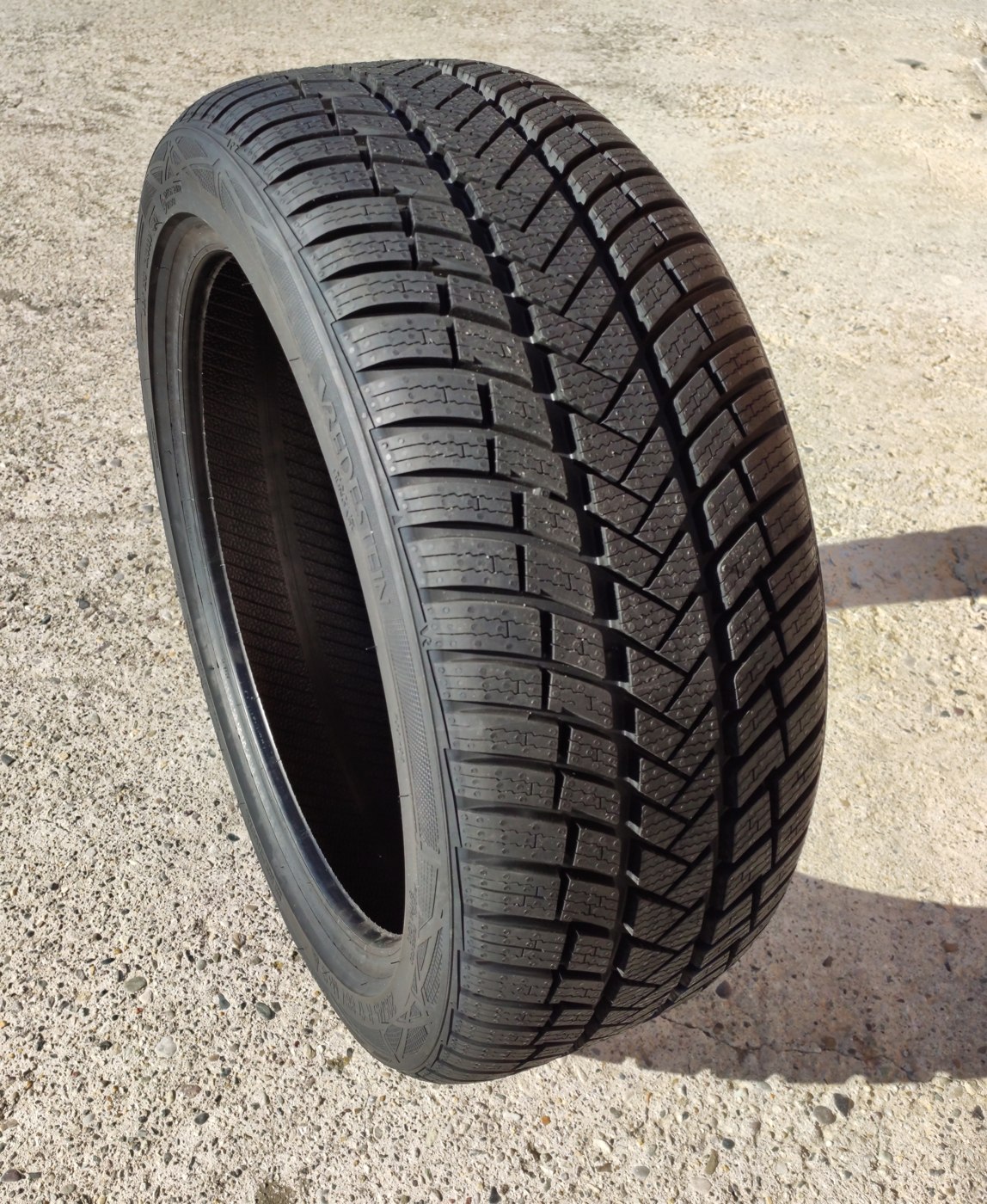
A new model name brings a change, but not automatically comparison data in your size.
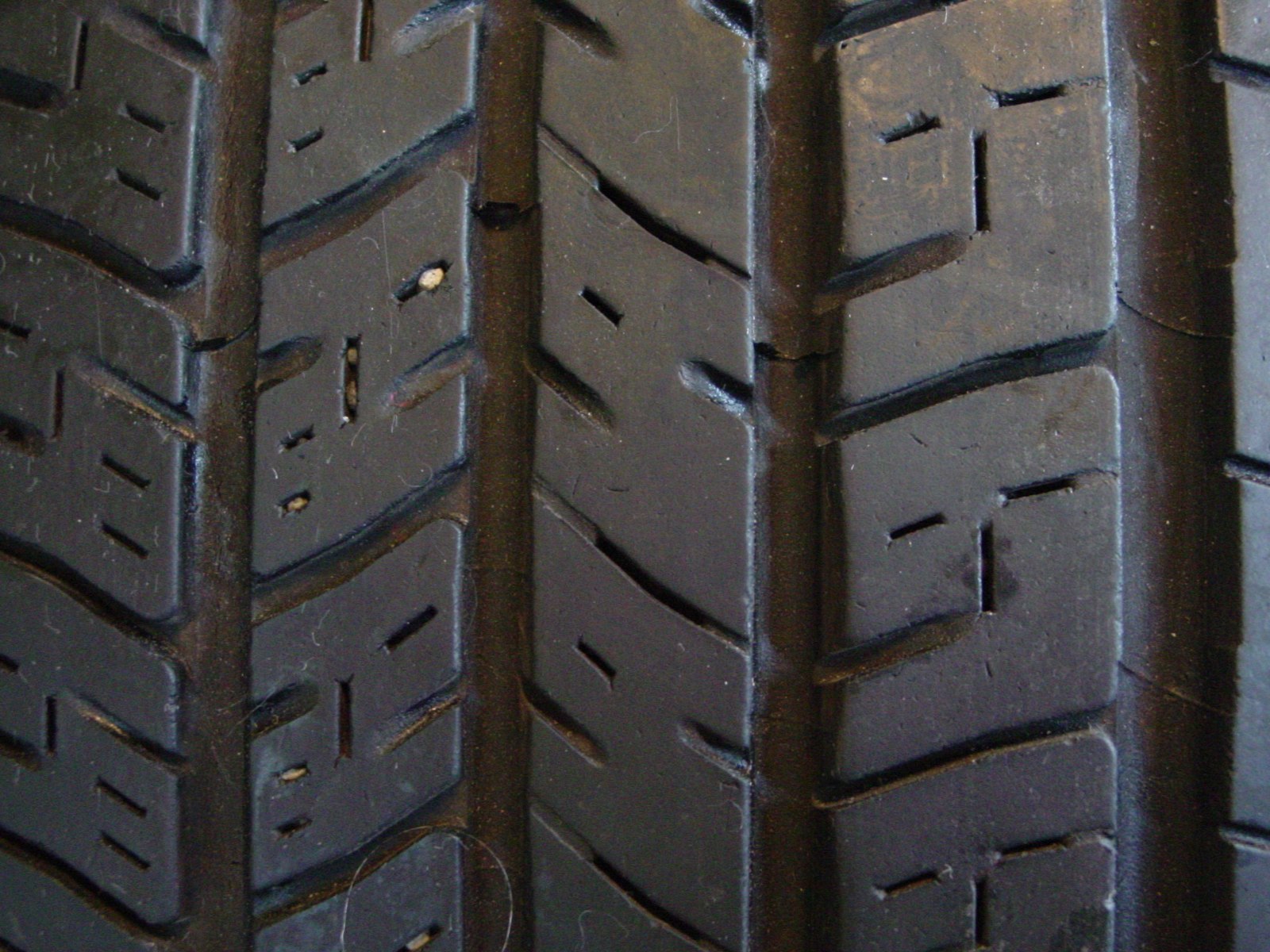
With used tyres, their history remains an essential part of the assessment.
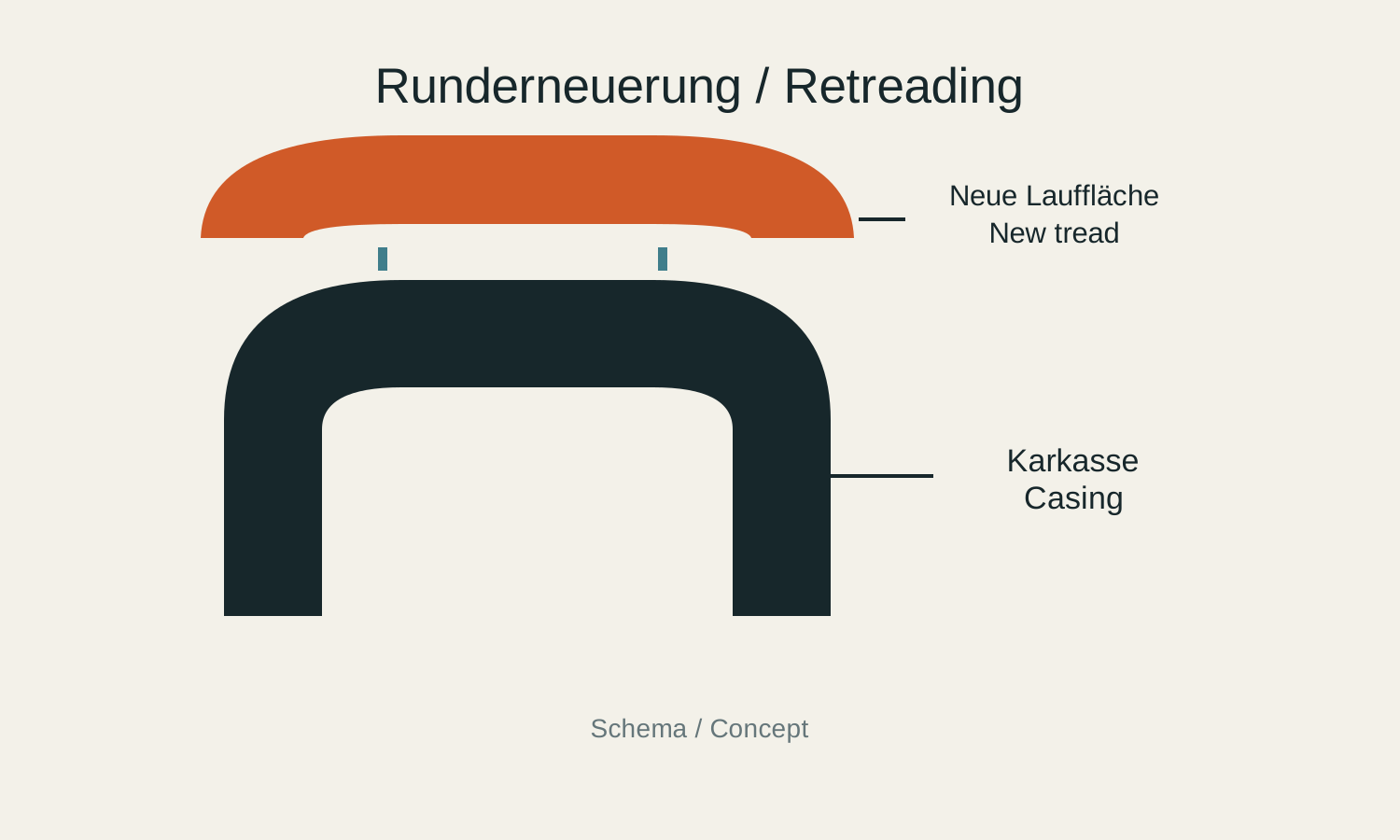
Retreading reuses an existing casing through a production process; it is not simply resale of an old tyre.
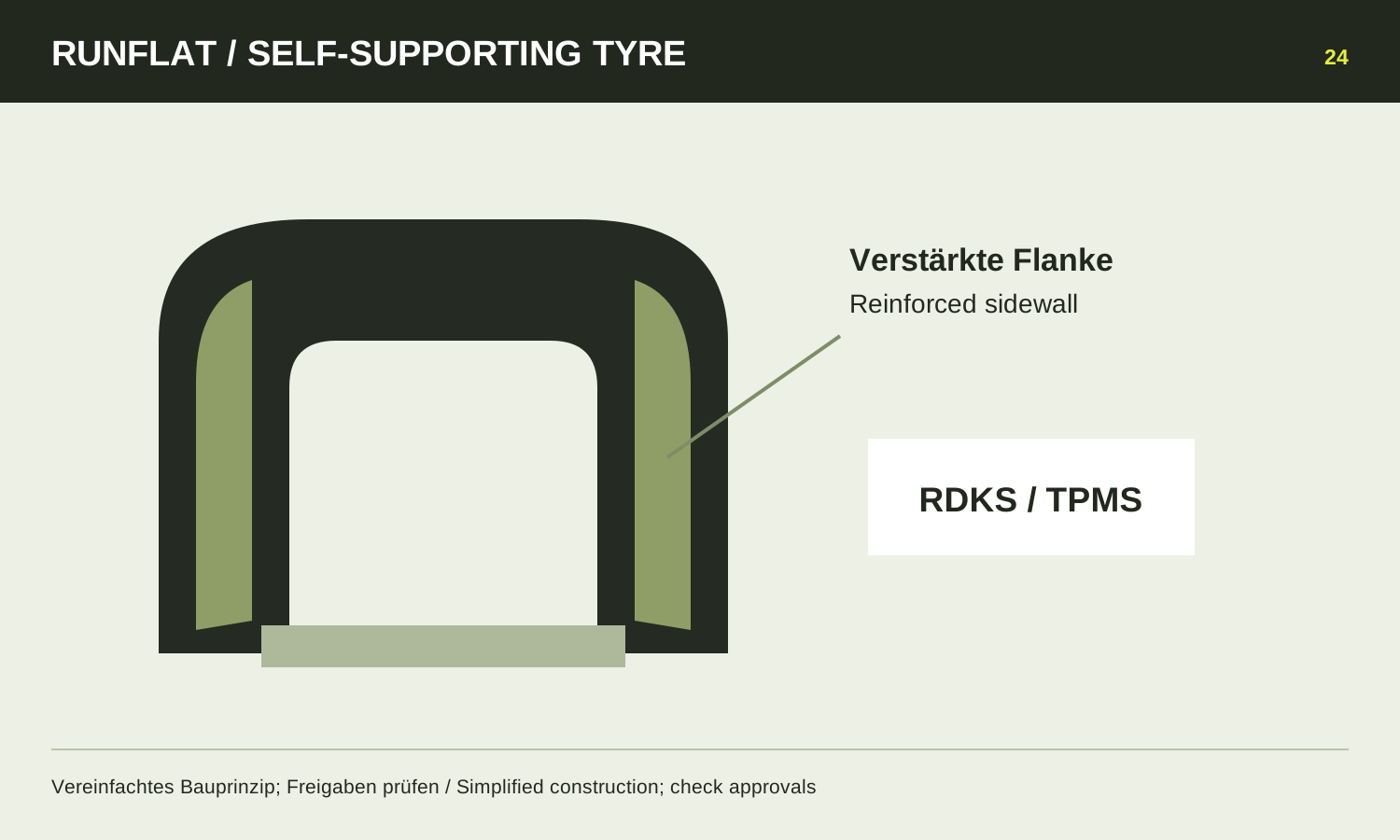
Run-flat capability belongs to a compatible vehicle system, rather than being a universal puncture solution.
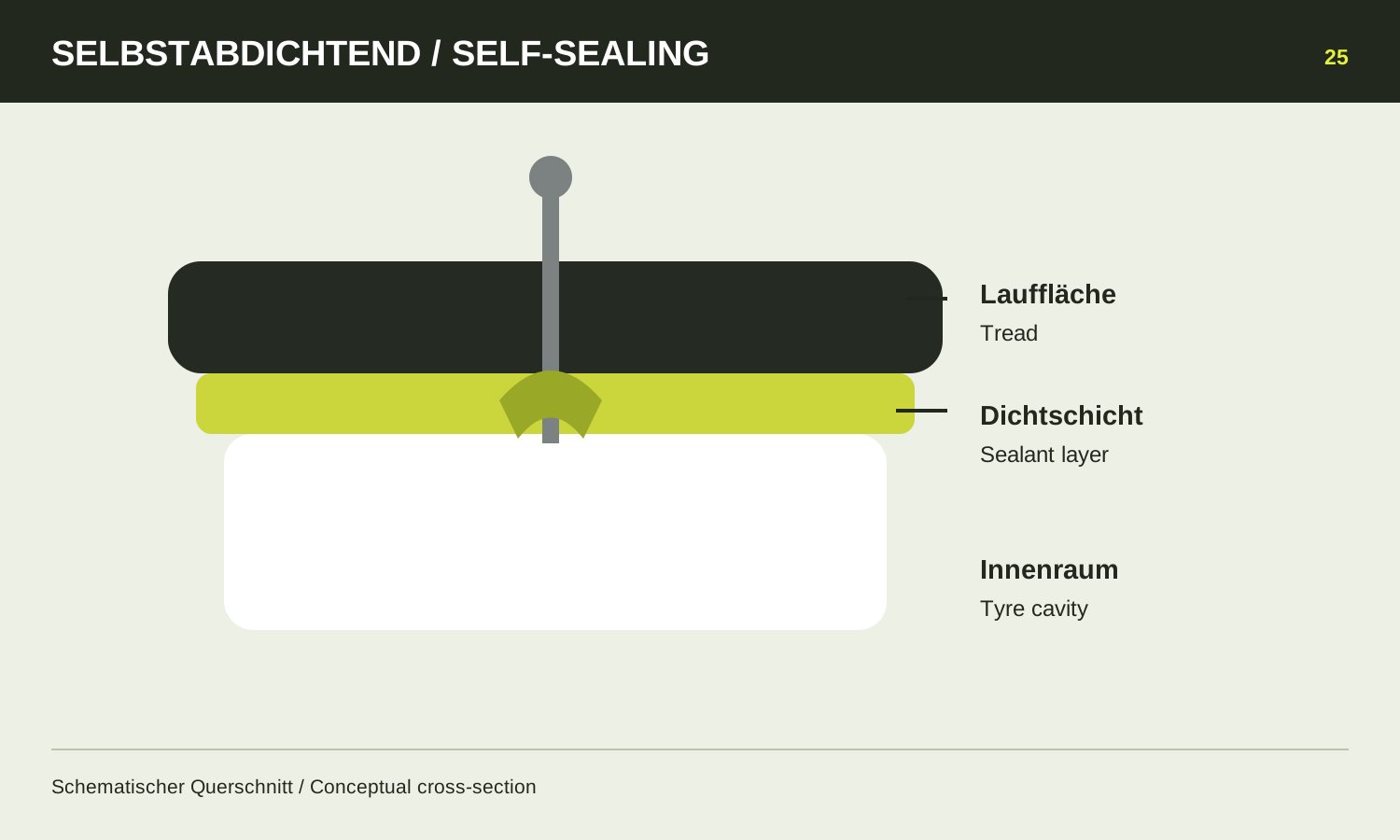
A sealing layer can address certain penetrations, but does not replace damage assessment.
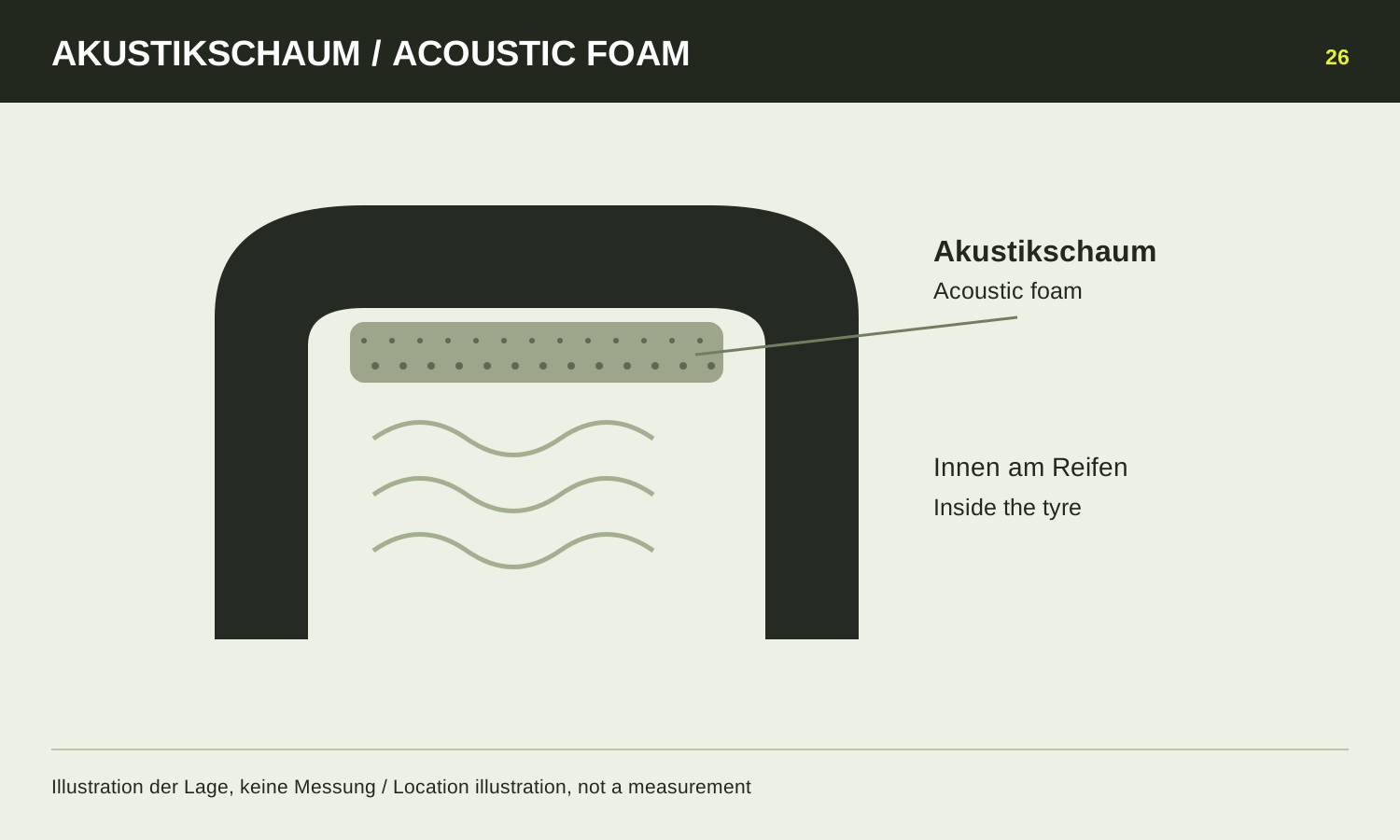
Acoustic foam addresses sound inside a tyre; it is not a puncture-sealing layer.
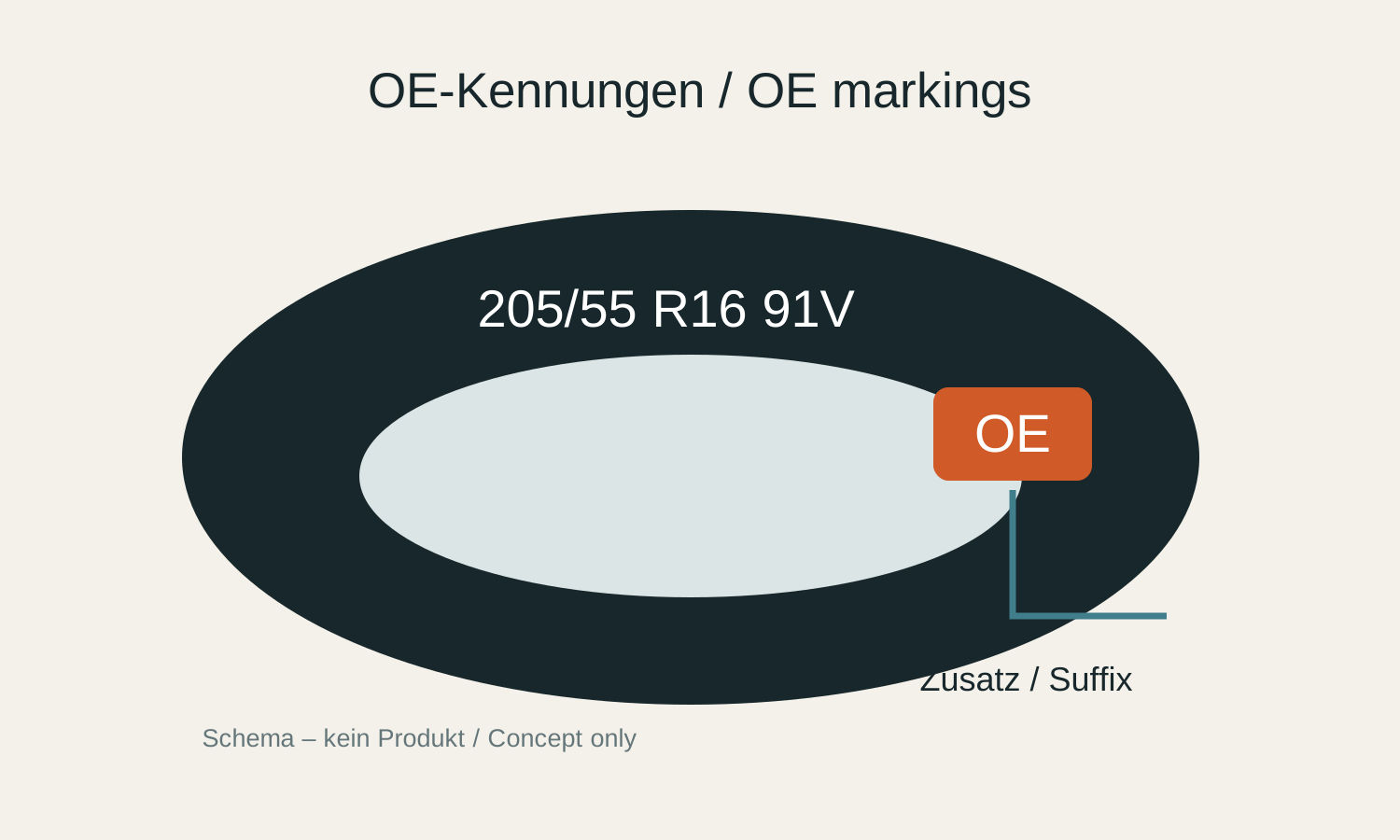
OE markings identify particular original-equipment versions; their meaning depends on manufacturer and vehicle.
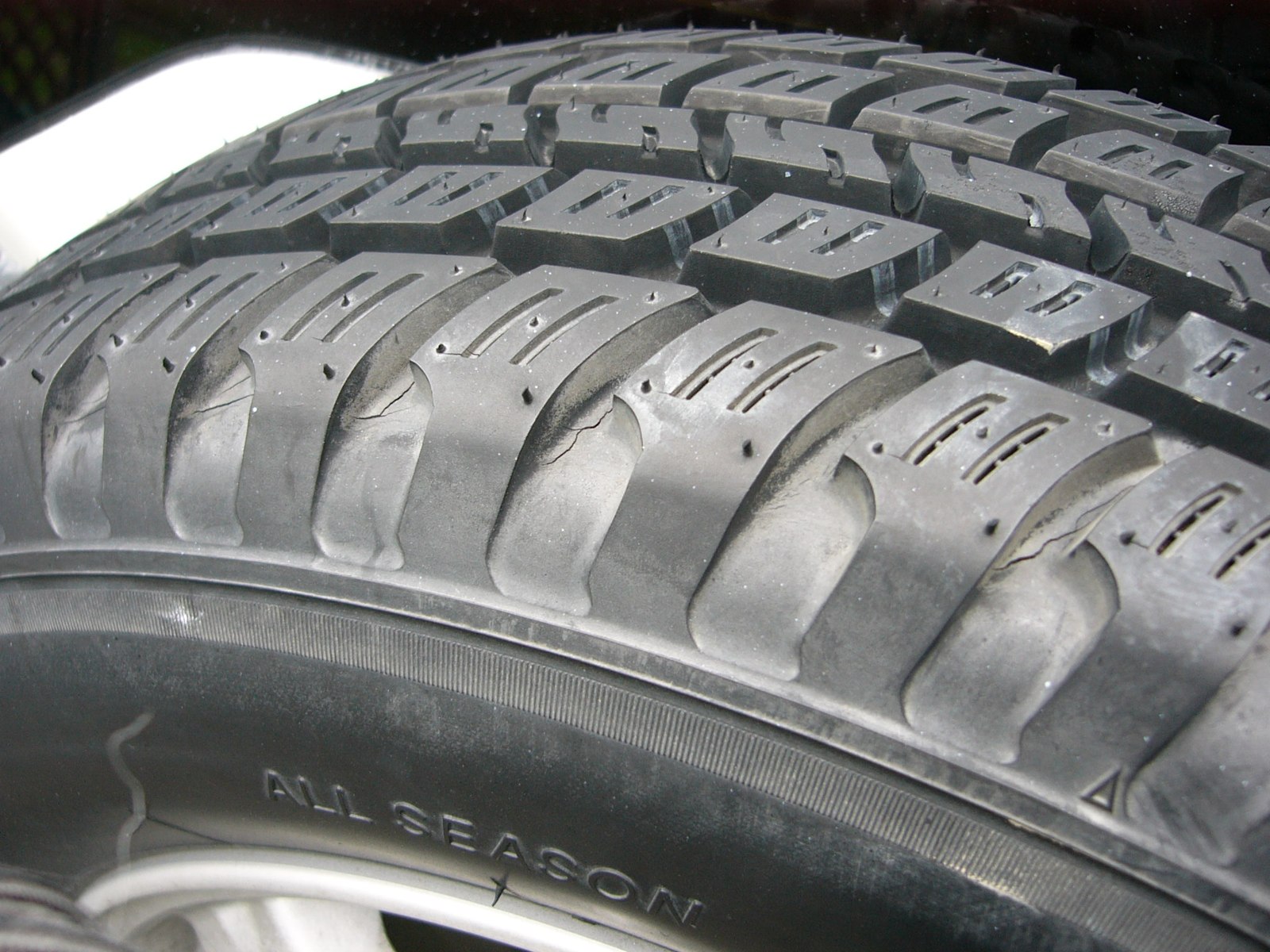
Different tyres need assessment as a combination, not merely as four individually matching sizes.
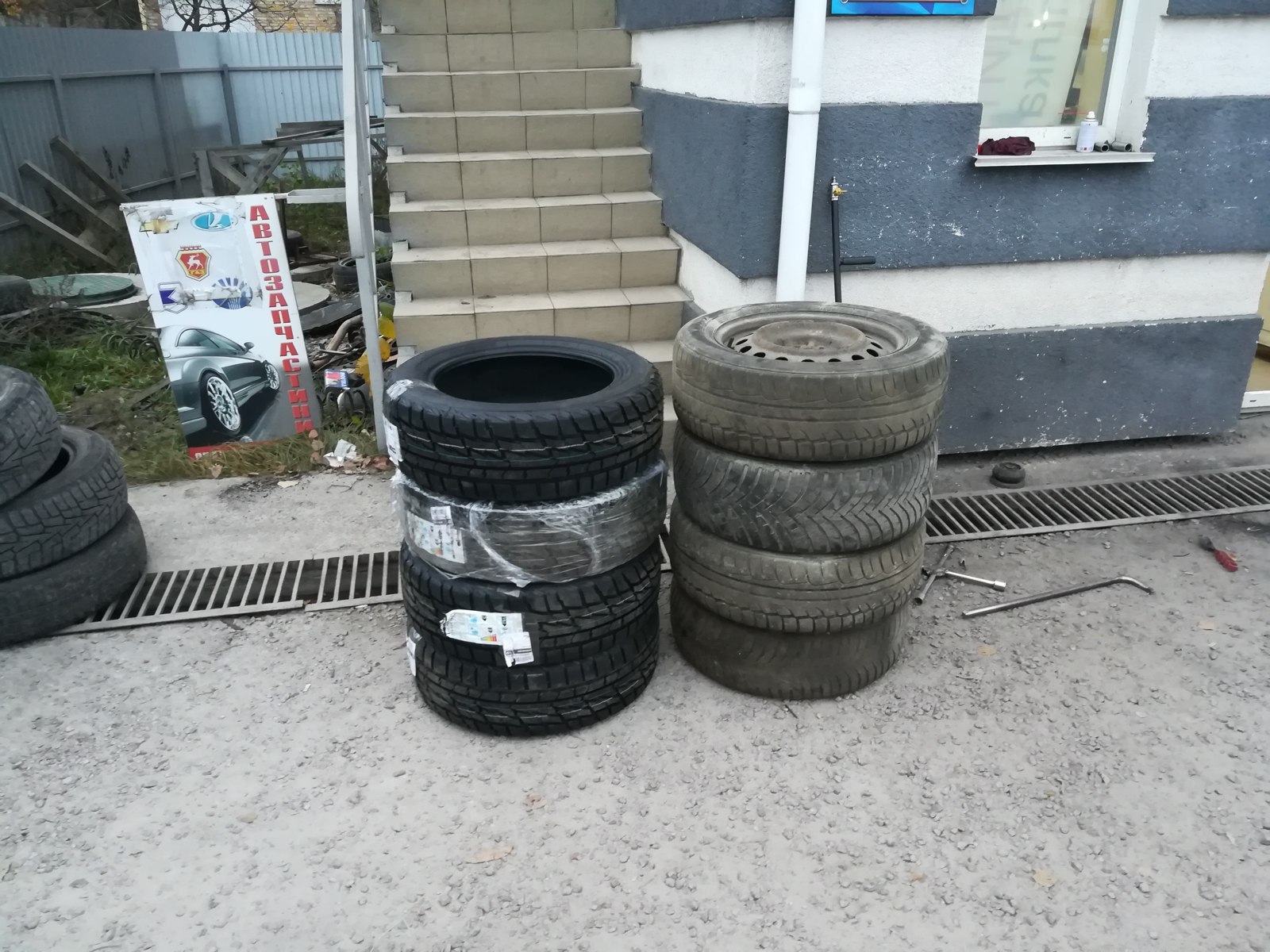
Remaining condition and vehicle requirements matter when replacing less than a full set.