The number beside the noise symbol
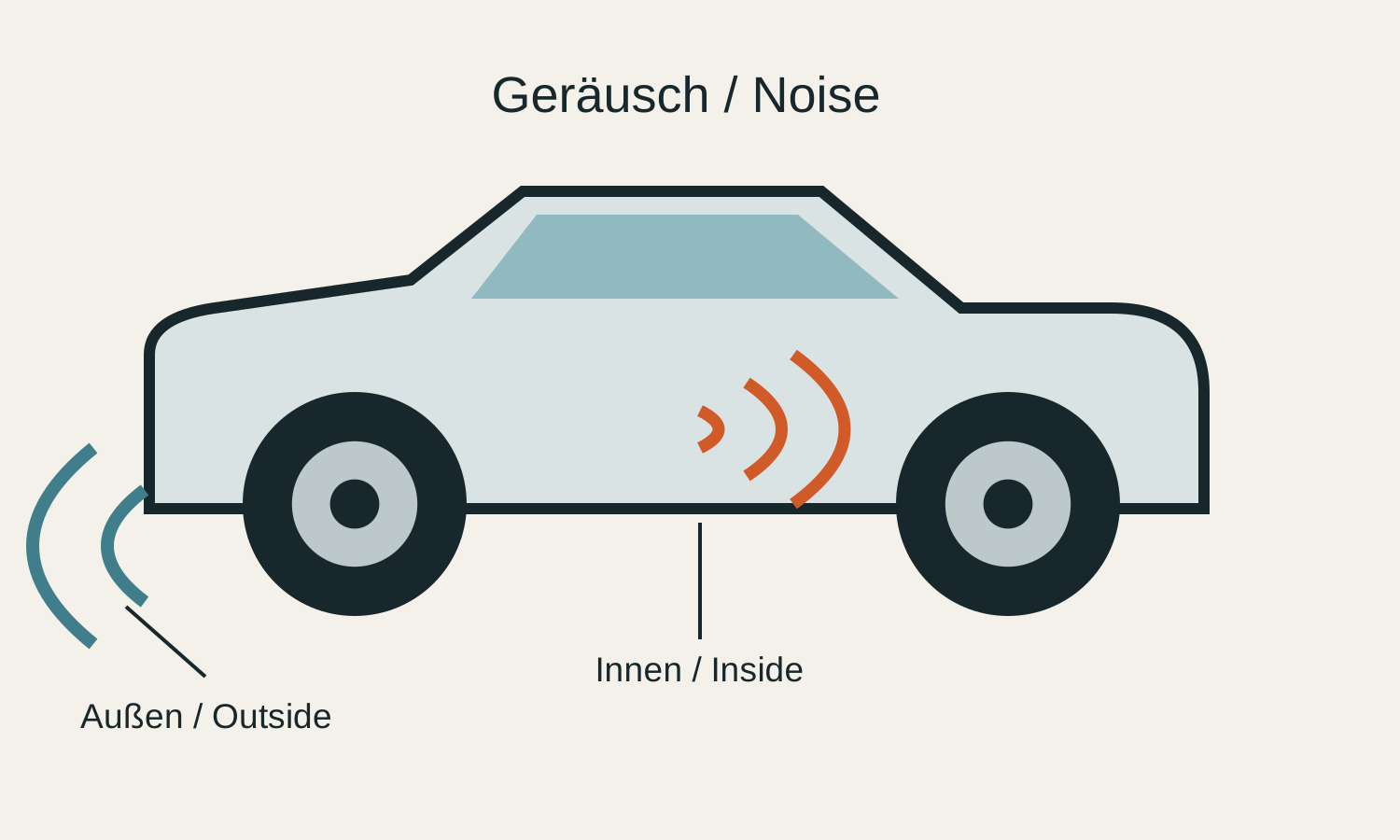
An EU tyre label includes a value for external rolling noise. It describes a standardised measurement outside the vehicle. A lower figure is therefore a comparison point for that emission, not a promise that your cabin will become quieter by the same amount. Sound reaches the cabin through several paths.
Compare figures for the versions you are actually considering. Size, load version or special construction can produce different labels within one product family. The number prominently advertised for a range may not belong to the item being offered. Ask for the product information sheet if details are missing.
Identify the noise that bothers you
Before replacing a set because of noise, describe it more precisely. A steady hiss on coarse asphalt, a rhythmic thump and a newly developed drone are different observations. Record when it began and whether speed or road surface changes it. This is more useful to a workshop than simply saying that the tyres are loud.
Uneven wear or a technical problem can also produce noise. A new product with a low label value is not a diagnosis. Have an unusual change investigated first. Otherwise, an underlying fault could affect the replacement set too.
Put owner reports into context
A clearly explained comfort assessment in a test can provide additional context. Check the vehicle and tyre size used. A report from a well-insulated large car does not transfer directly to a smaller vehicle with another wheel combination. The reviewer's previous tyres may also influence the impression.
When reading several accounts, look for concrete details rather than superlatives. Mileage, size and a description of the sound are more informative than a standalone claim of whisper-quiet operation. Agreement between subjective reports still does not turn them into your own controlled measurement.
Additional technology and cost
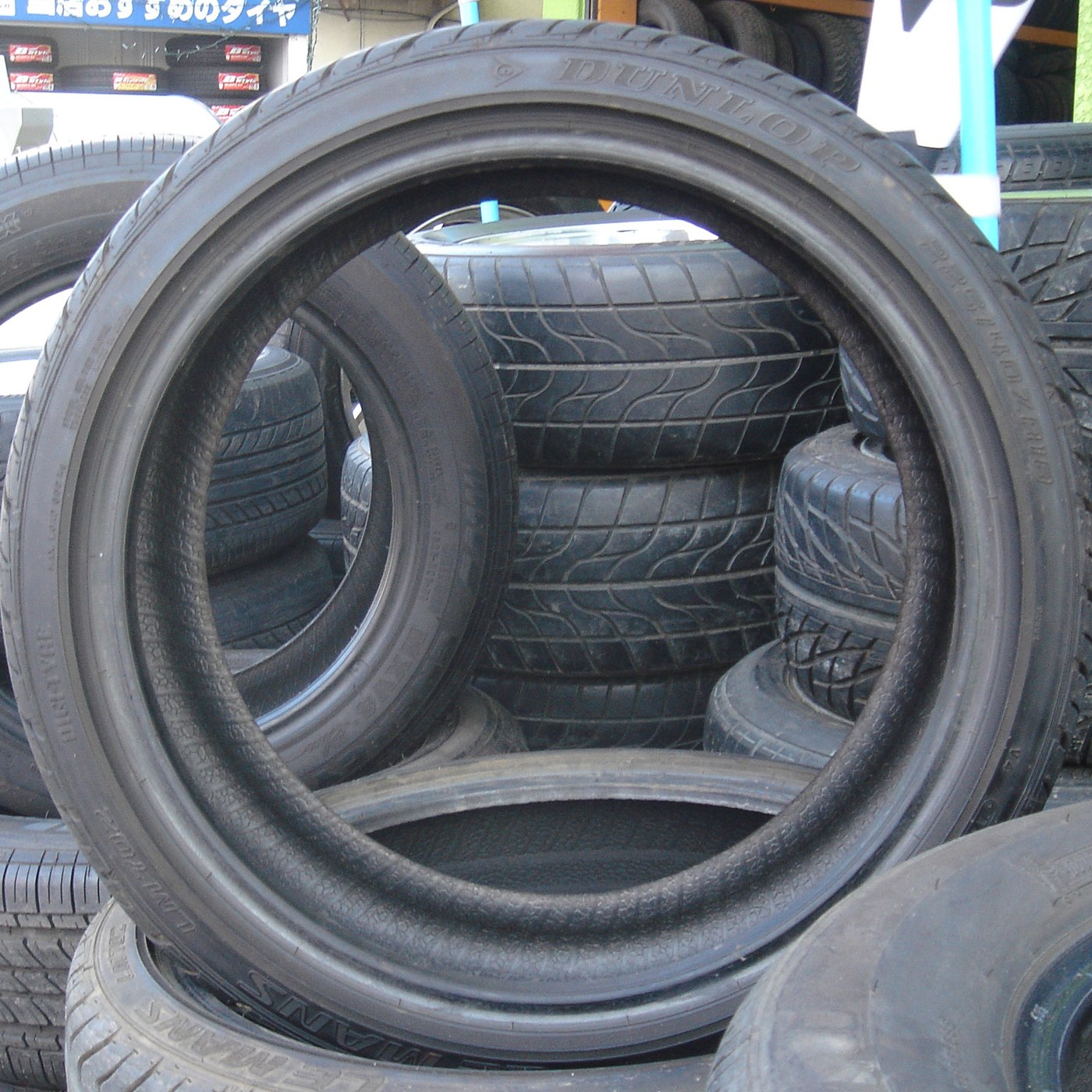
Some tyres use an internal foam layer to influence particular sound components. Identify that version precisely; it does not replace correct approval or routine inspection. It is not a general guarantee against every noise either. Ask whether the required variant is available and specified for your vehicle.
Finally compare wet performance, seasonal suitability and total cost alongside noise. An acoustic benefit is most useful when the whole product meets your needs. A balanced model may therefore be the sensible choice even if it does not carry the lowest individual decibel number in the shop. Keep your original observations so that any change after fitting can be described realistically.