Describe the problem before ordering
Does the car feel harsh over short edges, continue moving after long undulations, or vibrate at a particular speed? These observations matter when seeking advice. A general wish for more comfort can describe several different problems. Record when the change started and whether tyres, wheels or suspension parts had recently been changed.
If the same fitment previously felt normal, a technical inspection is often the more useful first step. Replacing tyres on a guess can be expensive and leave another cause unresolved. A workshop road assessment is also more informative when you can describe the specific situation that causes concern.
Record the current combination completely
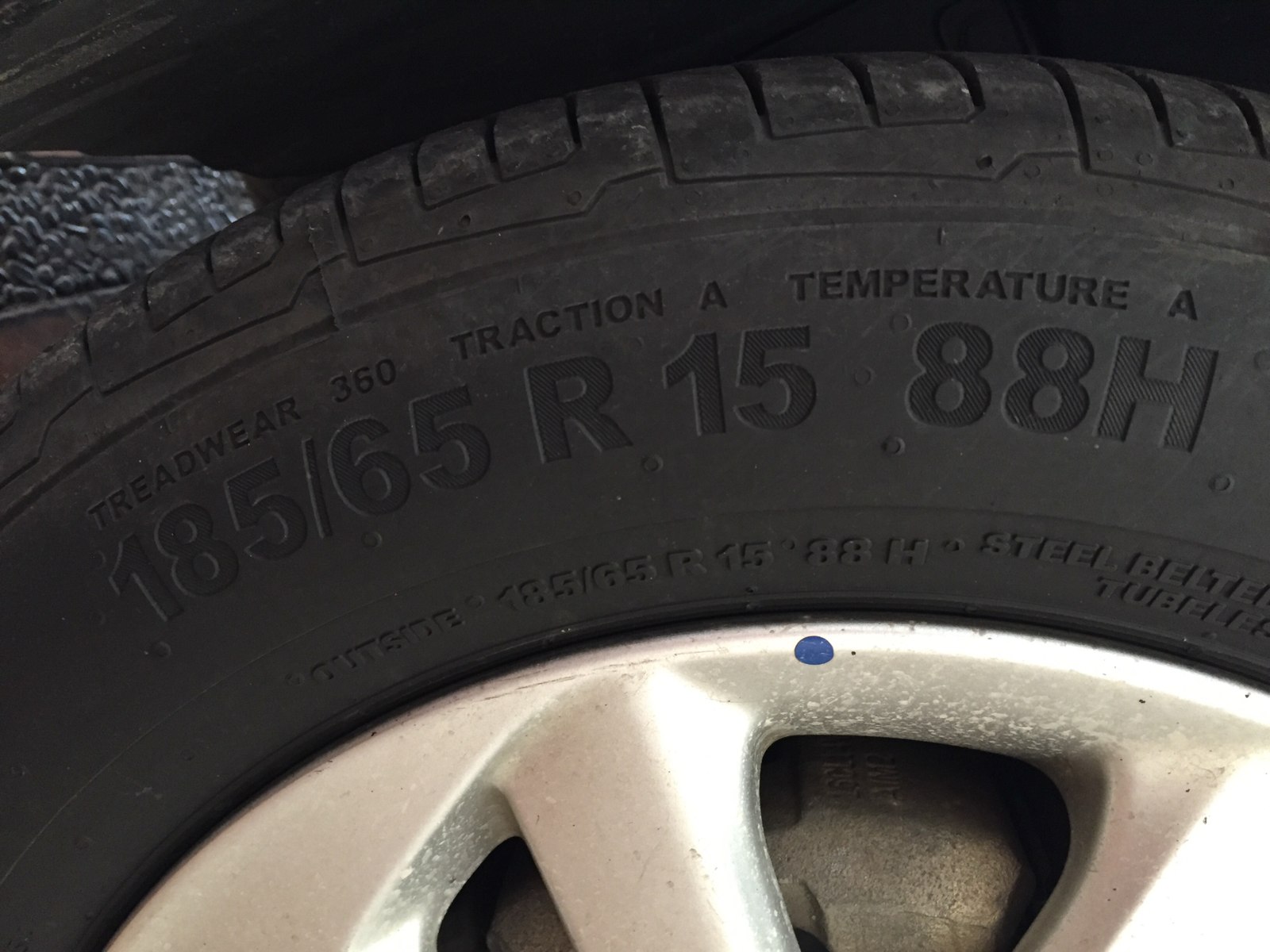
Note the tyre size, model, load and speed version, and special markings. Establish the wheel size as well and check its approval. With a used car, do not assume every previous change was correctly documented. The starting point must be known before an improvement can be assessed.
Check cold pressure against the vehicle instructions for the current loading. A full-load setting may differ from another prescribed setting. Do not invent an intermediate solution, however. Where instructions appear inconsistent, have the vehicle and tyre specialists resolve the application.
Changing model within the same size
Staying within the existing approved dimension is often simpler than changing wheel size. Look for clearly explained comfort assessments and note the combination tested. Subjective judgments can help, but they are not universal measurements. A tyre described as comfortable may feel different on another vehicle.
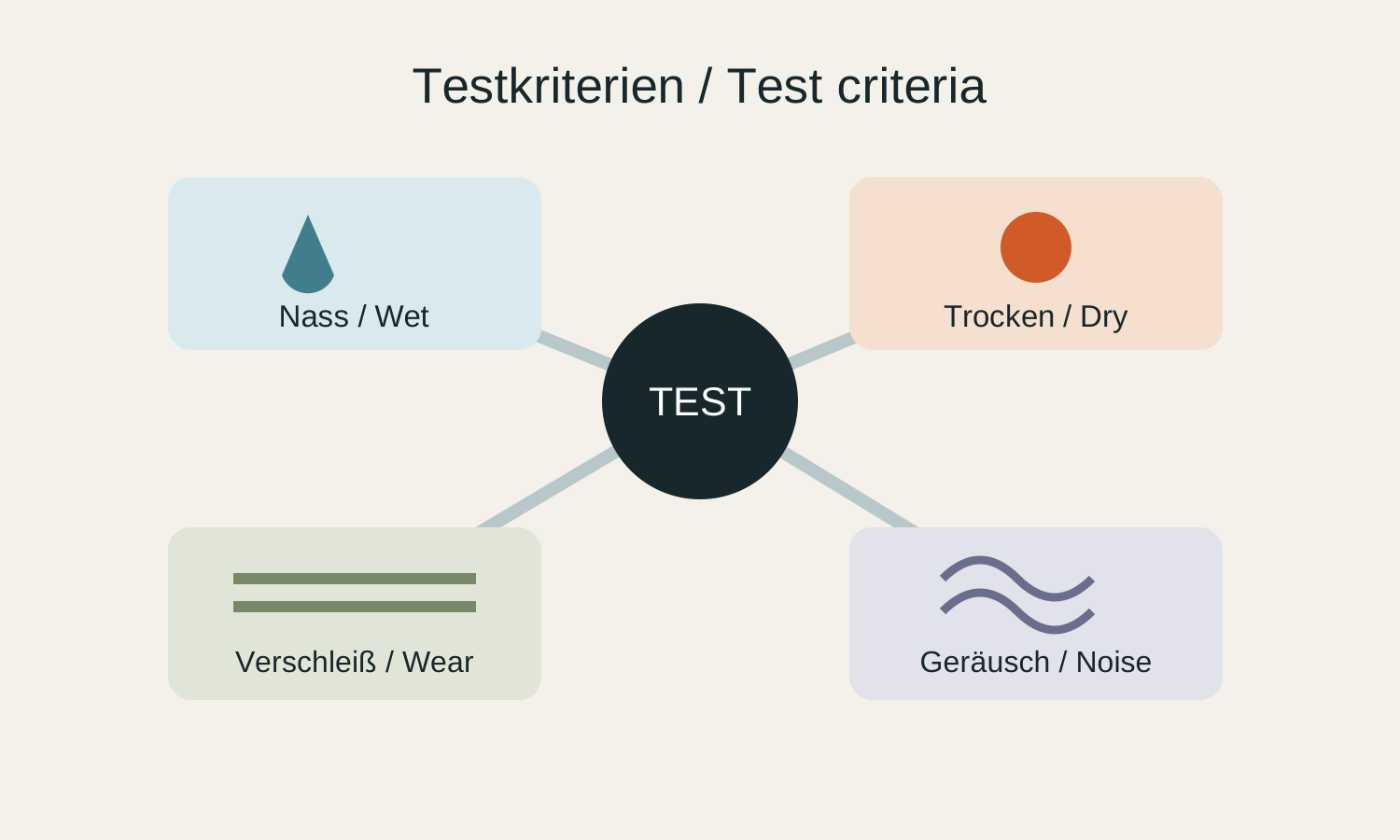
Keep wet performance, seasonal suitability and technical requirements alongside comfort. One comfort-related feature should not determine the entire decision. Also check whether an offer concerns a special version such as a run-flat or particular OE fitment. Similar product names can conceal technical differences.
A smaller wheel as an approved alternative
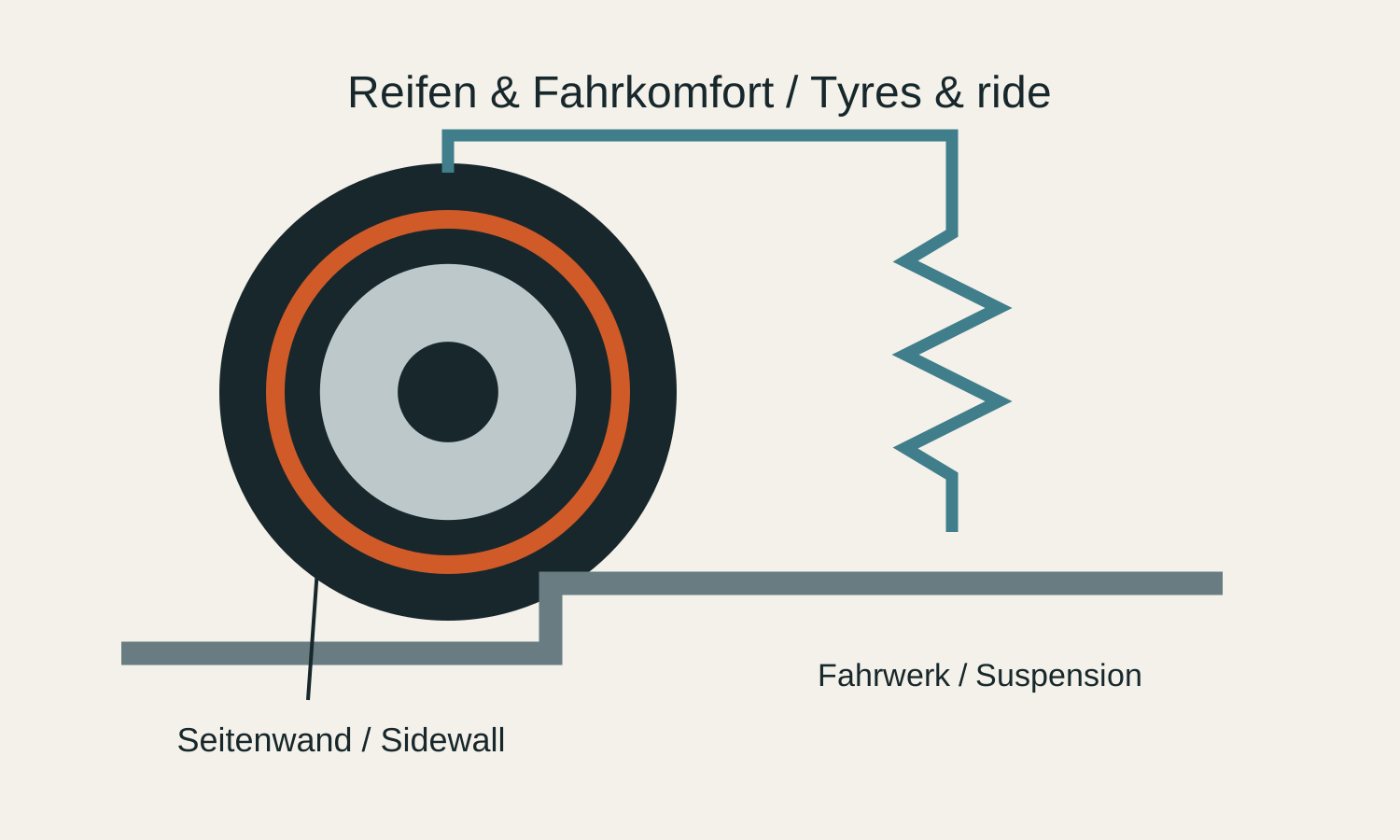
If a smaller wheel size is approved for the car, it may be an option. That is not a blanket recommendation for every vehicle. The complete combination must be approved, compatible with the brakes and vehicle systems, and within technical requirements. A taller-sidewall tyre cannot simply be transferred onto the existing wheel.
Price the conversion as a complete package: wheels, tyres, possible sensors, fitting and any required approval procedure. Compare these initial costs with the benefit you expect. If the car will soon be sold, an extensive conversion may make less sense than a suitable replacement in the existing size.
Do not confuse noise with cushioning
A quieter tyre can feel calmer without transmitting impacts very differently. External noise on the EU label is not a direct measure of cabin comfort either. Separate the wish for less noise, less harshness and less vibration in your notes. This makes an offer easier to assess.
Acoustic-foam technologies address particular sound components. They are not a general remedy for harsh suspension reactions. Pressure below the prescribed range is not an acceptable comfort strategy either. No single badge replaces consideration of the complete vehicle.
Compare afterwards in similar conditions
Before replacement, record the road sections that were especially uncomfortable. After fitting, use the same sections with similar loading and an appropriate legal speed. Avoid judging the change solely on an unusually smooth journey home from the workshop. Report new noise or vibration promptly for inspection.
Record which characteristic improved and which stayed the same. This is not a scientific measurement, but it provides useful evidence for future choices. A differentiated description also helps more than declaring the entire tyre simply good or bad.