Read the complete heading
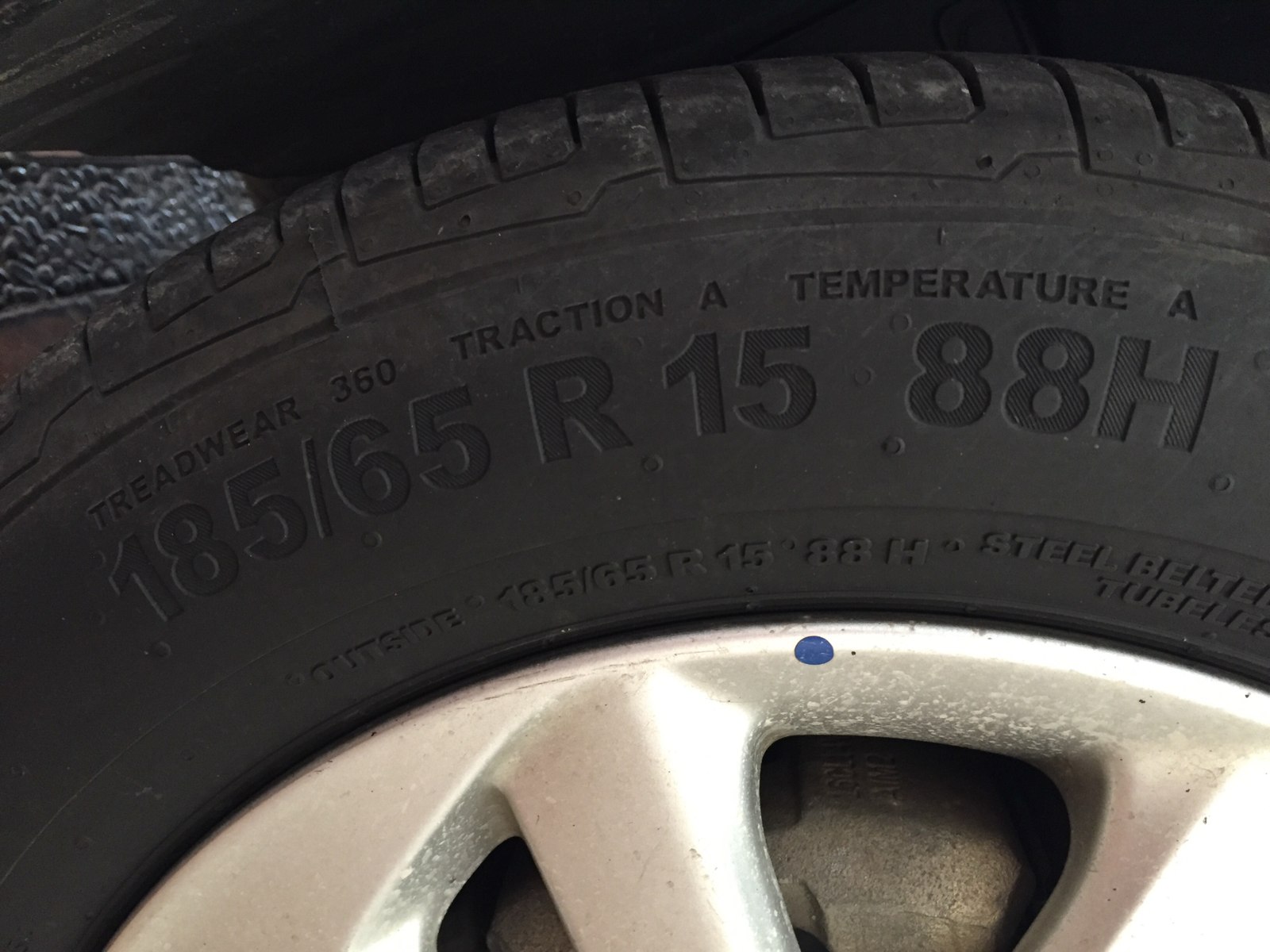
A tyre test often names a dimension in its title. That is not a minor detail. One model may be sold in many widths, aspect ratios, diameters and load versions. First establish what was tested and what your vehicle needs. A matching model name is only the first part of identification.
Check the product generation too. A similar name with an extra number can identify a different product. OE versions and other technical suffixes also matter. Save the test date and complete specification instead of relying solely on a winner badge displayed by a shop.
Why another size is not identical
Dimensions and construction are part of the tyre's design. A result in another size can provide context for a range, but does not prove identical stopping distances or steering feel. The test vehicle and conditions add further influences. Avoid calling two tyres exactly the same when only their brand and model names match.
This does not make every other-size comparison worthless. It can suggest further questions: are there similar findings in a suitable dimension, or does the manufacturer explain differences between variants? Keep the degree of correspondence visible so that useful context does not silently become certainty.
When no matching test is available
Start with mandatory technical requirements and seasonal suitability. Then compare label information for the actual variant. Look for several credible sources describing relevant properties. A well-documented test in a nearby size is more informative than anonymous enthusiasm without a vehicle description, while remaining only partly transferable.
Ask the seller why a product is recommended. Availability, vehicle experience and a test are different foundations. If a test is mentioned, ask for the underlying article. This can reveal an innocent specification mix-up before an order is placed.
Keep a clear record
A short table is enough: required version, tested version, year and important differences. Add the complete price of the item actually offered. Record any compromise in the evidence. There is no need to invent a perfect ranking when available information supports only a qualified decision.
Check the supplied markings again on delivery. Careful research is of little use if a different version is ultimately fitted. Resolve a discrepancy before installation and establish whether your original comparison still applies. Keep a copy of the order description with the test reference, rather than expecting a retailer's page to remain unchanged indefinitely.