
Weather & journeys
Winter-tyre requirements in Germany
Germany's winter-tyre requirement follows road conditions. A fixed changeover date or an M+S marking alone does not settle the question.
Tyre questions for changing weather, holidays and different road conditions.
Germany's winter-tyre requirement follows road conditions. A fixed changeover date or an M+S marking alone does not settle the question.

A calendar helps reserve an appointment. Weather, driving patterns and the condition of your tyre sets determine whether the timing suits you.
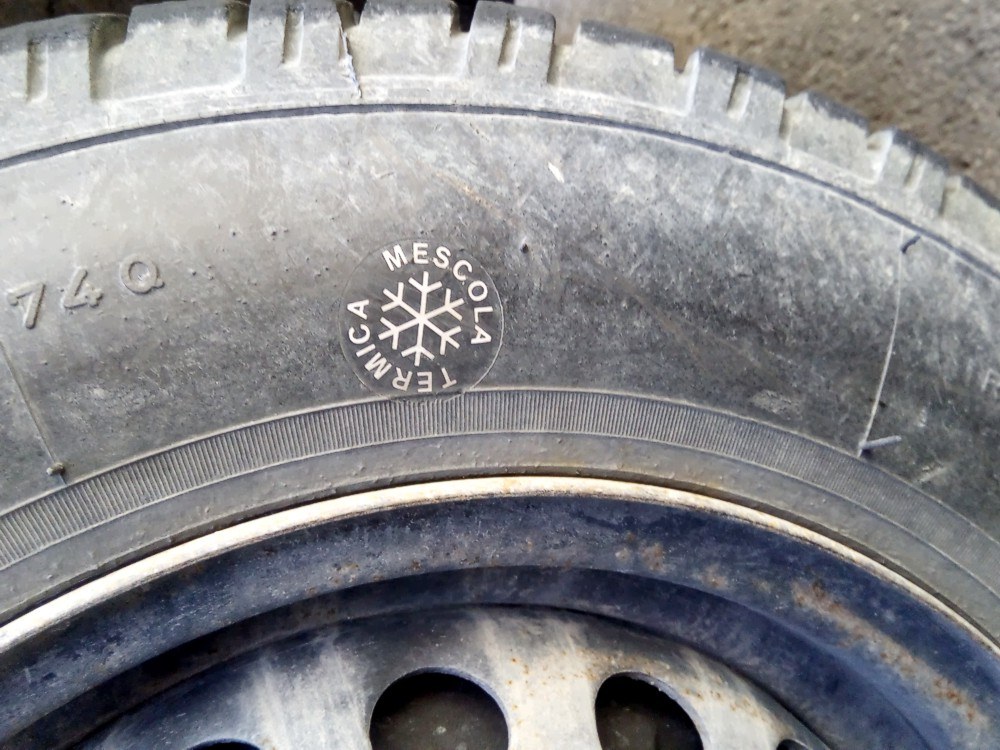
Seven degrees is a familiar reminder for seasonal tyre changes. It is neither a legal trigger nor a universal performance boundary.
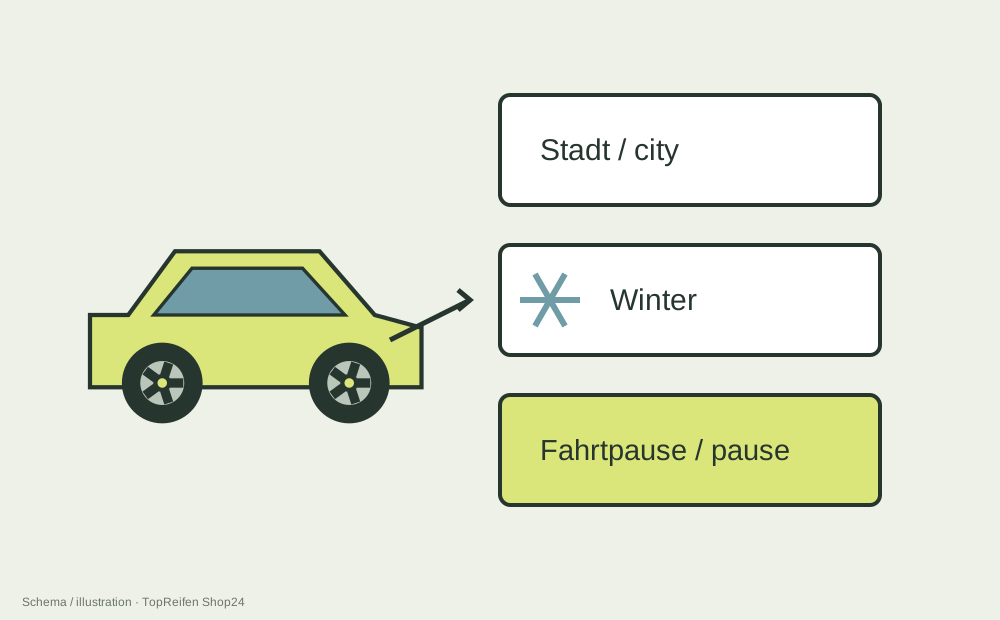
Whether all-season tyres suit your winter depends on more than your home address. Consider the routes you genuinely need to drive.
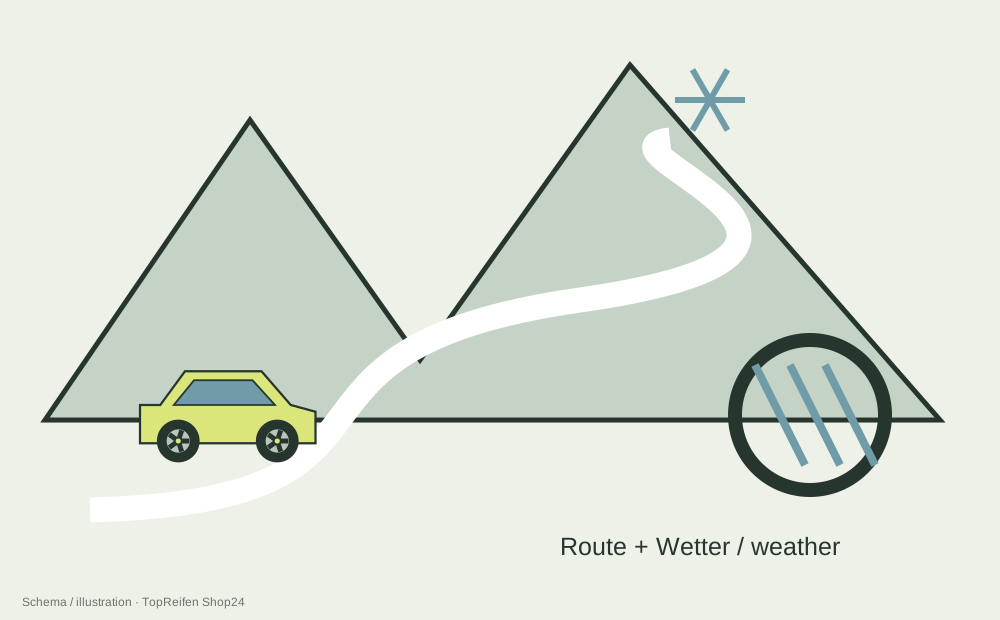
An Alpine journey often crosses countries, altitude bands and changing weather. Check tyres and additional equipment against the whole route.
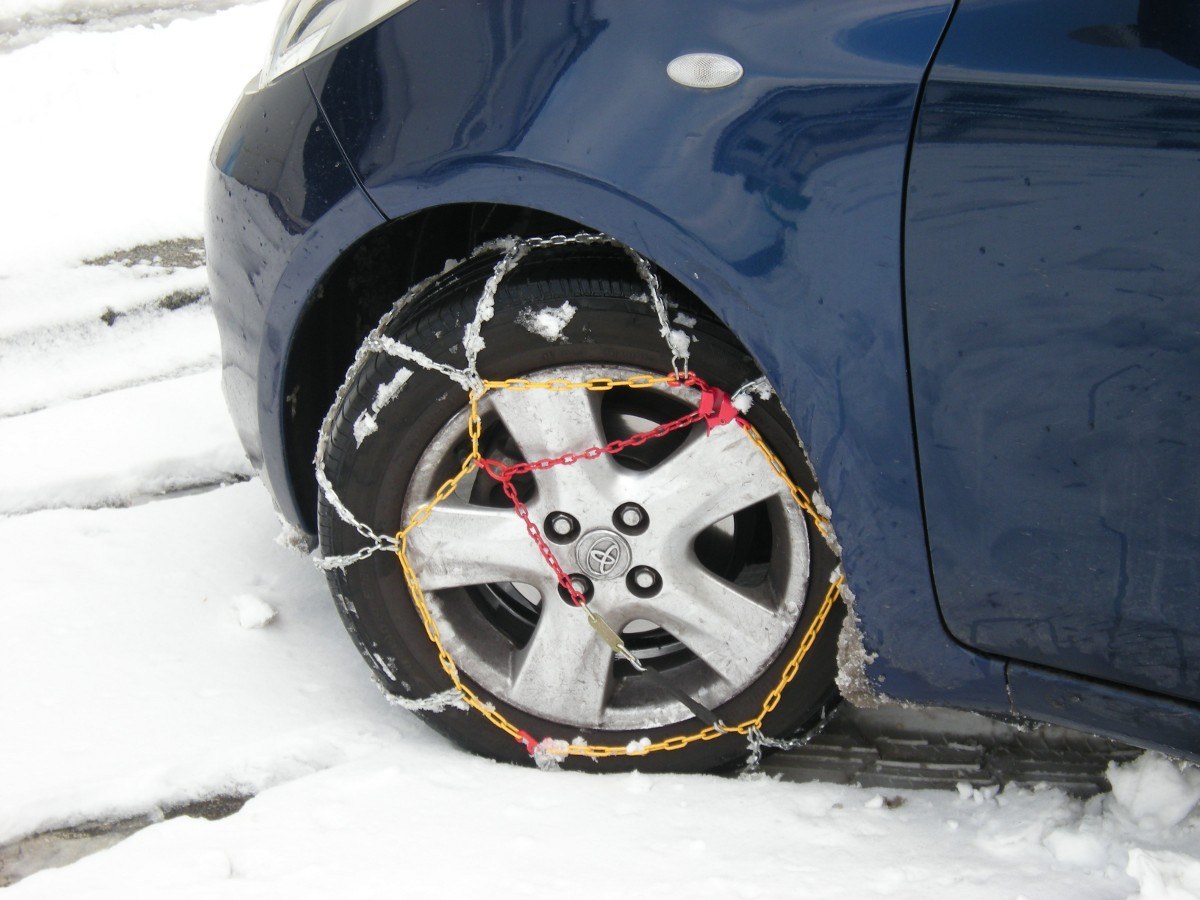
Tyre size is essential when choosing snow chains, but it is not the only information. Vehicle approval, chain design and fitting instructions must agree.
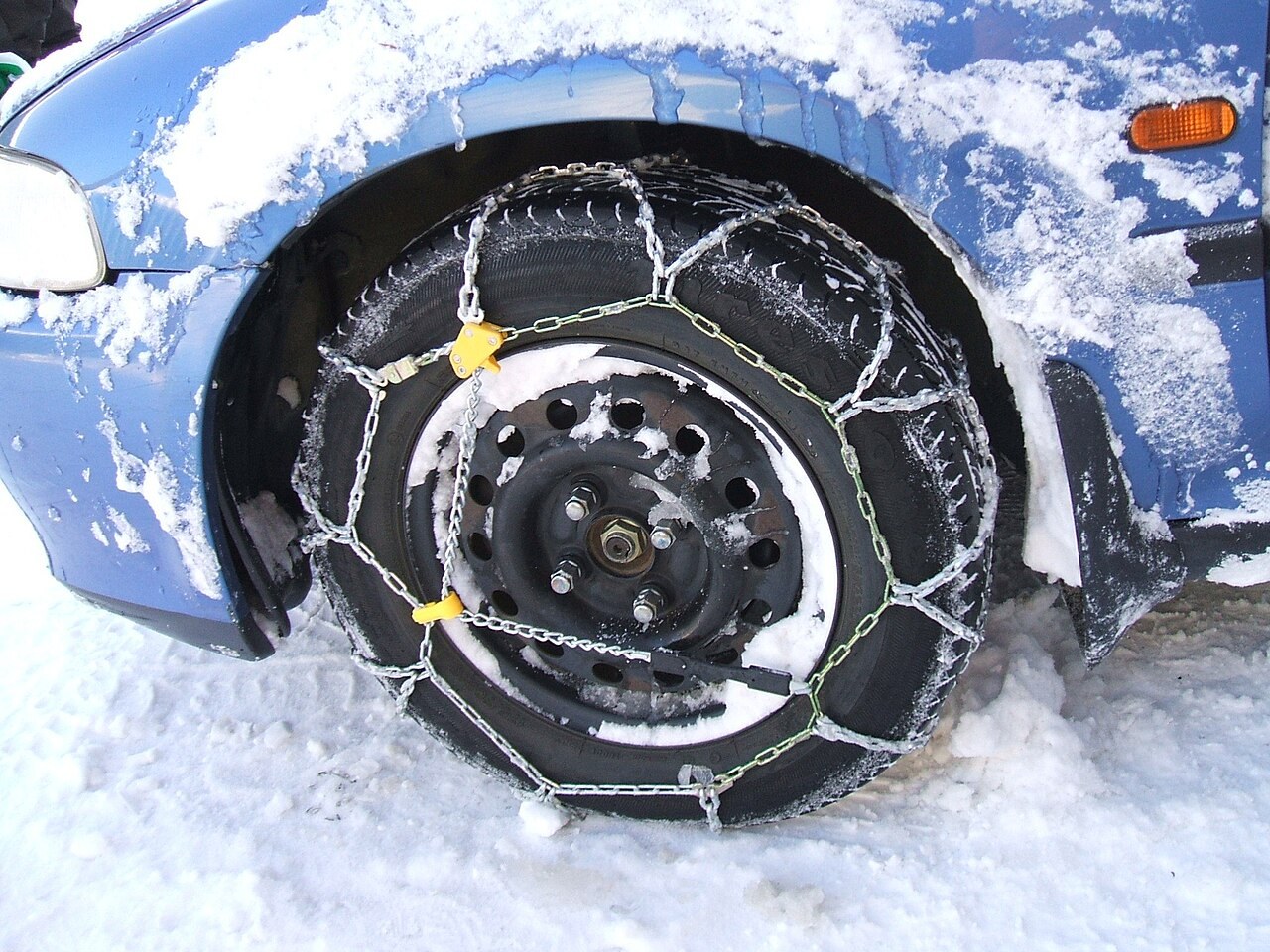
Chains need adequate space between the tyre and surrounding vehicle parts. Looking at a stationary car does not establish that clearance.
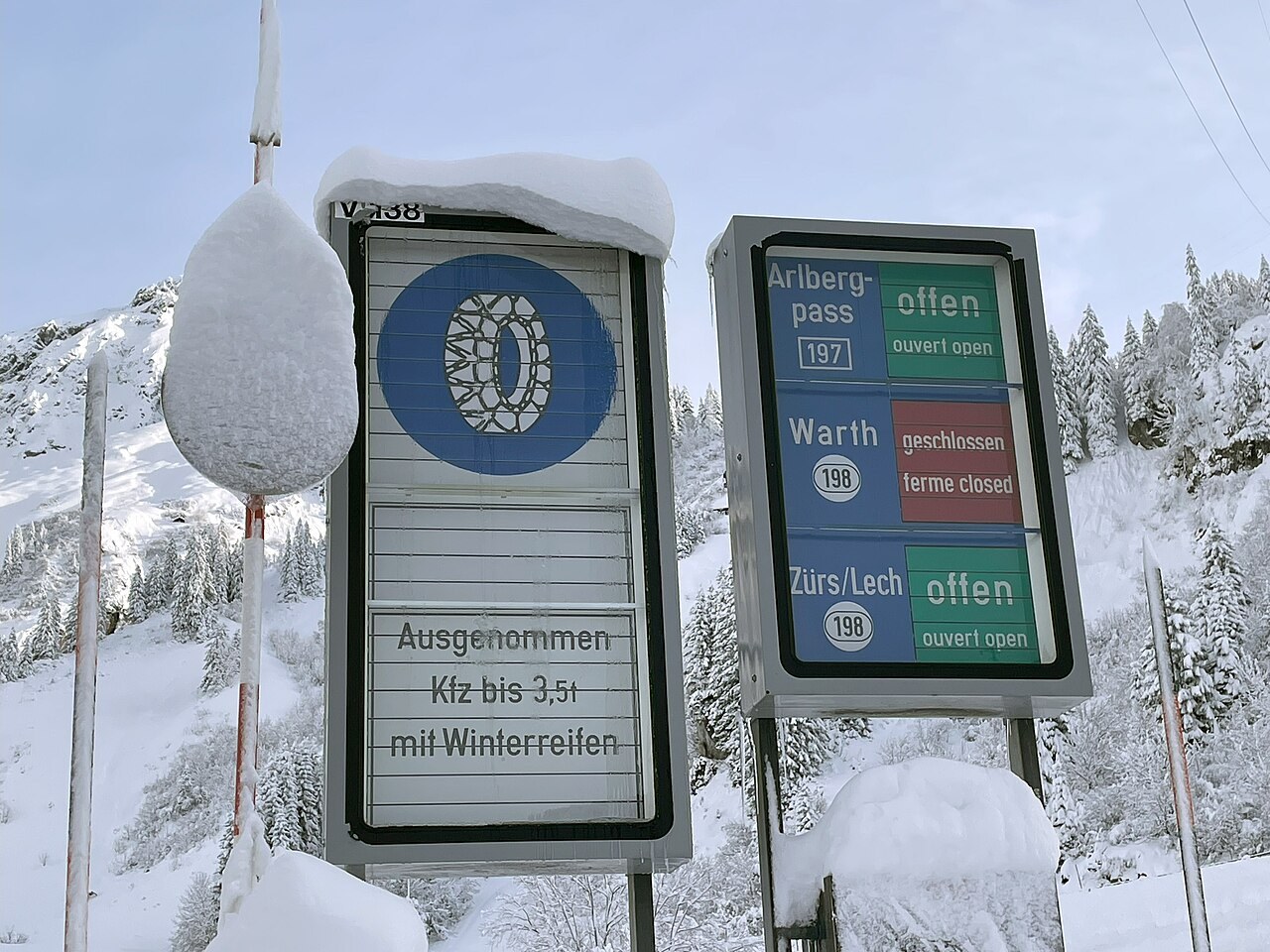
An international trip involves more than the destination. Transit countries and last-minute route changes may bring different winter-equipment requirements.
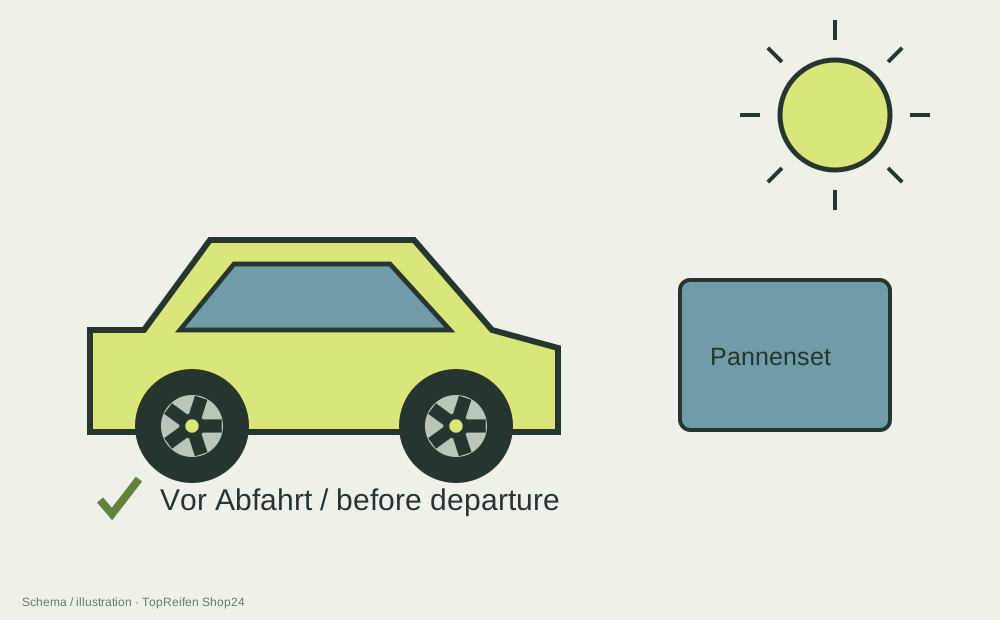
A long summer journey often changes more than the route: the car carries more weight, runs for longer periods and may use unfamiliar roads.
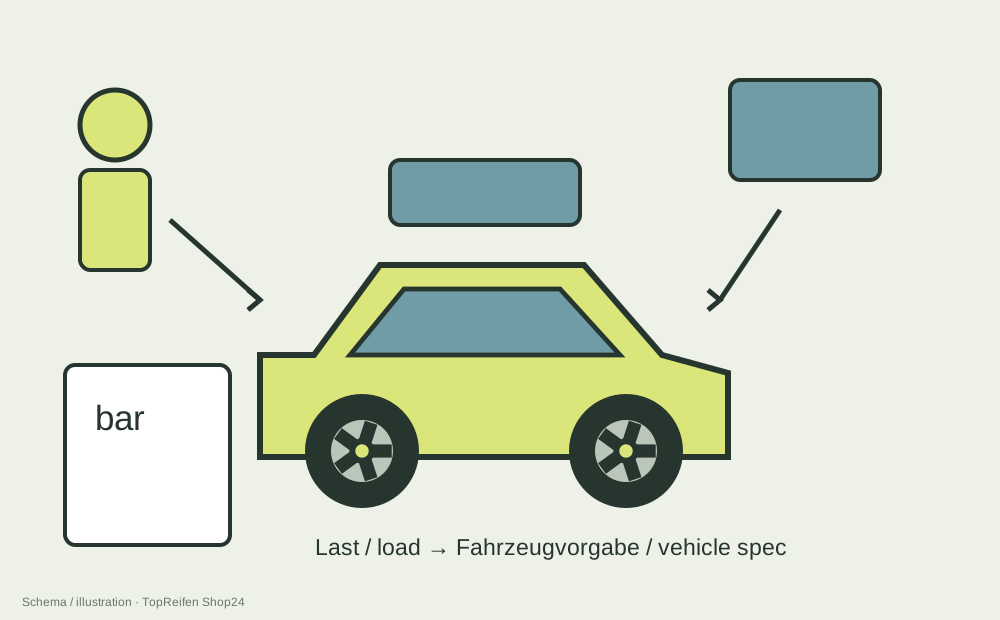
Additional luggage changes vehicle loading. Tyre pressure and load capacity therefore belong in packing plans, not only in the final fuel stop.
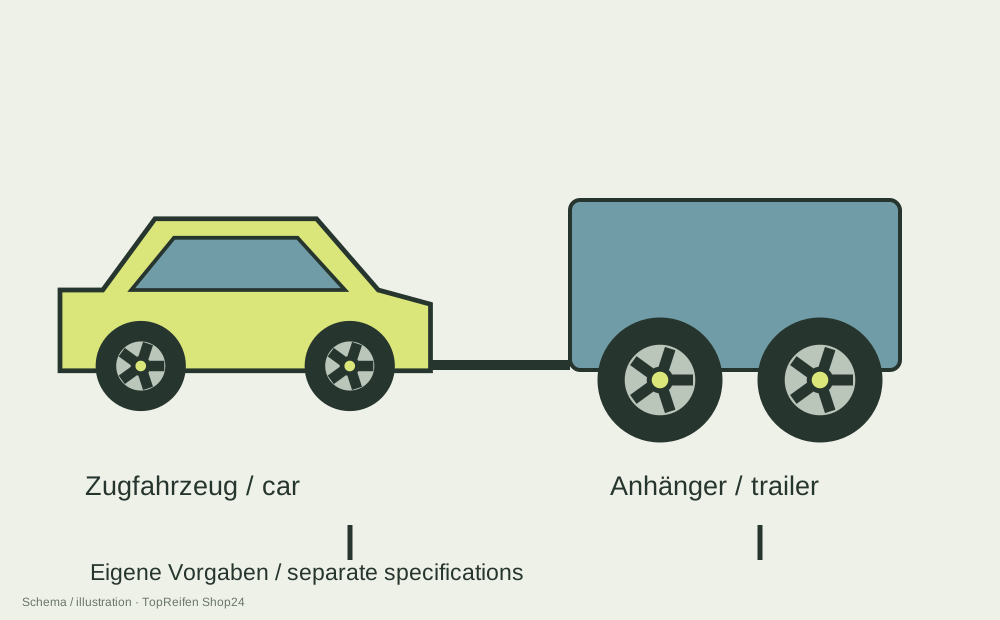
A towing journey needs a tyre check covering both car and trailer. Wheels on a rarely used trailer deserve particular attention.
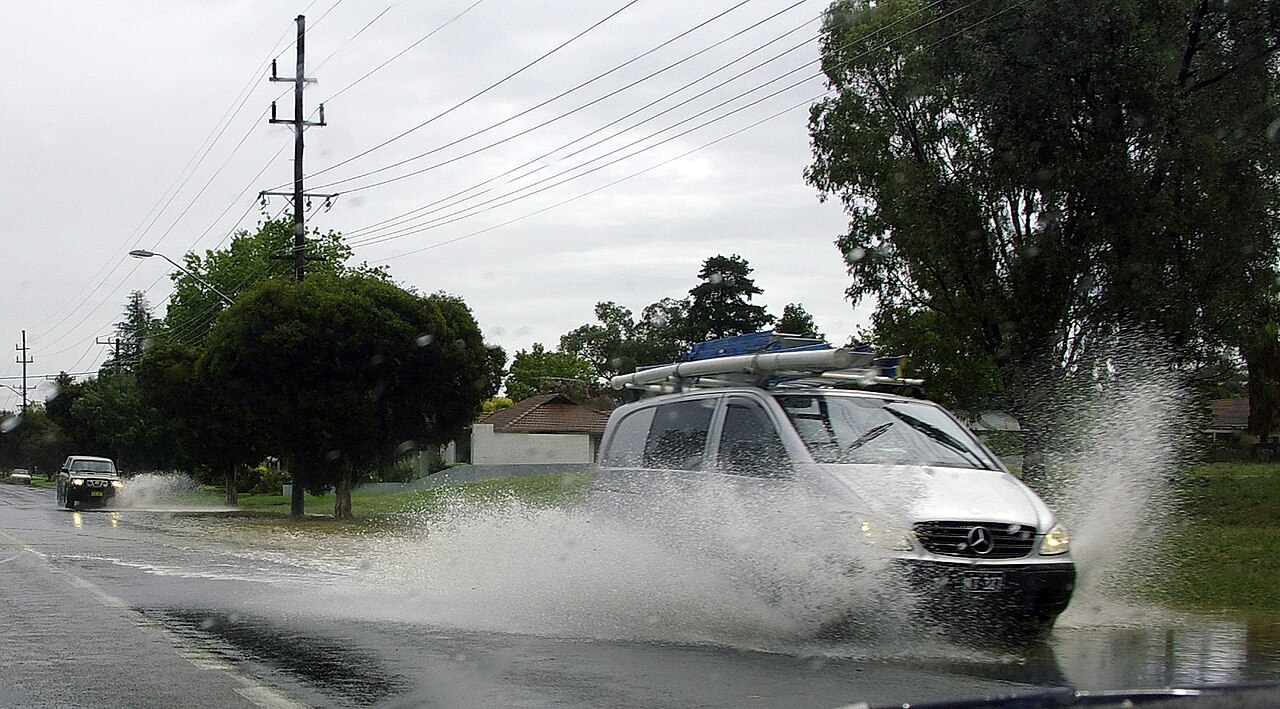
In heavy rain, tyres must displace water while transmitting forces. Their condition matters, but it does not replace adapting the journey to the weather.
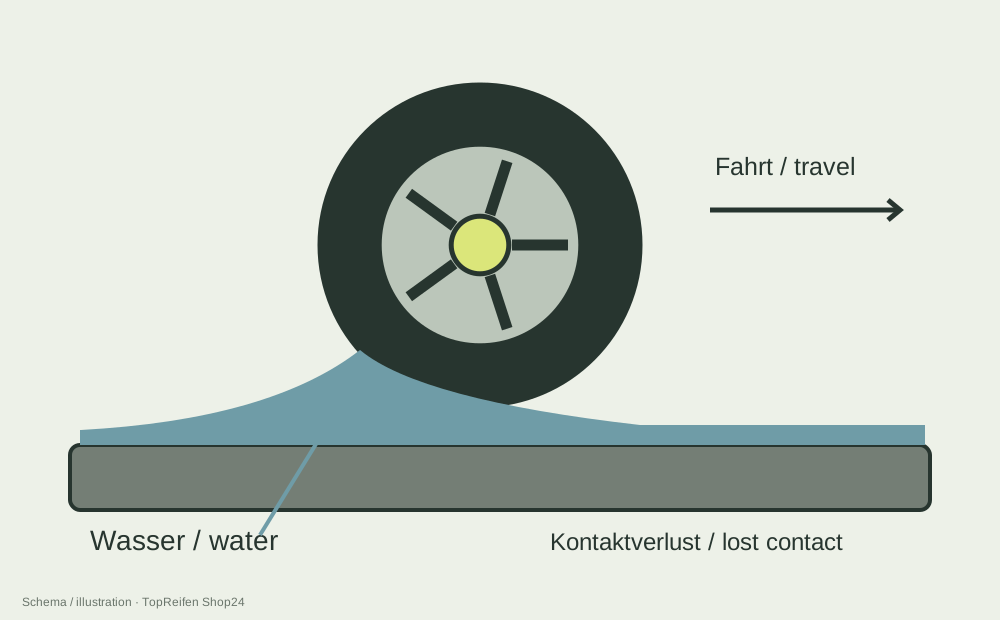
Aquaplaning is more than a slippery surface. Water can reduce contact between tyre and road so substantially that steering and braking forces are no longer transmitted as expected.
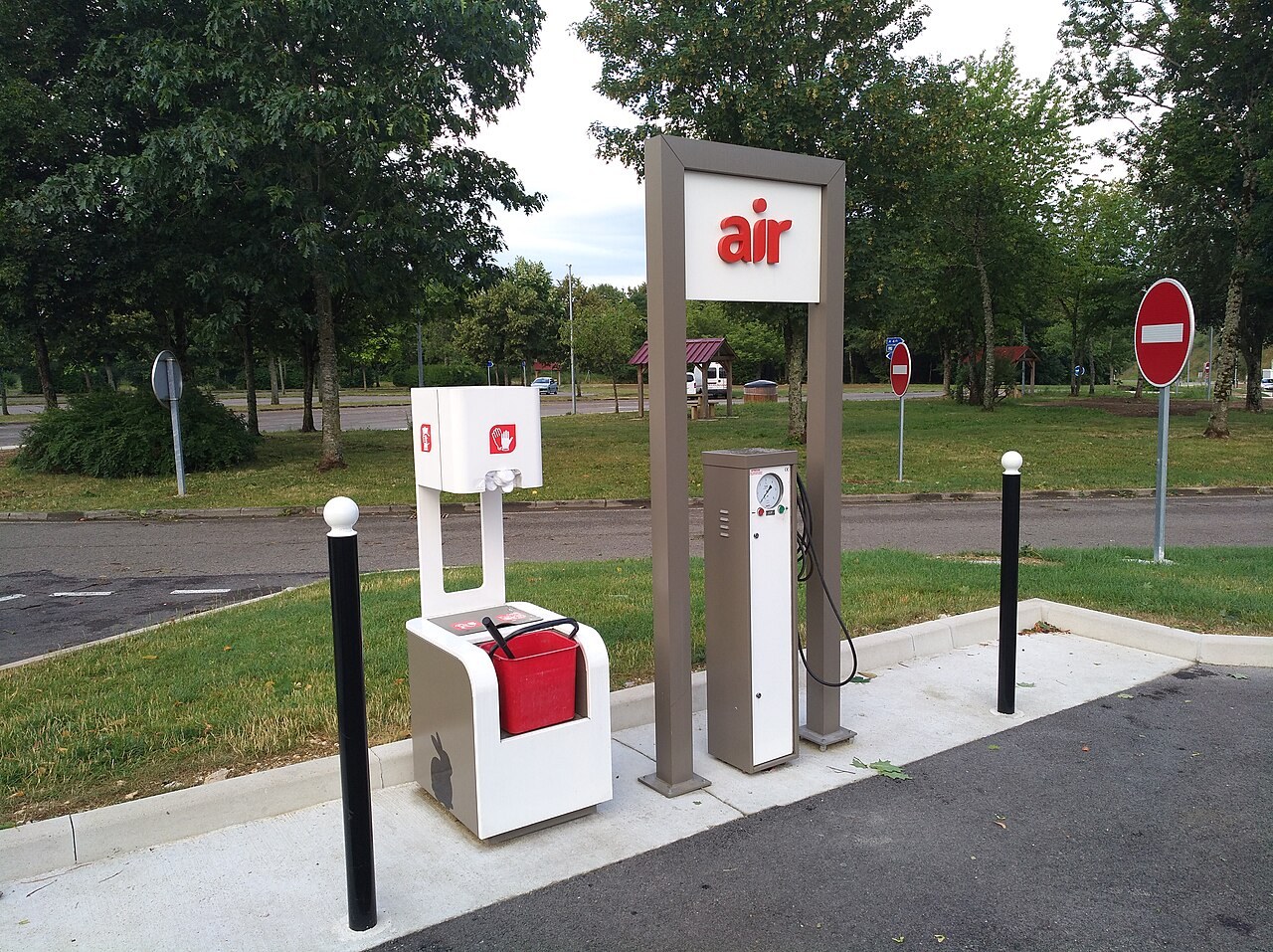
Hot weather changes pressure readings and can add demands to a journey. The correct vehicle specification under appropriate measuring conditions remains the reference.
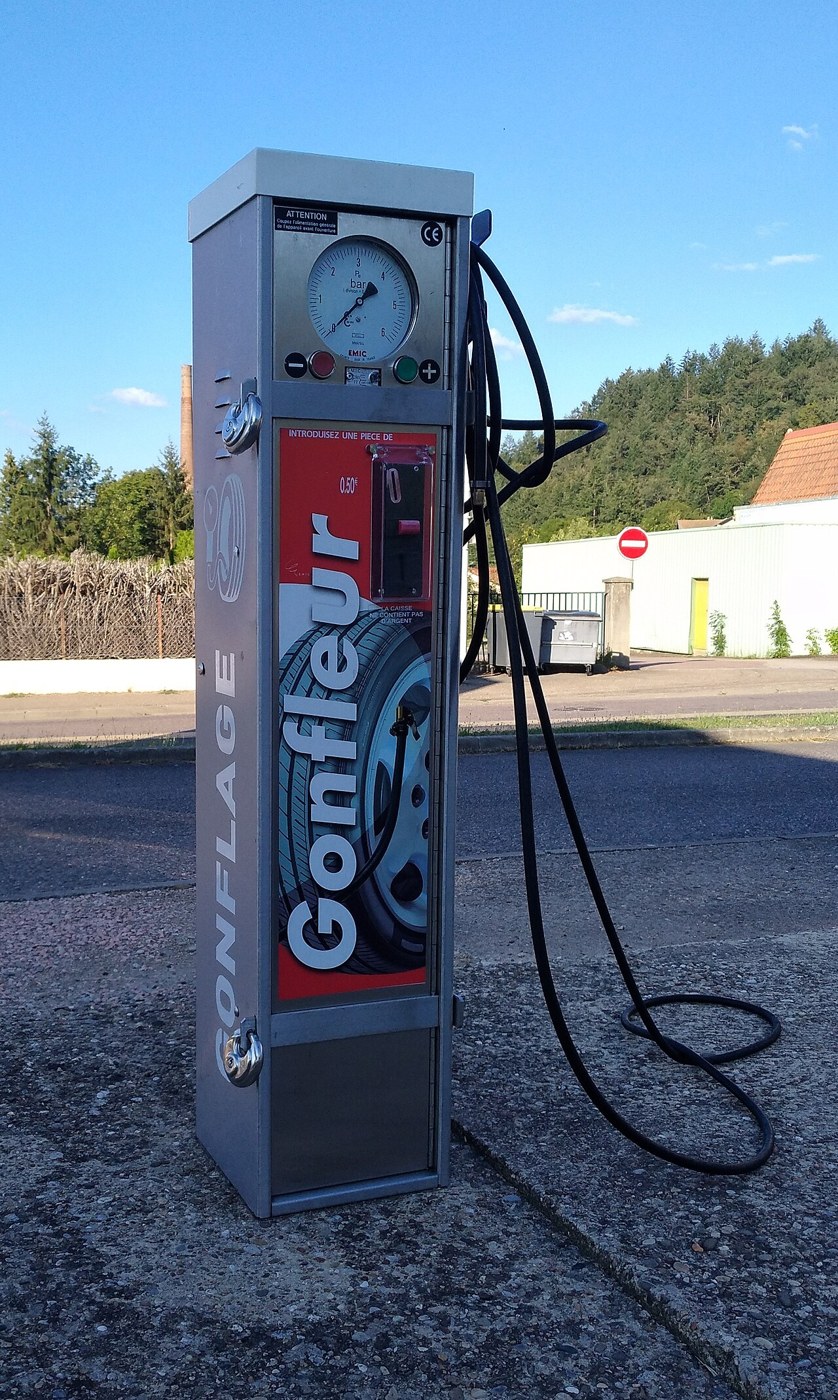
A substantial fall in ambient temperature can lower tyre pressure. That seasonal effect does not automatically explain every loss of air.
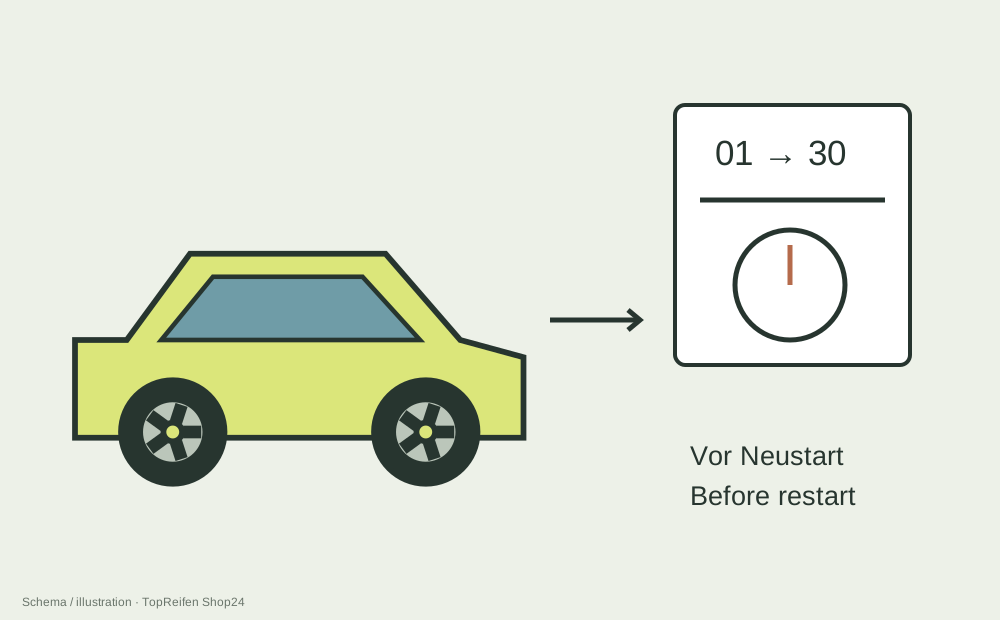
A car returning from a long period off the road needs a fresh condition check. Low mileage does not mean the tyres have remained unchanged.
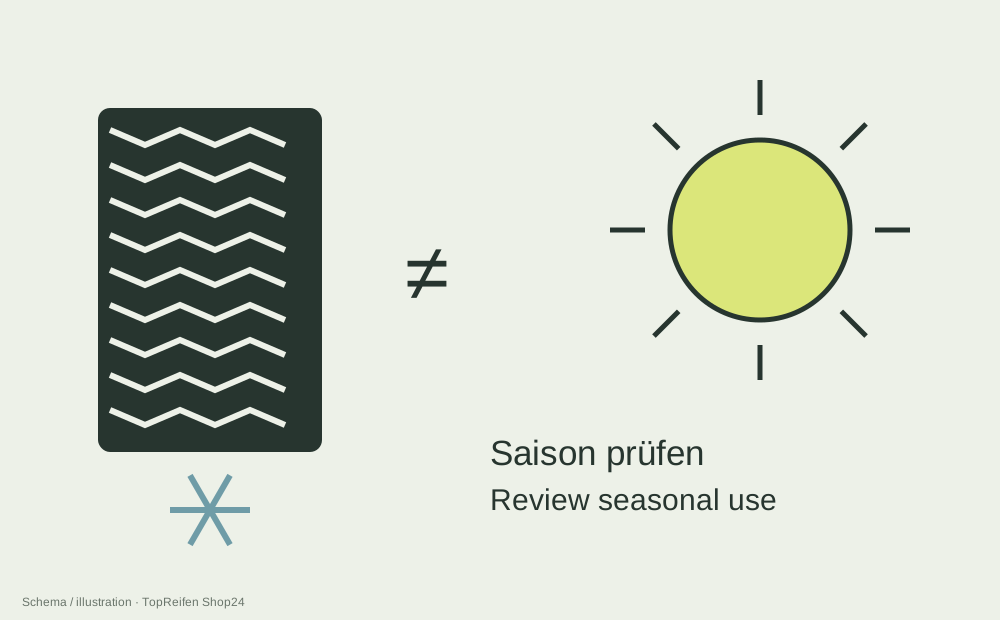
Using up an existing winter set through summer can look tempting. The decision should involve more than the cost of the next changeover appointment.
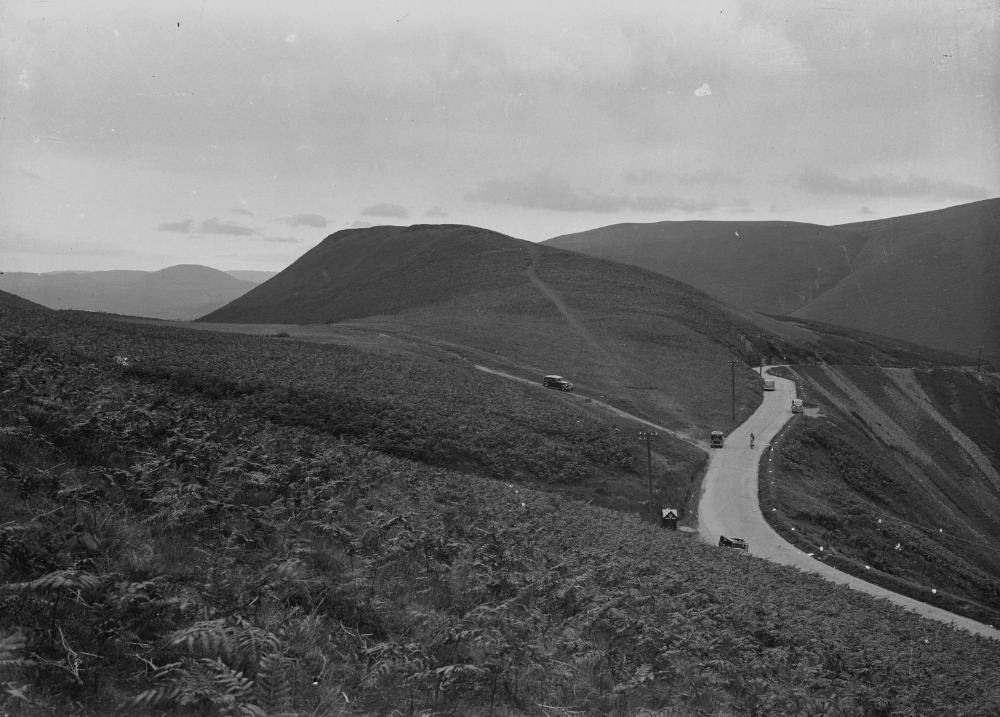
Before mountain roads, consider tyres, vehicle load and the route together. There is no universal mountain-pressure adjustment that replaces those checks.
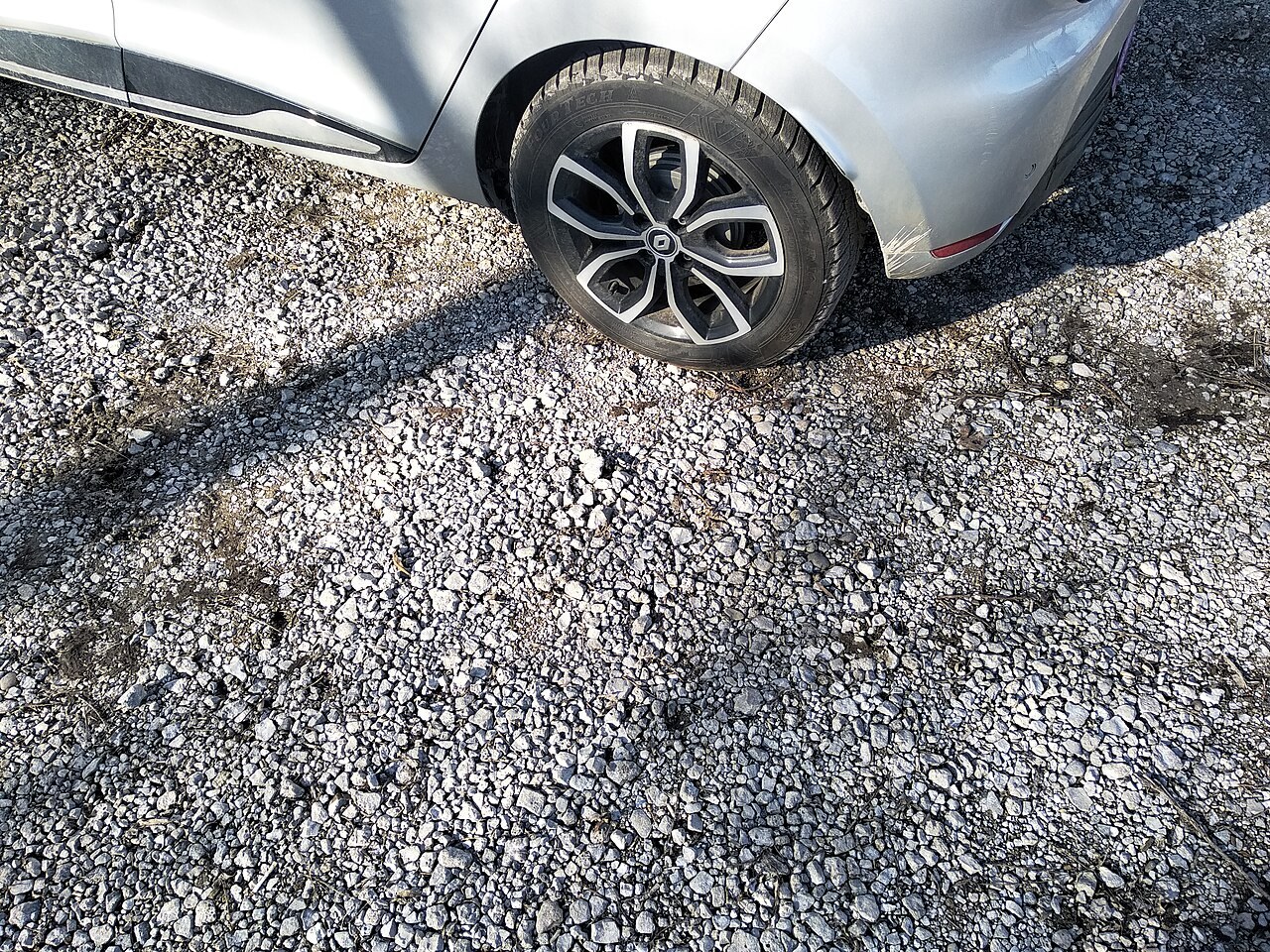
Gravel can bring small stones and concealed edges. After such a road, a calm check in a safe location can help identify changes.

A rental car arrives with tyres already fitted. Looking before departure helps raise obvious defects and equipment questions while they can still be resolved.
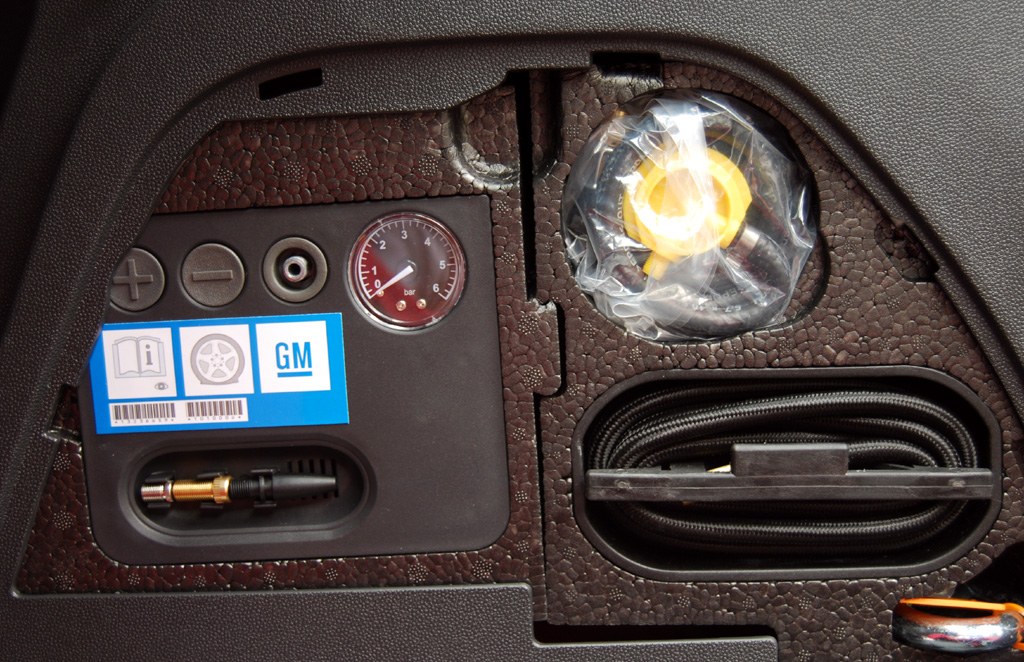
A puncture kit is available only if it is complete, usable and accessible. Check it before travelling rather than beside a damaged tyre.
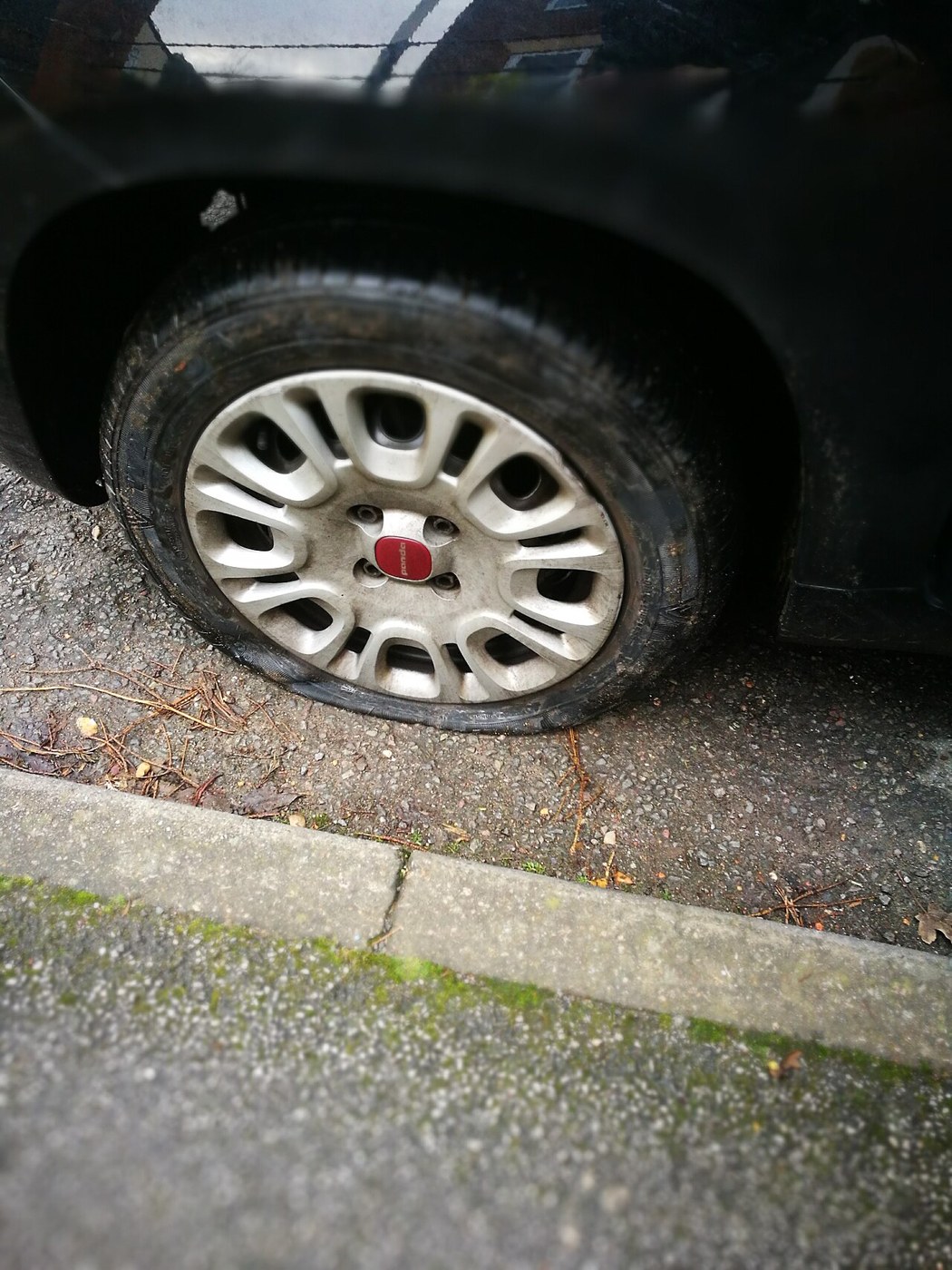
With suspected tyre damage, reaching a safe stop comes before diagnosis. The next step depends on traffic, location and vehicle condition.