Start with the load
Mountain journeys often involve holiday luggage. Passengers, roof equipment and possibly a trailer alter the demands on the vehicle. Check permitted limits and the corresponding manufacturer information. Tyres must suit the actual combination; a higher load index does not increase vehicle limits.
Position heavy items according to the vehicle instructions and secure them against movement during cornering or deceleration. This concerns occupants and overall behaviour as well as tyres. A generous-looking boot is not a reliable indication of remaining weight capacity.
Inspect before climbs and descents
Check tread and visible damage well before the trip. Repeated pressure loss, unusual wear or new vibration needs investigation beforehand. A demanding route should not become a way to learn more about an already suspected fault. If replacement tyres are needed, allow time for selection, fitting and resolving any subsequent concerns.
Pressure follows the specification for the vehicle, tyres and load. Do not invent an increase solely because of elevation. When checking after substantial driving, account for warming. Reducing hot tyres to a cold target can leave an incorrect setting once they cool.
The route may require more than suitable tyres
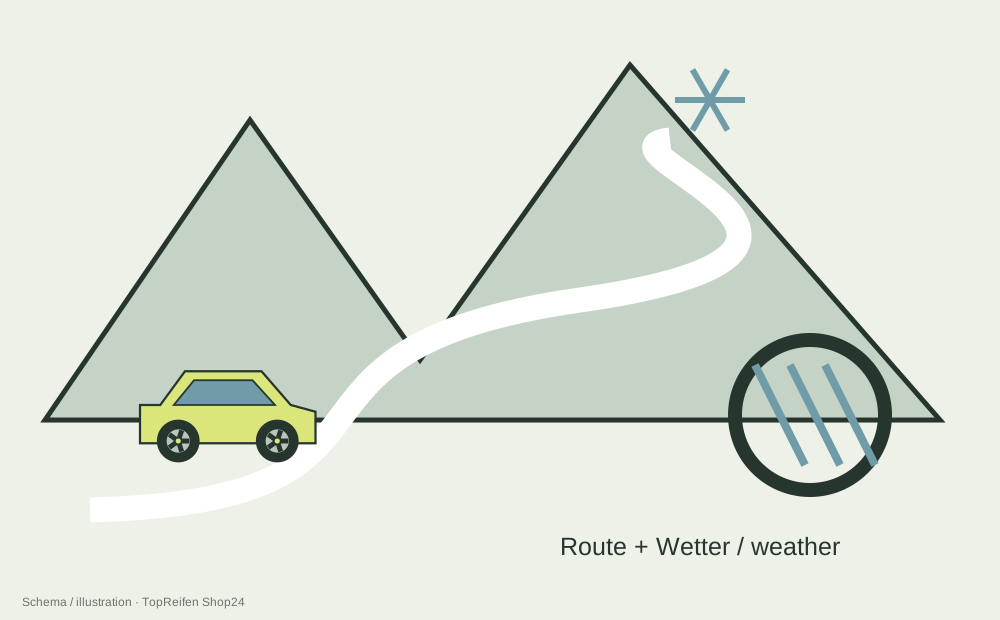
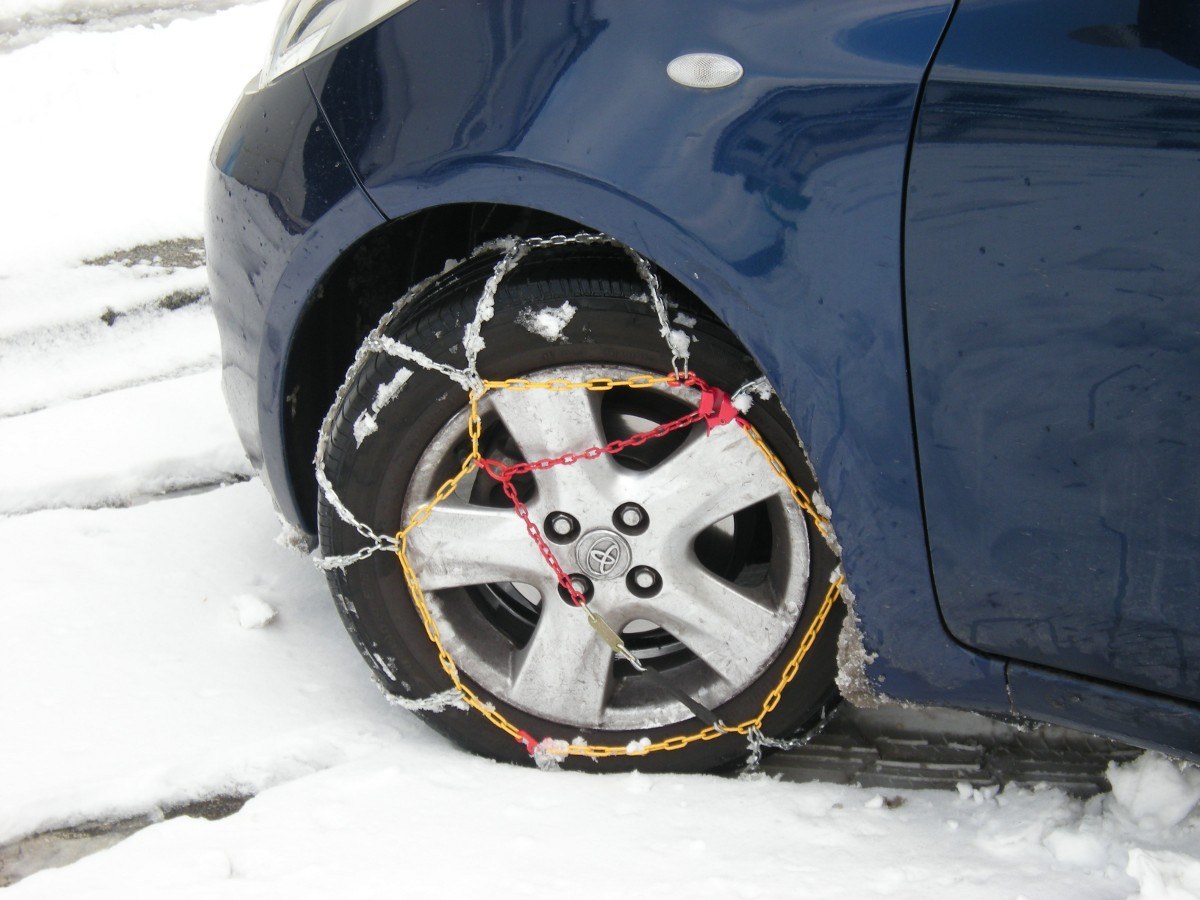
Check road condition and availability. Seasonal closures, winter equipment and local signs belong in the plan. A mountain road can start dry in a valley and encounter different conditions higher up. A forecast for the nearest town does not answer every question about the complete route.
Long descents also require following vehicle operating instructions, including appropriate driving technique and brake use. A tyre article cannot replace those vehicle-specific directions. With an unfamiliar rental car or heavily loaded vehicle, read the relevant guidance and resolve uncertainties before entering the demanding section.
Do not dismiss changes as normal
New noise, vibration or warnings should not be attributed automatically to a road having many bends. Stop in a suitable safe place and seek guidance if something is unusual. An unresolved technical issue is not less important because the next pass is already visible.
During breaks, look for visible changes from a safe position. After a substantial impact or contact with an edge, professional inspection may be needed even if the wheel still holds air. Record the incident and what changed afterwards. That makes the workshop account clearer and prevents a new symptom being considered without its context. It also helps the next driver understand why the vehicle needs attention before another section of the trip.