The seasonal characteristics remain
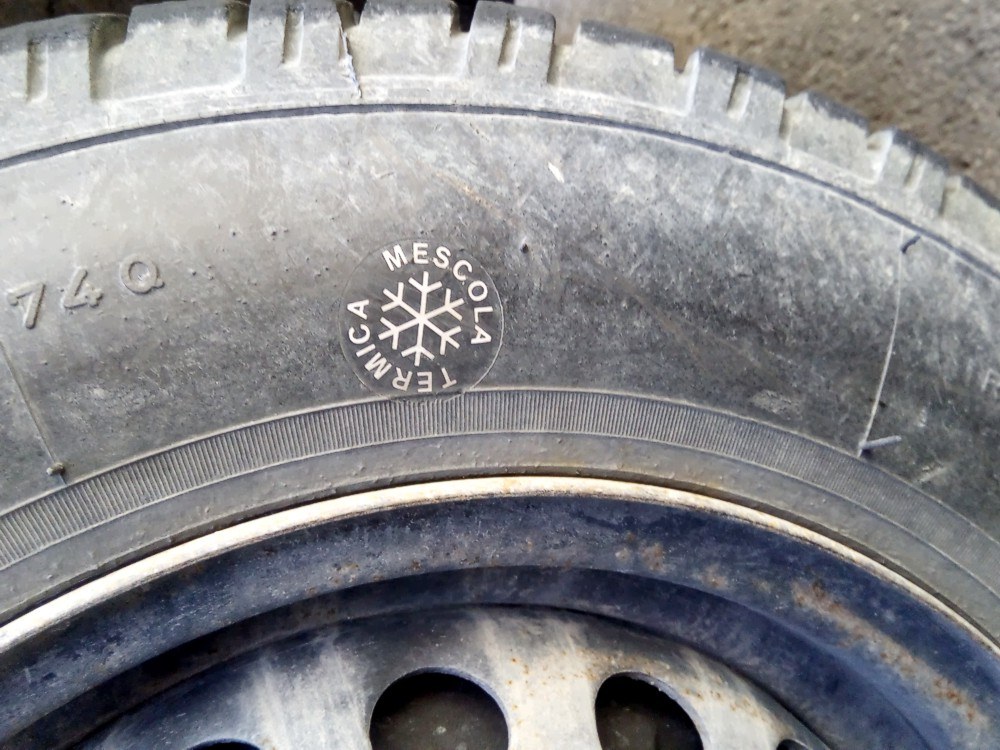
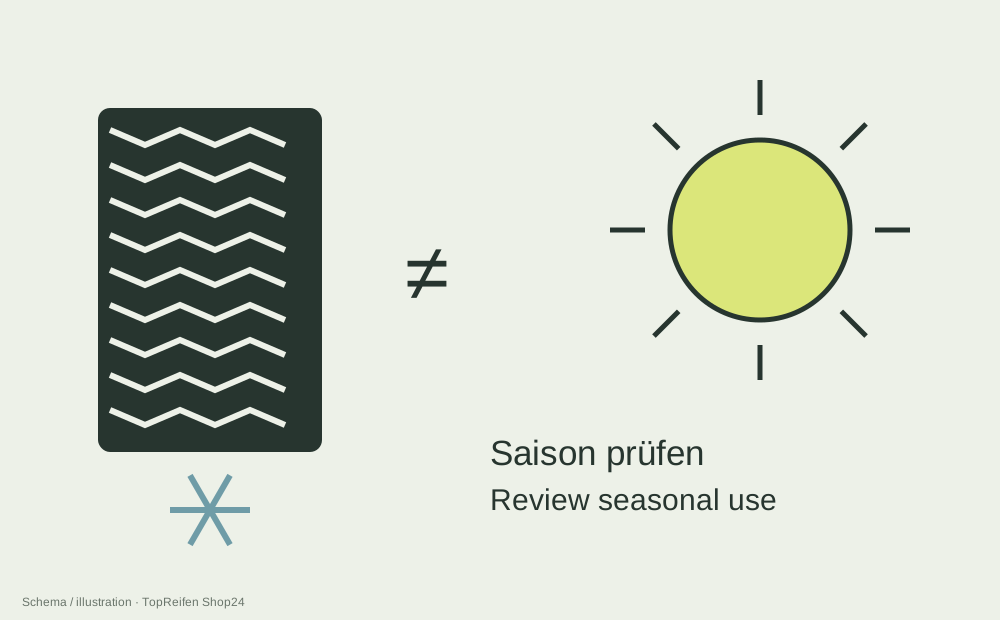
Winter tyres are designed around different conditions from summer tyres. Their compound and tread do not change identity when the road becomes warm and dry. A legally sufficient tread reading therefore does not establish summer performance equivalent to suitable summer tyres. ADAC investigations into summer use of winter tyres illustrate why the distinction matters.
Read such findings with the tested models and conditions in mind. A test cannot provide one universal extra braking distance for every vehicle. It can show disadvantages when a product is used outside its main intended conditions. That is not a reason to conduct personal braking experiments on public roads.
Examine the remaining-tread argument
A set no longer considered suitable for another winter does not automatically become a sound choice because the season changes. Assess deterioration, damage and wear independently of the desire to use it up. Uneven wear also needs its cause investigated. Another summer may conceal an existing problem rather than save money.
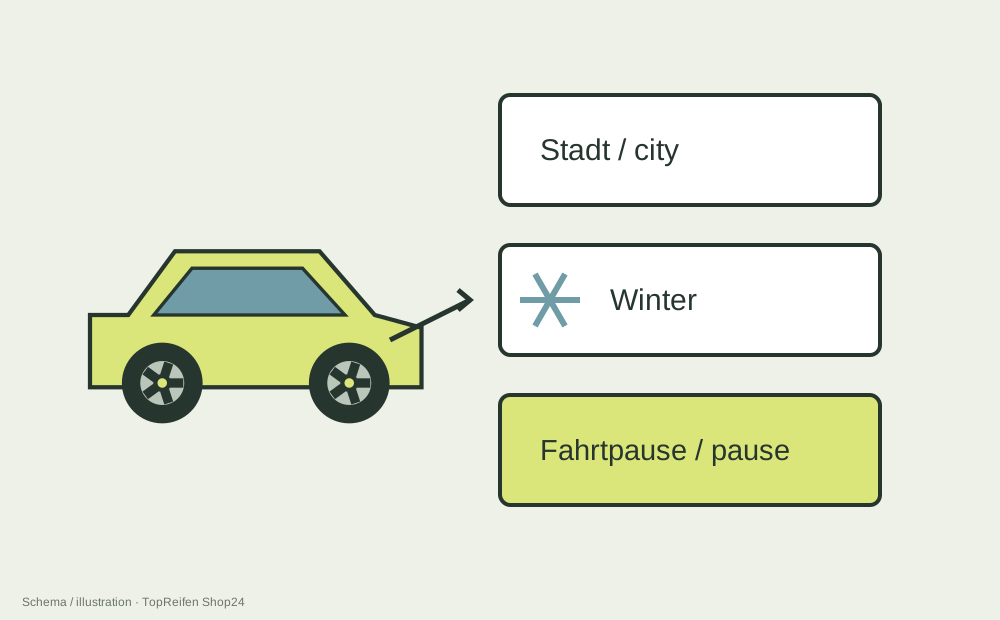
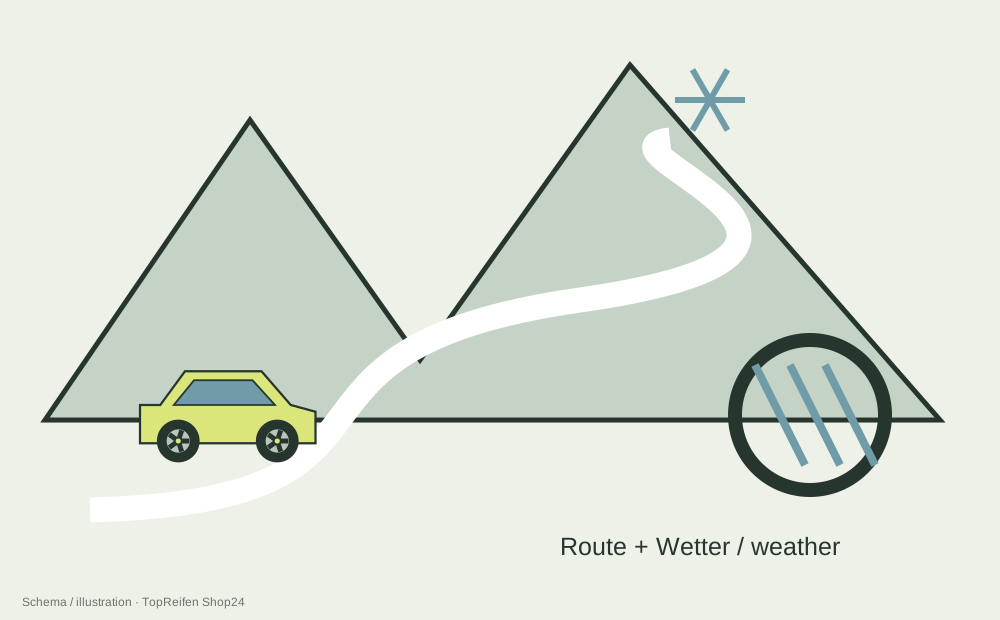
Expected use matters too. A car making occasional local journeys differs from a fully loaded vehicle covering long motorway distances. Those differences do not justify a blanket approval, however. The actual tyres still need to meet the vehicle requirements and be assessed for the planned use.
Compare the complete cost
Do not compare only the next wheel change with a supposed zero-cost alternative. Consider when replacement would then be needed, whether a usable summer set already exists and which services are actually involved. A seemingly cheap intermediate solution may create another purchase at an inconvenient time.
If you want to avoid owning two sets permanently, selecting suitable all-season tyres is a separate question. An old winter tyre does not thereby become an equivalent all-season product. Compare appropriate models and your real conditions rather than relabelling the seasonal category after purchase.
Get doubtful tyres assessed
Have an uncertain set inspected and describe the journeys planned. Ask about condition, suitability and realistic alternatives. A statement that a legal minimum is met is not automatically a recommendation about the most appropriate use. Keep those two levels distinct during the discussion.
If changing tyres, record the removed set's condition and agree its future use or disposal. A set already assessed as unsuitable should not return to the vehicle months later simply because it remains in the garage. Recording the decision prevents the next appointment from starting again with nothing more than a glance at the remaining tread. It also helps explain the decision to another person who shares the car.