Make readings comparable
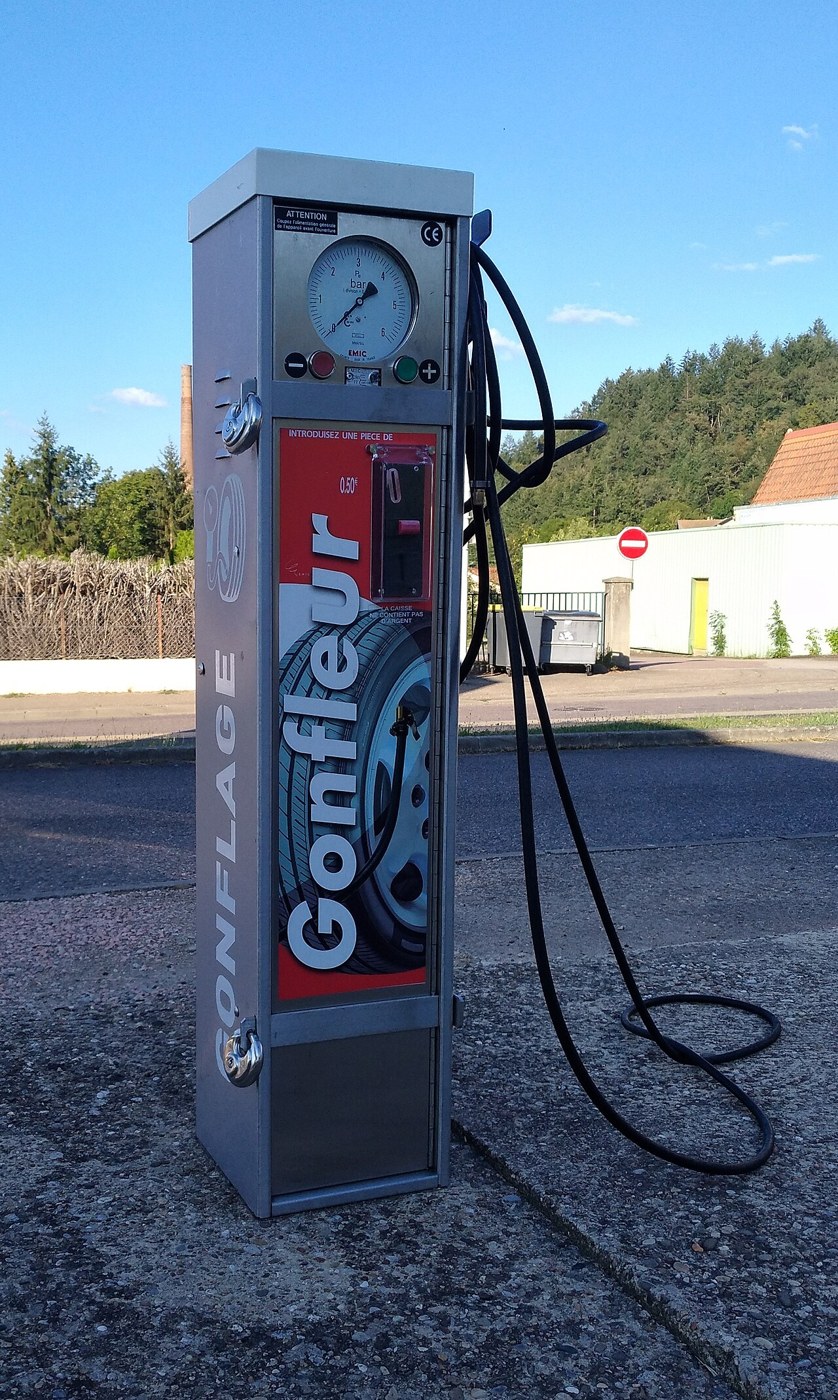
Record values under similar cold conditions where possible and identify each wheel. A reading after a long drive cannot be compared directly with one taken on a cold morning. Different gauges may also show differences. An orderly comparison is more useful than several unrelated measurements at different filling stations.
As temperature falls, the pressure of the enclosed air changes. The vehicle specification remains the reference; there is no universal winter setting for every car. Set the appropriate cold pressure for the fitted tyres and current load in accordance with the manufacturer. A sidewall figure is not automatically that recommendation.
Every wheel, or just one?
If several tyres change similarly after a marked weather shift, temperature is a plausible part of the explanation. If one wheel repeatedly loses considerably more, have the cause assessed. The valve, tyre or wheel may be involved. Dismissing everything as normal winter behaviour would overlook that distinction.
Visible damage, rapid loss or unsafe handling requires a prompt response. Do not keep adding air without investigating the problem. Tell the workshop when readings were taken and whether the vehicle had already been driven. These details help distinguish actual loss from measurements made under different conditions.
Treat the warning properly
A tyre-pressure monitoring system may report a deviation after a temperature change. First inspect the condition and actual pressures as directed by the vehicle instructions. Initialisation or resetting belongs only within the specified procedure with correct starting values. Clearing a warning is not a repair.
If the message returns despite correct settings, have it investigated. Possible causes depend on the system. A sensor fault and a leaking tyre are different issues even if they initially look similar from the driver's seat. The warning needs interpretation rather than merely being made to disappear.
During changeable weather
Cold nights and mild days can produce rapidly changing conditions. Do not react to every small display movement with an improvised adjustment. Follow the prescribed checking intervals, adding checks for warnings or unusual observations. That keeps the measurements meaningful instead of creating a series of contradictory corrections.
For a long journey, reconsider the actual load too. A temperature-related check is an opportunity to review that part of the specification. If problems recur, record the wheel positions and observations consistently. A short, orderly list can make later diagnosis much easier without requiring you to determine the cause yourself. Keep it with the vehicle records so that a workshop can see the sequence rather than only the latest reading.