Do not reset a warm reading to a cold target
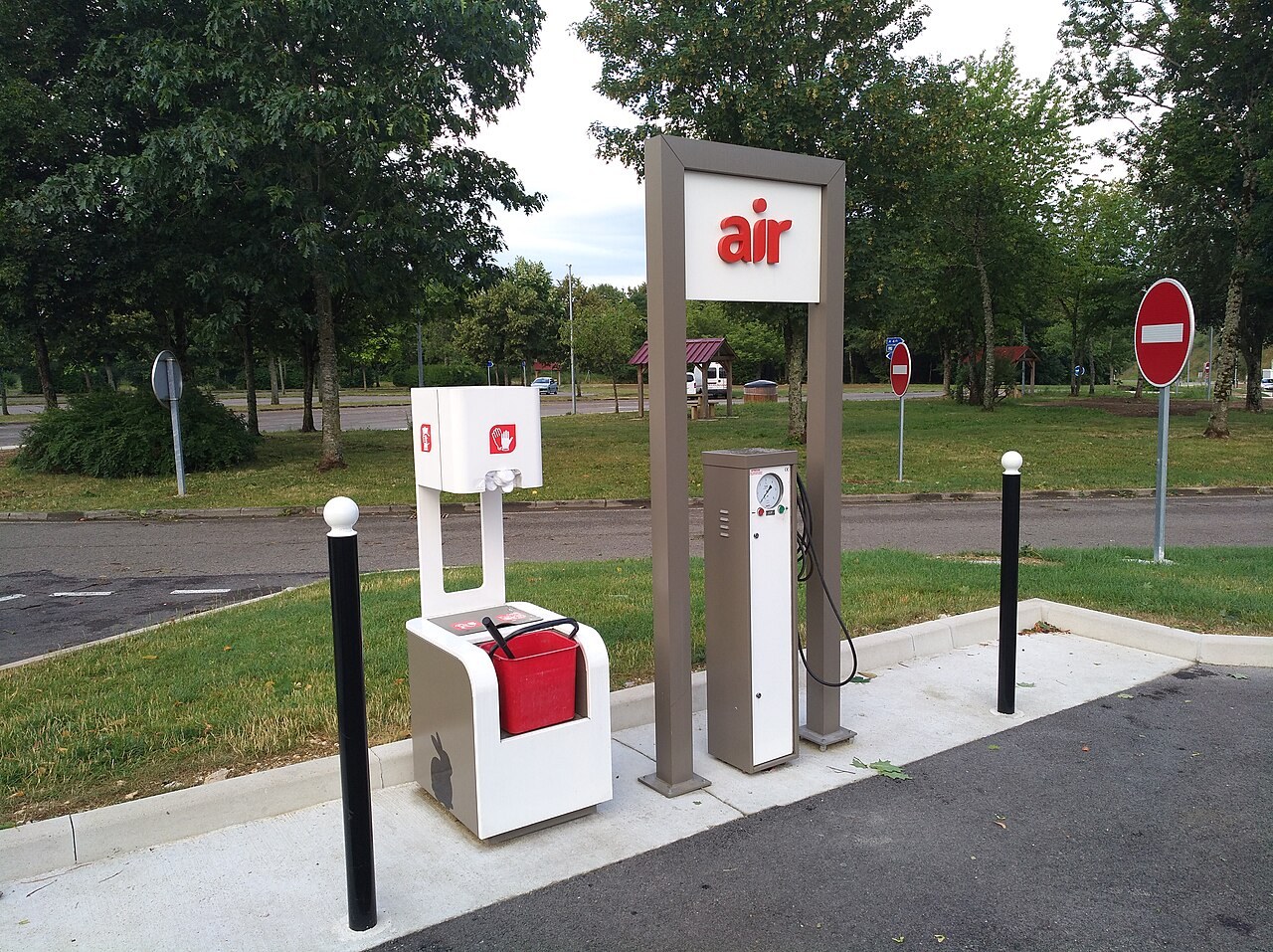
A tyre warms while driving, so its pressure may read higher than during a cold check before departure. That is not a reason to release air until the cold target is reached. Once the tyre cools, the resulting pressure may be too low. Follow the vehicle's measuring instructions and avoid improvised adjustments based on one warm reading.
Measuring regularly in the same place can make comparisons easier, but ambient temperature, previous driving and loading still matter. A sudden change at only one wheel should not automatically be blamed on the weather. Investigate recurring loss or unusual differences rather than obscuring the pattern through frequent arbitrary adjustments.
Before a longer drive
Check tyres under the specified cold conditions where possible. Look for visible damage and unusual wear at the same time. Before carrying a heavier load, establish that the pressure information has been matched correctly. A car full of passengers and luggage may have different settings from a daily solo journey, but the answer does not come from a generic summer rule.
Total weight must remain within permitted limits too. Higher pressure does not make overloading acceptable. If packing approaches a limit, a meaningful weight check is more useful than guessing an extra pressure reserve. Include accessories, roof loads and towing where relevant in the vehicle plan.
Use breaks to observe
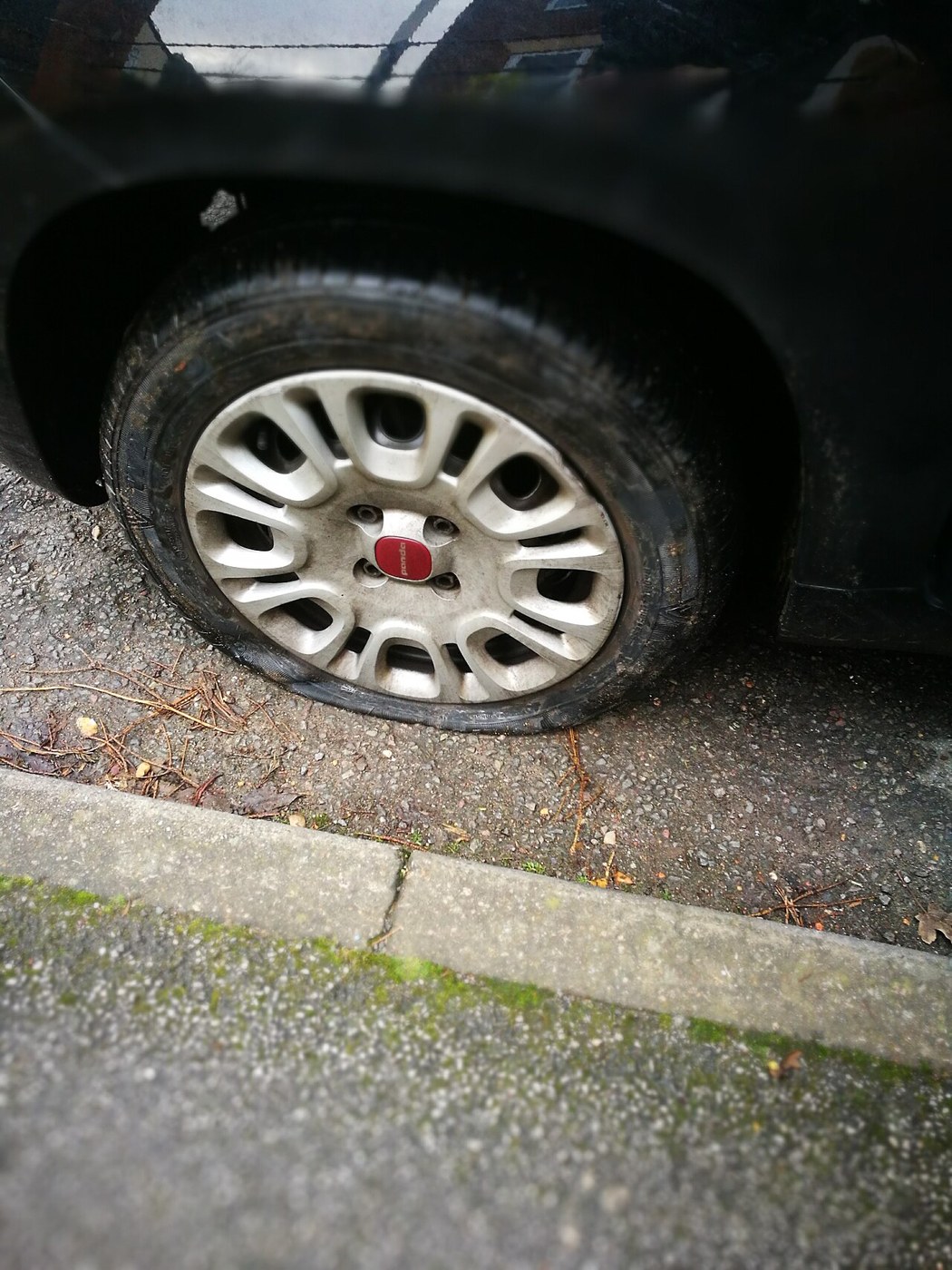
At a safe stopping place, look for visible changes from a safe position. A clearly distorted tyre, unusual smell or warning deserves attention. A visual check is not a technical diagnosis, however. Avoid touching hot components casually or attempting to investigate an uncertain fault beside moving traffic.
New vibration or rapid pressure loss requires a decision about how to proceed safely. The issue is not less important merely because all the tyres are warm. Tell the workshop or assistance provider about the preceding journey, load and warnings. Those details support assessment without imposing an unverified diagnosis.
After returning
During a later cold check, establish whether readings match the vehicle instructions again. If luggage has been removed, relate the settings to the new loading condition. Keep a note of problems encountered during the trip. A warning that later disappears should not be forgotten if it recurs.
Summer heat therefore does not require an invented special pressure for every tyre. It highlights why measurement conditions, loading and vehicle information must be considered together. That context helps distinguish ordinary temperature-related changes from a problem needing investigation, and gives a workshop better information than a pressure number with no account of how it was obtained.