Price does not describe the complete tyre
Budget and premium are useful retail terms, not complete technical classifications. Models within either price band can have different strengths and weaknesses. Start with a short list of specific products suitable for the vehicle. That creates a comparison extending beyond brand image or assumptions about origin.
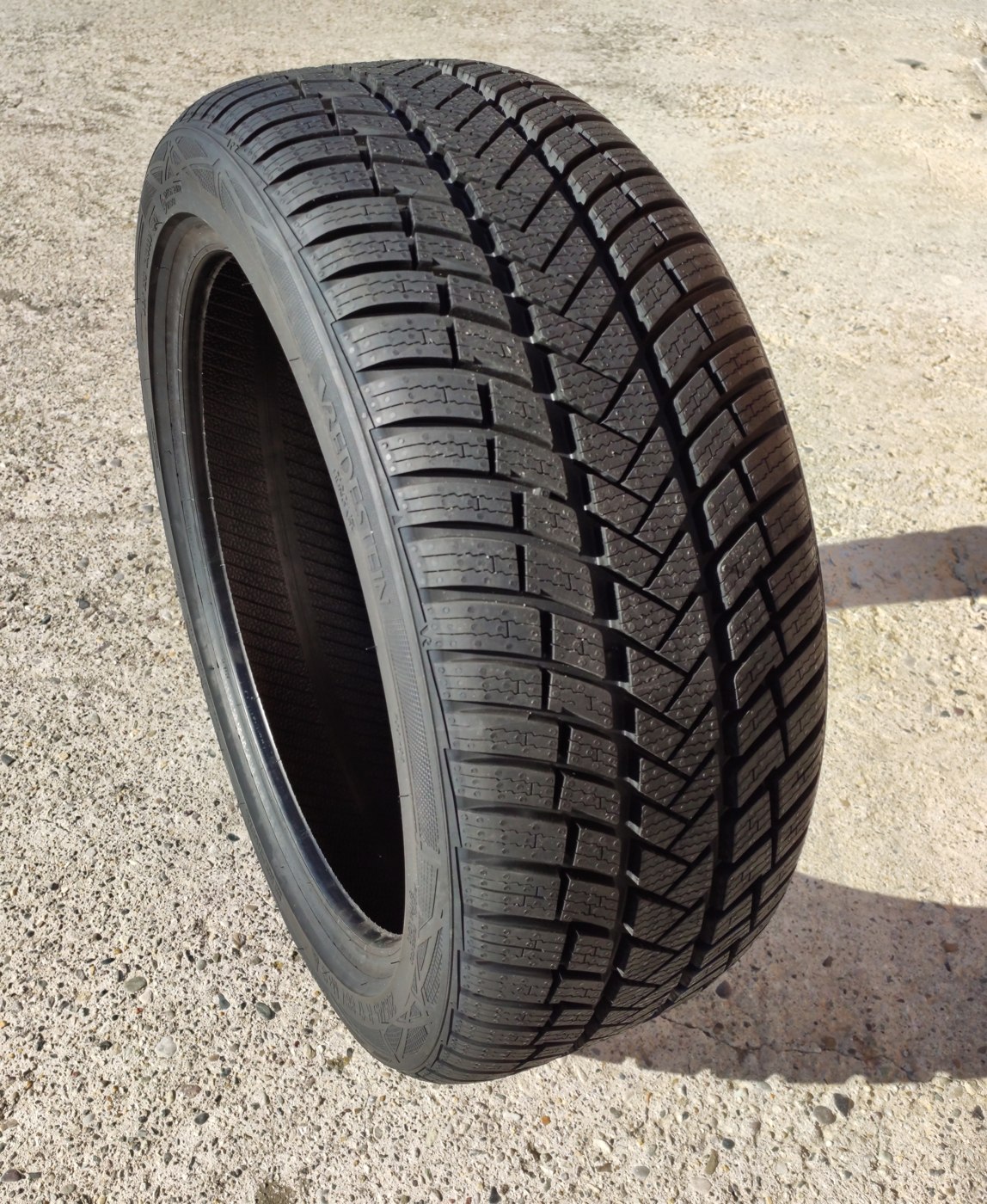
Record the complete version: dimension, load and speed rating, seasonal category and additional markings where relevant. A cheaper tyre that fails a required specification does not belong in the same calculation. Similarly, do not compare an expensive specialist version with an ordinary one without identifying the difference.
Check one characteristic at a time
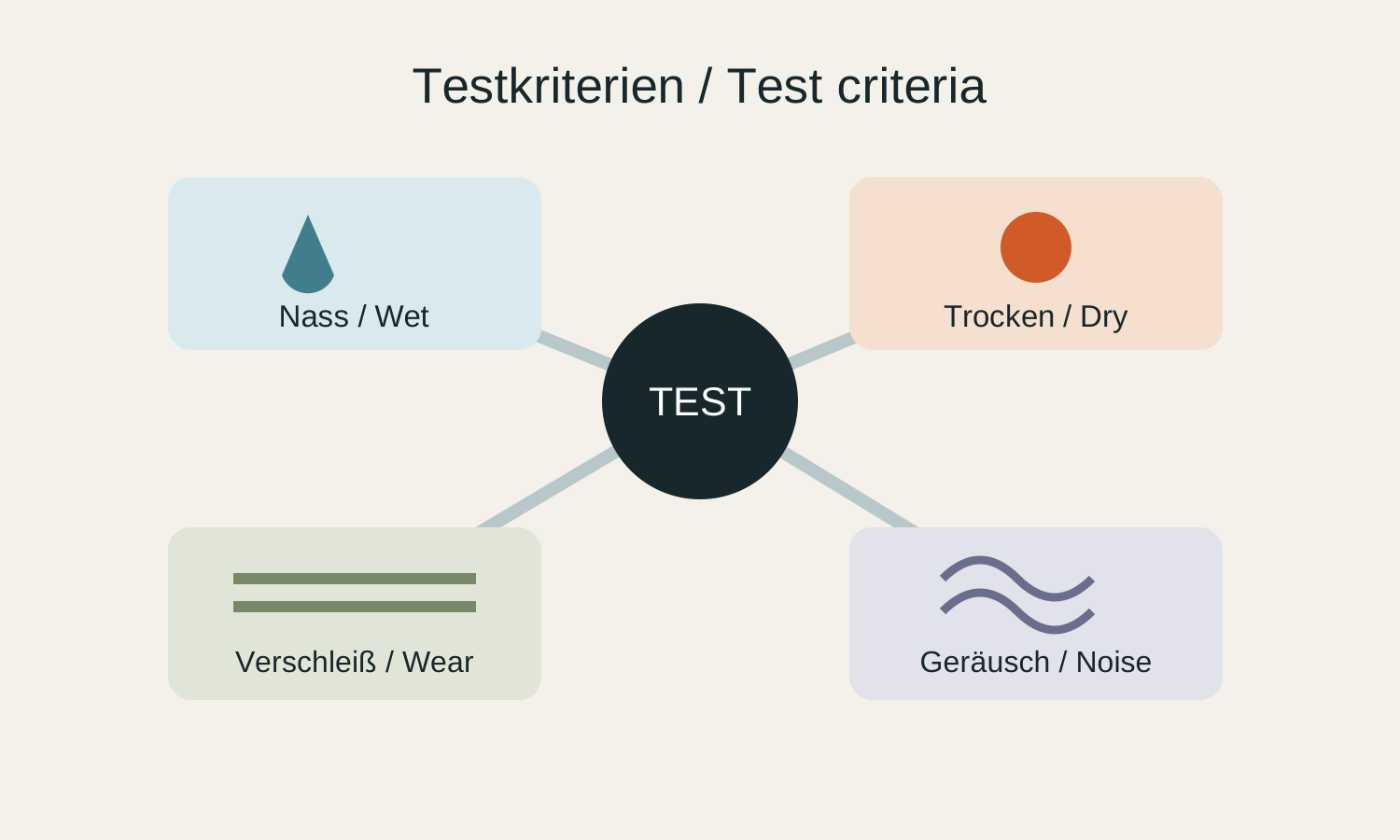
Find independent results for the relevant models and sizes. Examine individual assessments, particularly where your use creates greater demands. Regular rain, winter journeys or long motorway stages may influence priorities. Your preferred weighting should not conceal a substantial weakness that could matter in ordinary driving.
Missing evidence remains missing evidence. An unfamiliar model is not bad merely because it is unfamiliar, but numerous shop stars do not prove its performance either. Ask what supports a recommendation. A dealer may have useful fitting and complaint experience without having conducted a controlled wet-braking test.
Four tyres cost more than four unit prices
Compare inclusive prices covering fitting, balancing and required valve or sensor work. Check delivery and disposal charges too. A large difference in search results can shrink once quotations contain the same services. Keep a written breakdown.
For an online order fitted elsewhere, establish beforehand whether the workshop accepts supplied tyres and under what conditions. A cheap order is less useful if the required appointment or equipment is then unavailable. This organisational question can be resolved independently of tyre quality.
Projected mileage is not a guarantee
Mileage projected in a test is not a promise for your vehicle. Driving style, axle position, pressure, loading and roads differ. Use the figures cautiously for comparison rather than dividing price by supposedly guaranteed kilometres. A multi-year calculation also needs your expected ownership and possible changes in use.
A low-mileage driver may never use a theoretical durability advantage. A high-mileage driver should not consider only the first purchase price either. If useful, make two scenarios with different service periods. A decision that remains plausible in both is stronger than one based on a single optimistic value.
Consider the seller as well
Clear product details, reachable contact information and understandable delivery conditions help regardless of brand. Check whether the invoice identifies the precise item and whether age or special construction can be agreed if these matter to you. Save the description as it appeared when ordering.
The seller does not need grand promises. Clear answers about specification and supply are more valuable. Be cautious if a listing contains contradictory markings or uses a generic photograph as evidence of a particular technical variant.
Record a reasoned decision
The cheaper tyre may ultimately be appropriate if its actual performance and suitability are convincing. Equally, an additional cost may be justified by documented characteristics. Write one sentence explaining the decision: suitable wet results at an acceptable total price, for example, or evidenced long-distance suitability in the required dimension.
This brief explanation prevents the comparison from becoming a contest between logos. It is useful at the next purchase too, if a model is discontinued or your driving changes. Instead of defending an entire price category, you can revisit the criteria that mattered. Keep the comparison with the invoice so that later impressions can be related to the product and expectations actually chosen.