What does performance mean in daily use?
Are you looking for precise steering on dry country roads, frequent high-speed touring, or organised driving on a circuit? These applications should not be merged. A sporty appearance is not a separate approval, and a specialist product is not automatically the best choice for every commute.
Record how often you encounter rain, cold mornings and extended parking. A tyre's most prominent feature may matter less to everyday use than its behaviour in these frequent conditions. A less dramatically marketed model can be a sensible choice when its documented characteristics fit better.
Vehicle requirements come first
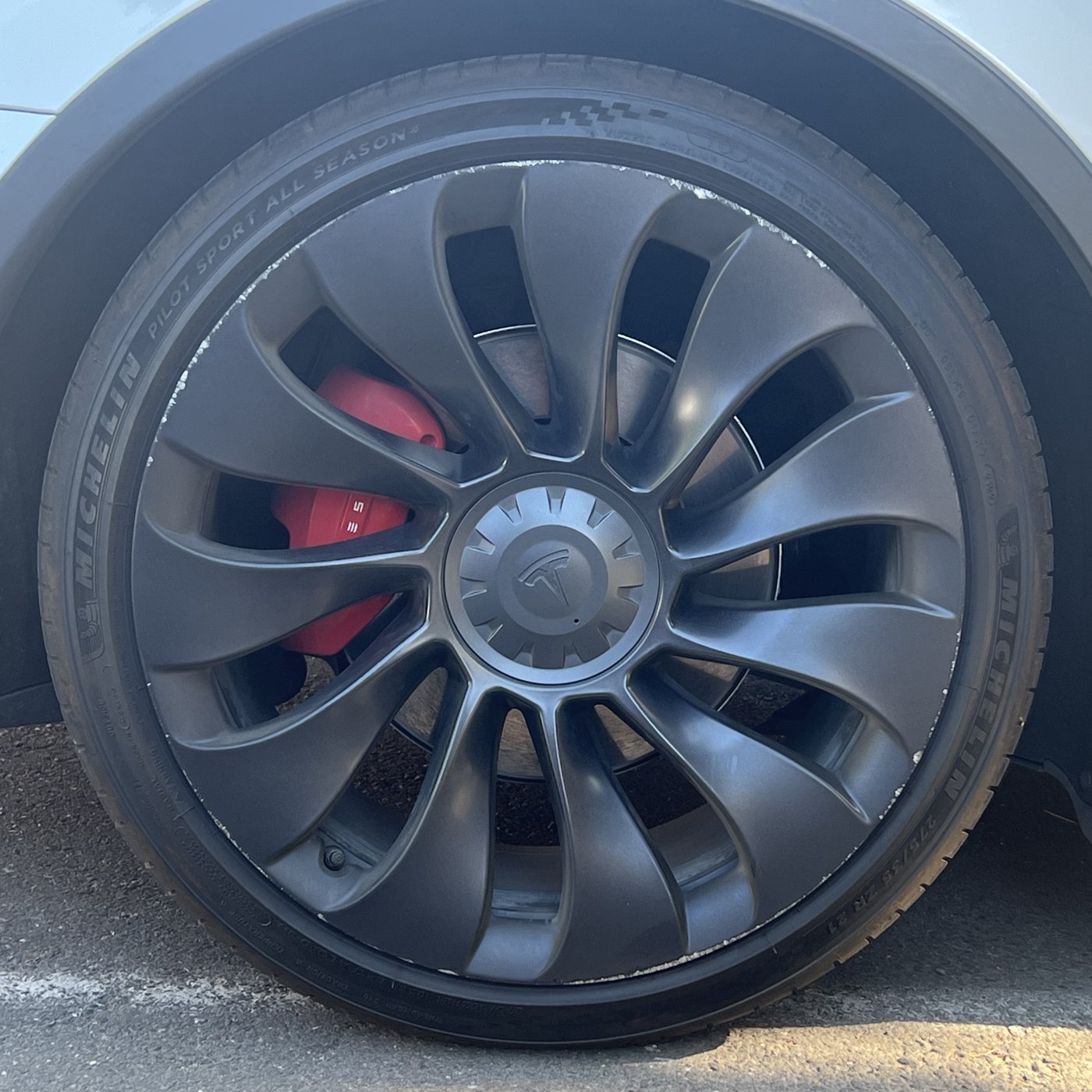
Even on a powerful car, selection begins with size, load capacity, speed requirements and manufacturer instructions. A higher speed symbol alone does not approve an unverified wheel-and-tyre combination. Where axle sizes differ, assess the specified combination together. Resolve any departure from the existing approval before buying.
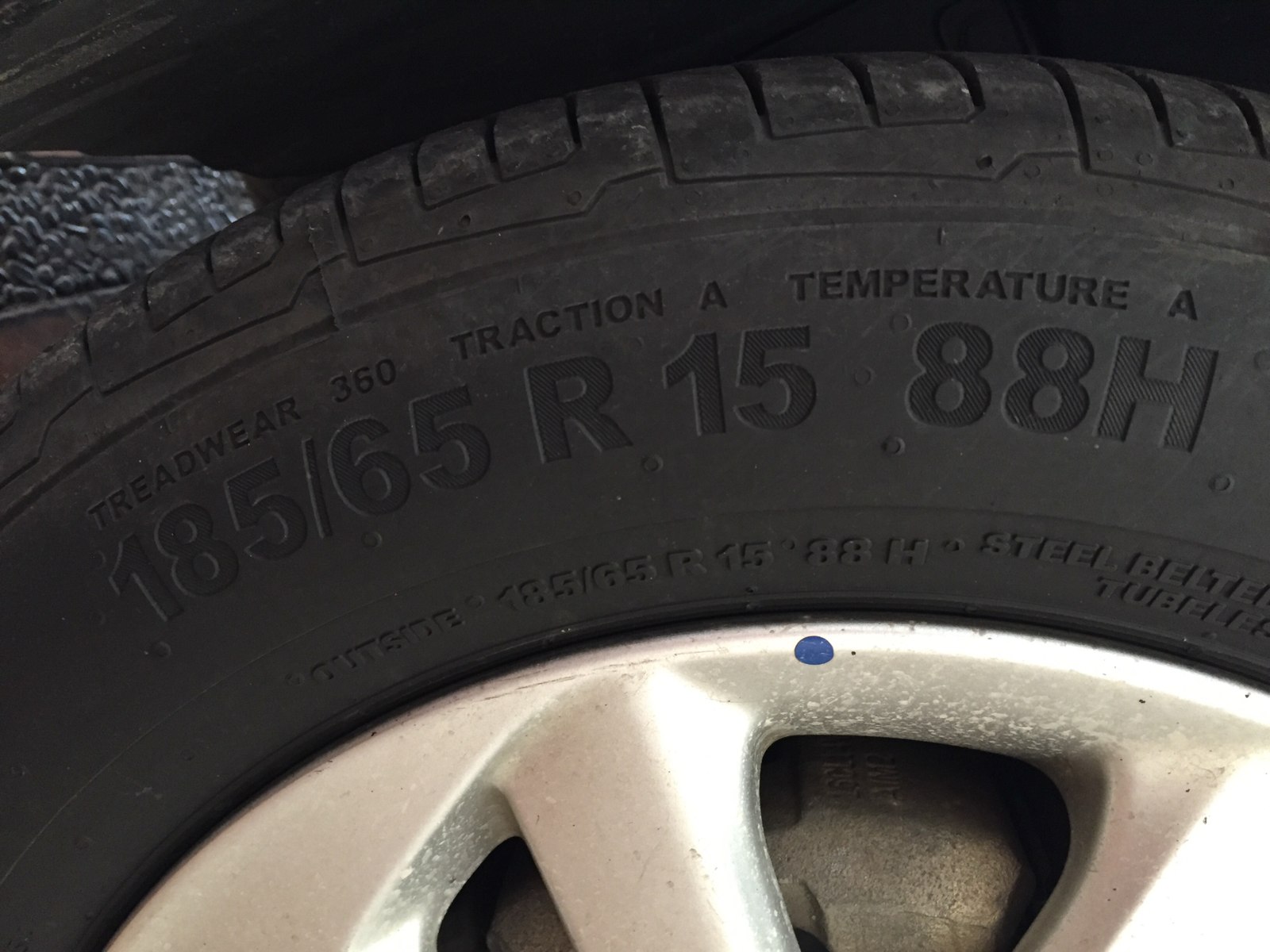
If the car uses a particular original-equipment version, check the intended replacement options. A general model name may not describe that version sufficiently. Include full markings in the quotation comparison, so products that only appear identical are not treated as the same item.
Read limit-handling tests carefully
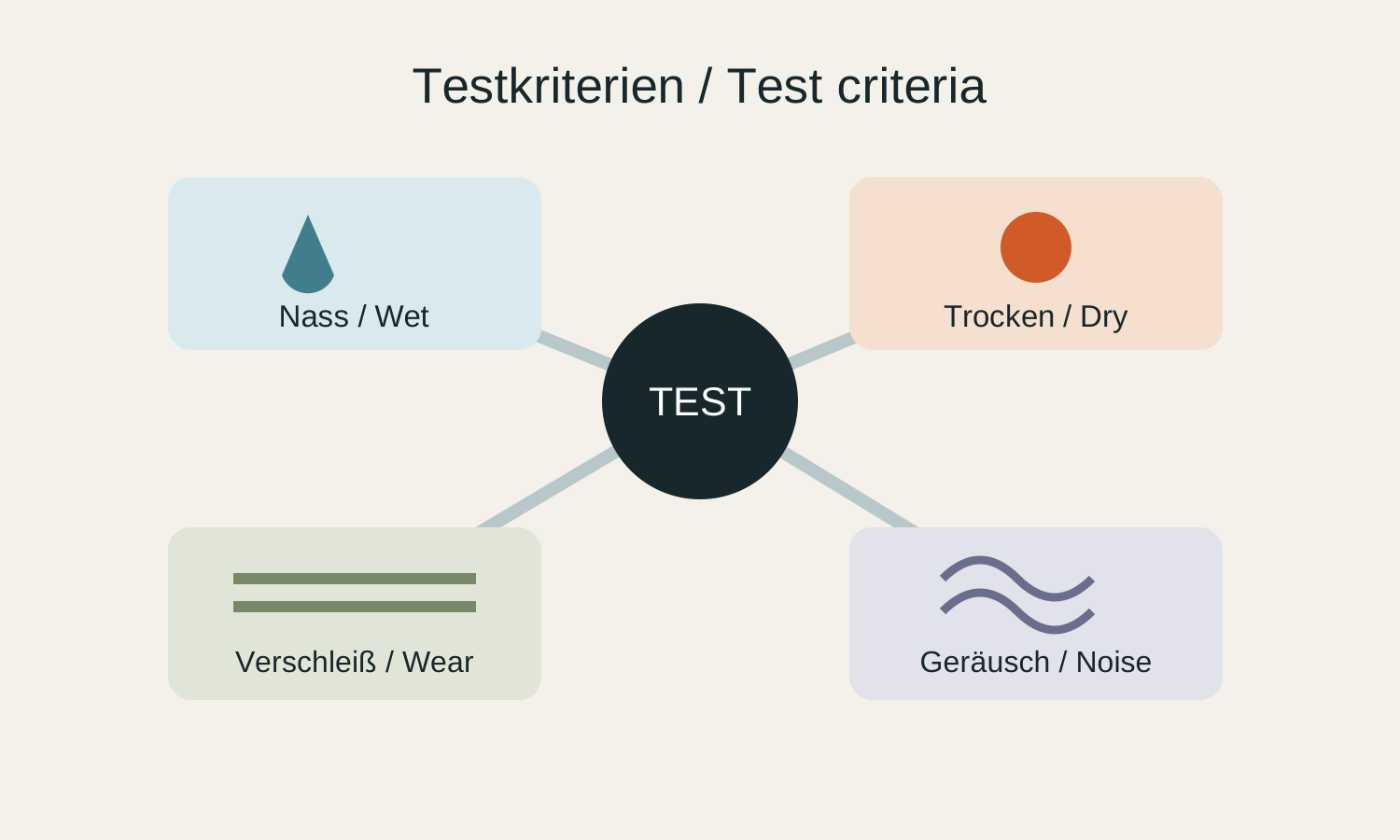
Tests may assess steering response, lateral behaviour and handling near the limit. These are useful comparisons, not invitations to explore those limits in public traffic. Examine wet braking and the test conditions as well. An advantage on a warm dry circuit may leave your question about a cool rainy morning unanswered.
If a model has only been tested in a substantially different size, that uncertainty remains. Do not transfer stopping distances or subjective impressions unchanged to your car. Distinguish directly relevant results from general context about the product range in your notes.
Include comfort and running costs
A set is not used only during acceleration. Noise, wear and behaviour on ordinary asphalt also matter. Compare the complete set price and availability of later replacements. With different front and rear sizes, costs and lead times may vary between axles.
For occasional events on a closed circuit, consult the event requirements and manufacturer instructions separately. A general article cannot prepare that use through one universal pressure or temperature value. Returning to road use may also call for a condition check.
Do not justify the choice by its name alone
Words such as Sport and Performance distinguish product lines, but are not complete evidence of capability. A useful comparison names the precise variant, available results and intended use. Ask a seller which of these supports a recommendation. An answer based only on the prestige of the car offers little help.
After fitting, investigate unusual behaviour rather than accepting it as unavoidable sporting character. Record new pulling or vibration and have the combination checked. Choosing a particular application never replaces correct installation and sound mechanical condition. Keep the original quotation, so any discussion concerns the version actually supplied rather than a similar product in the same range.