Keep distance and time separate
A car that covers only a few thousand kilometres each year may use its tread very slowly. That does not mean any cheap tyre will do. Even a short journey to an appointment can require firm braking on a wet road. Give priority to performance in the conditions you actually encounter, and treat a high predicted mileage as an additional benefit.
Compare two timelines: how long you expect to keep the car, and how far you expect to drive during that period. Exceptional tread life has less value if you will never use it. Equally, a low odometer reading does not make an older set automatically sound. Its condition, storage history and age need separate attention.
One set or two?
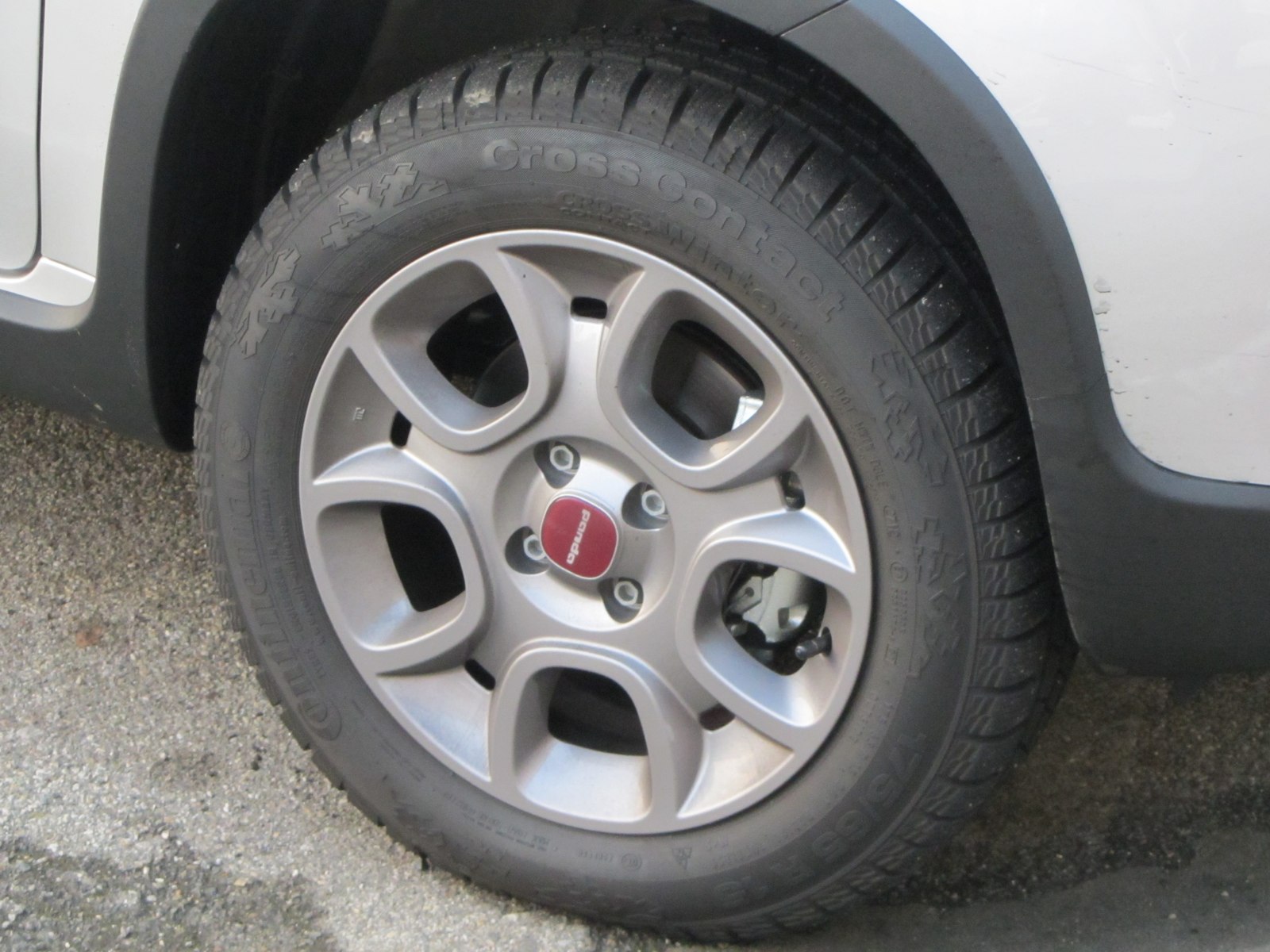
All-season tyres can reduce the work involved when a car is mainly used in moderate conditions. This is not a decision determined by one mileage threshold. Essential winter journeys into higher ground create a different requirement from optional shopping trips that can be postponed. Include infrequent journeys in your notes: an annual winter holiday can matter more to this decision than many short summer trips.
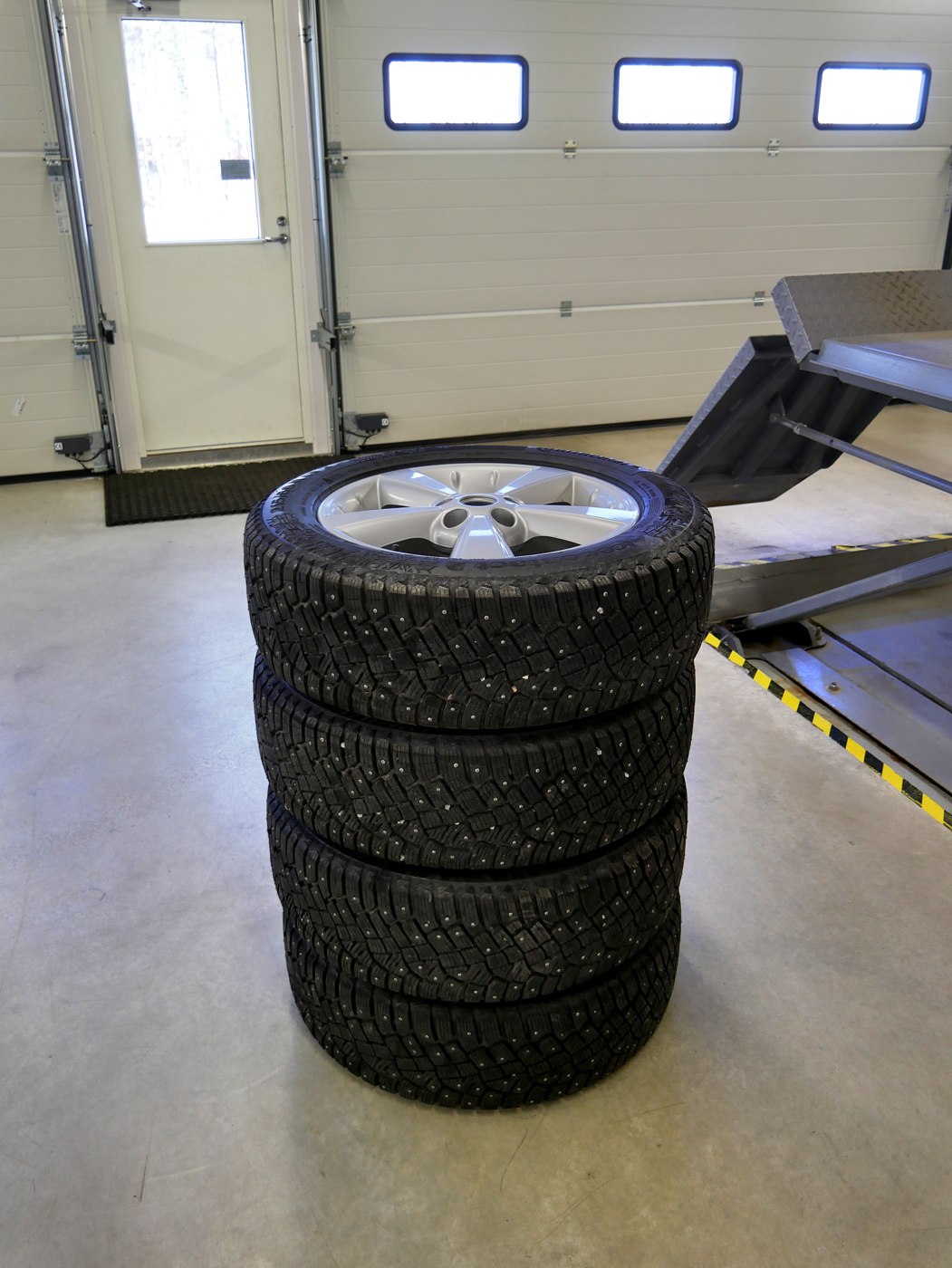
With separate seasonal sets, a small annual mileage is spread over even more tyres. The purchase price therefore gives an incomplete picture. Include storage, fitting appointments and any additional wheels. At the same time, do not let those costs push you into using an unsuitable type throughout the year.
Discuss age when ordering
Ask about the production period before buying and whether the seller can agree an age range for the supplied tyres. A manufacturing date is useful information, not a complete condition report. Correctly stored stock and a tyre with years of unknown use cannot be compared solely by looking at the same date code. Keep the invoice and record the fitting date.
A lightly used car still needs regular pressure and visual checks. Schedule them independently of the odometer, perhaps alongside other recurring vehicle checks. Before the first longer journey after a period of parking, give all four tyres attention. Cracks, deformation or unusual vibration call for professional assessment rather than a calculation of how much tread ought to remain.