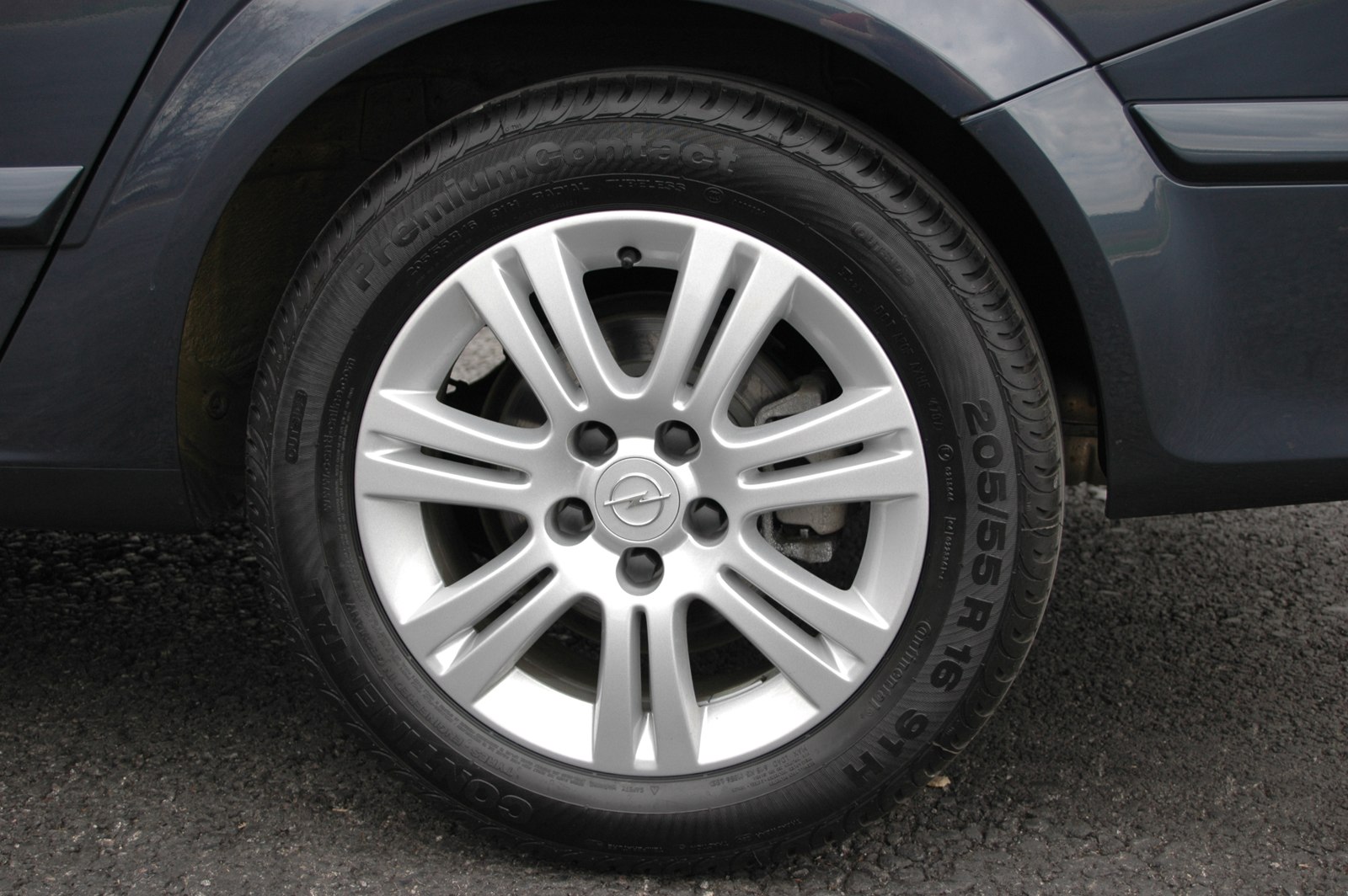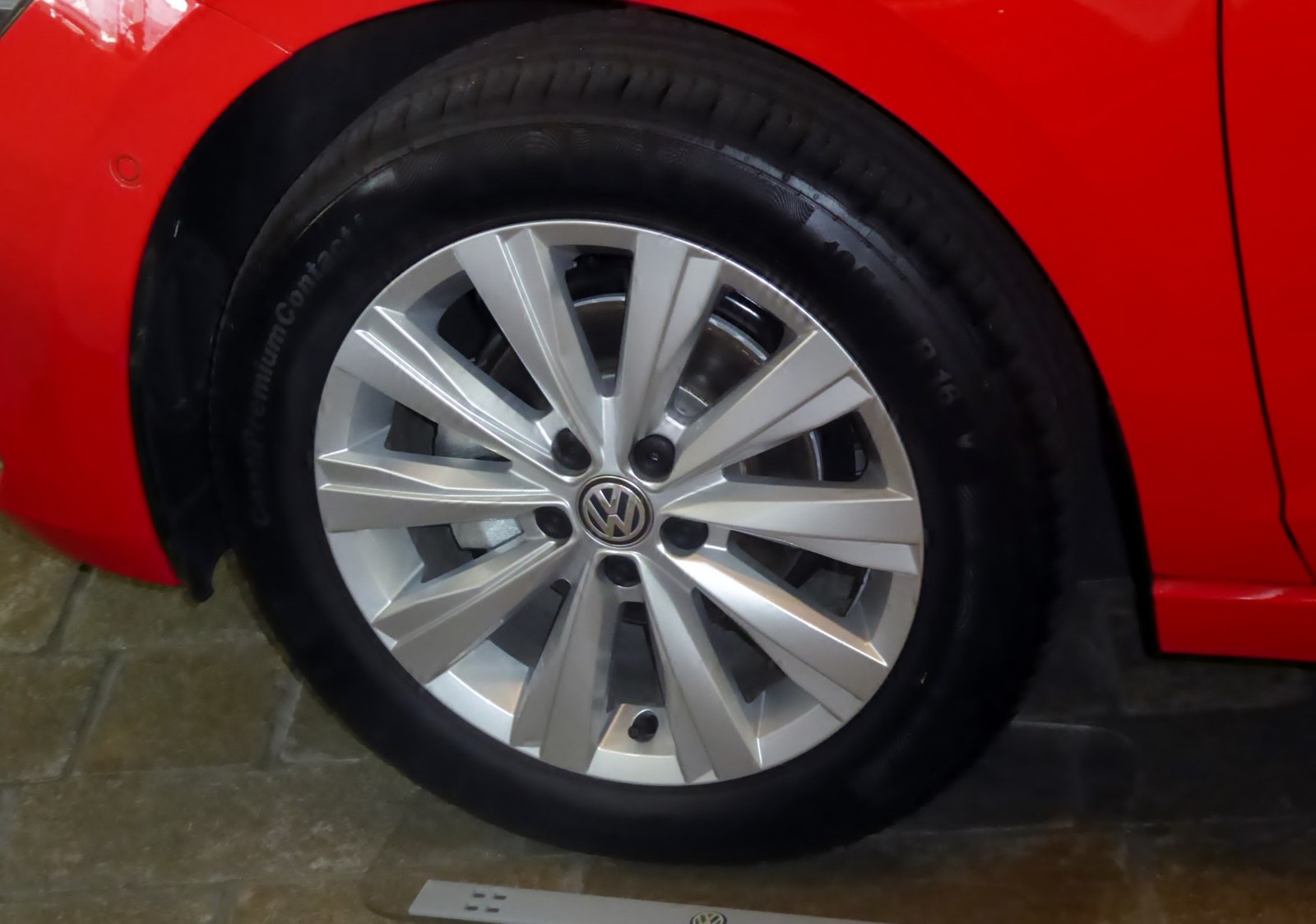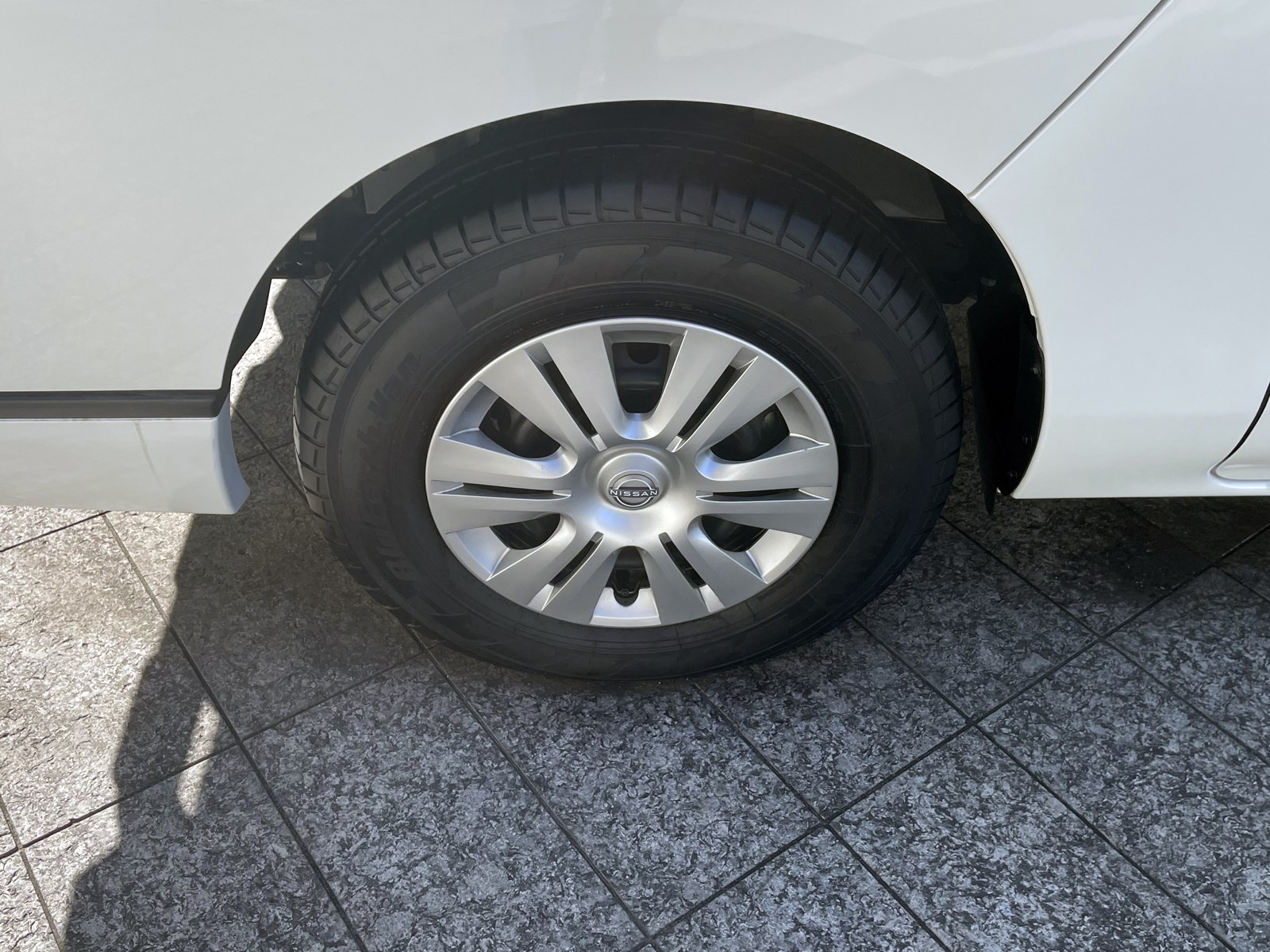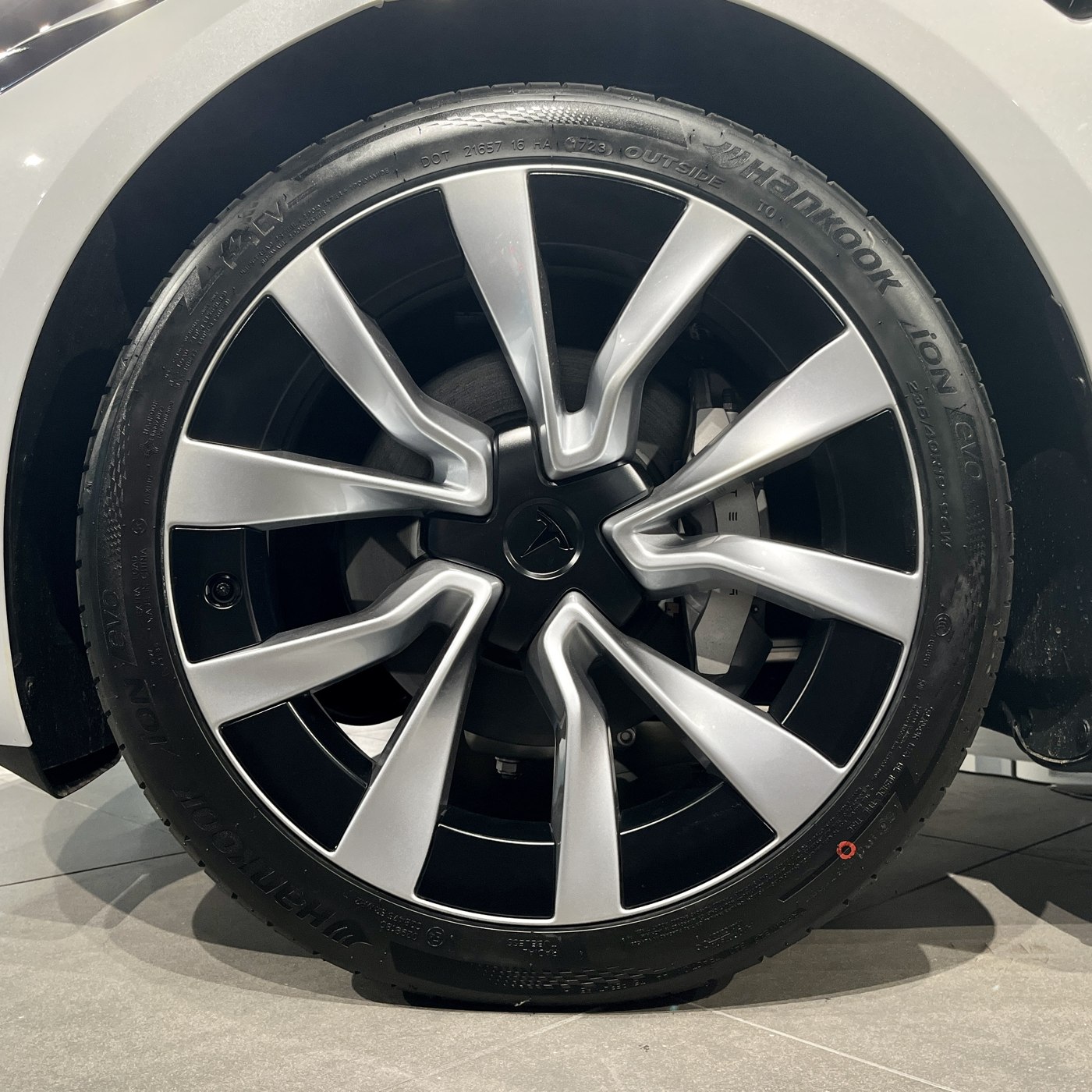
An electric-vehicle logo does not establish fitment
A marking aimed at electric vehicles may describe the focus of a product range. It does not replace the required size, load capacity or speed specification. Start with the documents for your particular car and record additional markings on its existing tyres. A tyre without a prominent EV logo may be suitable; one carrying the logo is not automatically approved for every electric car.
Battery weight, vehicle size and payload can place substantial demands on load capacity. Some applications require an XL or HL version. The prescribed specification matters, rather than a blanket assumption that every electric car needs the same reinforced tyre. A heavier-duty tyre does not increase the vehicle's permitted payload.
Range is one comparison point
Rolling resistance can affect energy consumption. Compare label figures for the actual size and version being offered, rather than advertising for the whole product family. Different variants with the same model name may have different figures. Your electricity price and distance travelled also matter to a cost calculation; a universal range improvement cannot be promised from those figures.
Consider wet braking, wear and behaviour in your driving conditions alongside efficiency. A low consumption classification does not simply cancel out a weakness elsewhere. If no test covers your size, record that difference in your comparison rather than transferring the result to your car without qualification.
Noise without engine masking
Tyre noise can become more noticeable in a quiet vehicle. The EU label measures external rolling noise, however, rather than sound directly at the driver's seat. Acoustic foam inside certain tyres is a separate technology and should not be confused with puncture sealing. If your original equipment includes it, ask which replacement versions are specified and whether the fitter is familiar with them.
A drone that appears after some use may not be solved by buying a product line advertised as especially quiet. Uneven wear, incorrect pressure or another vehicle issue could contribute. Have a new symptom assessed before replacing a complete set on the strength of a guess.
Use still matters after purchase
Check cold pressure against the vehicle instructions and the load being carried. Strong acceleration capability does not need to be used at every departure. Smooth driving and routine inspections help you notice changes in wear. If you want a better basis for choosing the next set, keep records of tyre positions and tread measurements at workshop visits.
For a leased car or one due to be returned, also read the agreed return requirements. That contractual question is separate from technical suitability. Establish both before ordering so that an apparently economical replacement does not have to be replaced again shortly before handover.