Identify what differs first
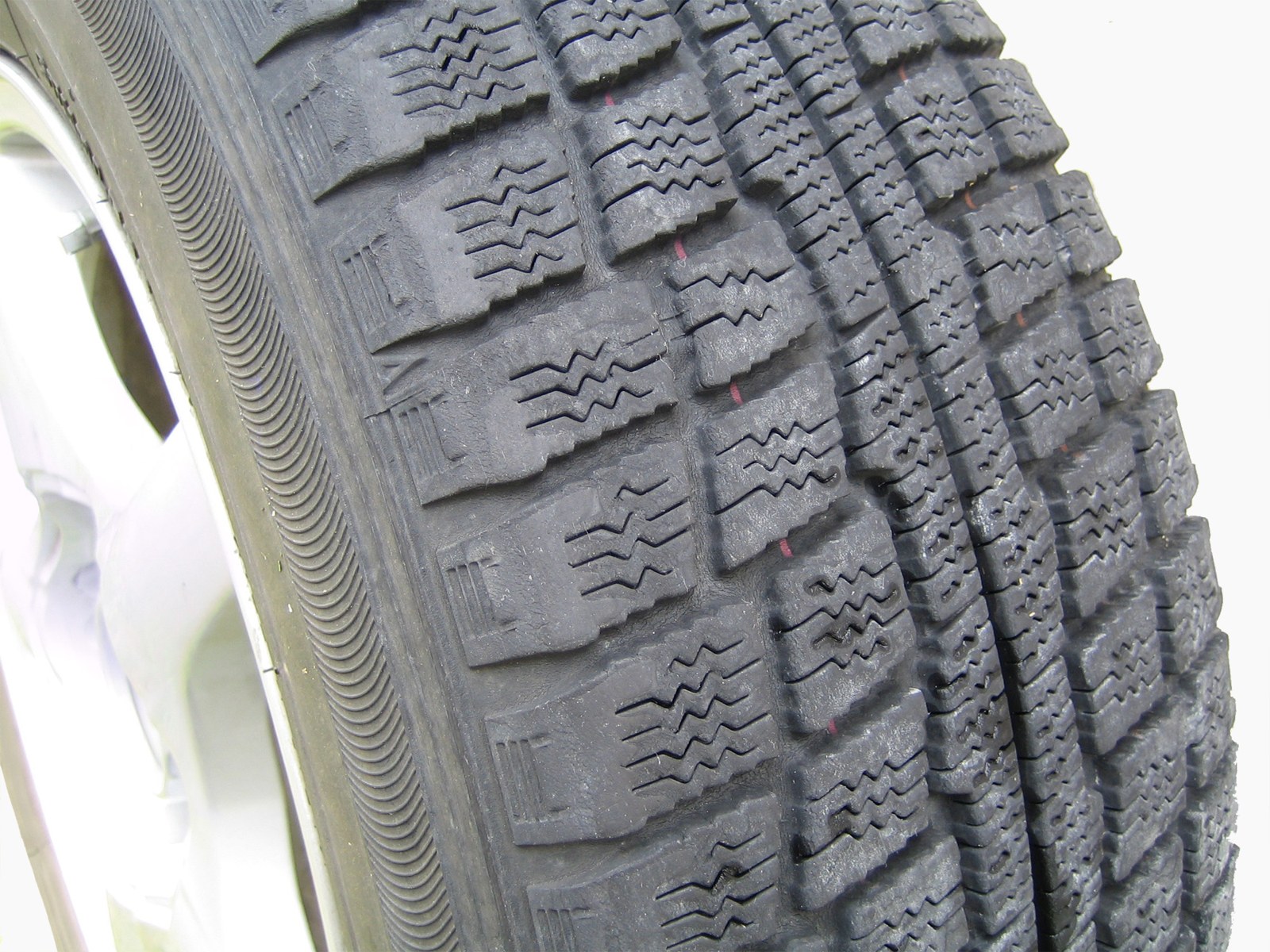
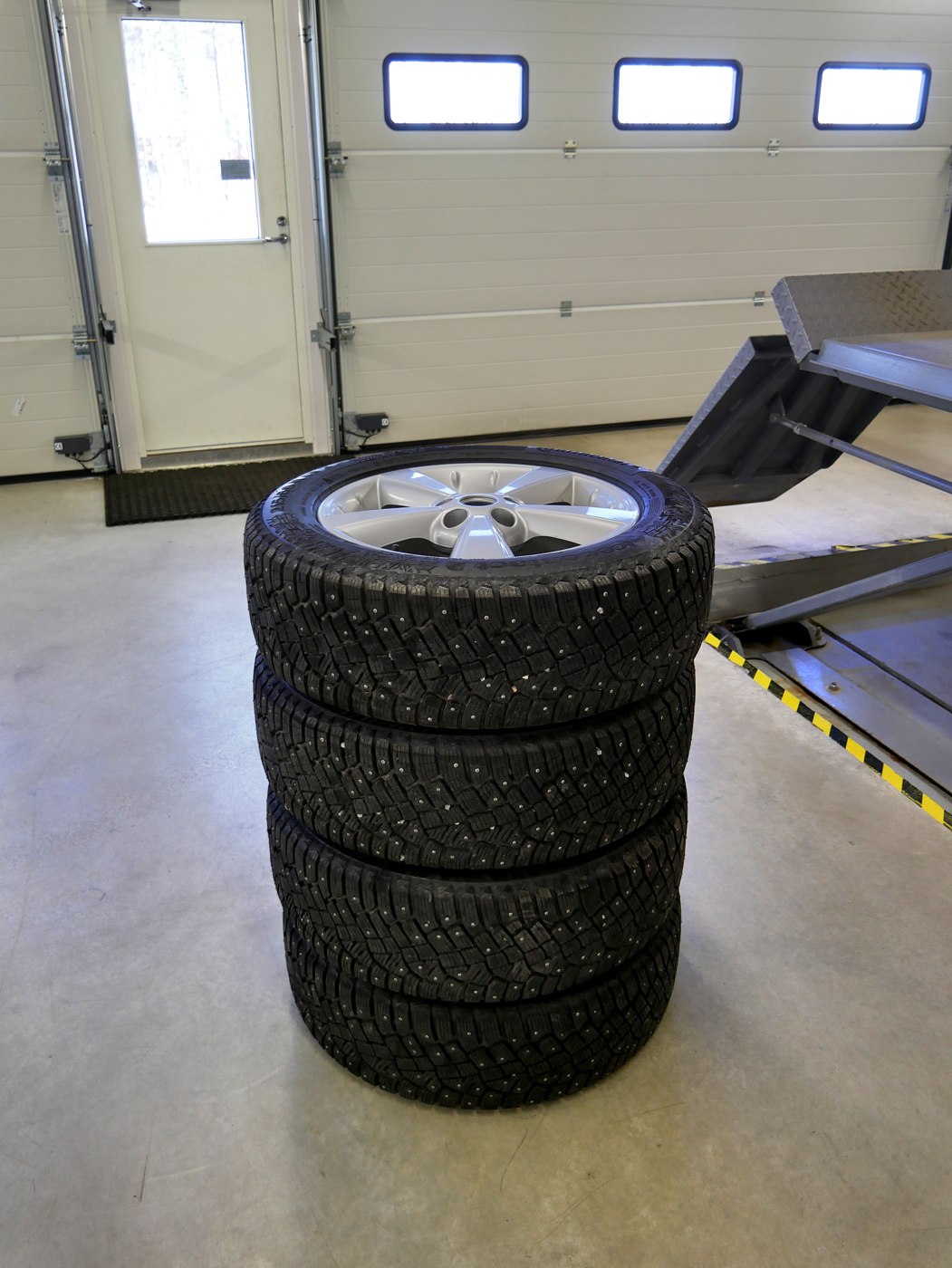
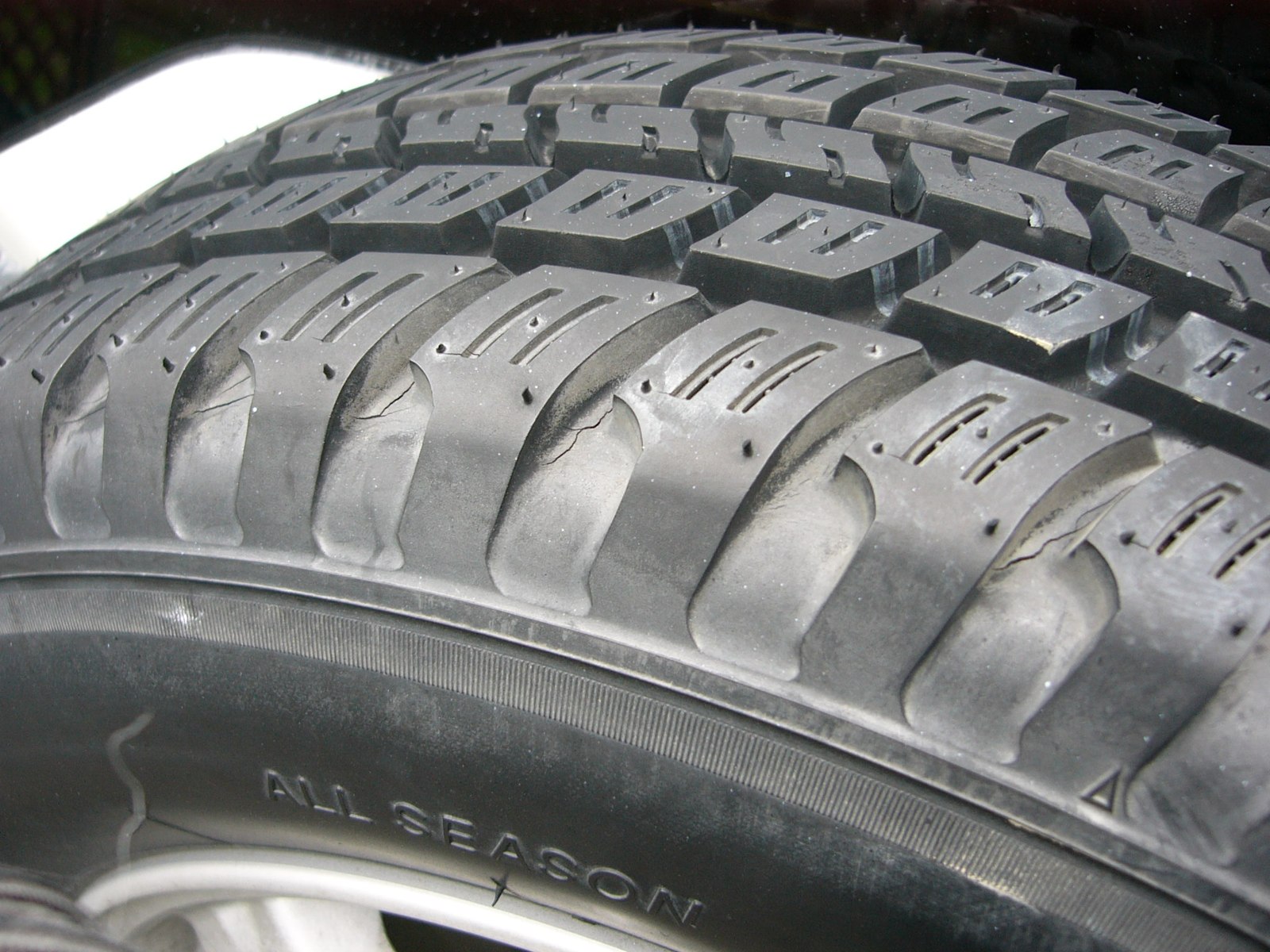
A mixed set may differ in brand, model, generation, seasonal category, construction or tread depth. Record the full markings at each position. Only then can an intended manufacturer combination be distinguished from an accidental mixture.
Different front and rear sizes are expressly specified on some vehicles. That is not the same as freely substituting individual tyres. Preserve the approved combination and its allocation. A generic demand for identical dimensions everywhere would also be wrong for such a vehicle.
Handling belongs to the whole set
Tyres with different characteristics may respond differently at the front and rear. Manufacturers therefore generally favour a suitably uniform set unless a special combination is specified. Saying that each tyre is individually approved does not fully establish how the set works together.
Do not mix summer, winter and all-season tyres simply around availability. Run-flat and conventional constructions also require vehicle-specific assessment. A configurator filtering only dimensions is insufficient where other characteristics differ.
When a model is discontinued
One damaged tyre in an older set can create a sourcing problem. First ask about the exact matching version while having the remaining set inspected. If unavailable, a specialist should propose a solution based on vehicle requirements and the complete set.
Replacing a pair or all four may be appropriate. This cannot be decided solely from one tyre's price. Check permitted rolling-circumference differences, particularly on all-wheel-drive vehicles. A combination may look similar while falling outside the specified limits.
An emergency arrangement is not permanent approval
A temporary spare or another emergency arrangement described in the handbook has its own restrictions. That situation does not prove the same mixture suitable for continuous use. Follow the instructions and restore the normal equipment.
Tell the workshop about pressure loss, distance driven and any temporary arrangement used. This helps assessment of the damaged tyre and remaining combination. A full account is more useful than assuming a short journey could have had no effect.
Ask for a clear fitting plan
Have the fitter explain which tyres will go on which axle and why. The common recommendation to put the better-treaded pair at the rear must be considered alongside vehicle approval and any different axle sizes. A mechanical swap does not suit every vehicle.
Check the supplied versions afterwards and keep the invoice. A clearly documented set makes future replacement easier. If the vehicle behaves unusually after the change, investigate the cause. Mixed tyres are not a reason to accept new pulling or vibration without assessment. Retain the workshop's explanation with the specification so that the next service does not inadvertently undo the intended arrangement.