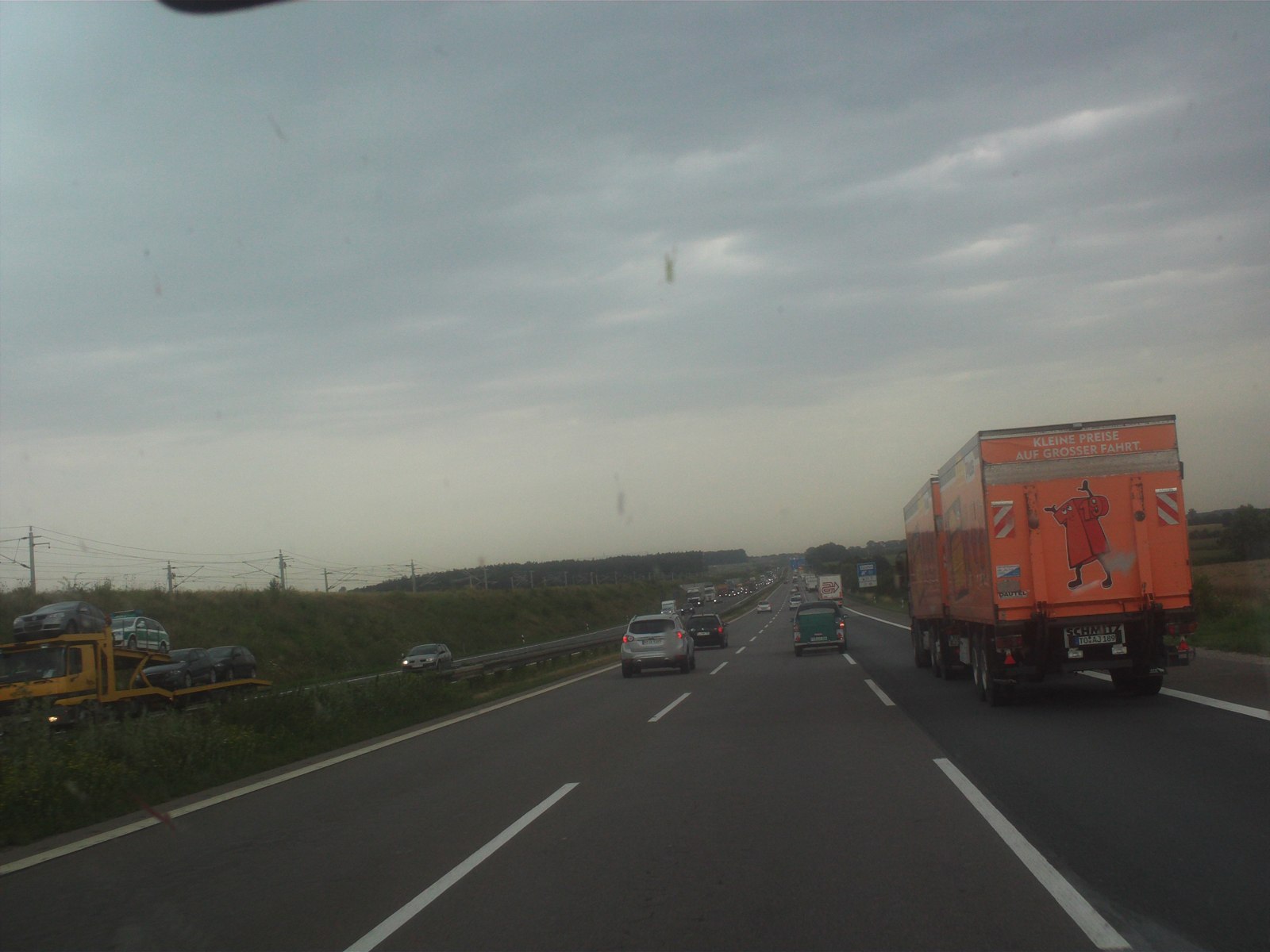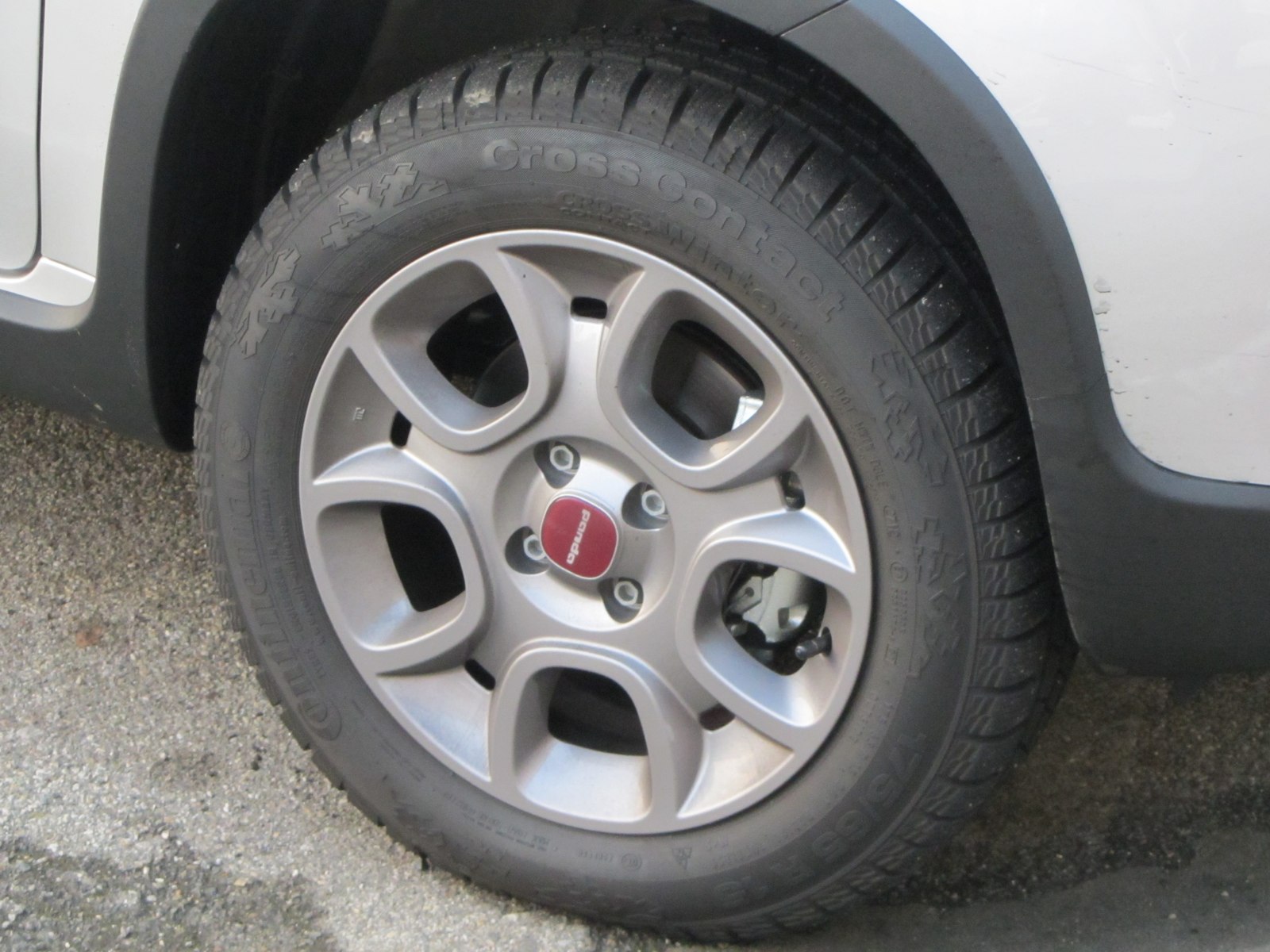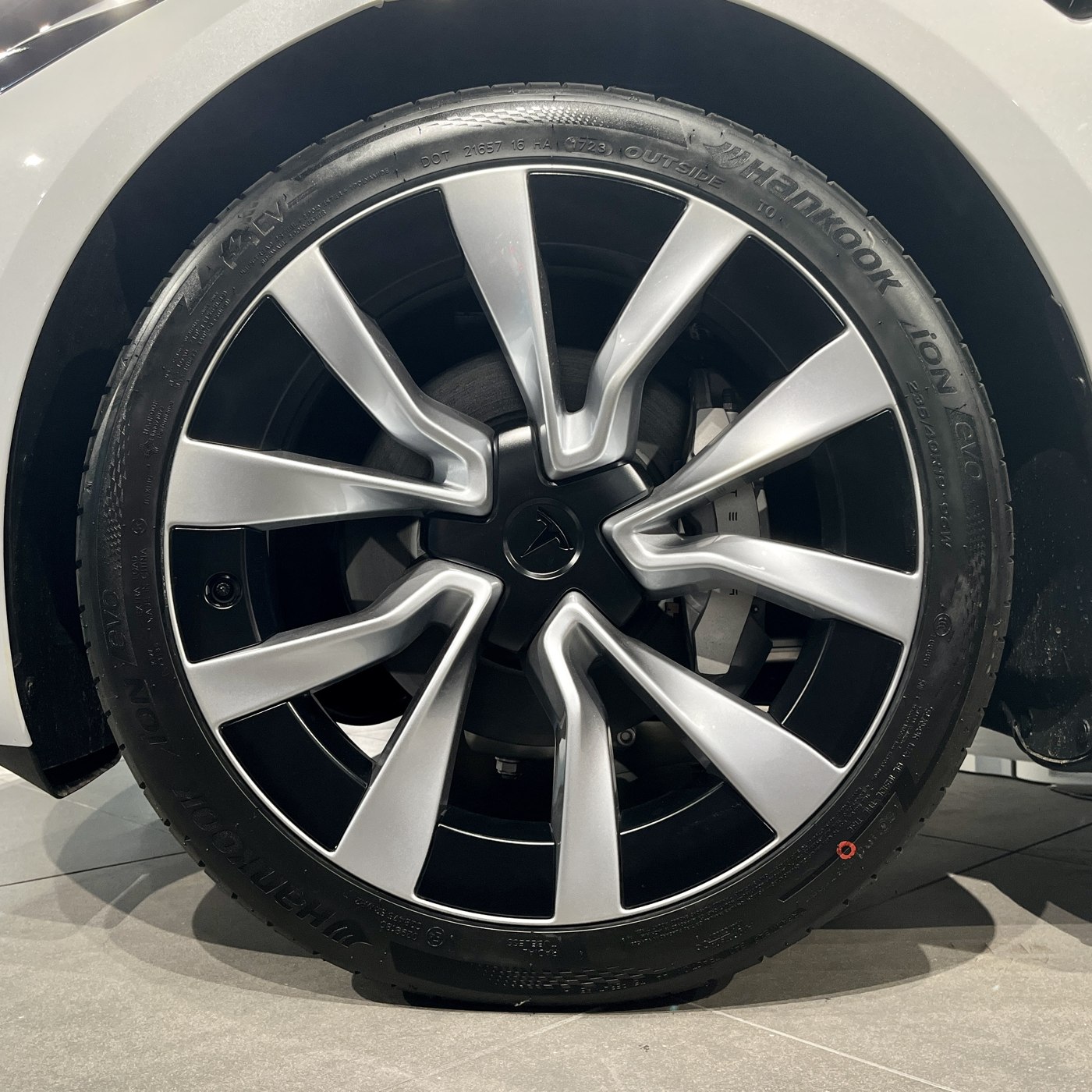
Which journeys still have to happen in poor weather?
A car used for occasional winter shopping trips has different demands from one driven to early shifts in a hilly area. Write down the journeys you cannot easily cancel: commuting, family visits, holidays and longer motorway runs. Your home postcode does not tell the whole story. A regular route may climb to a higher altitude or receive winter maintenance later than the streets around your house.
Also consider whether you can leave the car parked when conditions deteriorate. Someone with a workable train or bus alternative has more flexibility than a driver who must reach a remote workplace before sunrise. That is generally a more useful distinction than trying to predict whether the coming winter will be unusually cold.
Three designs with different priorities
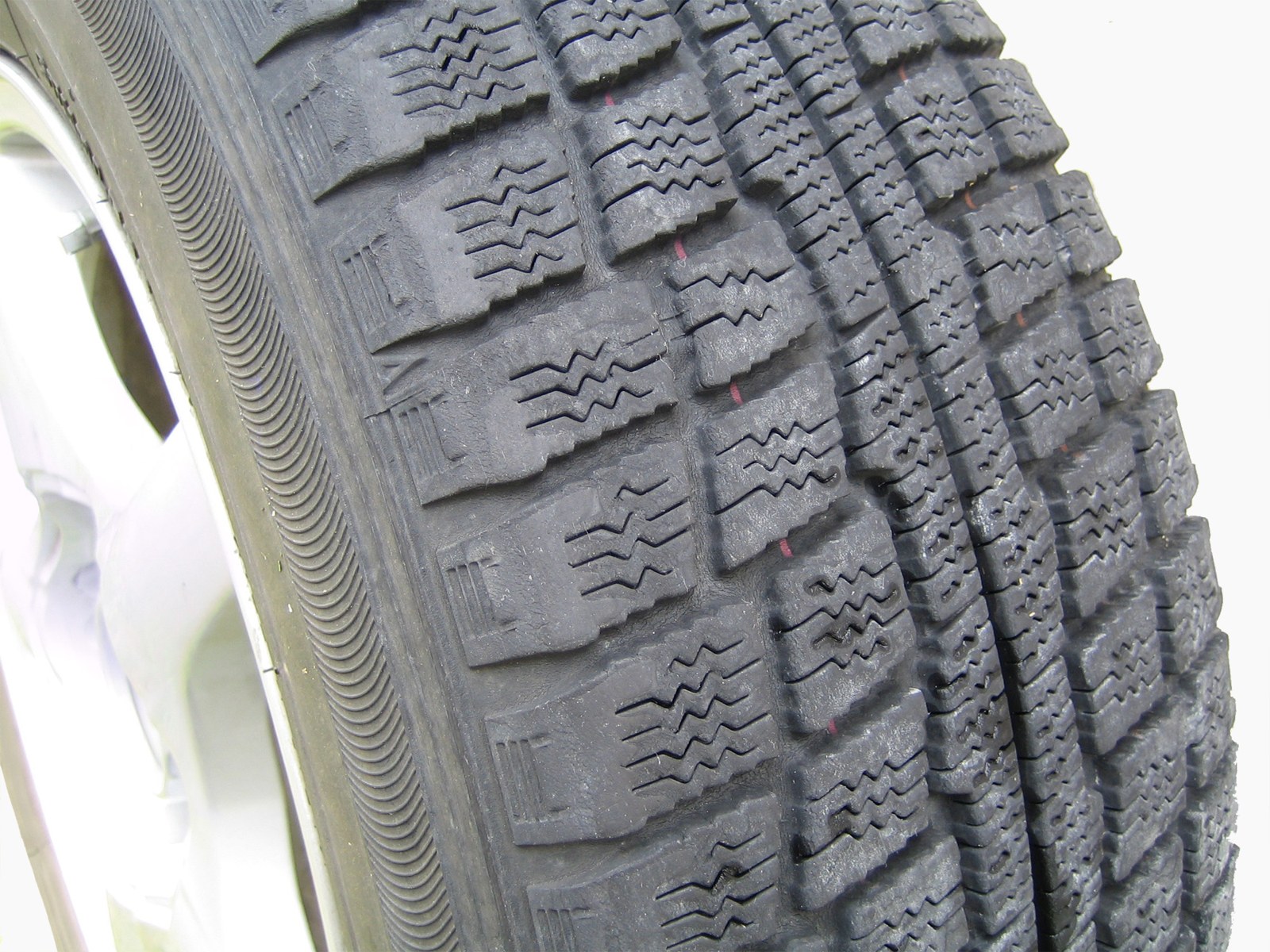
Summer tyres are developed for use in warmer seasons. Winter tyres combine a compound intended for winter conditions with a suitable tread design. Their numerous small cuts, known as sipes, are one visible part of that construction. All-season tyres are intended to cover a wider range of conditions. How successfully they do so varies considerably between individual models; a category name does not tell you a stopping distance.
Separate summer and winter sets can make sense when high mileage, hot-weather journeys and demanding winter routes are all part of the year. All-season tyres may suit more modest mileage in moderate conditions. They remove seasonal changes from the schedule, but they do not remove inspection, maintenance or eventual replacement. Tread depth and condition still matter before winter arrives.
In Germany, road conditions trigger the winter requirement
For ordinary passenger cars, Germany's winter tyre requirement applies in specified road conditions rather than between fixed calendar dates. Section 2(3a) of the road traffic regulations includes black ice, packed snow and slush. The required tyres must meet Section 36(4) of the vehicle licensing regulations, including the Alpine symbol showing a mountain and snowflake. An all-season tyre without the appropriate marking is therefore not a lawful winter solution simply because of its sales description.
The often quoted seven-degree rule is not a legal threshold. A familiar brand name is no substitute for checking the marking on the actual tyre either. If you travel abroad, check the requirements along your route separately; suitability under German rules does not establish compliance in every destination country.
Establish the specification before comparing prices
Before shopping, gather the approved size, required load capacity and relevant vehicle instructions. Then consult independent tests, preferably covering that dimension. Read the individual results for wet roads, dry roads and snow where relevant, rather than relying solely on the overall grade. A test in another size can provide context, but it does not establish identical performance for your version.
For a fair cost comparison, include fitting, any second wheel set, storage and the expected period of ownership. A cheap price per tyre does not answer the wider question. If you are still undecided, give a tyre specialist your vehicle details and a description of your actual journeys. That makes a more specific recommendation possible than simply asking which type of tyre is best.