Describe the motorway use more precisely
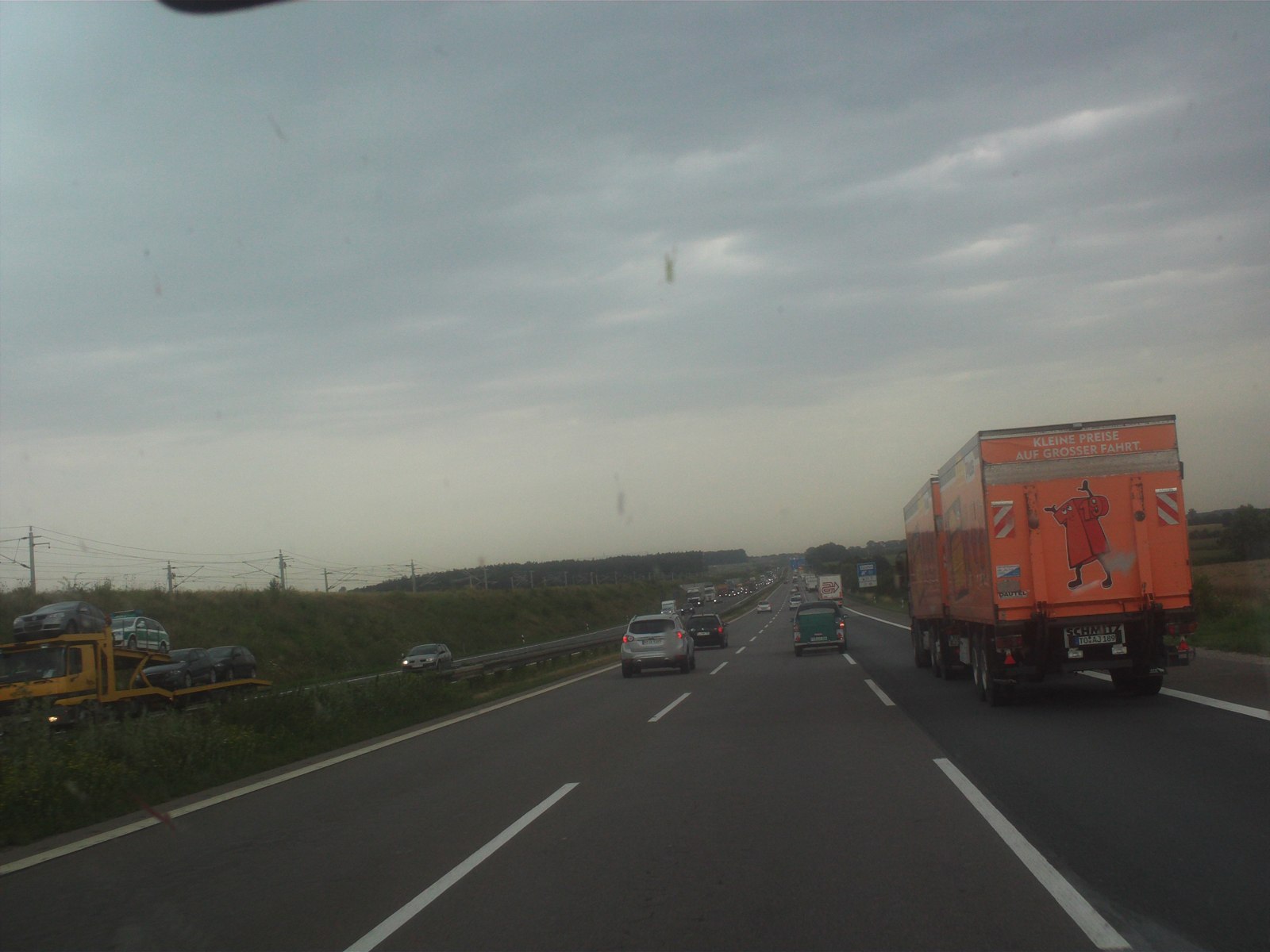
Frequent motorway driving can mean several different things. A steady-speed commute, a heavily loaded holiday trip and long business journeys in changeable weather do not create identical priorities. First record your usual load, the amount of winter driving and the annual distance. These details are more useful than the phrase motorway tyre, which is not a separate technical approval category.
Do not treat a high speed rating as a complete quality assessment. The rating is part of technical suitability. By itself, it does not tell you which model brakes better in rain or sounds less intrusive on rough asphalt. Two suitable tyres can differ considerably in these characteristics.
Read tests with long journeys in mind
Look for results in the required size and compare wet braking, dry-road behaviour and wear. Wet results deserve particular attention when rain is a regular part of your journeys. A test describes specified conditions; it does not establish a personal safe speed on a motorway covered in standing water. Buying a particular tread cannot eliminate aquaplaning.
Low rolling resistance may be attractive at high annual mileages. Avoid converting a potential consumption benefit into a guaranteed cash saving without defensible assumptions. Pressure, speed, load and the vehicle influence actual consumption. A slightly better label classification is not a reason to overlook a substantial weakness in a safety-related discipline that matters to your use.
Technical suitability remains vehicle-specific
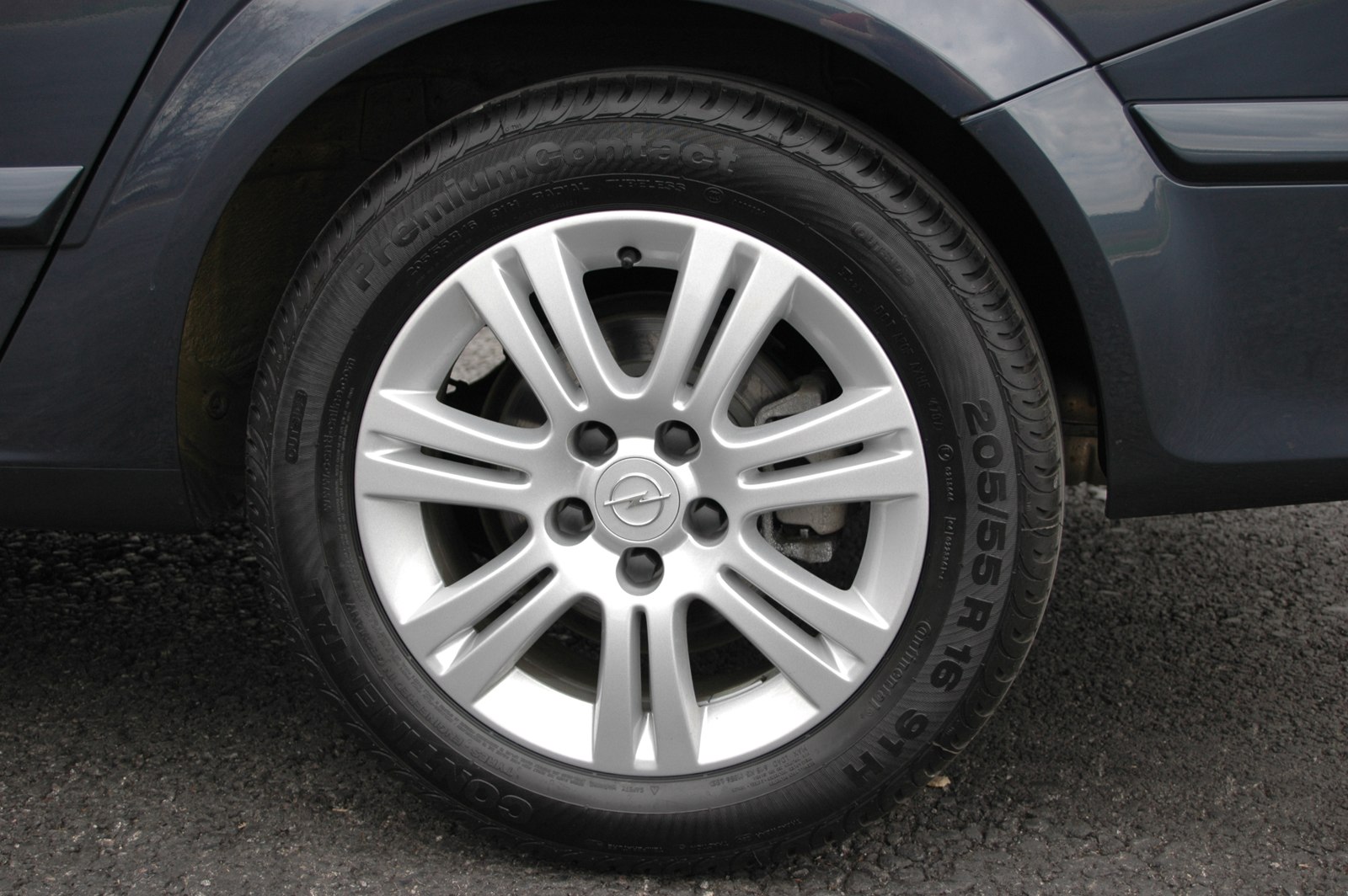
Check size, load capacity, speed requirements and other manufacturer instructions against the vehicle documents. In some applications, speed and loading requirements interact. Choosing the largest number on a sidewall is not a replacement for this check. If the documents are unclear, ask the fitter to explain how the proposed tyre meets your vehicle's requirements.
Before a long trip, check the prescribed cold pressure for the current load and inspect for damage. Use the instructions for the vehicle and the actual wheel-and-tyre combination. After an unusual impact, pressure loss or new vibration, have the cause investigated. A premium tyre name cannot compensate for a fault in the suspension. Keep that distinction clear when a purchase is prompted by an unexplained change in how the car drives.