What the label class can tell you
The wet-grip class on an EU tyre label provides a standardised comparison point. Check it for the precise version offered, including size and markings. Advertising for the whole product family is insufficient when a shop lists several variants under almost identical names. The product information establishes which figure belongs to which item.
The class is not a prediction of your car's stopping distance on an arbitrary rainy day. Surface, temperature, speed, vehicle and tyre condition influence the outcome. Use the marking to compare suitable products, not to calculate a personal following distance.
Wet braking and aquaplaning are separate questions
A test may examine braking on a wet surface separately from behaviour in standing water. Read the subcategories. A strong result in one does not automatically establish the same strength in all the others. This distinction matters particularly if your route often includes ruts and pooled water.
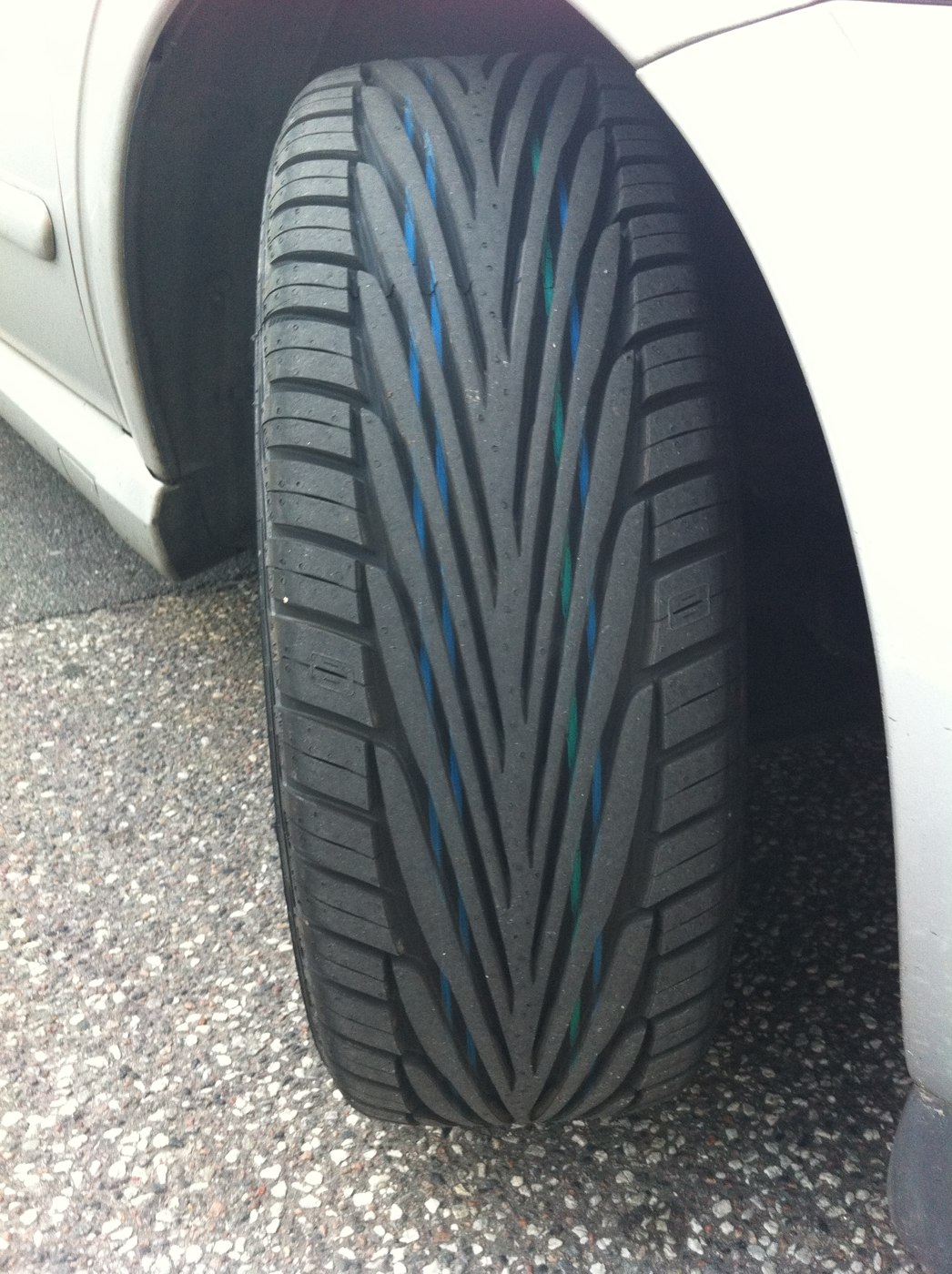
Even a highly rated tyre can aquaplane. Adapt driving to the conditions you can see and do not treat a tread claim as permission to maintain speed. The same applies to impressive-looking longitudinal grooves in a product photograph. One design feature does not establish the performance of the complete tyre.
Include condition in the purchase decision
Published results are obtained under specified conditions. A heavily worn or damaged tyre is not automatically comparable. If your existing set has become concerning in rain, have pressure, wear pattern and condition checked. Changing brand does not resolve every cause, particularly when a vehicle fault affects wear.
Compare two or three technically suitable candidates. Record the label class, available wet-test results and the test size. Blank fields are more honest than invented ratings. An owner comment after a few dry journeys is not a dependable substitute for a controlled wet-road comparison.
Make the price trade-off explicit
If a cheaper candidate performs substantially worse in wet criteria relevant to you, keep that difference visible in the decision. Conversely, a high price does not automatically guarantee an advantage. Compare the full set price and the characteristics actually supported by evidence. A clear wet-weather priority can shorten the shortlist without needing a supposedly universal winner.
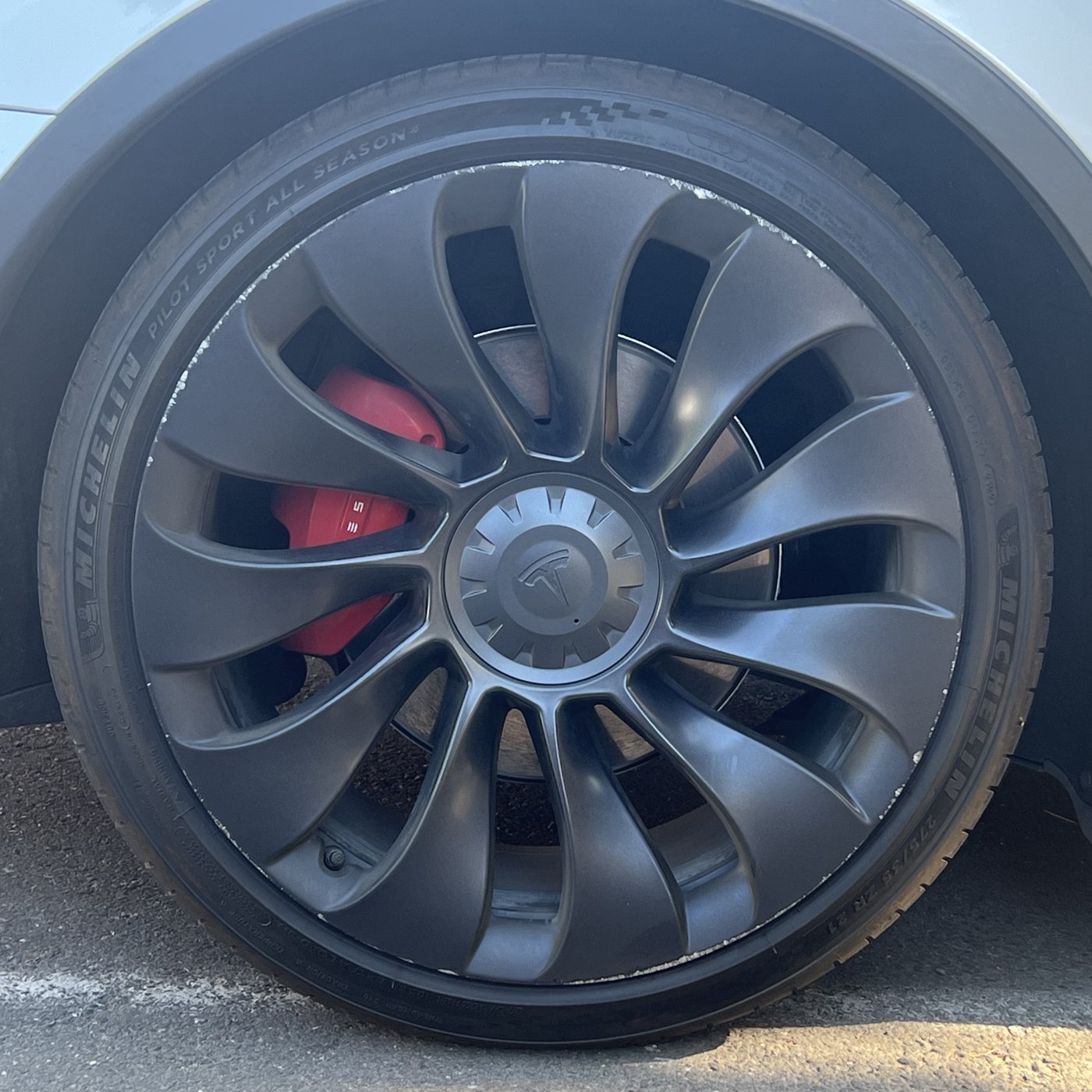
Before ordering, check that the listing does not contain a similar model name or a different additional marking. This final identification is especially important with discounted stock. A test result for the right name but the wrong variant only partly answers the purchase question. Save the product description with the order, so the supplied item can be checked against it when delivered.