Separate sealing from run-flat support
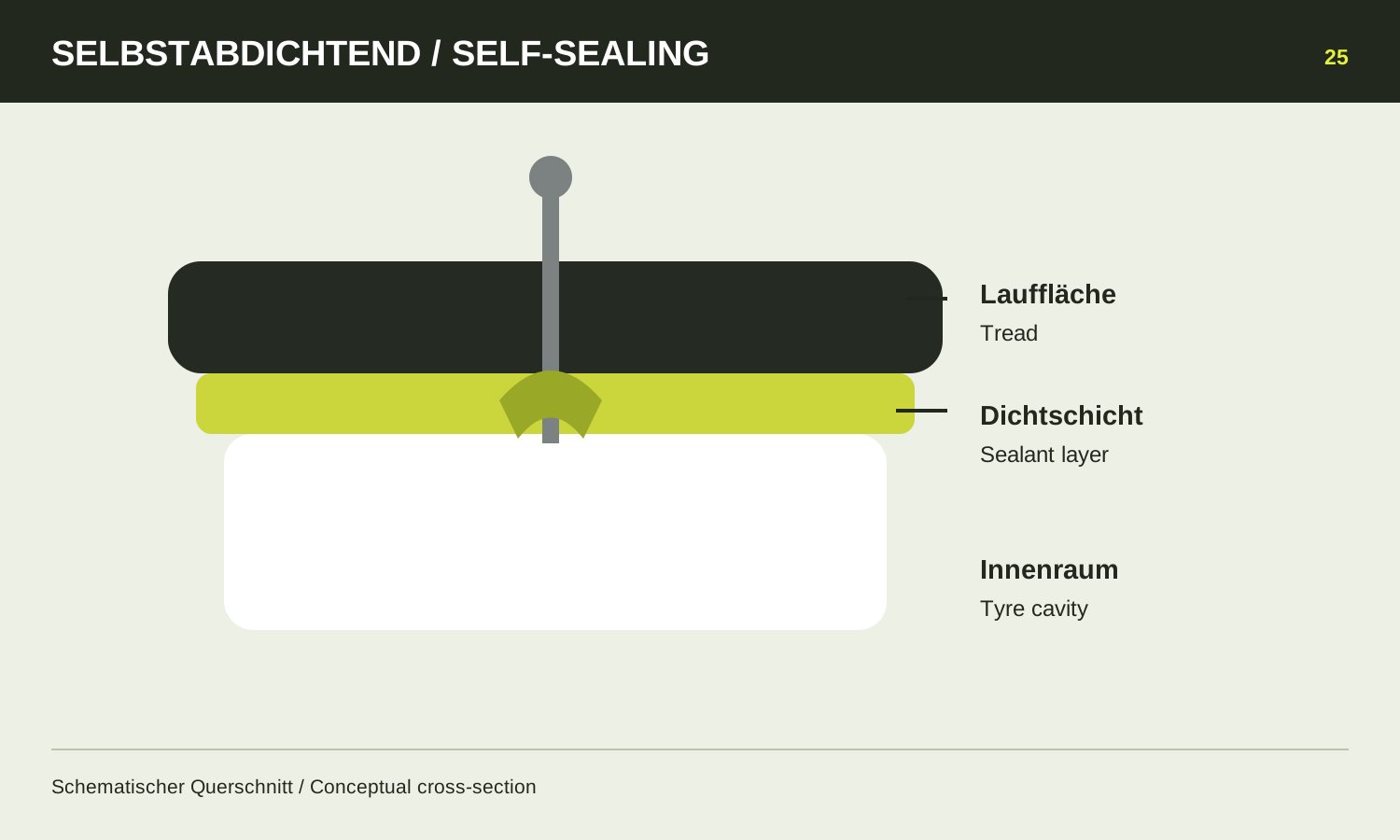
Certain self-sealing tyres contain an internal layer intended to seal particular penetrations in the tread area. This is not general reinforcement against every form of damage. Sidewall cuts, larger injuries and other faults are not automatically resolved. Read the actual system description rather than inferring its capability from a symbol alone.
A self-sealing tyre is not synonymous with a self-supporting run-flat. Their operating principles differ. A factory-applied layer is also different from emergency liquid sealant added later. An offer should not mix these terms.
Order the correct version
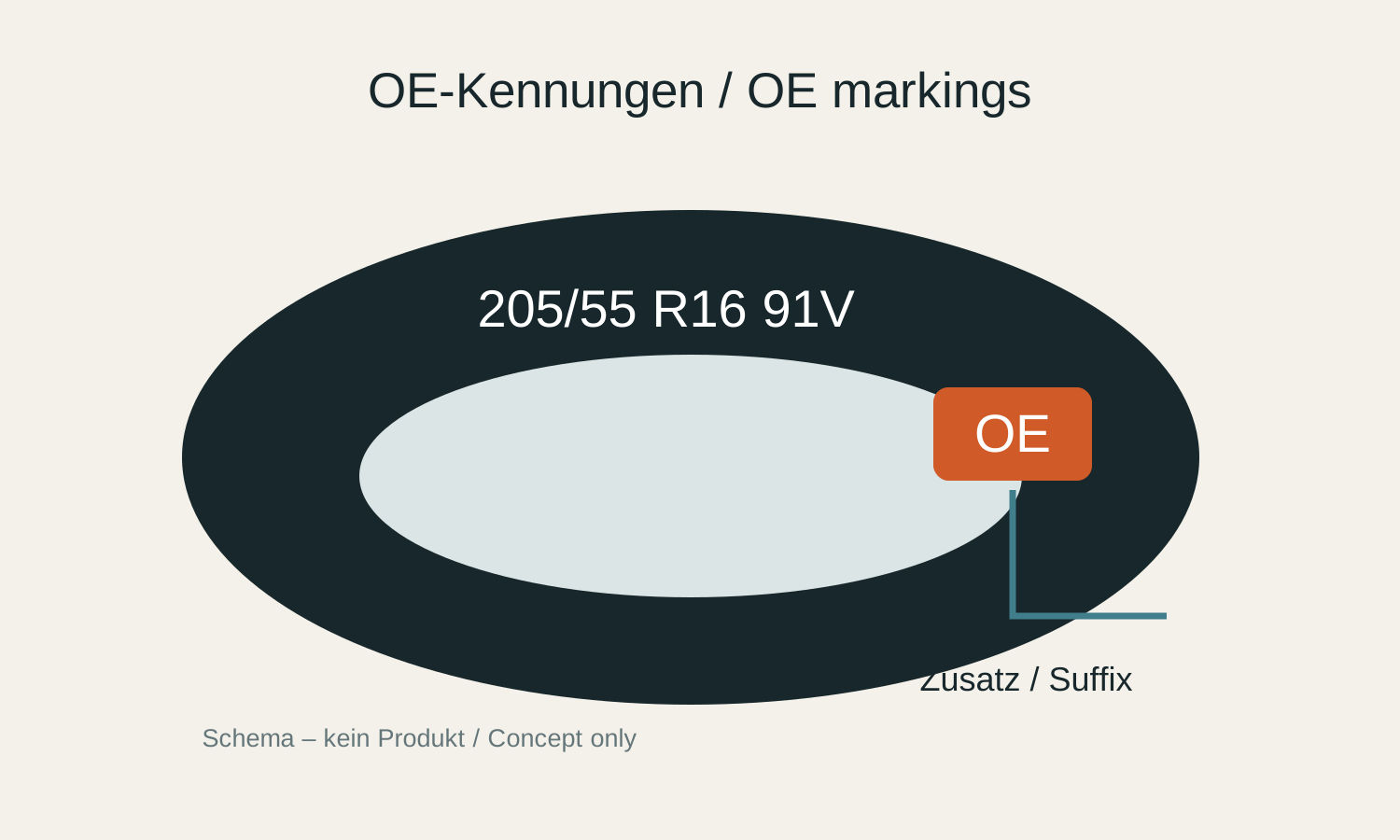
Record the size, load and speed ratings and precise technology name. A model may be available with or without the additional sealing feature. A general product image does not prove which is supplied. Ask for the item number and complete construction where uncertain.
Check vehicle requirements and compatibility of the wheel combination. An extra feature does not replace these foundations. Also establish availability for every required position, especially where front and rear sizes differ. Planning the complete set avoids later improvisation.
A foreign object still needs attention
If you notice a nail or screw, arrange professional assessment even if pressure initially appears stable. Do not remove it merely because you trust the sealing feature. The workshop needs to know which technology is present and whether pressure loss occurred.
Whether repair is permitted and sensible depends on the damage and manufacturer instructions. A sealing layer is not an automatic permanent-repair certificate. Ask what inspection was performed and whether further action is needed. Keep that information with the vehicle records.
Everyday benefits and limits
The technology may avoid an immediate interruption for certain punctures. It does not promise this for every incident. Routine pressure and visual checks remain necessary, and vehicle warnings require attention. Follow the instructions when something is wrong rather than relying on a general advertising claim.
Compare the extra cost with benefits relevant to you and the existing emergency equipment. Before fitting, ask whether the workshop is familiar with the version. Understanding its limitations is more useful than expecting a tyre that can never suffer a puncture. Ensure the invoice identifies the feature, so another workshop can recognise the construction later.