Why is replacement needed?
Wear on one axle, a single cut and an ageing complete set are different starting points. First establish which tyres need replacement and why. An unusual wear pattern may call for vehicle inspection. Without that, a new set could develop the same problem.
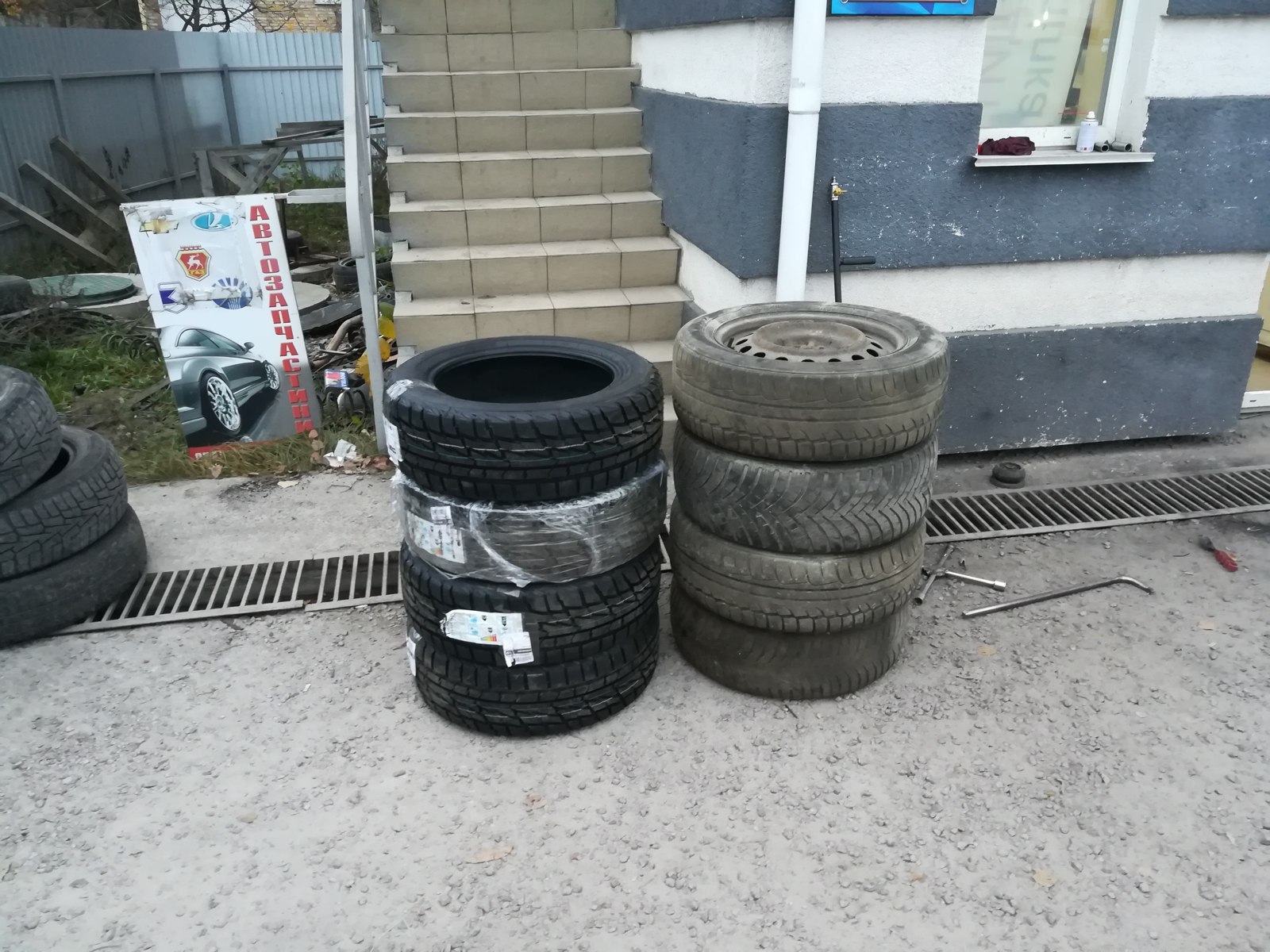
Measure and record the remaining tyres rather than describing them simply as still good. Age, visible damage, repair history and uneven wear matter alongside depth. Buying only as many tyres as are obviously defective may overlook these factors.
The drivetrain can impose limits
Some vehicles, particularly certain all-wheel-drive systems, restrict rolling-circumference differences. Consult the manufacturer's information for the actual limits. A blanket statement that two new tyres are always acceptable is unsuitable. Identical nominal dimensions do not automatically mean identical actual circumference at different wear levels.
Check whether front and rear sizes differ too. If so, tyres cannot simply be moved freely between axles. The intended combination remains the reference. General advice must yield to confirmed vehicle-specific requirements.
Where a new pair belongs
Tyre manufacturers commonly recommend placing the pair with better grip or deeper tread at the rear to support wet-road stability. Read this alongside vehicle instructions. It is not permission to exchange different approved axle sizes or ignore technical restrictions.
Ask for the actual arrangement to be explained. Moving existing wheels requires attention to direction, positional requirements and correct pressures. Monitoring systems may need additional procedures. These belong in the workshop's service rather than an improvised decision after purchase.
One replacement needs particular care
First seek the same complete variant. Model name, size and extra markings should correspond clearly. If unavailable, assess the alternative in the context of the whole set. A roughly similar tread is not technical evidence of suitability.
Ask about the implications of replacing one, two or four tyres on your vehicle. The answer can legitimately differ between cases. The objective is neither always selling four nor retaining three old tyres at any cost, but establishing an appropriate, traceable combination.
Keep the cost comparison fair
Compare the necessary work and likely next replacement stage. Two new tyres may cost less now, while another pair due soon creates further appointments. This is planning, not a guaranteed mileage calculation. Use inspection findings rather than optimistic remaining-life promises.
After fitting, retain the positions and markings. If an older remaining tyre later needs replacement, the starting point will be clear. Report new pulling, vibration or warnings promptly so that installation, condition and combination can be checked. A lower immediate bill has value only if the agreed arrangement remains appropriate for the car.