What the foam is intended to do
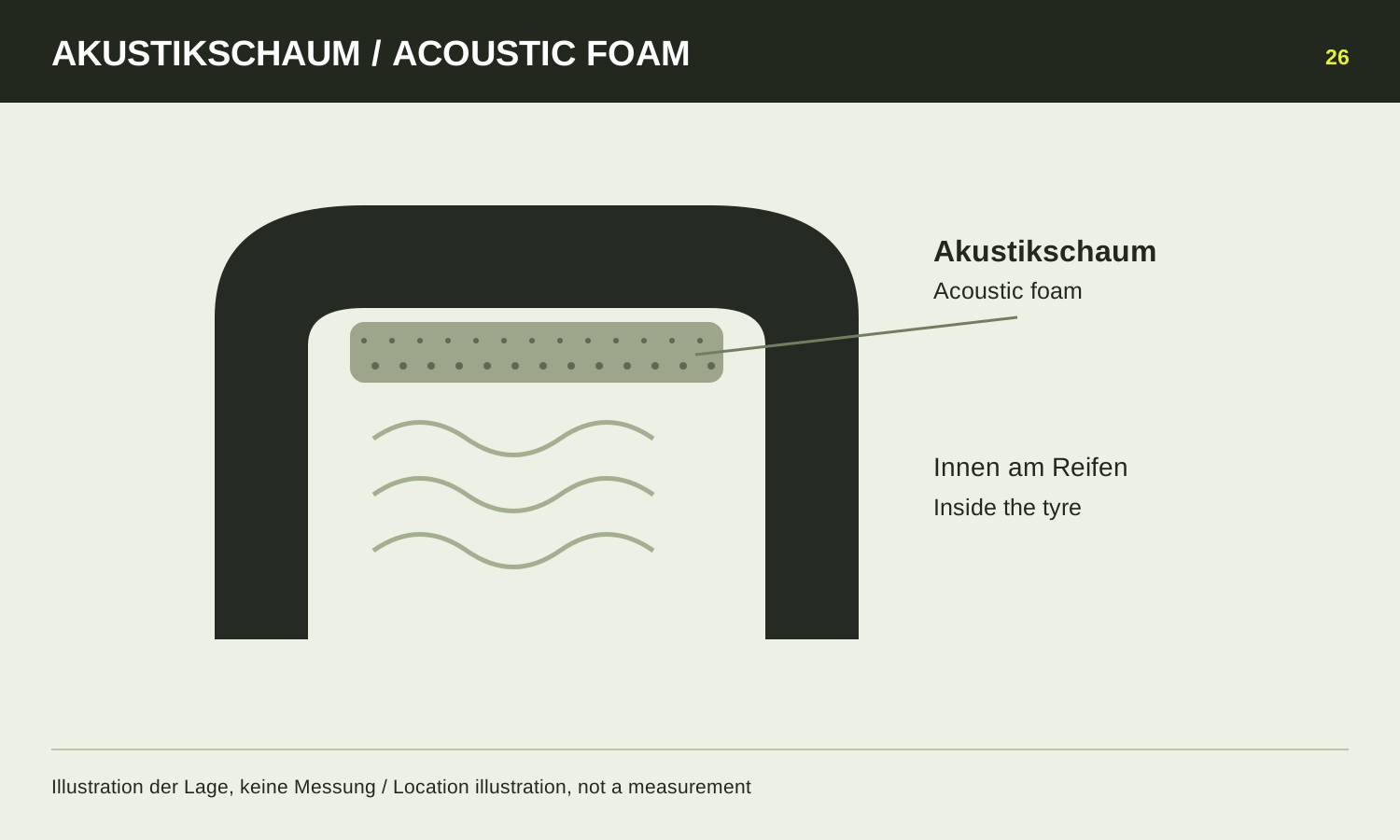
Certain tyre versions contain an internal foam layer. It is intended to influence particular resonance components that may be heard inside the vehicle. This is a targeted acoustic feature, not a guarantee against every rolling or driving sound. The perceived result also depends on the vehicle and road surface.
Do not confuse the foam with a self-sealing layer. Acoustic foam does not automatically make a tyre a run-flat or provide puncture sealing. Identify the precise manufacturer designation, because several additional technologies may have similarly promotional names.
The item variant matters
One model name may cover versions with and without foam. When replacing an original fitment using it, size alone is therefore insufficient identification. Record all suffixes and have the offered item number confirmed. A representative picture showing foam does not necessarily describe every option in a shop's selector.
Also establish which replacement versions are intended for the vehicle. A wish for less noise does not replace approval. With different front and rear sizes, check availability for the whole combination before ordering only a pair.
Workshop handling and noise diagnosis
Tell the fitter about the special construction. Following damage, the relevant repair and inspection instructions apply. Do not cut or remove foam yourself to create apparently easy access to an injury. Assessment belongs with a suitably equipped business.
If a new sound develops in use, investigate the cause. Acoustic foam does not rule out wear, pressure issues or other faults. Describe when and under what driving conditions the sound appears, and arrange inspection rather than immediately ordering another supposedly quieter version.
Overall suitability still matters when comparing prices. Wet performance, seasonal requirements and the correct dimension do not disappear because an acoustic feature is added. Treat the potential sound benefit as one comparison point, not a replacement for the rest. Keep the specification with the invoice so future maintenance can identify the actual construction.
This record is particularly useful when maintenance is later performed by a different workshop.