Why the rotating assembly is measured
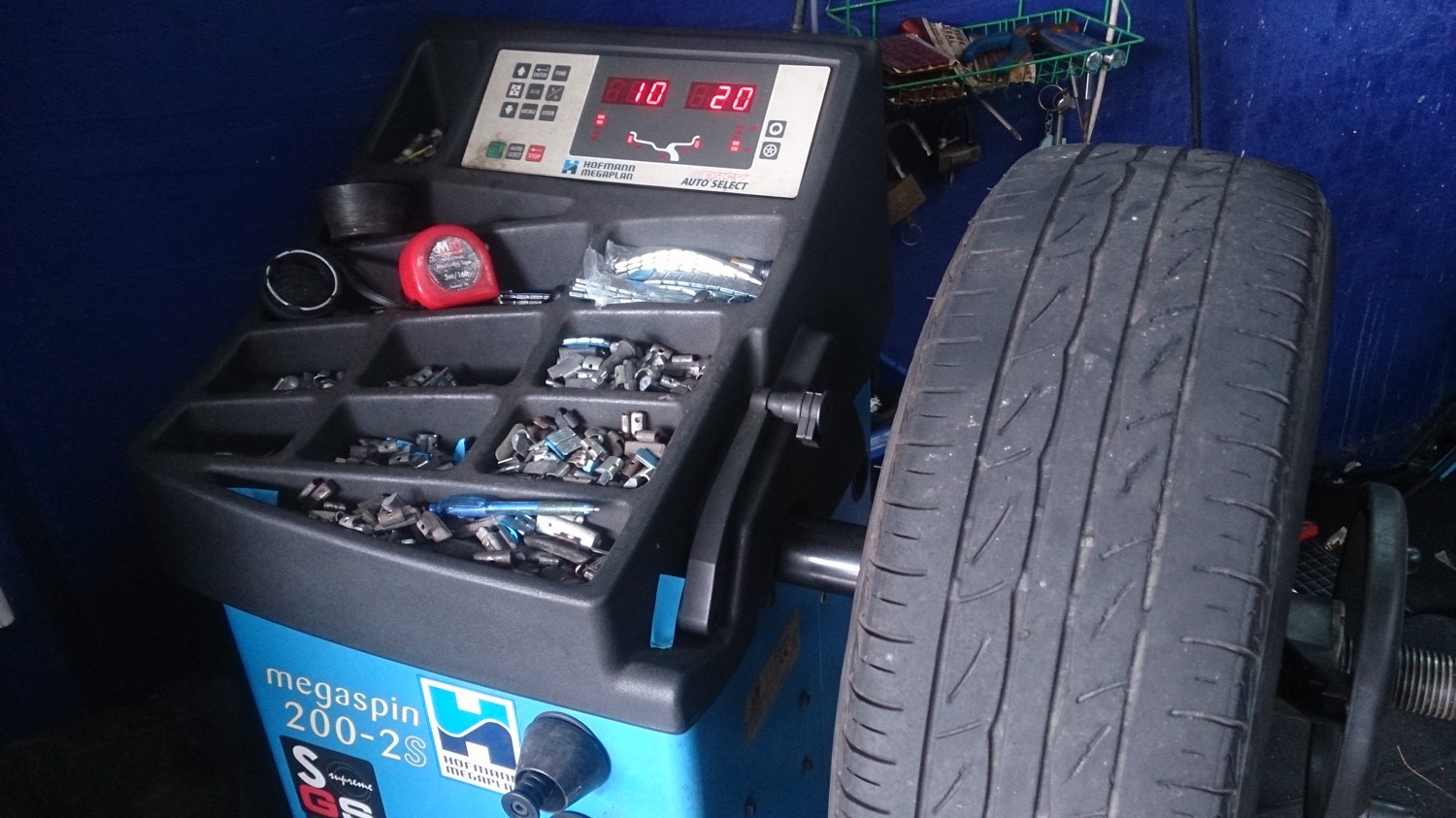
Tyre and rim form one rotating assembly. Their mass is not necessarily distributed perfectly evenly around the rotation axis. A balancing machine measures imbalance and indicates where correction with suitable weights is needed. The workshop assesses the mounted assembly rather than treating tyre and rim independently.
The process is particularly relevant after tyre mounting because the assembly has changed. Missing weights or symptoms in service can also justify checking. Vibration does not automatically prove imbalance, however. Damage, centring and other vehicle components can create similar symptoms.
Machine mounting forms part of the measurement
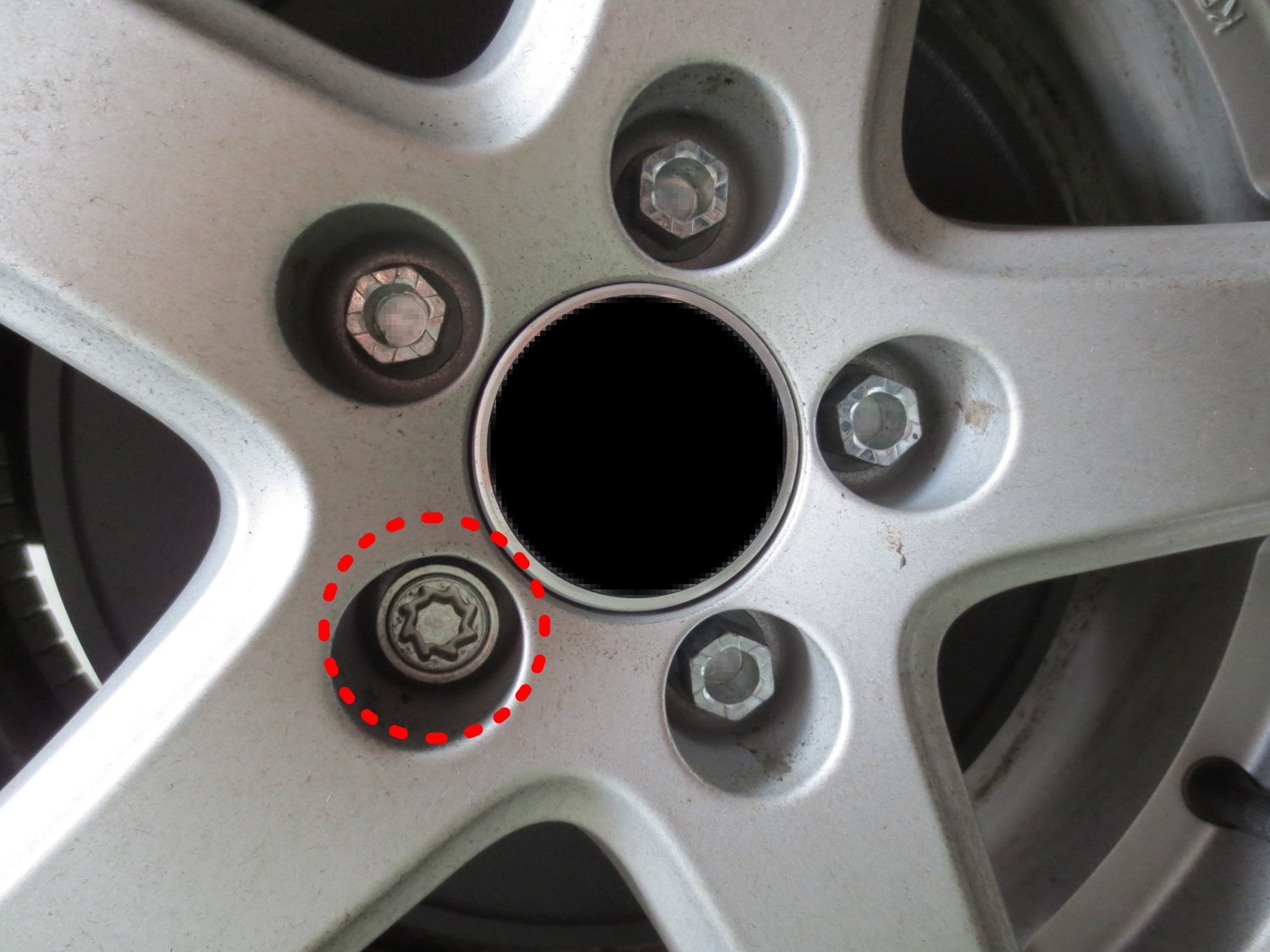
The wheel must be located correctly on the machine with suitable adapters. Inaccurate centring can distort the result. Fitting it back to the car then requires the specified centring parts and clean contact surfaces. A good machine reading cannot compensate for incorrect attachment on the vehicle.
With a recurring problem, ask whether the complete assembly and its fitting conditions have been examined. Merely adding further weights without an identified reason does not explain continued disturbance. Distortion or damage requires a different decision from an ordinary balance correction.
Weights must suit the wheel and available space
Depending on construction, suitable adhesive or other approved weights are used. Type and placement follow the wheel manufacturer and balancing procedure. They are not decorative items that can be positioned arbitrarily. Clearance to brakes and other components must remain sufficient afterwards.
Do not remove visible weights because they spoil the appearance of a freshly cleaned rim. If a weight comes off, have balance checked. Do not glue a recovered piece back somewhere that looks similar. Its mass and location belong to a measured correction; plausible-looking placement does not reliably restore the original result.
What balancing does not change
Balancing does not set alignment. Toe and camber concern wheel orientation on the car and are assessed separately. Weights cannot make a structurally damaged tyre or unsuitable rim serviceable either. The workshop should first establish which problem needs resolving.
If attending because of vibration, explain its timing, ordinary driving conditions and recent work. Do not continue with severe symptoms or suspected loose fastening. Afterwards, ask what was found and corrected. A traceable explanation helps you report any later recurrence accurately.