More than the socket size matters
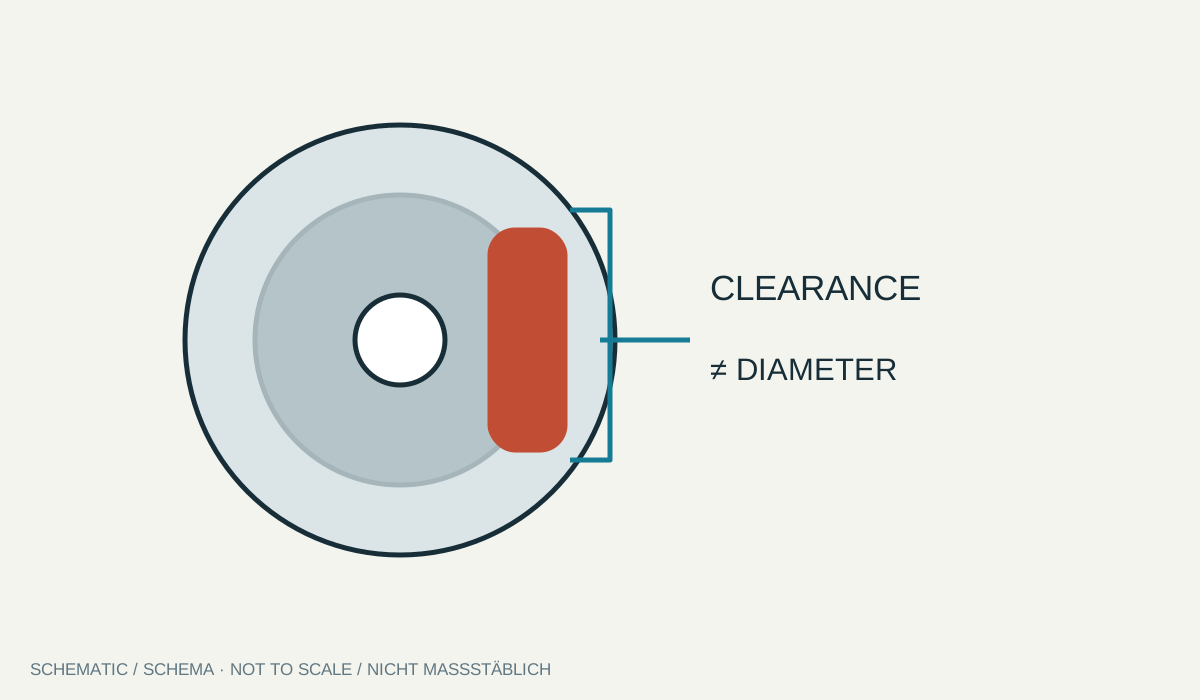
Wheel bolts join the rim to the vehicle hub. Their function depends on a compatible connection, not merely on being able to screw them in somehow. Seat shape, thread diameter and pitch, usable length and specified construction must all match. A similar-looking bolt can differ in any of these respects. Socket size only identifies the tool that fits the head.
When changing between original and aftermarket wheels, do not automatically reuse the existing bolts. Some wheels expressly allow original fasteners; others require a particular fitting kit. Consult documents for the exact wheel type. Information about another wheel from the same brand is insufficient, and variants of one design can have different requirements.
Do not confuse ball and tapered seats
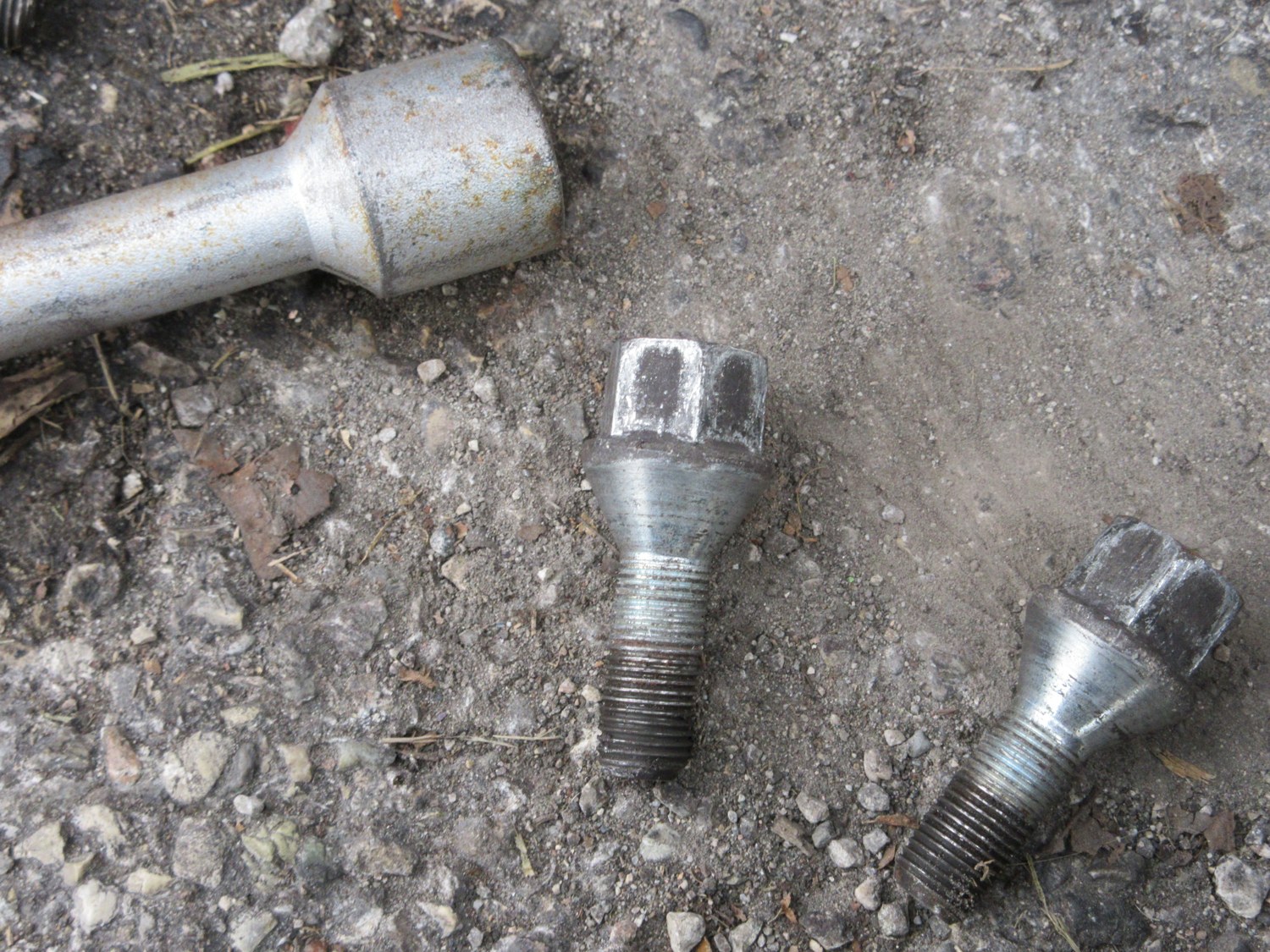
The area beneath the bolt head meets a shaped seat in the wheel. A ball seat and a tapered seat have different geometry. Details can matter even within one broad shape. Compatibility comes from the specified parts, not a quick glance or the head appearing to fit approximately into the recess.
An incorrect seat can produce unsuitable contact. Tightening harder does not correct its geometry. If documentation is unclear, have the wheel manufacturer or a specialist identify the fastener. Do not improvise with washers, reworked seats or additional layers. Those are not substitutes for the prescribed component.
Length must be right in both directions
A short bolt may provide insufficient thread engagement. An excessively long one can bottom out or interfere with components. This does not establish a universal length for every vehicle and wheel. Wheel thickness, construction and the rest of the approved assembly determine the requirement. Spacers change the question as well and must not be included without their relevant approval.
Measuring a removed bolt is not proof of suitability by itself; it may already have been wrong. Use part numbers and application instructions. If a listing says only suitable for brand X, request the match to the particular vehicle and wheel. The supply description should be clear enough to permit later replacement without starting the guesswork again.
Condition and fitting conditions belong together
Damaged threads, distorted seats or substantial corrosion need assessment before fitting. A bolt that will not start as intended must not be forced. Wrong dimensions, dirt or damage can be responsible. A correct procedure examines these possibilities before applying the specified tightening torque.
Use lubricant only where the applicable instructions expressly require it. Friction affects the resulting clamping force, so a torque value cannot be separated from the installation conditions. A blanket instruction to grease all wheel bolts is therefore unsuitable. The same applies to arbitrary coatings or cleaners whose effect has not been established.
Keep different sets separate
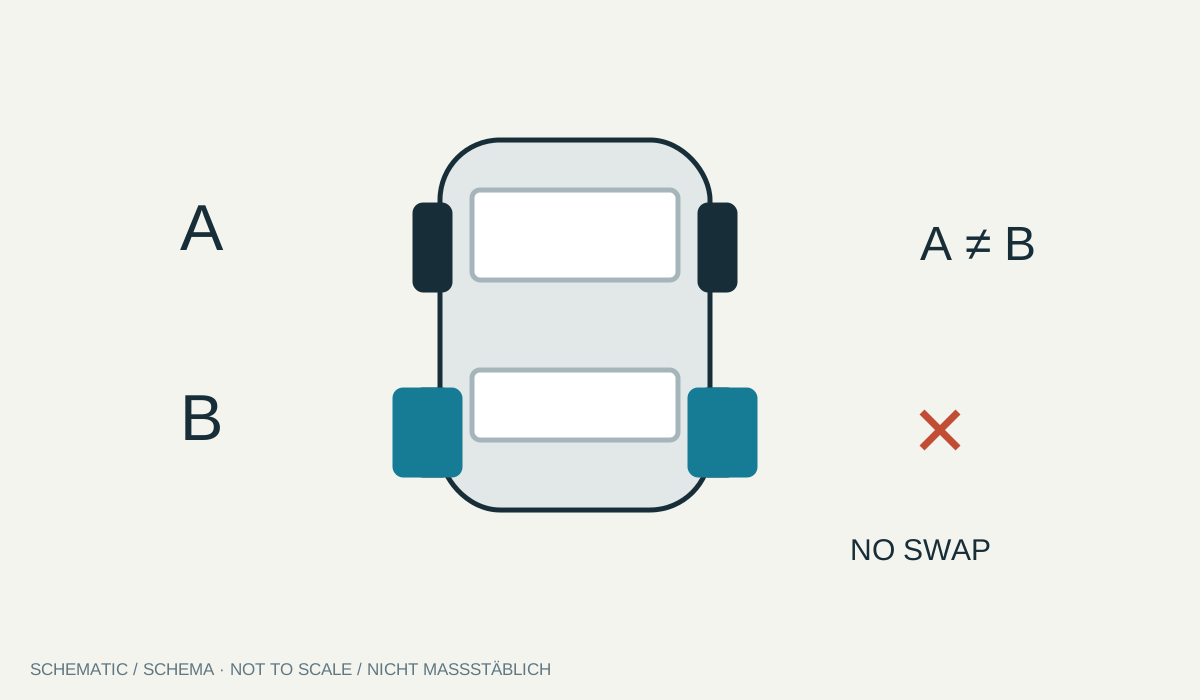
If summer and winter wheels require different hardware, store the components in clearly labelled containers. Identify the wheel type, not simply winter. After another wheel change, a seasonal label could otherwise be transferred to the wrong combination. A photograph and manufacturer reference support identification.
Consider the spare as well. It may need different fasteners from the aftermarket wheels currently fitted. Establish which parts and tools must stay in the car. A puncture is not the time to wonder which unlabelled bag at home contains the correct bolts.
Keep the completed work traceable
Have the installed fasteners and applicable tightening instruction identified. Perform any required recheck according to that instruction. A generic online value or a feeling that the bolt is tight enough replaces neither the specification nor suitable tools.
After fitting, rattling, severe vibration or suspected loose fastening means stopping safely without continuing. The connection needs inspection. Tightening every bolt harder is not a diagnosis and can worsen an existing error.