Diameter describes only one part of the problem
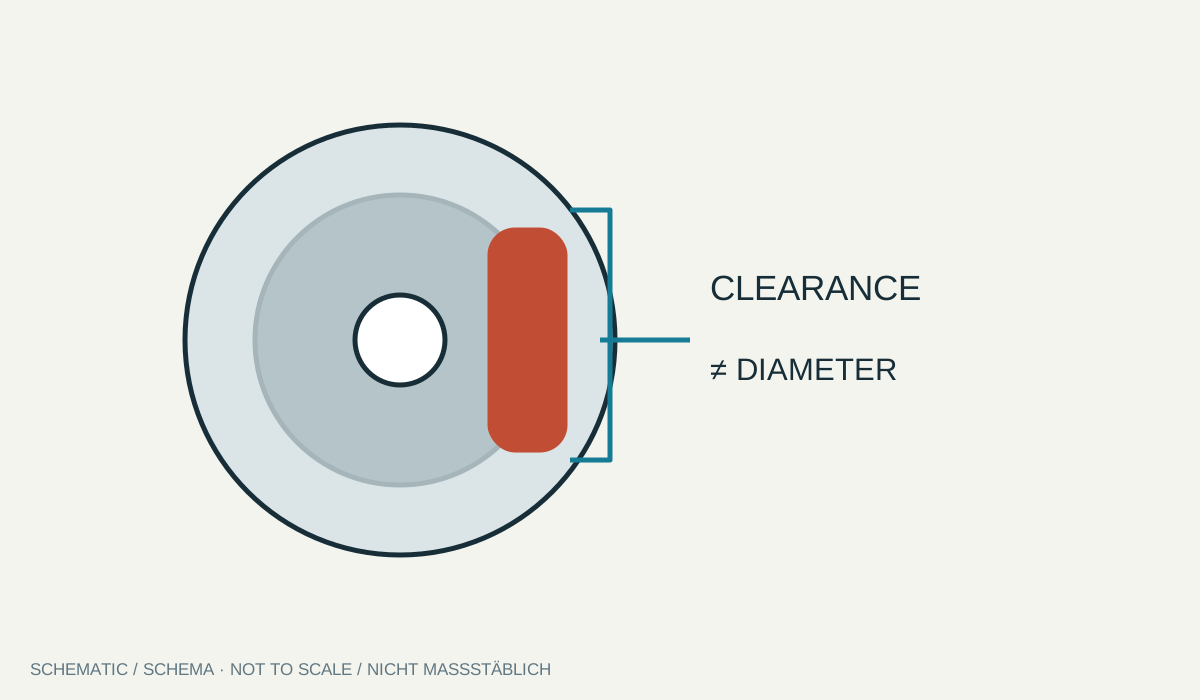
Wheel enquiries often begin with whether a 17-inch rim fits a particular car. That number describes a nominal diameter, not the complete internal contour. The brake caliper needs space inside the barrel and behind the spokes. Two wheels of the same diameter can differ in these areas. Even width and offset together do not fully describe the rear shape of the spokes.
The vehicle model alone can be too broad as well. Different engines or equipment packages may use different brakes within one model range. A wheel fitted to an apparently identical car may therefore not suit your version. Aftermarket brake changes introduce another distinction that a standard configurator may not account for.
Identify the vehicle specification clearly
Have the vehicle type, variant and brake information ready for an enquiry. If you do not know which brakes are fitted, have them identified. A photograph can help but should not replace a definite part or manufacturer application reference. Ask about the actual specification rather than only the model name.
For aftermarket wheels, examine the relevant approval and vehicle-specific conditions. Restrictions concerning particular brakes or equipment matter as much as the tyre dimension. Read associated notes. Appearing in a vehicle list does not mean every variant is included without further conditions.
Resolve the question before tyre mounting
Mechanical fit should be checked according to the wheel manufacturer’s instructions before mounting tyres. This reveals an unsuitable combination early and avoids unnecessary work. RONAL expressly calls for a clearance check before tyre fitting. Required gaps and checking conditions are specific to manufacturer and application; one figure must not be transferred to every wheel.
Ask the workshop to perform this check and explain how it accounts for your brake package. Looking from outside may miss insufficient clearance behind a spoke. The assessment must cover a complete rotation and relevant components. Where the manufacturer provides a template, use it exactly as instructed; printing at the wrong scale would not produce a reliable check.
Include balancing weights and fitting hardware
A bare wheel is not yet the complete fitted assembly. Balancing weights occupy additional space. Their permitted type and position must suit wheel and brake. A rim that barely clears before balancing is not automatically suitable with any later weight placement.
Centring components and fasteners belong to the intended configuration too. Missing parts or a different specification can change the assessment. Obtain confirmation of the complete fitting kit. Hardware assembled from several unrelated listings needs another compatibility check rather than being assumed suitable.
Do not improvise extra clearance
A wheel that contacts the brake or lacks the required clearance must not be driven. A spacer is not a universal cure. It changes wheel position and introduces its own approval, fastening and clearance requirements. Any such complete combination needs explicit assessment.
Do not grind a caliper or wheel to make an unsuitable combination fit. Those interventions are not routine fitting adjustments. Establish a suitable wheel or approved technical solution with the manufacturer and workshop instead. Preferred styling cannot replace assessment of load-carrying and braking components.
Keep the conclusion traceable
Retain the confirmed wheel identification, vehicle application and relevant documents with the order. Reconsider clearance after subsequent brake changes. Previous clearance applies to the examined configuration, not every future combination on the same car.