Separate rim diameter from overall wheel size
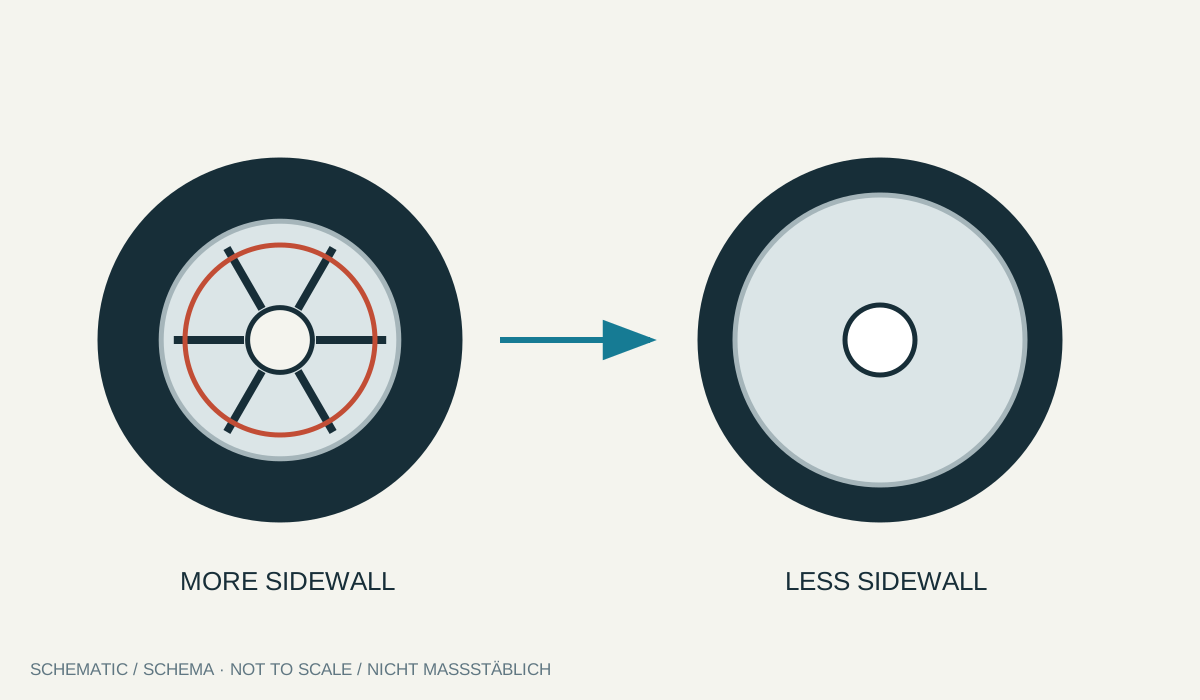
An approved move to a larger rim often involves a lower tyre sidewall. The outside diameter of the complete assembly cannot simply increase without limit. Keeping the same width and aspect ratio while enlarging the rim is therefore not automatically a suitable conversion. The complete approved specification matters.
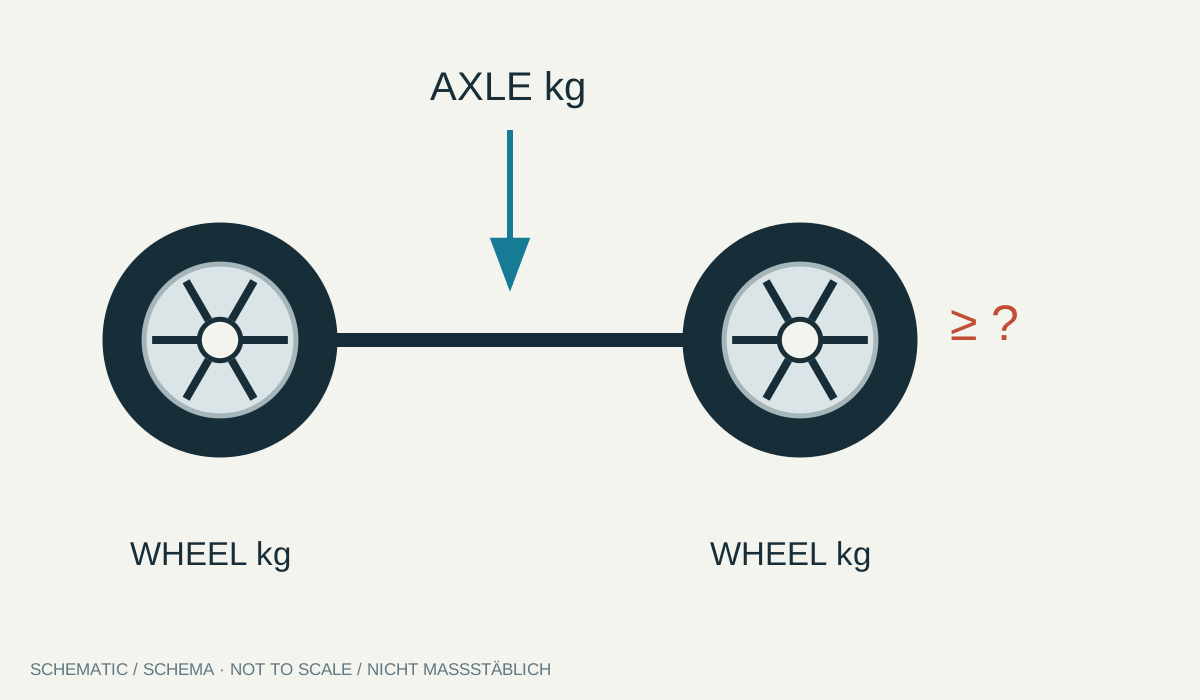
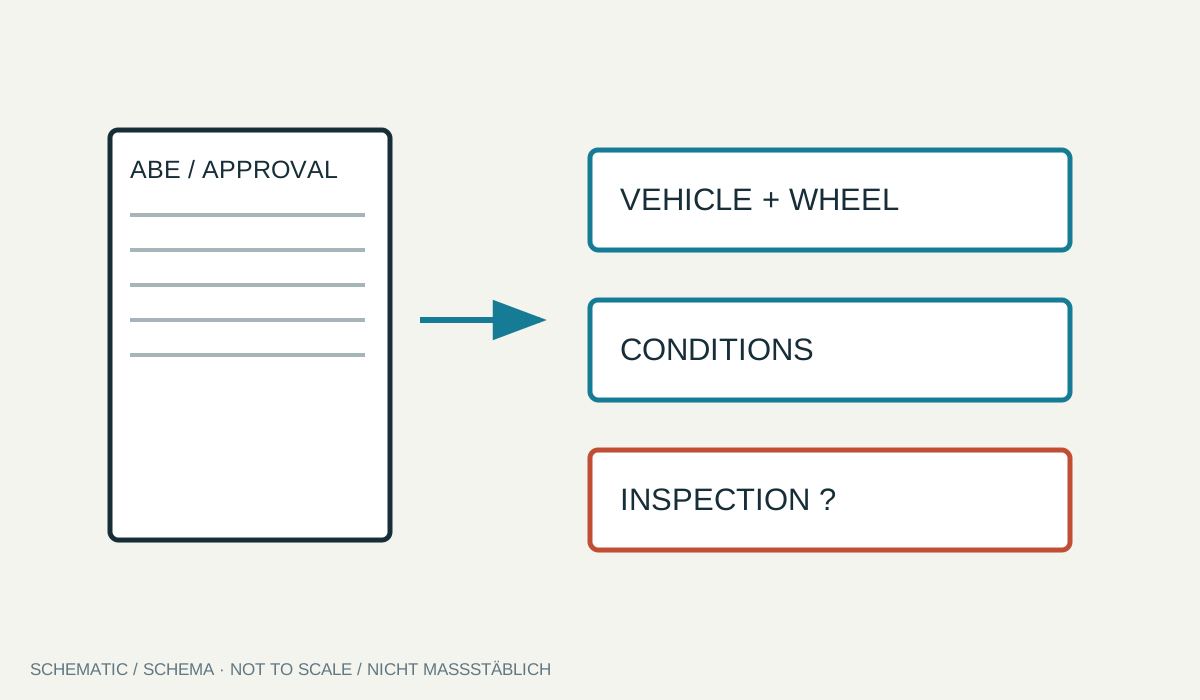
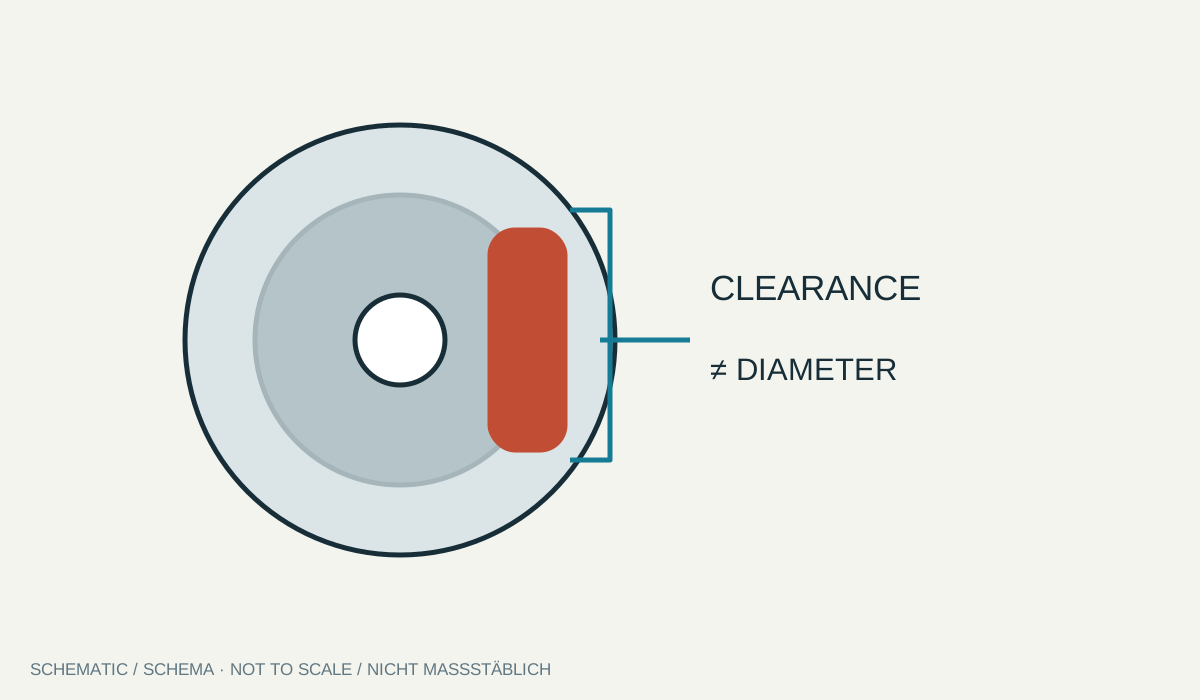
A circumference calculator can illustrate the geometry but cannot grant approval. Clearance, axle loads, speedometer behaviour and other vehicle requirements need consideration. Begin with permitted combinations in the CoC or relevant wheel documentation instead of choosing a preferred diameter and searching for any tyre to fit it.
Consider effects during everyday use
A lower sidewall deforms differently from a taller one. Comfort, response to road edges and damage susceptibility also depend on tyre model, pressure, suspension and roads, however. Diameter alone cannot predict the result. Avoid blanket claims that larger always improves handling or smaller always improves comfort without considering the actual combination.
Wheel weight and tyre availability may change too. Compare the intended products rather than photographs. A larger wheel is not necessarily heavier, but low mass does not prove adequate load capacity. Treat weight, approval, availability and continuing costs as separate parts of the buying decision.
Look beyond the first purchase price
Price the complete set including suitable tyres, valves or sensors and fasteners. Fitting, any required inspections and future replacement tyres may increase the difference from the existing setup. A low rim price says little about the total conversion cost.
Check availability of the tyre size for the intended season before buying. An uncommon combination may offer fewer immediate replacement options after a puncture. Also establish whether existing snow chains or the spare remain suitable for the changed configuration. These questions are easier to resolve before ordering than during a journey.
Record a complete decision
Have the quotation identify wheel type, dimensions, offset, tyre ratings and necessary hardware. Suspension or brake changes require assessment of the combined application. Individually suitable components do not automatically form an approved complete setup.
Once technical suitability and cost are established, appearance remains a personal choice. More inches are not a necessary upgrade for a functioning car. Choose a combination whose characteristics and continuing costs fit your use, and retain the documents for later replacements.