Match the document to the component
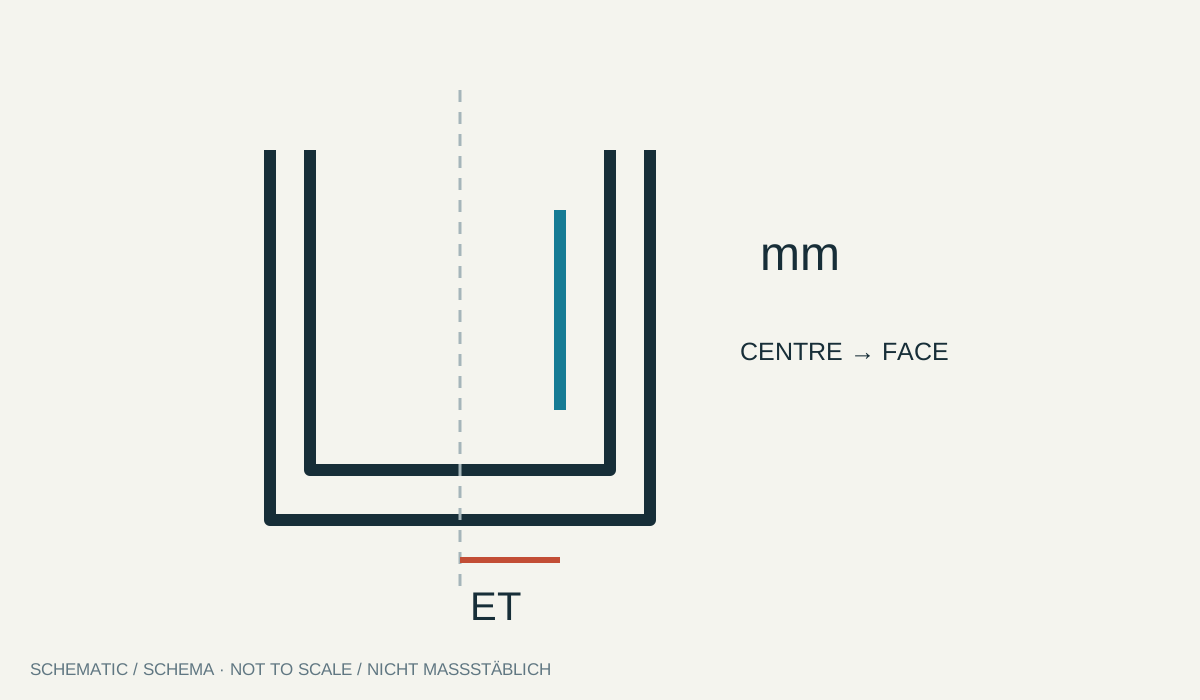
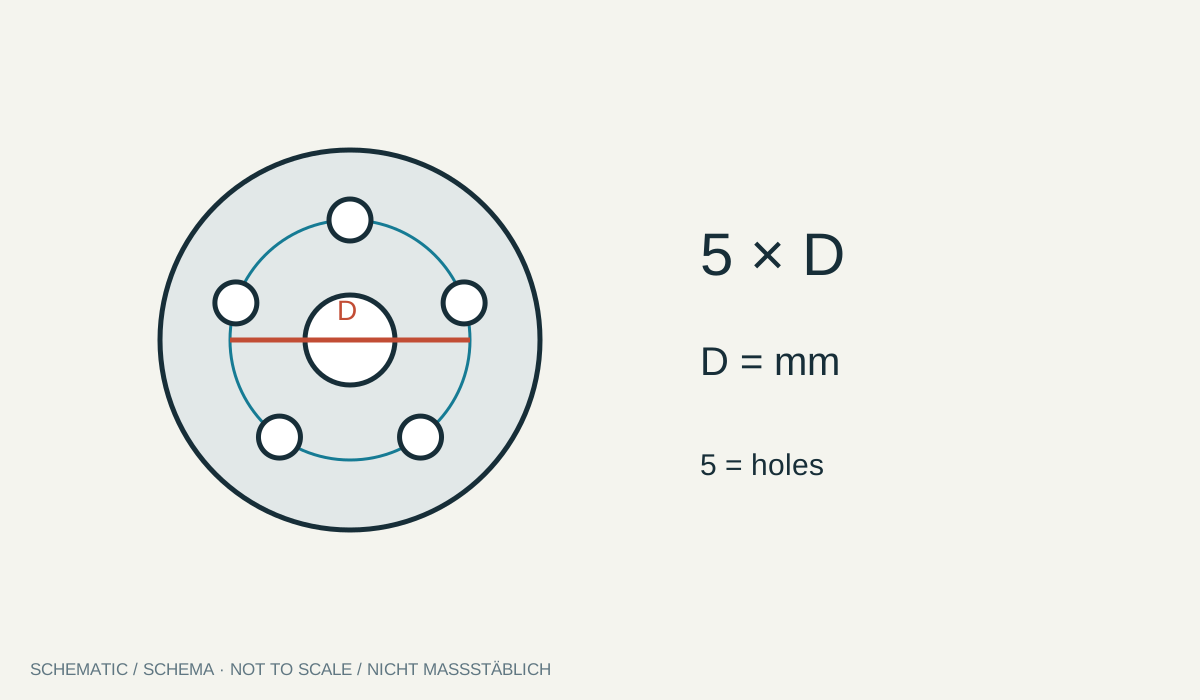
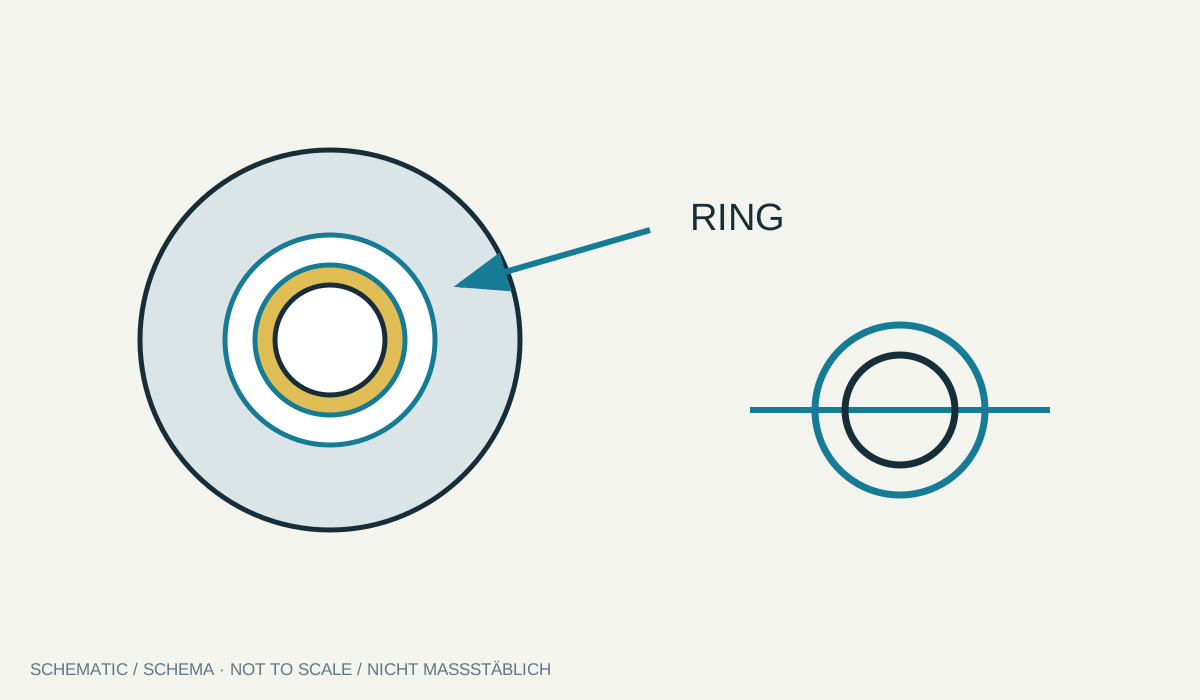
Where possible, download documentation directly from the wheel manufacturer for the particular version. Compare wheel type, identification numbers, size, offset and connection dimensions with the offered or existing wheel. A document for a similar-looking design is insufficient. If several supplements or revisions exist, establish which applies to the component and proposed use.
Save the complete document, including its appendices. A vehicle table without the explanation of its footnotes can hide important conditions. A screenshot showing the right car model is not a complete record either. If pages are missing or identification remains unclear, ask the manufacturer before proceeding to tyre selection.
Identify the vehicle beyond its sales name
A familiar model name may cover several vehicle types, variants and brake arrangements. Compare the identification in the vehicle documents with the wheel paperwork. Restrictions involving particular versions or loads may also matter. Model year or engine power alone does not always identify the applicable row.
Write down the full proposed wheel-and-tyre combination. If front and rear sizes differ, include the axle allocation. Follow the references and condition codes for that exact arrangement. Do not borrow an exemption stated for another tyre size without checking. In a long table, moving by one row can change what the note refers to.
Conditions are part of the approval
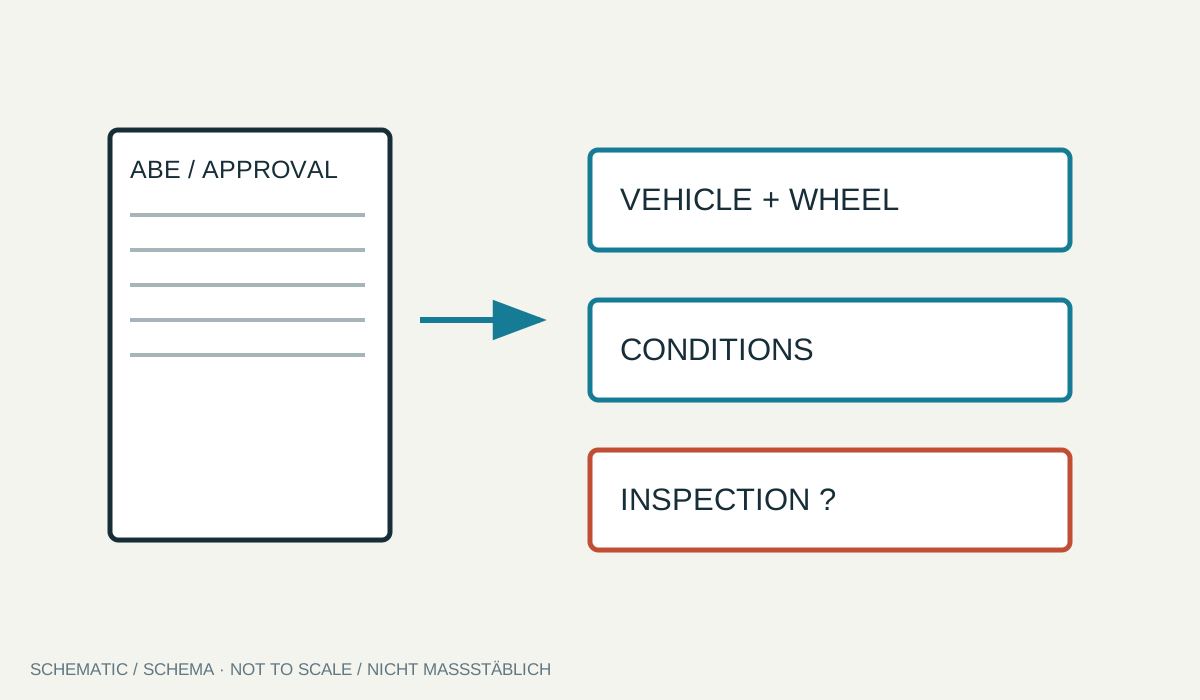
Conditions may concern fitting, specified fasteners, clearance, wheel coverage or further technical checks. Read the explanatory wording rather than just the abbreviation. If the vehicle still needs work to meet a condition, possessing the document alone does not complete the approval process. Necessary work and inspections belong in the plan before purchase.
Have unclear points explained by a qualified organisation. A seller's phrase such as “supplied with ABE” does not establish whether this particular combination can be used without an additional inspection under its applicable conditions. Quote the relevant document passage in your enquiry. That is more useful than asking generally whether the wheels somehow fit.
Follow the applicable assessment route
ABE, component type approval, a technical component report and EC or ECE approvals are not interchangeable headings. TÜV NORD describes different forms of evidence and the need to observe their conditions and any required inspections. An ABE can itself expressly require an additional assessment. The applicable document and specific modification determine the necessary steps.
Multiple changes need to be considered together. Suspension and wheels can interact; separate documents for each do not automatically resolve every question about their combined installation. Tell the inspecting organisation about existing modifications. Advice before ordering can prevent the combination from becoming an unresolved issue only after fitting.
Keep the records after installation
Establish which records will be supplied after any necessary inspection and whether vehicle documents need amendment or paperwork must be carried. Keep the records relating to your vehicle together. A generic online copy for a similar wheel is not a later substitute for the actual version and any inspection completed for it.
An organised set of documents helps when selling the car, making another modification or changing workshop. Record the installed tyre and wheel versions alongside the paperwork. The purpose is not to accumulate as many pages as possible, but to preserve a traceable relationship between the wheel on the vehicle, its conditions and its supporting documents.