Start with existing approvals
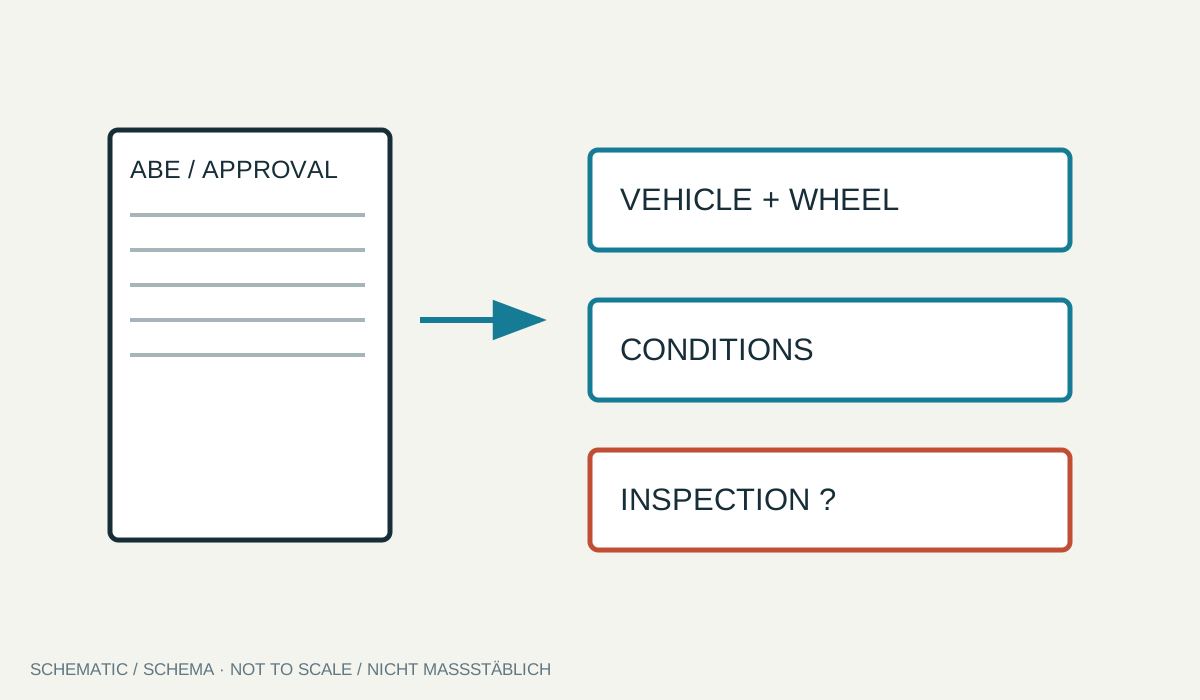
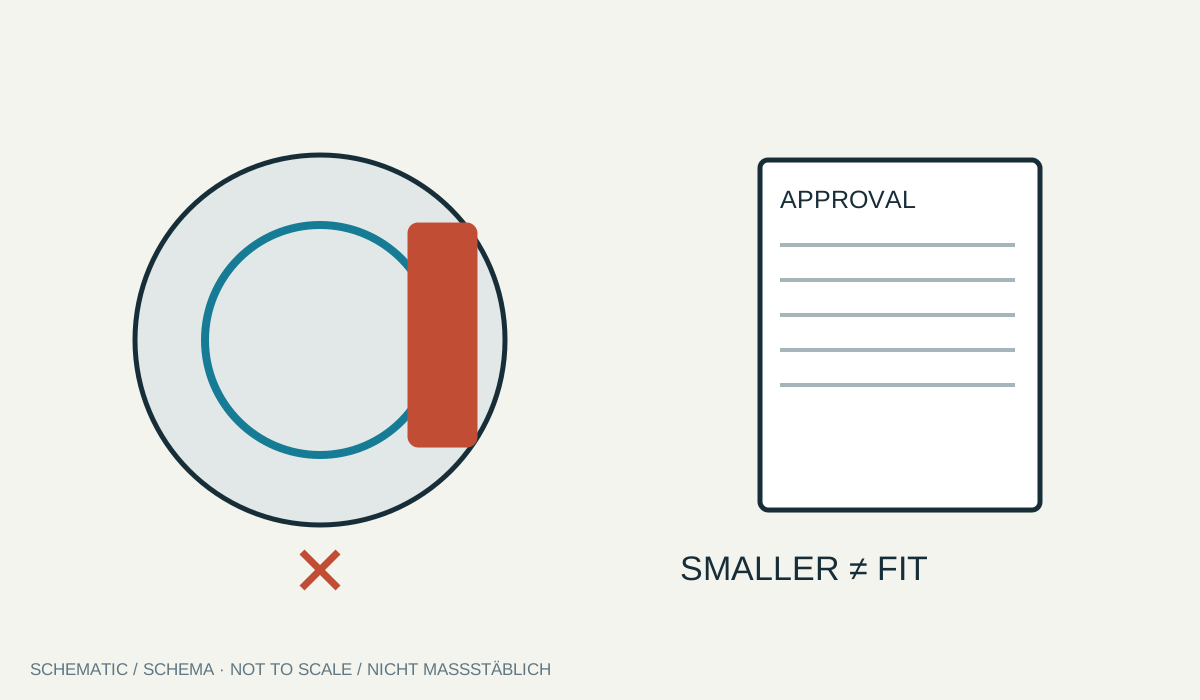
Many drivers consider smaller rims with taller tyre sidewalls for winter. Availability depends on the exact vehicle. Consult its CoC, manufacturer information and relevant wheel documents first. A similarly named model with smaller standard wheels may have different brakes or axle loads, so its specification is not sufficient for your order.
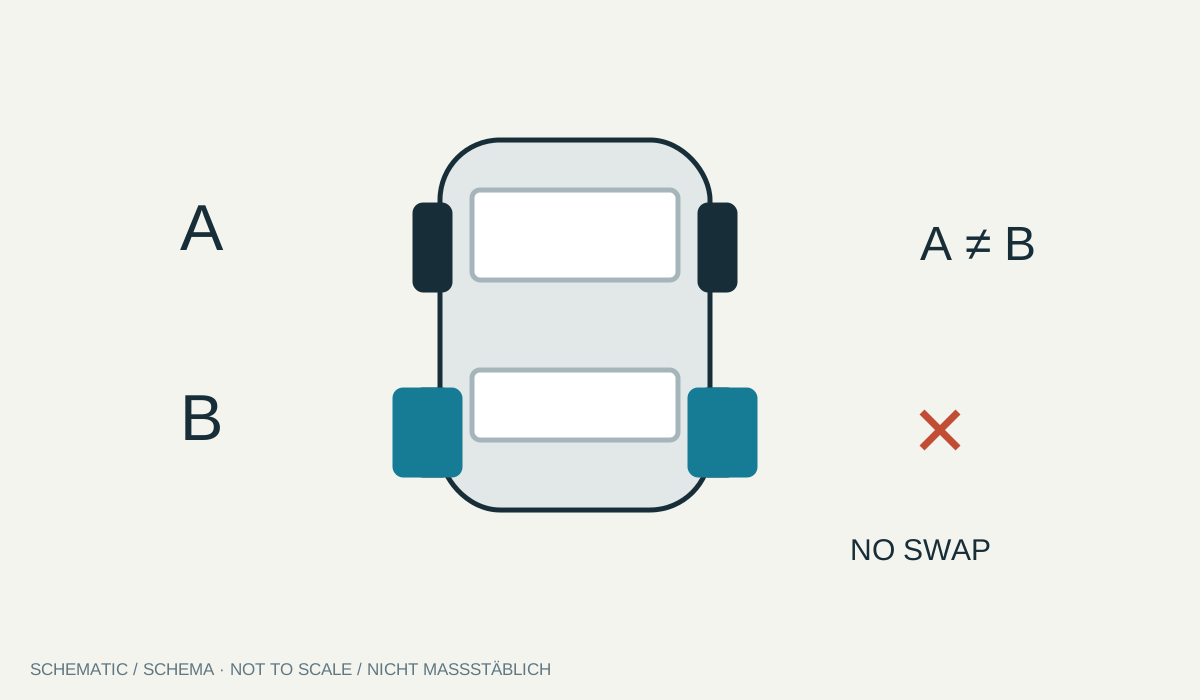
Write down the complete combination rather than only diameter. Width, aspect ratio, load and speed requirements, and wheel specifications belong together. Where front and rear differ, alternatives must also be assessed as a matched set. Entries from unrelated approvals cannot be combined arbitrarily.
Brakes impose physical limits
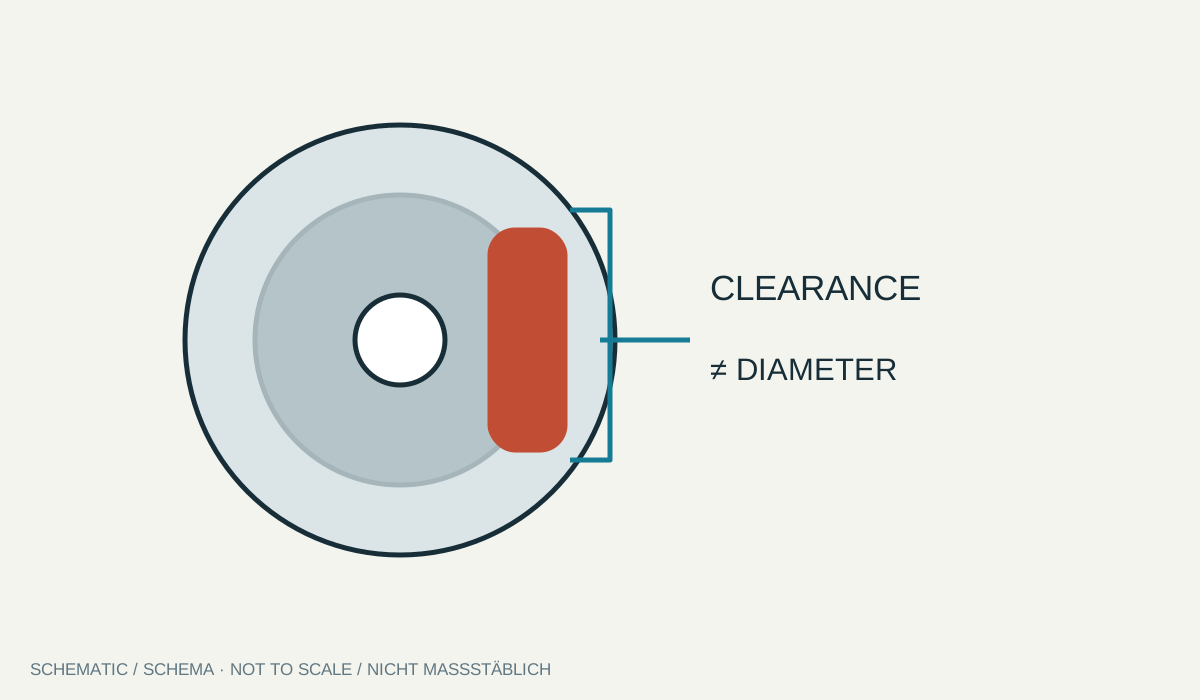
The caliper needs space inside the barrel and behind the spokes. A smaller wheel may fail this requirement even with the right bolt pattern and centre bore. Internal shape matters alongside nominal diameter. Have suitability checked according to the wheel manufacturer’s instructions before tyre mounting.
A rim contacting the brake or lacking the required clearance is not a usable winter option. Do not create space with arbitrary spacers or modifications to wheel and brake. Such changes affect the complete combination and need their own technical and legal assessment.
Include the whole winter use case
If snow chains are planned, check permission for the exact wheel-and-tyre combination. Smaller wheels do not automatically accommodate every chain. Vehicle, wheel and chain instructions must agree. Resolve this before the trip rather than at a signed chain-required section.
Direct TPMS may require compatible sensors in the second set. Fasteners, centring parts and any different adapter also belong in the order. An inexpensive package missing necessary hardware may be incomplete on fitting day. Obtain a clear list of everything included.
Balance savings against actual use
Compare total cost including tyres, fitting and any inspections. A less expensive tyre dimension may be beneficial over time, but must actually be available and suitable. A taller sidewall does not grant immunity from kerbs or potholes.
Keep winter fitment information separate from the summer details. At each seasonal change, check condition, allocation and cold pressures. If brakes or suspension are later changed, revisit the previous winter approval; it concerns a particular vehicle configuration.