What the figure compares
The decibel value beside the loudspeaker symbol on an EU tyre label concerns external rolling noise under specified test conditions. It helps compare products, but does not describe how that tyre will sound on every road or in every car. Coarse asphalt, travelling speed and the vehicle’s sound insulation all influence the experience in everyday driving.
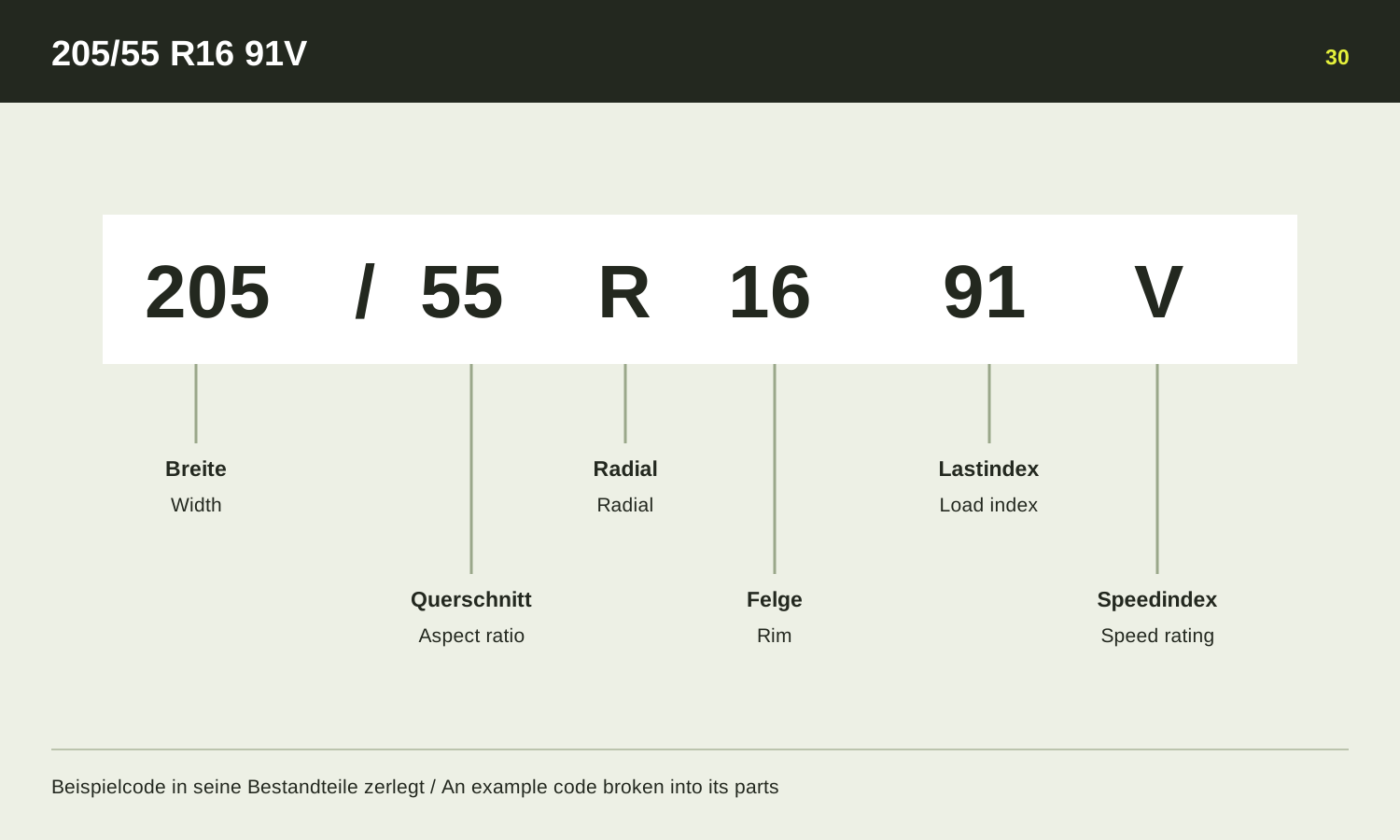
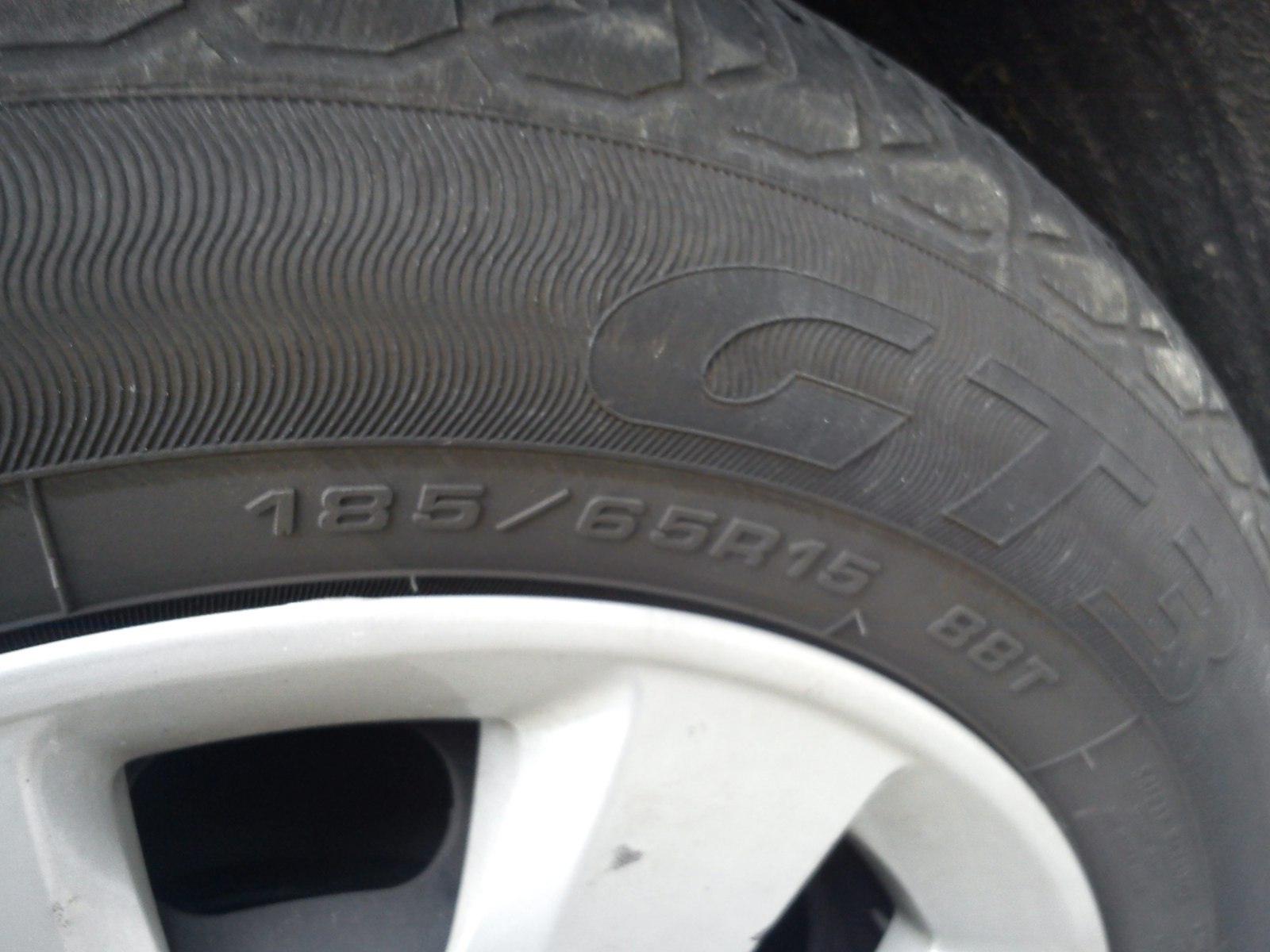
Match the exact specification when comparing labels: the model, size, load index and speed rating must correspond to the tyre being offered. Different sizes within one product family can have different label results. A favourable figure belonging to another dimension is not reliable information about the item in your basket.
Read the class alongside the number
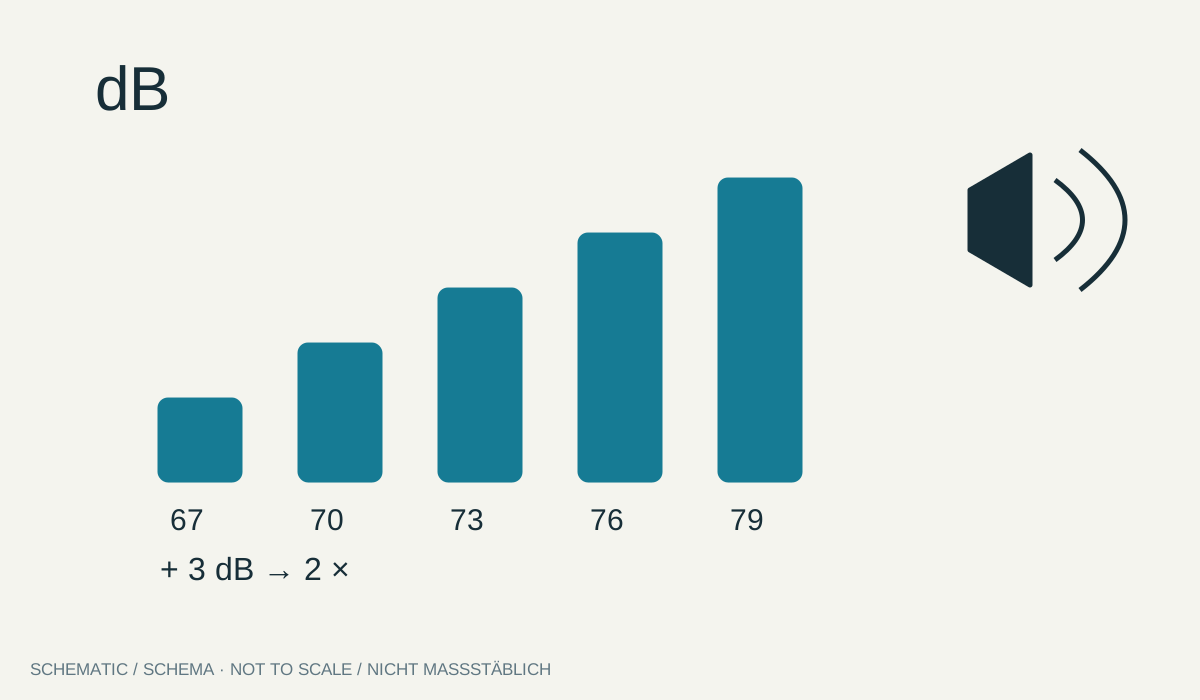
Letters A to C place external rolling noise into classes. The accompanying decibel figure gives more detail than the letter alone. Decibels use a logarithmic scale; an increase of three decibels represents roughly twice the sound energy. It does not mean that a listener will necessarily perceive the sound as twice as loud.
Write down both the class and the number when comparing candidates. If a retailer shows only an icon, look for the product information sheet or the EPREL record associated with that tyre identifier. An old product photograph with an unreadable label should not be the only basis for a decision. Request the information for the version actually being supplied.
Why a quiet label is not a cabin guarantee
Inside a car, noise also comes from vibrations, road contact and transmission through the wheel and suspension. The external-noise label is not a measurement at the driver’s seat. If motorway droning is your main concern, seek additional evidence relevant to the size and vehicle. Even a published tyre test may use different conditions from your usual journey.
Keep noise within the wider buying decision. Correct approval, suitable wet-road performance and the intended use still matter. A new hum from tyres already in service is a different issue: uneven wear or a vehicle fault may need investigation. A low original label value does not rule out a developing problem.