205: nominal width
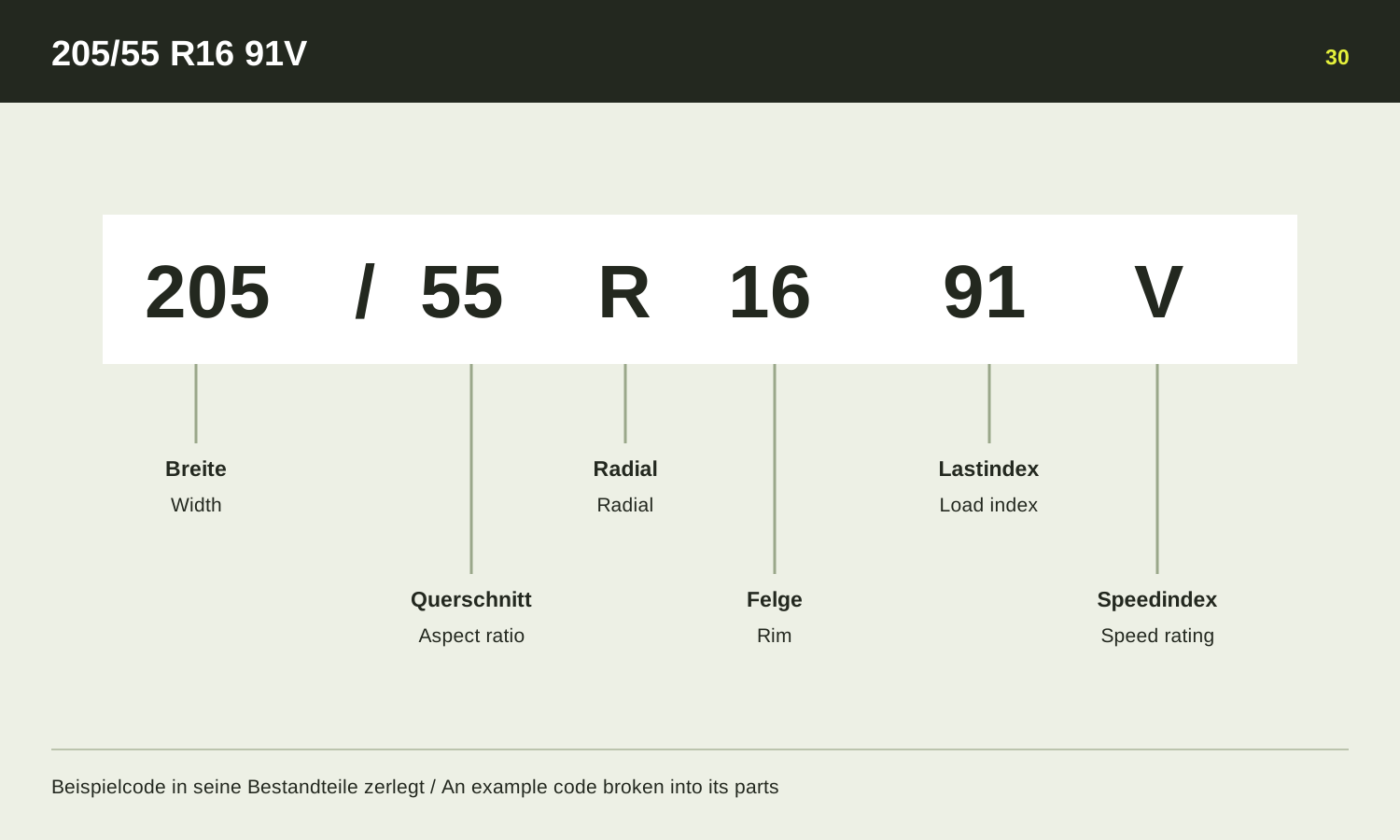
In 205/55 R16 91V, the first number gives a nominal width of 205 millimetres. This is a standardised size description, not simply the width of the visible tread strip. Measuring only the tread with a ruler therefore does not necessarily produce the same figure. The wheel used also belongs in the technical assessment.
Copy the number when ordering rather than estimating it from a photograph. Another width may require a different approved wheel-and-tyre combination. Assuming that slightly narrower always fits, or wider always improves grip, does not replace a suitability check.
55: a ratio, not millimetres
The number after the slash expresses section height as a percentage of nominal width. For 205/55, the calculation is 205 multiplied by 0.55, giving 112.75 millimetres. This explains the designation. It is not fitting approval and does not describe every actual dimension of the loaded tyre.
At another width, the same ratio produces a different calculated height. Two tyres carrying 55 cannot be assumed equally tall for that reason alone. Width and ratio changes interact geometrically. A size calculator can illustrate differences but cannot approve a vehicle fitment.
R16: construction and wheel diameter
R identifies radial construction. In this position it means neither radius nor speed rating. The following 16 describes the intended wheel diameter in inches. It must match the wheel exactly. A similar-looking tyre with another diameter is not a candidate for an experimental fitting attempt.
Wheels also have other specifications, including width and attachment details. An R16 tyre therefore does not automatically suit every 16-inch wheel, much less every vehicle using such wheels. The complete combination needs checking.
91V: load and speed
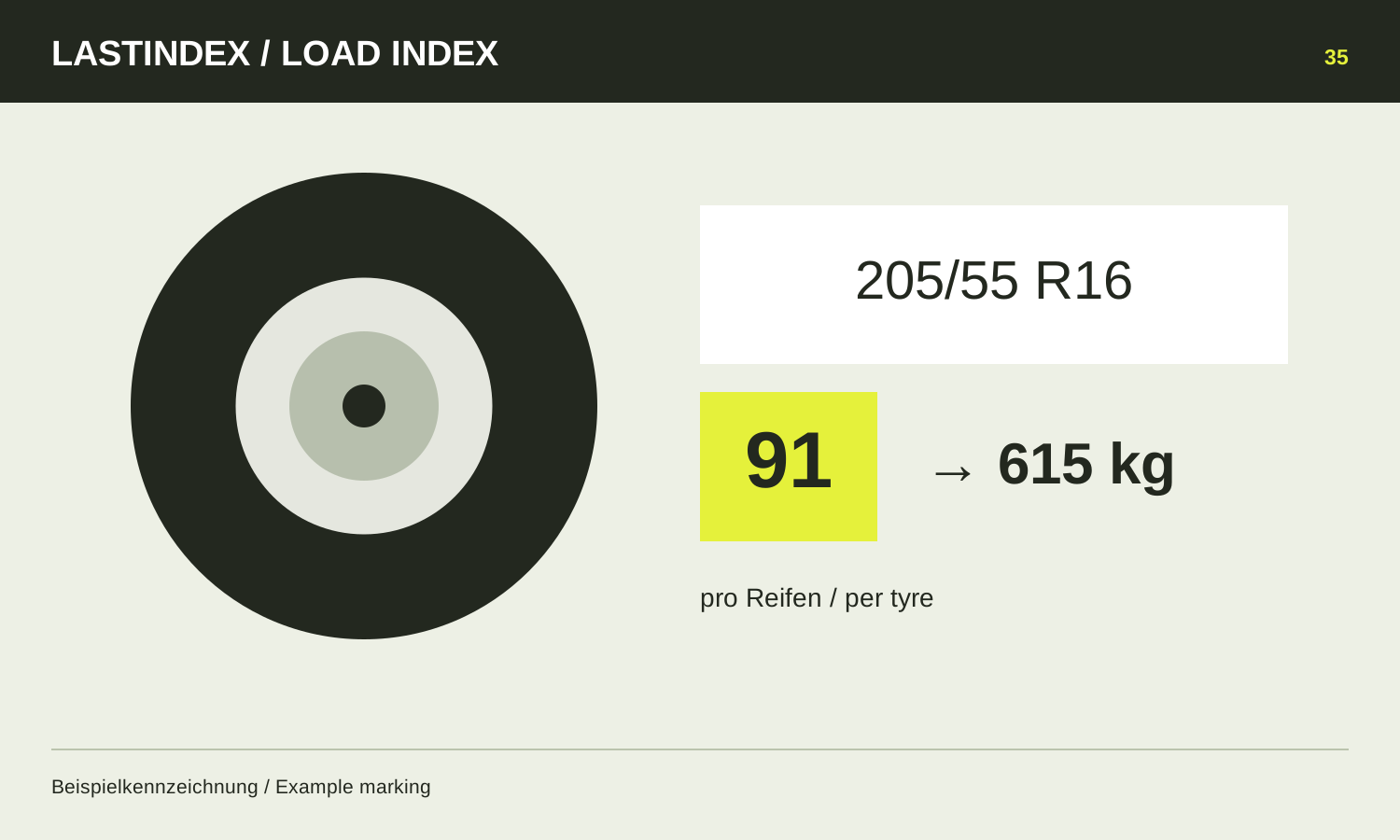
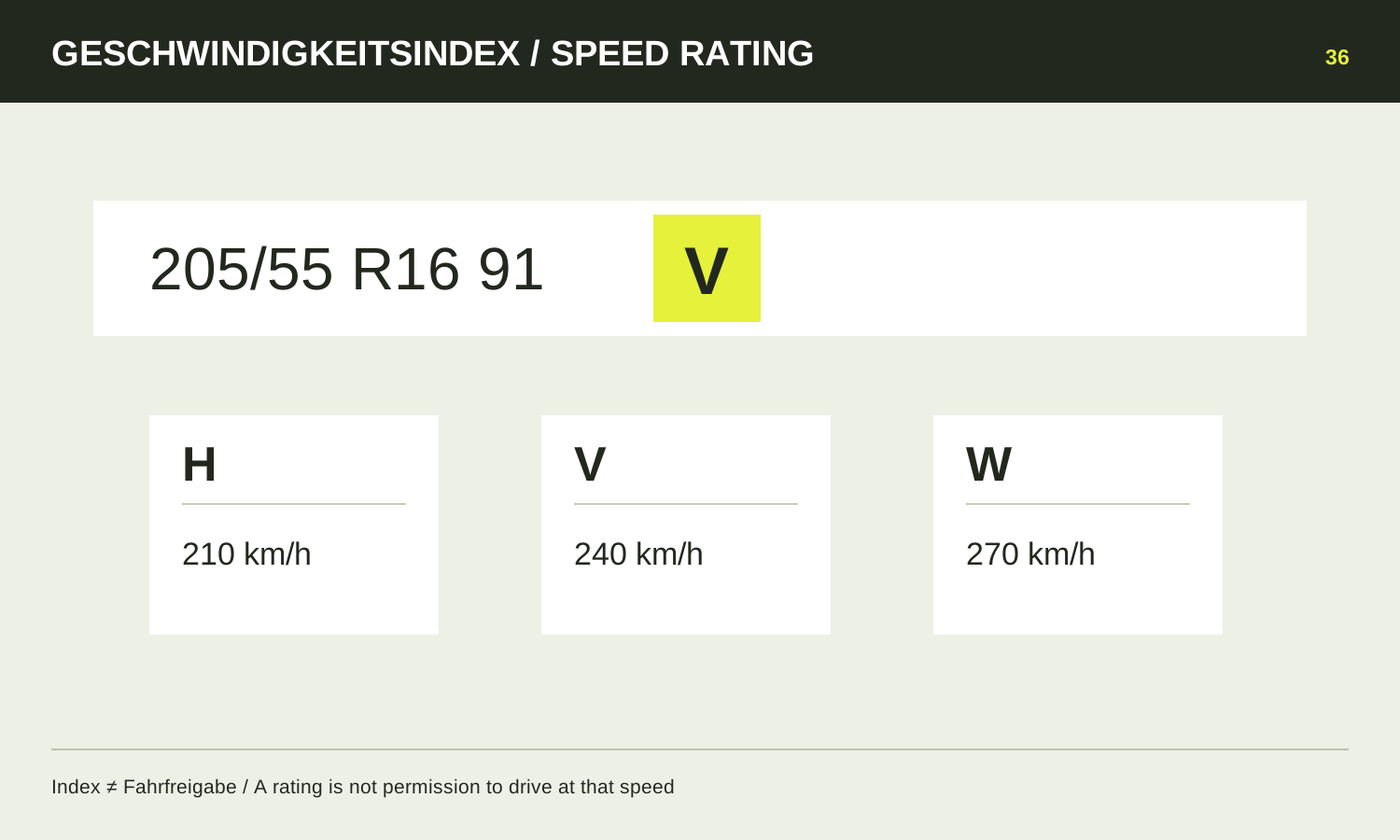
91 is a load index, a code interpreted through a table. In this example it corresponds to 615 kilograms under the specified technical conditions, not 91 kilograms. V is a speed symbol corresponding to 240 kilometres per hour. These are specifications, not recommended real-world driving speeds.
Vehicle requirements determine the necessary load and speed ratings. Dividing total mass by four is not a substitute for the required assessment. A higher speed symbol is also insufficient if the rest of the specification is wrong. Additional conditions may apply in high-speed use.
What the short sequence leaves out
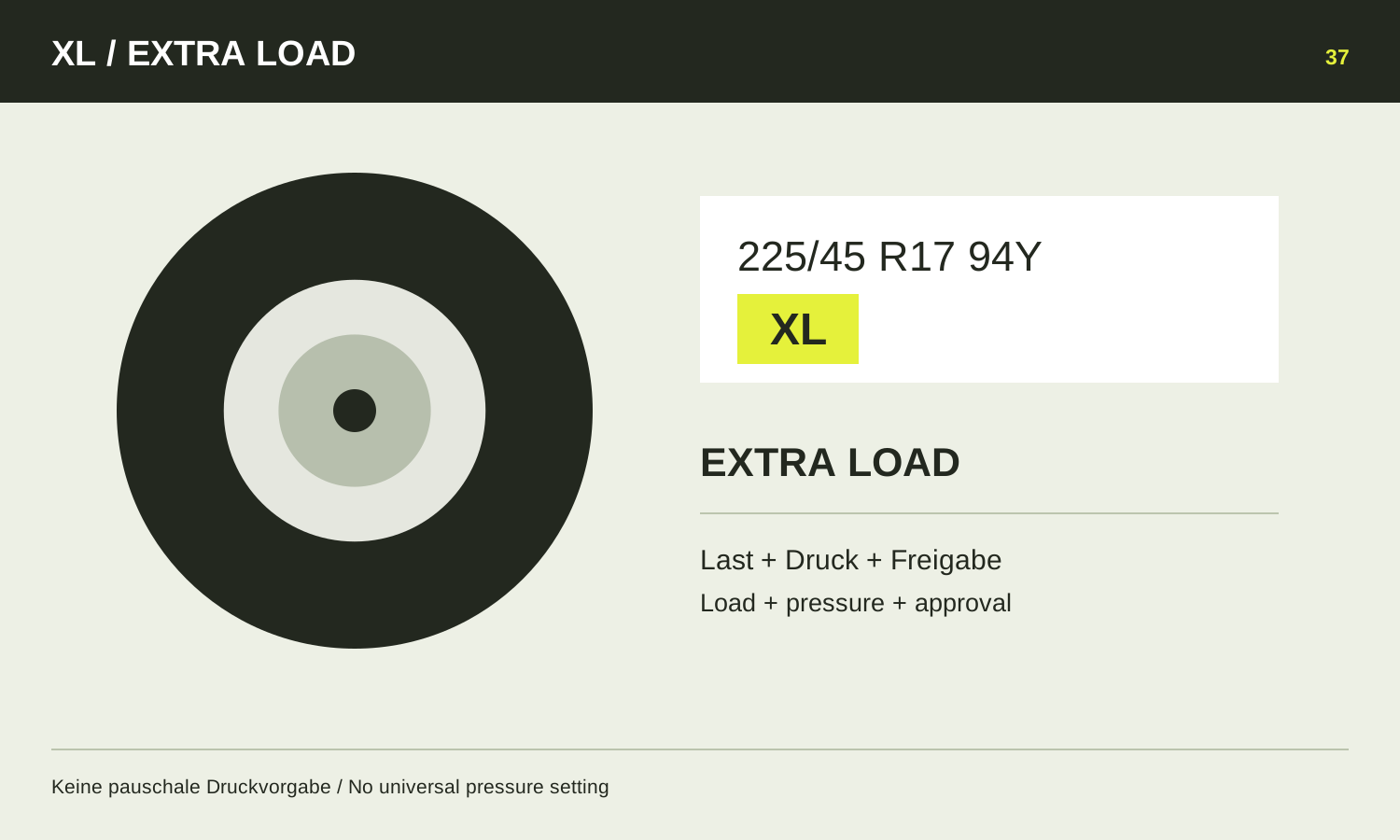
The example does not automatically include every necessary extra detail. XL or HL, OE markings, run-flat construction, winter symbols and rotation direction may matter too. Manufacturing date and model name appear elsewhere on the sidewall. Photograph relevant areas in good light so that advice does not depend on incomplete information.
If replacing one tyre, record the other positions as well. Different axle sizes or special versions can otherwise be overlooked. Markings describe the tyre; by themselves they do not establish the combination intended for your car.
From reading to a verified order
Check existing markings against vehicle documents, additional approvals and manufacturer instructions. An already fitted tyre may originate from an earlier incorrect order. Include the confirmed specification in your enquiry and request an unambiguous item description. A configurator is useful, but should not silently overrule conflicting documentation.
Check dimensions and suffixes again on delivery before fitting. Keep the invoice and product description. Later questions can then distinguish what was ordered, supplied and installed. This small amount of documentation prevents avoidable confusion between nearly identical products and gives another workshop a clear starting point.