Begin with what you observed
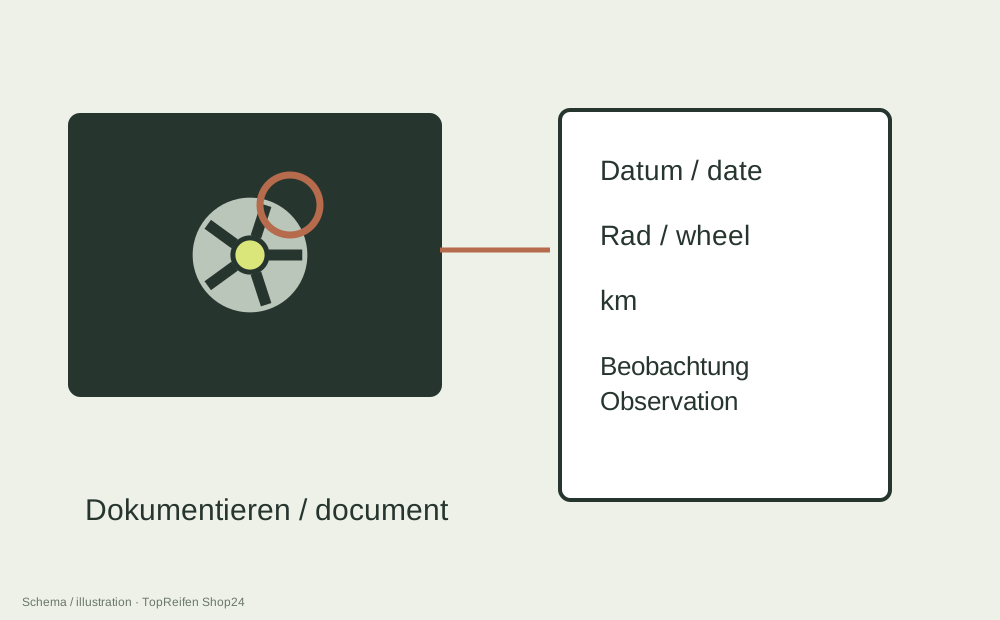
Describe the actual concern: recurring pressure loss, a visible crack, vibration or a difference from the order. Identify wheel position and timing. Avoid assigning a final cause before investigation. A problem noticed after fitting does not by itself establish which component or task is responsible.
Record any preceding impact, puncture or unusual event. That matters to technical assessment. Mark uncertain timing as uncertain. An honest limited account is more useful than an apparently precise story that later needs correction.
Photograph the context
Take an overview identifying the affected tyre and a clear close-up of the area. Add product markings where relevant. Photograph only in a safe place; documentation must not create a roadside hazard. Do not alter the finding yourself before establishing whether examination is needed.
For pressure concerns, dated readings and conditions can help. Warm and cold measurements are not directly equivalent. State whether the car had been driven and which gauge was used where known. A lone number without context can be difficult to interpret.
Contact the relevant party
Link the order, purchase invoice and fitting receipt. If seller and workshop differ, explain which goods came from whom and where work was performed. Contact the appropriate party with a specific request for examination or instructions on the next step. A long message full of theories can obscure the actual issue.
Keep responses and agreed actions. Before disposing of or modifying the tyre, establish whether it is needed for assessment. Immediate uncertainty about further driving still puts safety first; creating evidence does not justify unsafe continued use.
Record the outcome and what remains open
After inspection, request an understandable account of the findings and work. Was the cause established, only a symptom treated, or is further investigation required? That distinction prevents an outstanding issue later being treated as complete.
Particular legal rights depend on the agreement, facts and applicable law. This process therefore does not promise an automatic refund or a specific outcome. It keeps technical observations and communication traceable. Both parties can then discuss the same information instead of relying on different memories. If another person handles the next appointment, provide the record so that the investigation does not restart from an incomplete verbal account.