Look for a pattern rather than one number
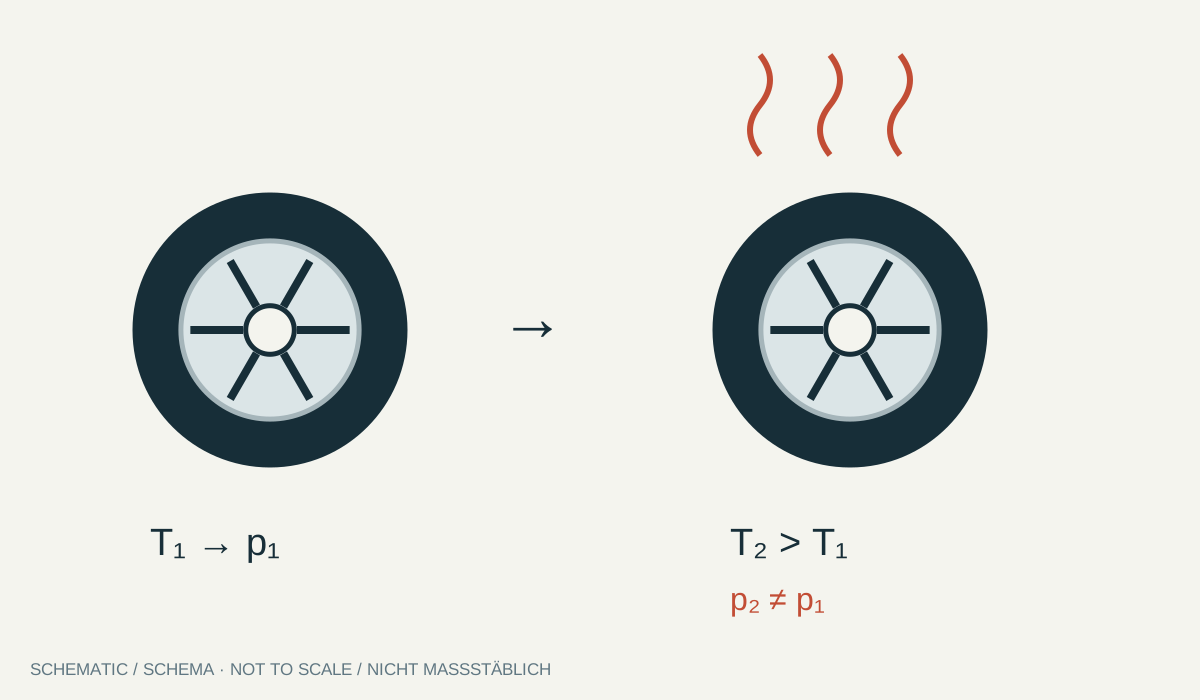
A low reading alone does not show how quickly a tyre loses air. Was this measurement cold and the previous one taken after a long drive? Was a different gauge used? Has the outdoor temperature changed markedly? Record those differences so that unequal conditions are not mistaken for a leak.
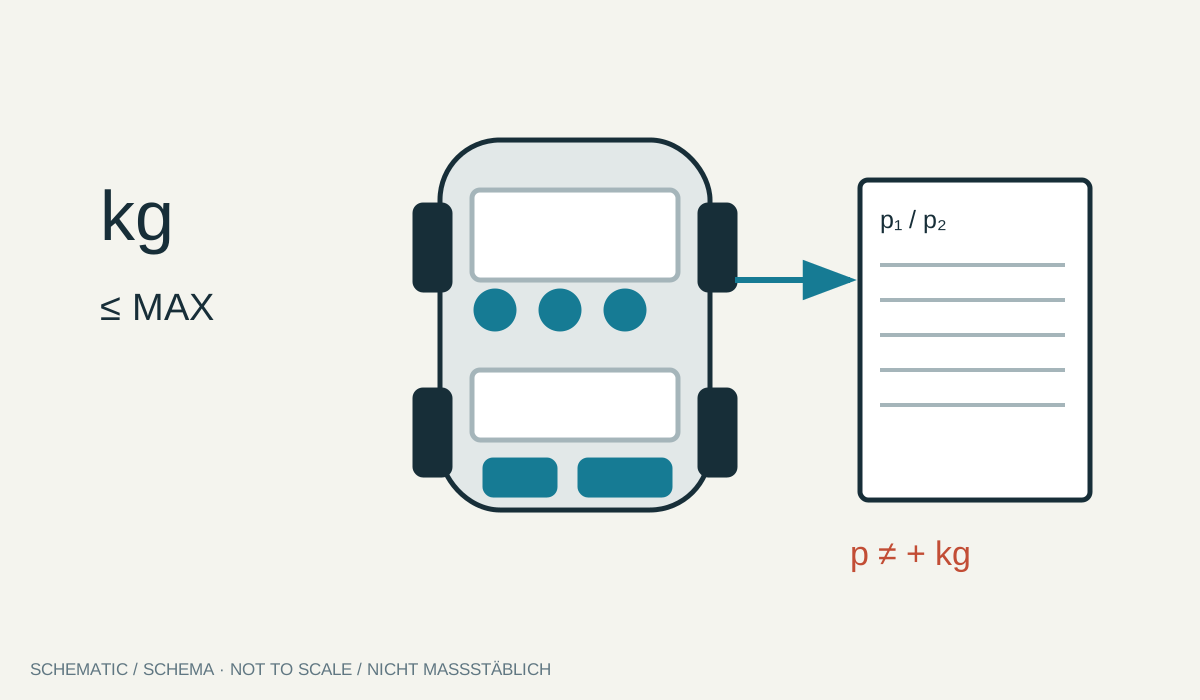
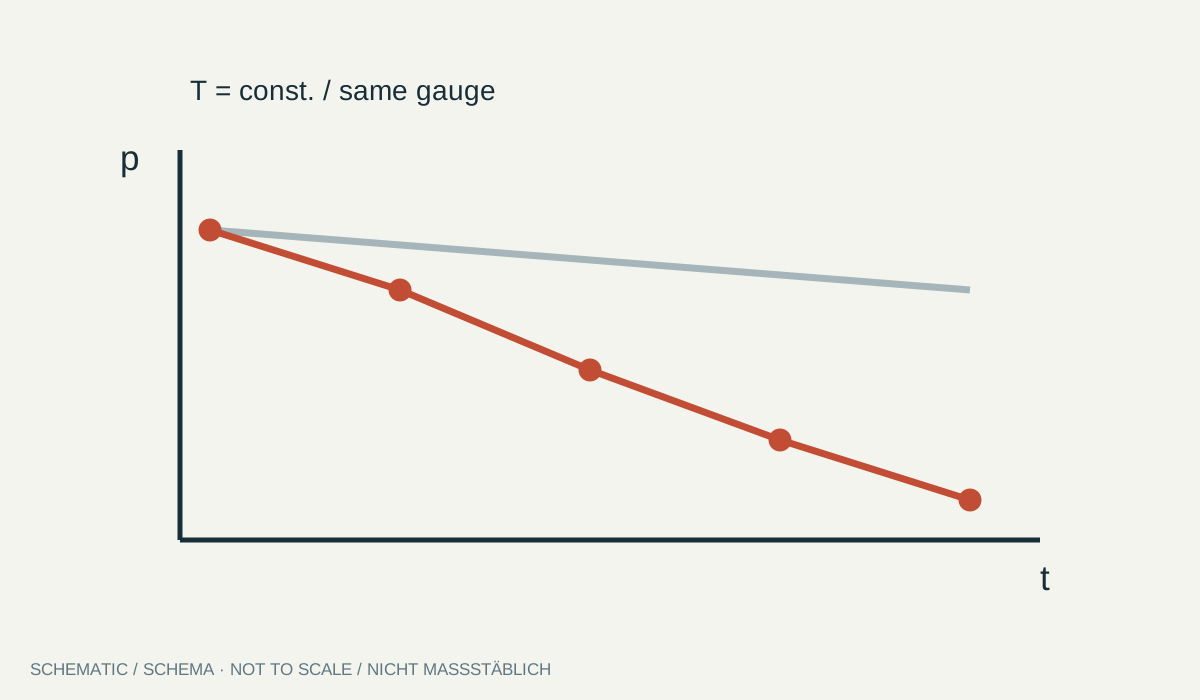
Set the prescribed cold pressures and record the starting figure for every wheel with the date. Use the same dependable measuring method for subsequent checks where possible. A single tyre that repeatedly drops more than the others under comparable conditions needs professional attention. Do not wait until it visibly collapses.
Keep the possible causes open
A small object in the tread is only one possibility. Air may also escape through a valve or an imperfect seal between tyre and wheel. The cause cannot always be established from outside. A clean-looking sidewall does not prove that the whole assembly is airtight and undamaged.
Do not pull out a visible screw or nail as an experiment. It may still be partly sealing the opening. Have the location assessed and explain whether, and how far, the tyre has been driven underinflated. That history matters to the inspection alongside the visible puncture.
Information that helps the workshop
Take your pressure notes and a photograph of any suspect location. Mention a recent kerb or pothole impact and any fitting work. The workshop can then investigate the tyre, valve and wheel as an assembly rather than concentrating only on the tread.
Ask what caused the leak and what follow-up check is appropriate after the work. Clearing a warning symbol alone does not demonstrate that air loss has been cured. The pressure trend should remain traceable after a repair.
When observation is no longer appropriate
Do not continue driving with rapid pressure loss, visible distortion, a bulge or changed handling. Stop somewhere safe and arrange help. Monitoring small changes is not permission to keep using a potentially damaged tyre for several days. A normal display after adding air cannot rule out internal damage that has already occurred.