Two measurements in different conditions
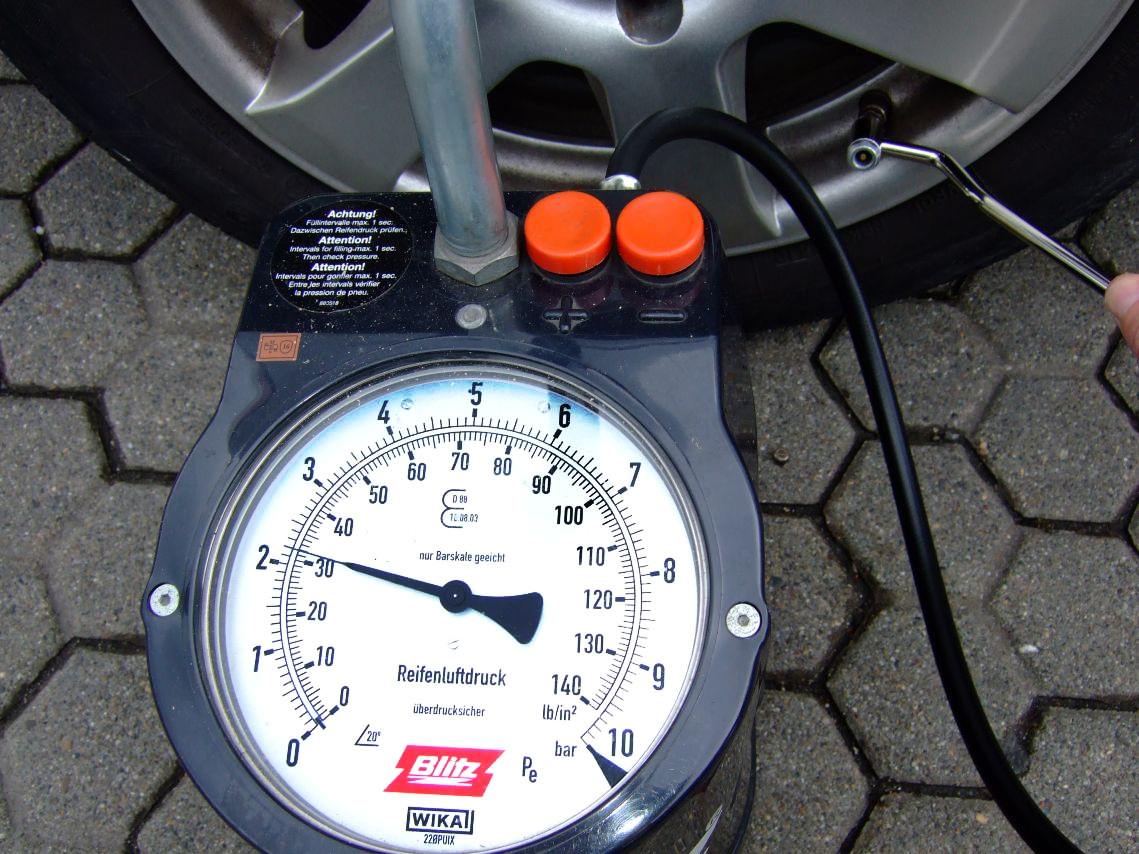
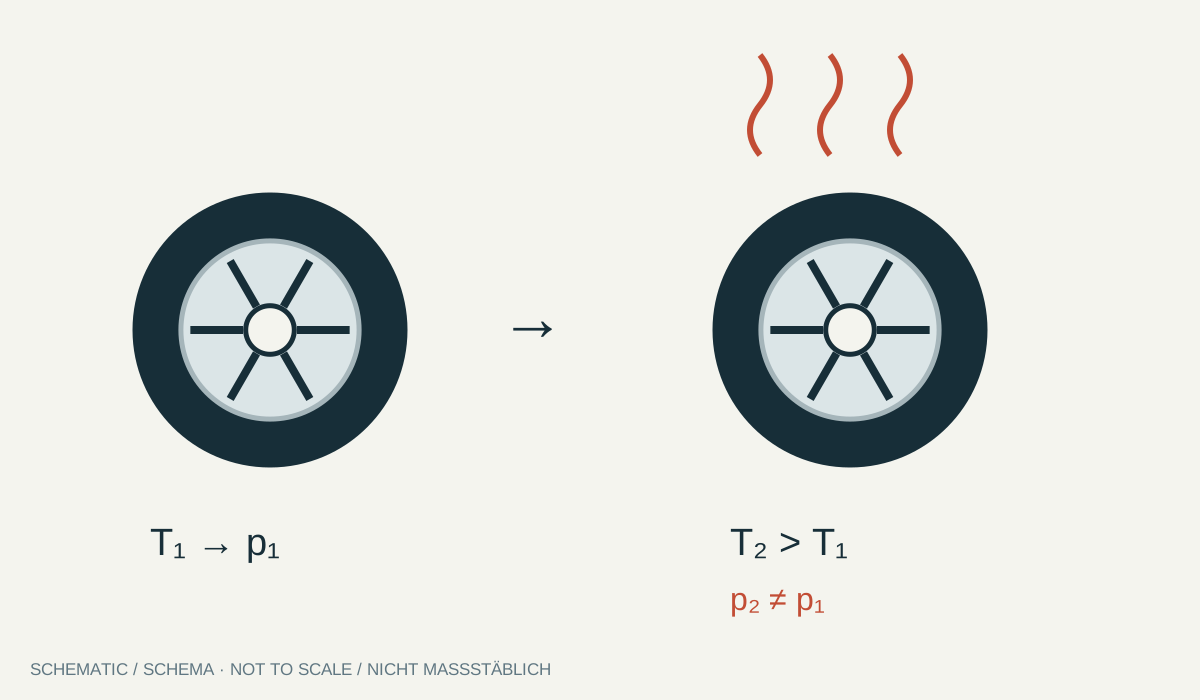
A morning measurement at home and a later check at a motorway service area may differ even though no air has been added. Tyres flex and warm during driving. The air inside also becomes warmer, raising the measured pressure. A higher reading must therefore be interpreted together with the conditions in which it was taken.
This does not mean that every pressure increase is harmless. Unusual handling, visible damage or a warning message requires its own response. It means only that a warm reading should not be treated as though it had been taken from a cold tyre.
Why releasing air can create a problem
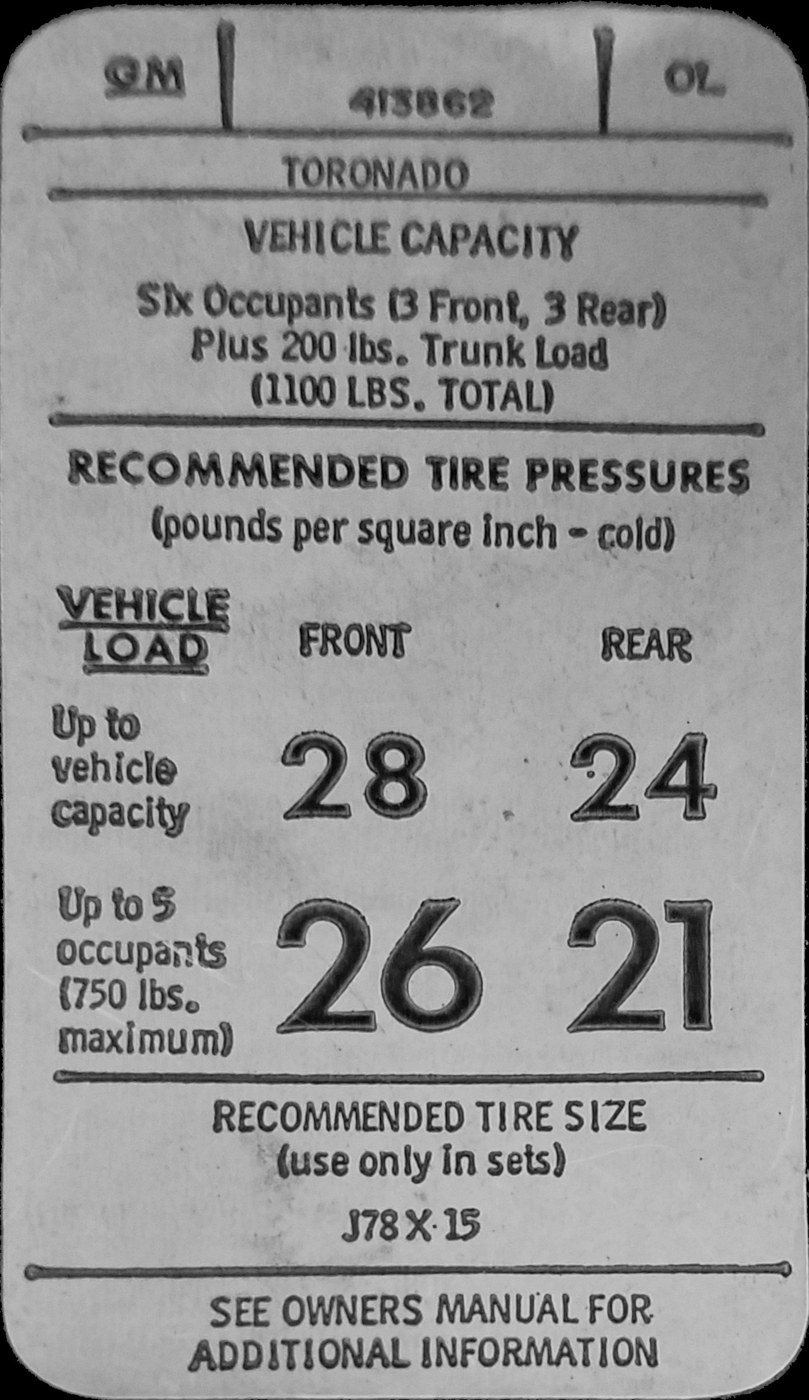
Reducing a warm tyre to the number specified for cold conditions can leave it underinflated once it cools. The attempted correction may create the very shortage of air that the check was intended to prevent. Even if the display appears to match the sticker immediately afterwards, the comparison was made under the wrong conditions. Make the normal reference check before driving or after sufficient cooling, following the manufacturer’s instructions.
A general temperature calculation is not a substitute for vehicle-specific guidance while travelling. Outdoor air temperature does not fully describe conditions inside the tyre. Sunlight, previous journey length and load can differ. Avoid inventing an adjustment from one isolated comparison.
Still take an abnormal roadside reading seriously
An unusually low tyre must not be dismissed just because the tyres are warm. Find a safe stopping place, assess the warnings and visible condition, and follow the vehicle instructions. Do not continue on a flat tyre or with suspected structural damage; roadside assistance or a tyre professional must establish the next step.
For an unclear reading, record the time, preceding driving conditions and measurements from all four wheels. Recheck later when cold. These details help distinguish inconsistent measuring conditions from repeated air loss. The useful comparison is not merely yesterday versus today, but a similar starting condition measured with the same dependable method.