Find the applicable row first
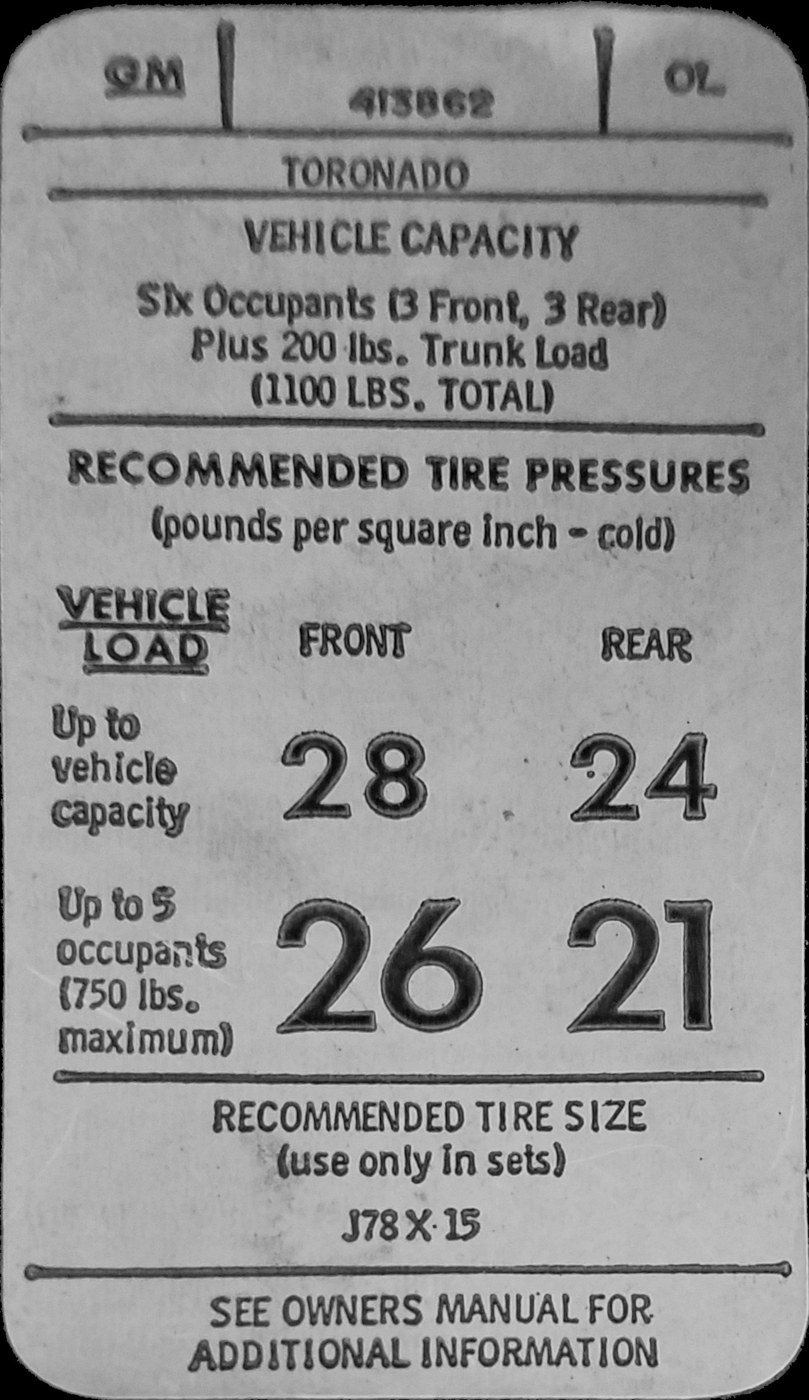
A pressure placard can look crowded: several tyre sizes, small vehicle symbols and multiple pairs of numbers. Start with the size actually fitted. Compare the full inscription with the table. If it is not listed, do not choose the nearest-looking row; consult the handbook or ask the vehicle manufacturer.
Next identify the load condition. Passenger and luggage symbols often distinguish ordinary use from full loading. The handbook explains their meaning. A car carrying few people but heavy luggage may present a different situation from an almost empty vehicle. The illustration helps select a setting; it does not replace the vehicle’s total and axle-load limits.
Keep front and rear separate
Adjacent figures may apply to different axles. Read the labels or vehicle diagram deliberately before starting at the first valve. Identical tyre dimensions on all four wheels do not necessarily mean identical pressure targets. Weight distribution and the vehicle’s setup can require separate values.
Make a short note for your walk around the car: front, rear, unit and chosen load row. If the household uses several vehicles, include the registration or model. This prevents a previously saved figure being carried over to the wrong car.
Additional notes are part of the instruction
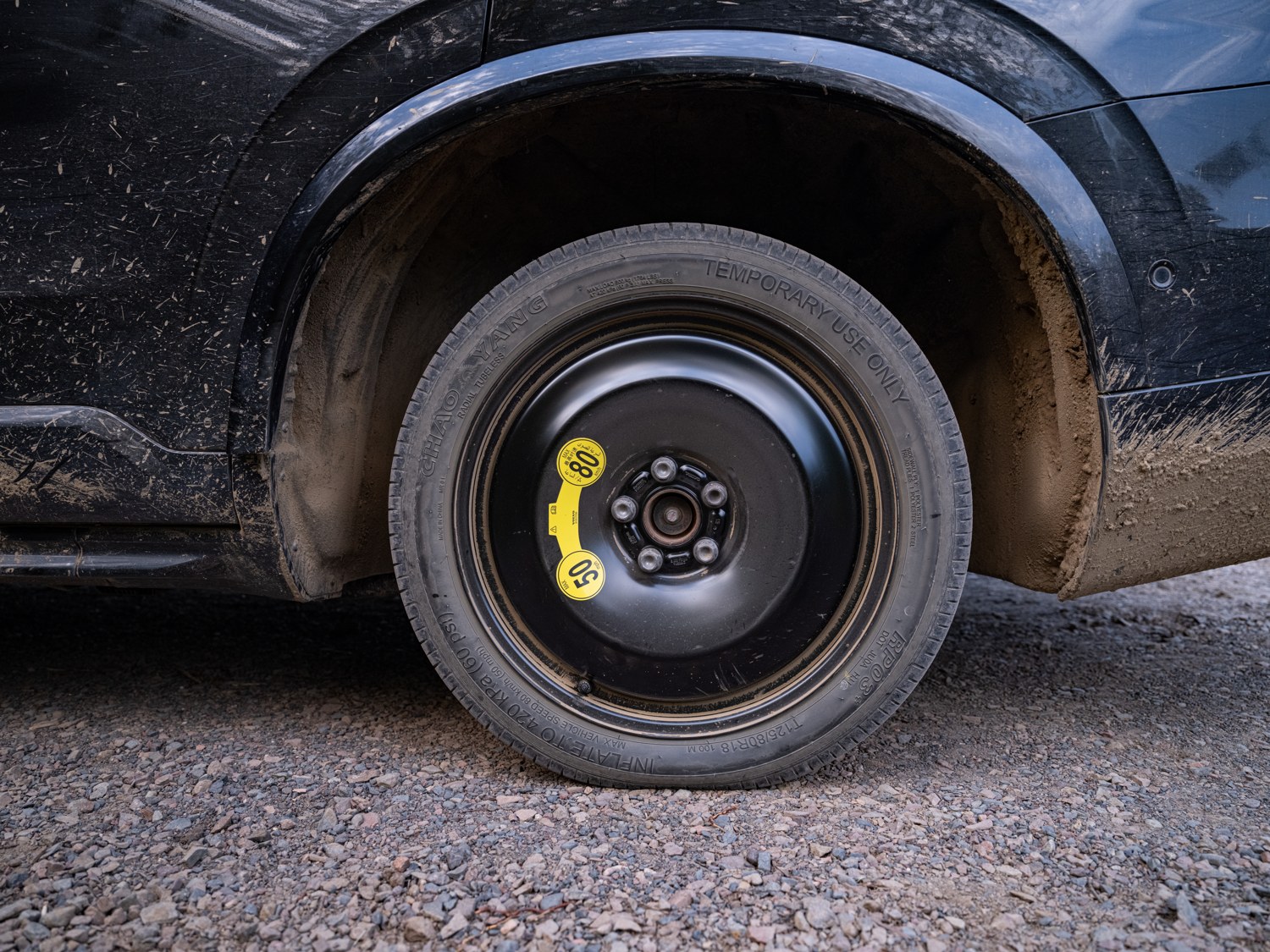
Some manufacturers specify particular settings or notes for certain speeds, comfort settings or a spare wheel. Do not detach these from their context. In particular, never transfer a temporary-spare pressure to a normal road wheel. If small lettering is difficult to read, use a clear enlarged photograph or a digital handbook from an authoritative manufacturer source.
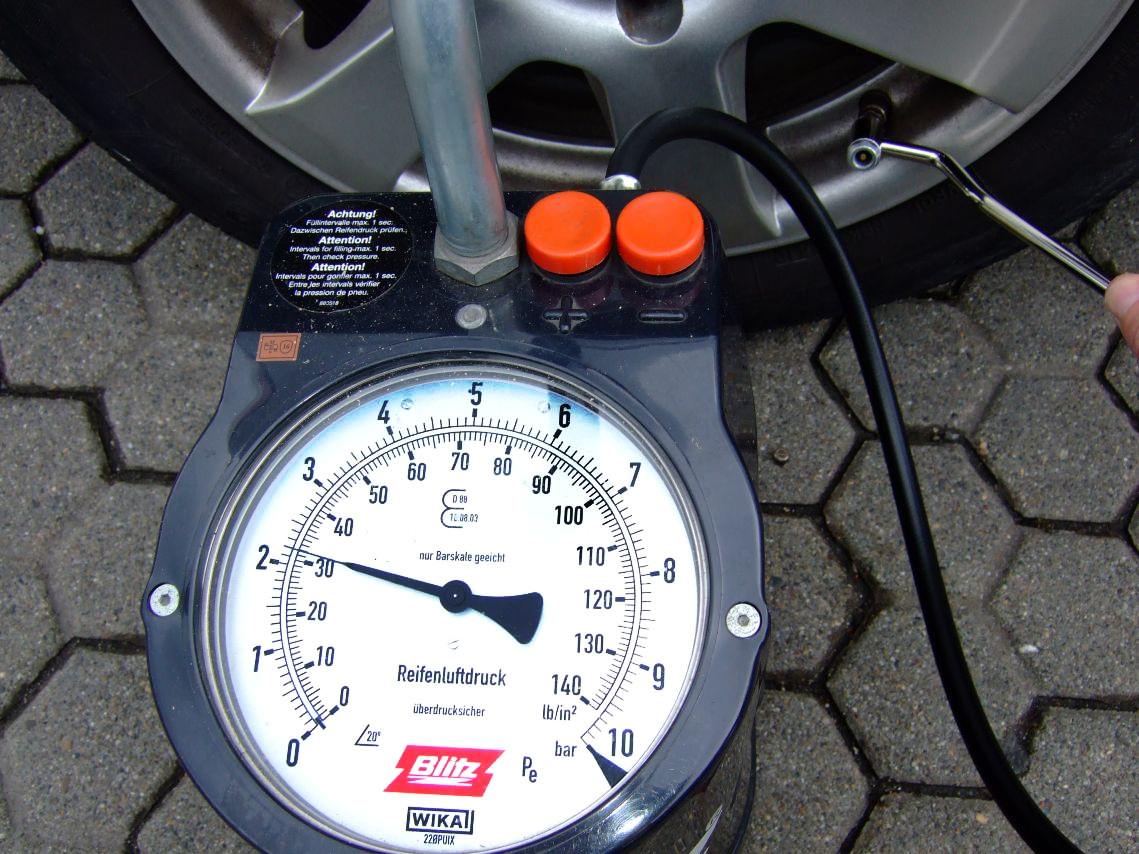
The specified figures normally concern cold tyres. A higher measurement after a long journey cannot therefore be compared directly with the table. Do not lower warm tyres to the cold target merely because the numbers differ. Check again under suitable conditions.
Revisit the source when circumstances change
A different tyre size, a changed load or another vehicle calls for a fresh look at the original information. Remembered numbers easily become a habit. The sticker is not a one-off obstacle during a tyre purchase; it is the reference for recurring checks.
If the placard is missing or damaged, obtain replacement information matched to the vehicle. A photograph in a sales listing for a similar car may help your enquiry but is not a dependable instruction. Keep the confirmed figures together with their source so that later checks remain traceable.