Confirm identity and completeness
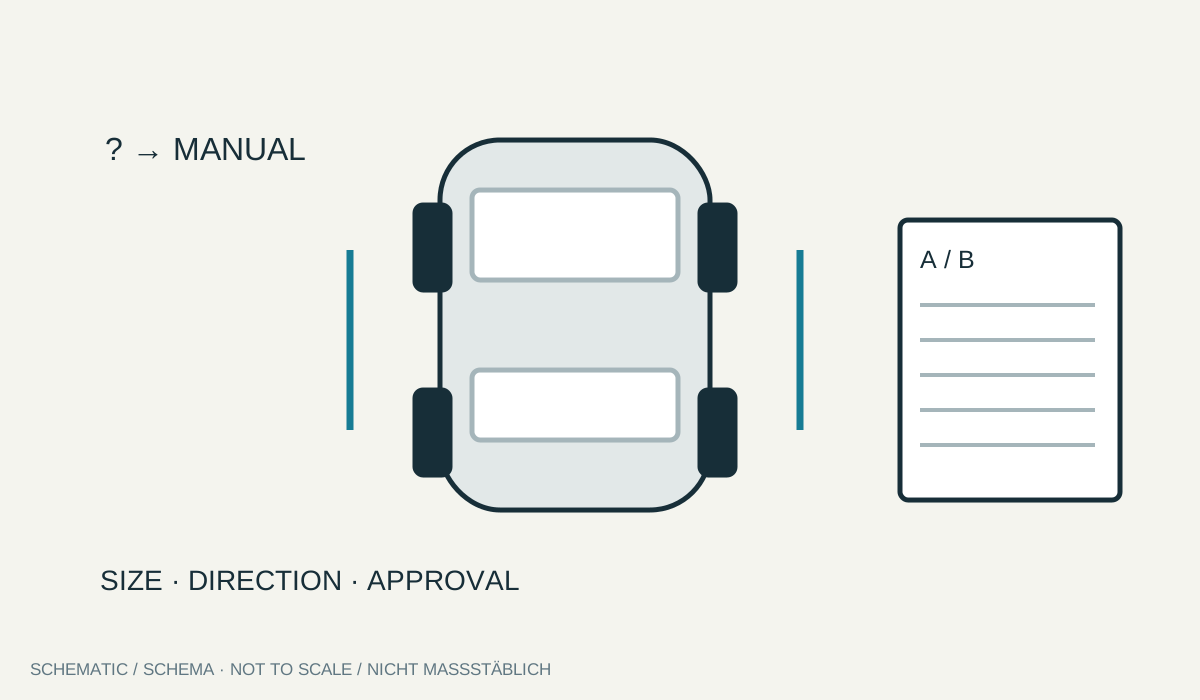
Compare the returned set with its storage record. Do quantity, sizes, models and wheel specifications match? Keep front and rear allocation clear where sizes differ. Check that matching bolts and any locking-wheel adapter are present. This avoids discovering uncertainty after the vehicle has already been lifted.
With commercial storage, inspect the wheels together at collection. Record newly visible issues on the handover document. Do not sign a general confirmation of condition that you could not inspect. Specific descriptions help both parties resolve outstanding questions.
Examine present condition
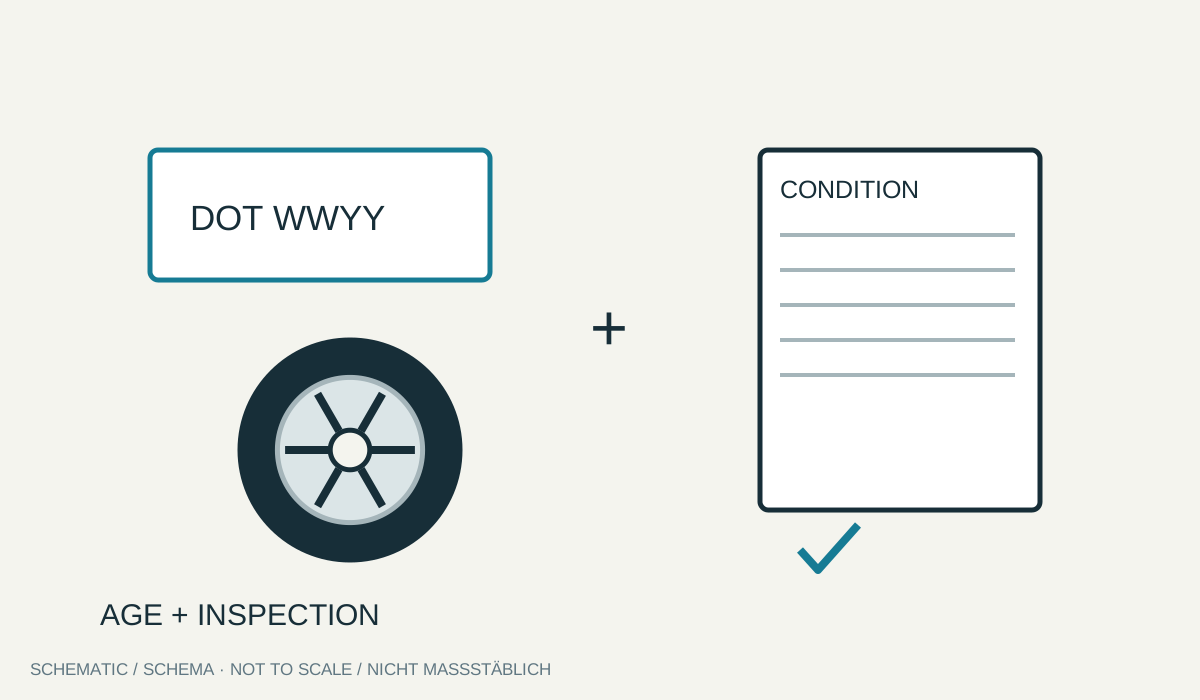
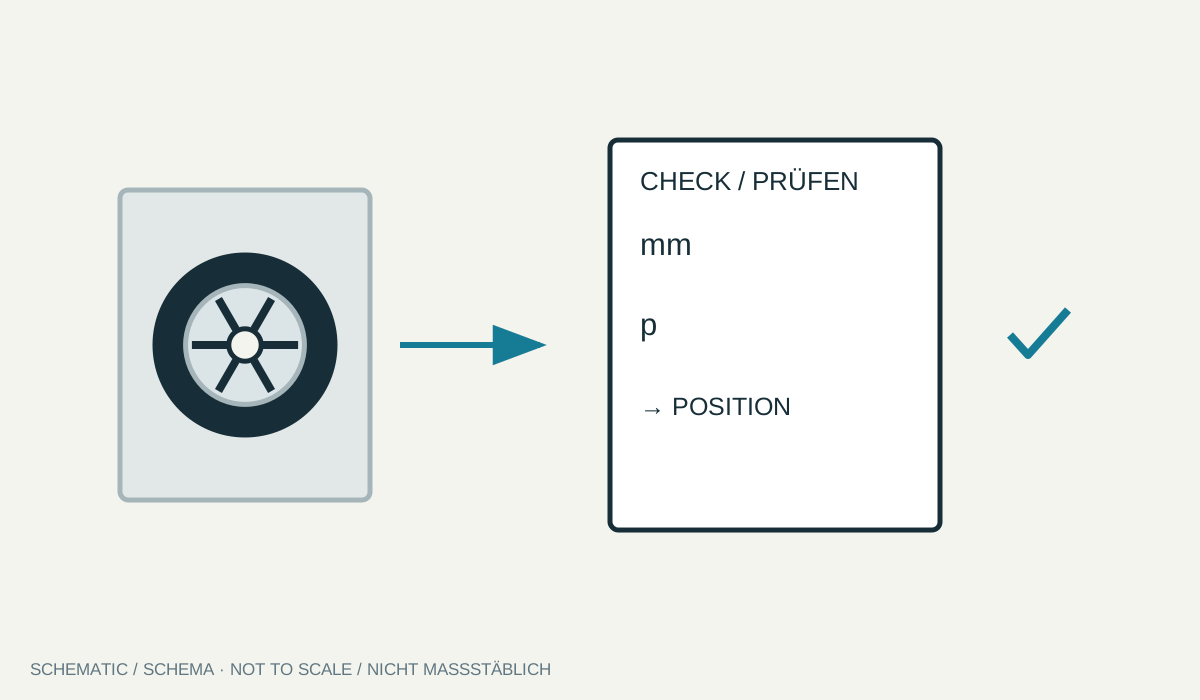
Check tyres and wheels for damage, foreign objects and changes since storage. Measure tread depth again at several points. Deep tread does not make a cracked or bulged tyre suitable. Structural damage or uncertainty requires a professional decision before use.
Look for evidence of unsuitable storage, such as persistent dampness or chemical contamination. Do not scrub a suspect area with aggressive products before assessment. New photographs compared with old ones can document changes, but the earlier image cannot certify current condition.
Prepare for the vehicle as it is now
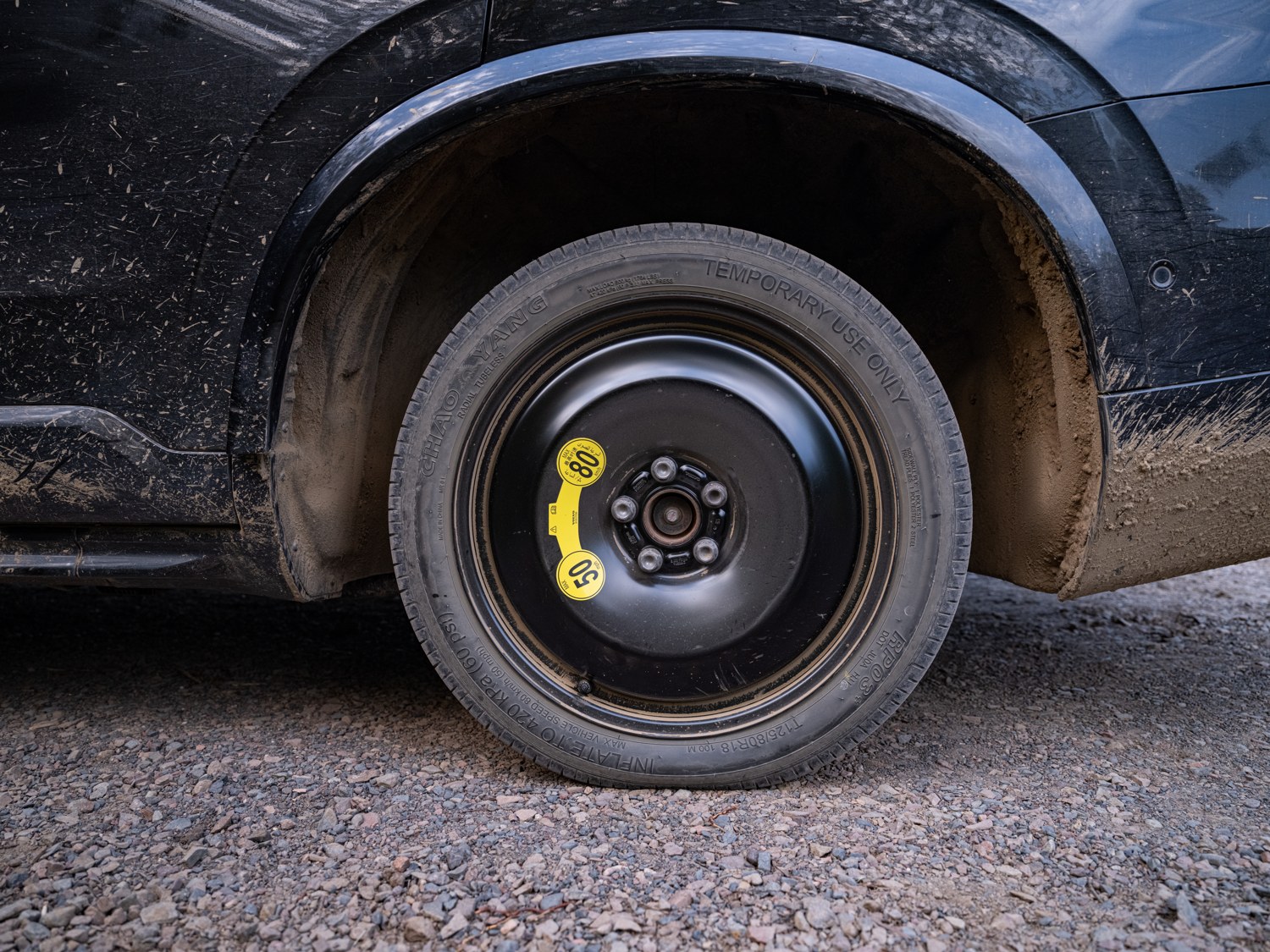
The intended fitment must still suit the vehicle configuration. If brakes, suspension or other relevant parts have changed since last use, previous fitting is not automatic proof of compatibility. Check the paperwork and obtain confirmation where needed.
Set cold pressures for size, axle and intended load. Storage pressure is not a reliable road-use setting. Complete the vehicle-specific TPMS recognition or initialisation procedure where applicable. A warning after fitting must not be dismissed as routine without measuring pressures.
Record the new period of use
Note fitting date, mileage and current wheel positions. Retain the earlier allocation if permitted rotation was performed. This keeps later wear comparisons meaningful. Include any required fastening recheck in the process.
New vibration, air loss or unusual noise after fitting needs prompt attention. Do not continue with severe symptoms or suspected damage. Successful installation does not mean every later abnormality can be ignored.