Why a generic arrow diagram is insufficient
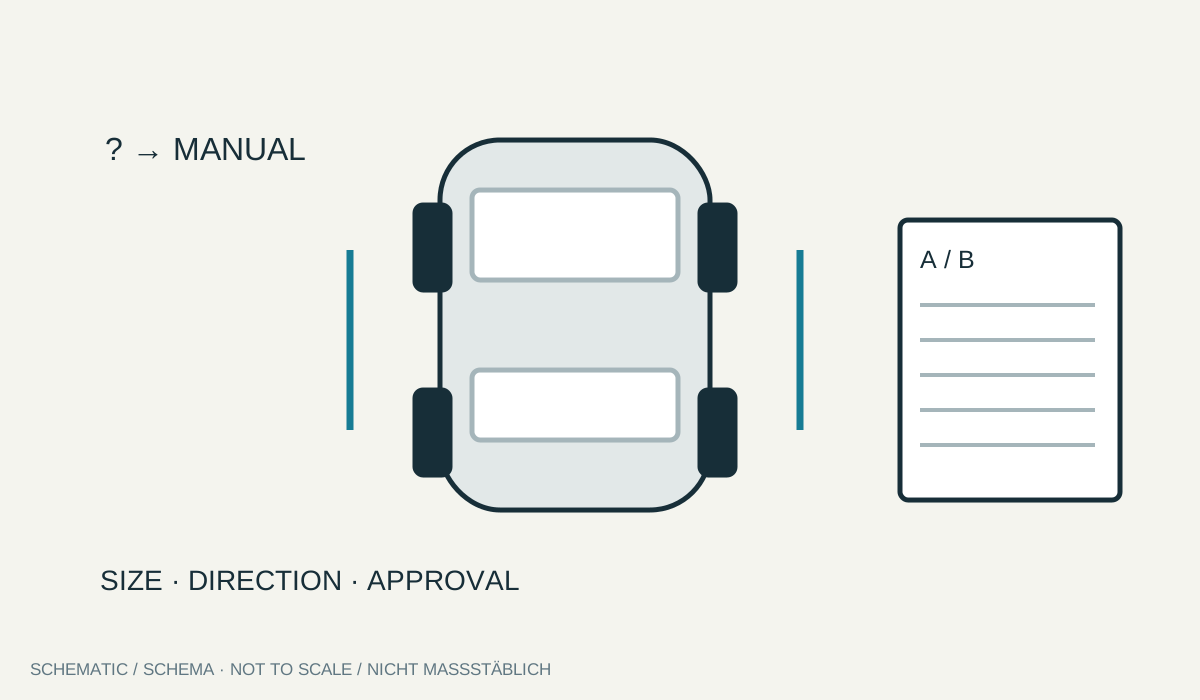
Many online diagrams show tyres moving between axles. Some use straight swaps, others crossed patterns. Each assumes conditions that must first be satisfied on your vehicle. Driven axle alone does not determine the correct arrangement. Sizes, direction of rotation, wheel specifications and manufacturer instructions can further restrict the options.
Begin with the vehicle handbook. Its maintenance recommendation or restriction provides the starting point. Tyre-manufacturer advice can add context, but a general illustration does not approve the particular wheel combination. If uncertain, have the fitting business establish allocation before removing the wheels.
Matching tyre inscriptions do not prove matching wheels
Two tyres can carry the same size while mounted on different wheels. Width, offset or intended axle may differ. With aftermarket wheels, check their markings and documentation. A visually matching set is not automatically interchangeable at every position. Accurate identification is especially useful with second-hand wheels.
Different front and rear sizes commonly prevent a simple axle swap. Do not independently transfer tyres to other rims merely to make a rotation diagram work. Removing and remounting tyres introduces further technical requirements and needs a properly planned process. Maintenance is not about following four arrows at any cost.
Separate direction from inside and outside
A directional tyre must still rotate correctly after a permitted move. An asymmetric tyre instead has inside and outside markings describing a different characteristic. Some constructions have additional requirements. Read the markings on the actual product rather than relying on memory of a previous set.
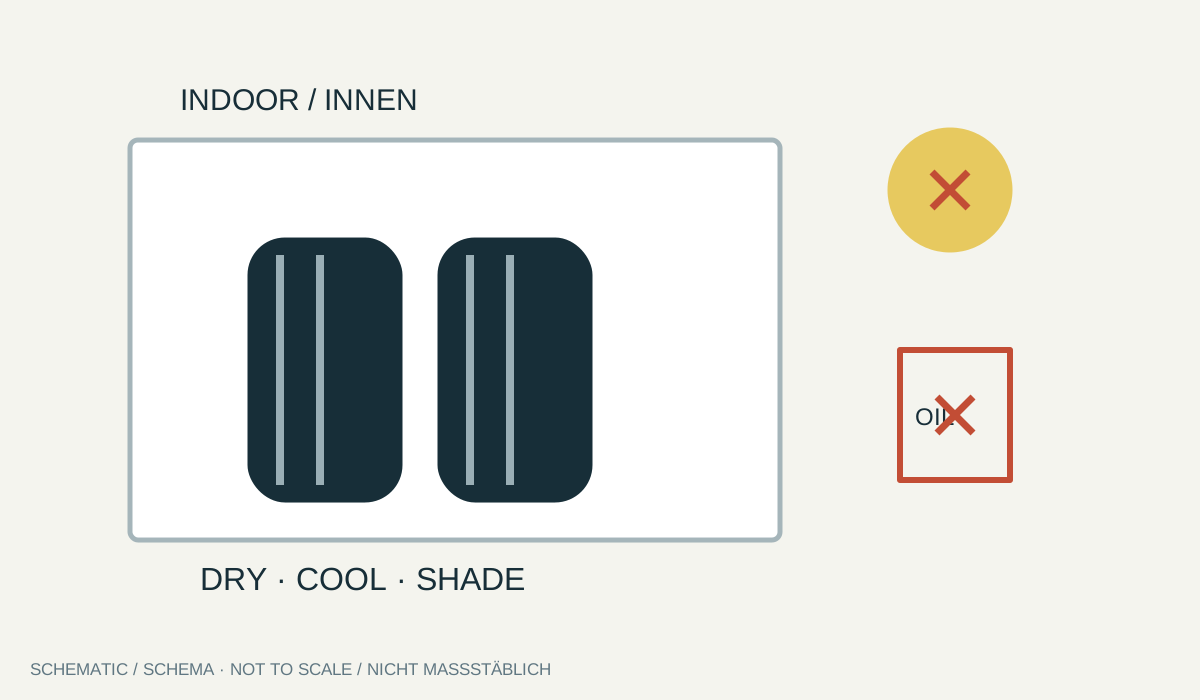
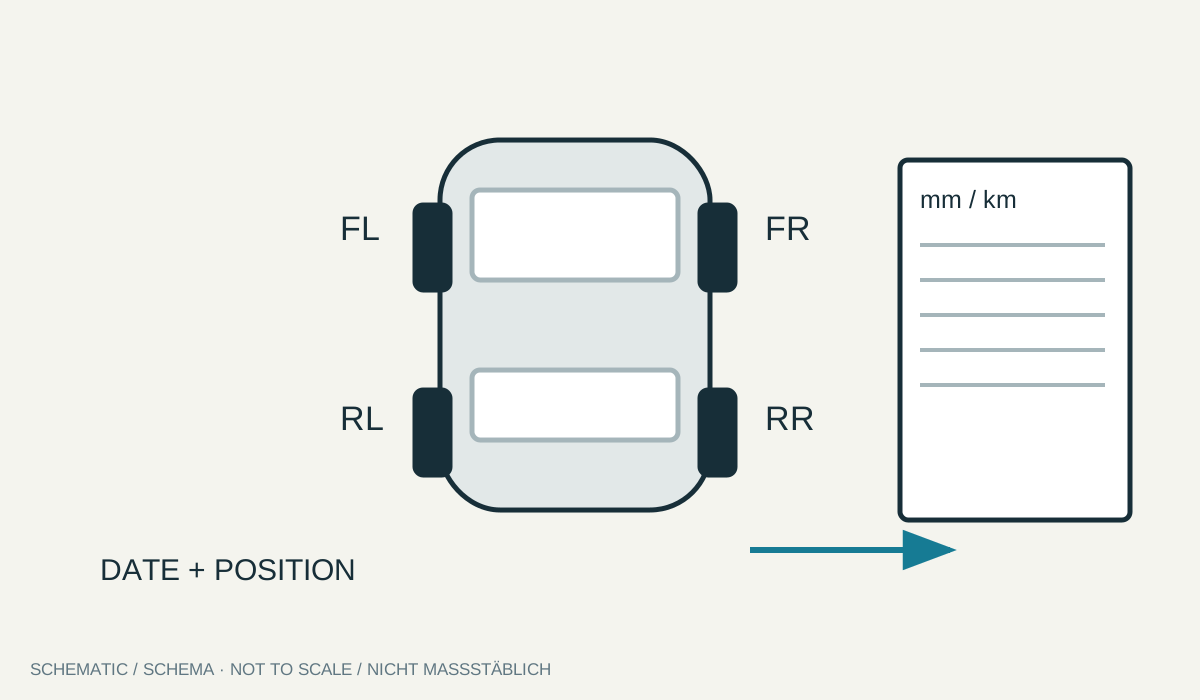
Record starting positions before work begins. Afterwards, identify the new locations clearly. Where a workshop stores the set, establish whether its labels mean the previous position or the intended next one. A short explanation prevents avoidable confusion in the following season.
Condition comes before even wear
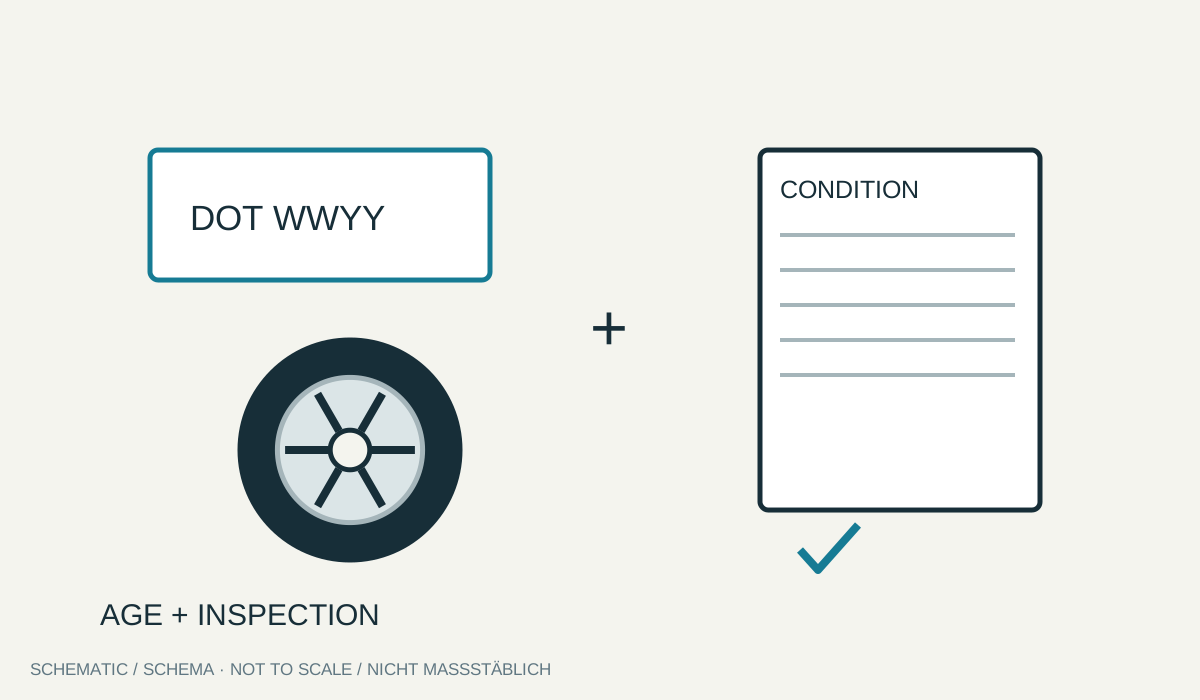
Rotation does not treat a bulge, exposed structure, insufficient tread or unexplained air loss. These problems need inspection and replacement where required. A damaged tyre is not safer on another axle. Marked uneven wear also needs its cause investigated instead of merely moving the pattern to a less visible position.
Replacing only two tyres raises a different allocation question from routine rotation of an otherwise suitable set. Have the specific combination assessed. General stability recommendations and particular vehicle requirements must be considered together. Greater tread depth alone is not the only evidence of suitability.
Complete the steps after moving the wheels
Front and rear axles may require different pressures. Set cold values for the new allocation and intended load. TPMS may need initialisation or renewed position assignment. The vehicle instructions specify what applies; moving wheels is not automatically without consequences for the display.
Fasteners and tightening procedures must suit the fitting. Carry out any required fastening recheck according to the applicable instructions. Record the date and mileage of rotation. The next tread measurement can then show how wear developed after the change without confusing previous and current wheel positions.