Identify positions before removal
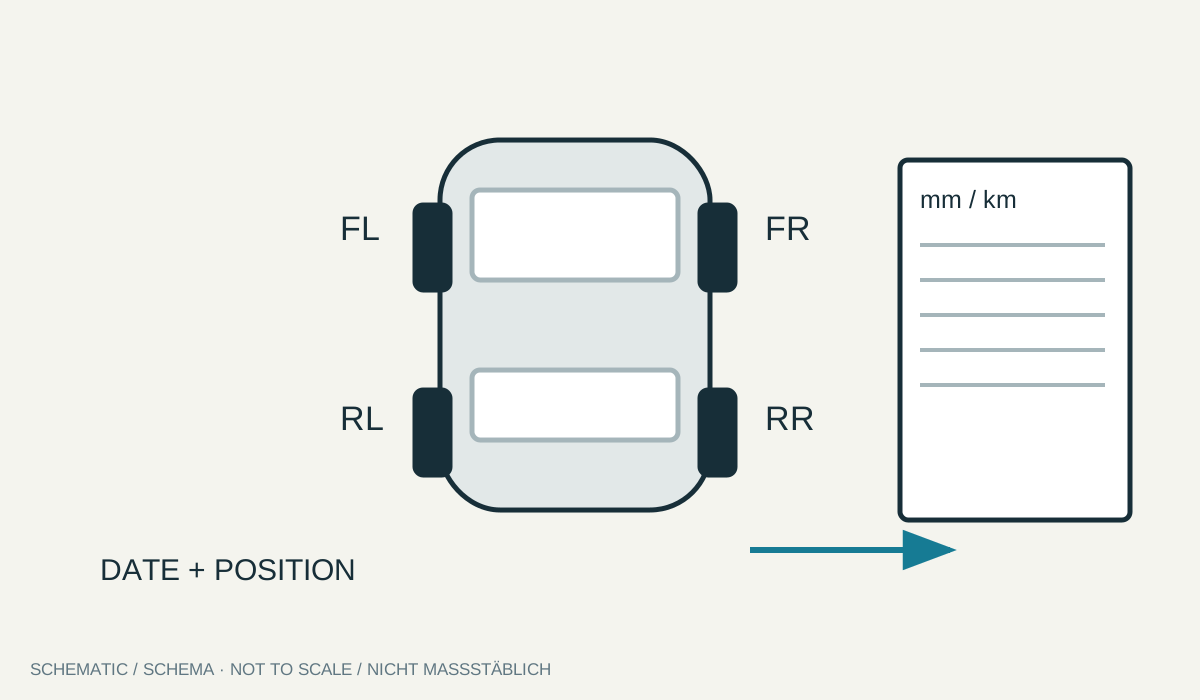
Mark the previous position while the allocation is still certain. Front left, front right, rear left and rear right are clearer than an unexplained number. Use a marking suitable for the tyre that survives storage. Add a key for unfamiliar abbreviations so another fitter does not have to guess.
The old position records history, not automatically the next fitting location. Permitted rotation depends on the vehicle, size combination and direction of rotation. Make that distinction clear if someone else will refit the set. A label must not imply an unauthorised swap.
Record information that is genuinely useful
Include model, full size, production marking and tread depths at several points. For complete wheels, add wheel type and relevant differences. Storage date and vehicle mileage place the use in context. A photograph of markings prevents transcription mistakes, but should support rather than replace a readable record.
Describe existing damage or unresolved questions specifically, such as an unusual inner-shoulder area or recurring pressure loss from one wheel. Used is too vague. A set awaiting inspection should remain clearly identified rather than accidentally being treated as ready to fit.
Document commercial storage together
Have the delivered wheels identified clearly on the handover record. Check quantity, dimensions and stated condition before signing. Keep your copy with the order. At collection, it provides a basis for confirming that the same set is returned and whether new abnormalities exist.
Ask how damage discovered during storage will be handled. Must the business contact you before further work? Who authorises replacement? Clear arrangements reduce the chance of an incomplete set or unexplained invoice at the next seasonal change.
Update the record at the next change
Compare the actual wheels with the record before fitting. Storage can alter conditions, and old readings do not certify present condition. Pressures, damage and suitability need checking again.
When wheel positions change, record the new allocation and date while retaining the old information. That preserves the history. A simple table with a few accurate fields is more useful than an elaborate system abandoned after its first entry.