What the date marking answers
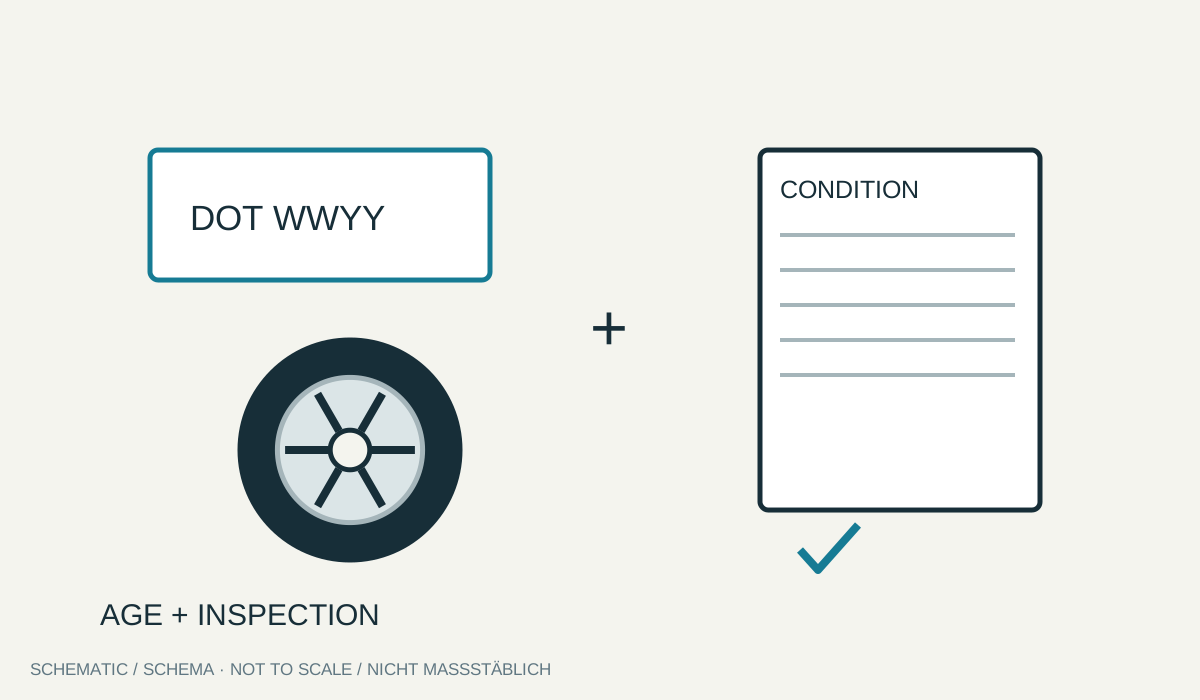
The four-digit date at the end of the relevant manufacturing code identifies production week and year. It does not state when the tyre was first fitted or how it was treated afterwards. An invoice can establish purchase date, but cannot replace production information. If unclear, locate the complete marking, which may be on the other sidewall.
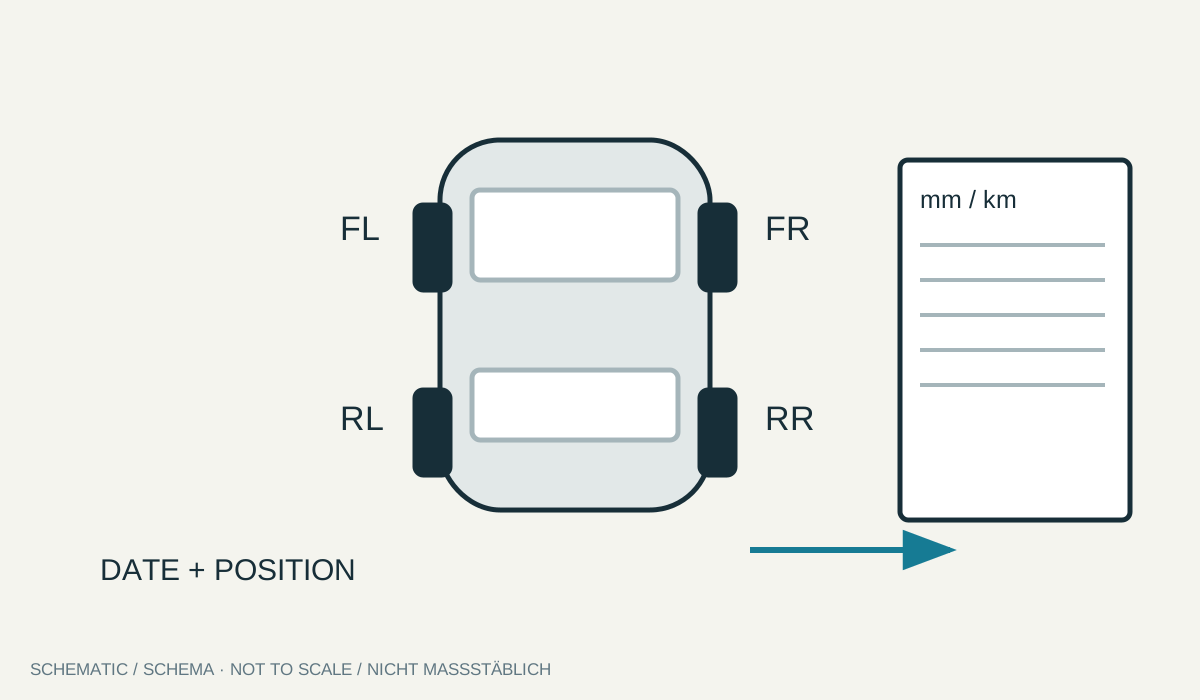
Record each tyre separately. A set need not share one production week, and that alone does not establish different serviceability. The record does help trace its history and prevents information from another wheel being copied during a replacement enquiry.
Tread and age describe different things
Tread depth describes remaining groove geometry. Ageing also concerns material properties and exposure during use and storage. A low-mileage car may have tyres that look barely worn but still need examination or replacement. Conversely, a recent manufacturing date cannot make a damaged tyre safe.
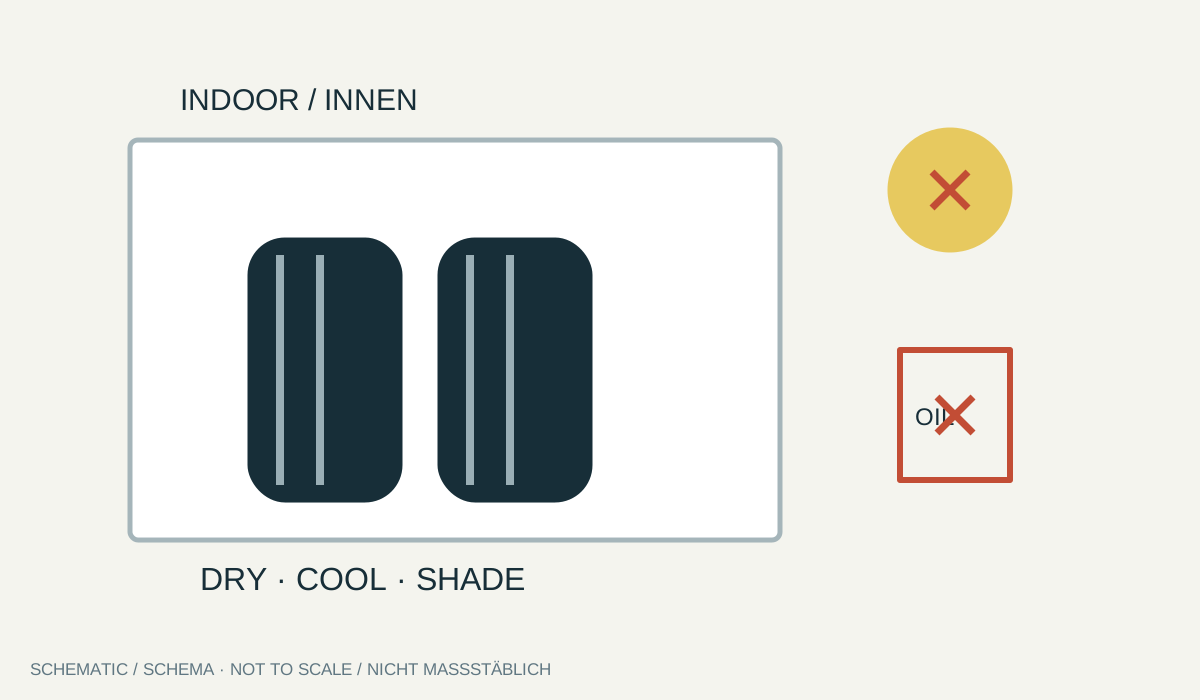
Consider cracking, distortion, pressure loss, uneven wear and known events such as a hard impact. Storage conditions, heat and chemical exposure may also matter. The question is therefore not simply how old, but what evidence exists about present condition and previous loading.
Apply recommendations to the correct case
Manufacturers and technical organisations publish inspection and precautionary-replacement guidance. Their recommendations may differ and contain extra conditions for particular vehicles or tyre types. A recommendation is not automatically a universal legal age limit for every passenger-car tyre. Equally, the absence of such a blanket limit does not make indefinite use safe.
Check instructions for the particular vehicle and tyre. If several recommendations apply, ask a specialist to explain their use. An article about a trailer or specialist vehicle cannot automatically be transferred to your car. Keep the source and date of an answer.
Decide for the next period of use
Before a long trip or seasonal refitting is a useful time to assess age and condition together. Bring maintenance and storage records. If replacement is advised, ask for the specific reason and a suitable combination with the remaining tyres.
Professional confirmation of continued use relates to the condition found. New damage or symptoms require reassessment. Do not rely solely on deep tread, a clean appearance or low mileage; none examines the whole tyre.