Look up the setting before packing
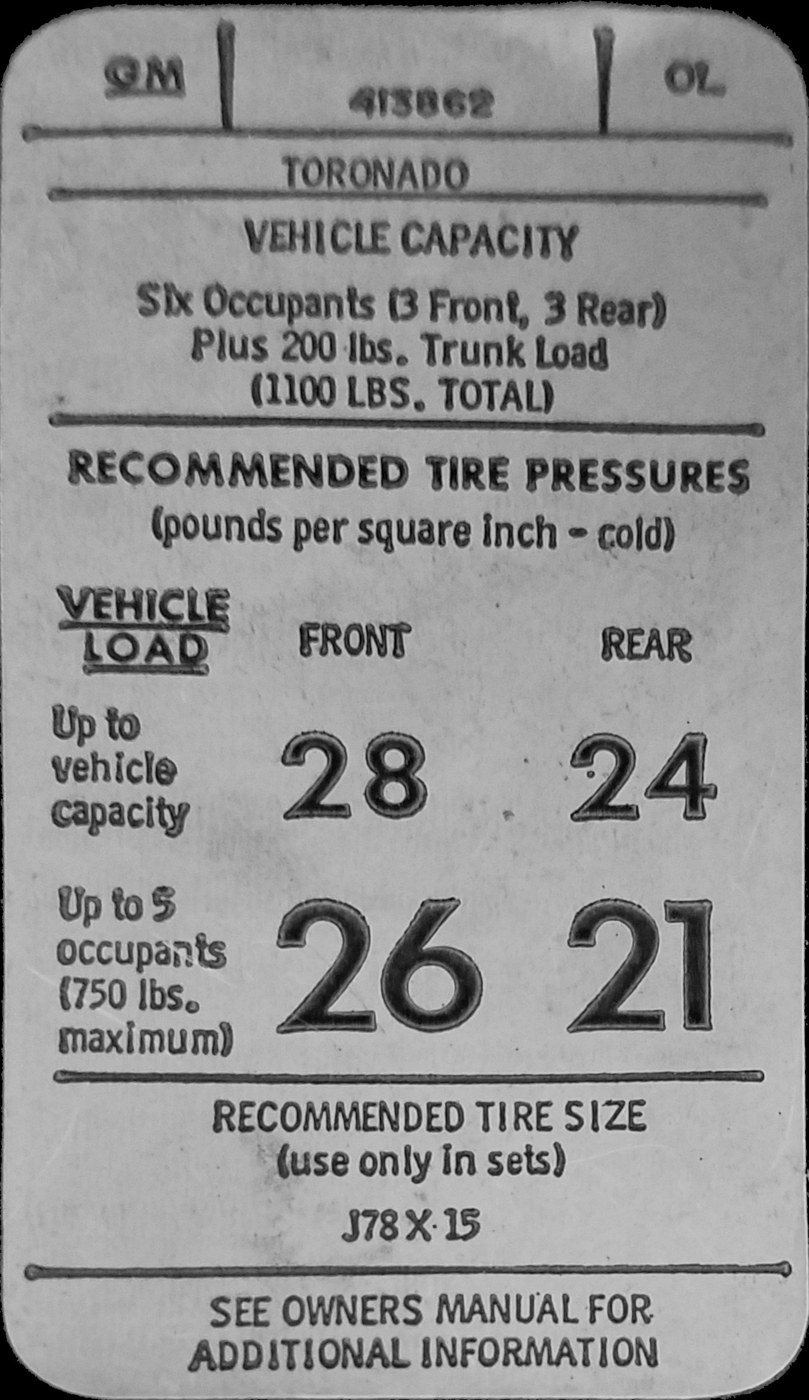
A holiday journey often involves a different load from the usual commute. Additional passengers, luggage, a cycle carrier or a roof box can alter the distribution. Find the pressure instruction for the intended load before departure. A universal extra amount for every car is not a dependable answer; the manufacturer may specify different figures by axle and tyre size.
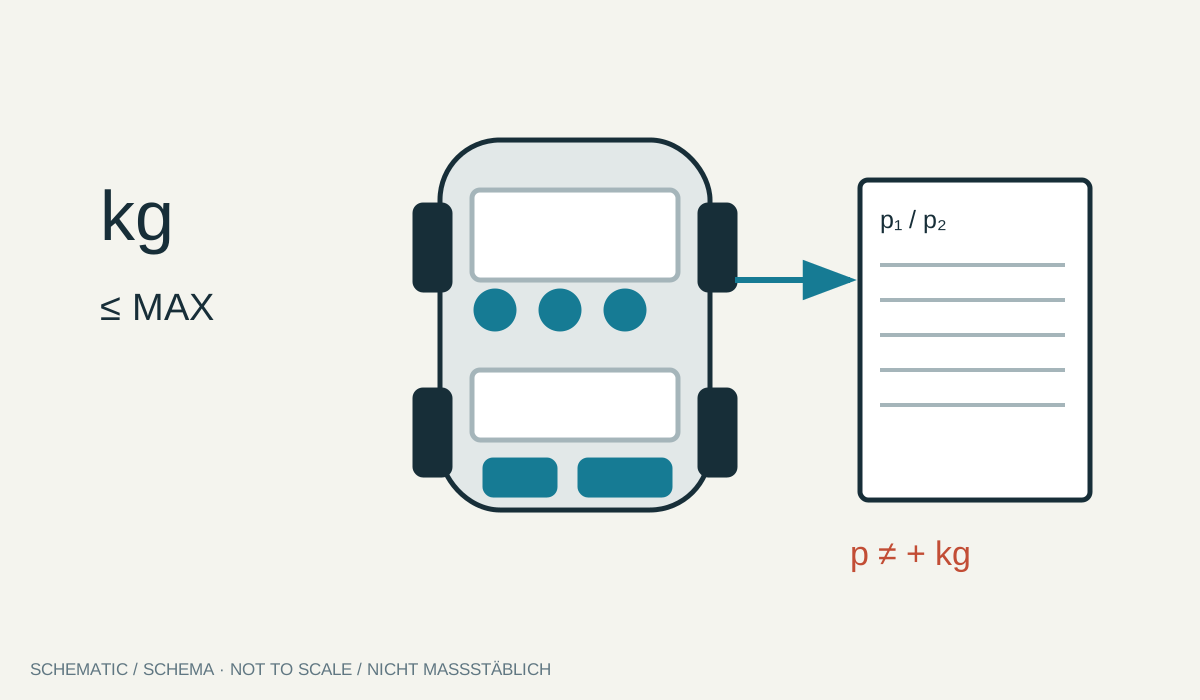
At the same time, check that the vehicle stays within its permitted total and axle weights. More air does not create extra payload capacity or make an overloaded axle acceptable. A tyre with a higher load index does not increase the vehicle’s limits either. With heavy or unusually distributed luggage, weighing may be more useful than estimating from the space left in the boot.
Make the adjustment with cold tyres
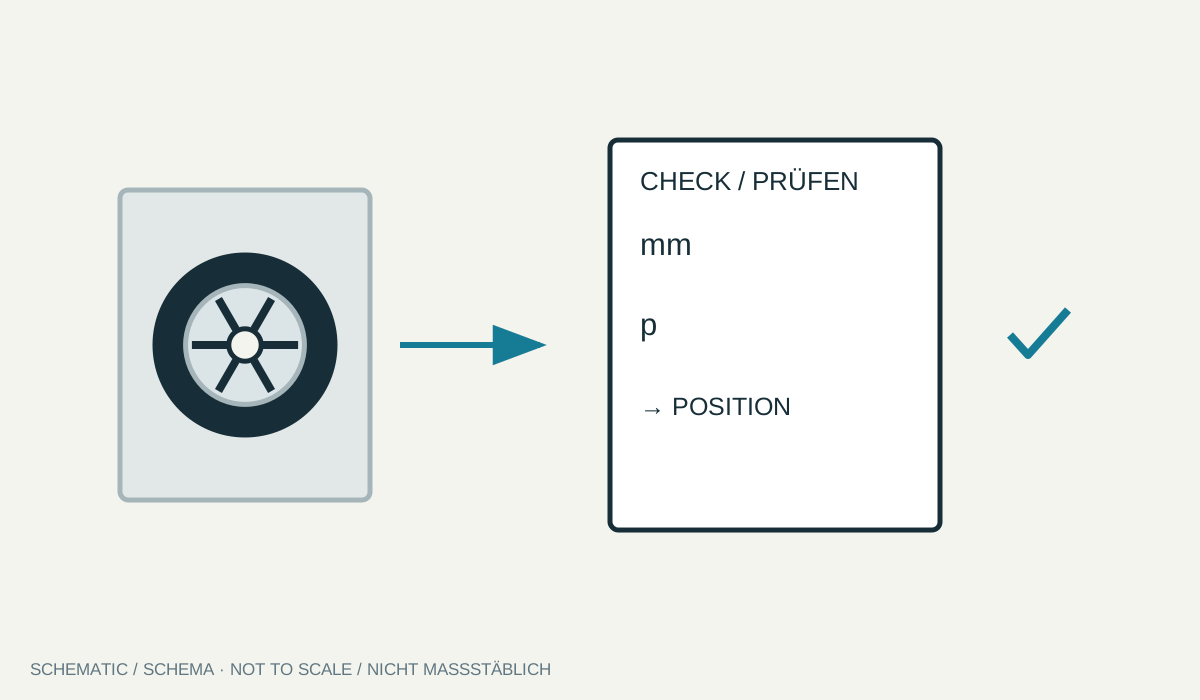
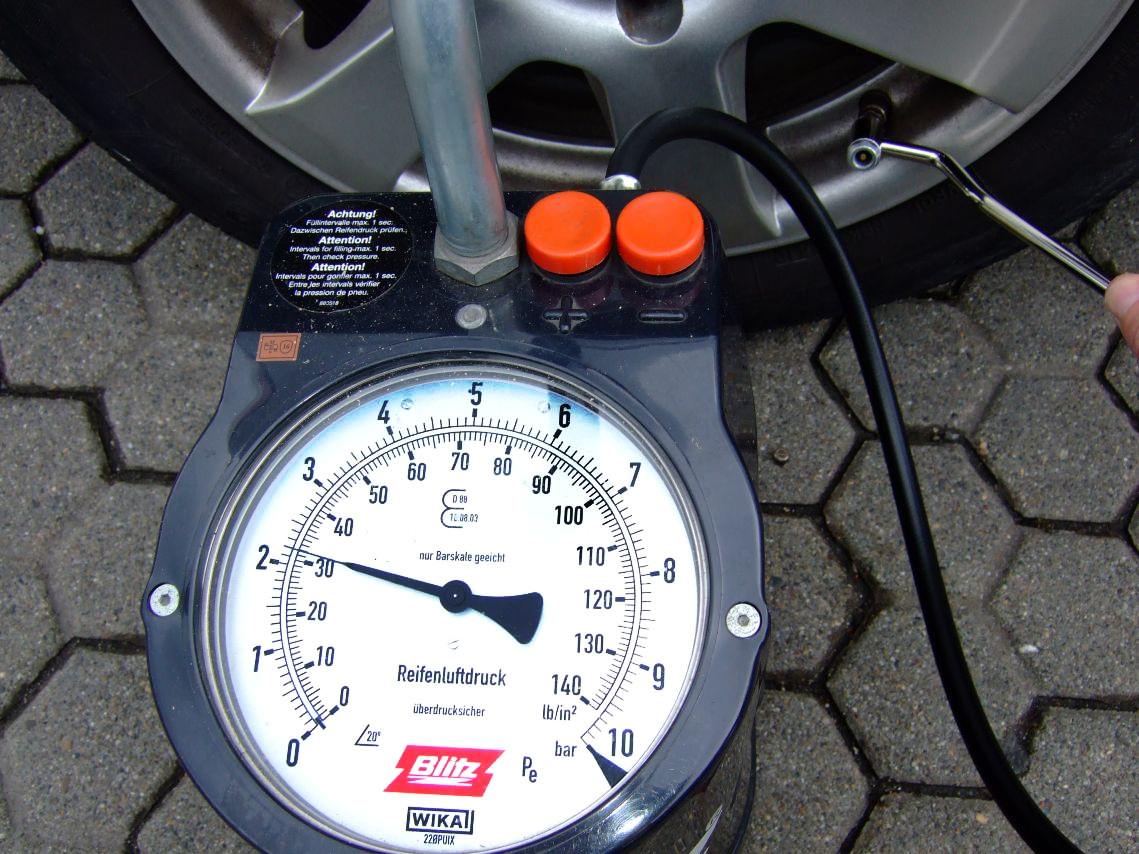
Arrange the check before a longer drive has warmed the tyres. Note the front and rear targets from the applicable row. Set the gauge to the corresponding unit and check each wheel. Reading only the front figure and using a remembered rear setting can miss an important distinction on a heavily loaded vehicle.
A trailer or caravan brings its own requirements. Pressures on the towing vehicle and on the trailer are separate matters. If the instructions concerning noseweight or rear-axle loading are unclear, have the vehicle handbook explained. A general tyre-pressure table cannot answer every question about the combination.
Return to the appropriate everyday setting afterwards
Once luggage and additional equipment have been removed, check which setting the manufacturer specifies for the new operating condition. Again, make adjustments when cold. The loaded journey is neither a reason to keep an unchecked setting indefinitely nor a reason to release air immediately after motorway driving.
Keep a short record of the journey settings and the relevant placard row. It will explain why the figures changed. If one wheel differs markedly during a check, or a warning appears while driving, treat that as a separate issue. Loading does not explain continuing pressure loss from one tyre.