A clear outer edge does not show the whole tyre
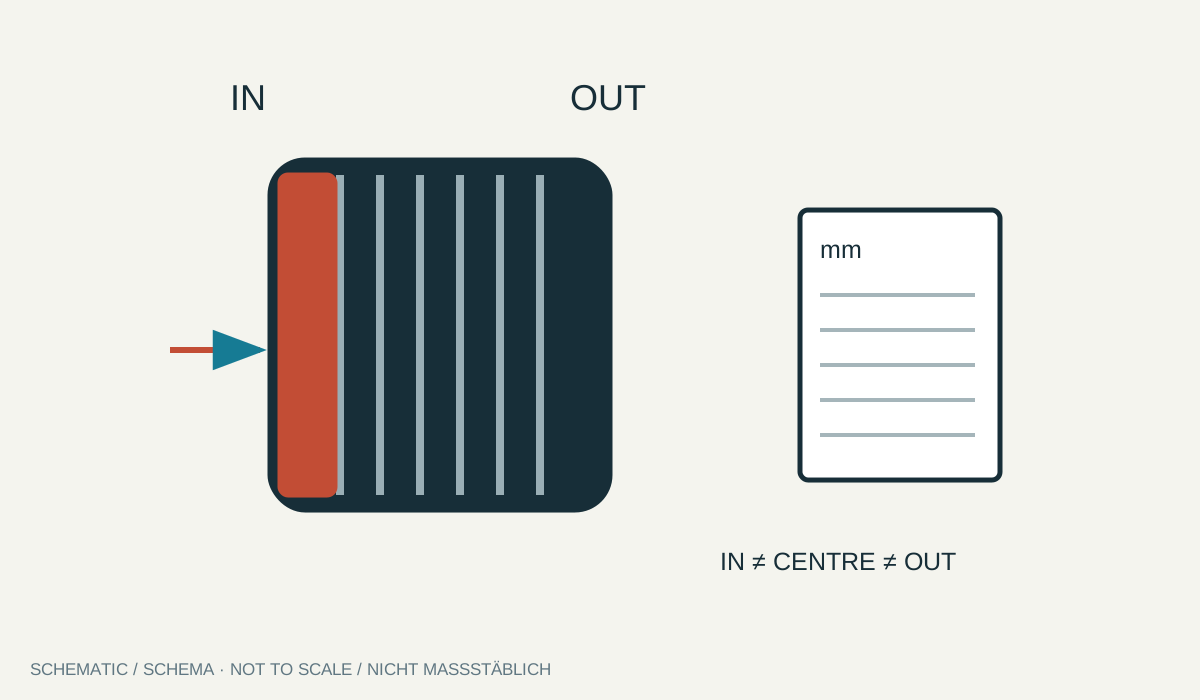
From the pavement you usually see the outer sidewall and part of the tread. The inner edge can remain hidden. A tyre with obvious outer grooves may be much more worn on the inside. Include the entire accessible tread in condition checks, not just the area easiest to see.
Turning a front wheel while the car is safely parked may improve visibility. The aim is observation, not reaching dangerously between components. If the inside cannot be checked safely, have it inspected using appropriate workshop lifting equipment. A phone photograph from a narrow angle can provide a clue, but cannot replace a complete examination.
Do not diagnose the cause from a photograph
One-sided wear may relate to wheel geometry. Toe and camber describe different relationships between the wheel, direction of travel and vertical plane. The phrase worn on the inside does not reliably identify which setting is wrong. Component wear, suspension modifications and previous impacts also need consideration.
A plausible repair suggestion in a forum is not a measurement of your vehicle. Tell the workshop whether both tyres on the axle are affected, whether the car pulls and whether a kerb impact occurred recently. These details help define the investigation, but do not replace its findings.
Combine measurements with condition
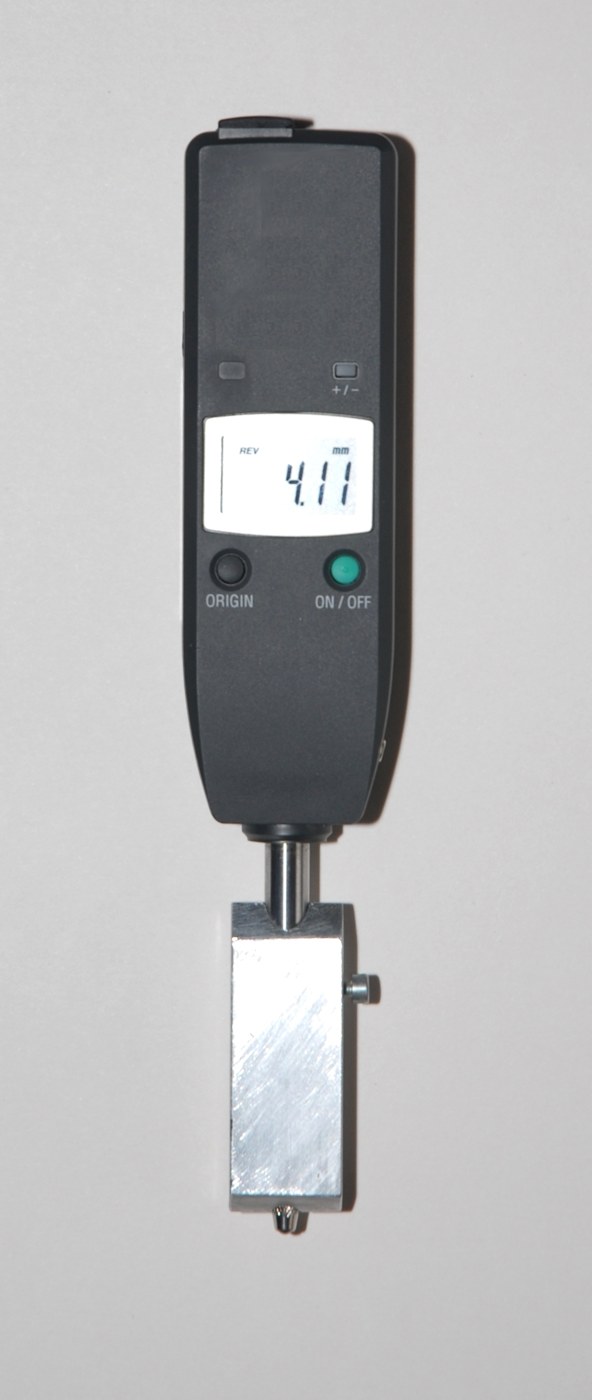
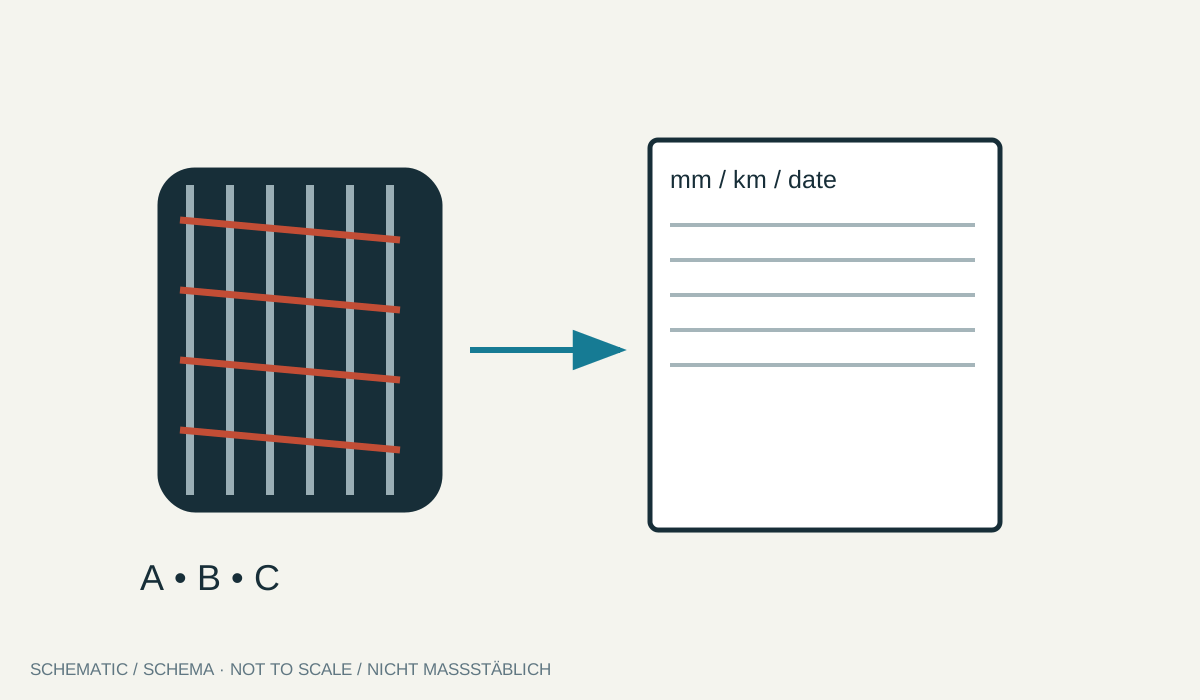
Record inner, centre and outer tread depths at several locations. Do not hide the lowest relevant area inside an average. Exposed cords, substantial damage or an unroadworthy tyre mean you should not continue driving. Arrange a safe solution before adding more mileage.
If alignment is measured, ask about the condition of the suspension components relevant to the settings. Adjusting geometry around worn or damaged parts cannot reliably solve the problem. Keep the measurement report with the invoice so that the identified cause remains traceable.
Establish a new starting point after replacement
After replacement and any necessary repairs, document condition during subsequent use. Record the fitting mileage and watch for recurrence. Agree a suitable follow-up interval with the workshop based on the severity and cause of the previous wear.
Moving a tyre to another position does not repair damage or replace investigation. Not all wheel combinations can swap between axles either. Only when approval, condition and vehicle instructions allow it can planned rotation form part of maintenance.