What a reset cannot do
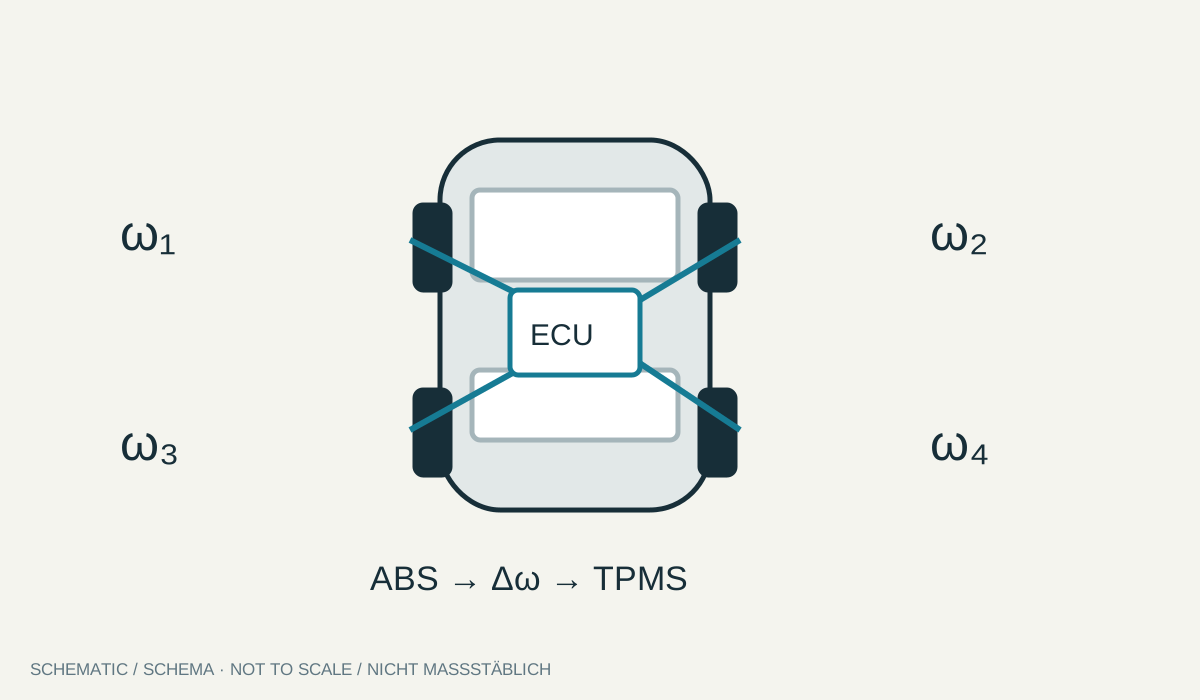
The menu option for storing or resetting tyre-pressure information does not add air or inspect damage. It changes an electronic state. On an indirect system in particular, it can establish a new reference for monitoring. Using it simply to extinguish a light skips the actual maintenance task.
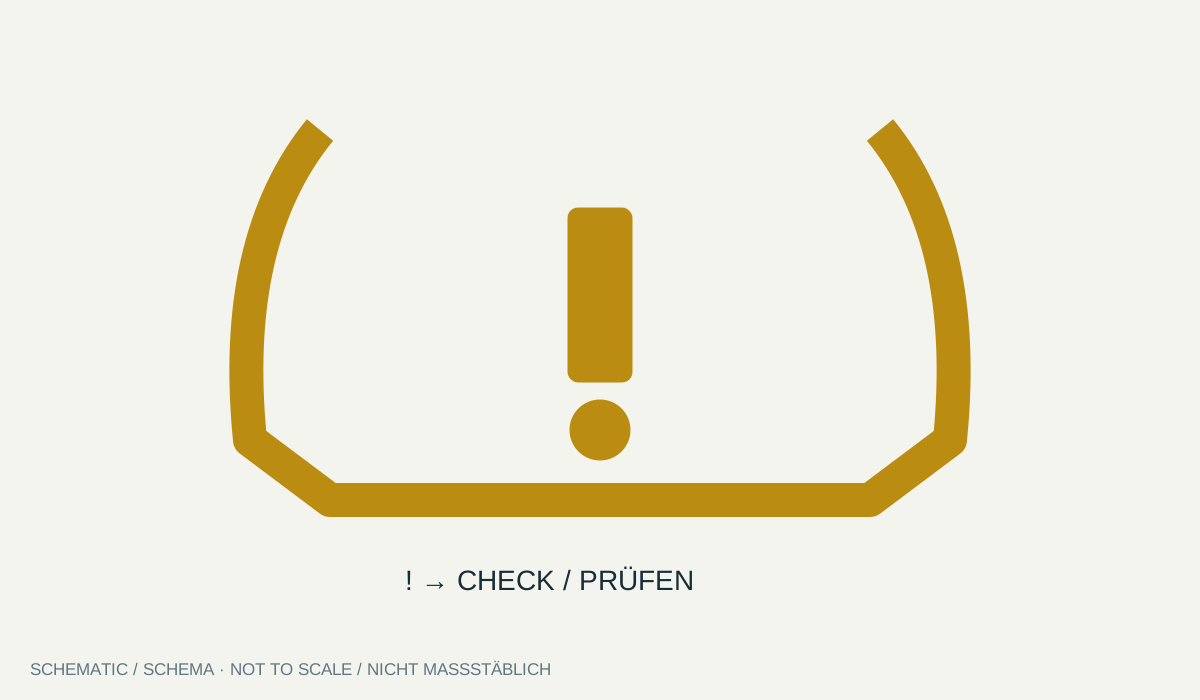
Before operating the control, ask why the message appeared. Had the seasonal wheels just been changed? Were pressures adjusted for a different load? Or did the warning arrive unexpectedly during a journey? These situations are not equivalent. No reset makes a deflated tyre fit for use again.
Follow a traceable sequence
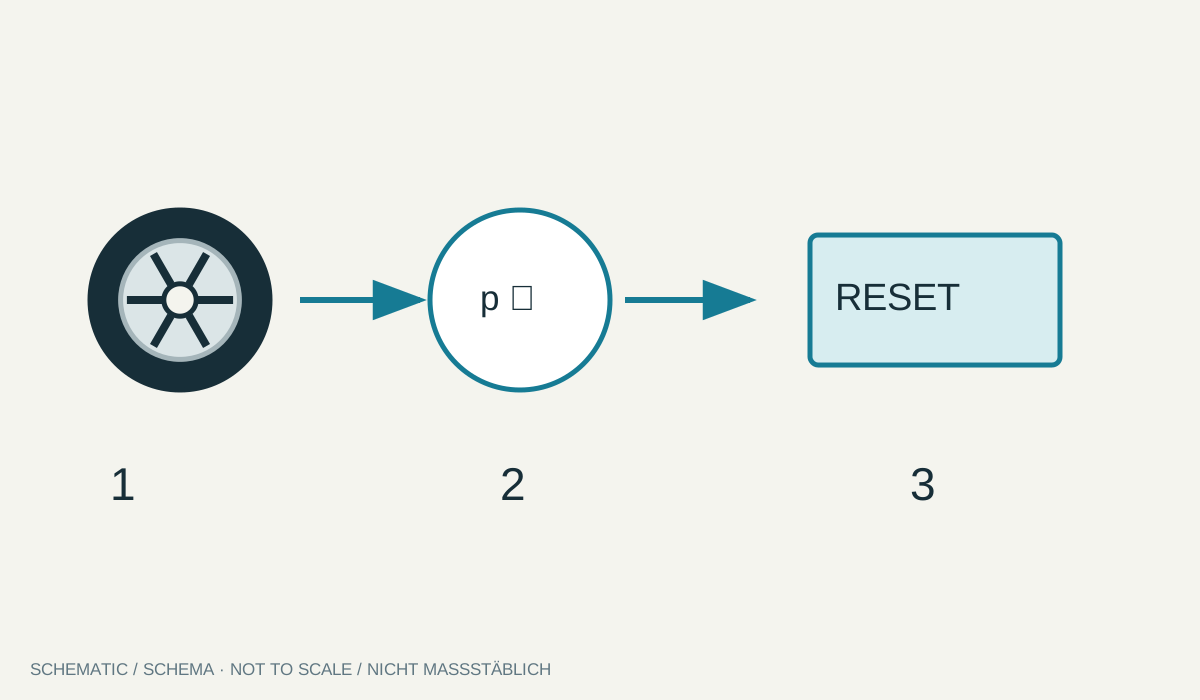
First inspect the visible condition and measure every tyre. Use the vehicle values appropriate to size, axle and load. Normal adjustment is performed when cold. A bulge, flat tyre or major pressure loss takes the situation outside routine setup; have the damage or cause established before continuing to drive.
Once condition and pressures are correct, find the procedure for the particular vehicle in its handbook. Some require confirmation while stationary; others have a subsequent learning phase. Direct systems may need sensor recognition, which is not the same as saving pressure targets. Menu terminology is not identical across manufacturers.
Clarify responsibility at the workshop
After a wheel change, establish whether the fitting business has completed setup or whether a specified learning drive remains. Ask explicitly if readings have not yet appeared. A vague assurance that the warning will disappear eventually does not explain the process adequately.
Keep the date and reason for initialisation in your maintenance notes. A later warning can then be compared with the service history. A short entry is enough; there is no need to photograph every dashboard screen continuously. The purpose is to connect work on the wheels with subsequent system behaviour.
If the warning returns
Another alert after correct adjustment calls for another check, not automatically another reset. Compare pressures with the previous cold readings. Repeated loss requires investigation of the airtight assembly comprising tyre, wheel and valve. If pressures remain stable, an electronic or procedural cause may be involved.
Give the workshop the exact warning and the steps already taken. This avoids uncertainty about whether pressures were actually measured. The goal is working monitoring based on suitable tyre conditions. An extinguished lamp alone is not sufficient evidence of that result.