What direct measurement means
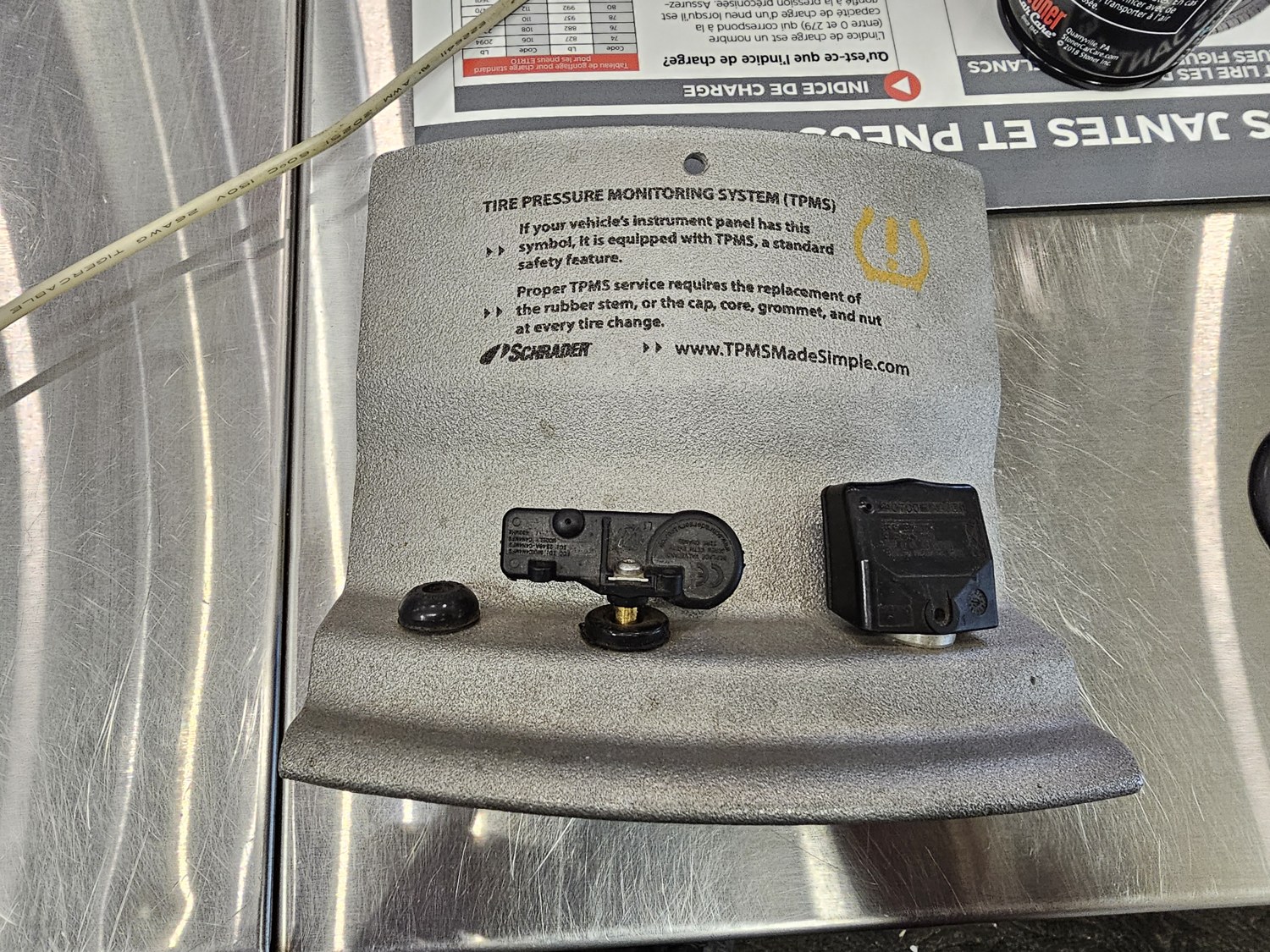
Direct tyre-pressure monitoring uses sensors that measure pressure inside the wheels and transmit information to the car. Depending on the system, they may also measure temperature. This differs from indirect monitoring, which analyses changes in rolling behaviour. The word direct does not tell you exactly what the dashboard displays or how a replacement sensor is registered.
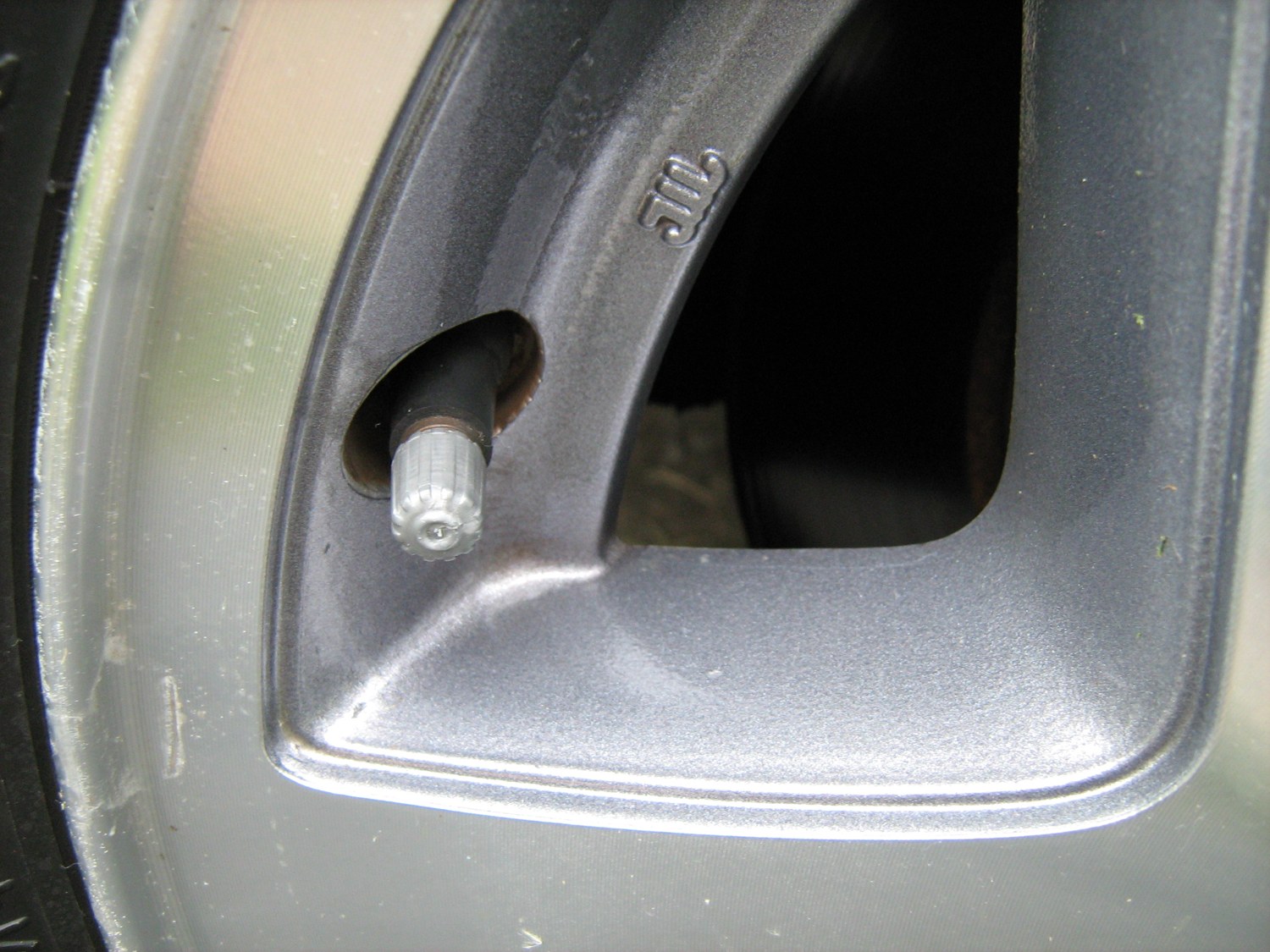
Read the system description in the vehicle handbook. Four individual pressure readings strongly suggest direct measurement, but not every direct system presents information that way. Valve appearance alone is not a reliable identification method either. A tyre business can establish the equipment from vehicle details and suitable diagnostic tools.
Separate three questions for a second wheel set
First, the sensor must communicate correctly with the vehicle. A similar casing or the word universal is not sufficient proof. Second, the sensor, valve and wheel must be mechanically compatible. Third, the vehicle must recognise or correctly assign the sensors. Quotes sometimes combine these tasks under a single description even though they represent different operations.
When ordering winter wheels, ask whether compatible sensors, any necessary programming and setup on the vehicle are included. A line described as TPMS-ready may mean something different from a fully configured set. Obtain a specific list of what will be supplied. That makes a comparison between offers more meaningful than comparing the price per sensor alone.
Learning procedures depend on the vehicle
Some systems recognise suitable sensors automatically after a prescribed process. Others require driver input or a diagnostic device. Do not copy a sequence of button presses from a video about a different variant. Procedures can also change within a model range. Follow the vehicle instructions and the requirements of the selected sensor.
At handover, any fault messages should be explained and the functional check documented. If readings appear only after a learning drive, the business should describe the process. An empty display is neither automatically a fault nor proof that setup has finished. Ask how successful recognition is confirmed and when you should contact the workshop again.
Servicing involves more than the battery
Sensor electronics often have a limited battery life. That does not establish one age at which every sensor must fail. Valve stems, seals or fastening components may also need servicing or renewal. Tyre removal must take account of the sensor to avoid damaging it.
Before the appointment, explain whether readings disappear, a system fault appears or a tyre actually loses air. These symptoms need not share one cause. A new sensor does not fix a nail in the tread, and adding air does not repair electronics. Diagnosis should distinguish mechanical airtightness from electronic operation.
The display remains an aid
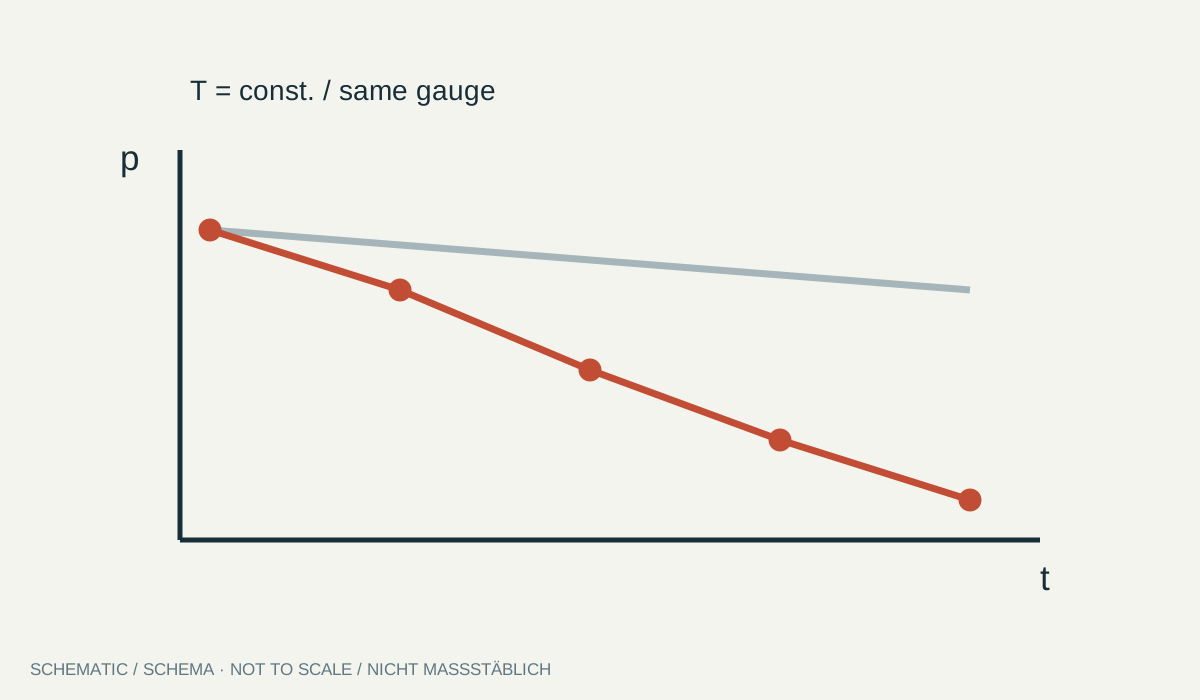
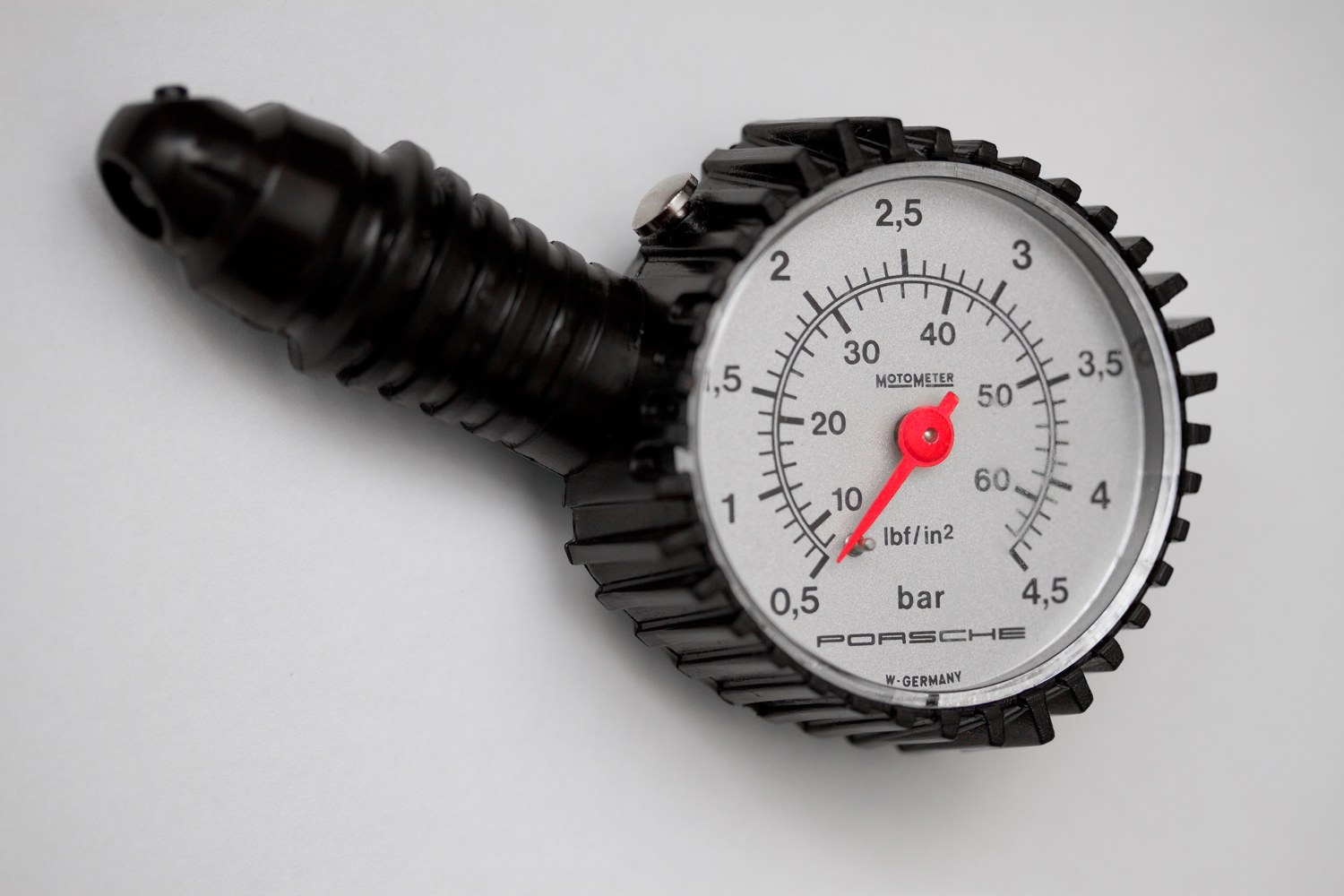
An indicated pressure does not remove the need for regular cold checks. Find out when the displayed values are updated. A retained reading may come from a different driving condition. The correct target still comes from the vehicle instruction for the fitted size and load; the sensor does not choose it.
When a warning appears, establish tyre condition first. A visibly flat tyre, a bulge or unusual handling must not be dismissed as a sensor problem. Stop safely and arrange help if damage is possible. System-specific setup or fault diagnosis follows only after the tyres have been checked and correctly inflated.