Start with the way you will use it
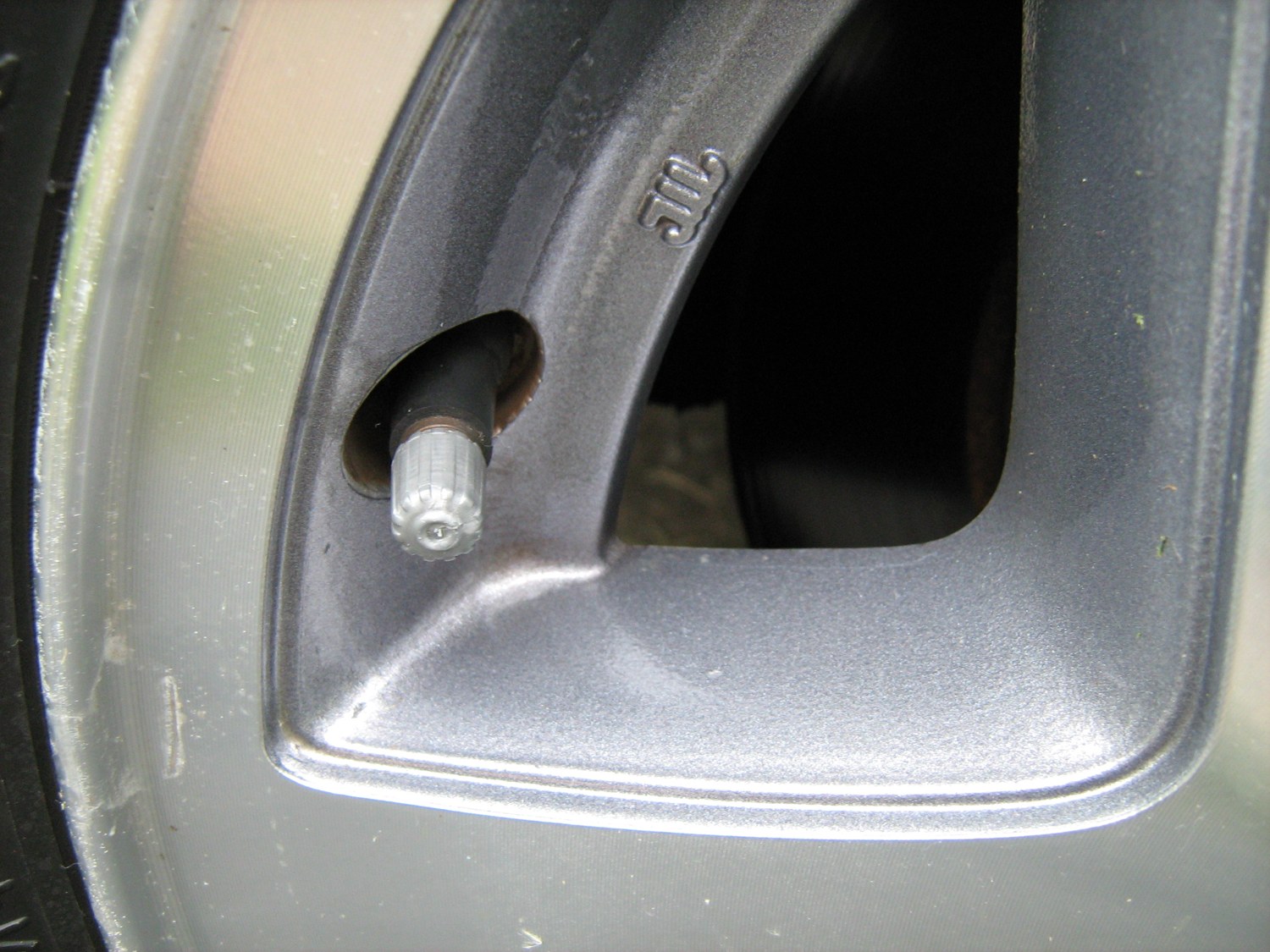
A gauge for the home garage must reach the valves on your own car. Narrow spoke openings, recessed valves or wheel covers can make a straight connector awkward. Check the measuring head’s shape and length, not just the pressure range printed on the packaging. A gauge that is difficult to seat can invite operating errors even with good electronics.
Also decide whether you only need to measure or want to inflate. A small handheld checker works independently of a compressor. An inflator combines measurement with an air supply. For a portable compressor, power supply, hose length and the manufacturer’s duty-cycle limits also matter. These features determine usability, not automatically accuracy.
Resolution is not accuracy
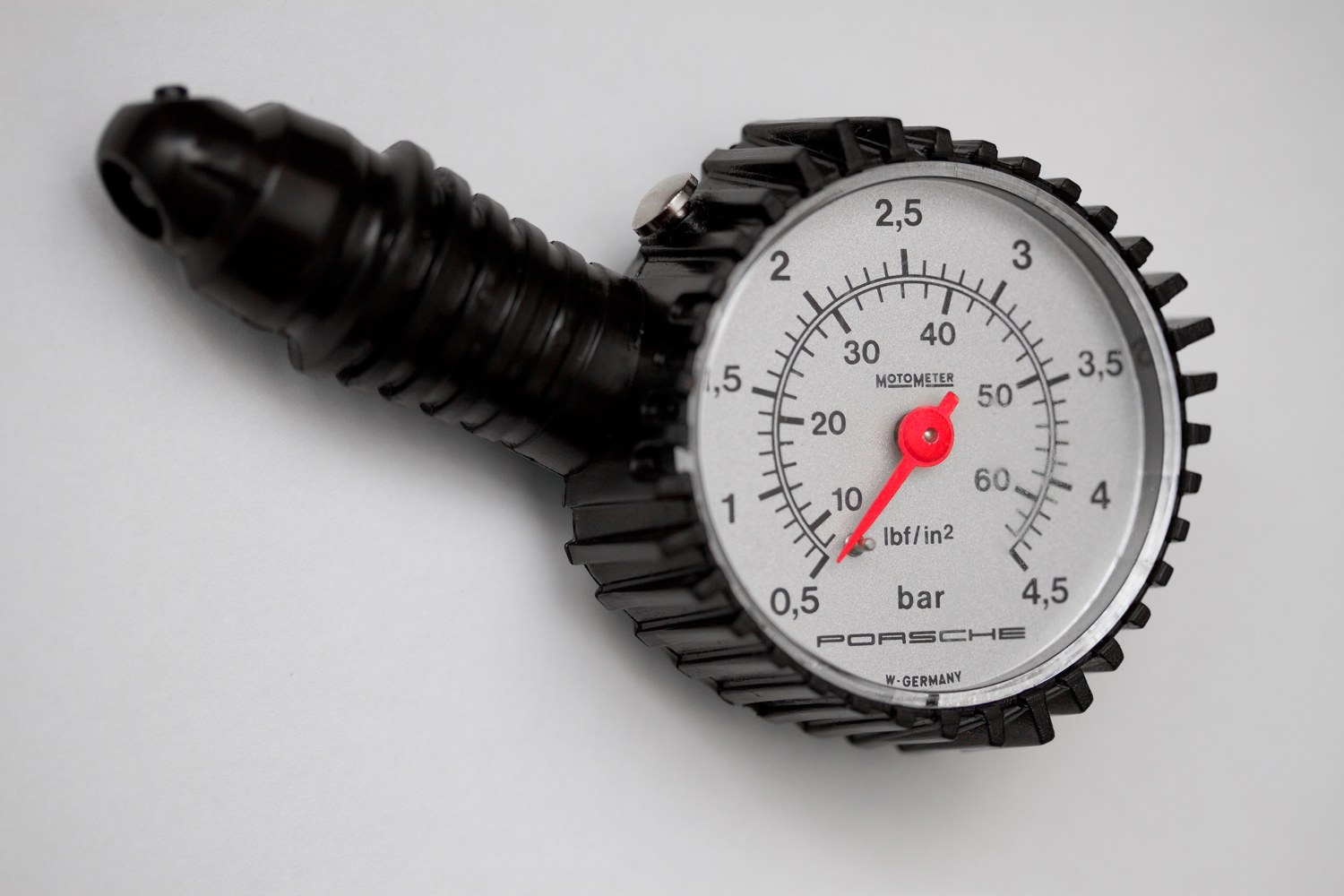
A digital screen showing two decimal places may look precise while still differing from the true pressure. Look for a stated accuracy or tolerance across the relevant range and information about verification. Analogue gauges can also work well when their scale, mechanism and connector suit the task.
Read the unit clearly. Bar, kPa and psi are not interchangeable numbers. On a gauge with selectable units, the chosen setting should be apparent after switching it on. A backlit display helps in darkness but cannot replace reading the vehicle’s pressure table correctly. The car provides the target, not the gauge.
Measure repeatably
Seat the connector carefully several times on the same cold tyre without allowing unnecessary air loss. Widely varying results can indicate a poor seal or operating error. A repeatable result is useful, but does not by itself prove absolute accuracy. Have a doubtful gauge compared with a suitable reference.
If two devices disagree, do not simply average their readings. One or both could be wrong, so the average has no established reliability. First check the units, measuring conditions, connector seating and, where relevant, battery condition. If the discrepancy remains, obtain a professional check.
Look after the measuring tool
Keep it clean and dry and protect the connector and display against impacts. Follow the instructions for storage, battery replacement and calibration. A dropped gauge should not automatically be trusted just because the screen still works. Note a change of measuring device in your pressure record, so that a later jump is not too quickly attributed to a tyre fault.