There may be no pressure sensor in the wheel
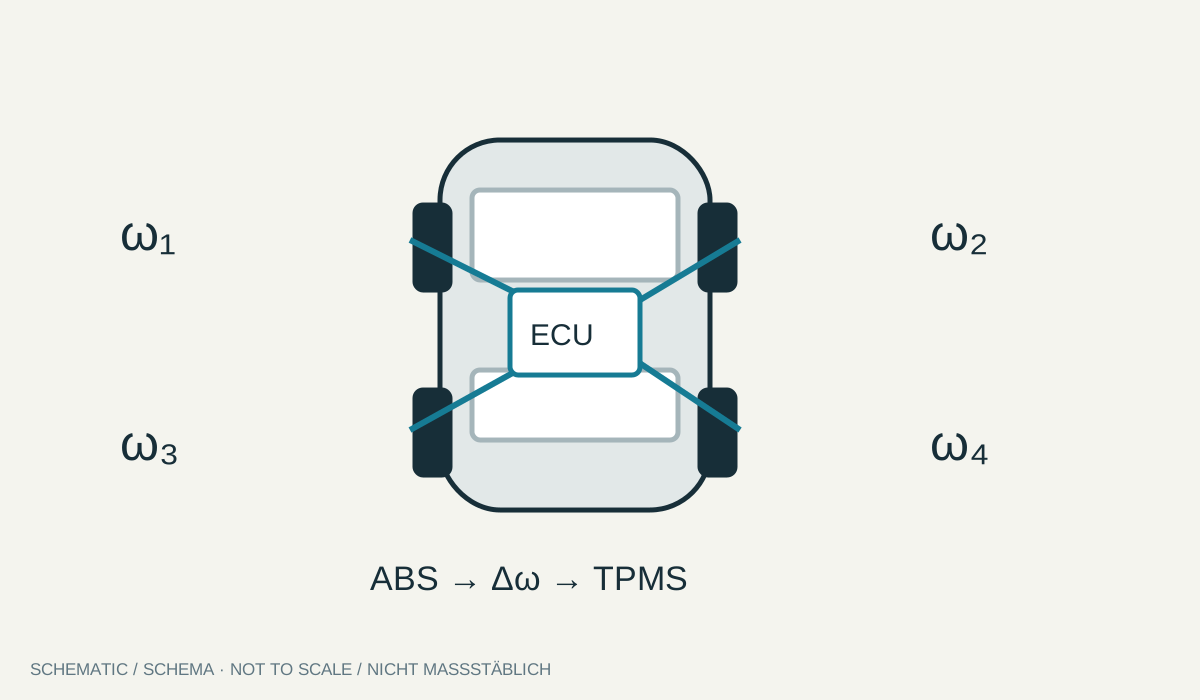
Indirect tyre-pressure monitoring does not measure air pressure with a sensor inside the tyre. The vehicle electronics instead analyse signals including wheel-speed information. When pressure loss changes a tyre, its rolling and vibration behaviour can change too. The system looks for these changes.
That is the basic principle, not a complete description of every manufacturer’s implementation. Modern processing methods differ. Do not invent a performance limit simply because the dashboard lacks numerical pressure readings. The handbook explains which system is fitted, how it warns and which conditions affect its operation.
Why the starting condition matters
An indirect system needs an appropriate reference. Initialisation may therefore be required after adjusting pressures or changing wheels. First inspect the tyres and set the specified pressures. Saving an incorrect starting condition does not make that condition correct.
This is the key difference between clearing a warning and setting the system up properly. A light going out does not confirm that anyone has measured the tyres. The driver must arrange the physical check. A recurring warning also needs its cause investigated, rather than repeatedly storing another reference.
During the seasonal wheel change
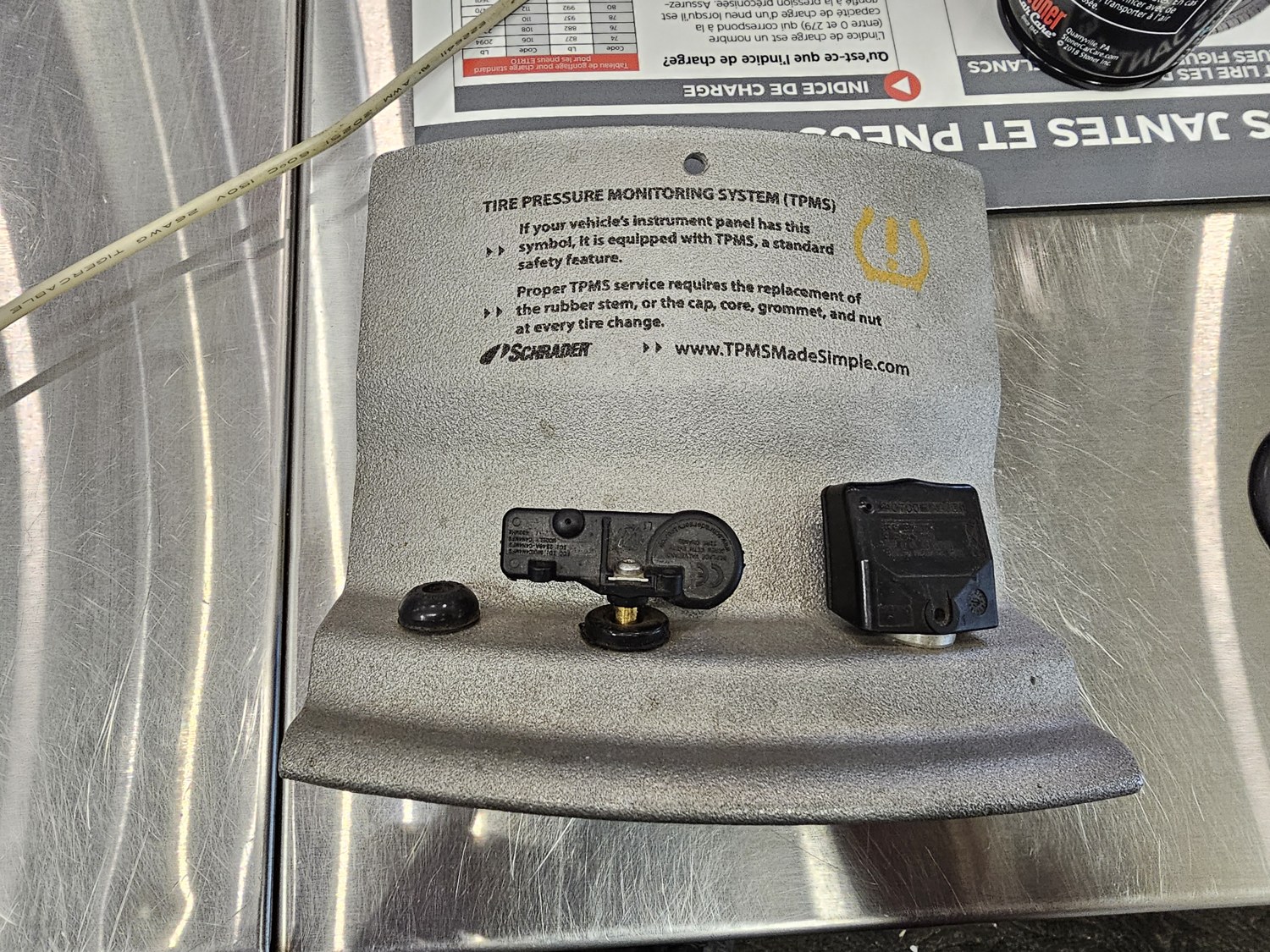
An indirect system generally does not require separate pressure sensors in the second wheel set. The set must nevertheless suit the car. Tyre dimensions, axle allocation, rotation direction and condition still matter. The monitoring equipment is not a reason to fit an unapproved alternative combination.
Ask the fitting business whether the required initialisation has been completed or what remains for you to do. If the handbook describes a learning phase while driving, follow those conditions. There is no single journey length, speed or button sequence suitable for every model. A generic internet recipe cannot replace the specific handbook.
Measure before relying on a warning
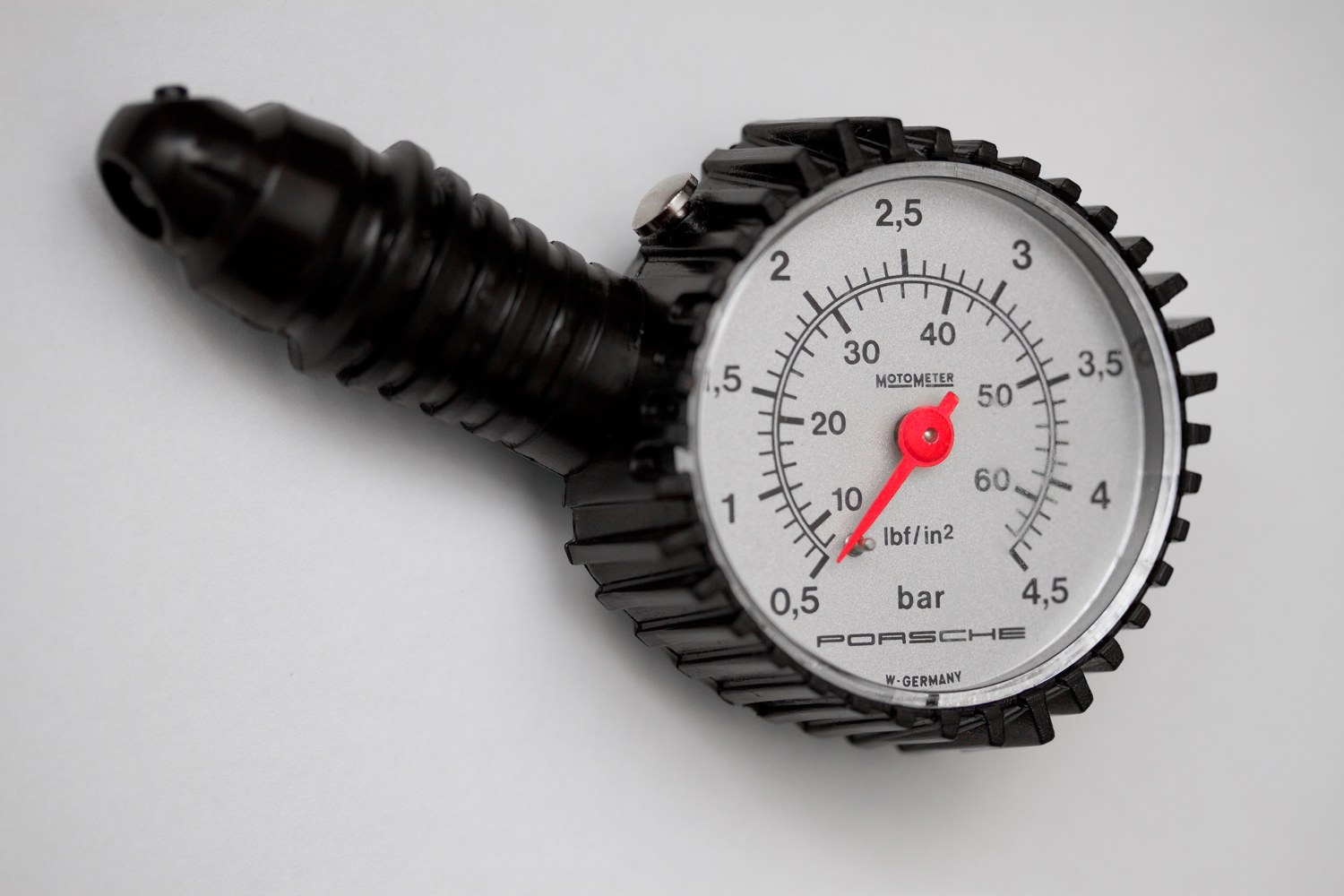
Regular checks with a dependable gauge remain necessary. Gradual changes in particular may not immediately produce a warning. Check cold pressures for the fitted size and load instead of waiting for a lamp to take over maintenance. A short record of the readings makes the check traceable.
If the symbol appears while travelling, find a safe opportunity to check. Do not continue with a visibly flat tyre, major pressure loss or changed handling. If the pressures are correct and the message remains after the prescribed setup, obtain system diagnosis. A monitoring fault and an actual tyre problem need to be investigated separately.